From over 100,000 films, discover the handful you'll love.
Free or premium access to the world's largest documentary library.
7227 films(Page 59 of 151)
Alaska's Taku Glacier serves as a research site where Caitlin Saks and graduate students from various universities study icequakes and flow patterns to predict sea level rise.
In Namibia's Oma Pride, lions exhibit complex social structures and hunting techniques, while sharks demonstrate unique predatory behaviors in their marine environments.
The diverse world of horses is explored through the lens of their first months of life, highlighting their development and unique behaviors.
Floodplain forests along the Danube River provide critical habitats for diverse wildlife, including otters, herons, and wild boar, thriving in a unique ecosystem.
U.S. military UAP footage recorded from 1996 to 2025 is analyzed to assess the impact of sensor technology on the interpretation of unidentified aerial phenomena.
Avian flu poses a significant threat to major cities, as even well-prepared nations lack sufficient treatments and face ongoing scientific debates on their use.
Nuclear meltdowns and industrial failures reveal the devastating consequences of human error and corporate negligence, highlighting the urgent need for accountability.
Tropical cyclones, known as typhoons in Asia and hurricanes in America, pose significant challenges for scientists aiming to improve prediction methods due to their unpredictable paths.
Delta Air Lines Flight 191 crash-lands on 2 August 1985 near Dallas/Fort Worth International Airport.
Conflict arises in equatorial regions as farmers, animals, and conservationists navigate challenges, showcasing innovative solutions in Indonesia, Uganda, and Kenya.
Astronauts aboard the retired Space Shuttle Endeavour observe Earth from 233 kilometers above, highlighting the shuttle program's missions and scientific research.
Extreme light and dark conditions in places like Norway and the Sahara Desert challenge human adaptation, affecting emotional well-being and lifestyle choices.
Play in the animal kingdom, as shown by scientists from Europe, the United States, and Canada, is essential for enhancing intelligence, health, and survival.
In the South African savannah, the Mopane tree, known as the butterfly tree, creates a unique ecosystem for elephants, hyenas, lions, and various bird species.
Mont Blanc, Europe's highest peak, presents extreme conditions that challenge survival, yet various plants and animals have adapted to thrive in this harsh ecosystem.
A rare fungus in Bhutan, valued at up to $80,000 per kilo, is igniting a high-altitude rush for wealth and sparking concerns over illegal trade and violence.
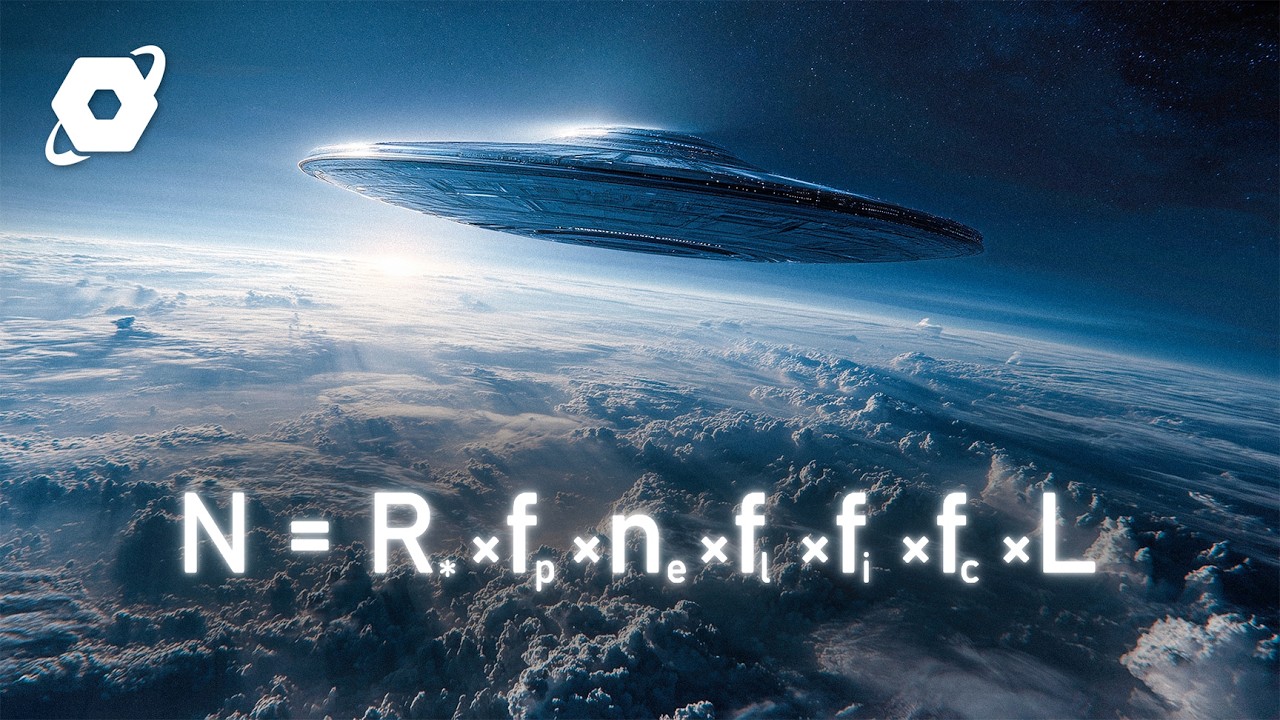
Frank Drake's groundbreaking equation transforms the search for extraterrestrial life, examining radio telescopes, exoplanets, and the silence of the universe.
Dr. Joseph Leu, a neuroscientist at New York University, has spent 15 years studying fear responses in rats to understand animal emotions.
Komodo dragons can grow up to 3 meters long and weigh around 75 kg, with some individuals exceeding 166 kg, making them the largest lizards on Earth.
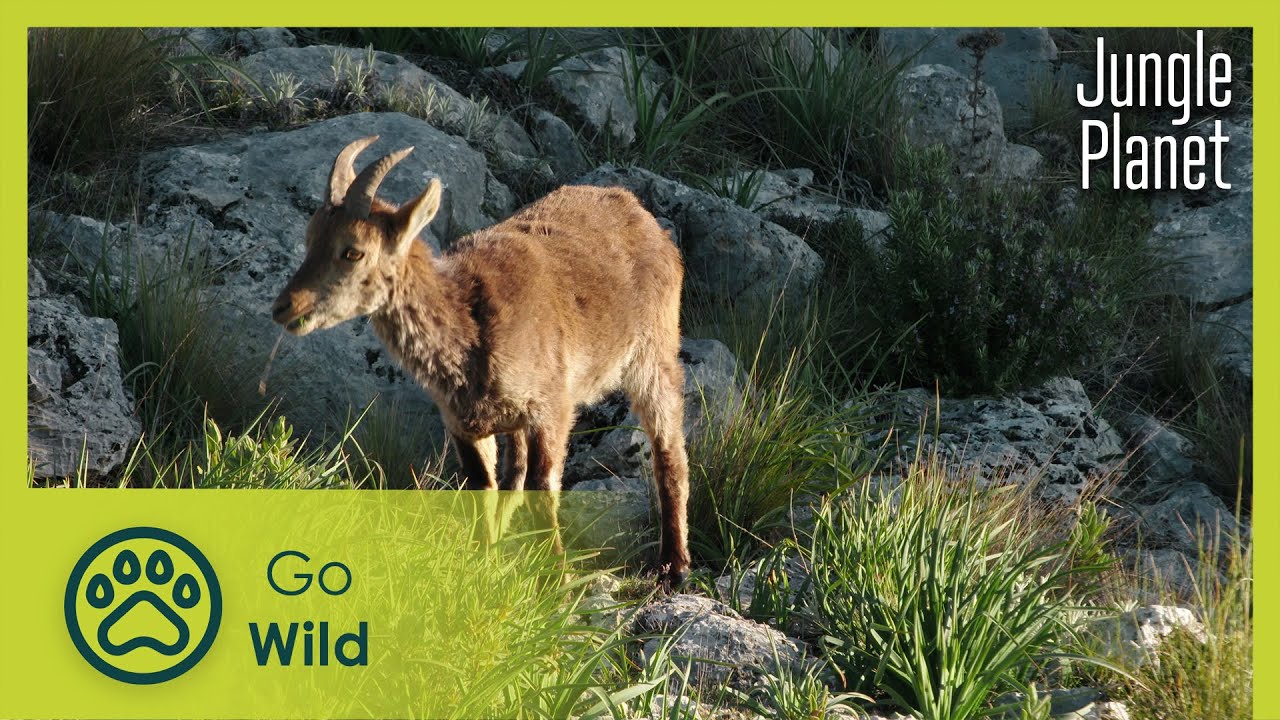
In Northern Africa and Southern Europe, unique ecosystems of Andalusian fir forests thrive on high mountain peaks, supporting diverse wildlife across the Strait of Gibraltar.
In the African savannah, apex predators like lions and African wild dogs showcase their hunting strategies and adaptations in a harsh environment.
Interviews with women at NASA reveal that equal opportunity and teamwork are essential for success in space travel, regardless of race, creed, color, or sex.
In France's Caribbean and Indian Ocean territories, approximately 850,000 residents live in proximity to active volcanoes like La Soufrière and the submerged volcano in Mayotte, facing constant eruption risks.
Close encounters with alleged extraterrestrial activity are examined through over 250 pieces of footage and testimonies from credible witnesses, including astronauts.
In Brazil's Atlantic rainforest, herpetologist Mark O'Shea leads a team to capture the venomous bushmaster snake for antivenom research amid habitat loss.
Antonov AN-124-100M-150, the world's largest cargo plane, undertakes a critical mission transporting a 61-ton generator from England to South Korea amid tight deadlines and challenges.
315 meters long and weighing 80,000 tons, the Meraviglia is built with 300,000 pieces of steel and requires 6 million hours of labor to complete.
Possums, snakes, and insects exhibit the fascinating survival strategy of playing dead to evade predators, showcasing unique evolutionary adaptations.
Chengyang Wind and Rain Bridge, a remarkable example of traditional Dong architecture, showcases intricate construction techniques using no nails or screws.
Golden Gate Bridge and Millau Viaduct are compared for their engineering feats, construction challenges, and historical significance to determine which is superior.
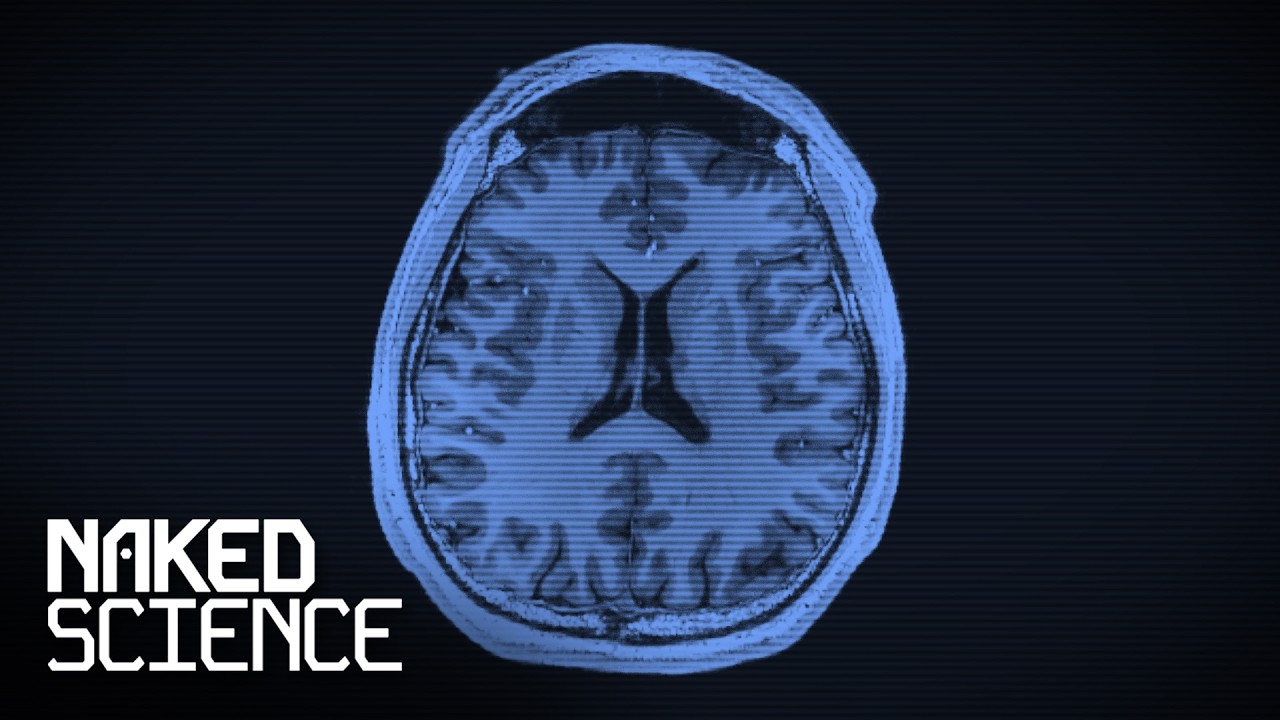
Around 100 billion nerve cells exist in the human brain, each forming trillions of connections that influence mental health and disorders.
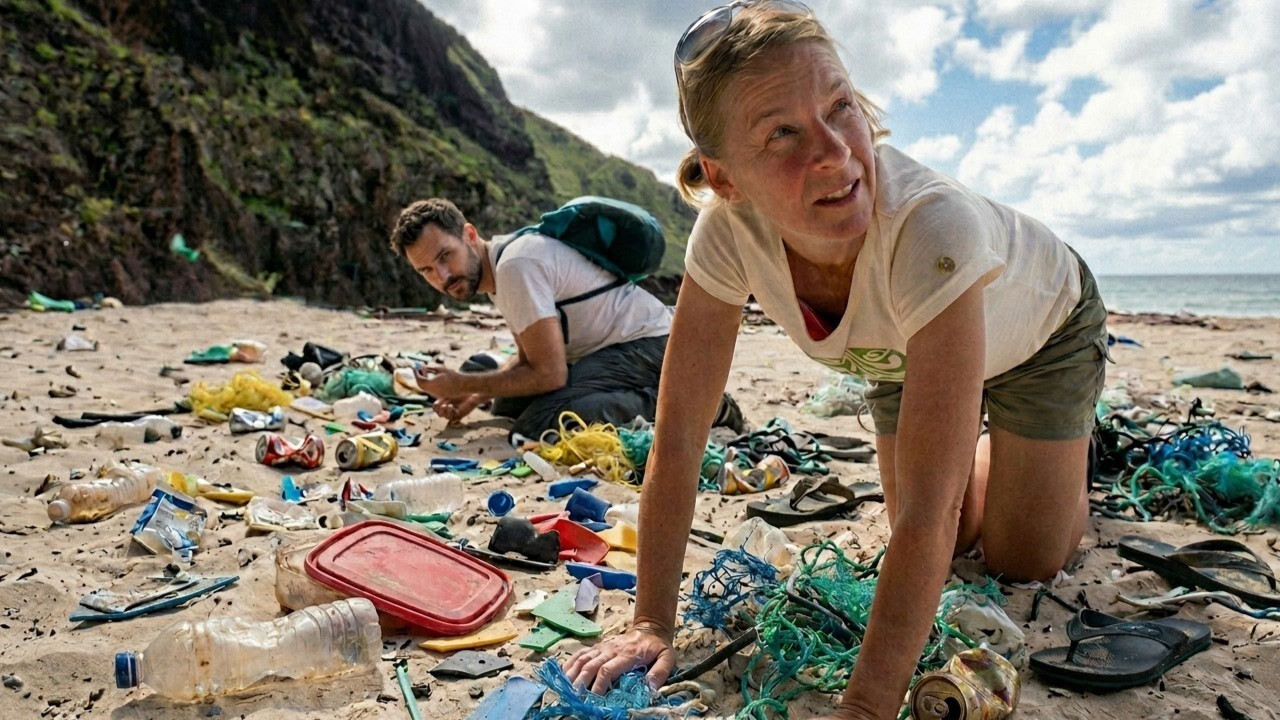
Six million metric tons of plastic enter the oceans each year, a volume comparable to the world's total production in 1960.
Mangrove forests, home to species like proboscis monkeys and mudskippers, thrive along tropical coasts and rely on tidal changes for their ecosystem.
A remarkable engineering achievement showcases 150 workers completing a railway underpass in just 5 hours while maintaining uninterrupted train traffic.
China's Black-tailed gulls and Chinese Egrets thrive on Fantouzi Island, showcasing their feeding and breeding habits amid the country's rapid development.
Scientists analyze kangaroo feces to study the bacteria that could lead to a future where diseases are largely eliminated through microbiome therapy.
In the African savanna, apex predators engage in fierce battles for survival, showcasing the brutal realities of life through encounters like a giraffe mother defending her calf from lions and the Great Migration's perilous river crossings.
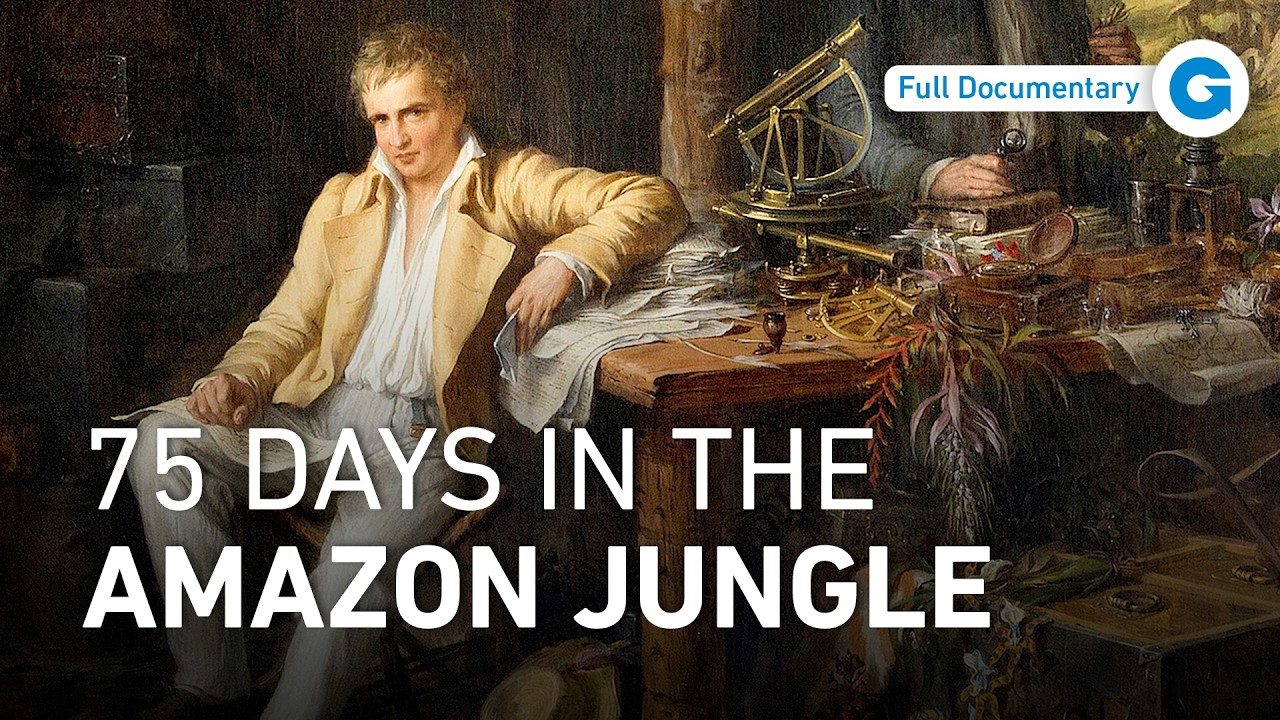
Alexander von Humboldt's expedition to South America revealed the interconnectedness of nature, influencing scientific thought and the abolitionist movement in the US.
Animals have evolved remarkable combat strategies, showcasing powerful weapons like the elk's antlers, bison headbutts, and the lethal kick of an ostrich.
On October 24, AD 79, the eruption of Mount Vesuvius buried the Roman city of Pompeii under volcanic ash, preserving its final moments and daily life for centuries.
In Alaska, residents face the imminent threat of becoming climate refugees as melting permafrost and rising sea levels endanger their coastal communities.
Over 4,000 cases of UFO sightings are documented, yet tangible evidence remains scarce as experts seek to determine their origins.
Sound influences history and health, exploring its effects through acoustic ecology and cymatics, while highlighting research on sound's potential in cancer treatment.
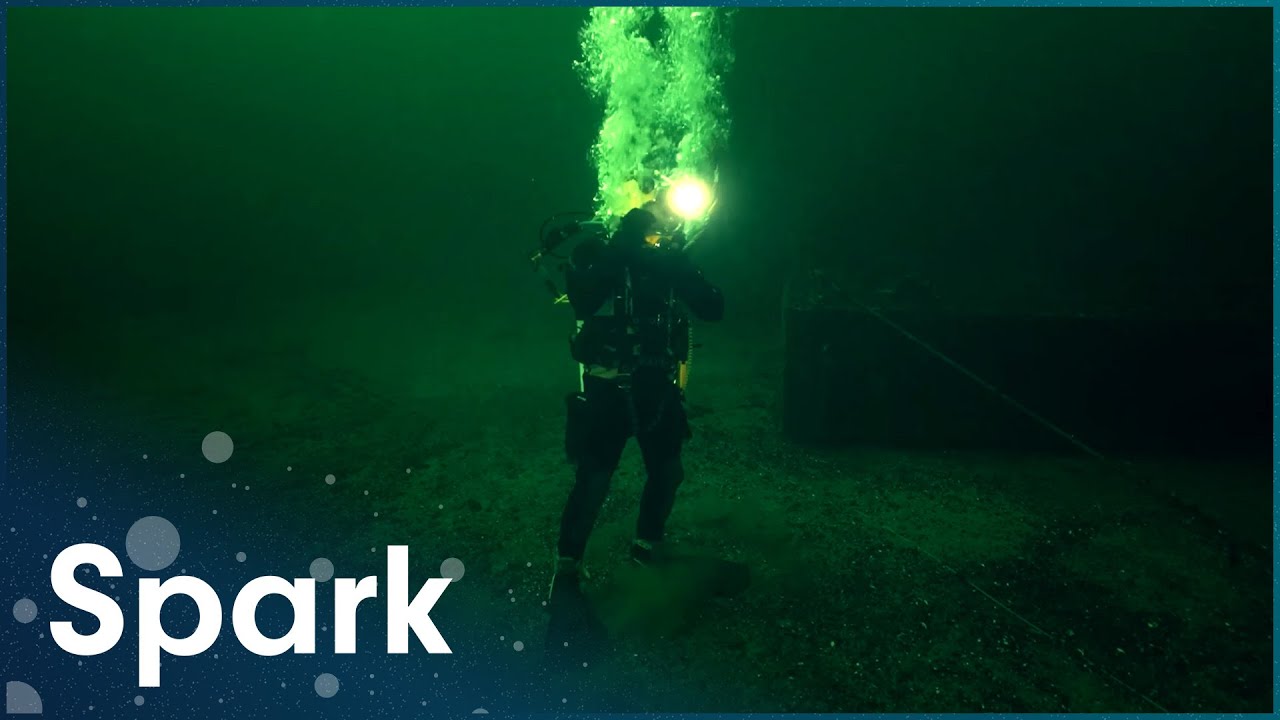
Baltic Sea Divers conduct a high-precision inspection at the Feno 2 wind research platform and tackle a hazardous scrap removal in the Vulgast shipyard harbor.
Elk antlers and bison horns exemplify the diverse evolutionary adaptations of animals, showcasing unique fighting styles for survival and competition in the wild.
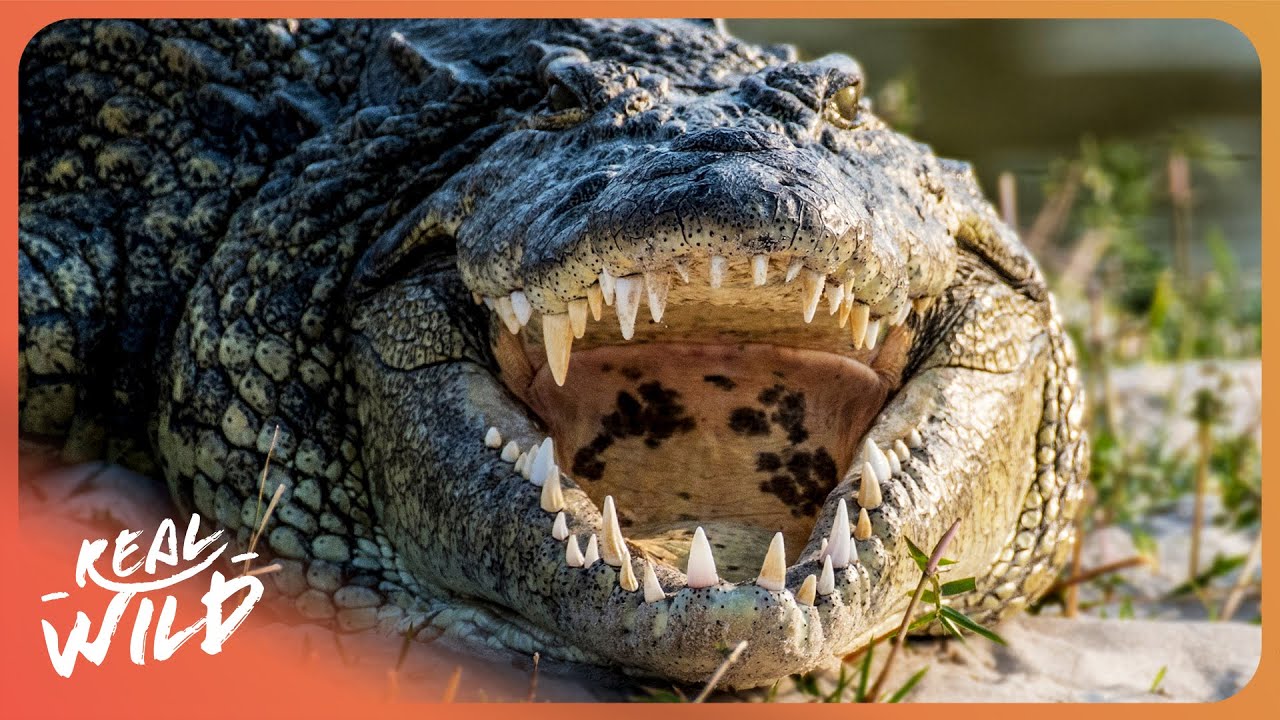
Crocodilus nuticus, the Nile crocodile, measures between 3 to 5 meters in length and has existed for over 200 million years with little change.
Jonathan Bird conducts an experiment with a tiger shark at Tiger Beach, revealing that the shark refuses to eat a GoPro camera offered as bait.
By the end of the century, sea levels are expected to rise as much as 1 meter, inundating coastlines around the world.