From over 100,000 films, discover the handful you'll love.
Free or premium access to the world's largest documentary library.
7227 films(Page 58 of 151)
Wild cats, including tigers, jaguars, lions, and cheetahs, exhibit diverse evolution, behavior, and survival strategies across various habitats worldwide.
Kangaroos, birds, marine mammals, turtles, and crocodiles showcase the incredible diversity and unique adaptations of wildlife across Australia and beyond.
Ancient discoveries have significantly influenced modern engineering and architecture, showcasing the enduring impact of historical innovations on contemporary design.
Neil Armstrong lands on the moon on July 20, 1969, marking a triumph for Americans over Soviets.
Sabertooths, Irish Elks, and Tasmanian Tigers are examined for their unique histories and the factors contributing to their extinction.
Volcanologists utilize advanced technology and forensic science to predict volcanic eruptions, monitoring active craters from Colombia to the Philippines.
In New York City, two million Norway Brown Rats have formed a distinct population, prompting ongoing battles between exterminators, scientists, and terrier hunters.
Iceland's geothermal energy potential, capable of powering 20 nuclear plants, raises concerns about environmental impacts amid economic ambitions in the aluminium industry.
Scientific perspectives on extraterrestrial life are explored, focusing on the possibility of organisms similar to bacteria and the uniqueness of human evolution.
Shivani Bigler examines advancements in artificial intelligence and robotics at institutions like Carnegie Mellon University and MIT, focusing on self-driving technology and early forms of consciousness.
NASA's Project Mercury aimed to put a human into space, marking a significant milestone in the United States' space exploration efforts.
Ancient photons from distant stars provide insights into the universe's origins, while experts explore the dual nature of light and its connection to Einstein's theories.
NASA's innovative techniques for testing technologies in zero gravity have evolved since the Apollo era, continuing to shape modern space exploration and research.
In California, a team examines cow behavior and biology, while a bald man explores hair restoration with stinging nettles and mechanical birds are created in Florida.
Air pollution is exacerbated by industrial emissions and melting permafrost, while a warming Polar Vortex disrupts weather patterns, leading to extreme winter storms.
250,000 people worldwide are affected by Duchenne muscular dystrophy, a condition that a medical startup aims to treat using CRISPR-Cas9 technology.
Ants, crocodiles, rhino beetles, bears, and mantis shrimps showcase their incredible strength and power in a competition to determine the ultimate powerhouse of nature.
A German study claimed that dieters could lose weight by eating 40 grams of chocolate per day, despite the lack of scientific validity behind such claims.
Ian Gordon, a leading shark specialist, explores the biology and behavior of the Great White shark, one of nature's most formidable predators.
Georges Mougin advocates for towing a 100,000-ton iceberg from Canada across the Atlantic to provide freshwater to arid regions facing water scarcity.
Marty Stouffer explores various species of hummingbirds, including the ruby-throated, bee, black-chinned, rufous, broad-tailed, and calliope hummingbirds.
Placebo effects are explored through the experiences of the Dutch Olympic cycling team, a Parkinson's patient, and a woman undergoing spine surgery.
Insects play a crucial role in ecosystems worldwide, showcasing their diverse behaviors and adaptations in various environments.
In the Solar System, over 200 moons, including Io's active volcanoes and Titan's methane rivers, reveal the hidden complexities of these celestial bodies.
During puberty, teenagers can grow up to 10 cm in height as their bodies and brains undergo significant changes that impact behavior and decision-making.
Ben Cropp, a former shark hunter and marine conservationist, explores tiger shark behavior while showcasing artifacts from his shipwreck museum in Australia.
Cliffs along the Atlantic coast of Bretagne serve as a unique ecosystem, supporting diverse flora and fauna in the dynamic interplay of air and water.
Gary Fildes embarks on a 15-hour flight to Santiago, Chile, to investigate the region's significant contributions to astronomy and dark sky preservation.
The future of supercars combines hybrid powertrains with cutting-edge technology and sustainability.
Scientists reveal a Nobel Prize-worthy discovery that the universe is expanding at an accelerating rate, prompting new questions about its nature and implications.
Humans cannot synthesize vitamin C, a capability that most other vertebrates possess, raising questions about the necessity of vitamin supplements.
An informal group of nearly a dozen physicists in the San Francisco Bay Area in the 1970s, known as the Fundamental Fysiks group, influenced quantum physics.
Five leading astronomers, including Fred Hoyle and Margaret Burbidge, explore profound questions about the universe's creation and humanity's place within it.
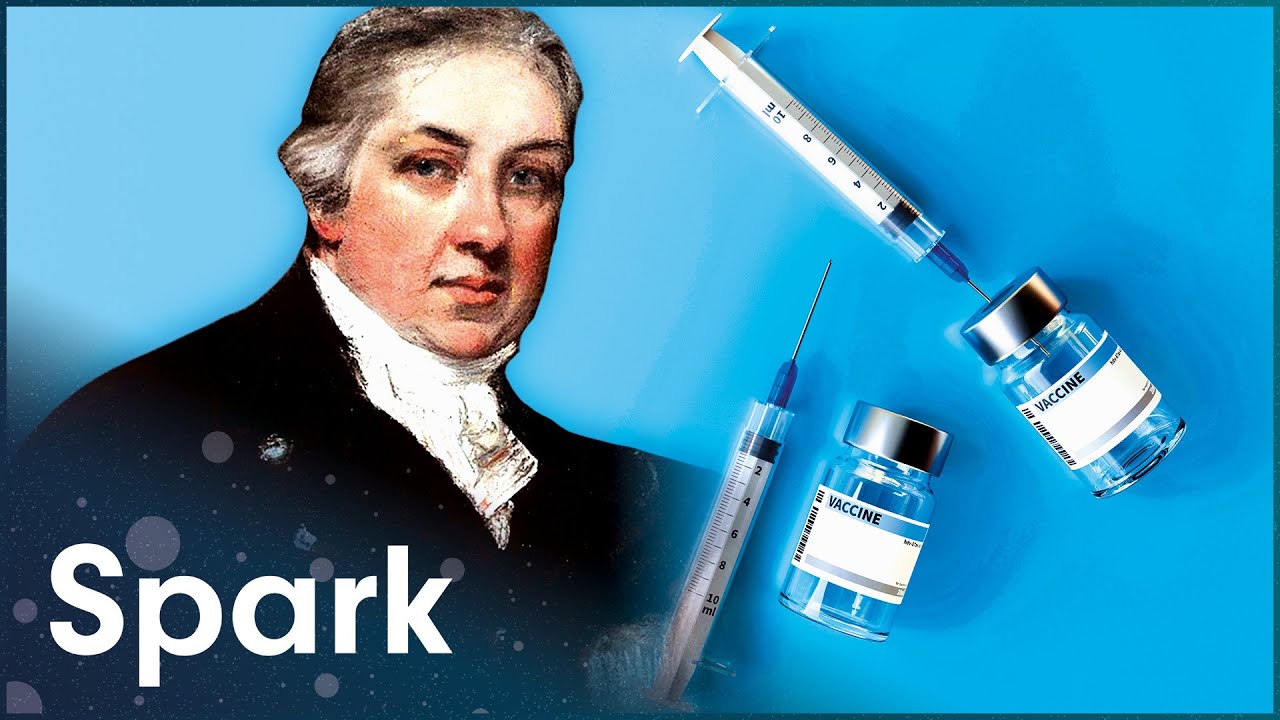
Smallpox was responsible for 10% of all deaths and up to 35% of childhood deaths before Edward Jenner developed the first vaccine in 1798.
In Zambia's Luangwa River during the dry season, local wildlife, including elephants, lions, and hippos, navigate their daily survival amidst a delicate ecosystem.
Filipino farmers are adopting organic practices to combat the devastating effects of El Niño, which exacerbates droughts and threatens their livelihoods.
North America's deer family, including elk, moose, and caribou, showcases unique survival tactics and adaptations in their natural habitats.
Heavy-lifter Fairplayer embarks on its inaugural mission, transporting a cargo nearly 20 times the weight of the Statue of Liberty!
Some colossal structures are harder to move than to build, like oil rigs and wind farms.
Only two probes have been sent to investigate Mercury, with the first close-up imagery coming from the US probe Mariner 10 in 1974.
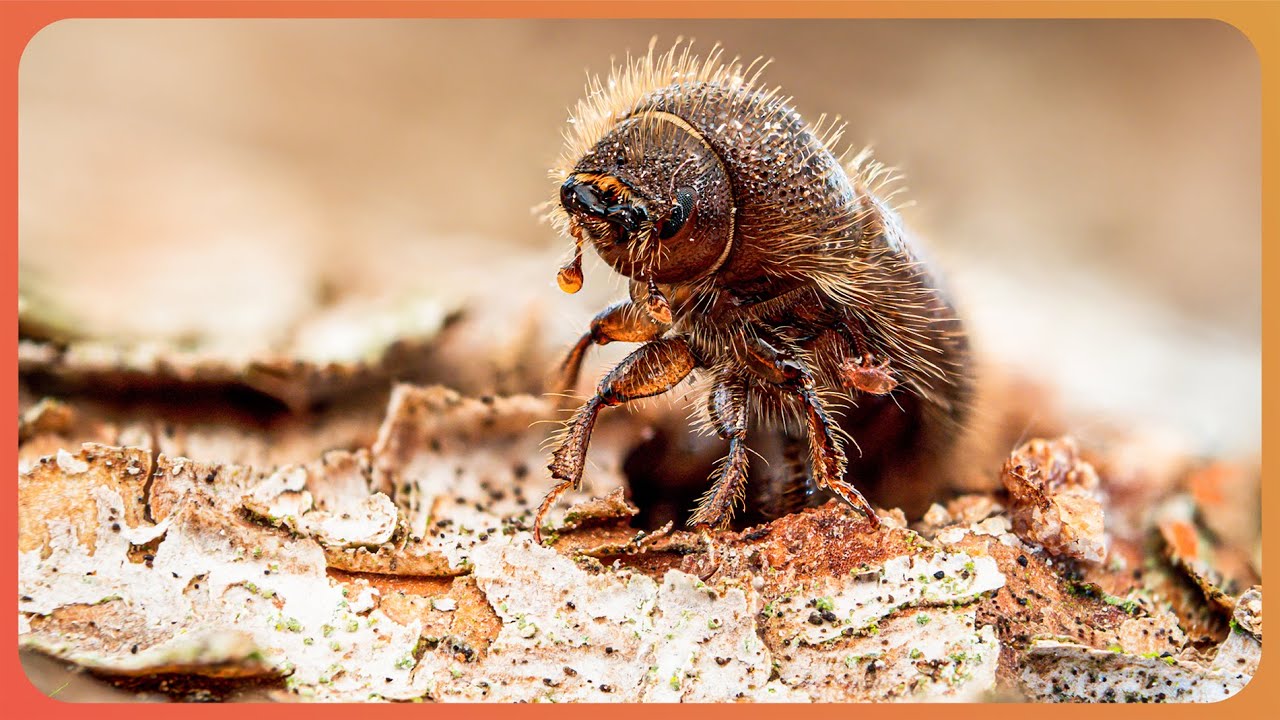
Dutch Elm Disease, spread by tiny elm bark beetles, threatens to decimate elm tree populations in America and Europe, prompting urgent scientific intervention.
Firefighting aviation becomes crucial as wildfires grow in intensity across Colorado and beyond.
24 astronauts traveled to the Moon between 1968 and 1972, with Apollo 17 marking the last human footsteps on the lunar surface in December 1972.
Volcanoes erupt across the globe, from Iceland to Indonesia, revealing the science behind their power and the advancements in monitoring technology since Mount St. Helens in 1980.
In the Serengeti Plain, five non-related cheetahs form an unprecedented hunting pack, challenging traditional perceptions of their solitary behavior.
Cousteau reported frogs over two feet long in Lake Titicaca, but current sightings suggest they may now weigh only about a pound.
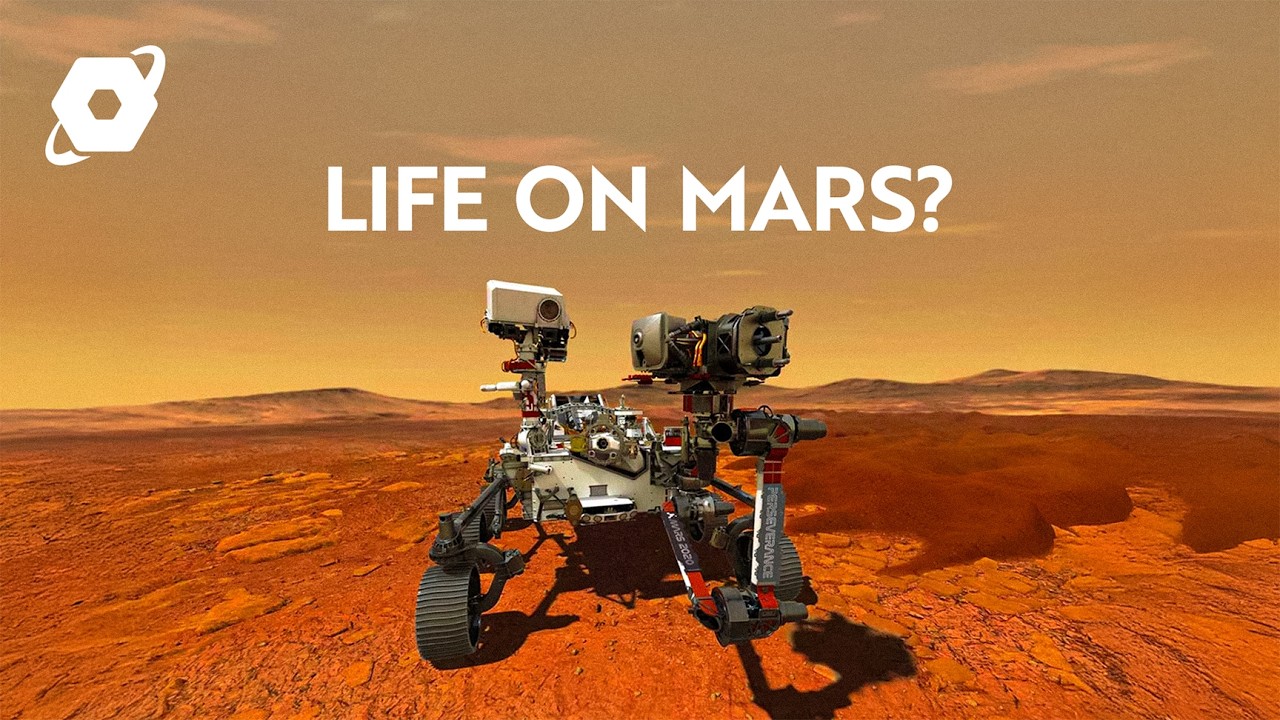
Mars exploration has advanced with NASA's Perseverance rover, equipped with advanced technology to analyze the planet's surface for signs of past life.
Insects, with around 1 million known species and an estimated 5 million yet to be identified, exhibit remarkable adaptability to thrive in diverse environments worldwide.