From over 100,000 films, discover the handful you'll love.
Free or premium access to the world's largest documentary library.
7231 films(Page 52 of 151)
Tsunamis, triggered by offshore earthquakes or underwater volcanic eruptions, can unleash devastating waves that cause widespread destruction along coastlines.
Mass UFO sightings, such as the Phoenix Lights and mysterious Atlantic Ocean events, raise questions about extraterrestrial contact and the physical evidence left behind.
Venomous snakes and spiders, including the King Cobra and inland taipan, have evolved potent toxins for survival, yet face threats from habitat loss and human activity.
Panspermia examines the theory that life on Earth may have originated from asteroids, exploring scientific efforts to recreate the conditions for abiogenesis.
In Africa, survival is influenced by lethal weapons such as the crushing jaws of hippos, the brute force of lions, and the venom of puff adders.
Australopithecus afarensis, Homo erectus, and early Homo sapiens highlight a 4-million-year evolution marked by bipedalism, tool-making, and fire control.
Insects employ a range of defense mechanisms, including camouflage, mimicry, and trapping techniques, to evade predators while facing threats from environmental destruction.
Asian Ladybirds and Colorado Potato Beetles are examined for their potential in cancer treatment and innovative construction methods by Professor Andreas.
Fulani shepherds across West and Central Africa face increasing challenges to their sustainable pastoral lifestyle due to climate change, land expansion, and local conflicts.
CERN's Large Hadron Collider will facilitate a groundbreaking experiment involving ten thousand scientists to explore the conditions of the universe just after the Big Bang.
Project Mercury, America's first manned space program, along with advancements in camera tracking and the International Space Station, highlights key milestones in space exploration.
Project Gemini, Venus Express, and NASA's Extravehicular Mobility Unit highlight key milestones in space exploration and advancements in deep space communications.
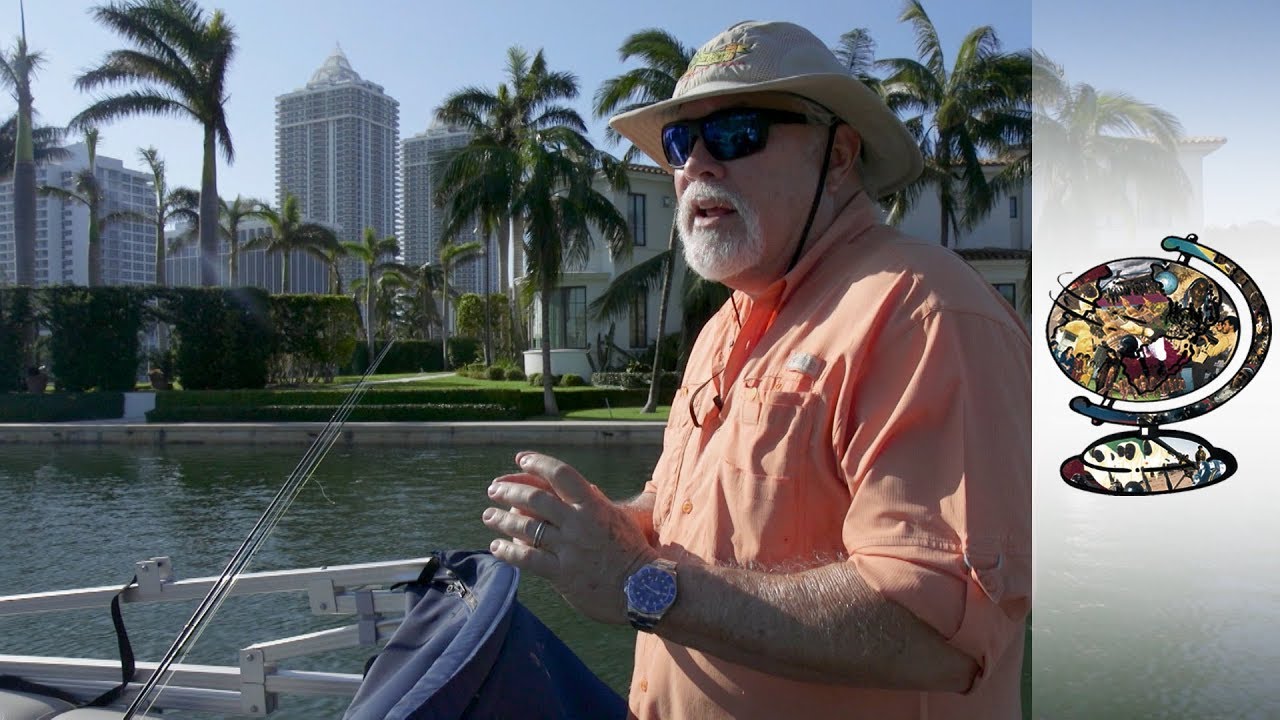
Rising sea levels and melting ice are forcing communities in Miami and Alaska to confront the harsh realities of climate change amid political inaction.
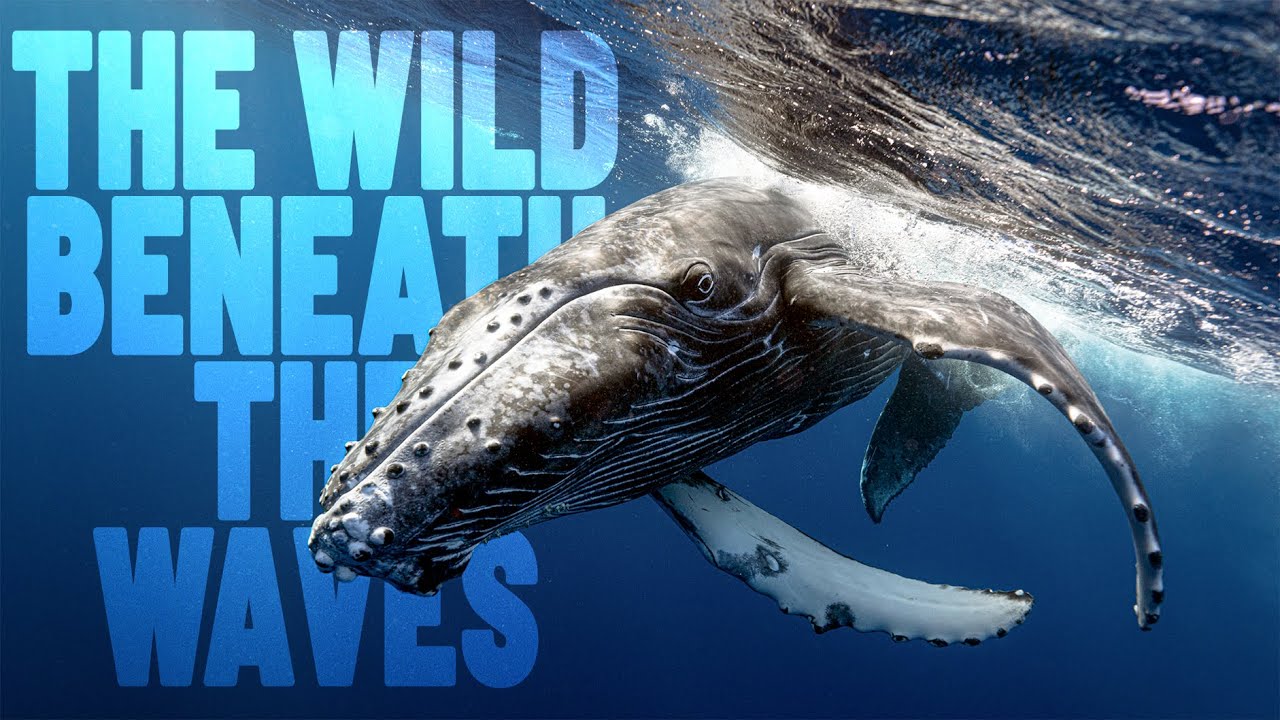
Manta rays, cephalopods, manatees, and humpback whales reveal their extraordinary behaviors and challenges in a stunning exploration of ocean life.
Babies can nap for up to 16 hours a day, revealing the significant role sleep plays in cognitive function and overall health.
Aaron, a materials performance engineer at Patagonia, explains the functions and types of shell layers in outdoor clothing for protection against the elements.
Gravity influences light in space, affecting its emission, absorption, and reflection, which shapes our perception of stunning nebulae and galaxies!
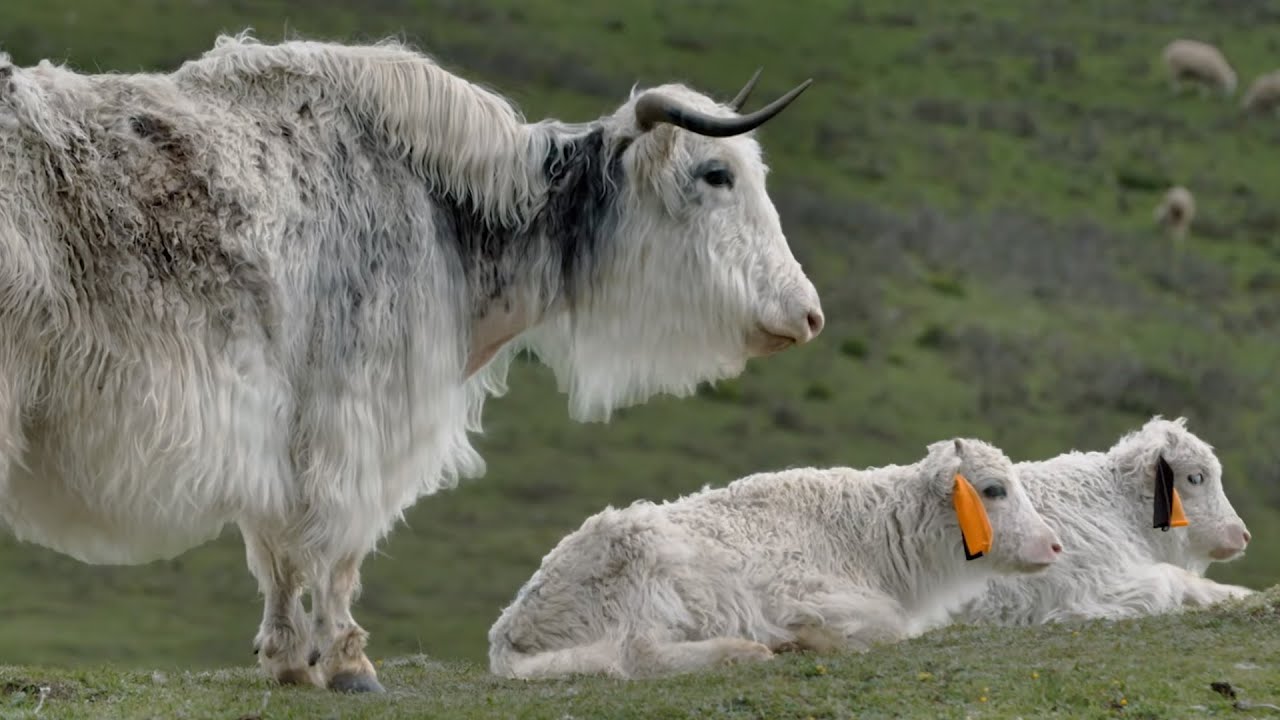
In China's western regions, scientists from China and Germany are breeding wild yaks with domestic yaks at the Datong farm to enhance food production amid urbanization.
Asteroids have caused significant destruction on Earth throughout history, shaping the planet's geological landscape over billions of years.
A massive alien craft in Michigan threatens a pregnant woman and injures an Argentinian woman with a fiery blast, leading to coast guard investigations.
Extreme weather phenomena across the universe, including Jupiter's Great Red Spot and sulfuric acid rain on Venus, reveal the violent forces shaping celestial bodies.
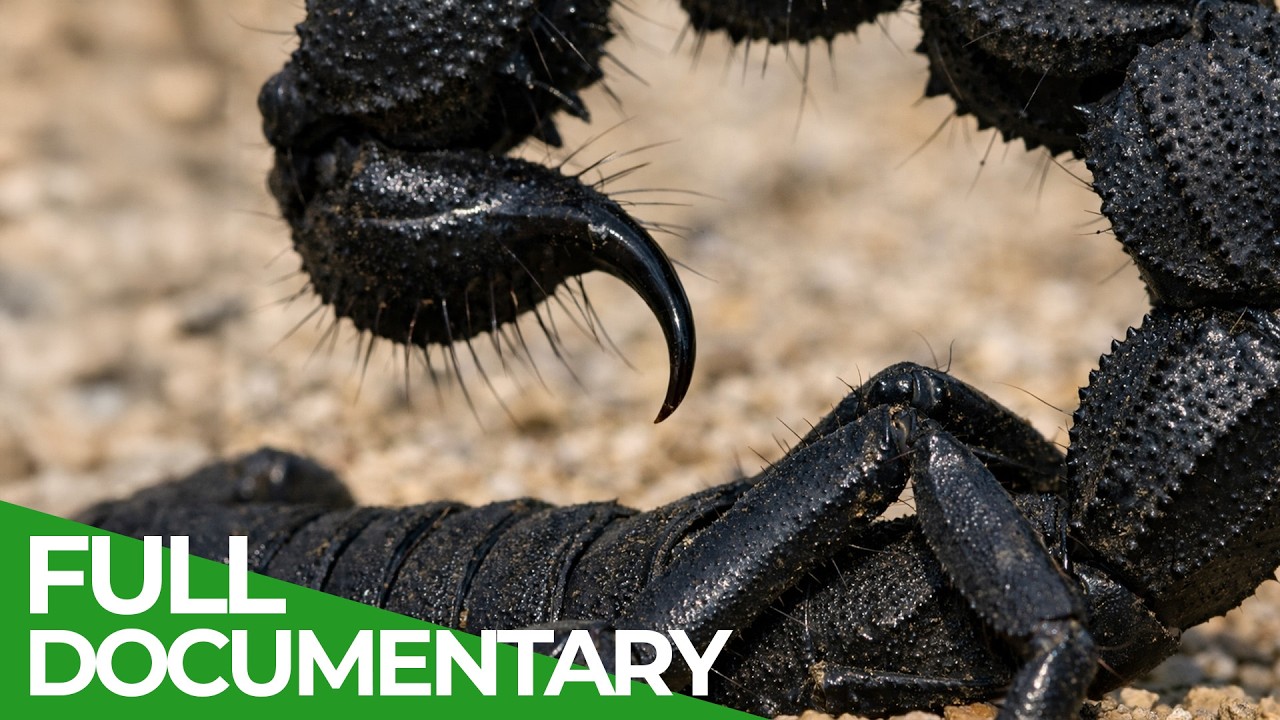
Animals across diverse environments, from deserts to frozen tundras, exhibit remarkable adaptations that enable their survival in extreme conditions.
On July 20, 1969, 600 million people watch as Neil Armstrong takes his first steps on the moon, marking a significant achievement in the space race.
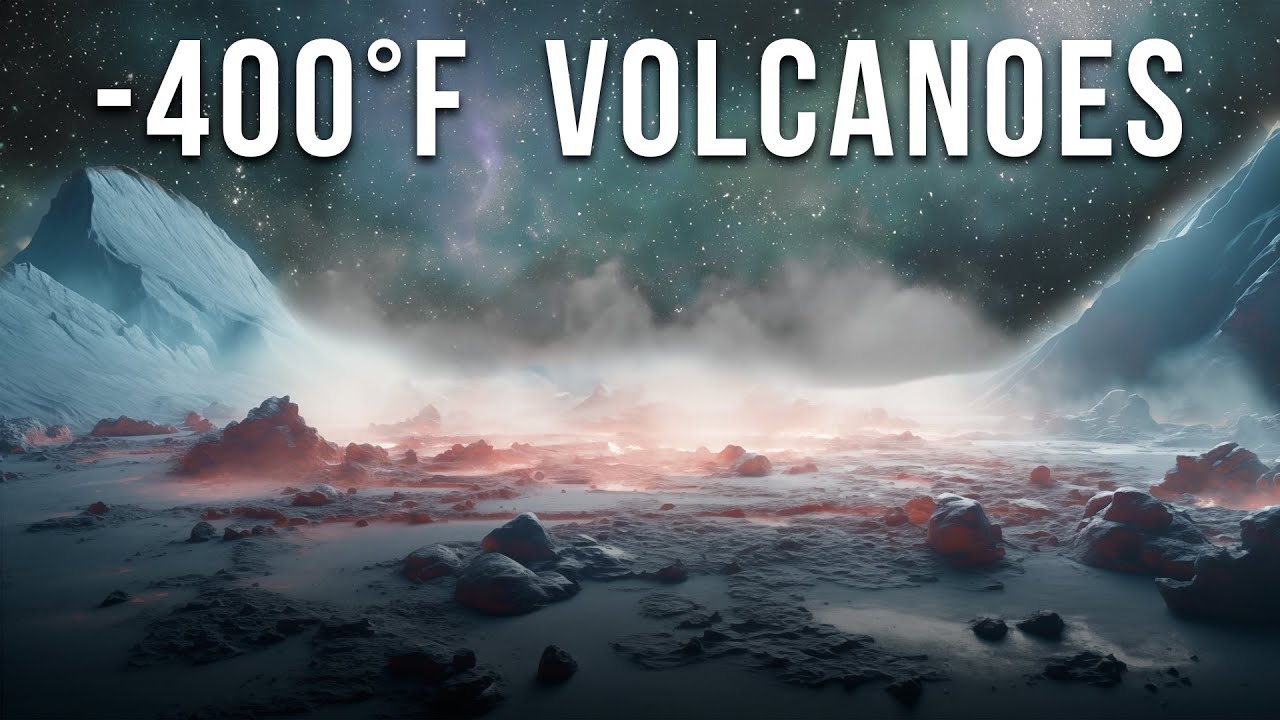
Triton, a moon of Neptune, has geysers that erupt a mixture of liquid nitrogen and dust at temperatures nearly 400 degrees below zero.
66 million years ago, a mountain-sized asteroid impact caused catastrophic tsunamis and a prolonged nuclear winter, leading to the extinction of the dinosaurs.
Snakes, known for their stealth and venomous capabilities, are examined in their natural habitats, highlighting their hunting techniques and ecological roles.
Australia's diverse ecosystems, from the tropical Top End to the arid outback, host some of the world's most dangerous wildlife, including saltwater crocodiles and venomous snakes.
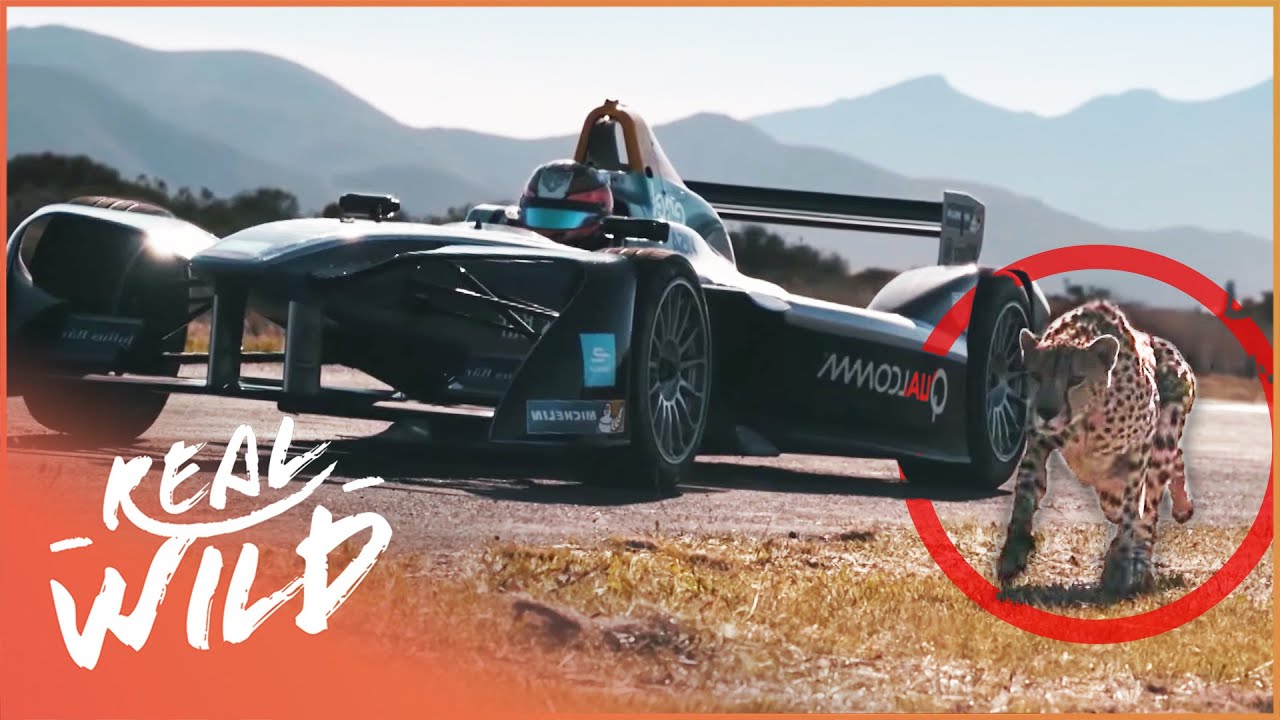
A cheetah races a race car to illustrate how innovative technology can support the conservation of endangered species and improve wildlife survival efforts.
5 billion years from now, the sun will expand and consume some inner planets, leaving others as ghost worlds orbiting a dead star.
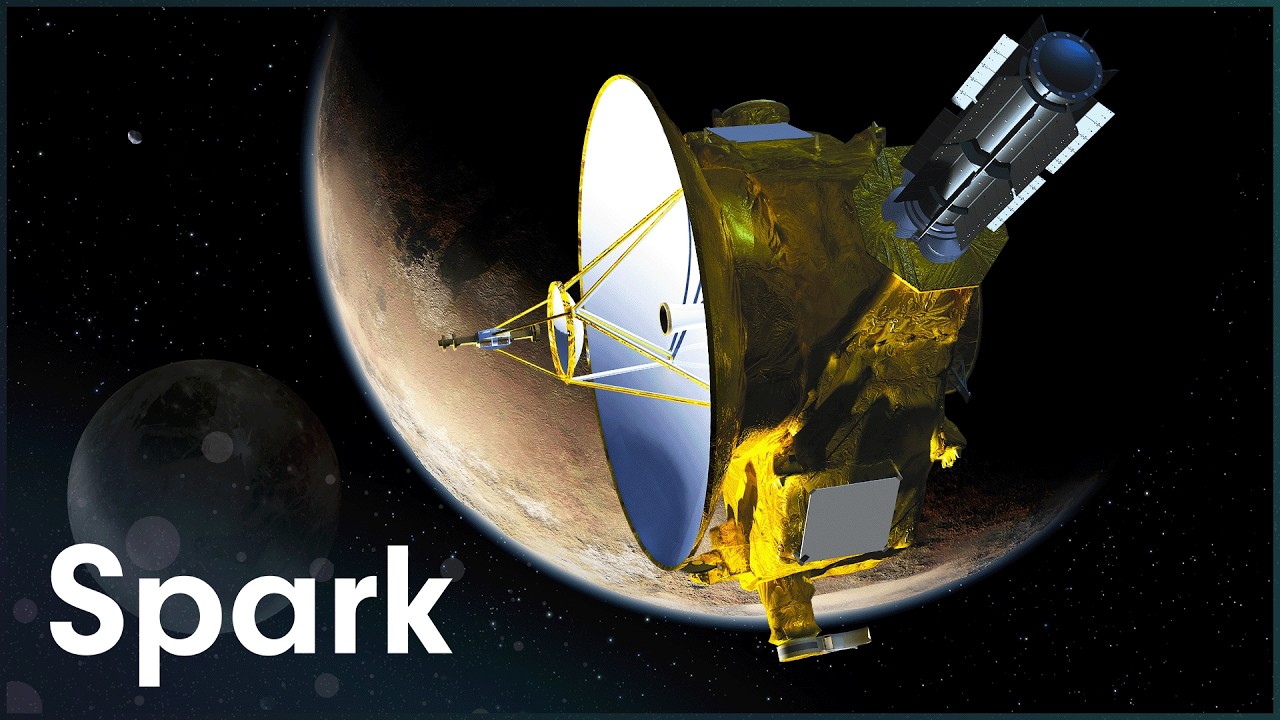
NASA's New Horizons probe traveled 3.5 billion miles to send back the first close-up images of Pluto, revealing a world of unexpected complexity.
4.5 billion years ago, Earth formed as a molten sphere surrounded by toxic gases, leading to the development of its life-sustaining atmosphere.
CCGS Amundsen, Henry Larsen, MS Fram, and G.O. Sars navigate the Arctic Ocean, conducting vital research and resupplying remote communities in extreme conditions.
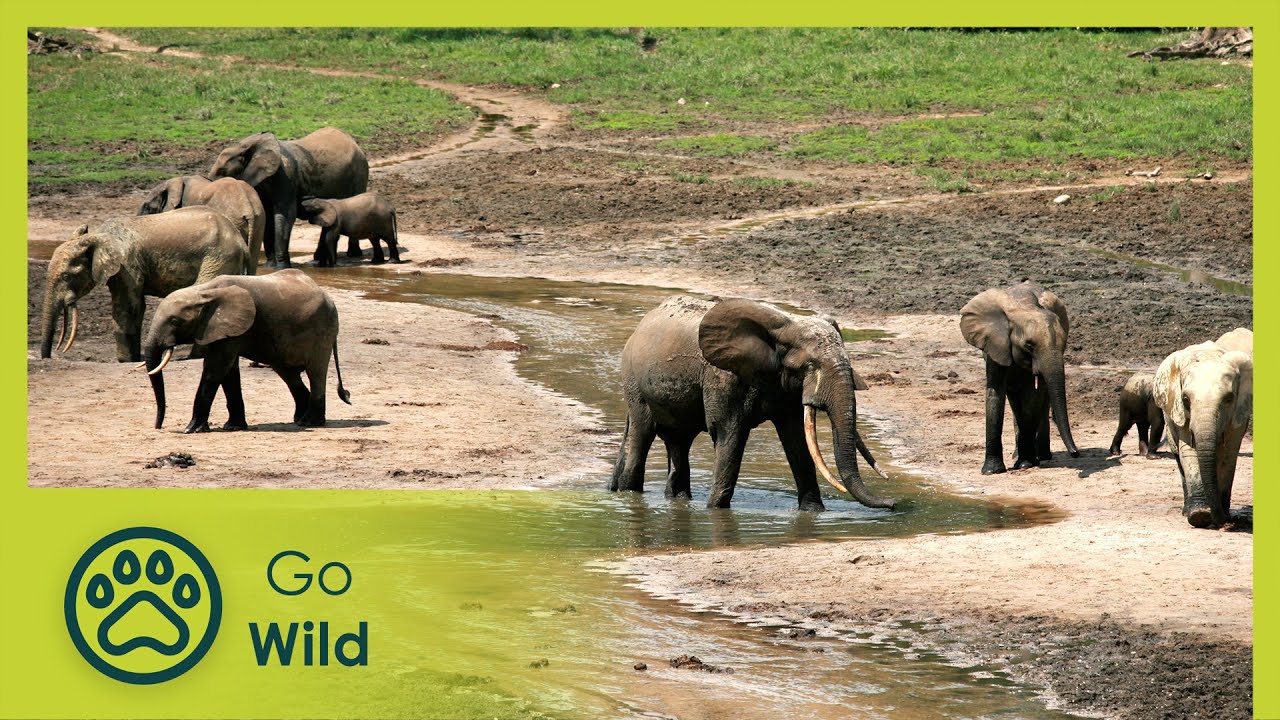
Majestic elephants, towering giraffes, and mighty blue whales are examined in their natural habitats, highlighting the impressive lives of the animal kingdom's giants.
Frost quakes and microscopic ice shards pose significant engineering challenges as the Arctic experiences unprecedented changes in its climate and stability.
NASA's Apollo Program faced early challenges while ESA developed cave training for astronauts and the Planck satellite mapped cosmic microwave background radiation.
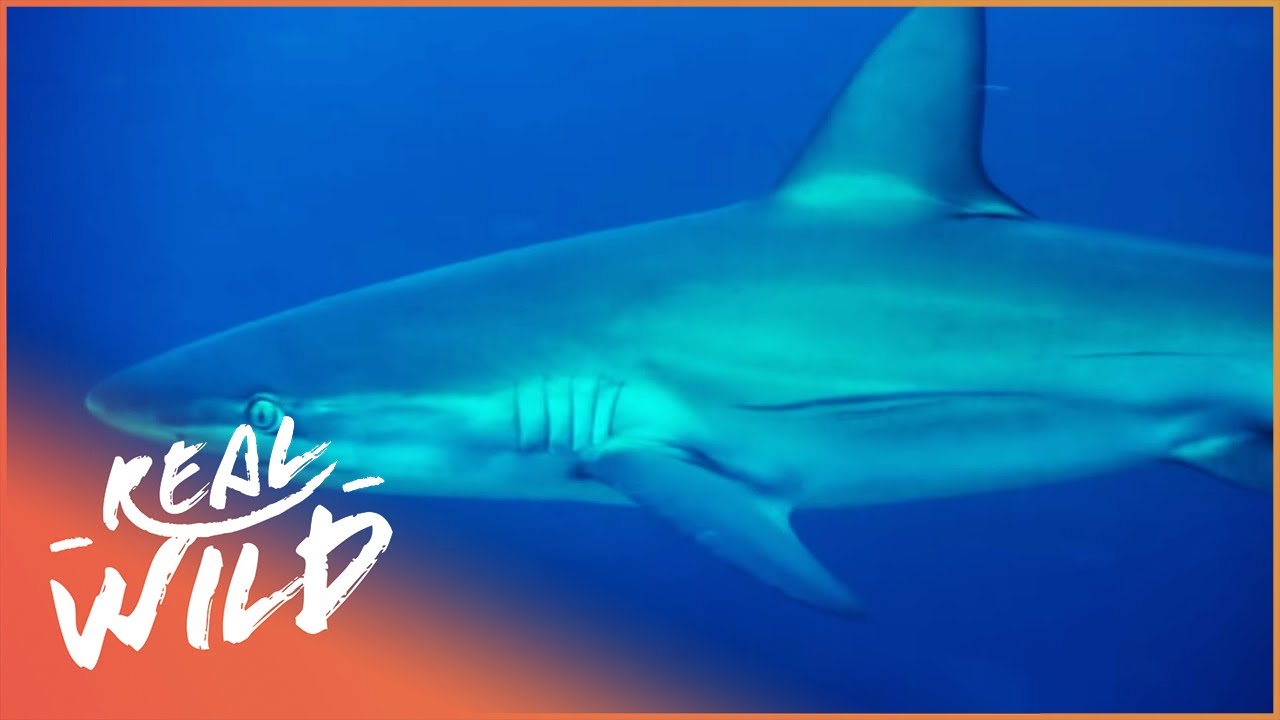
Cocos Island, a protected marine reserve in Costa Rica, faces illegal fishing threats that endanger its shark population, prompting urgent conservation efforts.
Humanity's preparedness for potential extinction-level events is examined through asteroid tracking efforts and the construction of elite survival bunkers.
Apollo 13 was the seventh mission in the Apollo program, intended for a manned moon landing but faced a life-threatening fault just two days in.
Researchers, including Hakeem Oluseyi and Dennis Whyte from MIT, explore the potential to recreate stellar fusion on Earth for clean energy generation.
In the solar system, moons like Europa and Titan exhibit unique features such as subterranean oceans and volcanic activity, raising questions about potential alien life.
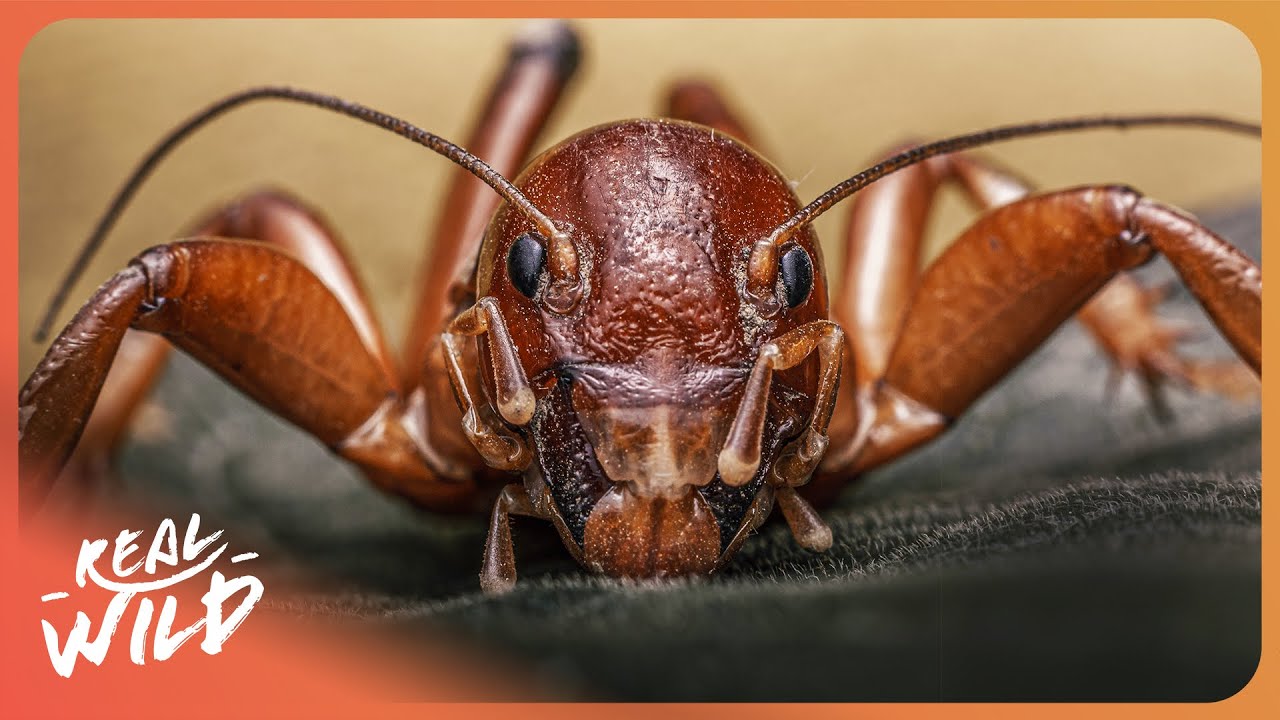
Entomologist Ruud Kleinpaste explores the world's largest and most dangerous insects, including giant cockroaches, venomous centipedes, and killer bees.
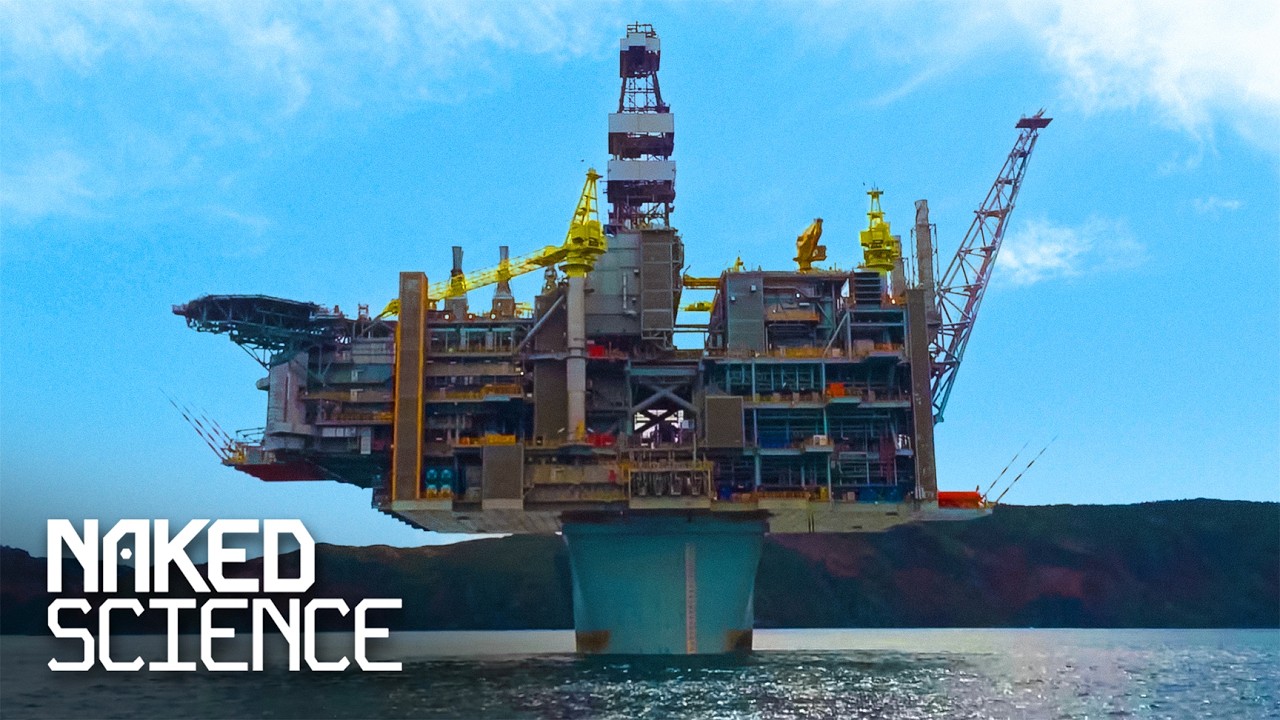
These enormous oil platforms rank among the largest man-made structures ever constructed.
Cameras, jellybeans, and luxury caravans are among the fascinating objects explored in this series that reveals the intricate processes behind their creation.
NASA's Saturn V rocket, an engineering marvel, played a crucial role in the Moon landings, overcoming significant challenges during the Space Race.
Electric vertical takeoff and landing aircraft aim to change transportation by taking off like helicopters and flying like airplanes, eliminating the need for runways.
The American Museum of Natural History in New York showcases a dinosaur embryo linked to a murder mystery and a spacecraft that captured a comet's tail.
New Horizons, the fastest spacecraft ever built, completed a 9-year journey to transform Pluto from a distant blur into a detailed, vibrant world.
Avianca Flight 052's tragic crash due to fuel mismanagement and air traffic control failures highlights critical safety lessons in aviation history.