From over 100,000 films, discover the handful you'll love.
Free or premium access to the world's largest documentary library.
7227 films(Page 49 of 151)
RAF Hearn, operational for just three years during World War II, played a crucial role in training airborne forces for the D-Day invasion.
Dr. Sally Ride, the first American woman in space, inspired countless women by demonstrating that achieving dreams in any profession is possible.
Salamanders exhibit remarkable adaptations and behaviors, revealed through advanced imaging techniques like thermal cameras and magnetic resonance tomography.
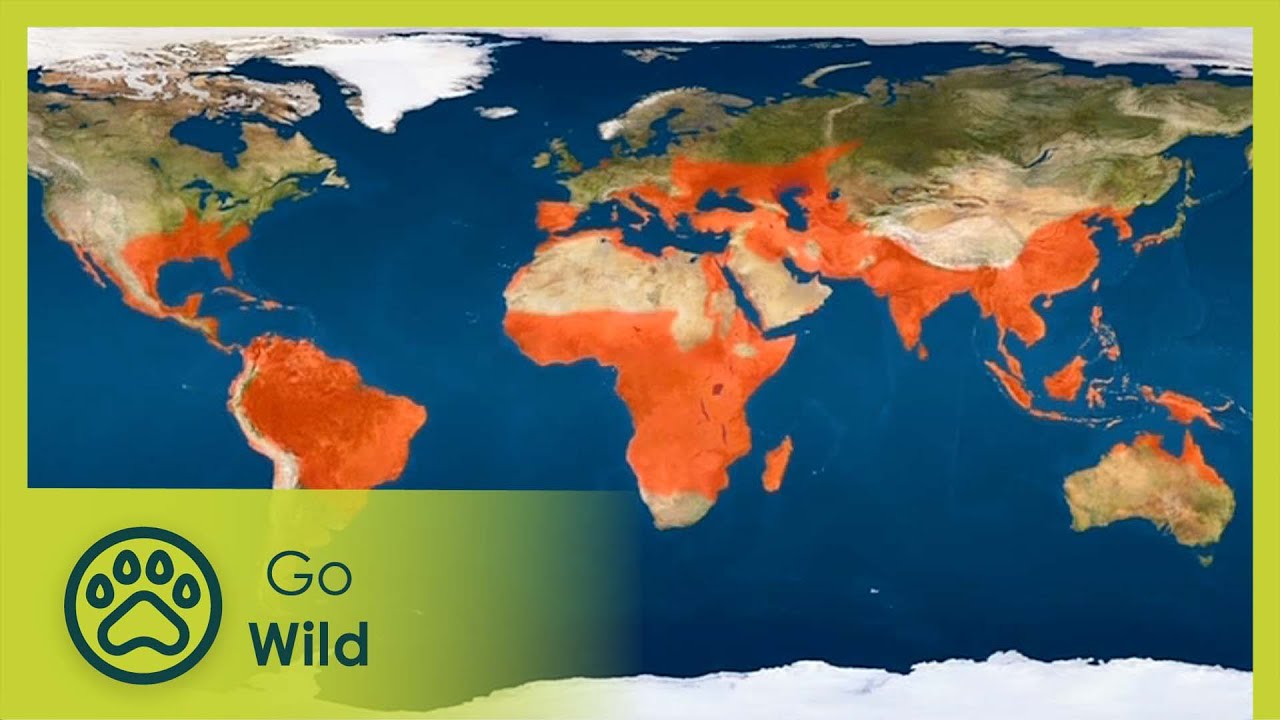
Climate change is causing the spread of non-native species, such as malaria-carrying ticks from Africa, into Central Europe, altering local ecosystems.
Ruth Norman, known as Archangel Uriel, established a 67-acre site in 1973 as a landing area for extraterrestrial beings called the Space Brothers.
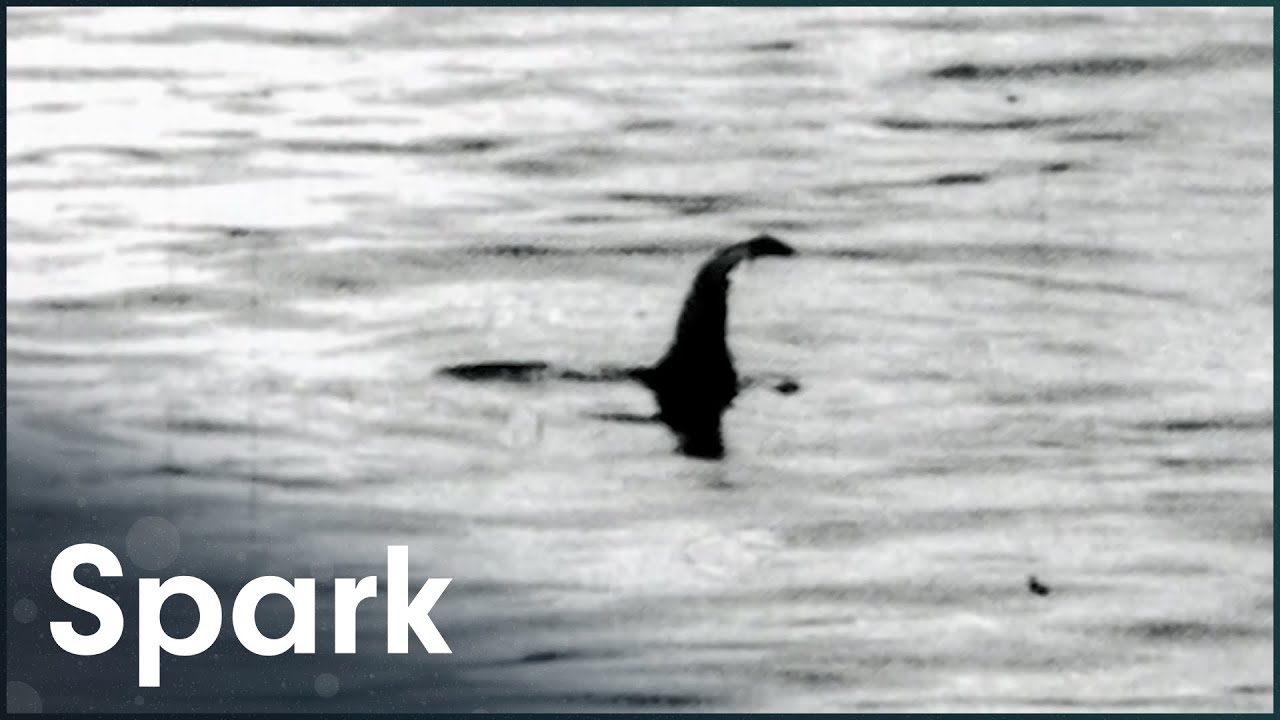
More than a thousand eyewitnesses have reported sightings of the Loch Ness monster, yet no bones or carcasses have ever been found.
Isaac Newton is portrayed as a complex figure, embodying both brilliance and contradiction, through a blend of magical imagery, expert insights, and dramatic reenactments.
Life aboard the International Space Station is captured through exclusive footage and video diaries, highlighting daily routines and the future of space exploration.
Groundbreaking scientific inventions, from gunpowder in 9th century China to modern space exploration, showcase humanity's rapid technological evolution.
In Brazil, vibrant macaws are highlighted alongside other clever bird species, showcasing their behaviors and interactions within diverse ecosystems.
The Hubble Space Telescope has revealed that the Milky Way contains 100 million times the number of stars visible to the naked eye.
Chameleons' panoramic vision and servals' exceptional hearing exemplify the specialized survival tactics of various wild animals in diverse environments.
Bears are reclaiming their habitats across Europe, prompting a complex dialogue about coexistence between wildlife and human communities.
In the forests and meadows of Allenstein, Austria, diverse wildlife such as deer, foxes, and various bird species thrive in a delicate ecosystem.
Toba's eruption 74,000 years ago released nearly 3,000 cubic kilometers of ash and rock, causing a volcanic winter that may have nearly wiped out humanity.
A beam of light takes one year to travel 10 trillion kilometers, illustrating the vast distances in interstellar space.
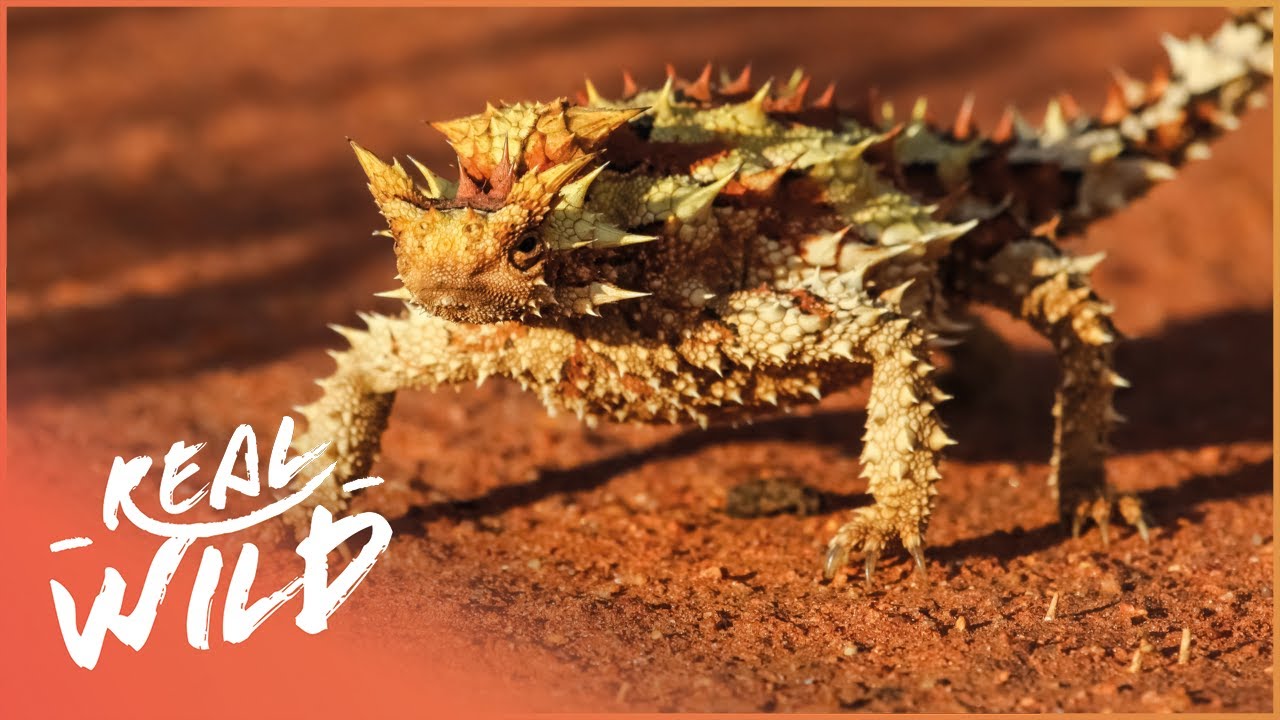
In New Zealand, unique wildlife such as the Thorny Devil and intelligent parrots must adapt to survive in environments shaped by volcanic activity and earthquakes.
Melee combat, from ancient Rome to Colonial America, is examined through experiments that reveal its physical and psychological impacts on soldiers.
Life Beyond Earth investigates the potential for life in distant ocean worlds and our solar system.
Albert Einstein's theory of relativity and Stephen Hawking's research on black holes reshaped our understanding of space, time, and the universe's origins.
By the end of the 1950s, kitchen tasks had been reduced by two-thirds, allowing for significant changes in family life and women's roles in society.
Lions and tigers compete for dominance in changing landscapes, showcasing their unique hunting tactics and social structures amid emerging human threats.
LIGO's measurement of gravitational waves from a black hole merger and the Event Horizon Telescope's image of a black hole represent major advancements in astrophysics.
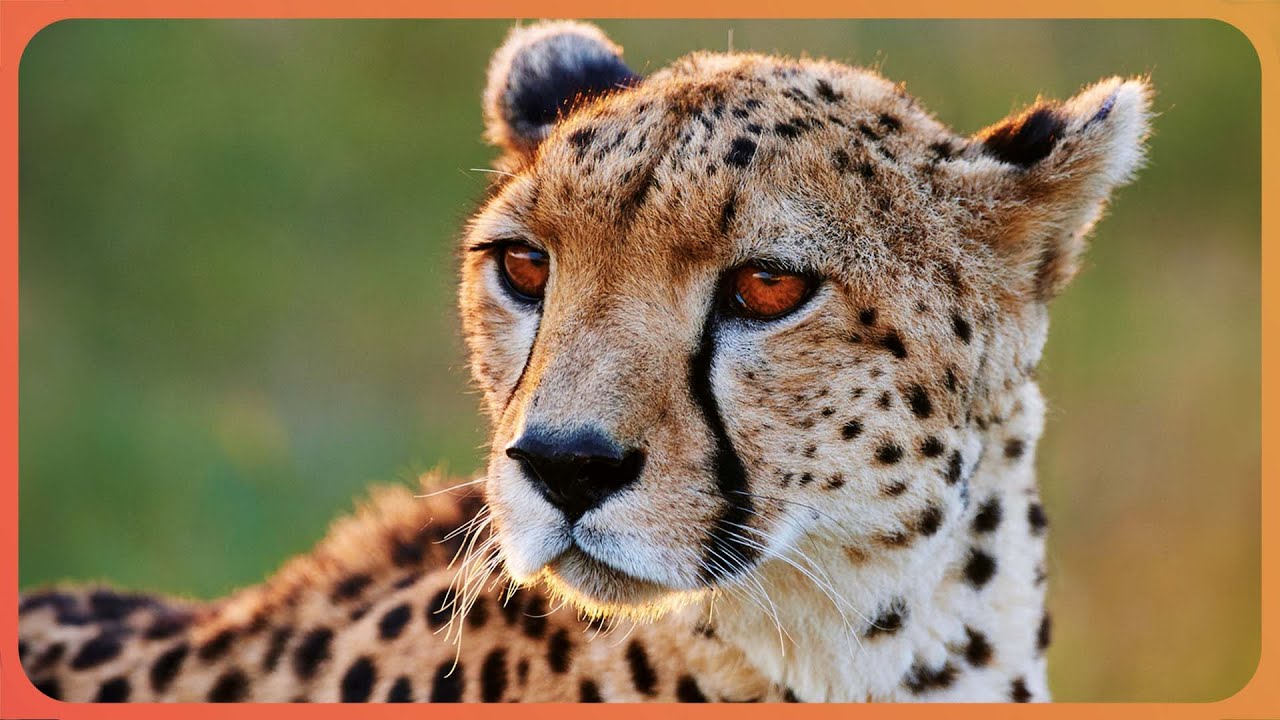
Cheetahs exhibit remarkable adaptations, including exceptional speed and acute sensory abilities, that enhance their effectiveness as predators in the wild.
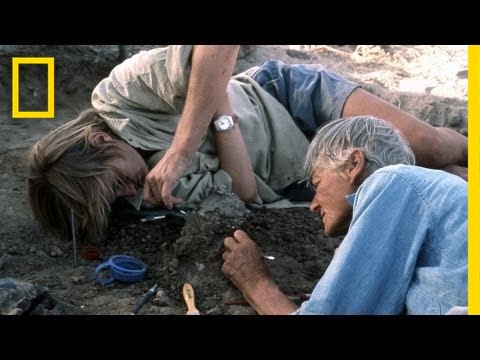
Meave Leakey continues her family's legacy of researching human origins by excavating ancient fossils in East Africa, contributing to the understanding of human ancestry.
Over 17 years, Theodore Kaczynski mailed at least 16 bombs, resulting in three deaths and 23 injuries across the United States.
A 21-day launch window allowed NASA to send the Lucy spacecraft to study Trojan asteroids, which have remained untouched since the Solar System's formation.
NASA's consideration to cancel Hubble missions highlights the challenges and risks involved in maintaining this iconic telescope, which continues to capture breathtaking images of the universe.
A super volcano's magmatic chamber could fill the Grand Canyon in Colorado more than 11 times, posing a significant threat to global ecosystems.
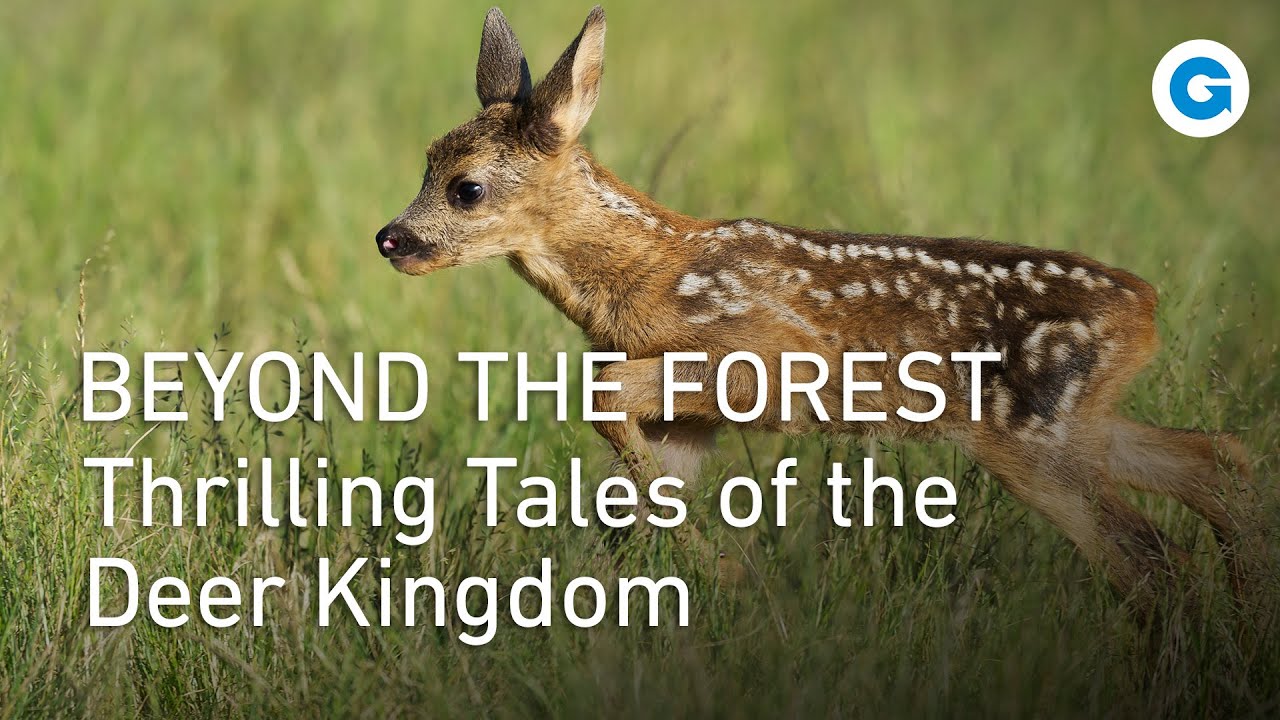
Deer, beloved symbols of the wild, reveal their lives through a year of growth, challenges, and fierce battles for survival and mating rights.
Professor Jim Al-Khalili traces the development and significance of quantum physics, highlighting its profound impact on modern scientific understanding.
Hundreds of experiments are conducted each year aboard the International Space Station, contributing to advancements in aerospace and bioengineering.
North America changes shape as glaciers form the Great Lakes during the Ice Age.
Voyager 1, launched in 1977, is now 22 billion kilometers from Earth and transmits data at a rate equivalent to sending Morse code.
Aboard the International Space Station, French astronaut Thomas Pesquet and his colleagues conduct experiments to prepare for future long-duration missions to Mars.
In the wild, Japanese macaques enjoy hot springs, while olive baboons exhibit complex social structures and young primates learn survival skills through play.
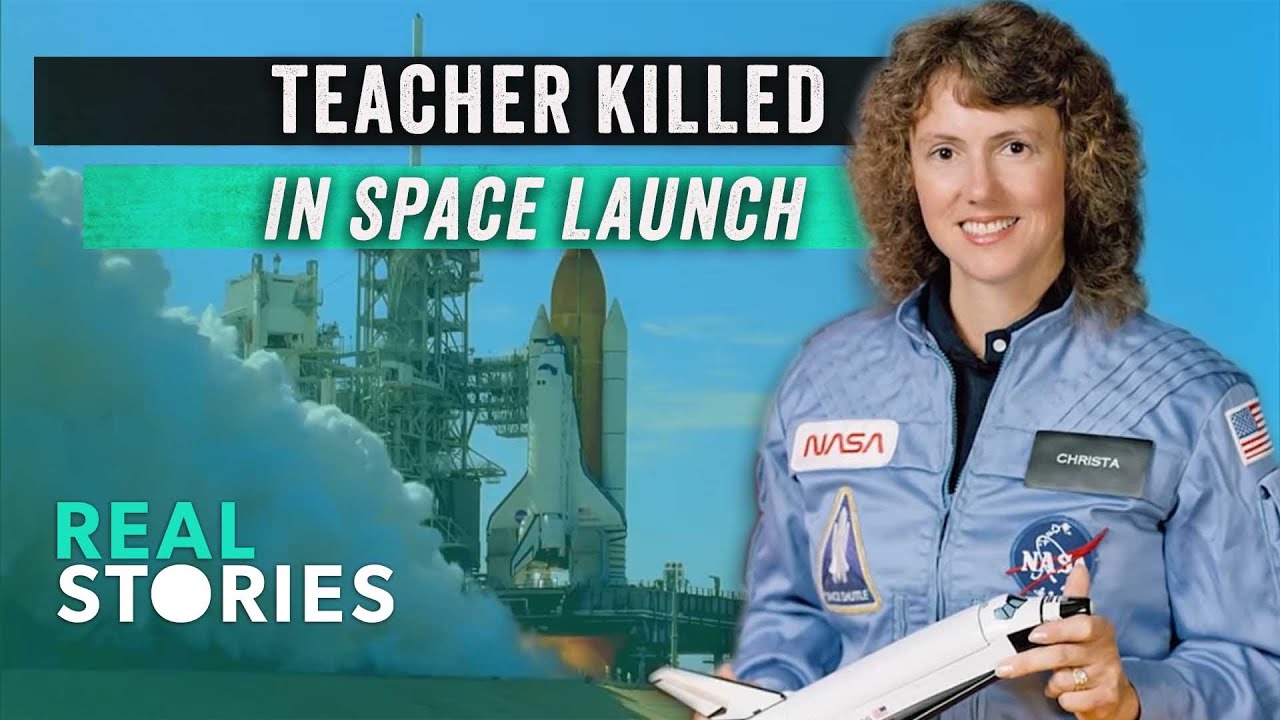
Challenger disaster of 1986 highlights the personal stories and sacrifices of astronauts, including teacher Christa McAuliffe, and its lasting impact on America.
NASA astronauts Doug Hurley and Bob Behnken return to Earth aboard SpaceX's Crew Dragon spacecraft after undocking from the International Space Station.
The Roman Empire dominated Europe for over 500 years, laying the groundwork for modern infrastructure with innovations like aqueducts and concrete.
The Big Bang theory, explored by physicist Hakeem Oluseyi and cosmologist Dennis Whyte, explains the universe's origins and its eventual fate.
The history of the universe spans 13.8 billion years, detailing the evolution from the Big Bang to the formation of galaxies and life itself.
Nutritional studies often promote ineffective weight loss methods, as highlighted by the viral fake chocolate diet, leading to widespread dieting failures.
Reptiles, including snakes, lizards, and the unique Tuatara, showcase their nurturing behaviors and complex lives, challenging common misconceptions about them.
Apollo's lunar missions faced declining public interest and technological complications, marking the transition to the end of the program and the era of manned moon landings.
Twelve astronauts walked on the moon between 1969 and 1972, facing significant technical challenges and personal sacrifices during the Apollo missions.
Extreme habitats around the world, from Arctic ice to desert sands, host unique animals like snub-nosed monkeys and polar bears that have adapted to survive harsh conditions.
The Red Lionfish, equipped with venomous spines, poses a significant threat to Atlantic ecosystems as it invades foreign waters across three continents.
Tyrannosaurus rex and Triceratops are analyzed through fossil evidence and expert insights to determine the true nature of these iconic prehistoric predators.