From over 100,000 films, discover the handful you'll love.
Free or premium access to the world's largest documentary library.
7227 films(Page 109 of 151)
500 parts per million of natural hydrogen were detected in a Bavarian forest, indicating the potential for significant underground deposits.
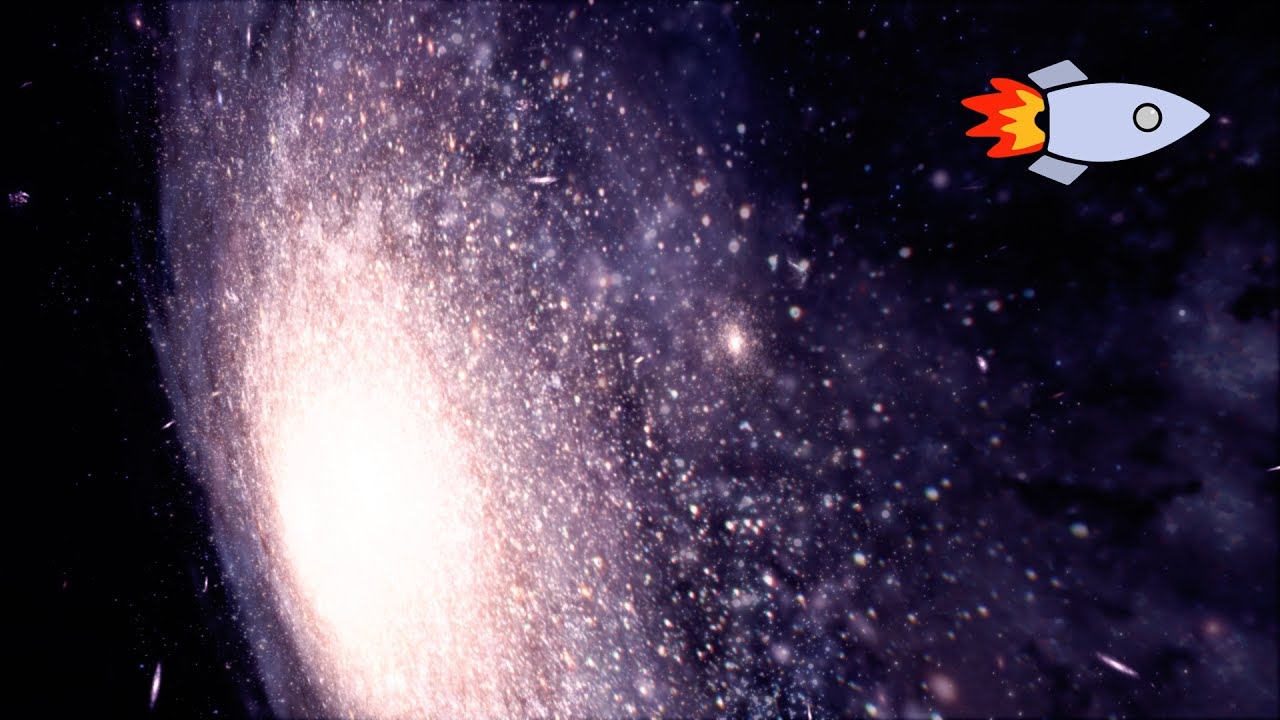
The video discusses how the universe began with a big bang and connects us to outer space.
Scientists in rainforests and bat caves explain how viruses like Covid-19 spill over from wildlife to humans and the necessary steps to prevent future pandemics.
A bobcat hunts ground squirrels for 20 minutes at the bottom of a driveway, as captured by nature photographer Ian Shive.
The Drop Tower in Bremen creates 9.3 seconds of microgravity to study matter's behavior.
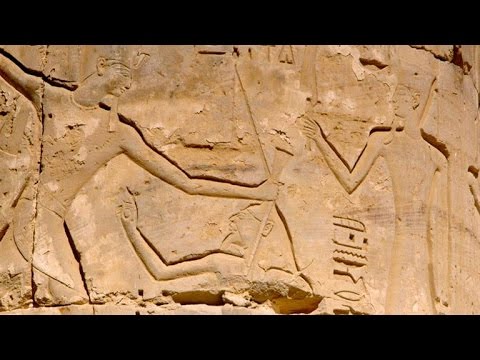
Researchers reveal the truth behind grand depictions of The Pharaoh in battle.
Josh Gates examines the destruction of Sodom and Gomorrah at Tall el-Hammam through scientific research.
A sunset on Earth as seen from the Moon highlights the beauty and historical significance of humanity's early space exploration efforts by NASA.
This video explores the mysterious world of Sea Nettles and their fascinating adaptations.
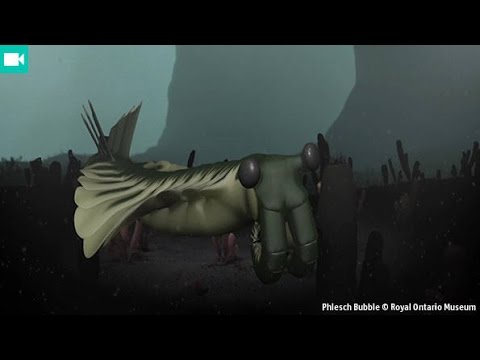
Scientists investigate the Cambrian explosion that transformed life on Earth.
Winds in hurricanes can exceed 200 miles per hour, causing extreme rainfall and devastating storm surges when they make landfall.
NASA's Apollo missions returned lunar samples that revealed the Moon and Earth share a common origin, supporting the giant impact theory and highlighting the Moon's influence on ocean tides.
Ultra-processed foods, like chips, are designed with a specific blend of fat, sugar, and salt that influences cravings and contrasts sharply with ancestral diets.
Astronauts eat mac and cheese and hang out with friends aboard the Space Shuttle.
Seals and sea lions are really well adapted for living underwater with exceptional vision.
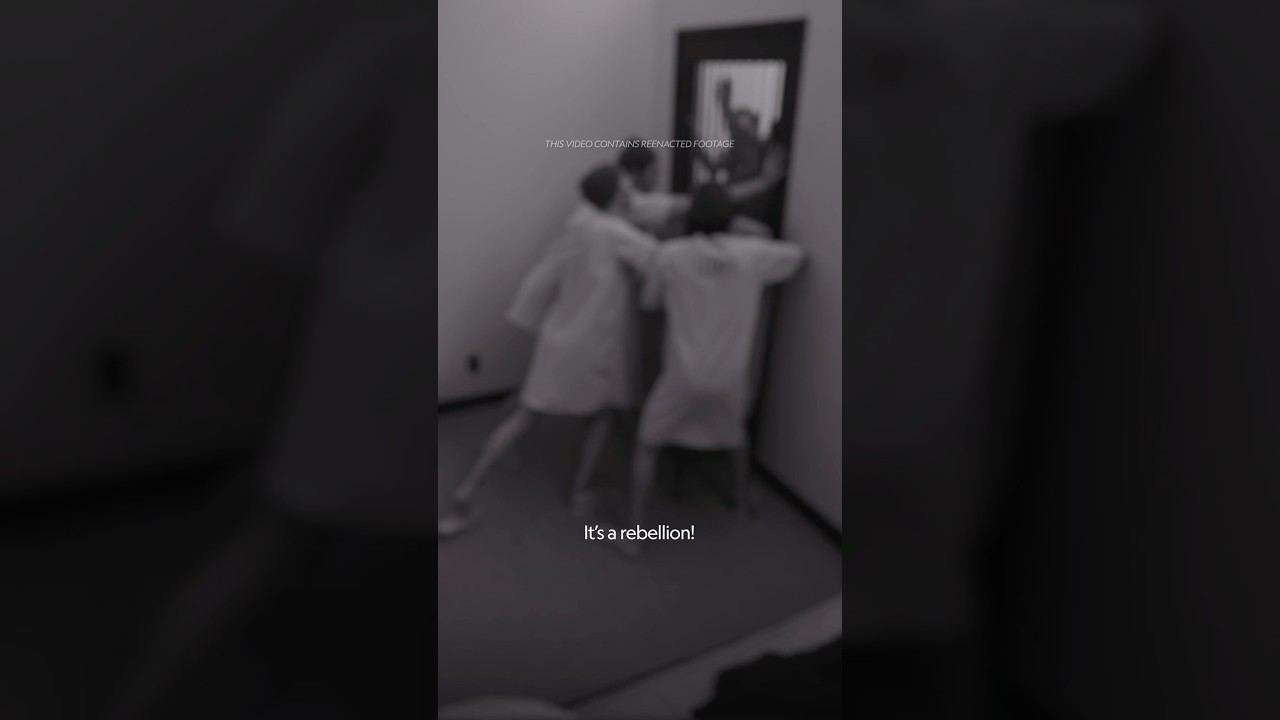
The Stanford Prison Experiment: Unlocking the Truth streams on Disney+ and Hulu now.
One damaged cell phone could interfere with a plane's radar altimeter, which measures how close the aircraft is to the ground.
The video shows the many stages of the human body's decomposition process after death.
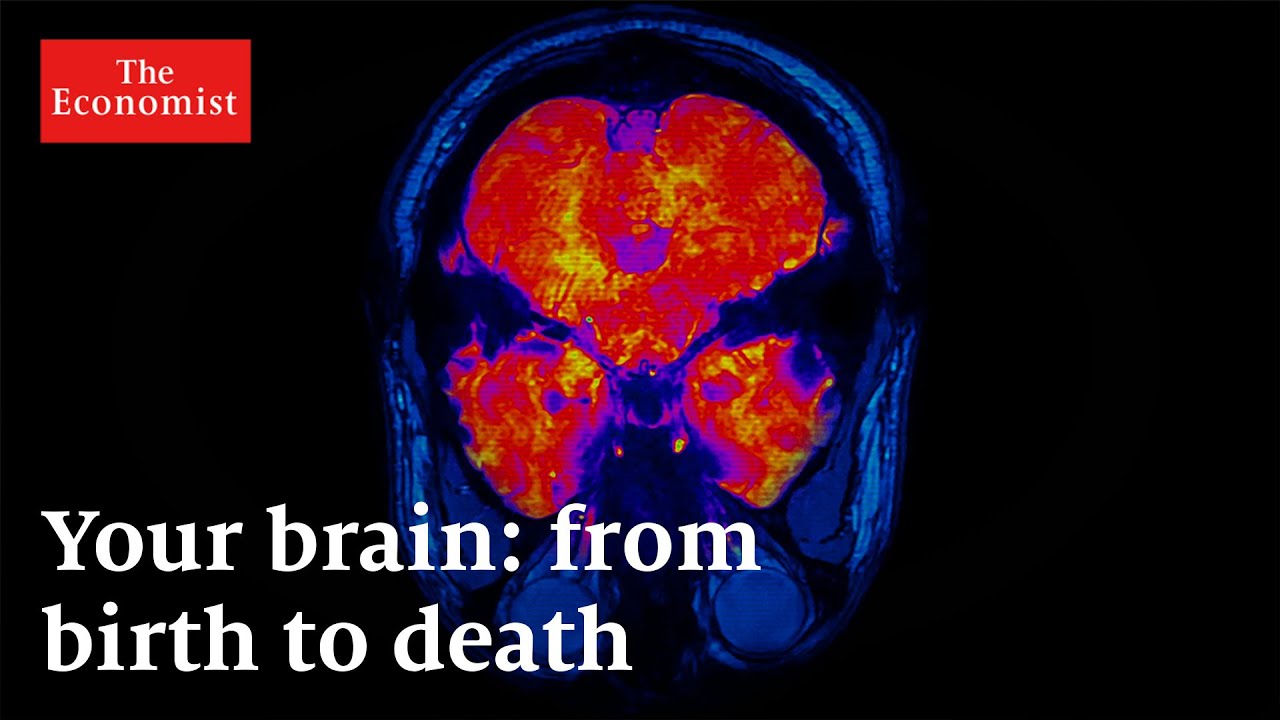
Early childhood experiences significantly shape brain development, with synapse growth peaking at 15,000 connections per neuron by age three.
Space debris travels at speeds of 17,500 miles per hour, posing serious risks to astronauts and spacecraft in Earth's orbit.
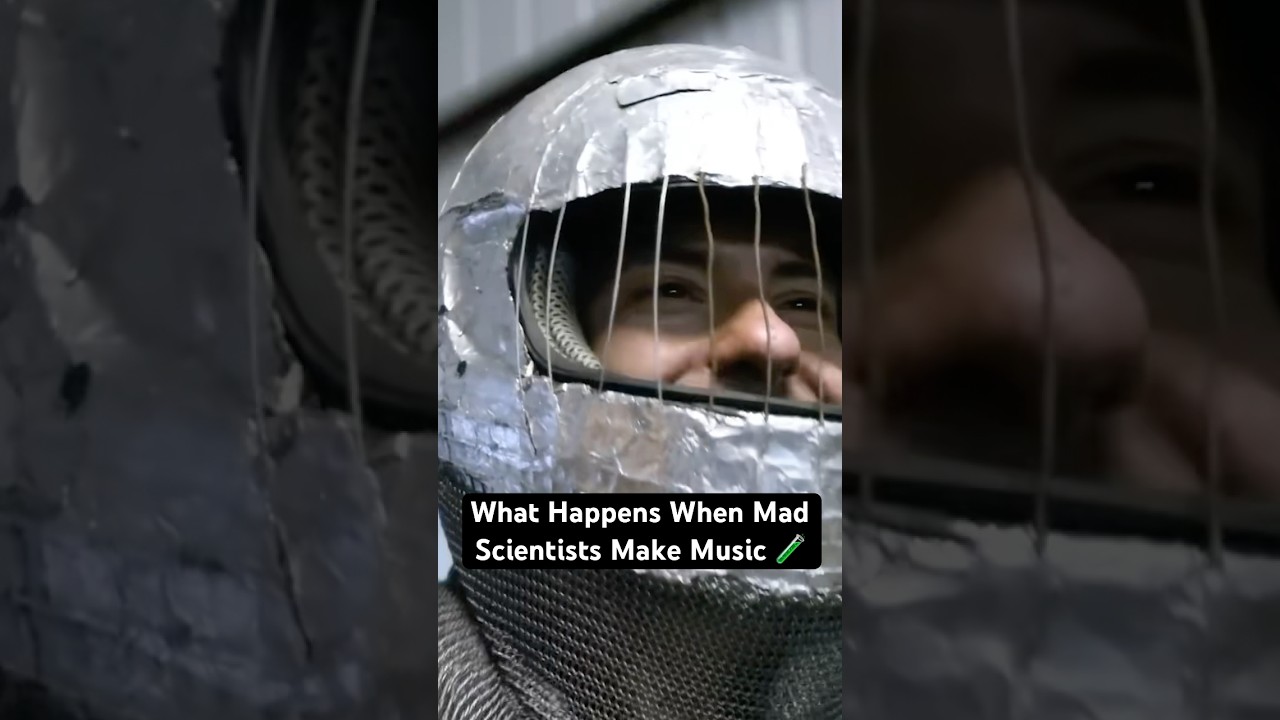
ArcAttack in Austin, Texas, combines music and science using a Tesla coil to create sound.
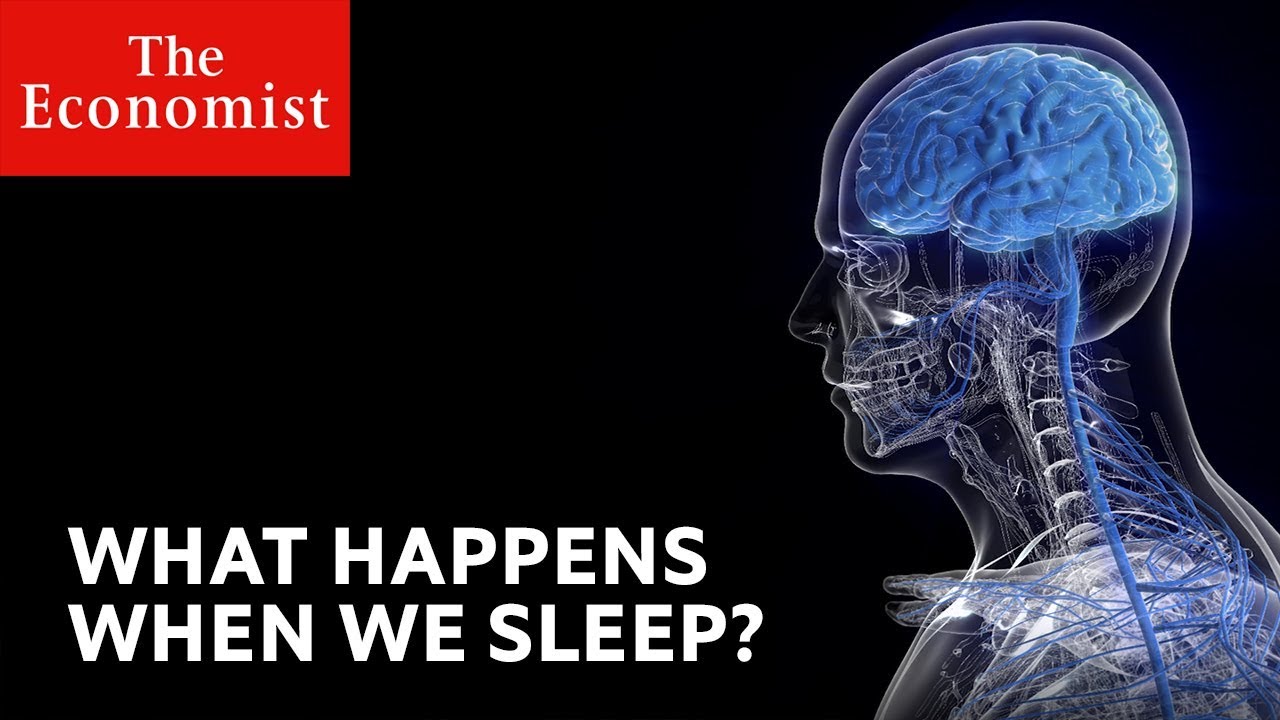
Humans spend roughly one-third of their lives asleep, with modern lifestyles leading to less sleep than a century ago.
Comets, such as Hale-Bopp and Halley's Comet, are small icy bodies in the Solar System that form visible comas and tails as they approach the Sun, with significant insights gained from missions like ESA's Rosetta.
More than thirty years after the introduction of dietary guidelines, the complexities and uncertainties surrounding the science of a healthy diet remain evident.
Antimatter, a key concept in particle physics, is explored through its creation from energy and its role in the universe, including its fictional use in Star Trek.
Watch the documentary highlighting long time overlooked health issues like endometriosis.
Introducing Mech+ offers free streaming of classic Robot Wars in HD on Google Play.
Nuclear fusion offers a clean, unlimited energy source amid rising global energy demands.
The possibility of intelligent alien life is examined through scientific theories and astronomical research, highlighting the vastness of the cosmos.
Scientists reveal that The Earth and visible matter comprise only five percent of the universe.
Bosnia's multi-ethnic composition is explored through its diverse cultural heritage and the historical context shaped by the aftermath of Yugoslavia.
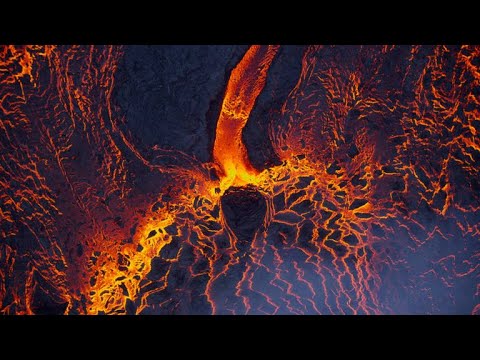
Kilauea's 2018 eruption displaced 2,500 people, marking it as the most active volcano in the world.
The globally average surface temperature has not increased in any significant way since 1998, raising questions about climate change predictions.
Hair reveals a person's toxic exposure history, aiding forensic toxicology investigations.
Nigel addresses a question from Stevo Canuck about the size and shape of stars, explaining their spherical nature and vast dimensions in the universe.
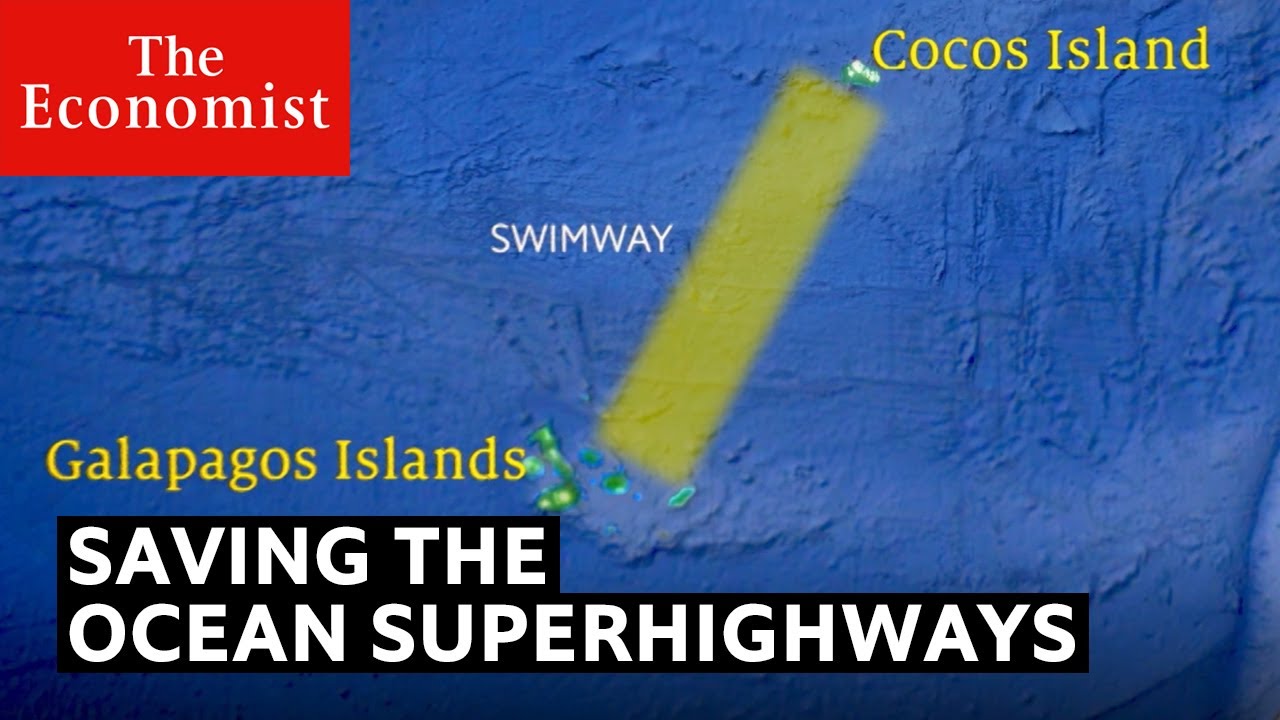
Marine protected areas currently cover only 3.6 percent of the ocean, prompting urgent calls for expansion to safeguard migratory species.
A T-Rex would not taste like chicken, having red meat similar to birds of prey.
Recent discoveries challenge the understanding of human origins from chimpanzees.
Professor Adam Finn explains the components of conventional vaccines and their functions.
Professor Andrew Hamilton's Black Hole Flight Simulator provides a visual exploration of black holes, highlighting their characteristics and cosmic implications.
Sardinia has an unusually high percentage of centenarians, prompting scientific investigation.
Dr. Maya Warren explains the chemistry behind ice cream's texture and flavor.
A Carrington scale solar storm, which occurs about every 150 years, could severely compress Earth's magnetic field and allow millions of tons of electrified gas to surge through.
As countries compete for critical minerals like cobalt and rare earth elements, deep sea and space mining emerge as potential solutions to resource shortages.
Genetic technology advancements raise ethical concerns, featuring insights from scientists, families benefiting from these innovations, and the first "test-tube" baby, Louise Brown.
Fifty years after the first Moon landing, countries plan new lunar missions and ownership debates arise.
The video showcases the fun career of an ice cream scientist and the science behind it.
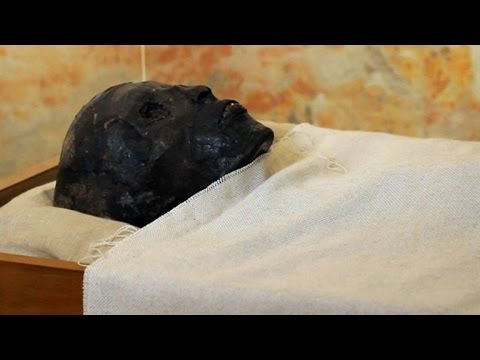
Experts examined DNA from royal mummies to clarify Tutankhamun's family tree.