From over 100,000 films, discover the handful you'll love.
Free or premium access to the world's largest documentary library.
7235 films(Page 50 of 151)
Apollo's lunar missions faced declining public interest and technological complications, marking the transition to the end of the program and the era of manned moon landings.
Twelve astronauts walked on the moon between 1969 and 1972, facing significant technical challenges and personal sacrifices during the Apollo missions.
Extreme habitats around the world, from Arctic ice to desert sands, host unique animals like snub-nosed monkeys and polar bears that have adapted to survive harsh conditions.
The Red Lionfish, equipped with venomous spines, poses a significant threat to Atlantic ecosystems as it invades foreign waters across three continents.
Tyrannosaurus rex and Triceratops are analyzed through fossil evidence and expert insights to determine the true nature of these iconic prehistoric predators.
A blue ringed octopus can deliver enough venom to kill 26 adult humans with a single bite.
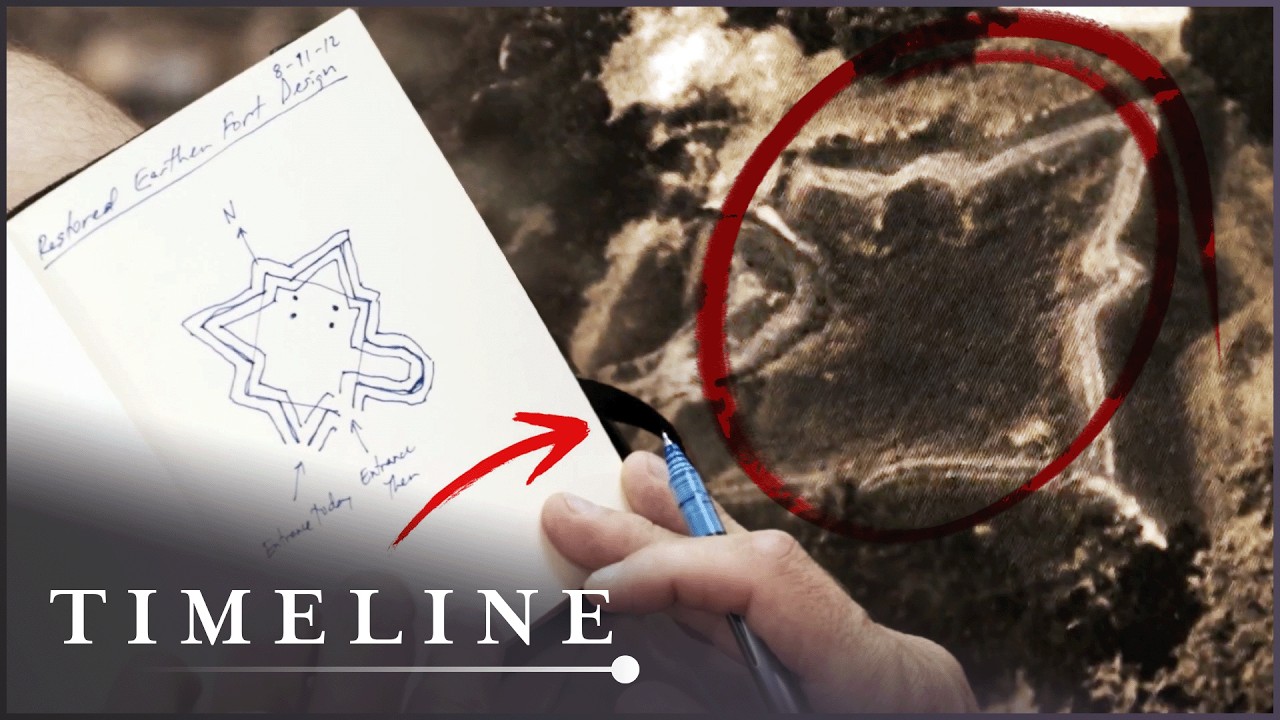
Forensic geologist Scott Wolter investigates the Dare Stones, which may hold crucial evidence about the fate of the lost Roanoke Colony settlers.
Tasmania, an ancient island off Australia's southeast coast, boasts pristine wilderness, unique Gondwana vegetation, and stunning temperate rainforests.
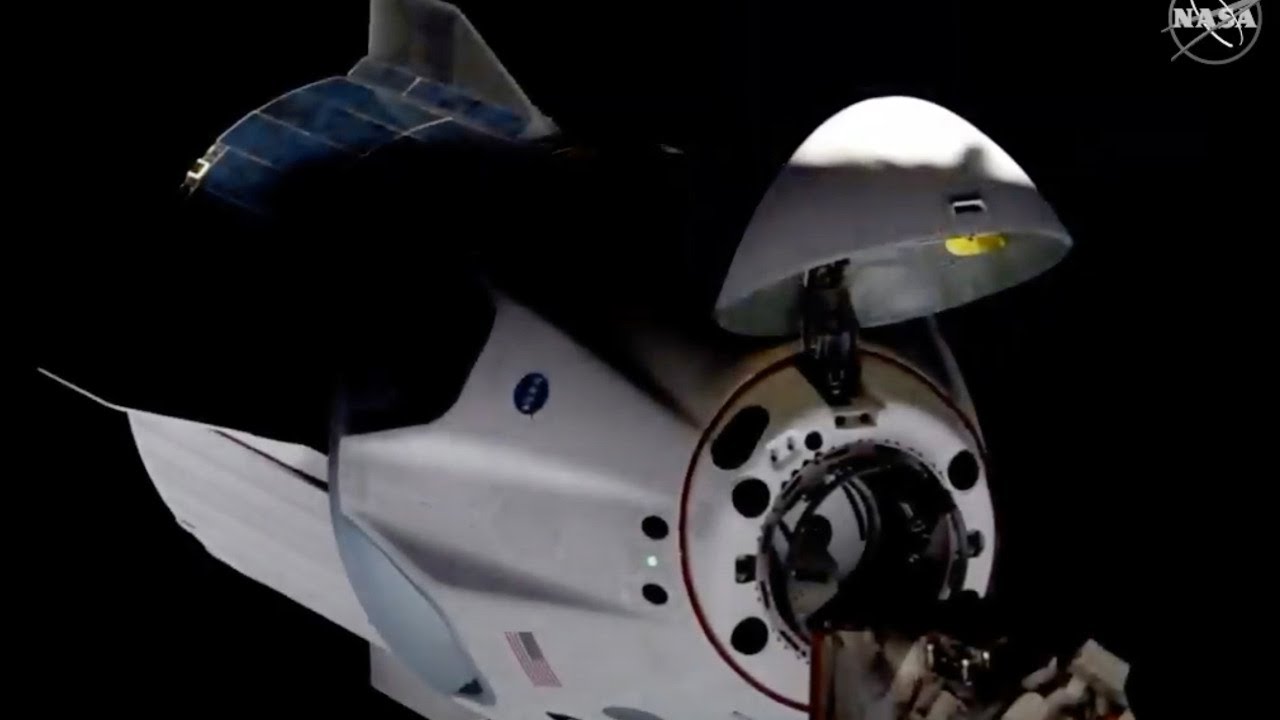
NASA astronauts Doug Hurley and Bob Behnken returned to Earth in a SpaceX Dragon capsule, completing a historic test flight with a splashdown in the Gulf of Mexico.
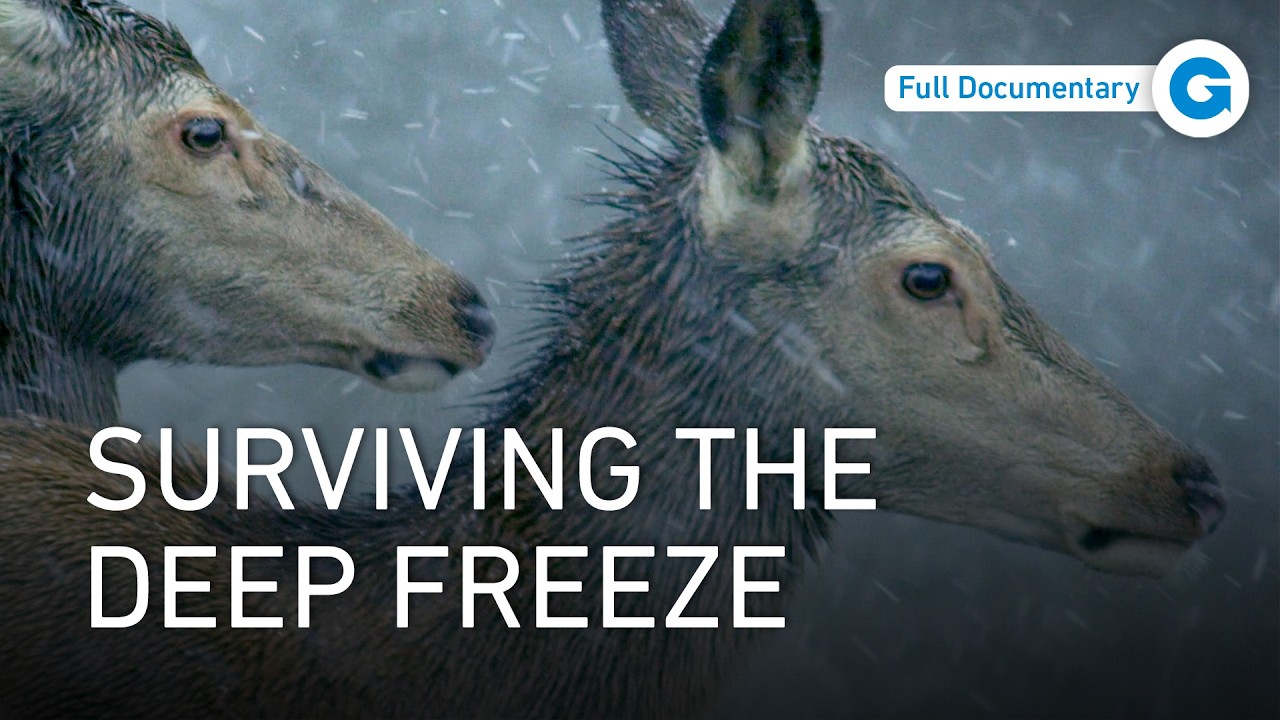
Red deer navigate the challenges of seasonal changes in Europe's forests, showcasing their life cycle, social structures, and survival strategies throughout the year.
On October 4, 1957, the Soviet Union launched the first man-made satellite, marking the beginning of the Space Age and prompting the creation of NASA.
Wildfires, fueled by climate change and human activity, pose significant dangers, prompting communities to adapt and scientists to study their unpredictable nature.
SETI, the Search for Extraterrestrial Intelligence, employs radio and optical telescopes to scan the cosmos for potential signals from alien life.
In the Southern Ocean, humpback whales, orcas, and dolphins demonstrate how cooperative hunting strategies enhance survival through mass attacks on prey.
Apollo 16's mission faced a critical life-or-death situation just eight miles from the Moon, highlighting the challenges faced by astronauts John Young, Charlie Duke, and Ken Mattingly.
Forensic science research explores the complexities of backsplatter from cranial gunshots, as a master's student conducts experiments to simulate crime scenes.
In the rainforest of Gabon, male mandrills engage in fierce competition for dominance, with females playing a crucial role in the battle for alpha status.
Microscopic elements of nature, including pollen grains, leaf cells, and insect anatomy, reveal intricate structures and vibrant colors essential to ecosystems.
In a competition between James and Greg, innovative methods for supersonic mail delivery and extreme garbage disposal are explored using unconventional technologies.
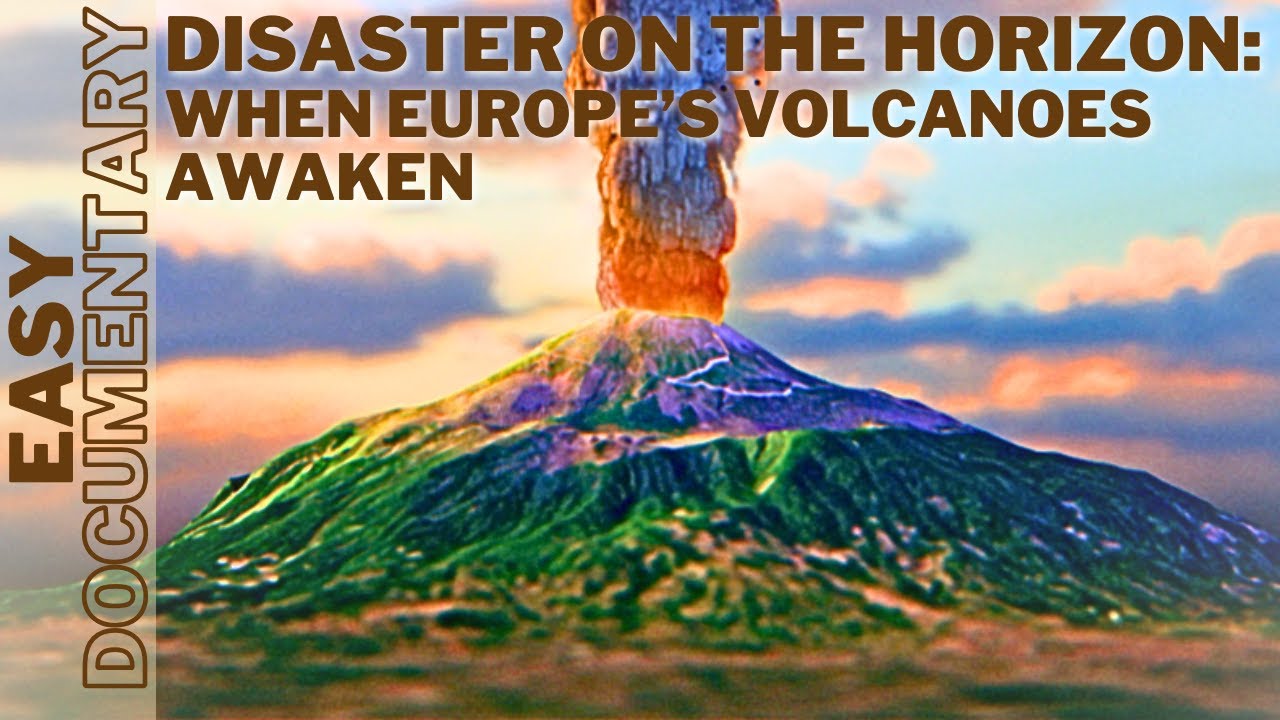
Europe's active volcanoes, including Mount Vesuvius and those in the Eifel volcanic zone, pose significant risks of eruption, threatening densely populated areas.
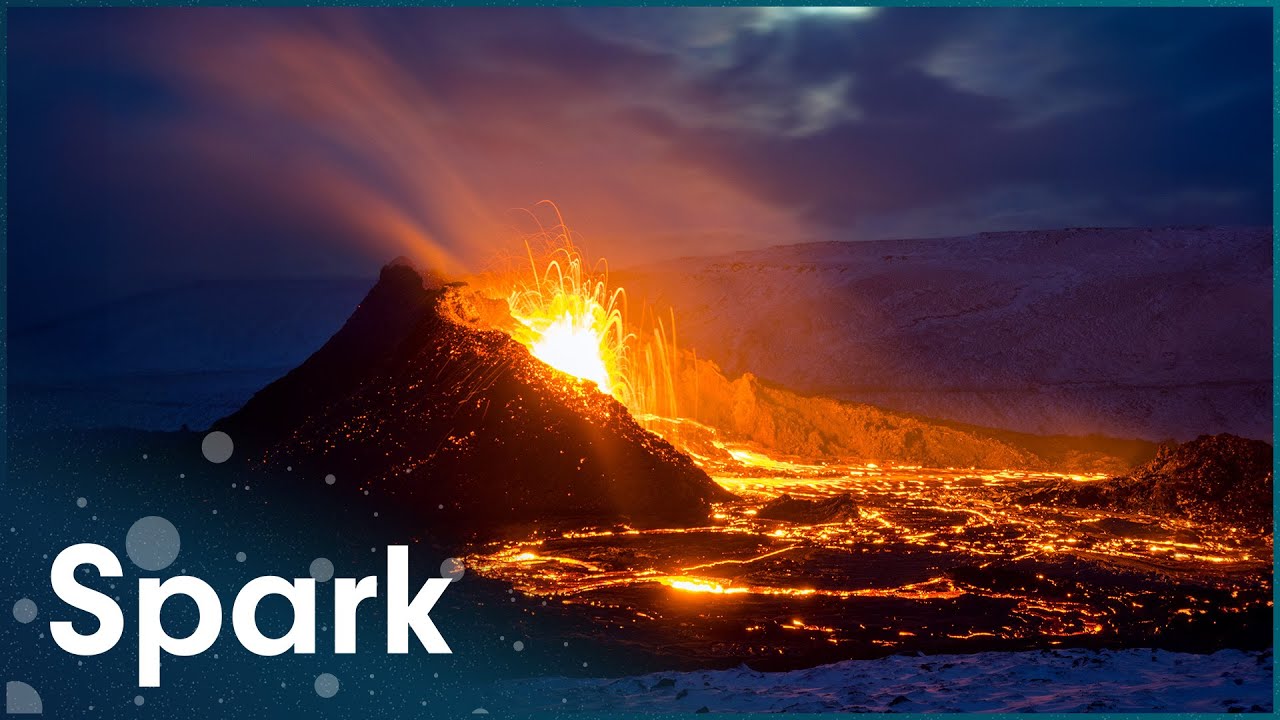
Iceland's volcanic landscape, shaped by tectonic activity and a deep-mantle hotspot, features 30 active volcanoes, including the impactful Eyjafjallajökull eruption of 2010.
Doctor Adam Britton wrestles giant salt-water crocodiles in Australia's Top End, while diver Rodney Fox leads shark expeditions and Jacqui Adams-Maher milks deadly spiders.
Project Mercury marks the beginning of NASA's first manned space program, alongside the European Space Agency's Mars Express and Russia's Soyuz launch system.
Landslides, driven by hidden water pressure and volcanic activity, reveal the intricate forensic science behind these deadly natural disasters.
Project Gemini's advancements, Cassini's complex missions at Saturn, and Mars exploration efforts highlight key milestones in space exploration.
In the wild, animals like blue-footed boobies, flamingos, and fireflies employ unique courtship behaviors to attract mates and ensure the continuation of their species.
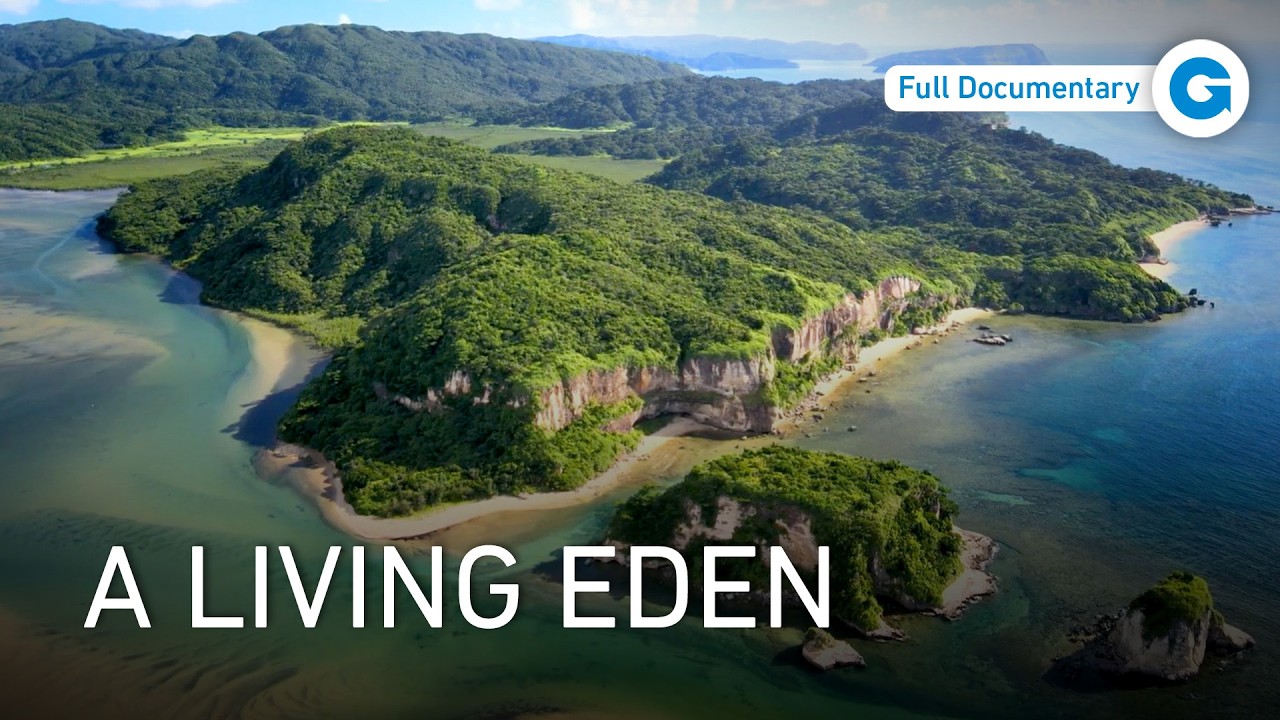
Iriomote National Park, a UNESCO World Heritage site, is home to rare species like the Iriomote cat and showcases Japan's rich biodiversity in tropical forests and mangroves.
Ningaloo Reef, located along Australia's northwest coast, is a remarkable 260km-long coral ecosystem known for its proximity to the shoreline and rich biodiversity.
In 1883, Krakatoa erupted with catastrophic force, resulting in massive explosions and lava flows that reshaped the surrounding landscape and impacted global climate.
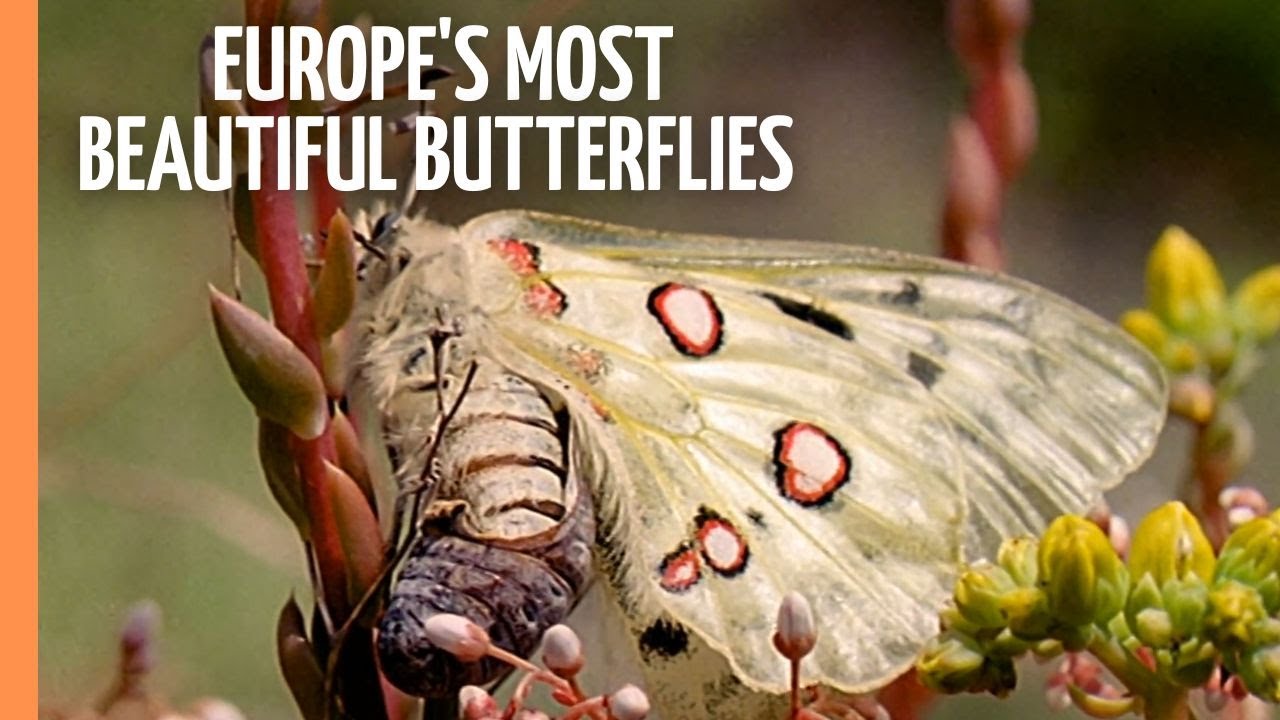
The Apollo butterfly, an endangered species, faces numerous challenges in its natural habitat, including predation and extreme weather conditions.
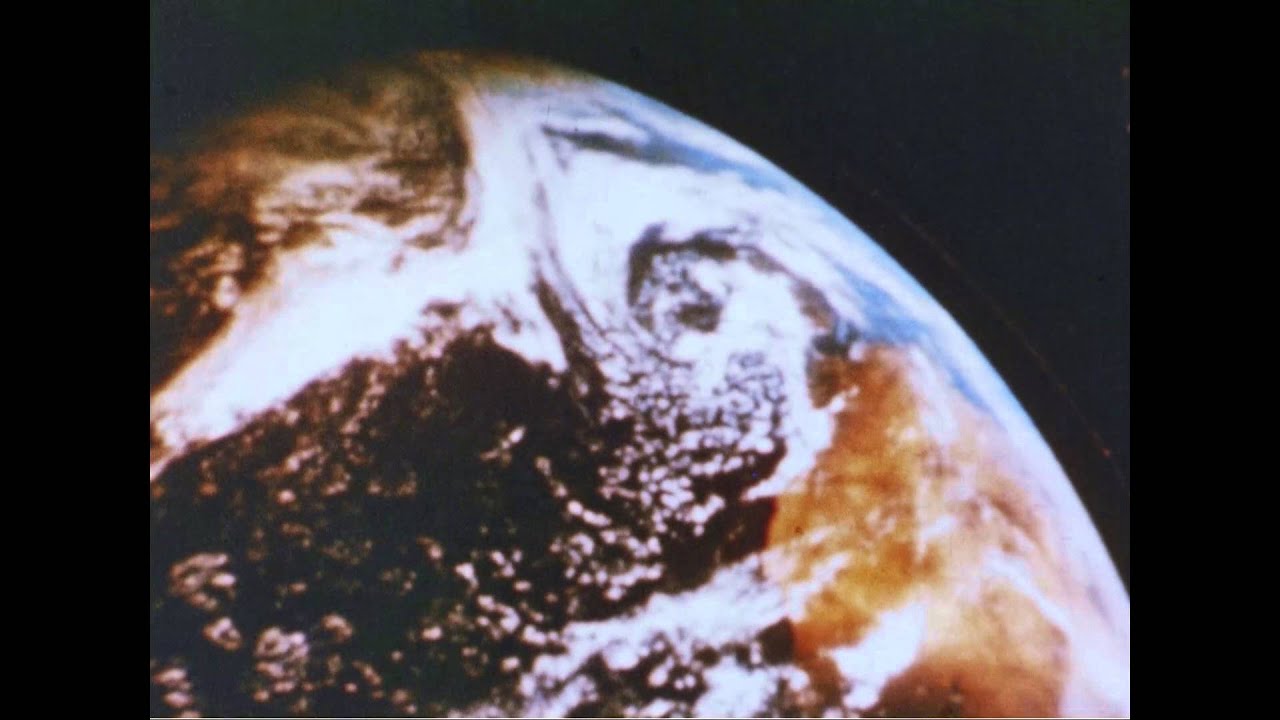
By the end of the century, sea levels are expected to rise as much as one meter, threatening coastlines around the world.
Cities are vibrant ecosystems where diverse wildlife thrives alongside humans, often unnoticed in the hustle and bustle of urban life.
Violence and hate are examined through historical, biological, and mythological lenses to question whether they are inherent traits or societal constructs.
Butterflies undergo four distinct life stages-egg, caterpillar, chrysalis, and adult-highlighting their evolution as one of nature's most remarkable insects.
Australia's tropical rainforest hosts unique wildlife, including tree-climbing kangaroos, formidable saltwater crocodiles, and the prehistoric-looking cassowary.
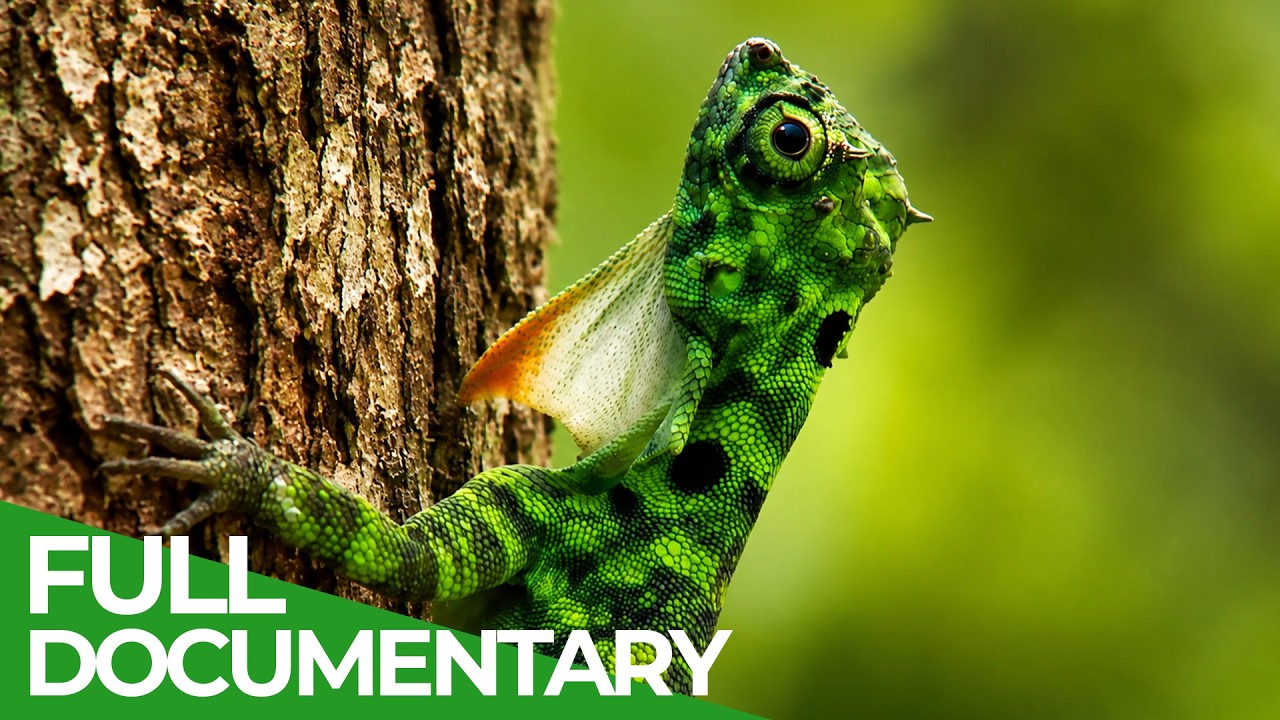
Madagascar is home to the world's most extreme chameleons, alongside a rich diversity of wildlife, while facing challenges from illegal capture and trade.
At 2 feet 9 inches tall and weighing just under a stone and a half, Aditya 'Romeo' Dev is recognized as the world's smallest bodybuilder.
The first permanent settlers of Mars arrive to self-building habitats that produce air, water, and food for future generations born on alien planets.
In the animal kingdom, various species employ unique mating rituals and strategies, showcasing their creative adaptations for survival in the wild.
The Hubble Space Telescope captures images of planetary nebulae and galaxies, highlighting their structures and the potential for new star formation.
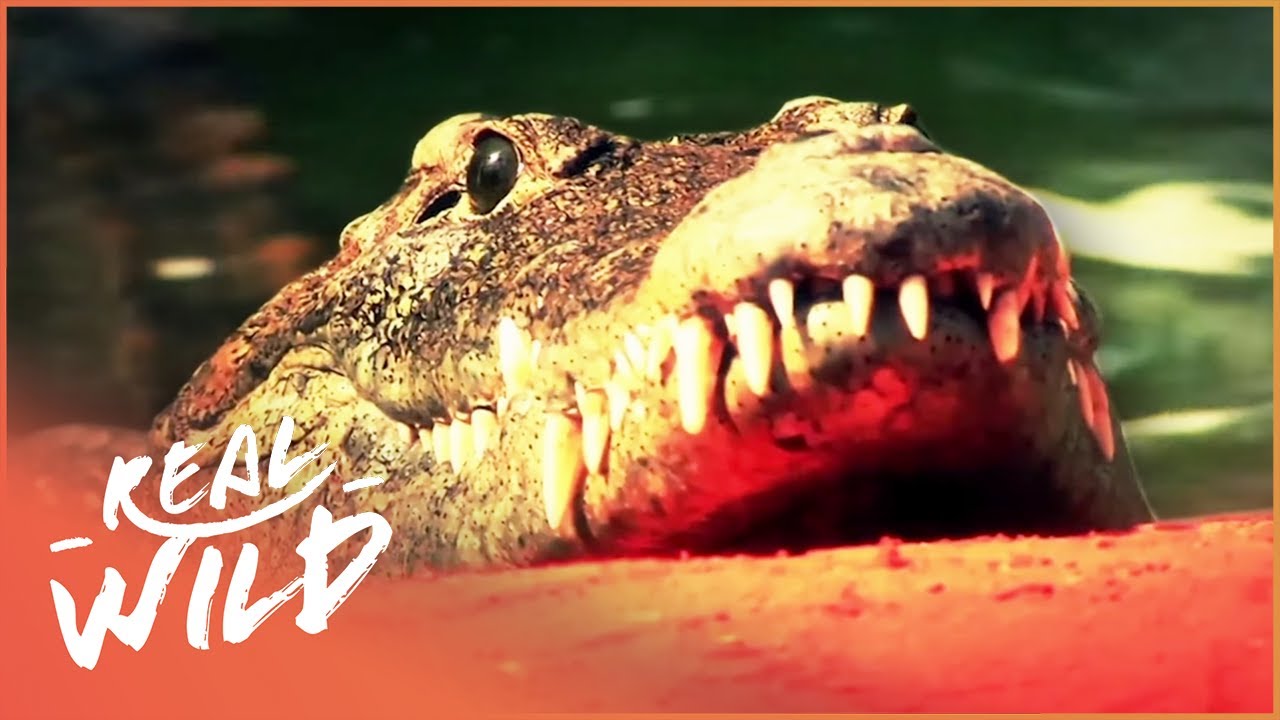
Crocodiles, as one of the oldest living reptiles, have adapted over millions of years to thrive in various ecosystems around the world.
Mysterious aerial fireballs and mass sightings across Texas prompt investigations by UFO Hunters, featuring Bill Birnes, Kevin Cook, and Pat Uskert.
The "Sentinel 6 Michael Freilich" satellite, launched by SpaceX from California, aims to enhance ocean observation and measure sea level rise.
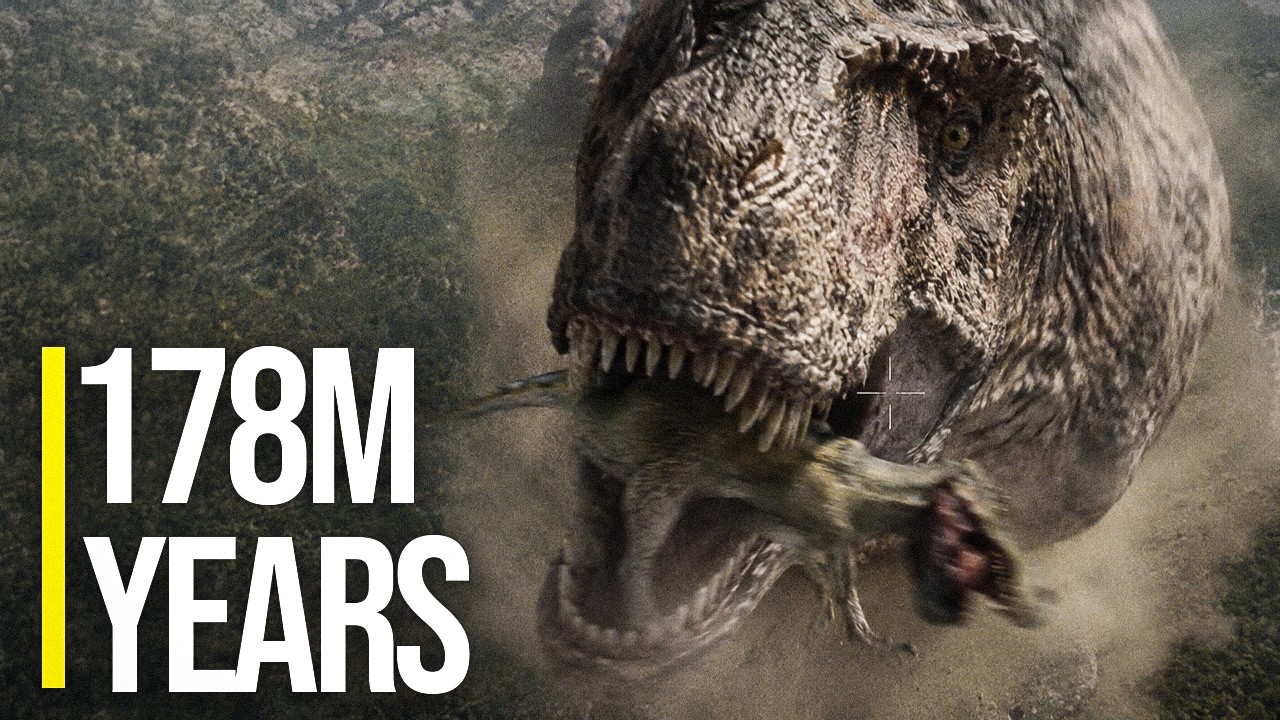
Dinosaurs, which first appeared over 255 million years ago, dominated diverse ecosystems for more than 180 million years, shaping the prehistoric Earth.
13.8 billion years ago, the Big Bang initiated the formation of the universe and the building blocks of life found throughout it.
In Clermont-Ferrand, the Puys volcano range, a UNESCO World Heritage site, poses a significant risk of eruption, with potential lava flows threatening the surrounding region.
Each female mouse can give birth to 70 mice a year, illustrating the complex dynamics of animal behavior in shared living spaces.
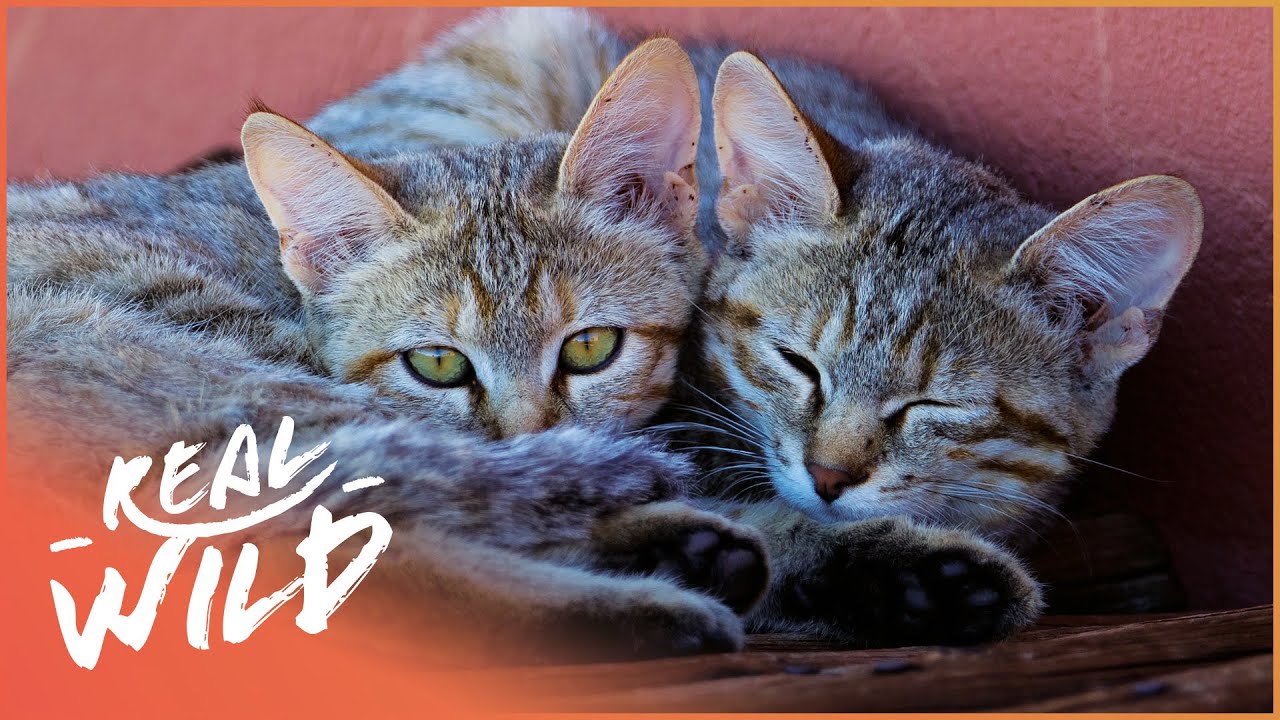
African wildcat mothers in the wild provide crucial protection and guidance to their kittens as they learn essential survival skills in their natural habitat.