From over 100,000 films, discover the handful you'll love.
Free or premium access to the world's largest documentary library.
7227 films(Page 12 of 151)
460 bars of gold, worth $240 million, were recovered from a sunken ship, marking the largest haul of lost gold bullion ever retrieved from the seabed.
Life on Earth is shaped by cosmic forces, with the positioning of planets influencing the presence of air at high altitudes in the Swiss Alps.
Extraordinary predators like the land-walking octopus and a super-powered spider showcase their unique hunting skills in various environments.
Eight hydrophones record orca calls in the coastal waters between Alaska and Canada, as researchers seek to understand the animals' communication patterns.
In the Libyan Sahara, vast underground reservoirs of fossil groundwater are being extracted, raising concerns about the sustainability of this vital resource.
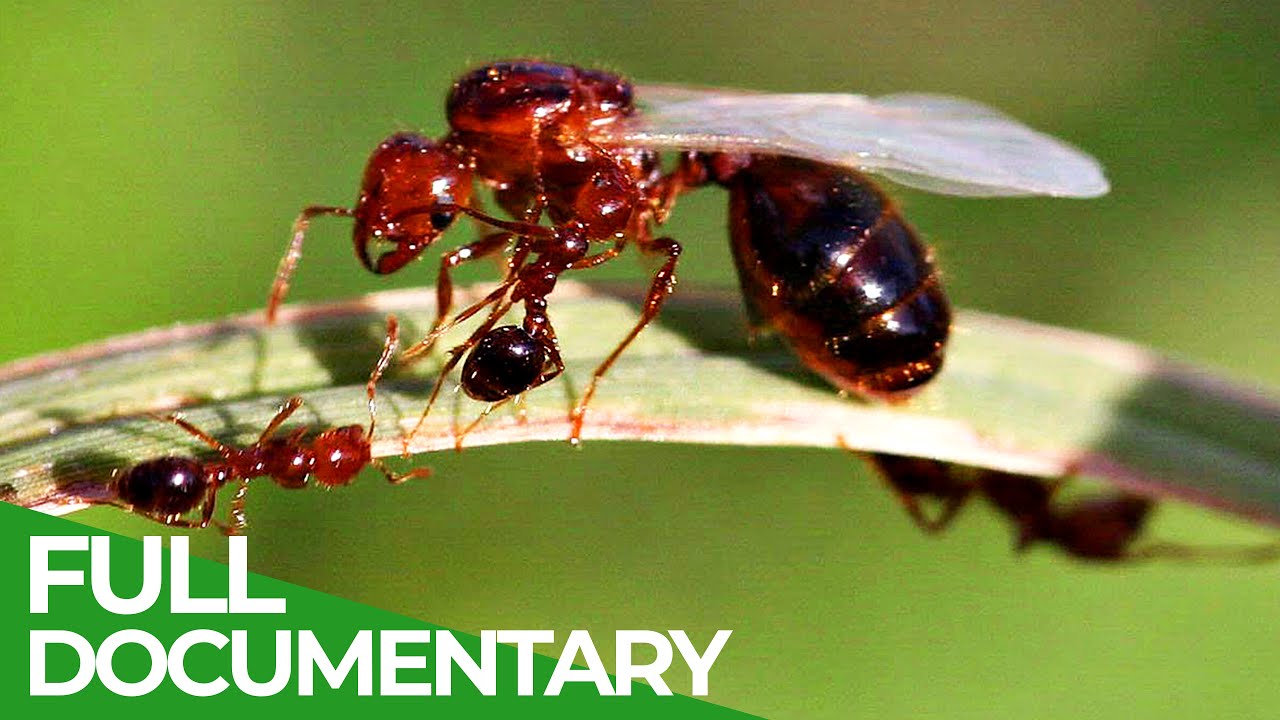
Fire ants are several species of Solenopsis known for their painful sting and ecological impact.
A 7-ton male Stegosaurus, equipped with meter-long spikes on its tail, poses a lethal threat despite its small brain size.
Two patients die in a Virginia cardiac care unit amid an epidemic of unexpected deaths, prompting an investigation into possible foul play.
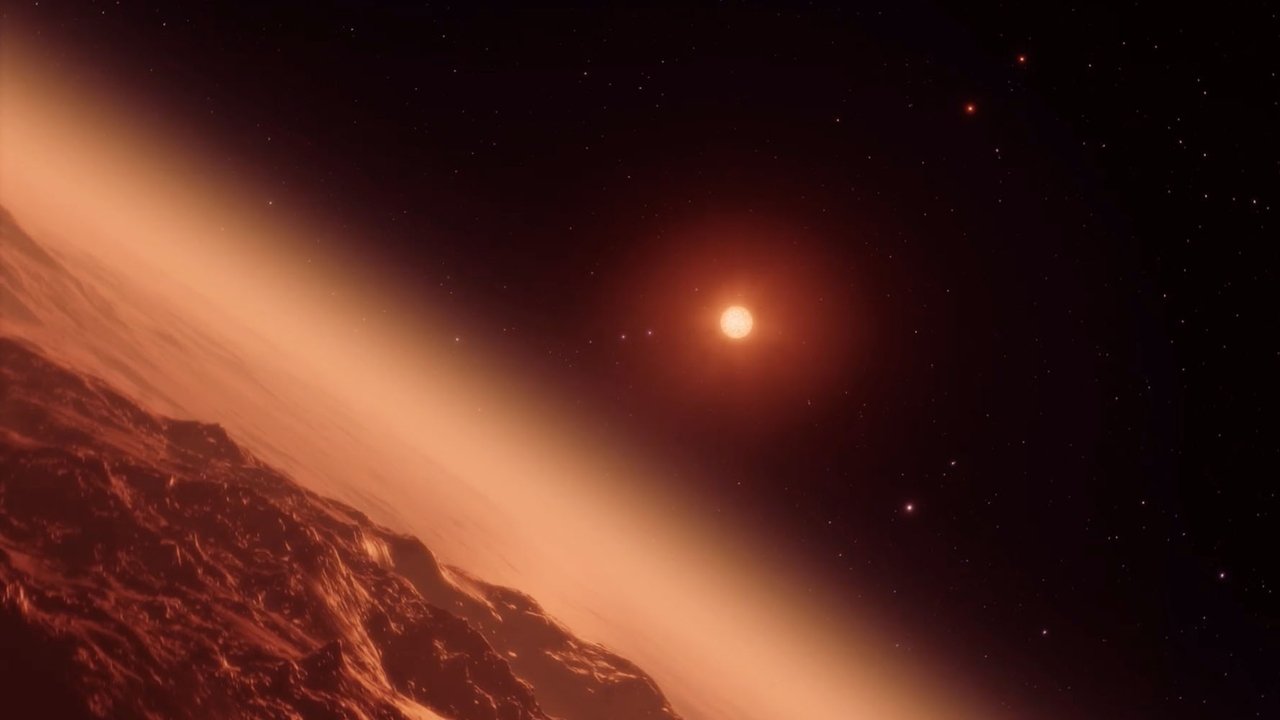
Over 40 trillion kilometers from the Sun, Proxima Centauri b is considered a potential candidate for extraterrestrial life due to its size and location.
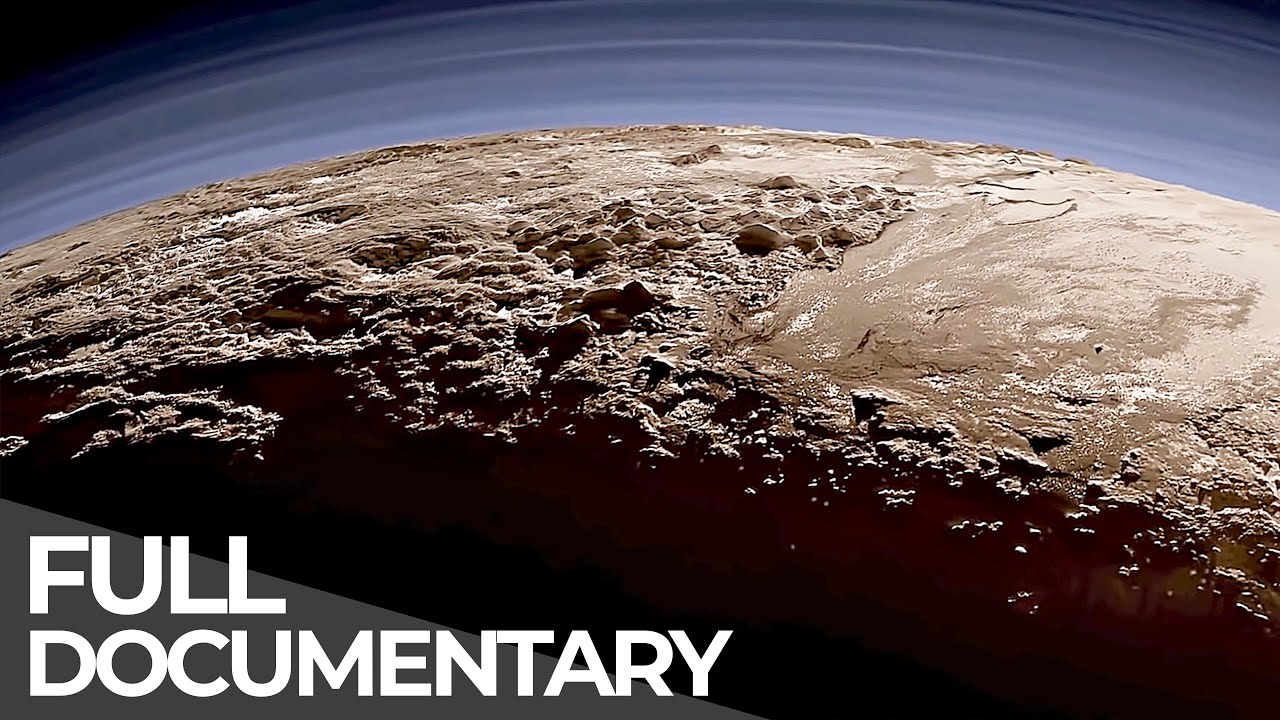
The evolution of spacesuit design is examined alongside the exploration of rocky planets and asteroids in the solar system, highlighting key probes and their findings.
In 1957, the launch of Sputnik marked the beginning of the Space Age, prompting the United States to establish NASA within a year.
In April 2024, a total solar eclipse will traverse the United States from Texas to Maine, marking the last occurrence of such an event until 2044.
Human evolution is explored through the insights of Professor Chris Stringer, highlighting how Homo Sapiens outlasted Neanderthals and adapted to diverse environments.
Change over time is the essence of evolution, according to evolutionary biologist Sean B. Carroll, who discusses genetic mechanisms behind new species.
Oxfordshire Air Ambulance teams respond to a roofer's 20-foot fall, while another crew searches for a 16-year-old with asthma in mountainous terrain.
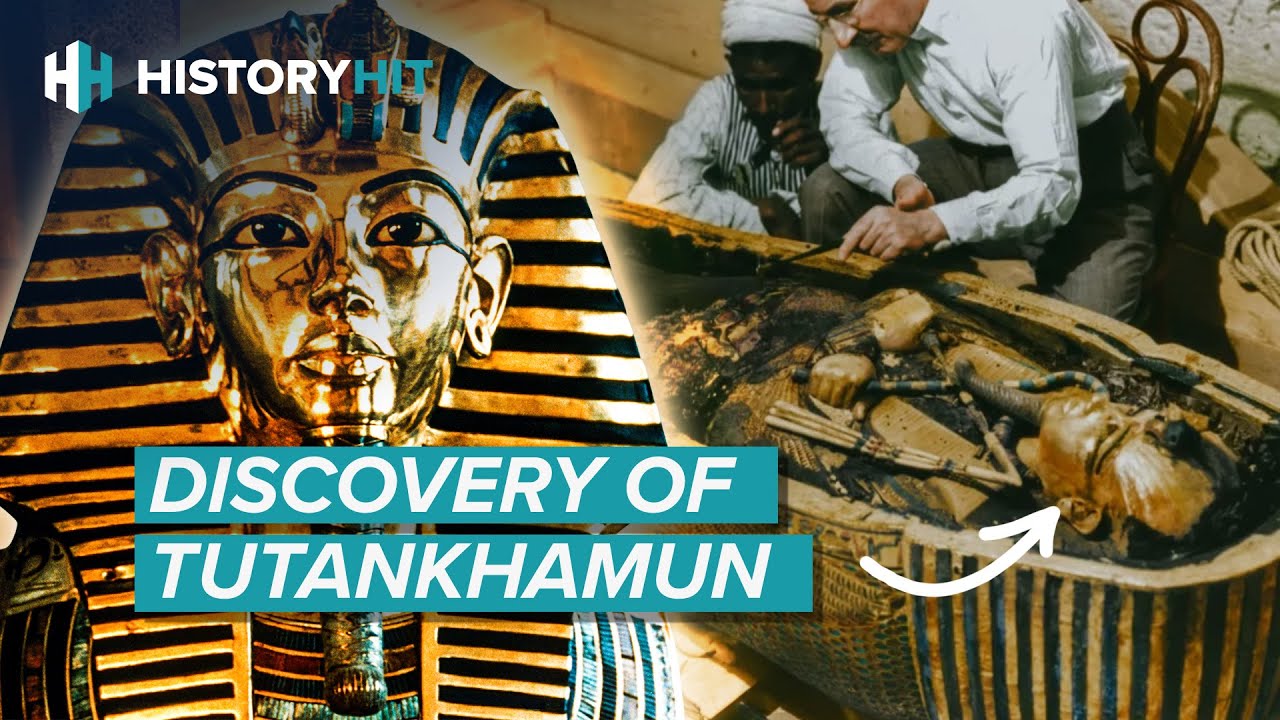
Howard Carter's groundbreaking discovery of Tutankhamun's tomb in 1922 is commemorated through a detailed exploration of its historical significance and artifacts.
Saturn V, the most powerful rocket ever built, enabled 24 astronauts to reach the moon, showcasing the ingenuity of over 200,000 scientists and engineers.
James May rebuilds a 1959 petrol lawn mower, explaining each of its 331 pieces.
Geologic forces over 3 billion years shaped North America, revealing the history of the Grand Canyon, volcanic activity in Lake Superior, and the evolution of the Rocky Mountains.
Sam Vaknin, a self-identified narcissist, undergoes extensive testing for psychopathy while navigating complex personal relationships and ethical dilemmas.
Between 50 and 60 volcanoes erupt each year, with 20 actively erupting at any given moment, posing risks to nearby communities and ecosystems.
In the northern Atlantic and the Pacific, renowned scientist Gerhard Jarms explores the vital role of jellyfish in marine ecosystems, including encounters with the deadly sea wasp.
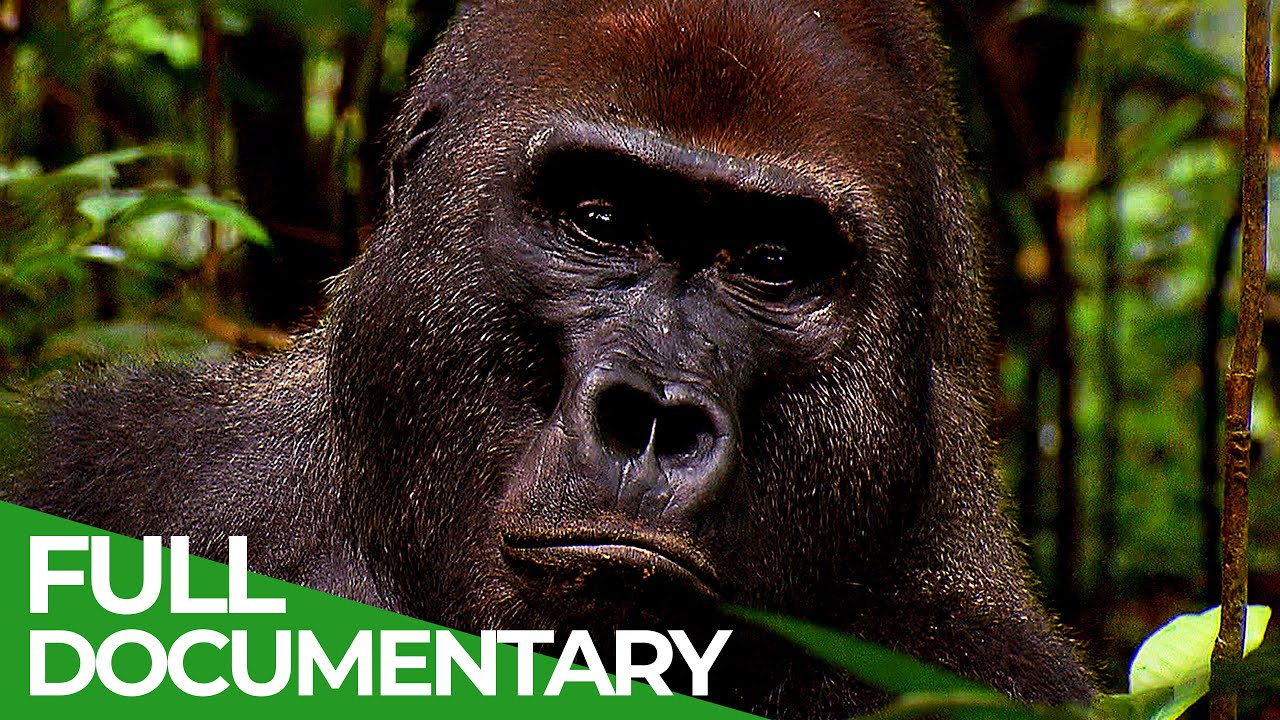
Less than 100,000 western lowland gorillas remain in the wild, making every individual crucial for their survival.
Three personnel were exposed to oxidizer during a major spill at a test cell, prompting immediate evacuation and medical support.
Mars has a thin atmosphere that can melt spacecraft hitting at speeds over 16,000 km an hour, complicating plans for human landings.
The ruins of the Grey family's home, inhabited for nearly 800 years, reveal the history of a 12th-century castle beneath an English hill.
Red imported fire ants, an invasive species in the United States and other countries, cause over $5 billion in annual damages and affect millions of residents.
If 99% of the world's population were wiped out, millions could still survive, resembling the population levels of the Bronze Age.
Energy transfer in the universe is explored through phenomena such as colliding stars and Earth's largest explosions, revealing the immense power scales at play.
Scientists detect planets around thousands of stars, exploring potential for life beyond Earth.
Between 50 and 60 volcanoes erupt each year, with 20 active at any given moment, posing risks to nearby communities and ecosystems.
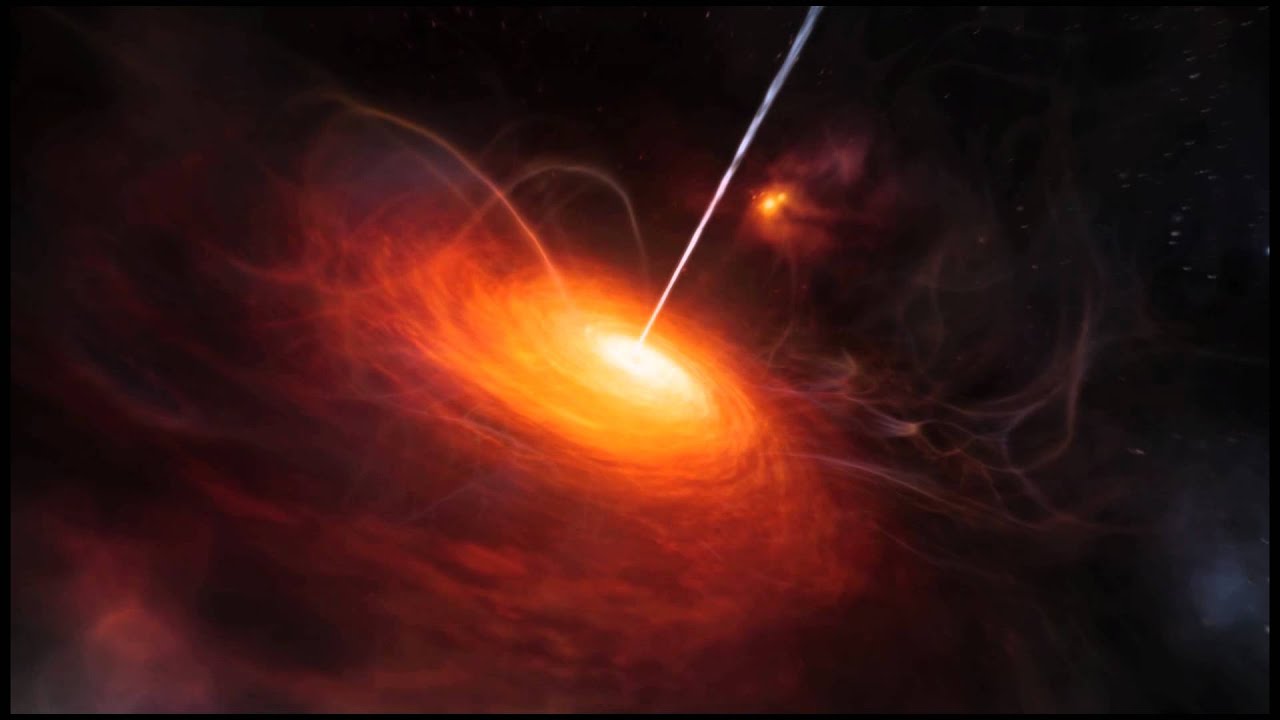
Black holes, regions of spacetime with immense gravitational pull, are explored through their structure, formation, and impact on the universe.
Fifteen receivers were placed around Maui to track the movement patterns of tiger sharks and investigate their unusual seasonal gathering.
Simon Fraser, the 11th Lord Lovat, navigated a tumultuous life of political intrigue and betrayal, culminating in his execution and the mystery of his burial.
Perseverance entered the Martian atmosphere at a speed of 5.3 km/s in February 2021, marking a significant milestone in space exploration.
Supervolcanoes, such as Yellowstone and Toba, have caused catastrophic eruptions that reshaped Earth's climate and contributed to mass extinction events.
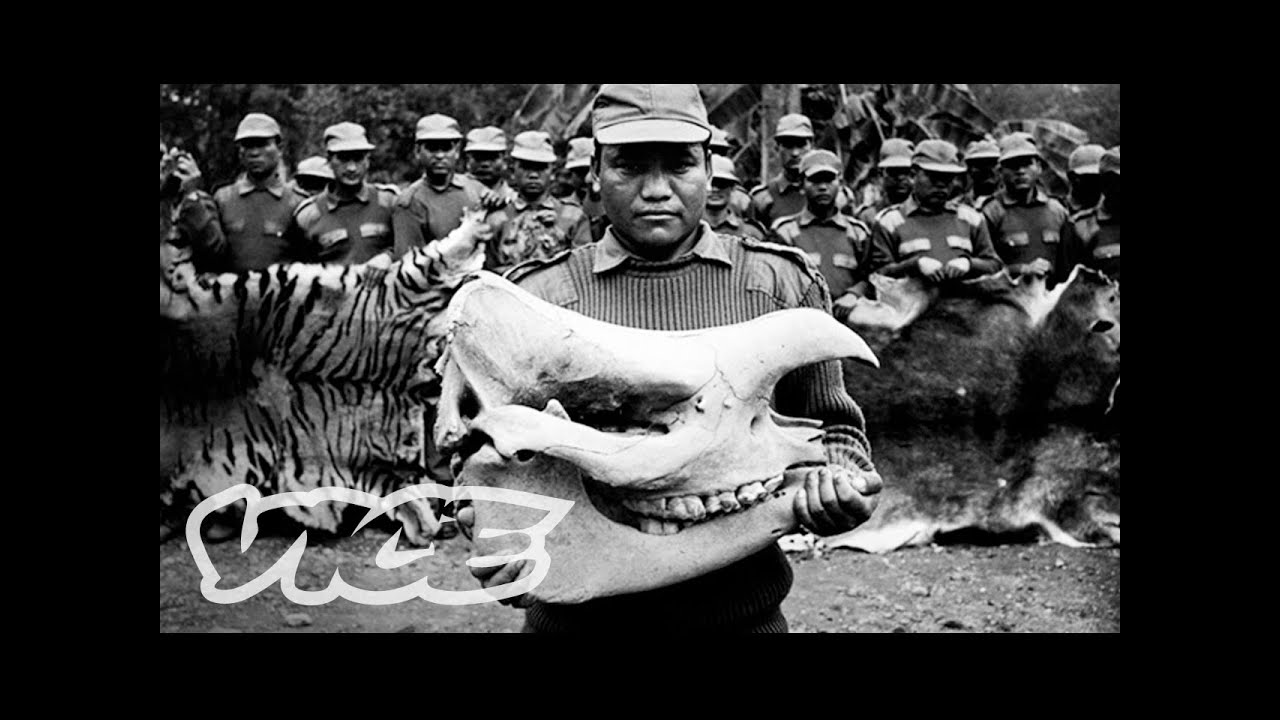
Patrick Brown's decade-long project highlights the illegal trade of endangered animals in Asia, culminating in his book, Trading to Extinction.
A young PhD student excavated a field in South Oxfordshire in the 1960s, uncovering stone walls of a Roman building but lacking evidence to identify it.
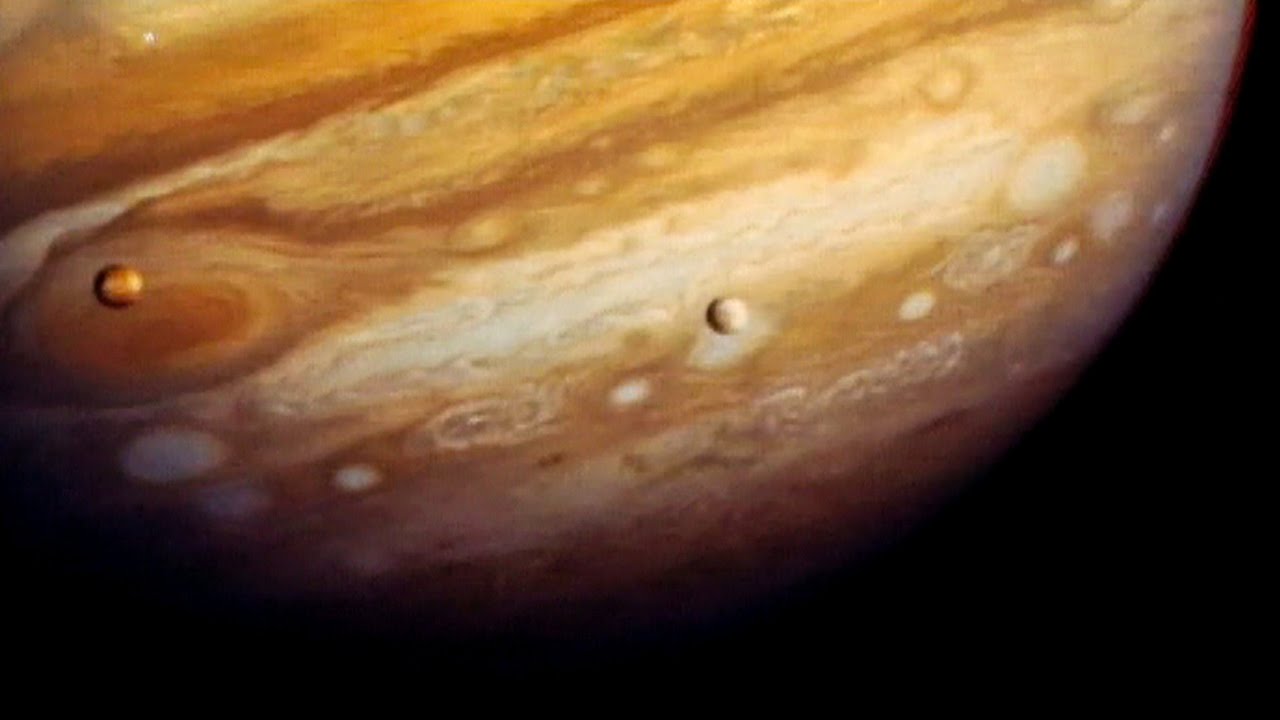
Jupiter's massive gravitational power acts as a vacuum cleaner for the solar system, preventing comets from striking Earth every few hundred years.
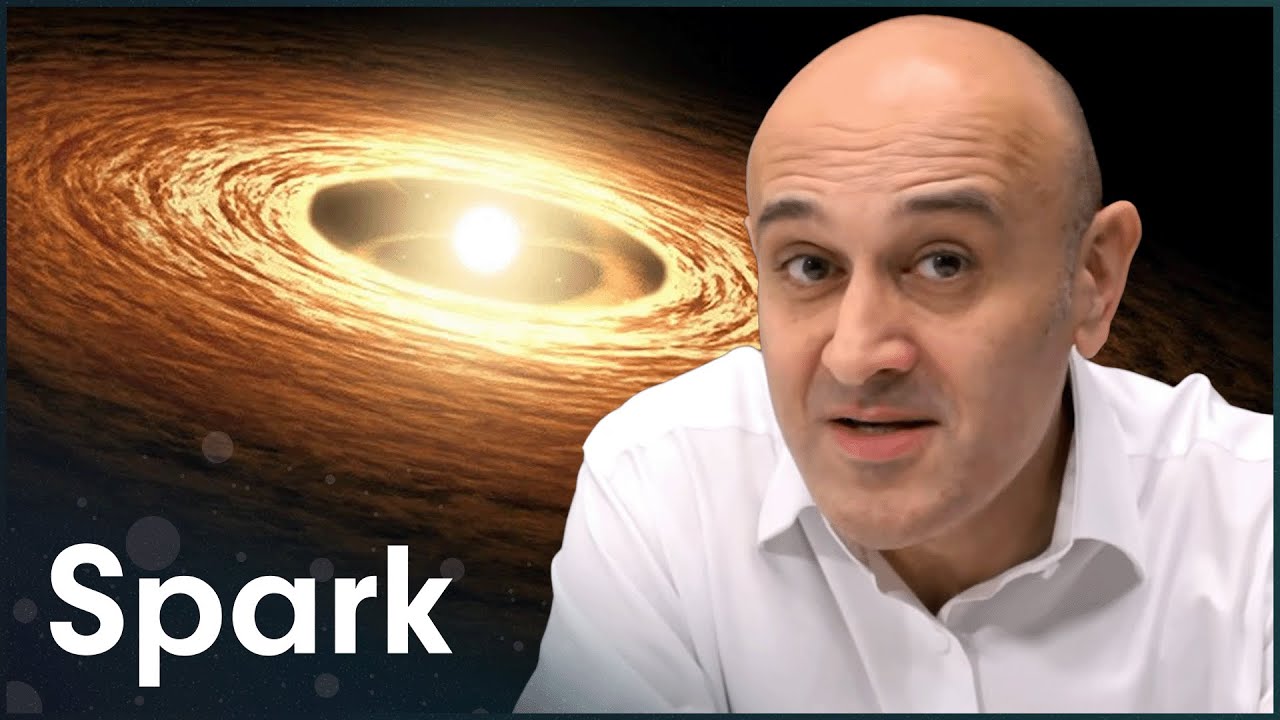
Professor Jim Al-Khalili explores the profound concepts of everything and nothing, revealing how the quantum world shaped the vast universe we inhabit today.
Pompeii, a prosperous Roman town, was preserved in time by the catastrophic eruption of Vesuvius in 79 AD, revealing the lives of its everyday inhabitants.
Widespread use of antibiotics in food animals raises critical concerns about its role in the escalating crisis of antibiotic resistance in humans.
Ghosts and the afterlife are examined through a scientific lens, questioning humanity's belief in spirits and the possibility of their return to Earth.
At least 10,000 aircraft would be needed to inject sulfur particles into the stratosphere every two years to reflect sunlight and cool the planet.
Lara Cassidy, a geneticist at Trinity College Dublin, reveals insights into the culture of ancient European farmers through the analysis of a burial site from 3000 BC.
In the forests of Uganda, primatologists, alongside Jane Goodall, investigate the cultural behaviors and communication skills of chimpanzees, revealing their similarities to humans.
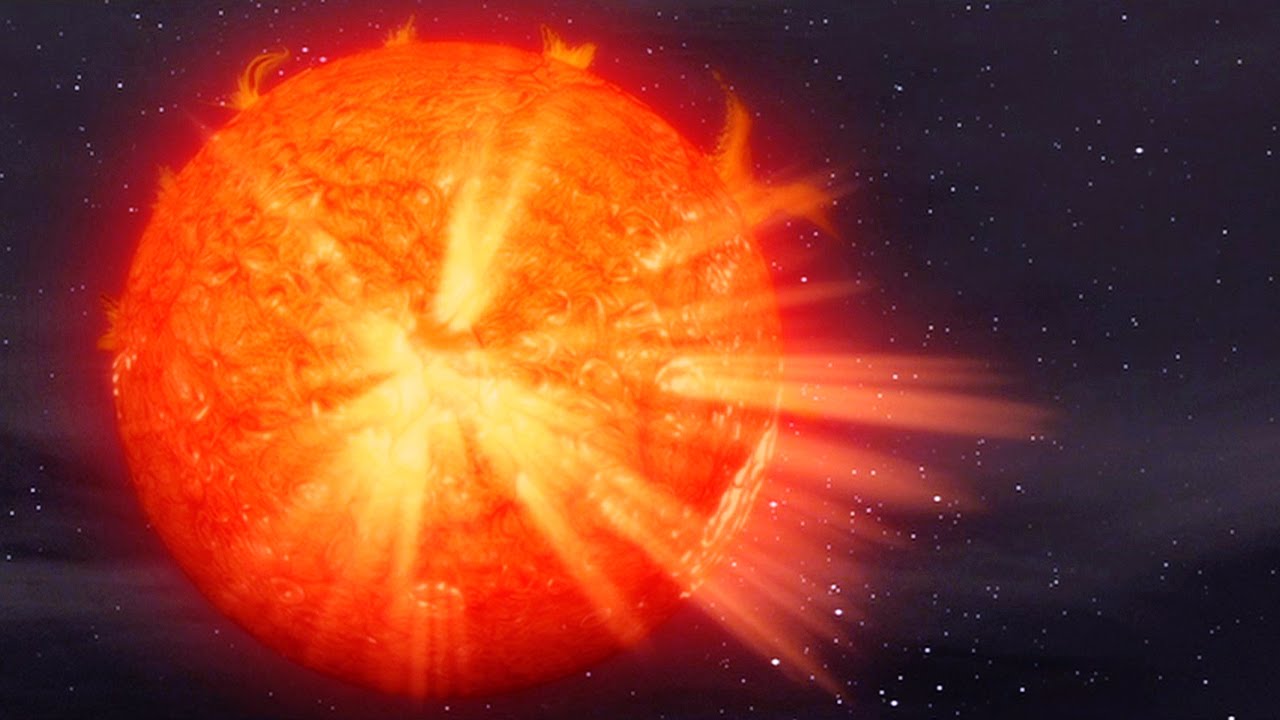
More than a million Earths could fit inside the Sun, which will eventually become too hot for life, melting the planet's surface and evaporating its oceans.
Between 1946 and 1954, 80 million tons of explosive nuclear power were unleashed on Bikini Atoll during a series of tests by the U.S. military.