From over 100,000 films, discover the handful you'll love.
Free or premium access to the world's largest documentary library.
7227 films(Page 34 of 151)
Fossilized dinosaur footprints found by a palaeontologist in the 1960s suggest a dramatic hunt and kill, revealing a one hundred million year old battle.
Lotje Sodderland's experience with a severe stroke leads her to explore innovative brain science and recovery methods alongside leading researchers.
Polar bears in the Arctic face extinction within 50 years as climate change rapidly diminishes their sea ice habitat, impacting their survival and health.
6,300 WWII shipwrecks, many leaking oil, pose a significant environmental threat, prompting urgent research and monitoring efforts across global coastlines.
Danny King burned Marilyn Garland's body in a metal drum for two days before attempting to conceal his crime by dumping the remains in a river.
More than 700 exoplanets have been discovered beyond the solar system, many of which exhibit extreme conditions that challenge the possibility of life.
Matt Kaeberlein tests 100,000 aging drugs each year using a robot designed to analyze the effects on microscopic worms.
Nikhil Dhurandhar's controversial discovery of an 'obesity virus' suggests it may contribute to weight gain in 30 percent of severely obese individuals.
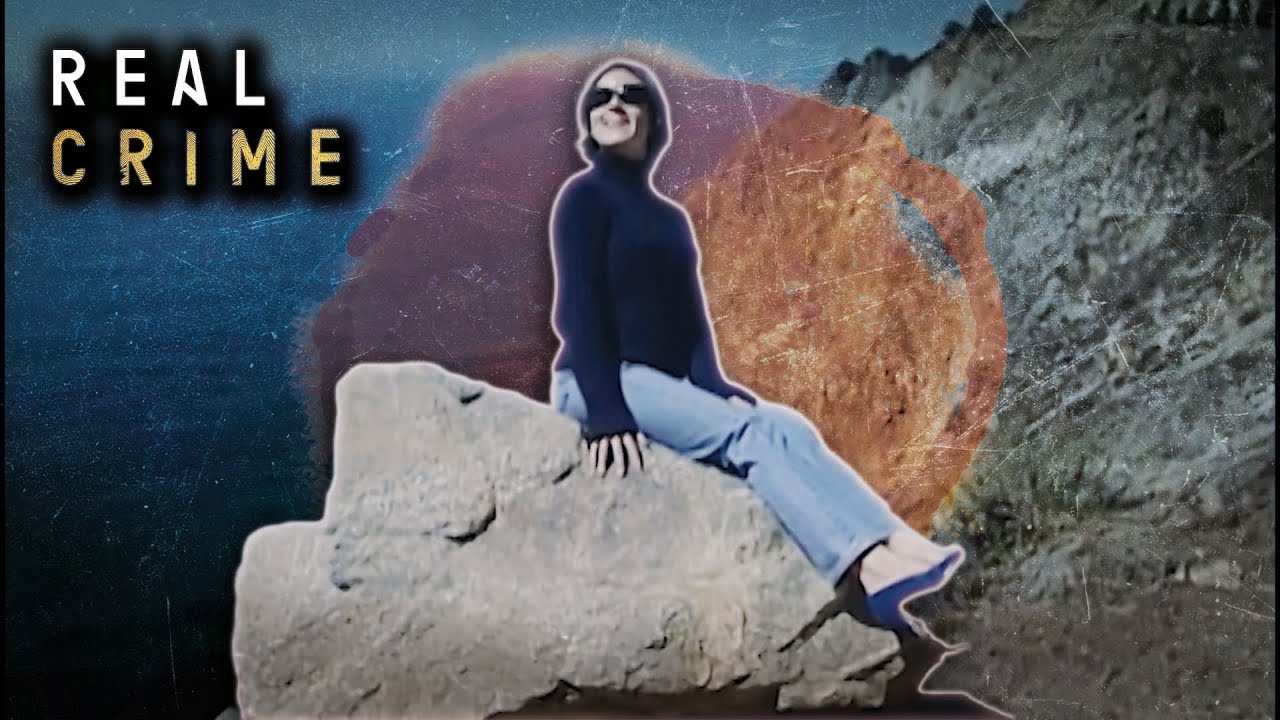
On April 2, 1987, the body of 20-year-old Dina Hubbard Wilde was found at the base of a 600-foot cliff in California after a reported fall.
Albert Einstein and Stephen Hawking revolutionized our understanding of the universe through their groundbreaking theories on relativity and black holes.
Home to over 200,000 known venomous species, the natural world features creatures that use venom to paralyze prey and defend against predators.
In 1967, a secret Moscow experiment tested human survival in isolation for a year to evaluate the feasibility of a round trip to Mars.
A bronze cannon discovered by a teenage scuba diver off Teignmouth beach may be linked to a shipwreck from the Spanish Armada, prompting an underwater excavation.
A black hole can form when a star's energy runs out, causing gravity to compress its atoms into an ultra-dense state known as a white dwarf.
Dinosaurs' extinction significantly influenced the evolution of modern wildlife, including crocodiles, insects, and fish, as explored through rare animal footage.
70% of people in the UK report getting less sleep than they need, raising concerns about the health risks associated with sleep deprivation.
On January 31, 1961, a four-year-old chimpanzee named Ham launched into space aboard a Mercury Redstone rocket, marking a milestone in the space race.
Australia's extreme wildlife, including venomous snakes and ferocious dingoes, showcases brutal survival strategies in a harsh and unforgiving landscape.
British farming faces challenges in self-sufficiency, with significant imports of wheat, butter, and cheese, despite strong production of meat, eggs, and vegetables.
Jupiter and Saturn have played a major role in shaping the evolutionary history of the solar system, influencing its development after gas planets formed.
Engineers around the world are developing innovative technologies, such as artificial vision and advanced rocket launch systems, to enhance human abilities and senses.
More than 100 astronauts have lived and worked on the International Space Station since 2000, conducting research under unique conditions.
Operation Highjump reveals the possibility of an advanced subterranean kingdom in Antarctica, inhabited by extraterrestrial beings monitoring humanity's evolution.
Trillions of asteroids, ranging from the size of a car to hundreds of miles across, played a crucial role in the formation of the solar system.
In the Mediterranean Sea, a diverse ecosystem of pelagic fauna, from giant whales to tiny plankton, faces challenges from pollution and overfishing yet shows remarkable resilience.
Chernobyl's radioactive fallout has caused an estimated 200,000 deaths across Russia, Belarus, and Ukraine since the disaster in 1986.
This video reveals how physics describe interactions in our Universe and the solar system.
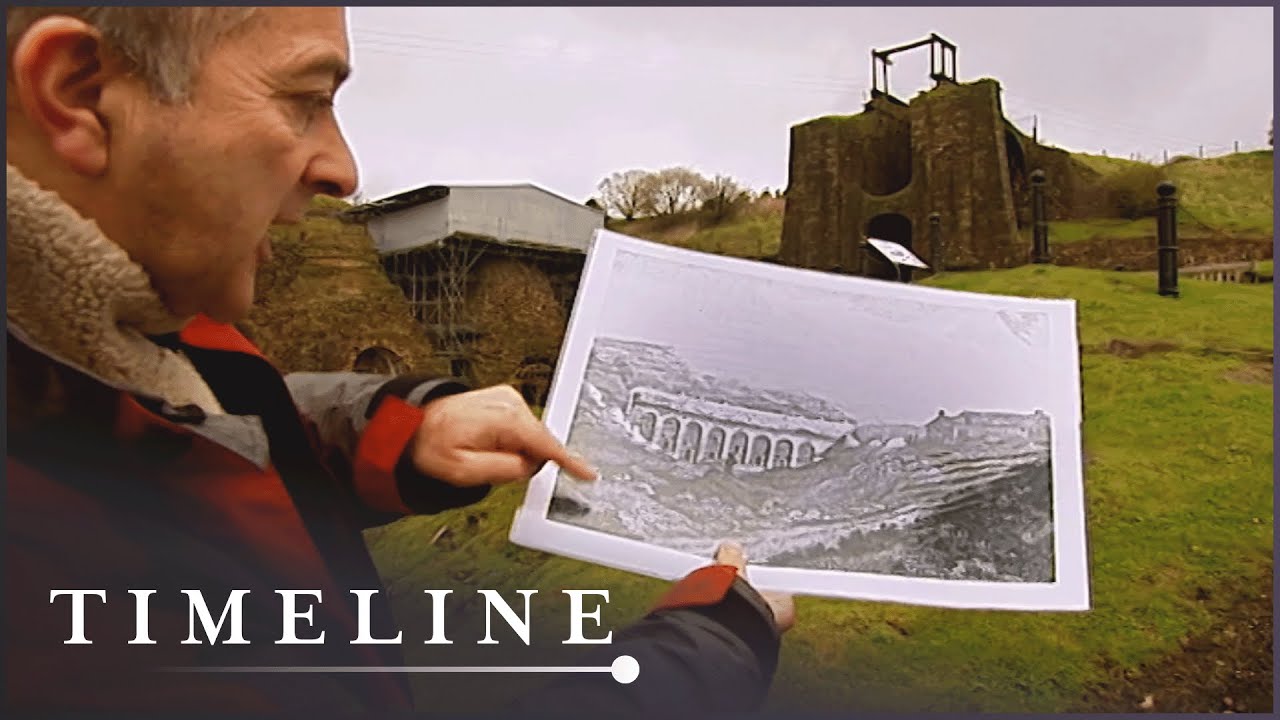
Blaenavon, Wales, is the site of an ambitious excavation to locate the world's first railway viaduct, buried under 10,000 tons of debris since 1815.
Concrete, the most widely used material on Earth, plays a crucial role in modern infrastructure, but its environmental impact raises questions about its future.
Anticosti Island faces a contentious battle between potential fossil fuel extraction and environmental preservation, as locals weigh economic prospects against ecological risks.
Exploring theories of alien pathogens and time travelers, this marathon examines the potential extraterrestrial influences on human DNA and evolution.
Great white sharks, often portrayed as man-eaters by media, are examined for their misunderstood nature and the impact of human fear on their conservation.
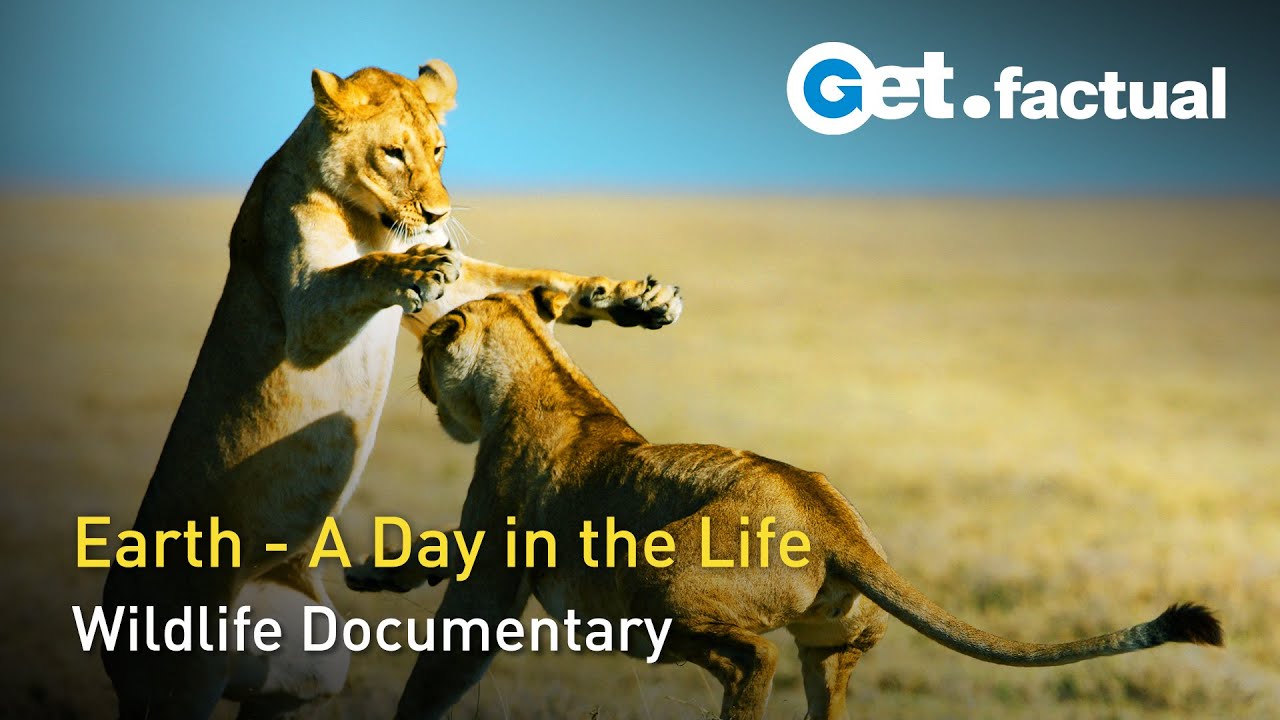
A single day in nature reveals the dramatic shifts and vibrant life cycles of wildlife, showcasing the beauty and intensity of Earth's ecosystems.
China's advancements in high-speed rail, driverless trucks, passenger jets, and its ambitious space program highlight the nation's push towards a futuristic transportation landscape.
John List, a mass murderer who evaded capture for 18 years by assuming a new identity, was ultimately tracked down after a chance sighting on a TV crime show.
Einstein's theory of general relativity, quantum mechanics, and the concept of a holographic universe are examined through groundbreaking scientific breakthroughs.
Thousands of dogs from around the world participate in the largest animal communication study in history, examining their ability to use recordable buttons.
Hundreds of scientists fly from southern Chile to King George Island each summer, where they conduct research in one of the harshest environments on Earth.
Richard Dawkins presents compelling arguments for evolution, challenging misconceptions and emphasizing the scientific evidence that supports this fundamental concept.
North America's mountain goats navigate perilous cliffs and rugged terrain while facing predators and showcasing their remarkable acrobatic abilities.
Ten leading scientists met in the Allegheny Mountains in 1961 to discuss the search for extraterrestrial life, a topic previously avoided in scientific circles.
In Mount Edgecombe, the Pani Troop faces an internal conflict over mating rights and dominance as their territory is threatened by external forces.
In Southeast Asia, various squirrel species, including the Malayan giant squirrel and flying squirrel, navigate their environments while competing for survival against invasive rivals.
Biomimicry serves as a crucial link between nature's innovations and advancements in technology and medicine, showcasing how natural designs inspire human ingenuity.
Ella al-Shamahi, a paleoanthropologist, searches for ancient human remains on Socotra, an island in Yemen affected by ongoing civil war.
Tiger sharks, known for their aggressive behavior, are responsible for a significant number of shark attacks in tropical waters worldwide.
Astronomer Munazza Alam uses data from the Hubble and James Webb Space telescopes to search for Earth-like exoplanets while observing Ramadan traditions.
Coastal erosion in Holderness, East Yorkshire, threatens homes and businesses, prompting urgent discussions among residents and council workers about future risks.