From over 100,000 films, discover the handful you'll love.
Free or premium access to the world's largest documentary library.
7227 films(Page 70 of 151)
Greece's Aegean Sea, rich in myths and history, is explored through the eyes of a tale collector, a nomadic artist, and a mountain climber living on Olympus.
Dr. Chris Van Tulleken examines the dramatic rise in ADHD prescriptions and the impact of over-the-counter medications on children's health and behavior.
Rockets and space shuttles utilize advanced engineering and physics principles to travel from Earth to the far reaches of the Solar System.
Wildfires are increasingly powerful, transforming landscapes in minutes, as seen in the Station Fire in Los Angeles and devastating outbreaks in Portugal and France.
Foxes and wolves are examined for their unique adaptations and hunting strategies, highlighting the solitary nature of foxes versus the social dynamics of wolf packs.
Indonesia, known as "Tanah Air Tika," showcases its rich cultural and natural heritage, emphasizing the deep connection between its people and the land.
Dark matter and the heliosphere play crucial roles in our understanding of the universe, revealing mysteries that challenge core physics theories and predict cosmic collisions.
Spectacular slow motion and time-lapse footage from the 1960s and 1970s captures raindrops, locusts, crash tests, explosions, and shattering glass.
Dr. Carlotta Berry, an Electrical Engineer, joins host Dr. Nehemiah Mabry for a discussion on how robots perceive their environment.
Dr. Nehemiah Mabry, an engineer with over 15 years of experience, discusses the connection between hip hop music and engineering principles.
Clinical death experiences are examined through case studies and expert discussions, featuring insights from P.M.H. Atwater and Richard Gillilan.
A cosmic calendar spans 13.8 billion years, detailing the evolution of the universe and humanity's place within it.
In Saskatchewan and Alberta, palaeontologists investigate the last days of Edmontosaurus and ARrhinoceratops to understand the mass extinction event 66 million years ago.
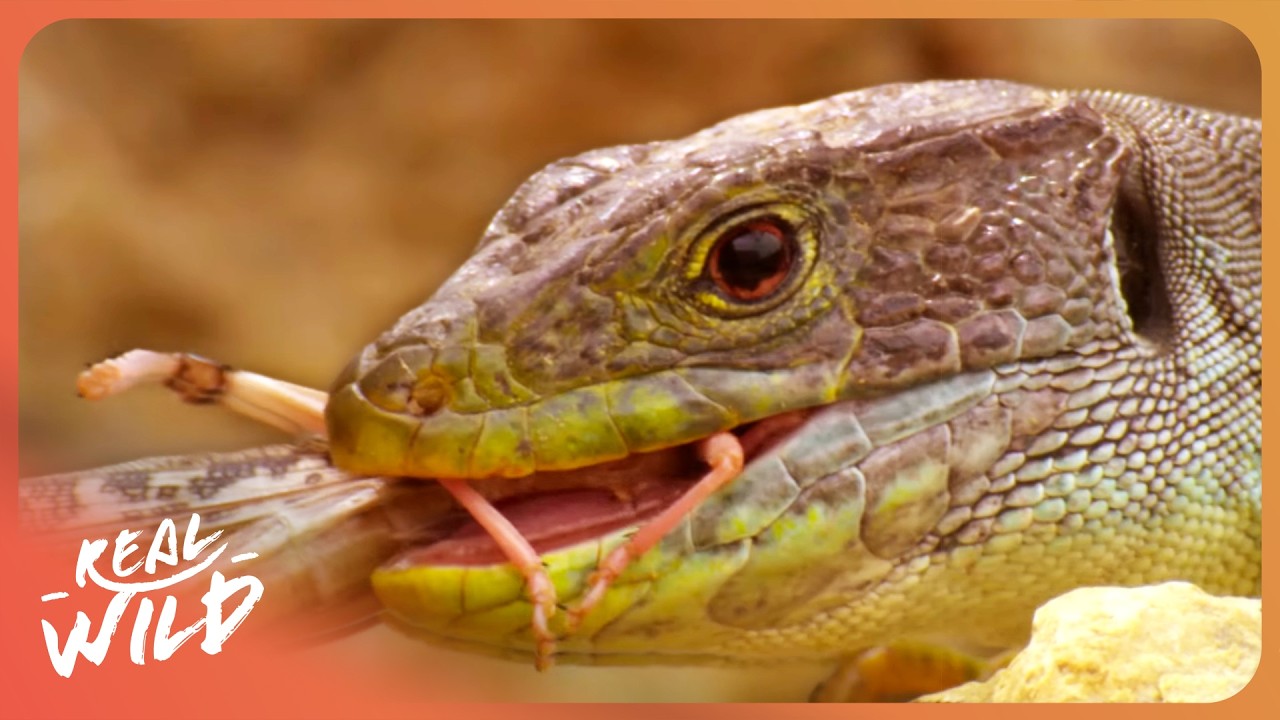
Komodo dragons, geckos, bearded dragons, chameleons, and the marine iguana of the Galapagos Islands showcase the incredible diversity and survival strategies of lizards.
In the jungles of the Congo and the peaks of Japan, primates like silverback gorillas, baboons, and macaques showcase their adaptability and intelligence amid human threats.
In the Australian desert, apex predators like dingoes and desert raptors exhibit extreme adaptations for survival in harsh conditions.
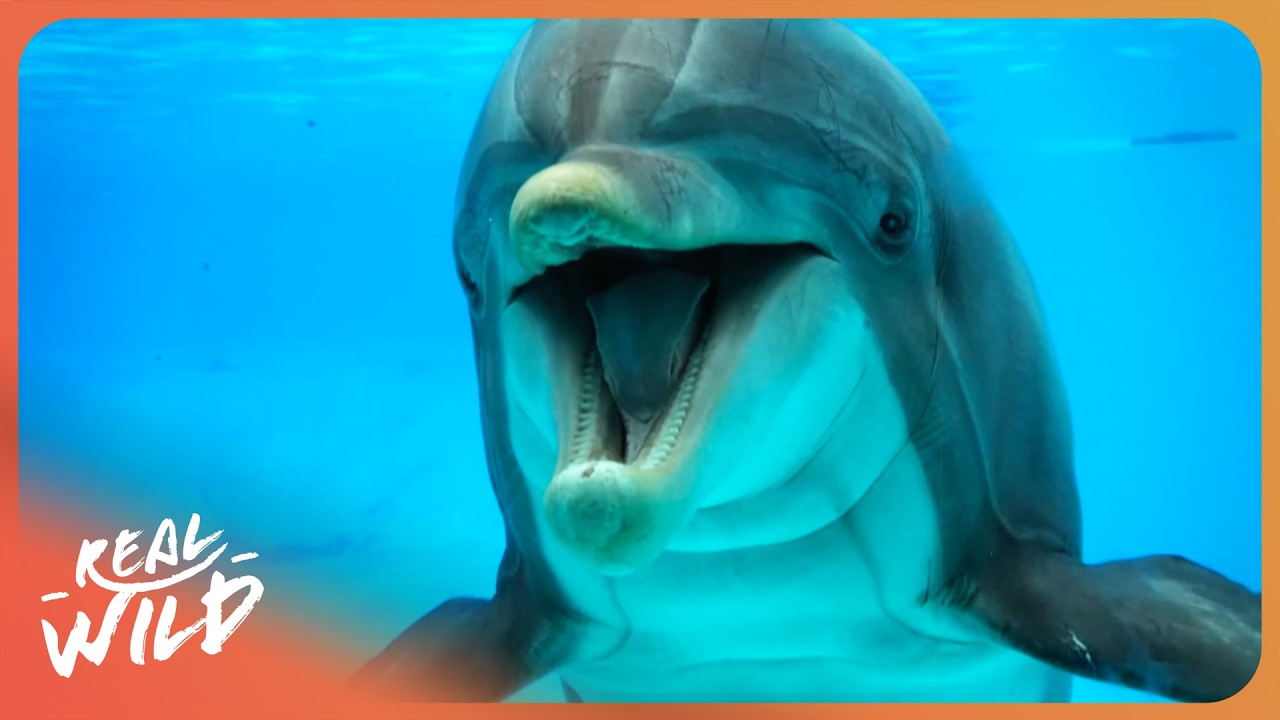
Dolphins across the globe, from Western Australia to South Africa, exhibit complex social behaviors, including tool use, cultural traditions, and unique signature whistles.
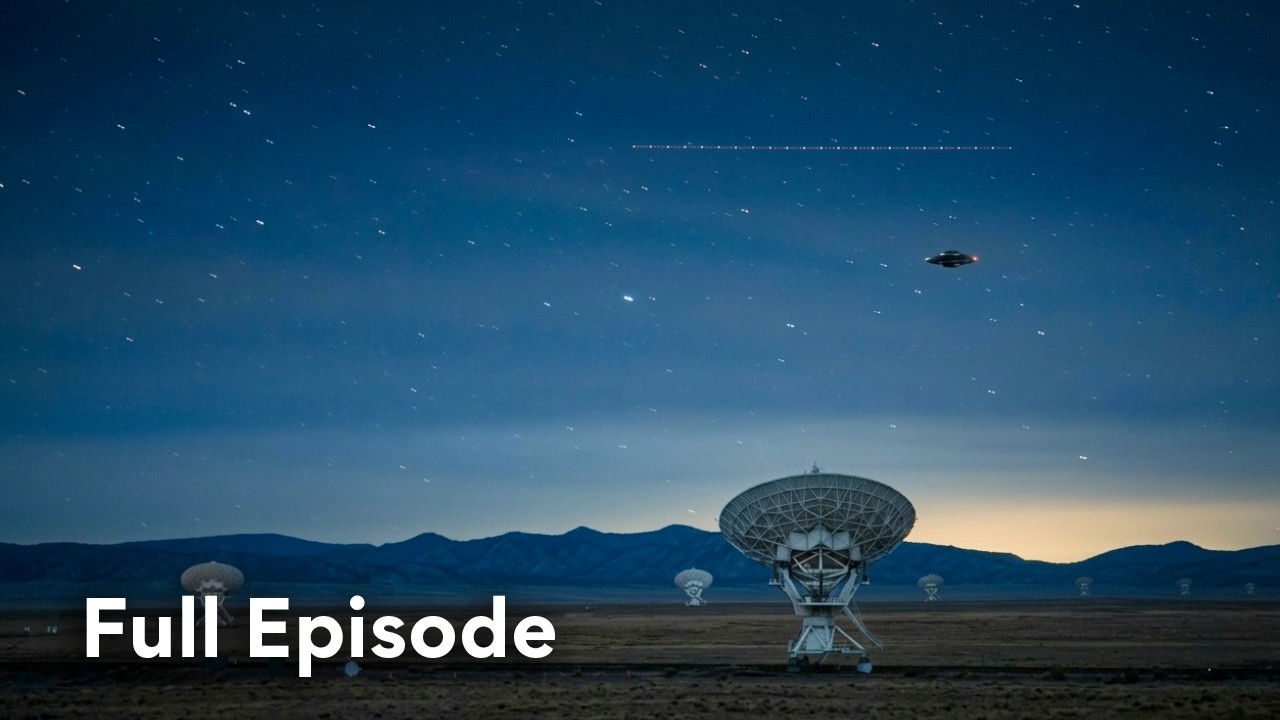
Paul Bennewith claims to have found a secret underground lab in Dulce, New Mexico, while facing disinformation tactics from the US Military's COINTELPRO program.
Genetic modification in New Zealand sparks intense debate as campaigners push for a GE-free zone while scientists argue the risks are overstated.
Phosphate-based fertilizers, essential for agriculture, are linked to severe health issues in Morocco, including birth defects and cadmium contamination in food.
Modern zoos in Germany implement innovative enrichment strategies to enhance the well-being of exotic animals, from polar bears playing with surfboards to gorillas using tools.
Suspension bridges like the Akashi Kaikyō Bridge in Japan and the Golden Gate Bridge in San Francisco exemplify engineering innovation and community connectivity.
The Big Game Capture team in South Africa undertakes the critical task of translocating wild animals to maintain genetic diversity and ecosystem balance.
Rocket launches in French Guiana generate significant revenue for Europe, yet local communities face economic neglect and environmental concerns from the booming industry.
Human consciousness, a complex phenomenon, raises questions about the existence of a divine mind, exploring the intersection of science and spirituality.
In the Picos de Europa mountains of Northern Spain, cave divers explore the perilous deep caves of Ario, where rescue is not an option.
Escape rooms are increasingly utilized in STEM education to enhance problem-solving and teamwork skills.
In 2019, Iceland declared its first glacier dead after losing 35 meters of ice cover in just 130 years, a sign of accelerating climate change.
Old cars, once seen as mere wrecks, now serve as habitats for diverse wildlife, highlighting the intersection of nature and human-made relics.
An international effort led by the International Passamaquoddy Engineering Board studied the feasibility of tidal power generation in Passamaquoddy and Cobscook Bays.
Solar Impulse completed a historic coast-to-coast flight across the United States in 2013, demonstrating the viability of solar-powered aviation.
Dr. Nee, also known as Dr. Nehemiah Mabry, collaborates with chemical engineer Camille Smith to simulate the regeneration of cell tissue for treating sports injuries.
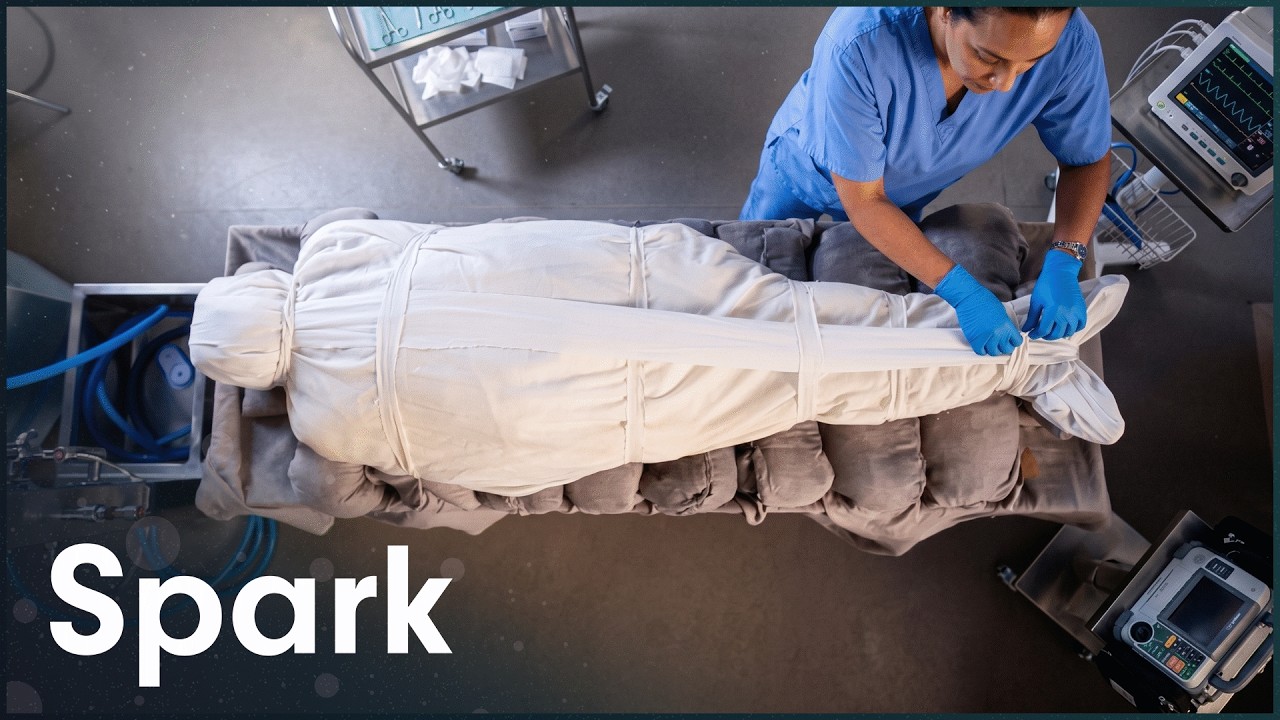
Alan Billis, a taxi driver from Torquay, becomes the first person mummified in 3,000 years as scientists seek to unlock Ancient Egyptian preservation techniques.
Quantum physics challenges traditional notions of reality by exploring subatomic particles, quantum teleportation, and their implications for technology and philosophy.
NASA's Solid Rocket Boosters were left hanging by a thread, endangering civilians near over a million pounds of explosive rocket fuel.
Eighteen volcanic eruptions have occurred in the Canary Islands over the last 500 years, shaping the land and affecting local ecosystems.
Explosive decompression incidents in aviation reveal critical design flaws and safety regulations shaped by tragic events, highlighting the risks of high-altitude flight.
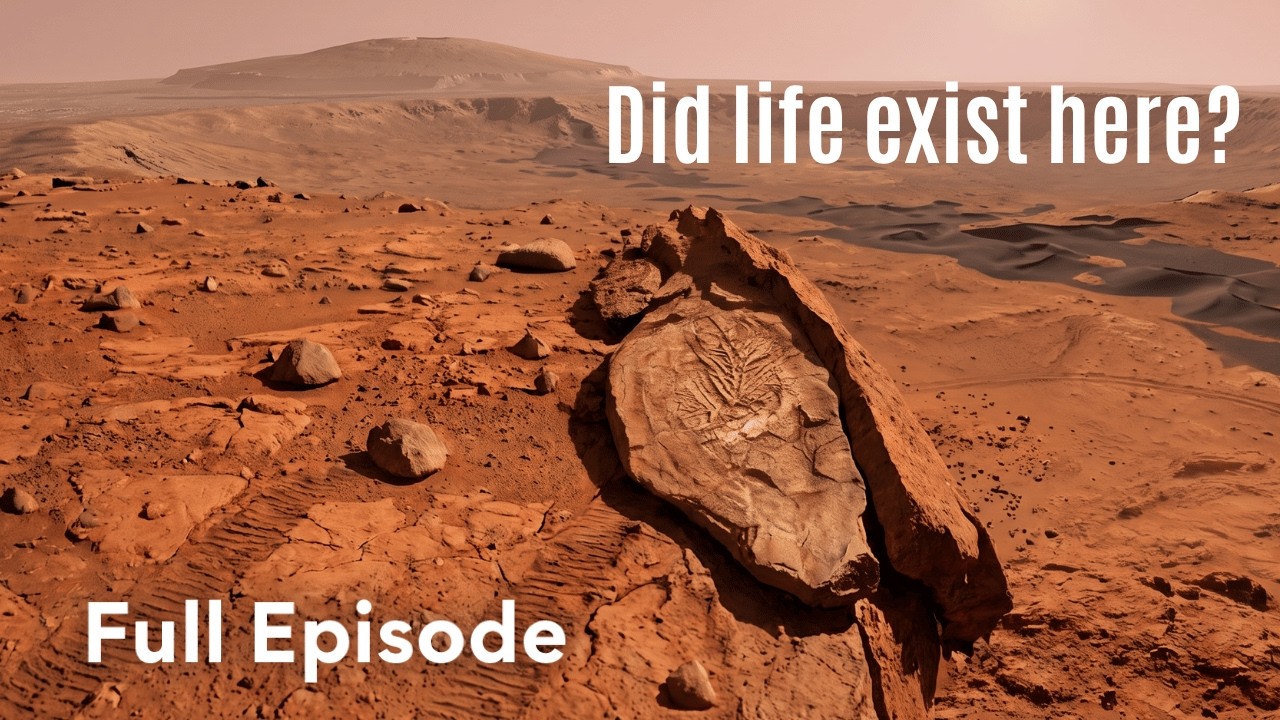
Mars, a barren planet with a carbon dioxide-rich atmosphere, raises questions about the potential for past life and the existence of underground micro creatures.
Superfoods like quinoa and chia seeds are trendy in Germany, but their rising demand raises concerns about ecological impacts and the welfare of producing countries.
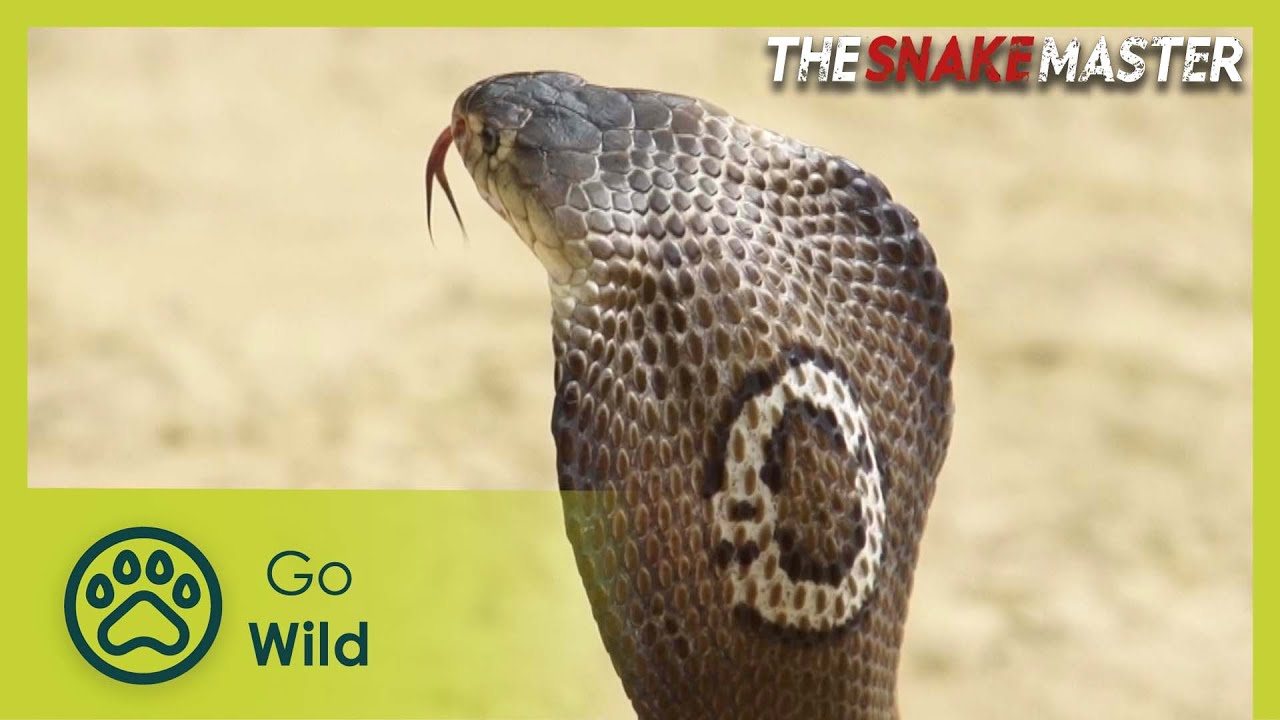
Nick Nirut trains staff at Phachi River Wildlife Sanctuary in Ratchaburi, Thailand, while studying indigenous snakes and observing a king cobra's fight with a python.
Since its launch in 1990, the Hubble Space Telescope has provided groundbreaking images that have transformed the understanding of the universe.
Nick Nirut travels deep into the jungle to study the ecology and hunting strategies of pythons, one of the world's longest and most effective predators.
Teams build harpoon boats to retrieve a safe in the moat around Caerphilly Castle.
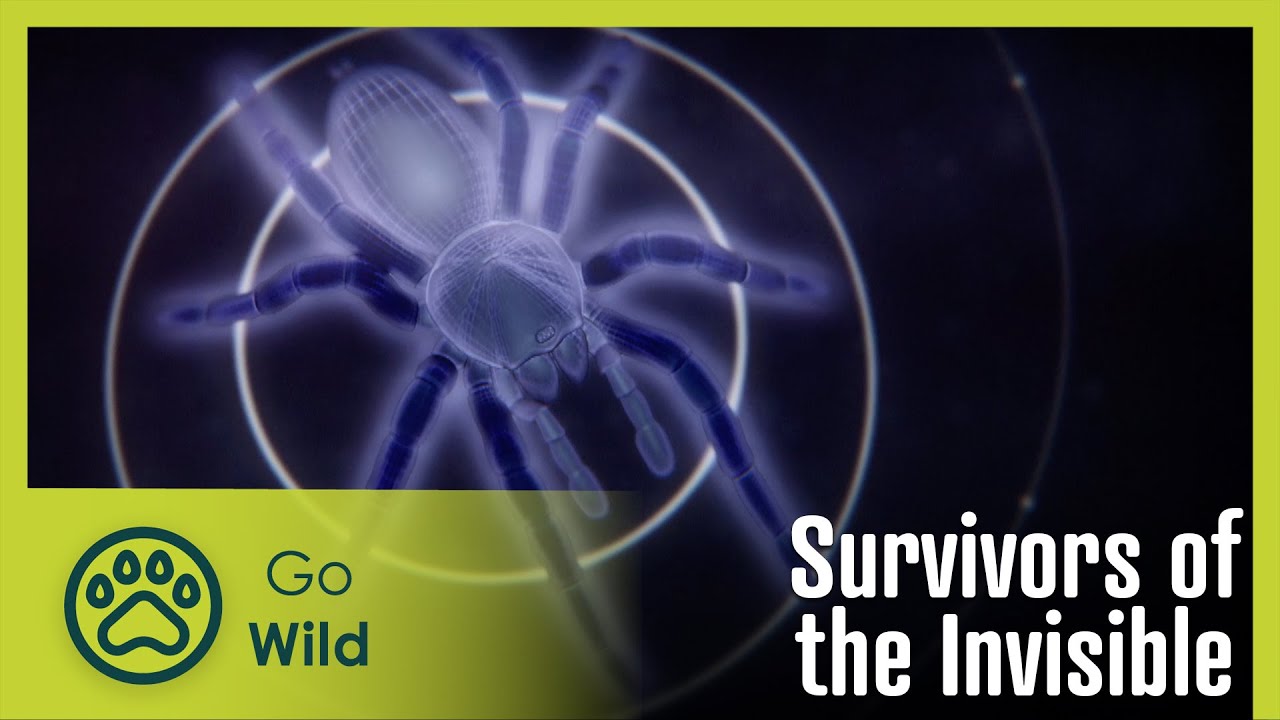
One million species of insects inhabit Earth, and innovative technologies developed by Austrian entomologist Andreas K. will reveal their hidden world.
Light-up shoes serve as a practical example of electronic sensors in action. Dr. Laura Bottomley and Dr. Nehemiah Mabry, known as Dr. Nee, disassemble a light-up shoe to explore its components, including the mechanisms behind the illumination.
In Europe's dense forests, apex predators like the goshawk utilize advanced senses to survive against rivals and face threats from human expansion and poaching.
In extreme environments from the Arctic to the Amazon, animals like meerkats and mountain goats exhibit remarkable survival strategies that showcase nature's resilience.
Jupiter's icy moons, with their potential subsurface oceans, are the focus of scientific exploration aimed at understanding life in extreme environments.