From over 100,000 films, discover the handful you'll love.
Free or premium access to the world's largest documentary library.
7227 films(Page 14 of 151)
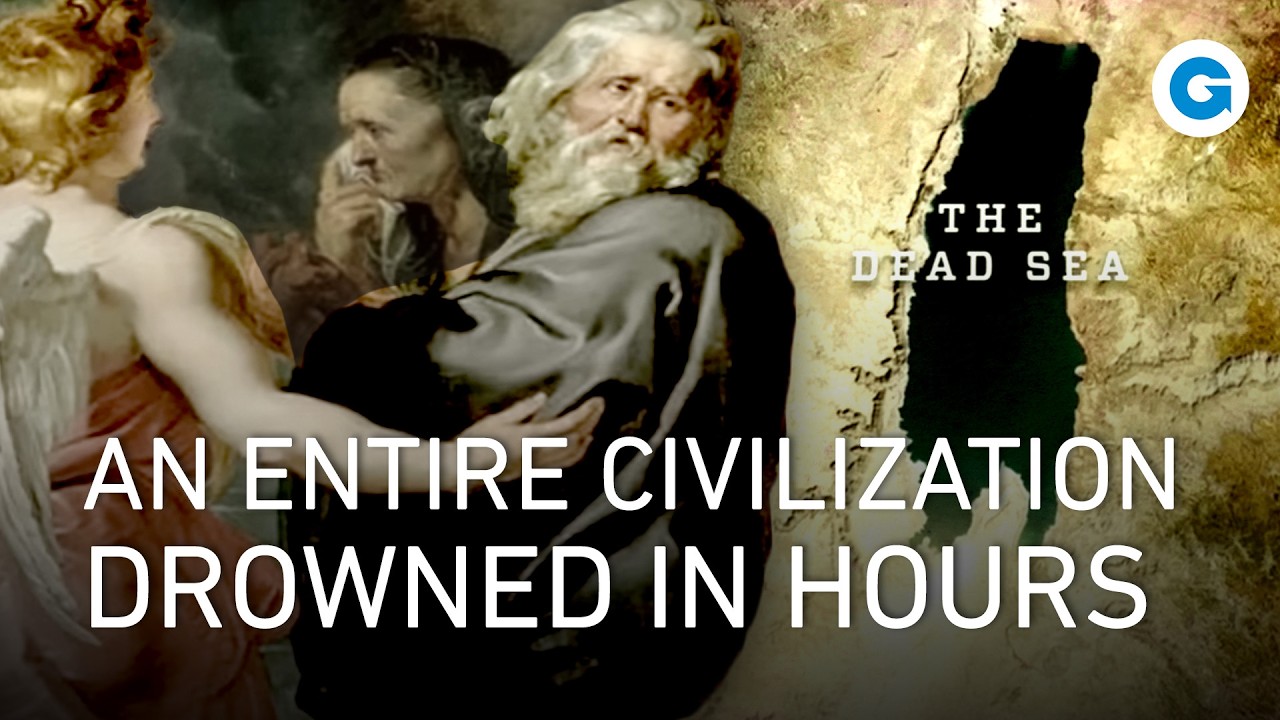
Doggerland, an ancient landmass submerged by the North Sea, is examined alongside Tall el-Hammam, proposed as the true location of Sodom, linking archaeological evidence to biblical narratives.
Fossils indicate that rattlesnakes evolved only 5 million years ago, adapting to the vast open spaces of the Americas.
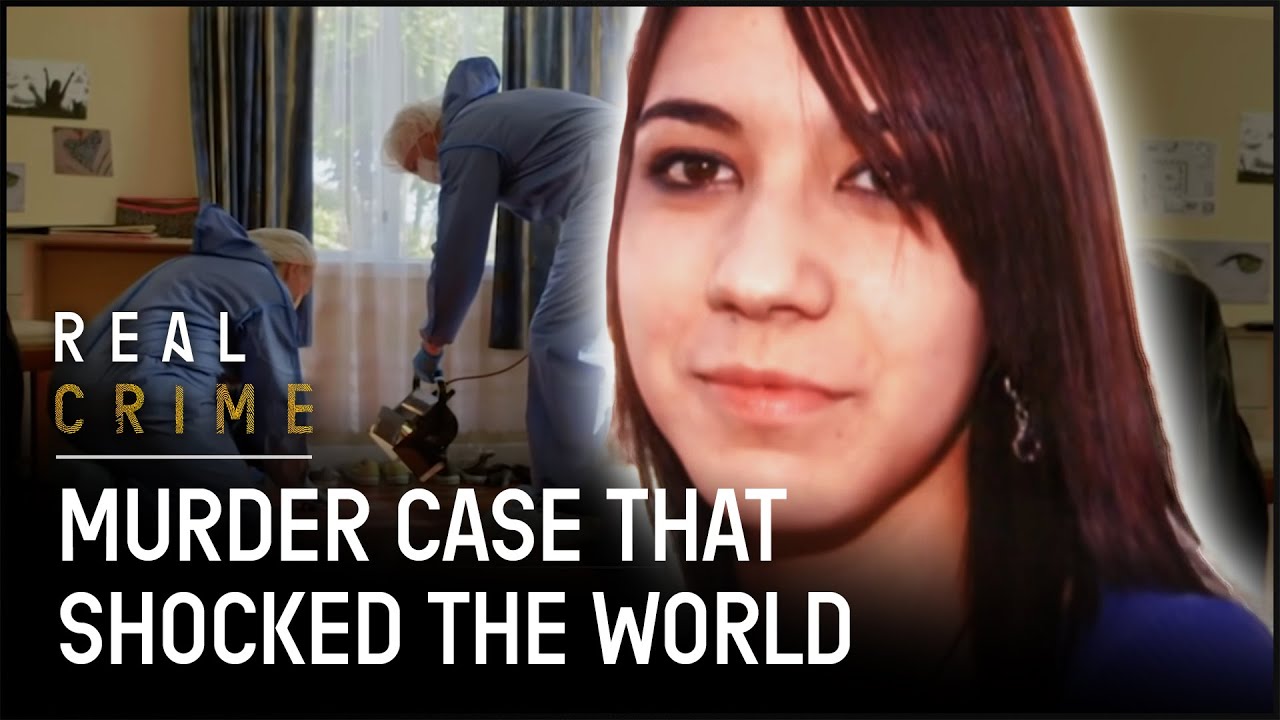
Fifteen-year-old Marie Davis was last seen at her home in Papanui, Christchurch, on a Saturday afternoon before her body was discovered days later.
Beavers, from Argentina to Alberta, are examined for their engineering behaviors and the significant ecological roles they fulfill within their environments.
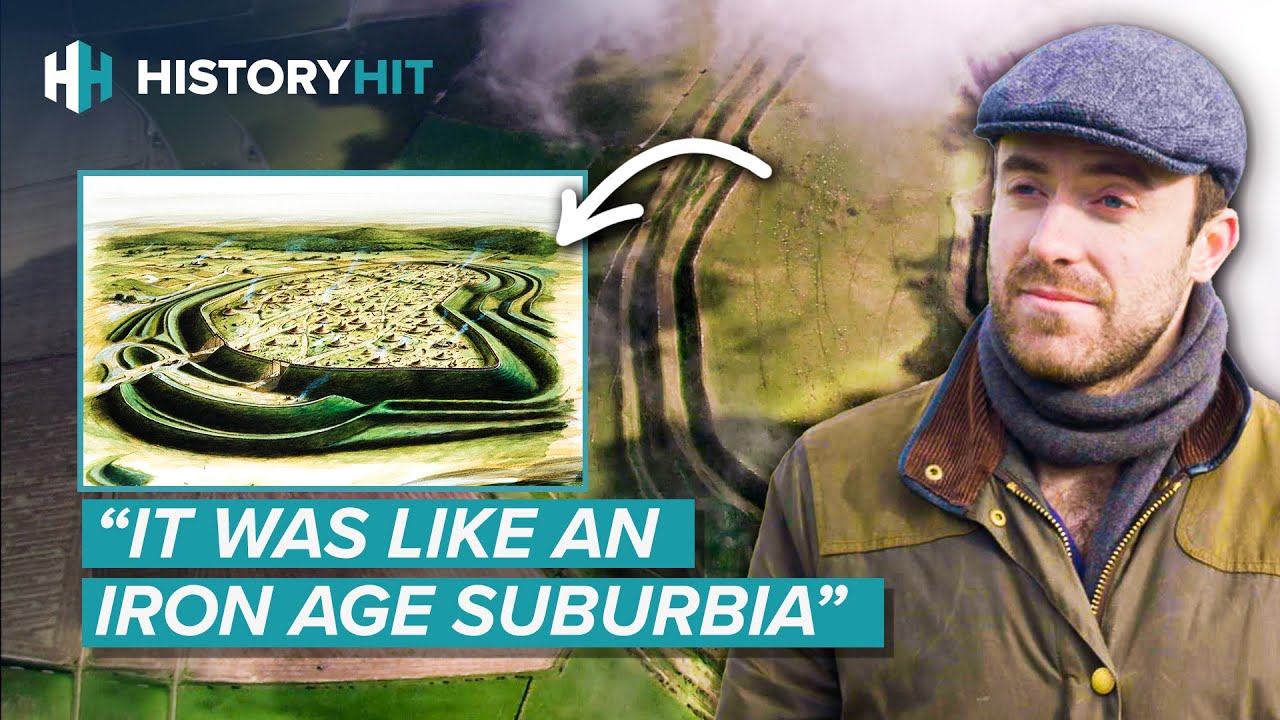
Maiden Castle, an ancient hillfort in Dorset, reveals insights into its strategic significance and the daily lives of its inhabitants through expert analysis and archaeological findings.
Poland's wild forests and majestic mountain ranges showcase the untamed beauty and rich biodiversity of Eastern Europe's harshest wilderness.
The Artemis program aims to return humans to the moon and explore Mars through space exploration.
An African family's struggle for survival unfolds as they navigate a crocodile-infested river after a hippo attack capsizes their fishing boat.
The Noronha Spinners are famous for their amazing acrobatics and daily visits to Noronha.
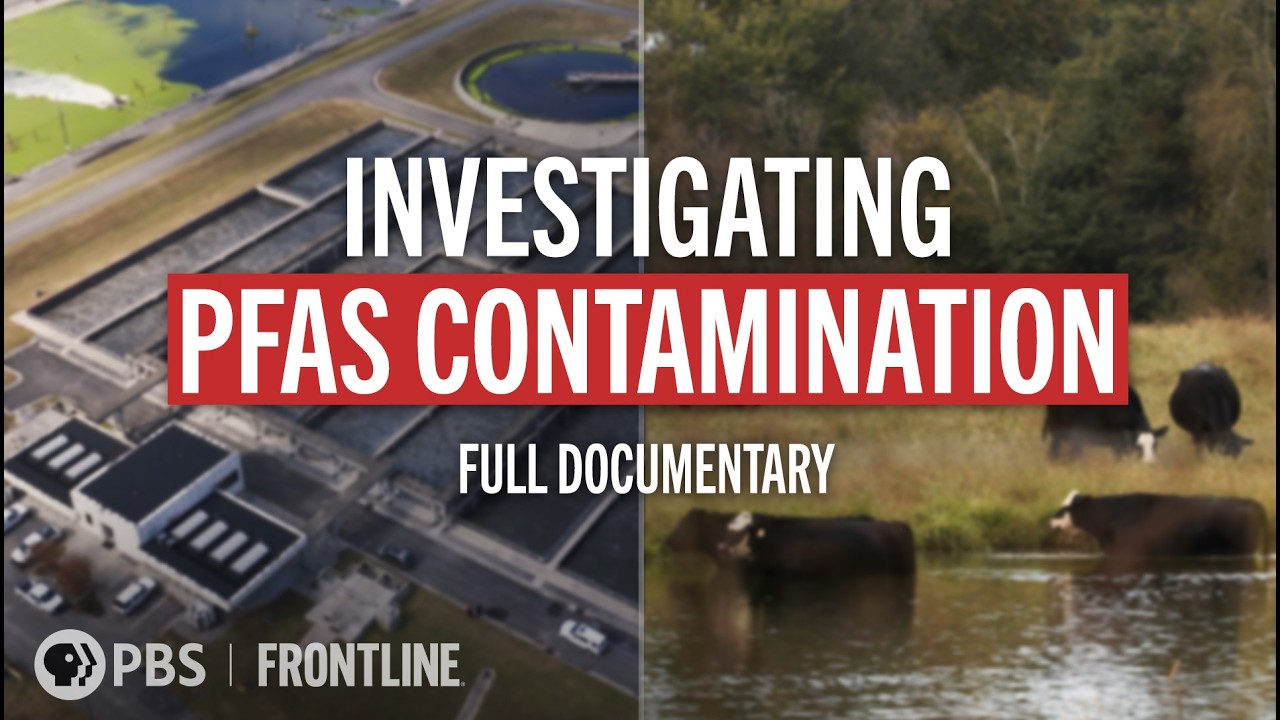
PFAS chemicals, once integral to stain-resistant carpets, have contaminated drinking water and the environment in Georgia and Alabama, raising serious health concerns.
Asteroids, which may hold the key to the origins of life on Earth, are the focus of international research efforts following the Dart Mission's collision with Didymos.
There is a place on Earth that we have never seen, crucial for our survival.
Seventy percent of Earth's fresh water is stored in glaciers and ice caps, primarily located in the Arctic and Antarctic regions.
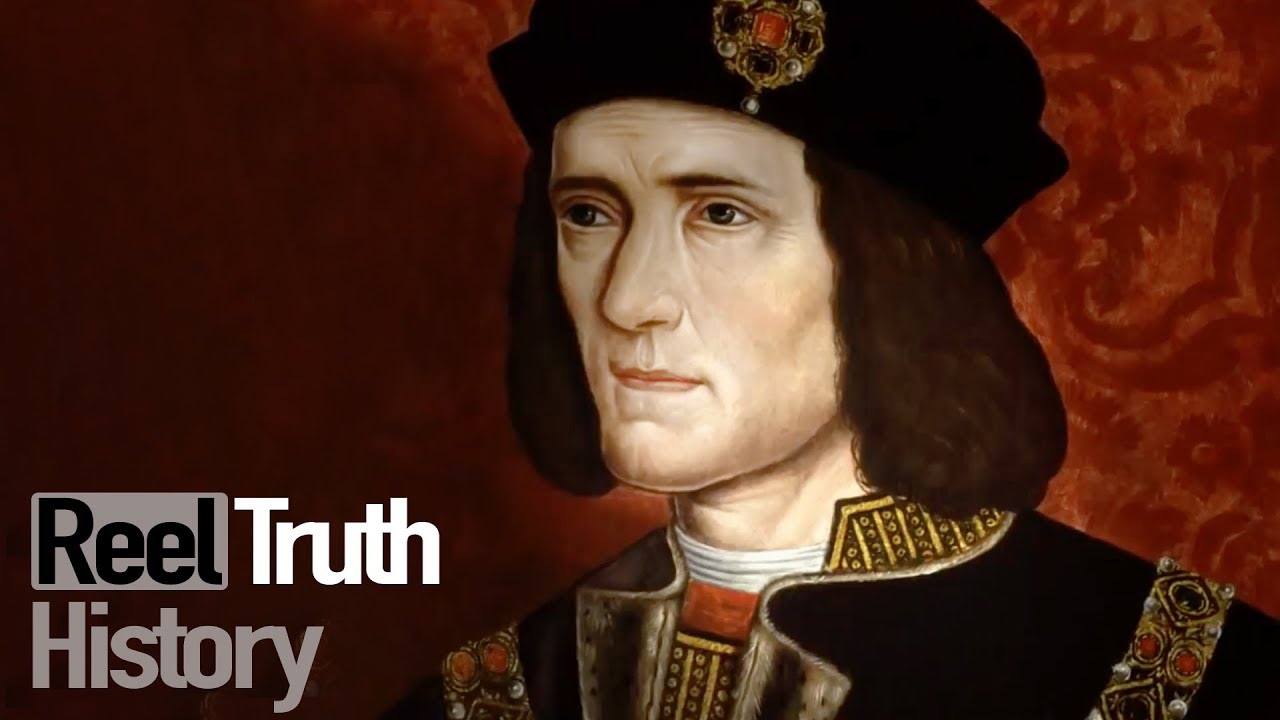
A team of scientists analyzes the remains of King Richard III to determine if his twisted spine affected his ability to lead troops at the Battle of Bosworth.
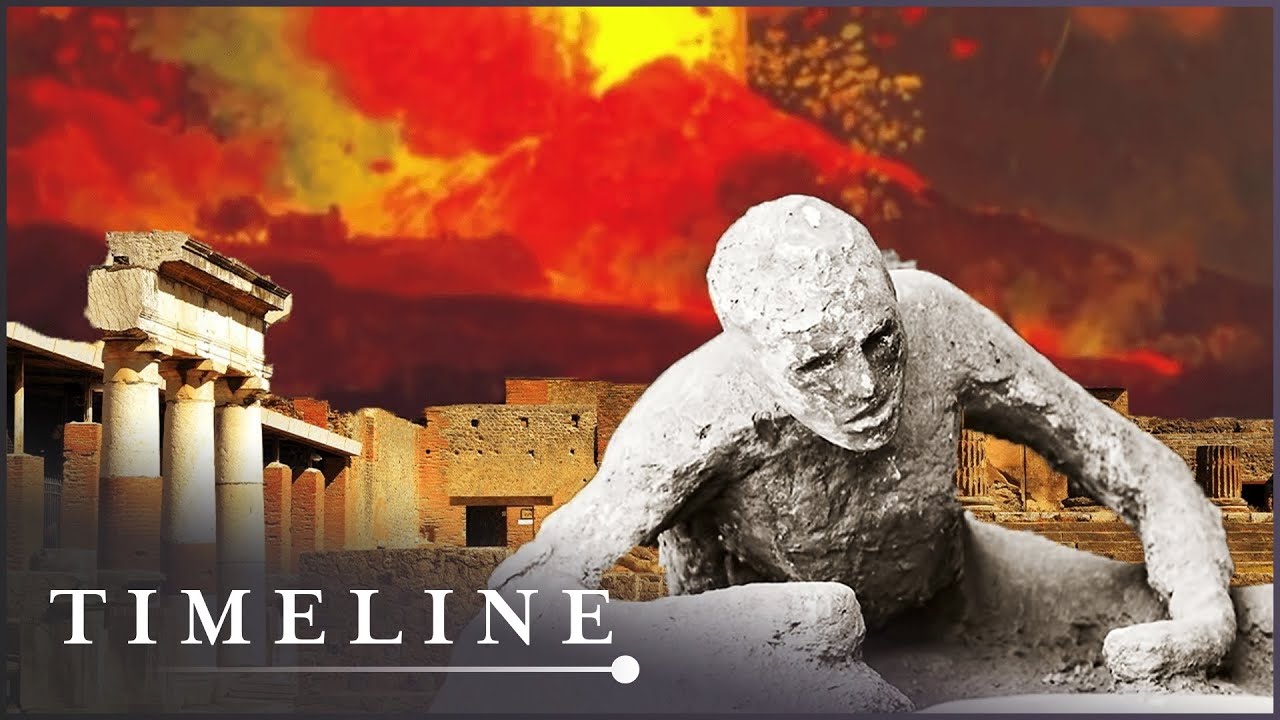
Vesuvius's catastrophic eruption in AD 79 led to the preservation of Pompeii's victims, revealing they may have succumbed to toxic gases rather than lava.
Bioluminescence in marine environments showcases the remarkable adaptations of various organisms, as narrated by Sir David Attenborough in celebration of his 100th birthday.
A Finnish scientist aims to create artificial rain in the arid deserts of the United Arab Emirates, raising questions about ambition and environmental manipulation.
Gold's rarity and unique properties have made it a highly sought-after material throughout history, influencing both cosmetic use and scientific research.
Mohenjo-Daro, a city of 40,000 people, featured a complex water management system with 80 public toilets, reflecting the engineering skills of its builders.
Planets like Mars and Saturn, along with asteroids and dwarf planets, reveal stunning details about our solar system through advanced technology and exploration.
Two skeletons were discovered at the top of Round Hill in the 18th century, raising questions about its connection to the nearby Iron Age hill fort.
Octopuses, along with their relatives squid, cuttlefish, and nautiluses, are explored for their intelligence, adaptations, and behaviors in the underwater world of cephalopods.
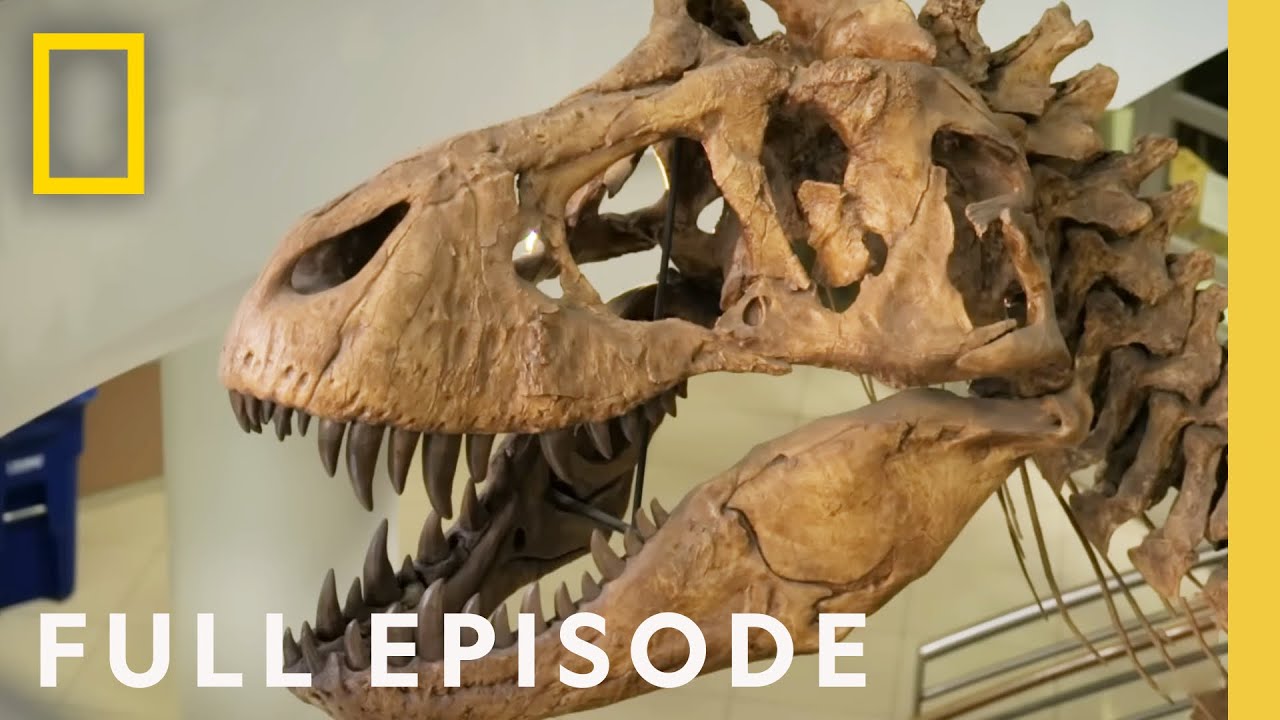
66 million years ago, a huge inland sea covered much of Wyoming, preserving dinosaur bones and footprints from the Tyrannosaurus rex.
Four hosts from the Eons YouTube channel participate in a live-streamed competition for National Fossil Day, focusing on significant fossil discoveries.
Insects in the Amazon, particularly treehoppers, exhibit complex relationships with their environment, showcasing evolutionary adaptations over 40 million years.
A handless corpse found on Wellington's Red Rocks prompts forensic experts to employ scientific techniques to identify the deceased and investigate the circumstances of his death.
Neurotechnology is poised to transform human cognition and reality, prompting discussions on Neuro-Rights to protect mental privacy amid rapid advancements.
Lightning is a powerful and unpredictable natural phenomenon that poses significant risks to life, while advances in warning systems aim to enhance safety.
Mars, once resembling Earth, is explored through probes and rovers, while Saturn's rings are studied via the Cassini probe to understand solar system evolution.
Humanity's exploration of the universe is examined through insights from scientists and rich narratives of achievements and challenges in space exploration.
Ancient civilizations, advanced technologies, and remarkable artifacts challenge established theories of human origins, revealing a complex and mysterious past.
A large-scale crash test conducted by scientists from NOVA and PBS analyzes driver behavior and vehicle safety during a staged multi-vehicle pileup.
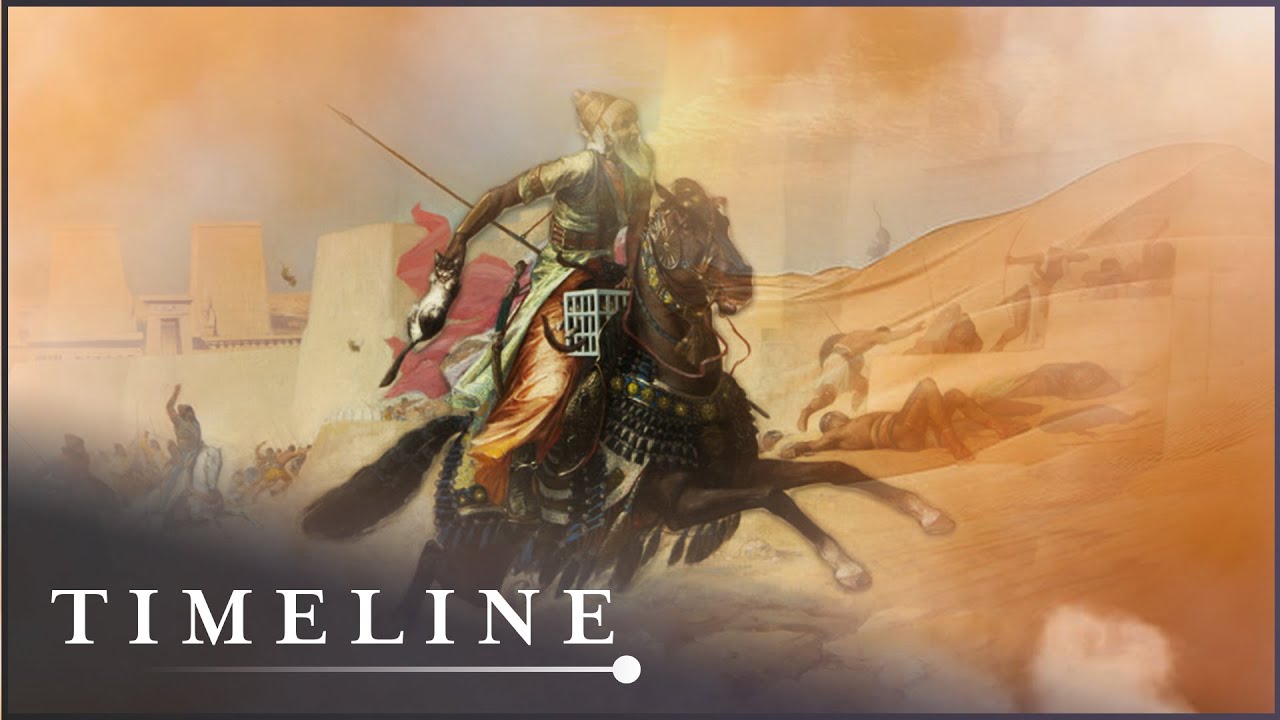
In the Egyptian desert, the Lost Army of King Cambyses, consisting of 50,000 men, vanished 2,500 years ago, with evidence of their fate emerging in 1996.
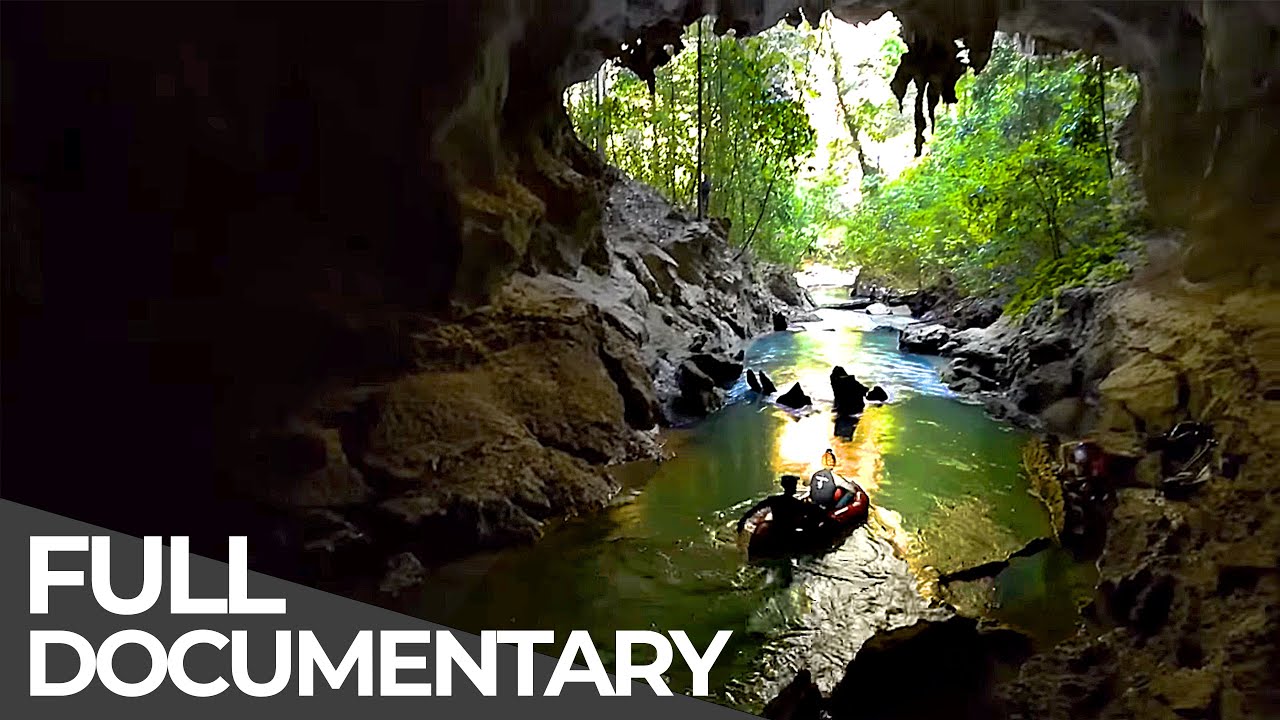
A team of scientists carries 4,100 kilos of equipment to the Matarombeo Massif in Sulawesi, aiming to document its unique biodiversity for the first time.
Gravity control has captivated governments and scientists alike, prompting secretive projects and bold theories in the quest for anti-gravity propulsion.
Cliff Kapono, a Native Hawaiian pro surfer and molecular bioscientist, merges science and culture to protect marine ecosystems through his nonprofit MEGA Lab.
The Russian Sleep Experiment explores a chilling tale of a secret Soviet-era project that allegedly aimed to enhance human endurance through sleep deprivation.
Excavations beneath Istanbul revealed the ancient harbor of Theodosious, lost for 800 years, during the construction of a new transportation tunnel.
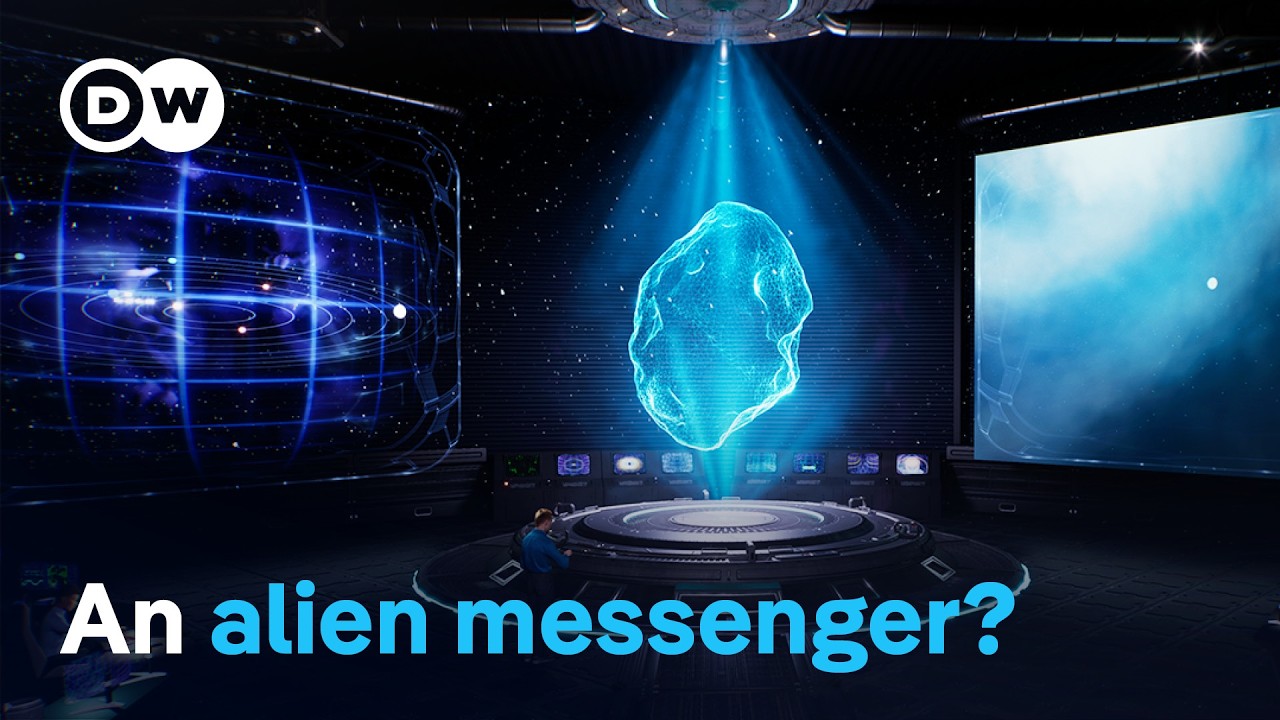
Oumuamua, the interstellar object identified by astronomer Robert Weryk using the Pan-STARRS telescope in Hawaii, raises questions about its true nature as a comet, asteroid, or possibly an artificial probe.
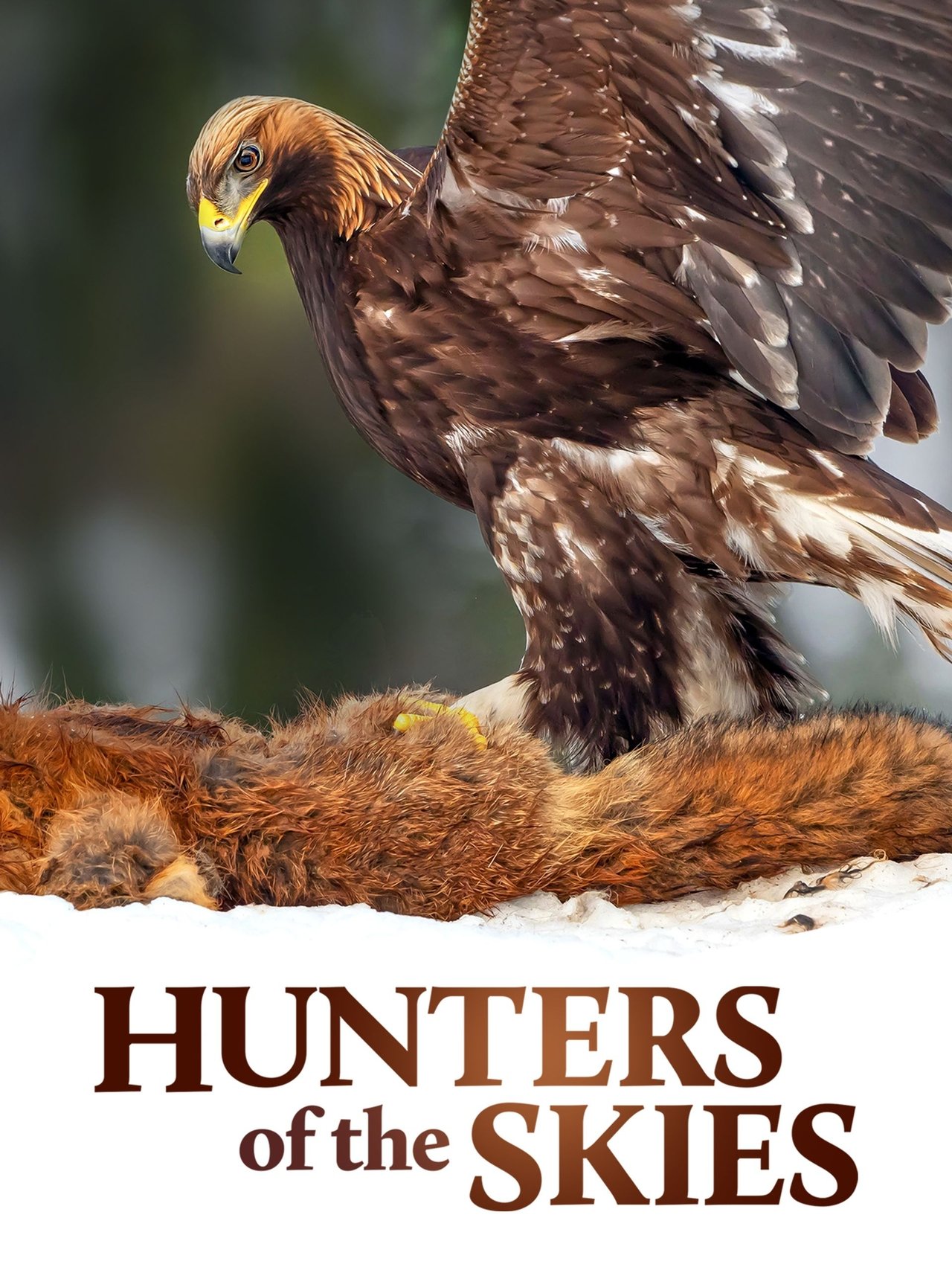
Hawks, buzzards, and eagles adapt to habitats ranging from the Sahara Desert to the Amazon Rainforest, demonstrating diverse hunting techniques.
Paul Greenberg spends a year consuming over 700 fish meals to explore the health benefits of Omega-3s and the sustainability of seafood choices.
Project Orochi explores the ecological and cultural impacts of invasive species on Shikoku, highlighting the challenges faced by local communities.
Jenny Cockell's vivid memories of a past life as a mother-of-eight raise questions about time travel and the nature of reality.
A male satin bowerbird collects blue bottle tops and arranges them to attract a mate, demonstrating his eye for detail and creativity.
Dive Detectives investigate the mysteries of historic shipwrecks, lost atomic bombs, and an unidentified ghost ship in the depths of the ocean.
James May learns to defuse a bomb and builds a motorised picnic table in this series.
Scientists examine how multitasking affects humans' brains and efficiency in daily life.
Benoit Mandelbrot's groundbreaking work on fractal geometry at IBM transformed mathematical understanding and has since influenced various fields, including science and medicine.