From over 100,000 films, discover the handful you'll love.
Free or premium access to the world's largest documentary library.
7227 films(Page 65 of 151)
Whale sharks can weigh more than 30 tons and are threatened by the global trade in shark fins and demand for their meat.
Billionaires like Jeff Bezos and Elon Musk are spearheading a new era of space exploration, shifting the focus from government-led missions to private enterprise.
A team of robots is being developed to compete against professional football players, raising questions about the future of technology in sports.
Betty Hill's clothing is subjected to DNA testing by scientists investigating her alien abduction claims, while livestock killings raise fears of a demon wolf in the Midwest.
A yellow Peruvian tomat'l, once prized by Conquistadors, transformed into a red fruit in Europe, leading to today's obsession with shape and shelf-life.
Twelve Americans walked on the moon during six successful lunar landing missions between 1969 and 1972, marking a key achievement in the space race.
40 tons of frozen fish are at risk of falling as high winds challenge crane operators in construction sites across the globe.
In 1908, the Tunguska event in Siberia resulted in a massive explosion, prompting debates over whether it was caused by an asteroid or an alien spacecraft.
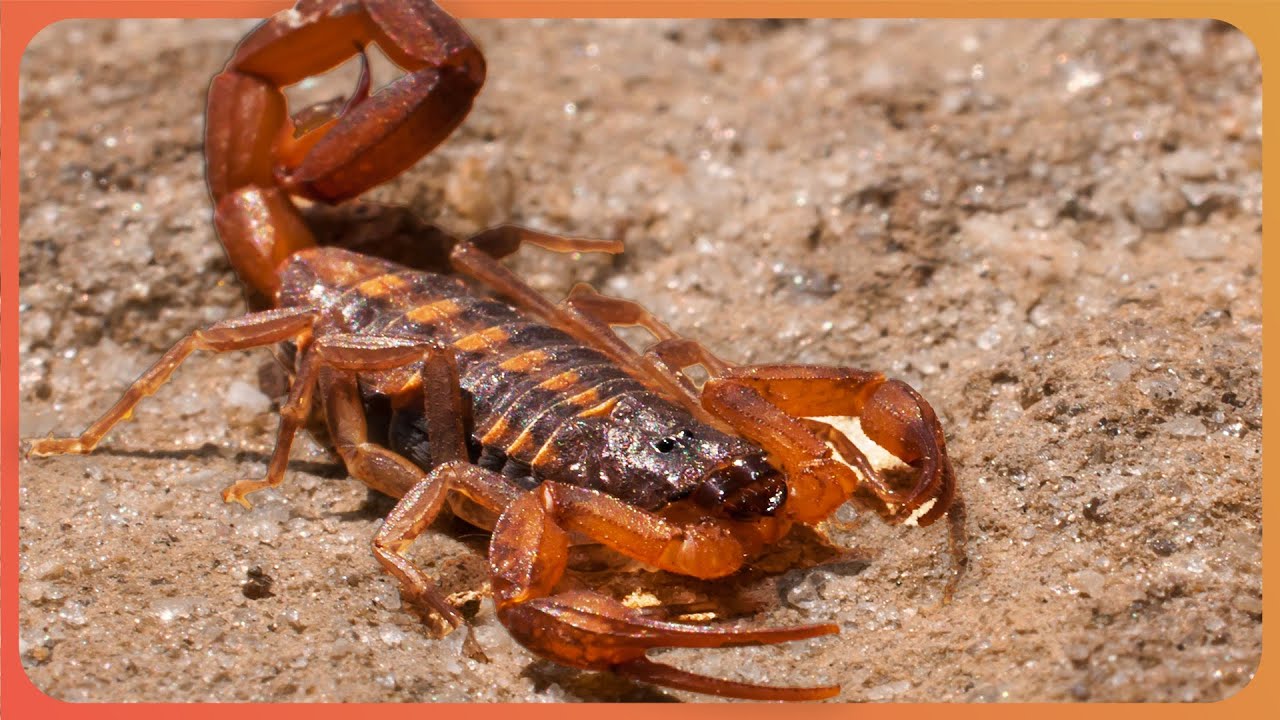
Venomous animals like scorpions and extremophiles such as tardigrades are being studied for their potential to address health and environmental challenges.
New Horizons traveled 3 billion miles over nine years to conduct a flyby of Pluto, revealing a geologically active world with cryovolcanoes.
The Dornier Do X, a 12-engined flying boat launched in 1929, aimed to transform transatlantic travel but faced engineering challenges and skepticism.
NASA's mission to Mars drives advancements in nanotechnology, focusing on microscopic robots and nanomedics that aim to revolutionize disease detection and treatment.
In the animal kingdom, species exhibit remarkable self-medication techniques, social complexities, and same-sex behaviors, highlighting their adaptability and intelligence.
A team of international astronomers, led by Dr Shep Doeleman, aims to capture the first image of a black hole, a feat that has never been accomplished.
In Sri Lanka's misty mountaintops, the rare purple-faced langur exemplifies unique adaptations for survival amid threats like the Indian rock python.
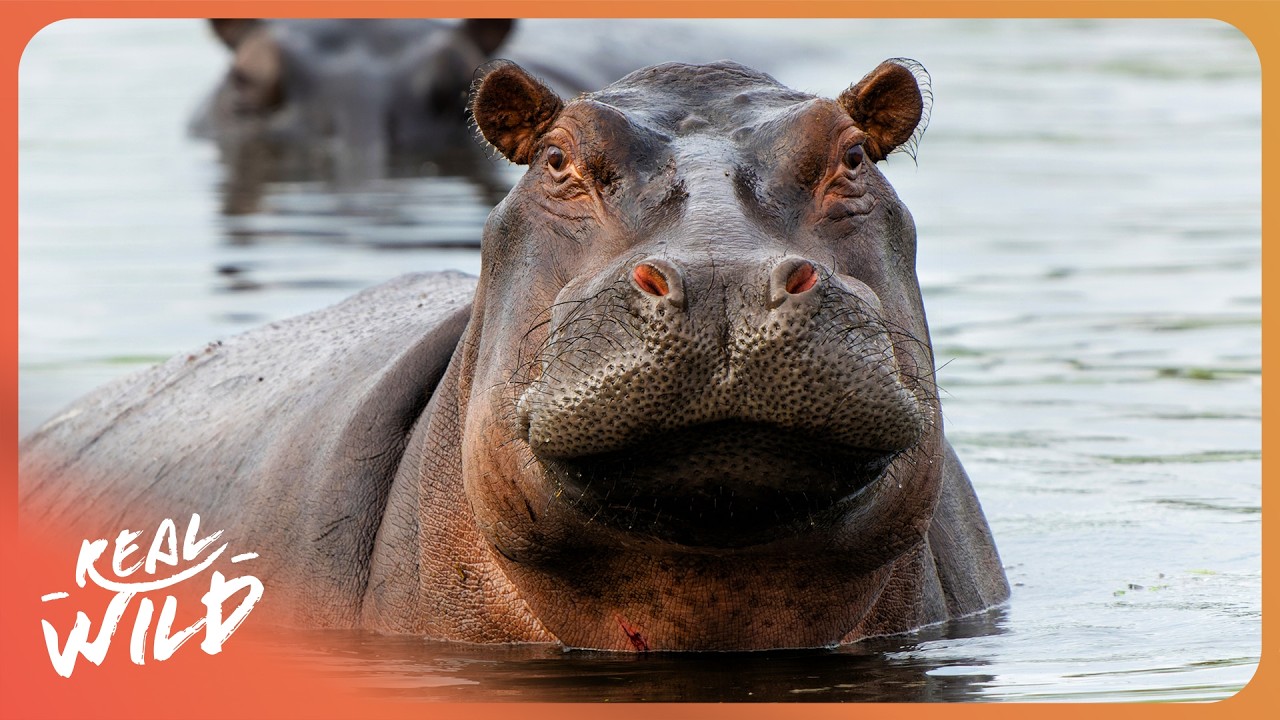
In Zambia's Luangwa Valley, a team led by Mark Evans conducts a rare dissection of a hippo, exploring its unique anatomy and survival strategies of rainforest creatures in Borneo.
Humanity's connection to the cosmos is explored through insights from scientists and scholars, including Brian Thomas Swimme and Mary Evelyn Tucker.
In the summer of 1977, Ohio radio astronomers detected the Wow!
Karen and her son Callum seek help for psoriasis at The Food Hospital through food treatment.
NASA's Osiris-REx mission, featuring the innovative OTES instrument built at Arizona State University, showcases the collaborative efforts of engineers and scientists to study asteroid Bennu.
Narsaq, a Greenlandic village rich in rare earth elements, faces a pivotal choice between economic development through mining and preserving its traditional way of life.
In the rainforests of Central and South America, diverse species thrive in a lush environment characterized by over 300 days of rainfall each year.
India faces a complex challenge in addressing global warming, balancing its own environmental struggles with international pressure for emissions reductions.
Two lateral boosters of the Ariane 5 weigh 227,000 metric tons each when full of fuel, providing 6,000 kN of thrust during launch.
In Adélie Land, the Cap Prud'homme science base hosts a team of researchers studying the impacts of climate change and deglaciation in Antarctica.
Mars Exploration Rovers and the Cassini-Huygens mission to Titan exemplify humanity's most ambitious robotic endeavors, pushing the boundaries of deep space exploration.
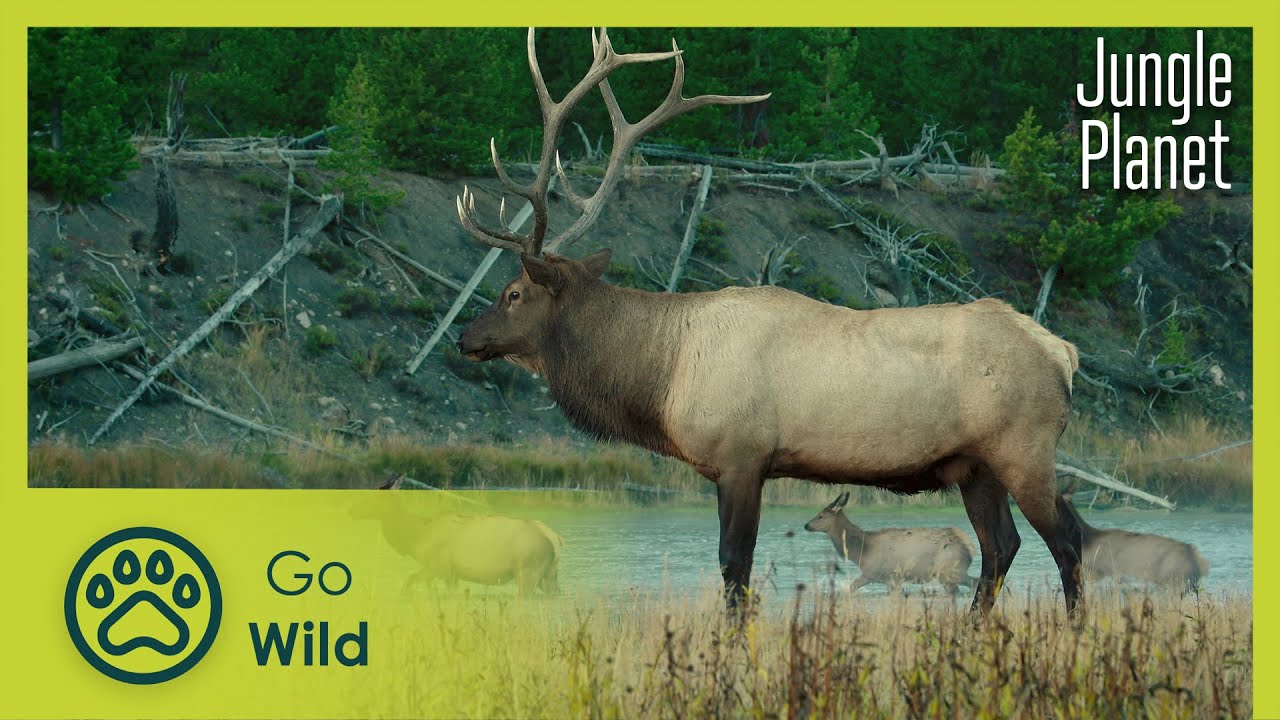
In California, towering redwoods create a unique ecosystem that supports diverse wildlife, including black bears, coyotes, and mountain sheep.
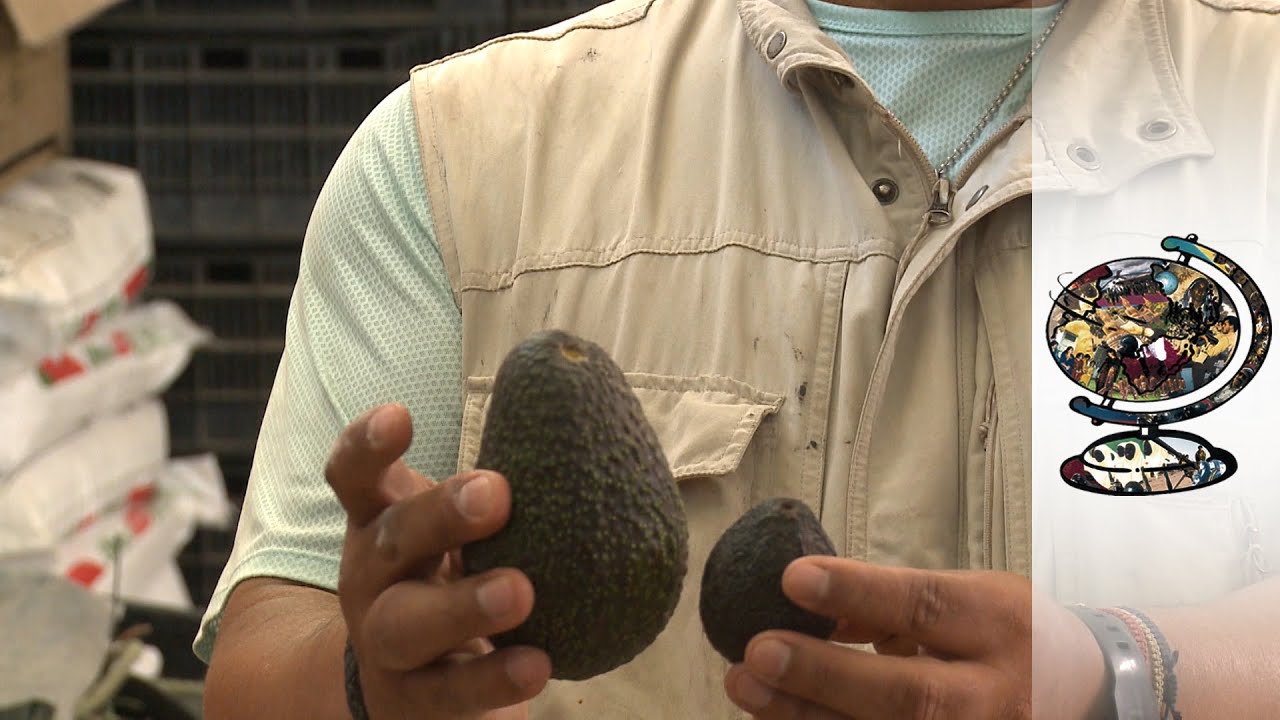
Avocado production in Chile faces environmental challenges and water scarcity as soaring demand threatens both local livelihoods and sustainable farming practices.
Darkness in the countryside reveals a vibrant night sky filled with stars and northern lights, prompting questions about our fear of the night.
Space exploration encompasses distant galaxies, black holes, and the Solar System, providing a soothing backdrop for relaxation and imagination.
Sharks utilize electroreception to detect prey, showcasing their unique adaptations alongside other animals that perceive magnetic fields and electrical signals.
Mart Stouffer explores the diverse functions of bird bills in species such as pelicans, toucans, and hummingbirds, highlighting their roles in feeding and communication.
Insects can lay eggs in various ways, with some species taking up to two years for their eggs to mature before hatching.
Hyenas, often misunderstood as mere scavengers, demonstrate their hunting prowess by attempting to steal a lion's prey and chase a wildebeest giving birth.
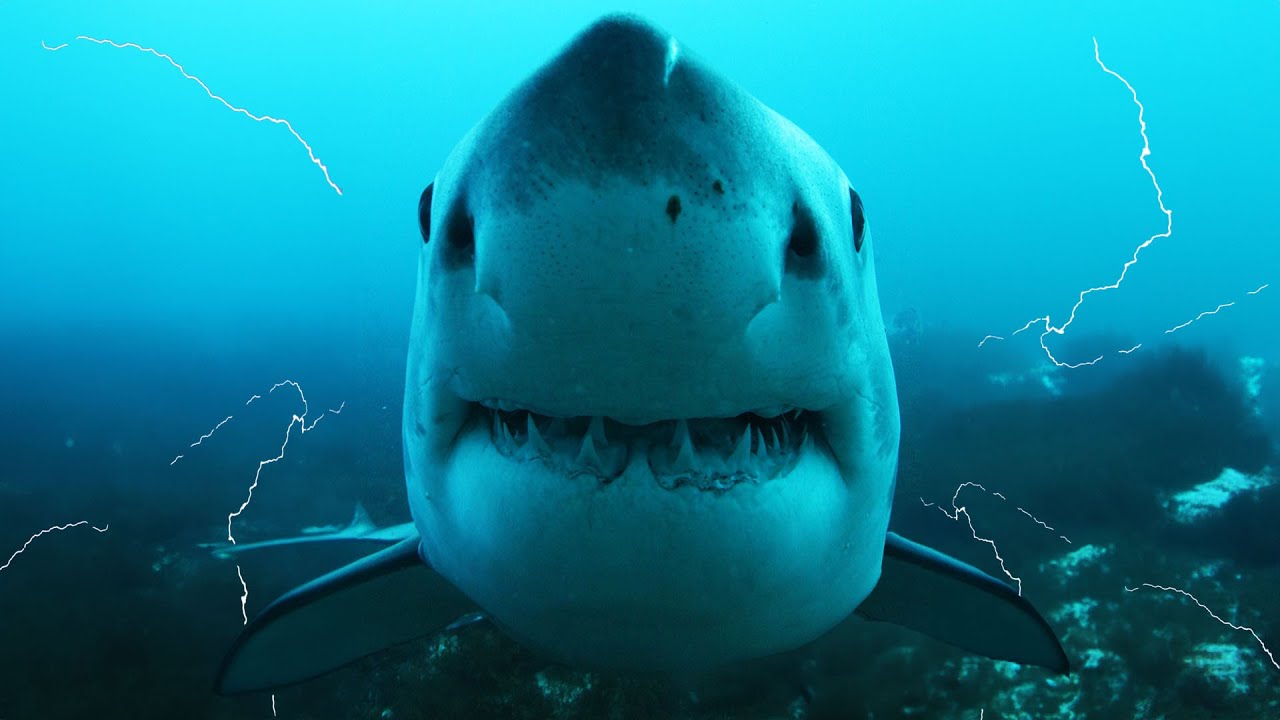
In global diving sites like the Poor Knights Islands, interactions between humans and sharks are examined, highlighting safety measures and research initiatives using advanced technologies.
Norway's stunning landscapes host glaciologist Heidi, snowkiter Aleksander Lyngberg, and ice musician Terje Isungset, showcasing the beauty of the Arctic.
Every day, thousands of satellites equipped with advanced sensors monitor Earth's surface, providing critical data for climate change, disaster response, and urban planning.
Astronomer Gary Fildes travels from the UK to Chile's dark skies, exploring powerful observatories like Paranal and ALMA to highlight the importance of dark sky preservation.
Philosopher Daniel Dennett discusses how artificial intelligence can enhance the relationship between philosophy and psychology in this insightful 1983 conversation.
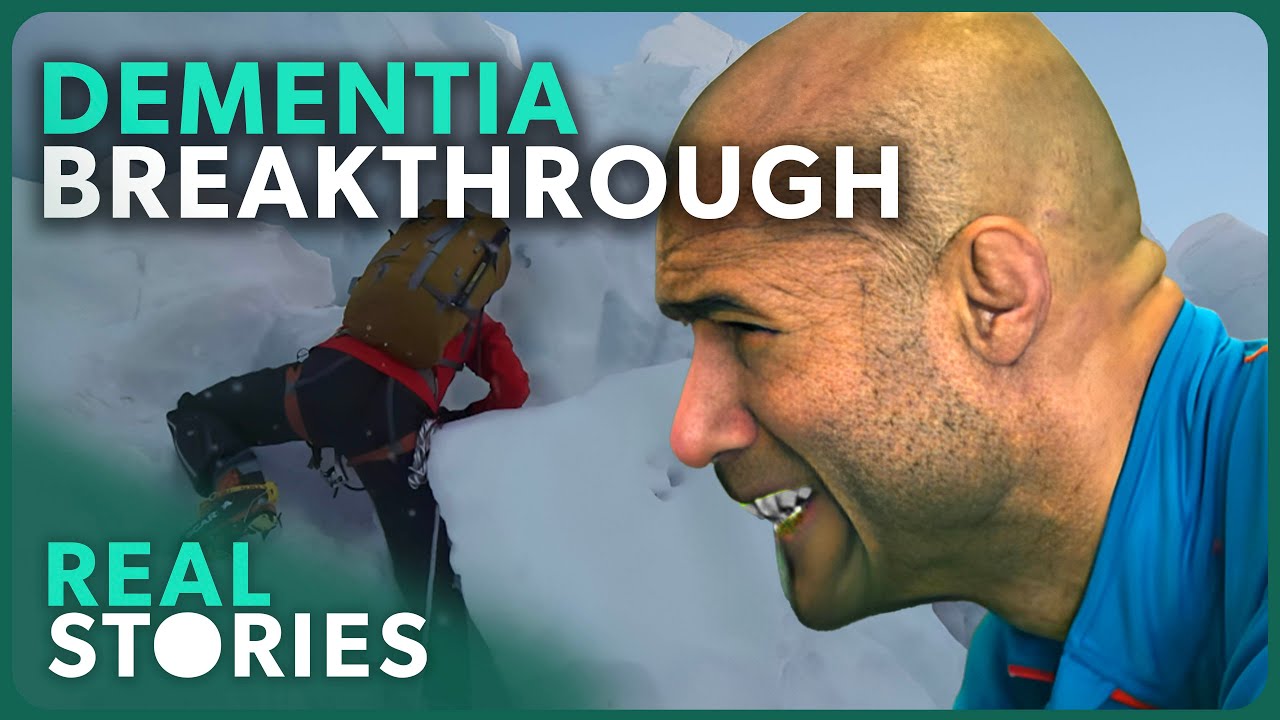
Extreme athlete Richard Parks attempts a solo ascent of Mount Everest without supplemental oxygen while collaborating with scientists on dementia research.
24,000 years ago, Neanderthals thrived in Gibraltar, a stronghold where their population persisted longer than anywhere else in Europe.
Young predators in the animal kingdom, including lion cubs and killer whale calves, learn essential hunting skills and survival strategies from an early age.
In Thailand's wilds, animals face challenges in finding mates and raising their young, requiring commitment to ensure their survival against various dangers.
In the British countryside, tracker Ian Maxwell employs tactical techniques to locate and analyze apex predators, revealing their survival strategies in the wild.
Atlantis, a legendary civilization described by Plato, is examined through archaeological sites and underwater structures, questioning its existence as fact or fiction.
Howrah Bridge, a vital crossing in Kolkata, showcases remarkable engineering inspired by the 19th-century Forth Bridge in Scotland.
A legendary population of coastal wolves in British Columbia's Great Bear Rainforest has developed unique survival traits, remaining untouched by human interaction.
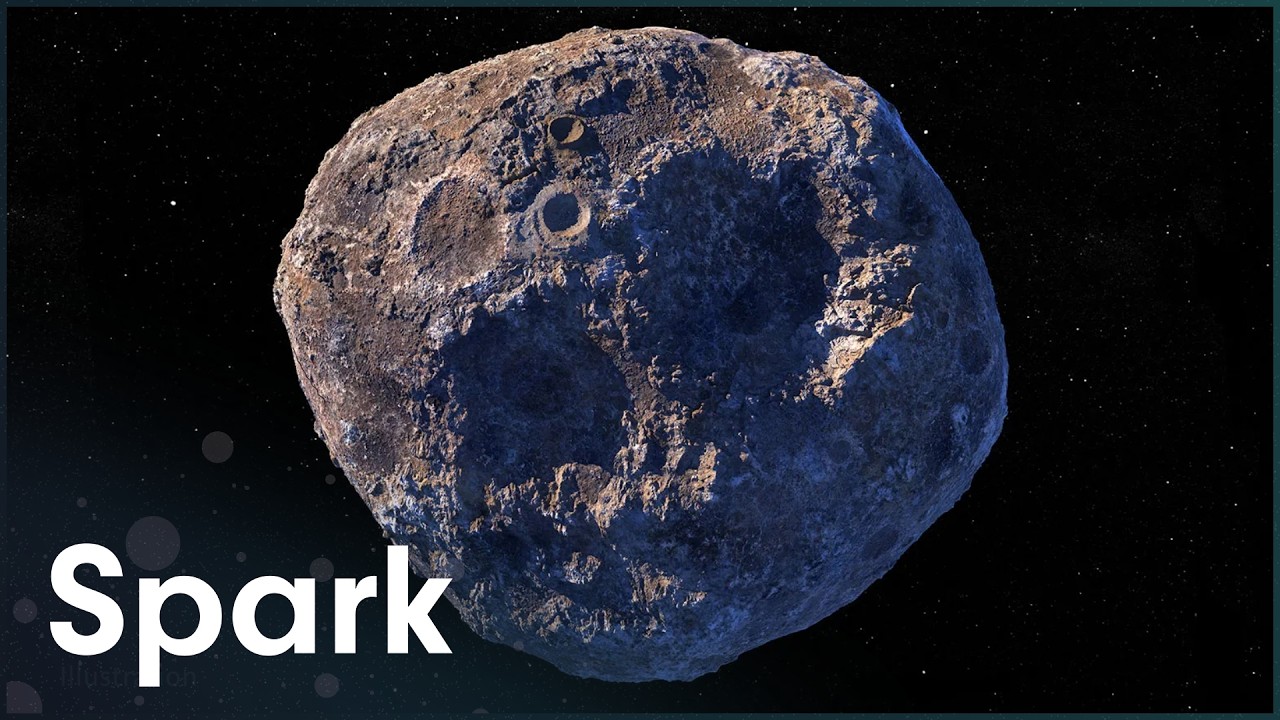
Asteroid mining emerges as a potential solution to humanity's escalating demand for rare metals, driven by the transition to a digital and green economy.