From over 100,000 films, discover the handful you'll love.
Free or premium access to the world's largest documentary library.
7227 films(Page 118 of 151)
President Franklin Roosevelt and Prime Minister Winston Churchill meet to form the Atlantic Charter.
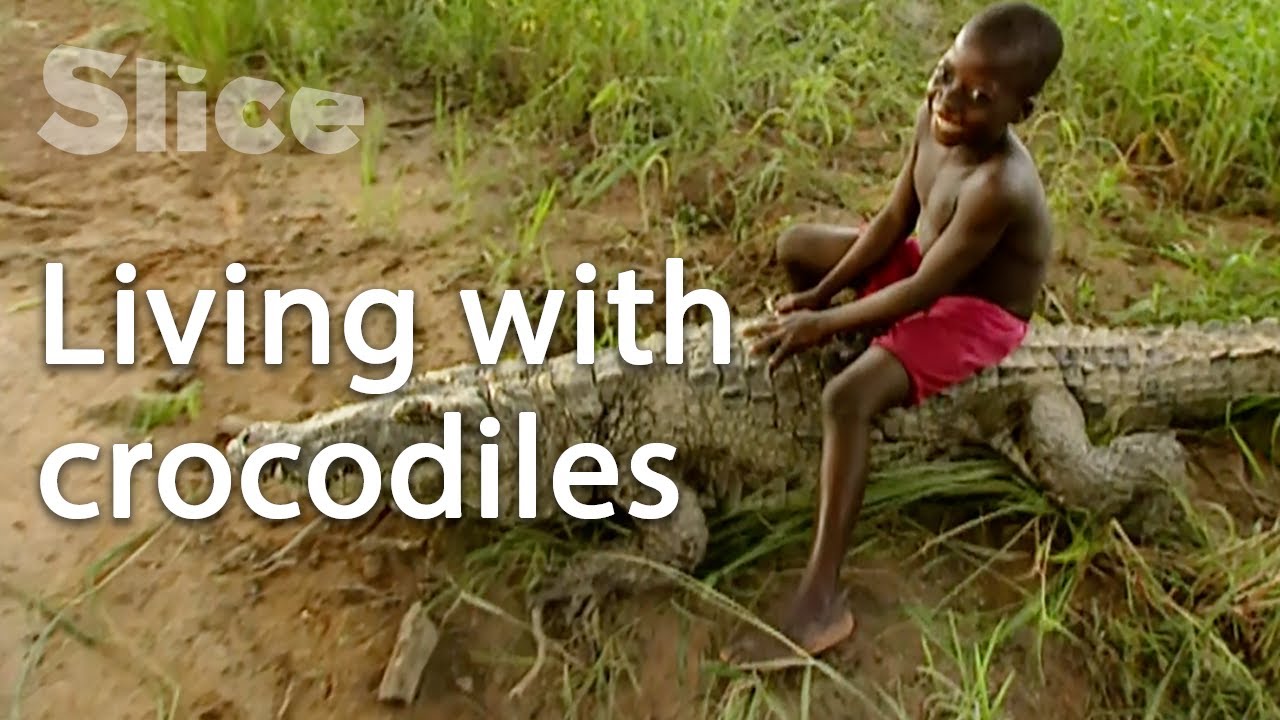
Crocodiles, revered as sacred by the Dogons in Mali and the Bideyet nomads in Chad, evoke both fascination and fear in their unique cultural relationships.
Billions of migratory birds across the Western Hemisphere are being tracked through DNA analysis from feathers, enhancing conservation efforts led by the Bird Genoscape Project.
Captain Gilbert Blackwood has piloted ships through the Panama Canal approximately 1,550 times each year over the past 15 years.
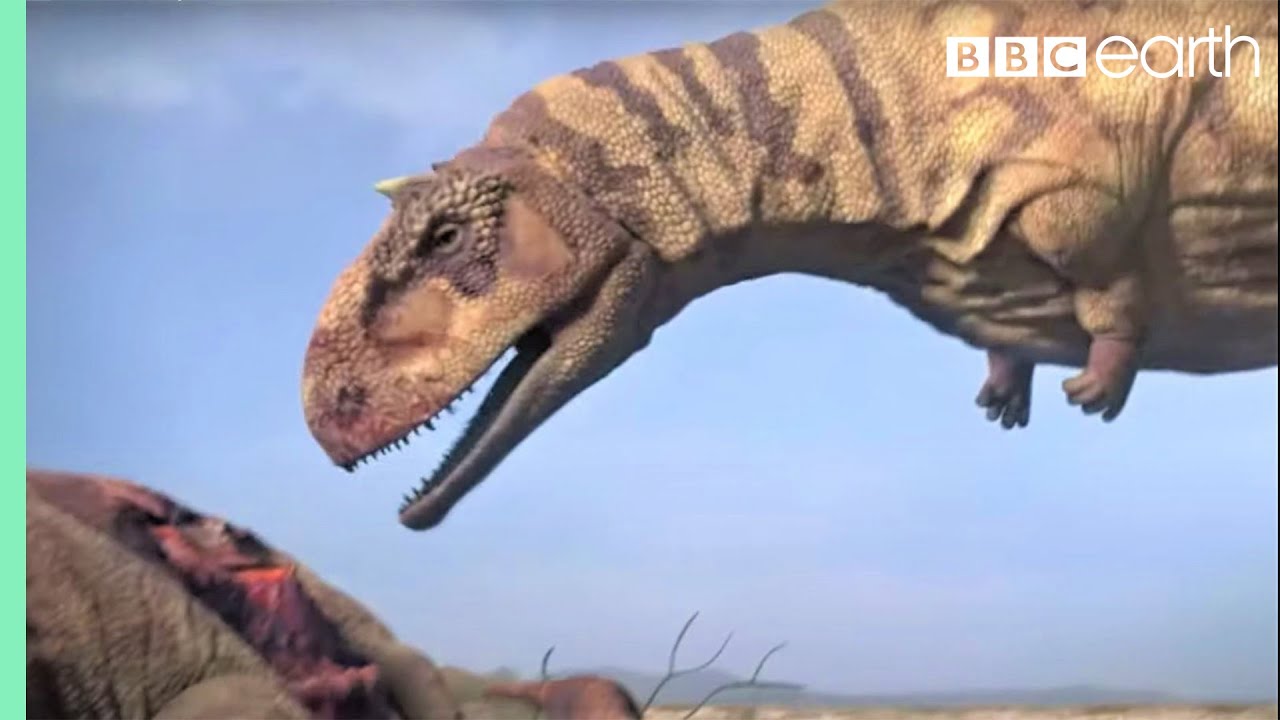
A colossal argentinosaurus grew from 5 kilograms at birth to an astonishing 75,000 kilograms over 40 years, laying tens of thousands of eggs in Patagonia.
Hornets play a significant role in various ecosystems, showcasing their impact through memorable interactions with bees and historical events.
On April 24, 1990, the Hubble Space Telescope launched but soon faced a malfunctioning high-gain antenna that halted operations.
Planet hunters, including Swiss astronomers Michel Mayor and Didier Queloz, utilize advanced techniques to identify exoplanets and assess their potential for life.
At Totternhoe Wildlife Trust Nature Reserve, herping activities reveal the habitats and characteristics of slow worms, common toads, and other British reptiles and amphibians.
A fragment of metal found in Newfoundland may provide evidence that the missing plane, the White Bird, reached North America in 1927.
Ennedi massif in northern Chad, a hidden oasis in the Sahara, hosts unique flora and fauna, including the last surviving crocodiles from 4,000 years ago.
Carol has a 95% success rate in resolving over 14,000 conflict cases by using storytelling to shift perspectives in negotiations.
Lisa drives 900 miles to Lac Brochet, where a fire ignites beneath her truck while hauling barrels of flammable oil, threatening her safety.
NASA's search for extraterrestrial intelligence covers more astronomical territory in its first few minutes than all previous searches combined over 30 years.
In April 1964, police officer Lonnie Zamora reported seeing an egg-shaped craft and possible beings in Sakuro, New Mexico, during a UFO encounter.
A recent survey found that 2 percent of Americans, over 6.5 million people, believe the Earth is flat, despite centuries of scientific evidence to the contrary.
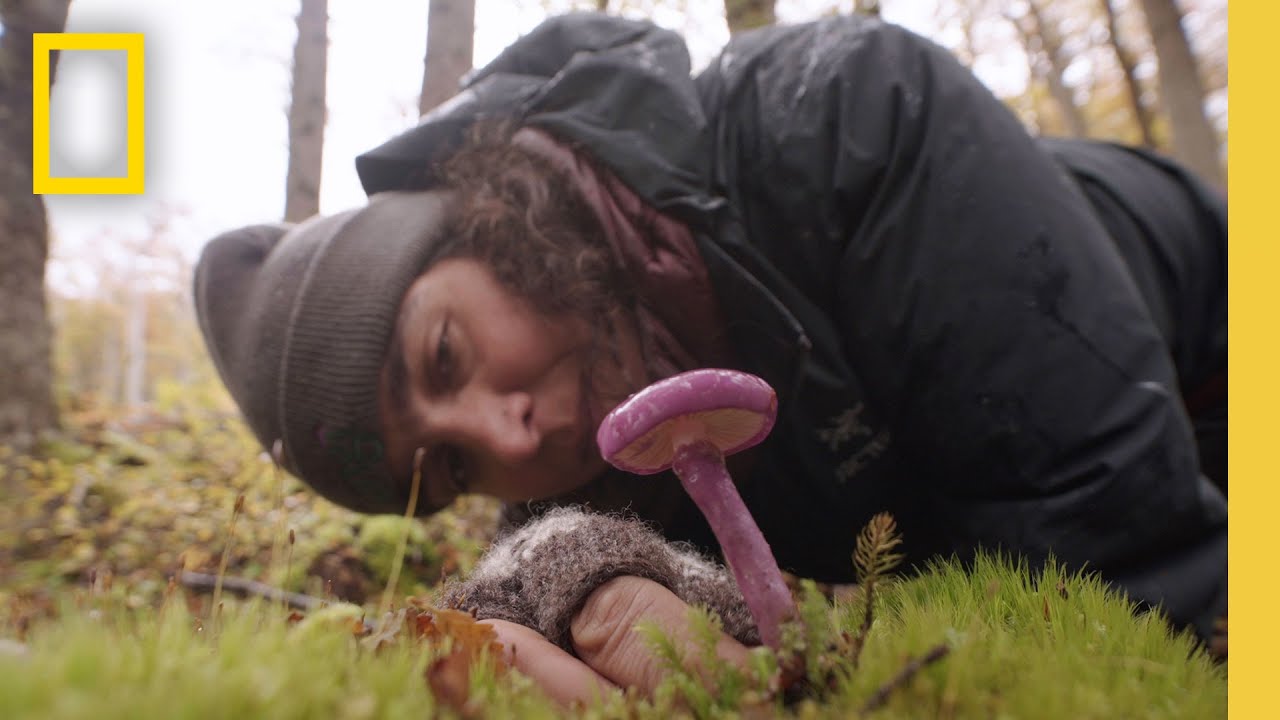
Three scientists survey fungal diversity in Tierra del Fuego, arguing that without fungi, plants and animals cannot survive.
In South Florida, black bear biologist Shelby Shiver and her all-female team from the Florida Fish and Wildlife Conservation Commission capture and tag bears to assess population connectivity and conservation needs.
A silver orb captured by game cameras in a south field raises questions about its size and speed, prompting the team to seek Eric's expertise for analysis.
Rodrigo Medellin has studied bats for 46 years and aims to document the elusive greater false vampire bat in the Yucatan rainforest.
On 19th March 1963, Eastern Airlines flight EA539 experienced a mysterious encounter with a glowing blue-white sphere during a stormy night flight.
In the Arctic forests of Norway, Nellie Nilsen explores plant life cycles and challenges common misconceptions about fruit in the BBC Earth series From Plant To Planet.
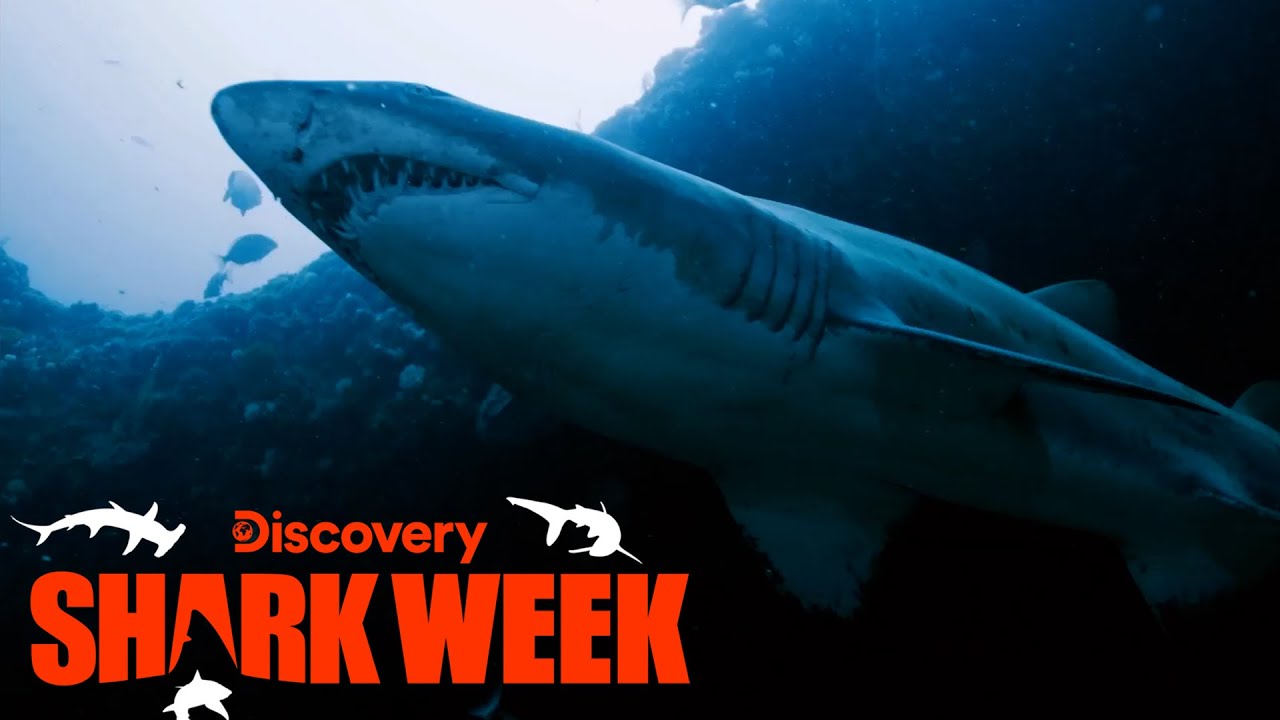
Three lost species of sharks were last seen off the southeast coast of South Africa, where over a third of the world's shark species converge.
A 12-foot sleeper shark is filmed at the ocean's surface, marking a rare encounter with this elusive species during Shark Week 2023.
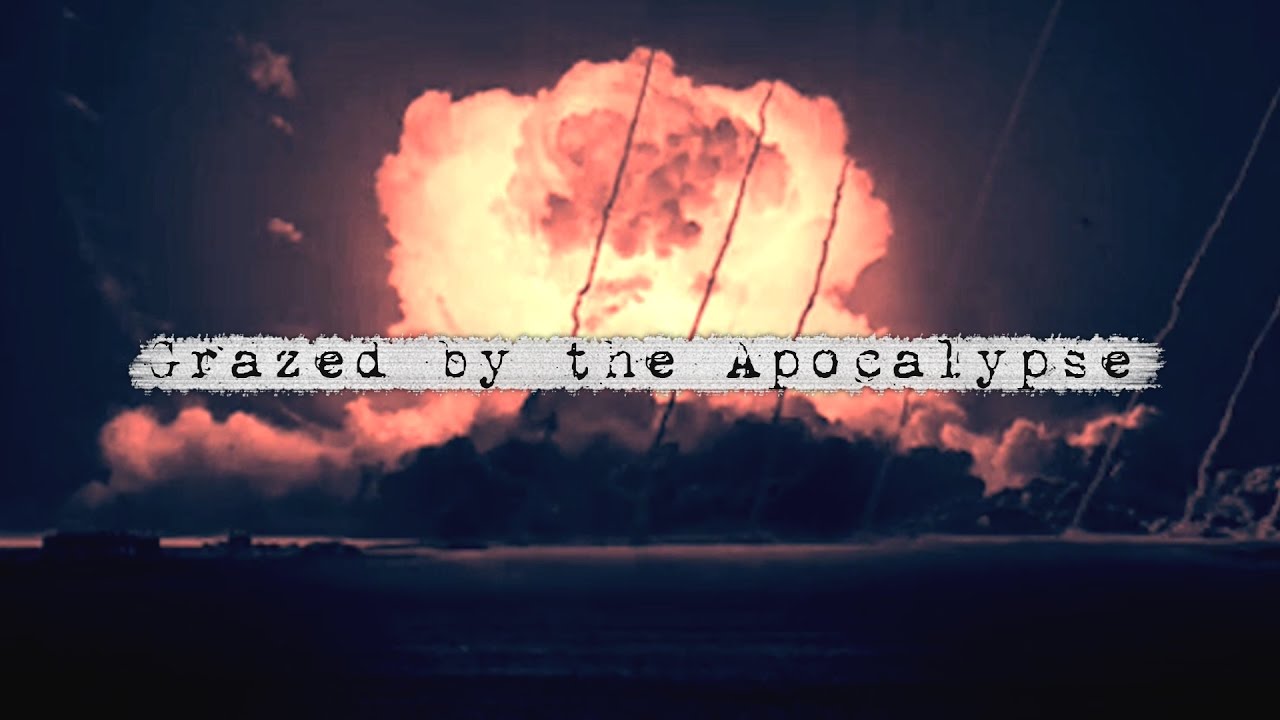
The team launches an experiment at the Triangle to reveal the bubble's secrets using fireballs.
Two-thirds of Santa Cruz del Islote's residents are under 18, with many young people facing limited opportunities and few options for education.
On December 5, 2022, scientists at Lawrence Livermore National Laboratory achieved fusion ignition, producing 3 megajoules of energy from 2 megajoules of input.
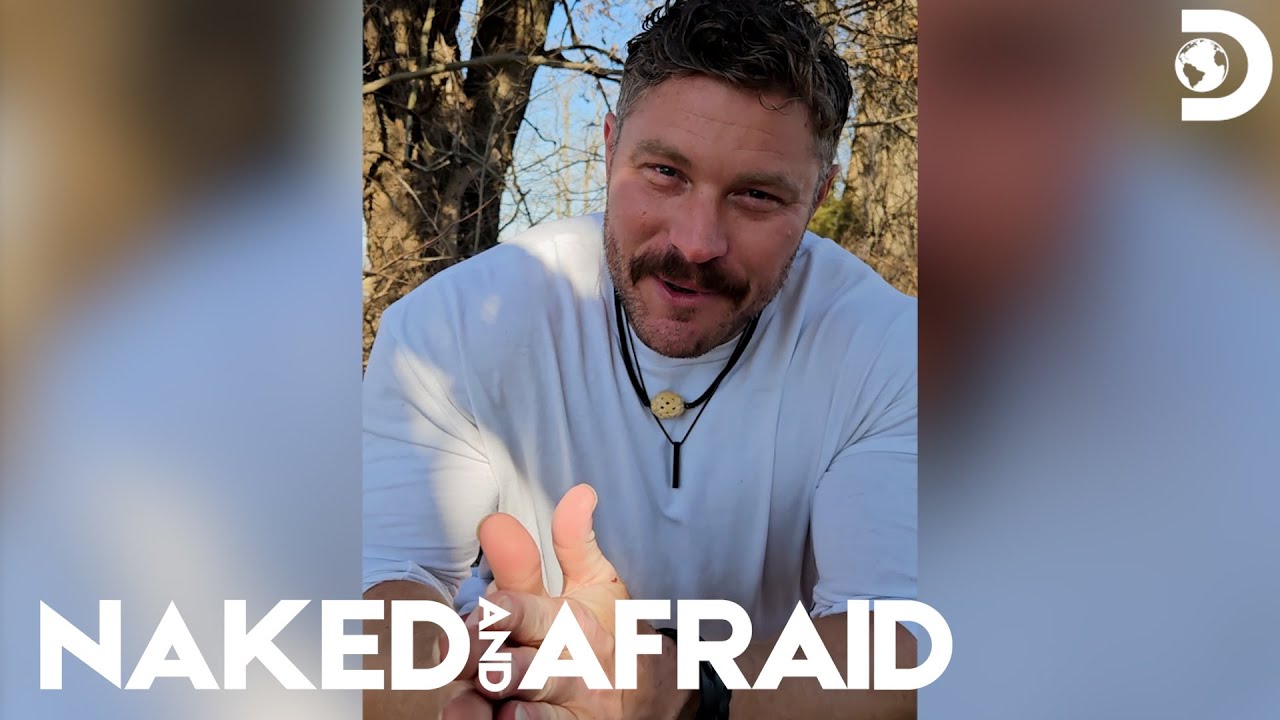
Jonny shares his survival skills and dating secrets from Naked and Afraid in this episode.
NASA’s Parker Probe Plus is exploring the Sun's outer atmosphere to enhance understanding of its power and the effects on Earth.
In October 2018, a group of friends encounters a mysterious ship on Lake Superior, sparking intrigue about phantom ships and unexplained phenomena.
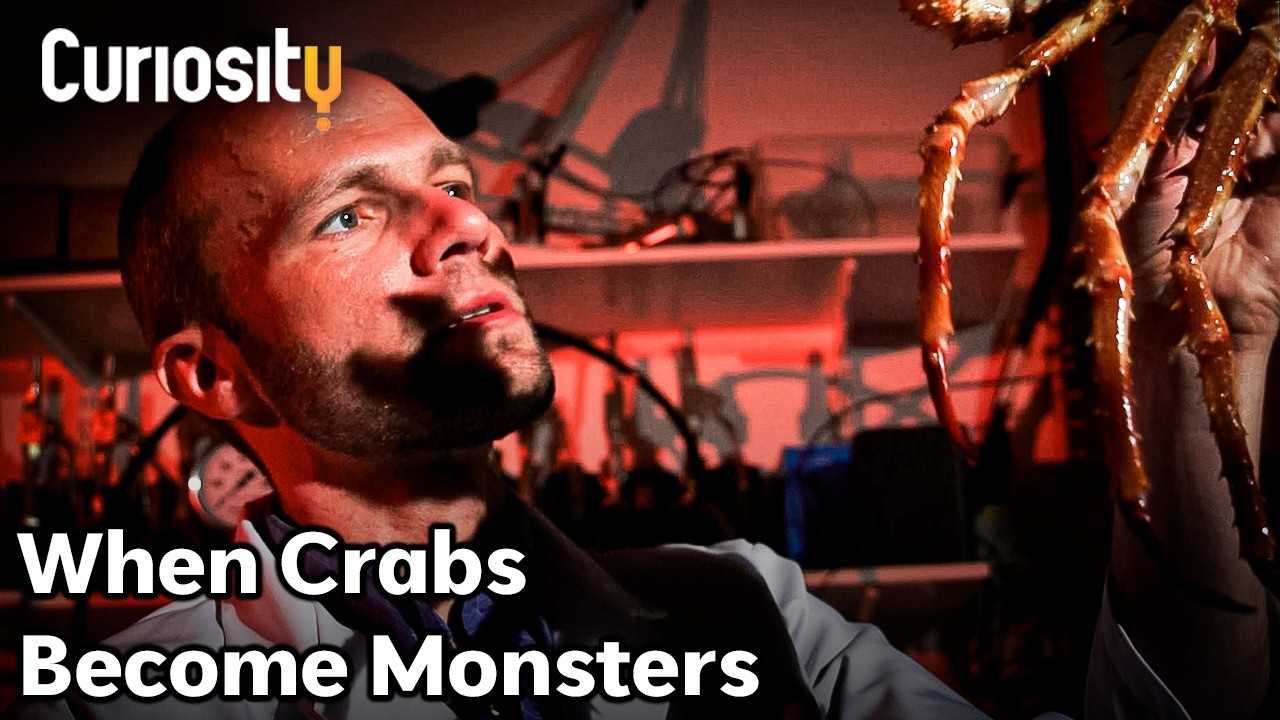
Monster crabs invade the Pacific and Atlantic, causing ecological devastation in their wake.
Colossal stone heads from the Olmec civilization weigh up to 50 tons and emit unusual magnetic anomalies, suggesting advanced knowledge of magnetism.
The evolution of giant telescopes, from the Hale reflector on Palomar Mountain to the European Southern Observatory's Very Large Telescope at Cerro Paranal, is crucial for advancing astronomical research.
In 2003, microbiologists identified giant viruses that challenge existing concepts of microbial life and evolution, prompting a reevaluation of what it means to be alive.
In the deep ocean surrounding Antarctica, polar gigantism leads to the existence of enormous invertebrates thriving beneath the ice sheets.
Giant galaxy clusters help Hubble look deeper into the Universe using gravitational lensing.
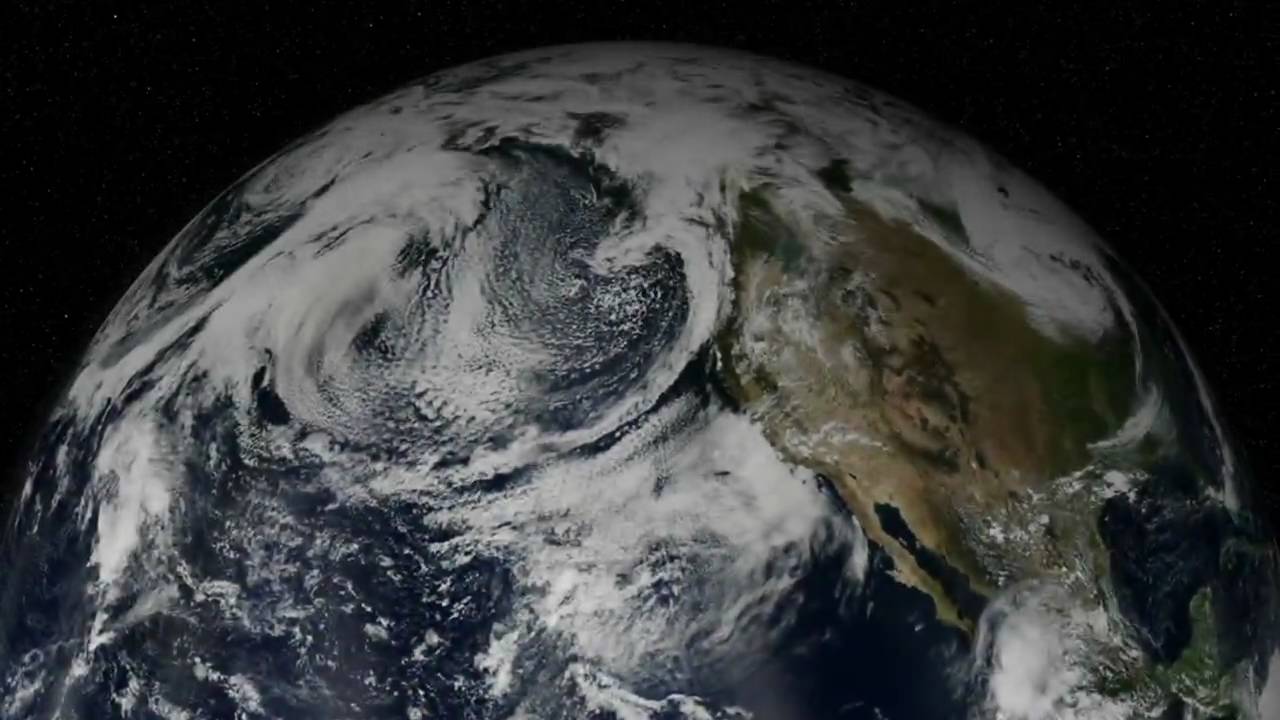
The last decade is measured as the hottest globally, driven by rising carbon dioxide levels.
Richmond, Virginia features one of the oldest meeting places for The Freemasons in this episode.
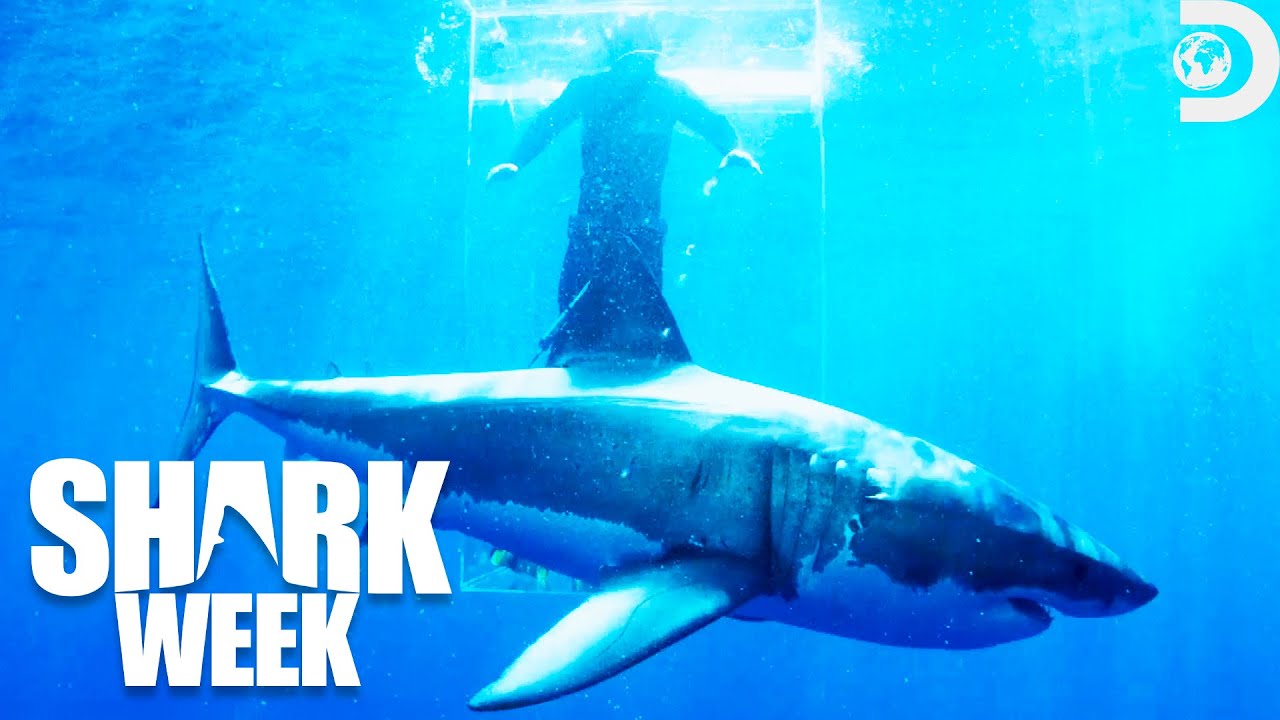
A great white shark damaged a robotic submarine at 300 feet deep during a tracking mission, marking a notable moment in Shark Week 2021.
An artificial intelligence language model has been integrated into a physical robot, showcasing advancements in robotics and machine learning by ColdFusion.
Three declassified videos recorded by Navy pilots show unidentified objects moving in ways that defy the known laws of physics.
Ninety-five percent of the universe is thought to be dark energy and dark matter, which do not emit light and remain largely unseen.
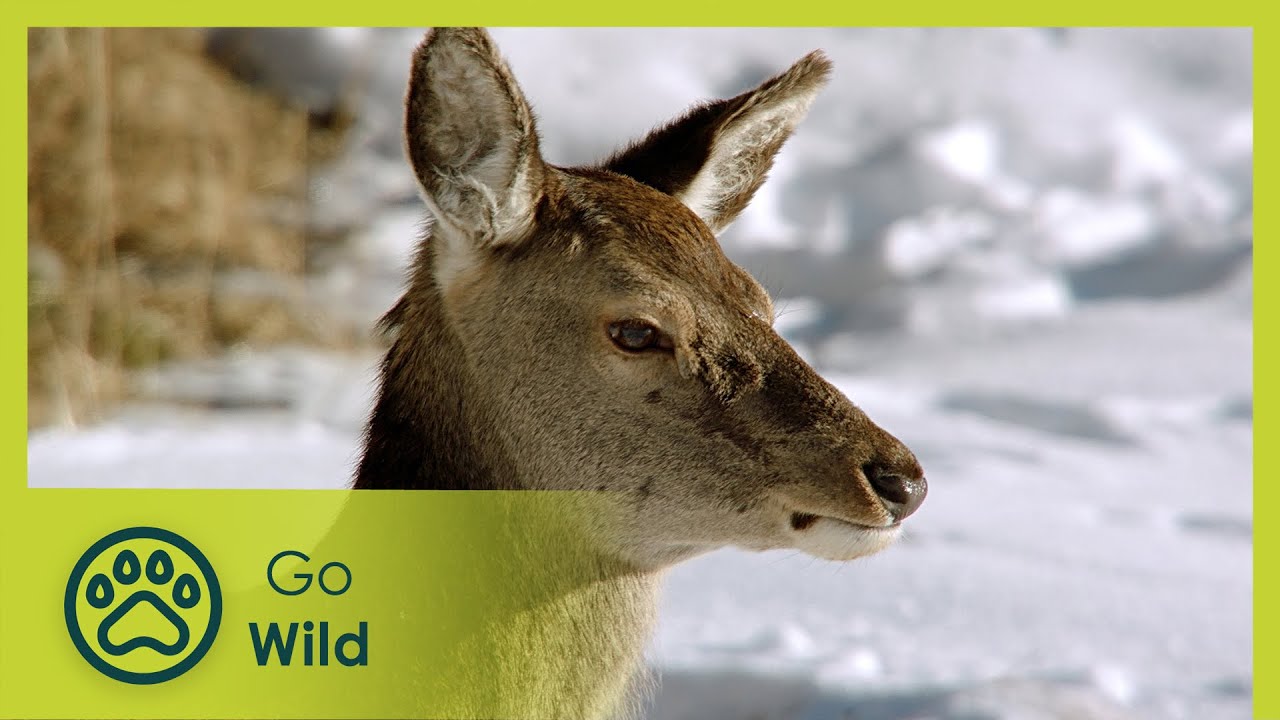
In the Swiss region of Graubuenden, winter presents a challenging environment for wildlife such as ibex, marmots, and common vipers, each employing unique survival strategies.
Cosmological phenomena pose a constant threat to Earth, yet humanity's self-destructive tendencies may lead to our demise long before any asteroid strikes.
99% of Oceanic Whitetip sharks have declined since the 1970s, putting them on the verge of extinction due to overfishing and habitat loss.
A 16-foot great white shark was spotted off Bali's coast, prompting researchers to investigate its hunting behavior in tropical waters.
Eight feet tall, a dominant male kangaroo defends his title against challengers in brutal fights for access to females and territory.
Greenland's glaciers are melting at an accelerated rate, potentially raising global sea levels by 20 feet if they completely disappear.

















![Documentary backdrop image for Google Just Put an A.I. Brain in a Robot [Research Breakthrough] (2022)](https://i.ytimg.com/vi/Jy3zjXK4ao4/maxresdefault.jpg)