From over 100,000 films, discover the handful you'll love.
Free or premium access to the world's largest documentary library.
7227 films(Page 54 of 151)
Sharks, having evolved over hundreds of millions of years, exhibit remarkable adaptations and hunting strategies across diverse habitats from southern Africa's rugged shores to tropical waters.
's Explorer's Symposium features leading explorers like Joel Sartore, Sandesh Kadur, Bethany Ehlmann, and Jason De León sharing their fieldwork experiences.
The Moche civilization, known for its advanced irrigation and monumental architecture in ancient Peru, collapsed around the 6th century AD due to a devastating Mega El Niño event.
The most spectacular vehicles redefine transport and challenge the limits of physics.
In the polar regions, polar bears and leopard seals exhibit extreme survival tactics, while a tracker investigates big cat sightings in the UK.
Marine experts Trevor Long and David Blyde respond to critical cases involving sick, injured, and orphaned marine animals along Australia's east coast.
The Anthropocene epoch highlights humanity's profound impact on Earth, marked by agricultural practices and industrialization that threaten natural ecosystems.
Category 5 hurricanes and F5 tornadoes showcase the planet's most extreme winds, revealing their devastating impact on the human body in a high-powered wind tunnel experiment.
Massive magnetic storms, extreme energy bursts, and the enigmatic forces of pulsars and quasars illustrate the raw power of the cosmos in this marathon from The Universe.
Dark matter and dark energy, two invisible forces that shape the universe, remain largely unexplained despite their significant influence on cosmic phenomena.
Giant manta rays in Australia, tracked by Project Manta, exhibit mysterious six-month migrations that researchers study using underwater listening stations and photo identification.
LIGO's groundbreaking findings have confirmed Einstein's theory, prompting physicist Alan Lightman to explore their implications for our understanding of the cosmos.
Millions of light years separate viewers from the stars, galaxies, and nebulae visible through a telescope on a clear night.
A 67-million-year-old dinosaur specimen, known as Dakota, is studied using advanced imaging techniques to reveal insights about its life and environment.
Bolivia's diverse landscapes, from the Andes mountains to the Amazon Basin, showcase the rich cultural heritage and adventurous spirit of its people.
Ice bombs, massive chunks of ice falling from clear skies, pose a dangerous mystery as scientists investigate their origins and potential atmospheric causes.
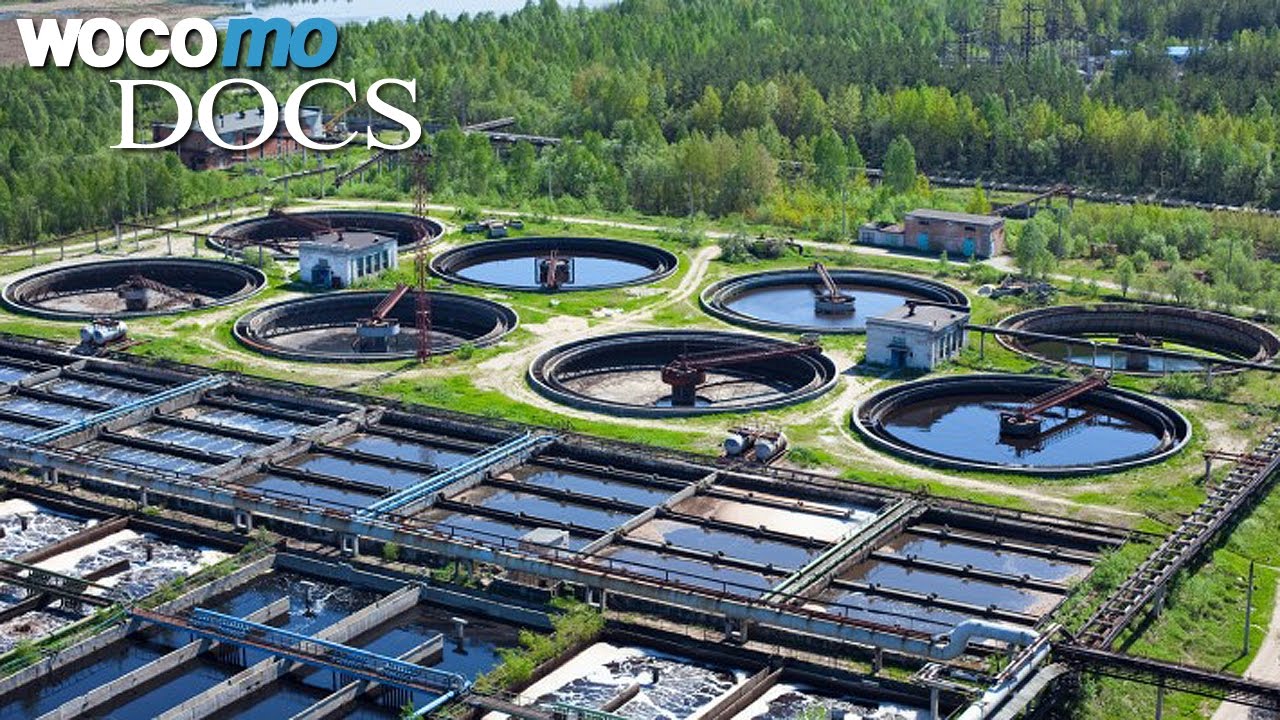
Berlin's water supply system faces the challenge of providing over 700,000 cubic meters of water daily to its 3.7 million residents through innovative techniques.
In the Amazon Rainforest, jaguars and ecitom ants exemplify survival strategies, while the Maasai Mara showcases the complex interactions between baboons and cheetahs.
Fiji's vibrant culture and stunning landscapes are showcased through the lives of a diver, a surfing champion, and a rugby coach exploring their passions.
In France, up to 80% of oysters produced face high mortality rates, raising concerns about the future of natural oyster consumption and farming practices.
In the Naica Mine of Mexico, a team of international scientists confronts extreme conditions to study colossal crystals and their geological significance.
Five great mass extinction events have occurred in the last half billion years, with the first linked to a brief Ice Age that drastically altered life on Earth.
Dolphin expert Ute Margreff and filmmaker Florian Graner explore their deep connections to ocean habitats, highlighting their unique relationships with marine life.
Space engineering has evolved through reusable spacecraft, ambitious repair missions in zero gravity, and groundbreaking probes, reshaping our understanding of the cosmos.
Jupiter, the largest planet in our solar system, has been the focus of extensive exploration, revealing new insights through missions like NASA's Juno spacecraft.
The North and Baltic Seas are explored through unique wildlife moments, including the Ghost Forest in Germany's Mecklenburg and rare footage of a Gotland grass snake.
A flight to the moon takes only three days today, as plans for a lunar village and long-term research are underway 50 years after the Apollo missions.
The Namib Desert, home to the last 150 desert elephants, faces extreme drought, challenging the survival of its resilient wildlife and ecosystems.
Climate change is causing significant alterations in alpine landscapes, with rising temperatures leading to increased snowmelt, flooding, and shifts in wildlife habitats.
One in three people will be diagnosed with cancer at some point in their lives, prompting ongoing research into more effective treatments.
Akamalik, a high-tech trawler in Greenland's fishing fleet, navigates icy waters in January, highlighting the critical role of fishing in the nation's economy.
The origins of life on Earth, from primordial chaos to the emergence of single-celled organisms, raise profound questions about our existence in the universe.
A rare early dinosaur skull, sealed for 200 million years in an unopened crate from Africa, challenges existing knowledge of prehistoric life.
Narsaq, a Greenlandic village rich in rare earth elements, faces a critical choice between economic development and preserving its traditional way of life.
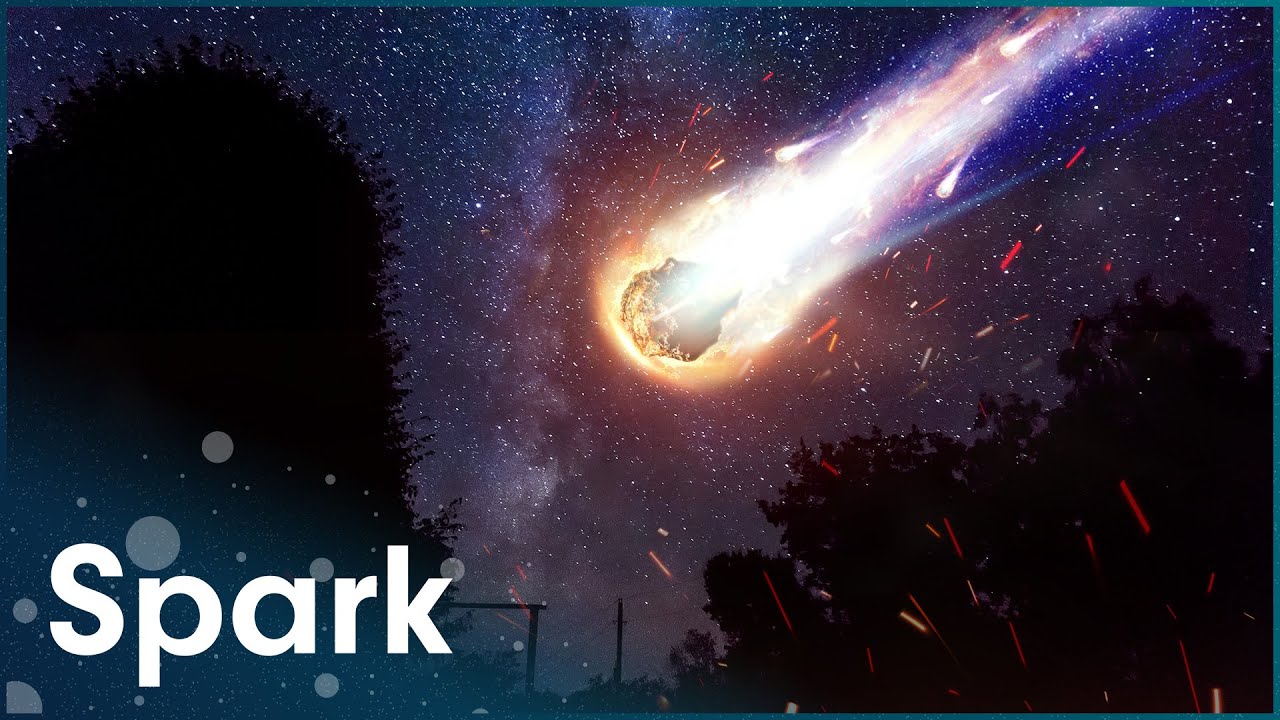
A comet 5 km wide, traveling over 100,000 km an hour, is on a collision course with Earth, threatening to cause a 100 million megaton explosion.
Columbia, the first space flight capable shuttle, measured 37 meters long and could carry up to 29,500 kilograms of payload.
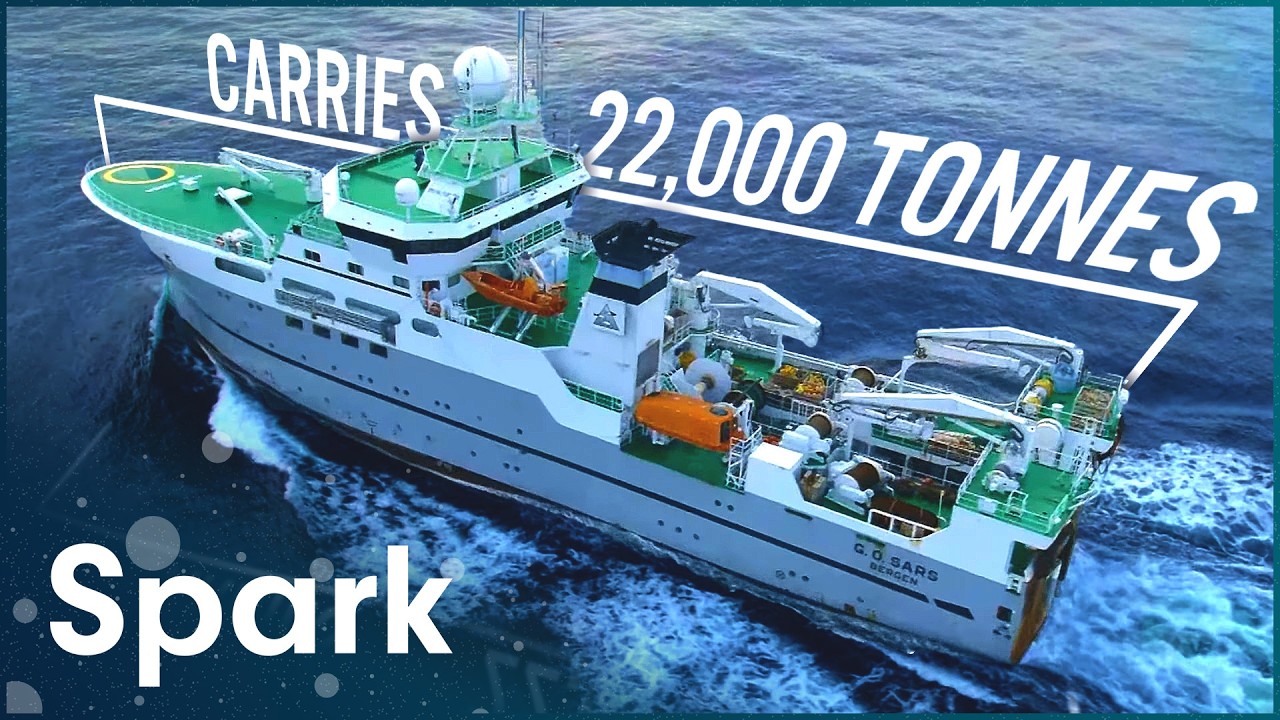
G.O. Sars, a cutting-edge research vessel, explores toxic mud volcanoes and hydrothermal vents in the Arctic Circle to find life forms resembling those on Mars.
Construction of the Korean Jang Bogo Antarctic Station in Antarctica faces extreme conditions and challenges over five years of site investigations and building efforts.
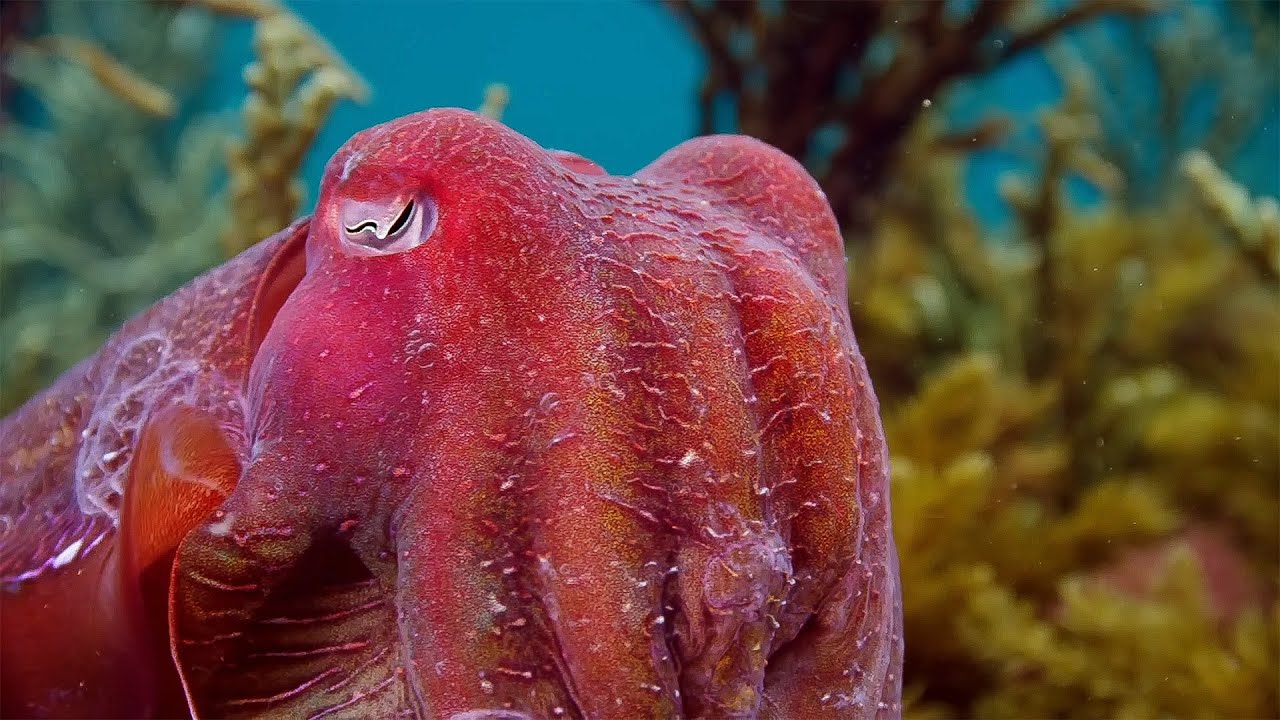
Australia's marine wilderness showcases a vibrant array of life, from sharks and seabirds to giant cuttlefish and whale sharks, highlighting fragile ecosystems.
Europe's raptors, including the Goshawk and Golden Eagle, showcase their hunting prowess while facing challenges from human-induced environmental changes.
In the Pacific Ocean, diverse marine terrains like the Coral Triangle host unique species such as the Titan triggerfish and peacock mantis shrimp, revealing complex ecosystems.
Professor Brian Cox connects tornadoes in Oklahoma to the origins of our Solar System.
A climate-fueled conflict over the Gray Zone pits American and Canadian lobstermen against each other as warming waters boost lobster populations.
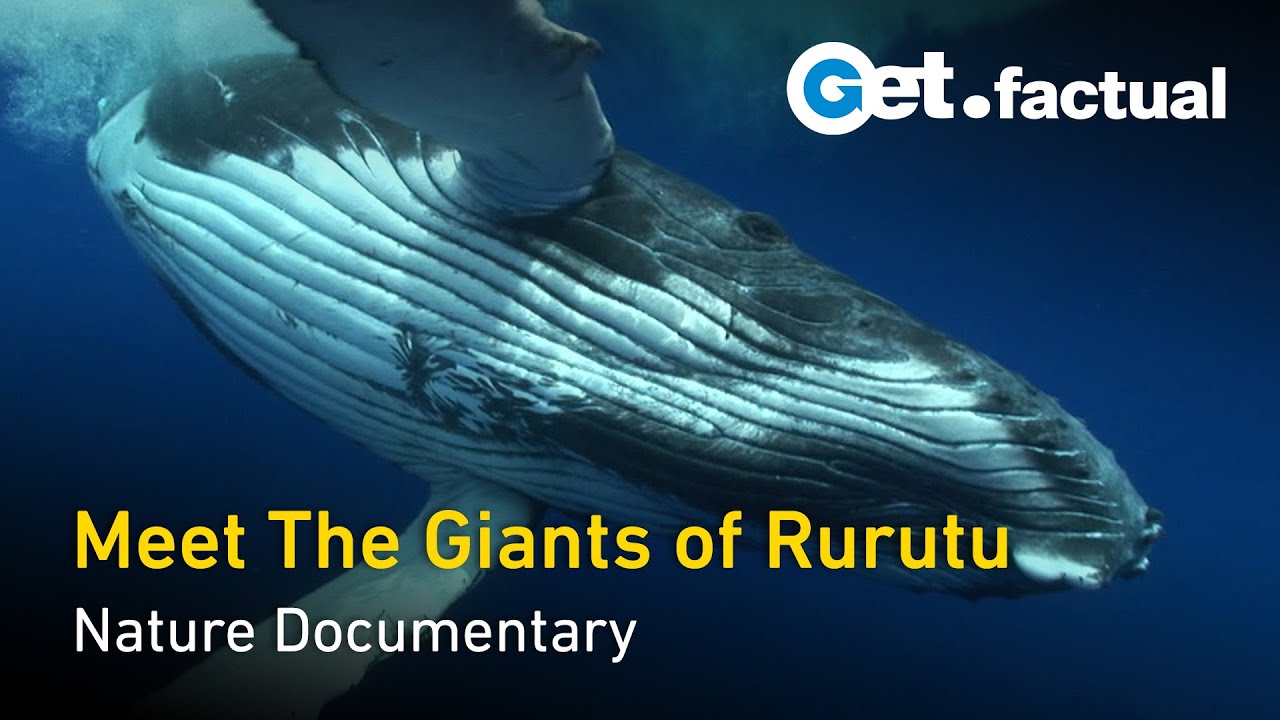
Humpback whales, weighing up to 36 tonnes and measuring 19 metres long, migrate 7,000 kilometres from Antarctica to the island of Rurutu each year.
Glyphosate, a widely used herbicide in Europe, faces scrutiny over potential health risks, including hormonal disruption and cancer, amid conflicting claims from scientists and agribusiness.
Insects play a crucial role in ecosystems, and this series examines their impact on the environment from their unique perspective.
Comets serve as both potential sources of life-sustaining water and organic materials, and as threats capable of catastrophic impacts on Earth.
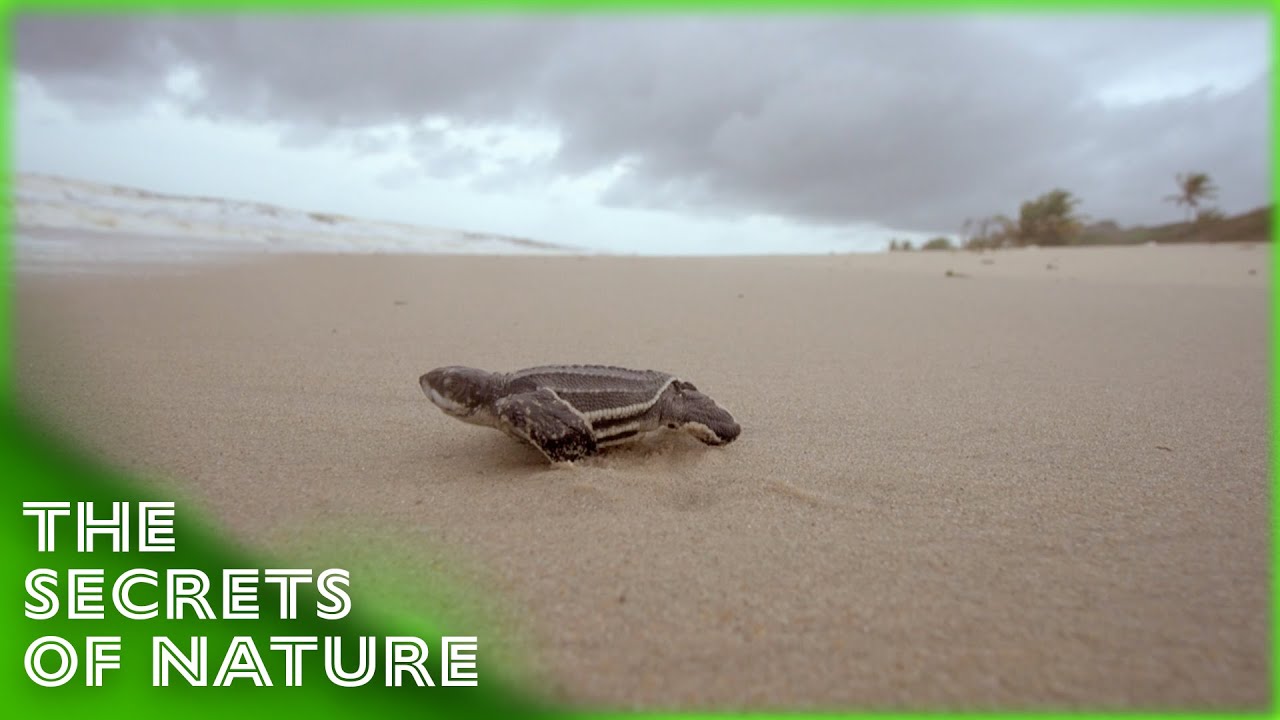
Leatherback turtles, once believed to be tropical, are shown by Canadian scientist Dr. Mike James to have a much broader range across the world's oceans.