From over 100,000 films, discover the handful you'll love.
Free or premium access to the world's largest documentary library.
7231 films(Page 63 of 151)
Sea lions along the North Pacific coast face a dramatic population decline of over 80% since the 1970s, prompting urgent conservation efforts.
Cosmic rays, originating from exploding stars, are examined by scientists at CERN and observatories in Spain and Argentina for their role in shaping life on Earth.
A deteriorating graveyard of World War II ships in Chuuk, Micronesia, threatens to release millions of litres of crude oil, endangering marine life and local livelihoods.
Baltic Sea Divers undertake complex salvage operations to recover a 30-meter climate change measuring mast and a 60-kilo sonar from freezing depths.
A bestselling anthology featuring diverse women leaders in climate action has inspired nearly 50,000 readers and continues to promote impactful solutions!
Penguins, from the Emperor in Antarctica to the Yellow-eyed in New Zealand, face increasing threats from climate change and habitat loss worldwide.
Carbon, formed in the hearts of stars and essential for life, is explored through its origins, unique properties, and implications for extraterrestrial existence.
Catfish, the largest freshwater fish in Europe, have rapidly colonized rivers and lakes since 1950, threatening native species like Atlantic salmon.
NASA's Apollo missions returned lunar samples that revealed enough water locked inside the moon to cover its surface in a layer 1 meter deep.
Jim Vardaman, the world's top birdwatcher, attempts to break the British record of 252 species spotted in 24 hours using an array of high-tech resources.
In Kenya's Masai Mara, the annual migration of wildebeest and zebras faces peril as they confront Nile crocodiles lurking in the treacherous Mara River.
Galileo's experiments on gravity, recreated by Professor Jim Al-Khalili, highlight their historical significance and foundational role in modern scientific inquiry.
Suriname's rich biodiversity and cultural tapestry are highlighted through the eyes of a photographer, a flying doctor, and a sloth sanctuary advocate.
Edwin Hubble demonstrated that the Milky Way is one galaxy among countless others, reshaping our understanding of the universe's vastness.
Nobel Laureate Mario Molina and Emerging Explorer Iain Couzin explore the links between locust swarms and ozone depletion.
Used electronics from Europe are illegally dumped in Ghana, exposing children to toxic fumes as they scavenge for valuable materials in hazardous conditions.
A recent study linked violence towards African Americans and a lack of legal protection from 1870 to 1940 to perceptions of lower contributions in science and technology.
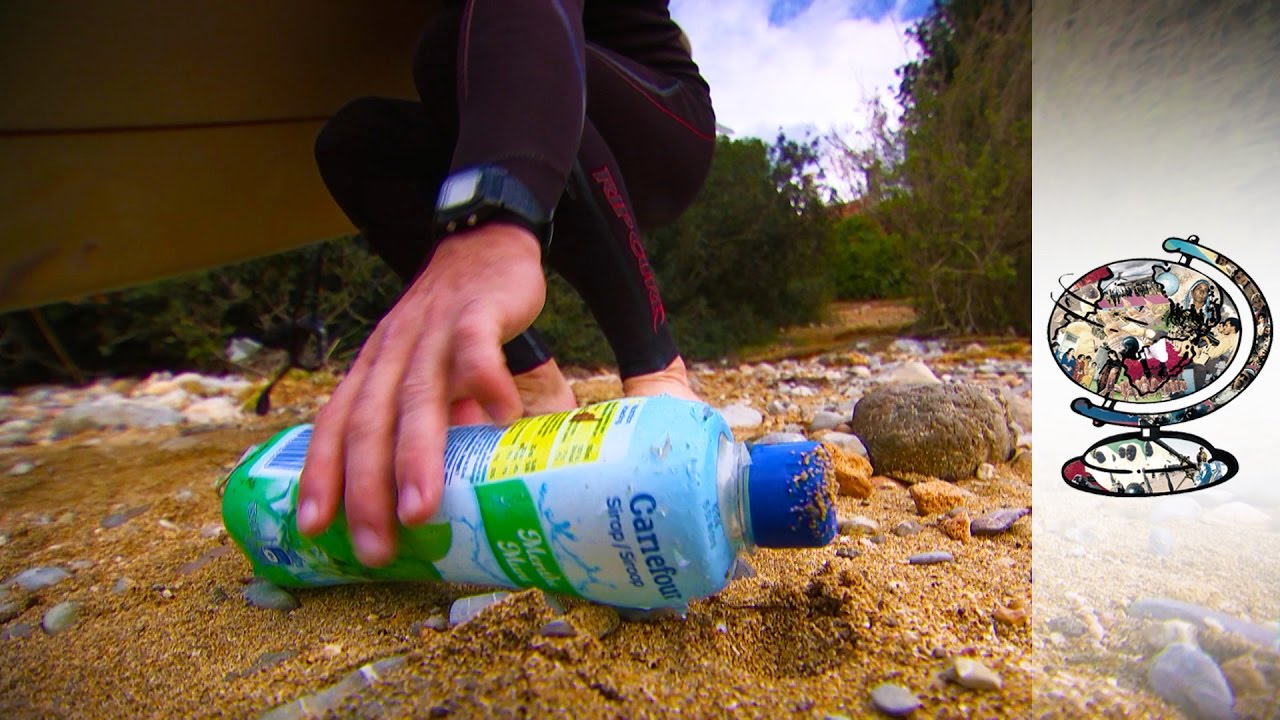
The Seabin Project, an innovative initiative by a team of surf-loving environmentalists, aims to combat ocean plastic pollution using a unique device in Majorca, Spain.
Satellite technology and supercomputing are revolutionizing our ability to track the alarming effects of global warming and natural disasters on Earth.
Three billionaires, Elon Musk, Jeff Bezos, and Richard Branson, are competing in a new space race to make space travel accessible and colonize Mars.
African penguins, a vulnerable species, were rescued in record numbers following a devastating oil spill off the coast of South Africa.
Leading thinkers explore the complex interplay between individual agency and societal influences, challenging perceptions of freedom and personal identity.
High intensity sonar used by the US Navy has been linked to severe brain and ear damage in marine mammals, leading to mass beaching incidents.
Pyramids across various continents raise questions about their construction and purpose, suggesting possible extraterrestrial assistance in their creation.
Severe winter weather, including blizzards in New York and Chicago and the collapse of the Marmolada Glacier in Italy, highlights the power and impact of storms.
Tom Cruise has rescued people in real life on at least five different occasions, prompting a discussion on how acting can lead to personal transformation.
Only about 1,100 species of birds live in and around waterways, each with unique adaptations for survival in various aquatic environments.
Long-haul flights, like the one from London to Sydney, reveal the complexities of air travel through the experiences of passengers and airline staff.
Light pollution is diminishing stargazing opportunities in developed countries, while Spain emerges as a leading destination for astro-tourism and sustainable development.
Aliki Strydom and her research team in the Okavango Delta study crocodiles as a keystone species while developing management strategies to mitigate human-wildlife conflict.
Cow flatulence, particularly methane emissions from cattle, significantly contributes to greenhouse gas levels, prompting Albert Nerenberg to investigate climate change's local impacts.
Aldo Kane's 10-day isolation in a dark nuclear bunker reveals the profound effects of light, time, and social interaction on our internal body clock.
Botswana's diverse landscapes, from the Kalahari Desert to the Okavango Delta, serve as a backdrop for personal stories of wildlife conservation and cultural rites of passage.
Marjorie Townsen, a lead electronic engineer at NASA, played a key role in developing telemetry systems for spacecraft, including the Nimbus weather satellite.
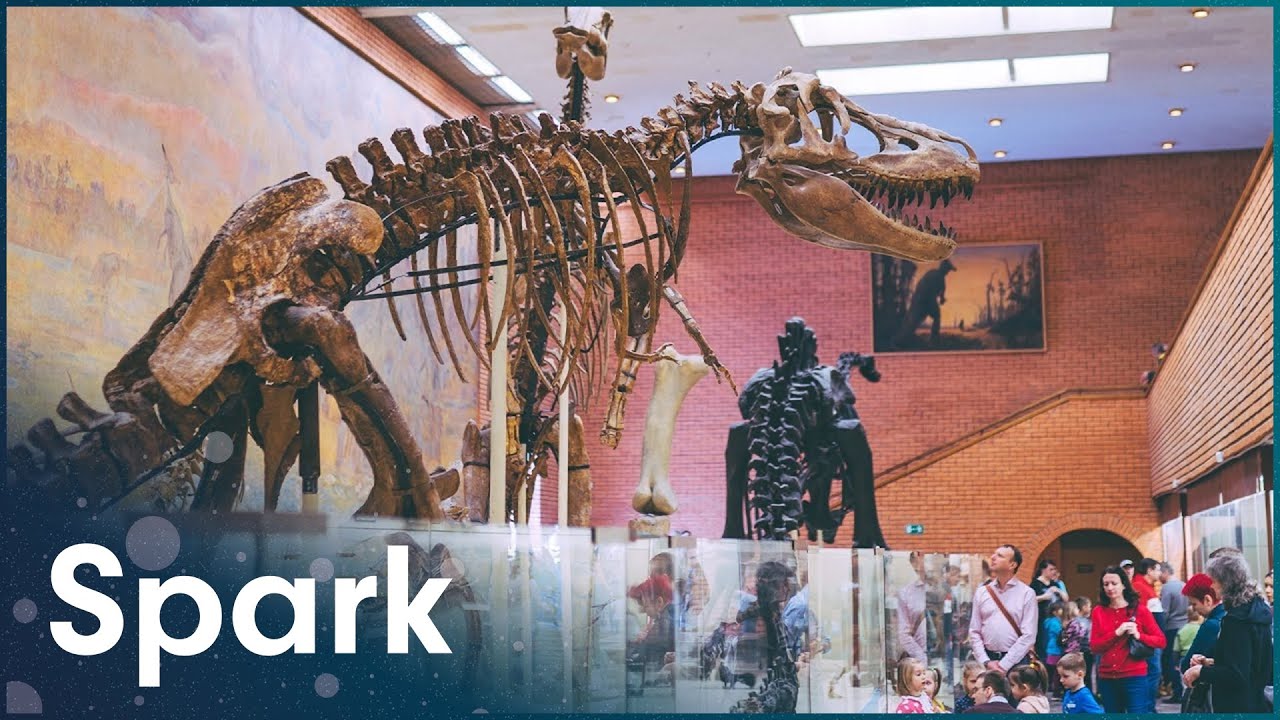
Palaeontology and archaeology reveal crucial insights into human identity and future possibilities by mapping past changes in flora and fauna.
NASA successfully concludes the Apollo Program with the December 1972 Apollo 17 mission.
Dragos, a Moldovan filmmaker, reveals a covert Soviet atomic experiment aimed at transforming local agriculture, linked to his grandmother's mysterious death.
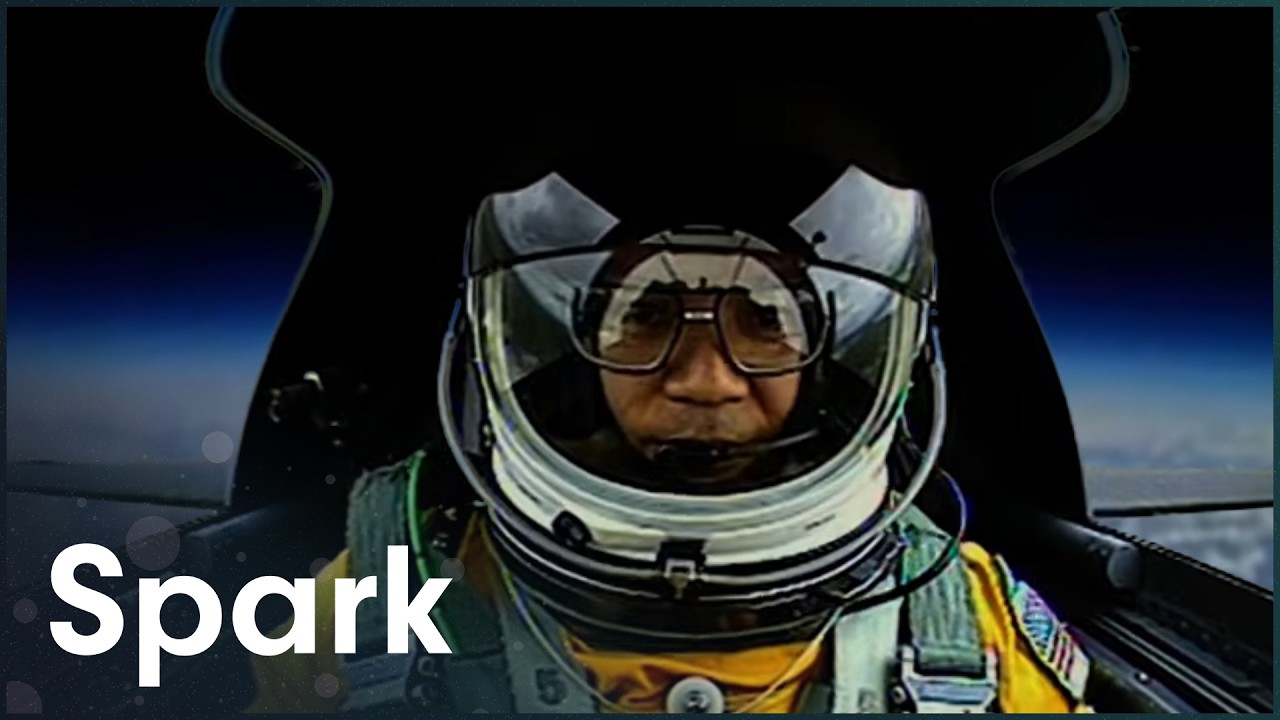
Lockheed U2 spy plane operations require rigorous training for civilians, including survival in extreme conditions and mastering emergency protocols before high-altitude flights.
Insects demonstrate extraordinary adaptations, including flight capabilities and communication methods, essential for their survival in various environments.
Four scientists, an engineer, and an architect spend 366 days in isolation on an active volcano in Hawaii to prepare for human life on Mars.
Northern Germany's hinterland reveals a surprising array of wildlife, showcasing dramatic stag fights, courting owls, hatching lizards, and flocks of starlings.
Miles Kingston captures the behind-the-scenes antics of the BBC Natural History Unit as they create the groundbreaking nature series The Living Planet.
Solar research has advanced significantly since the 1859 observations by Richard Carrington and Richard Hodgson, with the Parker Solar Probe providing crucial insights into the Sun's corona.
Sea life in Australia is examined through detailed footage of eels and sea turtles, showcasing their unique behaviors and natural habitats.
John F. Kennedy's 1961 moon landing ambition sparked a transformative space program, despite the technological challenges of the era.
Katherine Johnson's mathematical expertise was crucial in launching America into space, guiding missions such as Apollo 11 and Apollo 13 at NASA.
Underwater divers from How to Survive a Shark Attack feed and study sharks on the ocean floor, emphasizing the importance of understanding shark behavior.
Speed in warfare has evolved from ancient chariots to modern firearms, fundamentally altering battle tactics and outcomes over millennia.