From over 100,000 films, discover the handful you'll love.
Free or premium access to the world's largest documentary library.
7231 films(Page 41 of 151)
An estimated 60 million people lived under the Islamic Empire, which governed the largest territory in the world over a thousand years ago.
In Tanzania, wildlife naturalist Brian Keating meets the 'hippo whisperer' while exploring the country's rich biodiversity, including its dangerous hippos.
850 kilovolts of simulated lightning zap a volunteer, demonstrating the extreme conditions the human body can endure during severe weather events.
In the vast expanse of deep space, black holes and cosmic forces present extreme dangers, contrasting with the beauty of celestial bodies like Saturn.
Experts from NASA, the United Nations Office for Outer Space Affairs, and the SETI Institute explore the implications of potential first contact with intelligent extraterrestrial life.
Apollo 16's crew accumulated more memories during their 11-day flight than most people acquire in a lifetime.
Two advanced space probes, one from NASA and the other from Europe, are studying the Sun's atmosphere and solar winds from within Mercury's orbit.
Survivors from Japan, Thailand, Indonesia, and California recount their harrowing experiences with tsunamis while examining their causes and safety measures.
In the Grand Bahama Bank, Professor Sam Gruber studies the unique behaviors of pregnant lemon sharks and white-tip reef sharks using modern technology.
Pterodactyl sightings, alleged living dinosaurs, and mysterious human-dino tracks are examined alongside strange carcasses in a compilation of intriguing evidence.
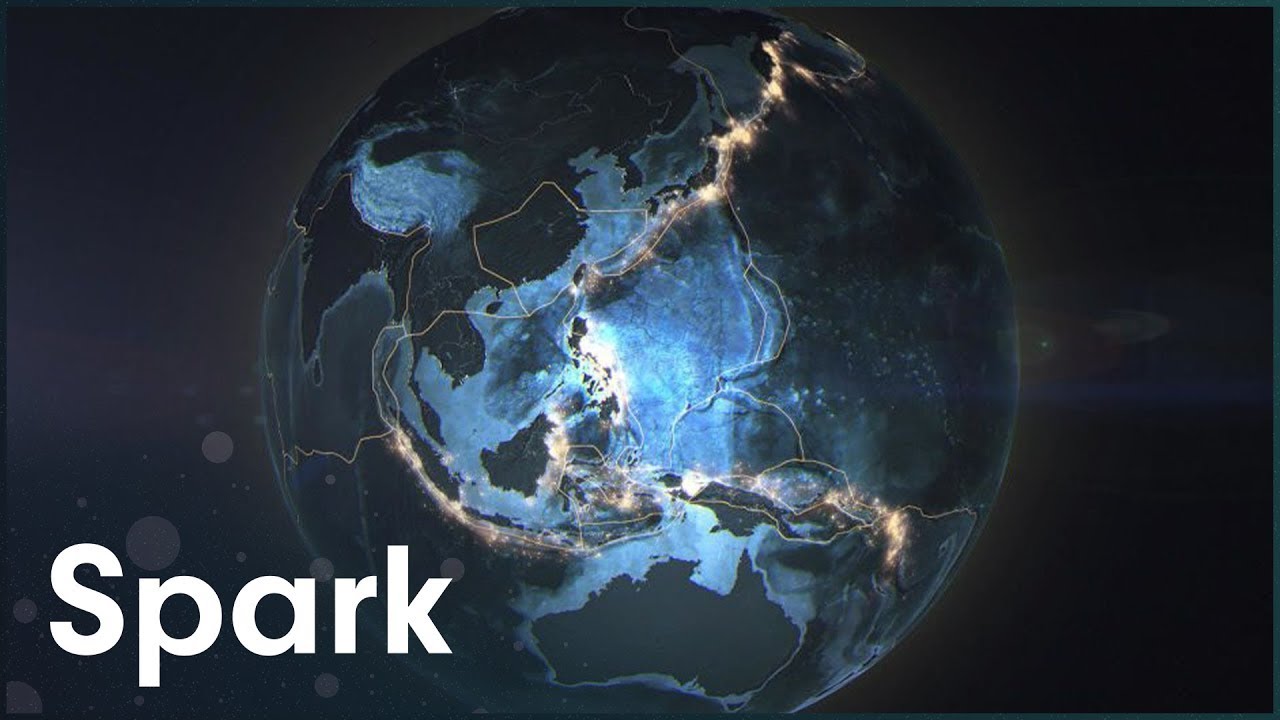
More than half of the world's population now lives in cities, placing hundreds of millions within striking distance of a major earthquake.
In Japan, robots address loneliness and household tasks, raising questions about human connection.
Futurehome 2000 showcases the ambitious construction of an energy-efficient house designed in the 1980s, featuring innovative technologies for sustainable living.
The Sun's 15-million-degree core and the formation of Saturn's rings illustrate the cosmic forces that shaped the solar system from chaos to order.
On July 20, 1969, nearly a billion people watched as Neil Armstrong declared, "The Eagle has landed," marking humanity's first steps on the Moon.
1903 marked the year when Swedish chemist Svante Arrhenius proposed the theory of panspermia, suggesting life may have originated in space.
Temperatures could plummet to below zero even at the equator during a potential snowball Earth scenario, threatening human survival and ecosystems.
Atacama Desert miners navigate a harsh landscape in their quest for copper, blending advanced technology with traditional extraction methods.
Humanity's connection to the cosmos is explored through a blend of scientific discoveries and humanistic insights from leading scholars and filmmakers.
A survey by the Mental Health Foundation found that up to a third of people in Britain suffer from insomnia, impacting their overall health.
Wind turbines have become a prominent solution for harnessing renewable energy, raising important questions about their effectiveness and environmental impact.
Every animal, including humans, possesses a sense of rhythm influenced by the Circadian rhythm, which governs the 24-hour cycle of day and night.
Two scientists investigate the 10 plagues of Egypt, seeking scientific explanations for events described in the Bible, including the angel of death.
Every living creature, from frogs to blue whales, relies on unique adaptations in their "clothing" for survival, showcasing nature's diverse designs and functional solutions.
In the Singapore Botanic Gardens, a white-breasted waterhen navigates courtship while orphaned lesser whistling ducklings face survival challenges amid seasonal migrations.
Ireland's ancient inhabitants, from nomadic hunters to early settlers, are explored through scientific research and stunning imagery that reveal their survival and adaptation.
Saskatchewan crop circles, a Hudson Valley wave of sightings, and a low-flying saucer that kills plants highlight a series of unexplained UFO phenomena.
North Rail Express is a specialized container train that transports fresh Arctic seafood across a 1,200-mile route through Norway and Sweden's challenging terrain.
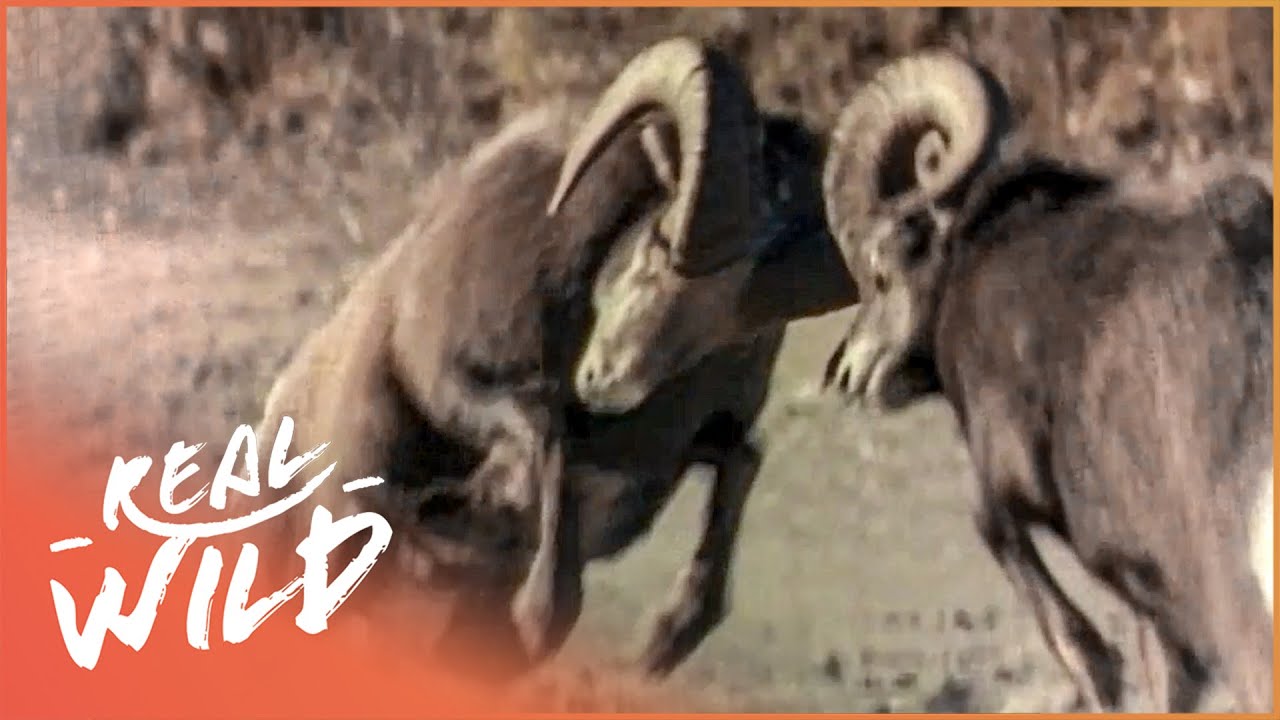
Animals across North America engage in intense battles over food and mating rights, showcasing the fierce competition within the animal kingdom.
Birds of prey, including falcons, eagles, and owls, employ unique survival strategies to defend against predators while maintaining their ecological roles.
In eastern Siberia, a Canadian experiment involving Muskox is revealing insights into their reintroduction and the discovery of the Nickolai Mammoth.
Cotopaxi, one of Ecuador's most iconic volcanoes, poses a significant threat to Quito due to potential eruptions that could trigger devastating landslides.
Mars has captivated human curiosity for centuries, with the 2020 Perseverance mission reshaping our understanding of the potential for life on the planet.
Students from around the globe compete in local science fairs for a chance to advance to the prestigious International Scientific and Engineering Fair (ISEF).
Venomous animals such as the inland taipan, Gila monster, blue-ringed octopus, redback spider, and Sydney funnel-web spider are analyzed for their unique adaptations and potent venoms.
The 2023 climate crisis is marked by unprecedented wildfires, extreme heatwaves, and devastating floods, highlighting the urgent need for action against global warming.
In Canada, paleontologists explore fossil-rich sites to piece together the prehistoric world, revealing insights into ancient ecosystems and dinosaur behavior.
Marmots and ibex in the Swiss Alps exhibit unique survival strategies during the harsh winter months, showcasing their adaptations to extreme cold and limited resources.
One male gannet fights for his nesting territory, risking fatal injury in a struggle that lasts over an hour against an aggressive intruder.
The worldwide cancer epidemic is examined through the often-overlooked connections between diet, lifestyle, and the disease's prevalence.
Nocturnal animals have evolved unique adaptations to thrive in darkness, allowing them to evade predators and efficiently share resources in their habitats.
A 2,400-year-old body discovered in a Danish bog reveals insights into ancient burial practices and preservation techniques.
Monster sharks, a mysterious hillbilly beast, and swarms of giant killer bees are examined through eyewitness accounts and investigations in this themed marathon.
Animals have evolved a range of extraordinary survival tools, including teeth, claws, venom, and camouflage, to navigate the challenges of their environments.
The genet, known as the Queen of the Night, is a highly adaptable carnivore that thrives in various ecosystems across the Mediterranean forest.
Mapping the Milky Way combines ancient mythology and modern science, revealing how satellite technology enhances our understanding of this vast galaxy.
Human-bear encounters are increasing as urban development encroaches on wildlife habitats, prompting ecologist Rae Wynn-Grant to share insights and safety tips.
Three astronauts aboard Apollo 8 became the first humans to orbit the moon in 1968, paving the way for future lunar exploration and potential settlements.