From over 100,000 films, discover the handful you'll love.
Free or premium access to the world's largest documentary library.
7227 films(Page 37 of 151)
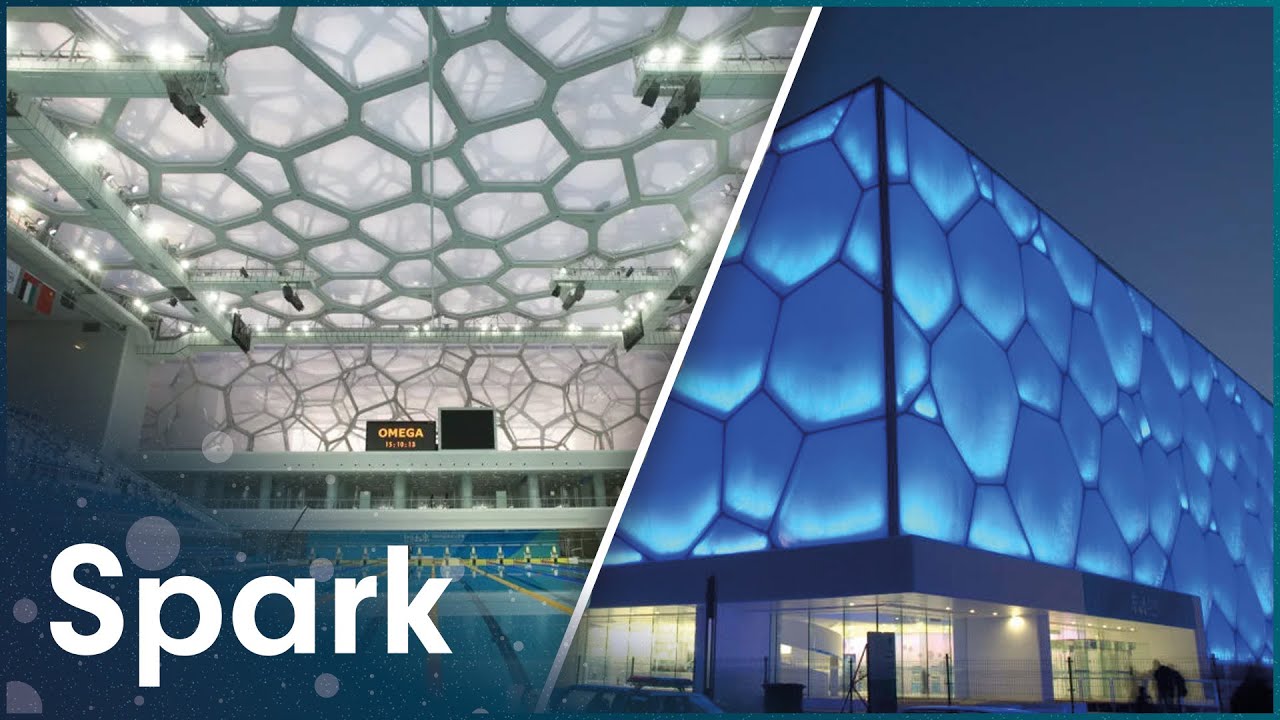
Beijing's Water Cube, built for the 2008 Olympics, showcases advanced engineering with self-cooling, self-heating features and fire-resistant materials.
Artificial intelligence is increasingly integrated into daily life, raising concerns about its impact on jobs, safety, and human existence.
Glass, tin cans, and concrete each transformed human life, showcasing their historical significance and future potential in technology and art.
Every second, 100 billion neutrinos travel through the universe, providing clues about cosmic events and the nature of dark matter.
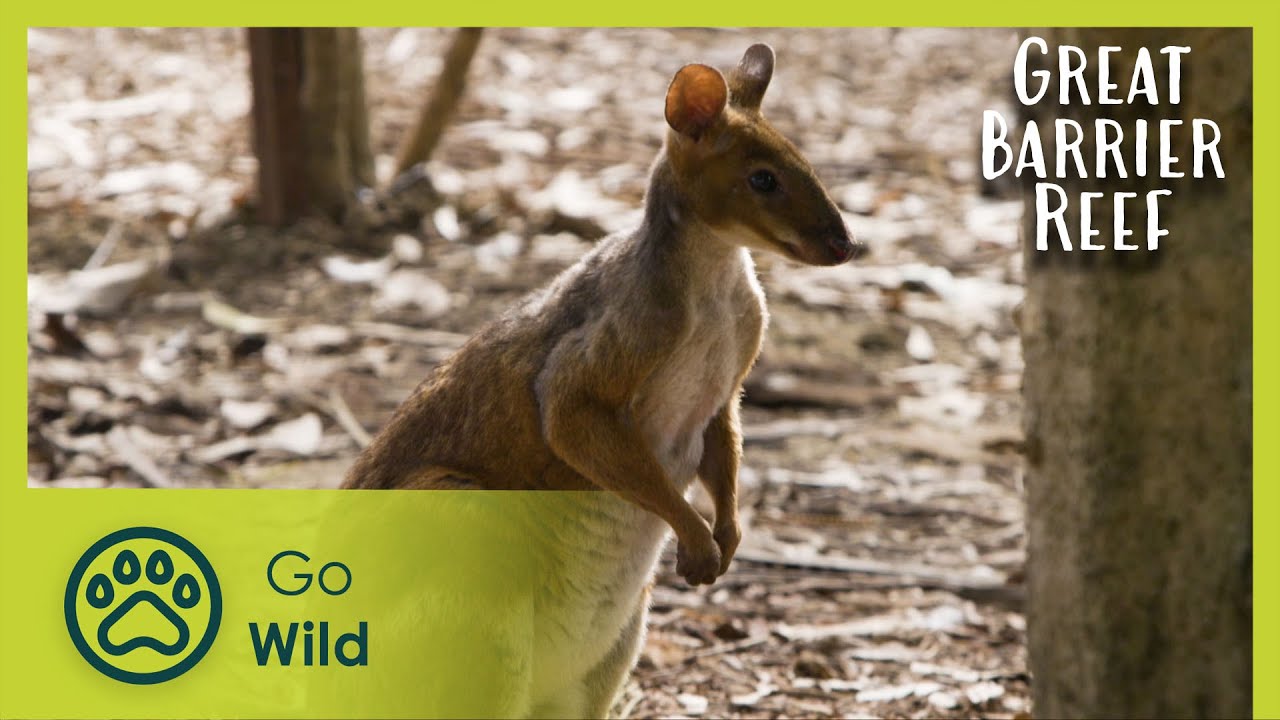
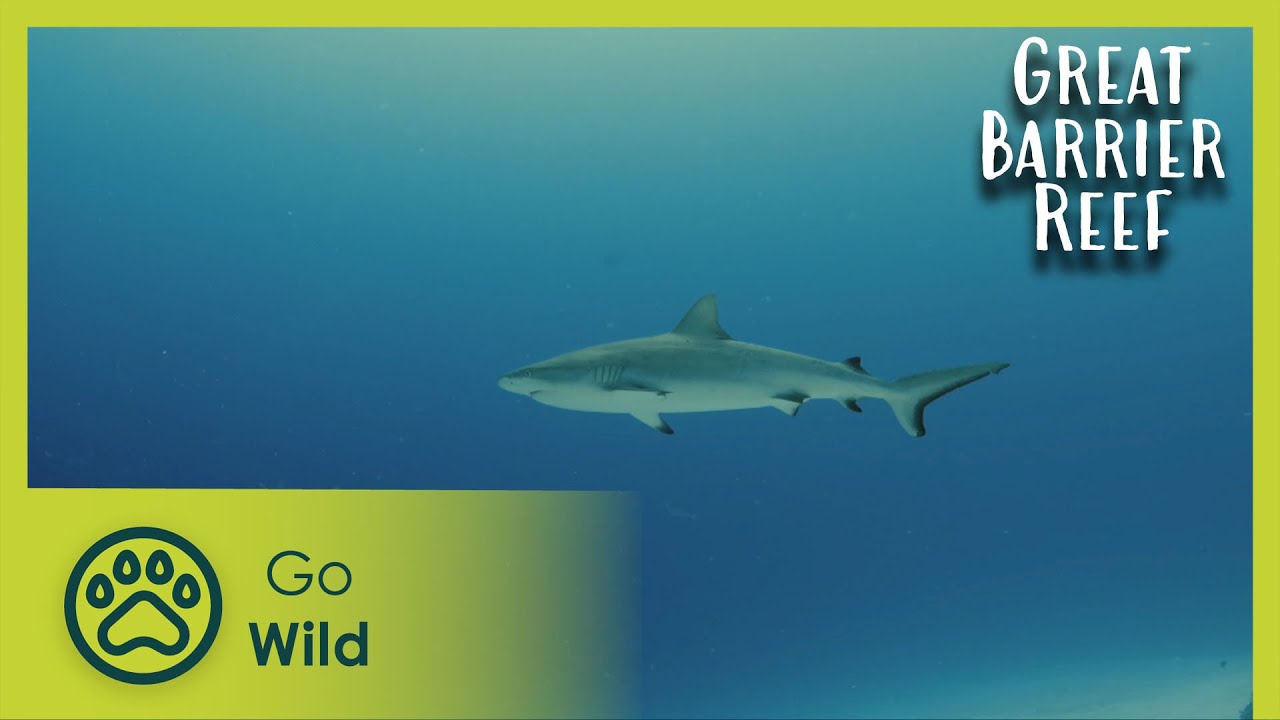
The Great Barrier Reef, a UNESCO World Heritage site, is home to diverse ecosystems where ancient rainforests meet vibrant marine life along Australia's coast.
Extreme planets are examined through supercomputer simulations that visualize their violent conditions and the cosmic events surrounding supermassive black holes.
More than 100 years ago, H.G. Wells popularized the idea of extraterrestrial life with works like The War of the Worlds and A Trip to the Moon.
Scientists utilize advanced microscopy techniques to explore cellular structures and mechanisms, enhancing our understanding of viruses and drug development.
Yellowstone's supervolcano last erupted 640,000 years ago and is now overdue, with the next eruption expected to be the largest natural explosion in Earth's history.
A baby's brain is a work in progress, with billions of neurons waiting to connect and form complex circuitry during the critical early years of development.
Asteroids pose a significant threat to humanity, prompting scientists to enhance methods for identifying and neutralizing these celestial dangers.
A 200-million-ton asteroid possesses energy exceeding that of all nuclear weapons combined, highlighting the potential devastation of such celestial impacts.
In the unspoiled rainforests of Guyana, Rainer Bergomaz and his Amerindian colleagues search for the elusive harpy eagle while encountering rare species like tayras and giant armadillos.
In Yellowstone National Park, Common Ravens exhibit remarkable intelligence and survival strategies, including their unique partnership with wolves in the Lamar River Valley.
2.5 million visitors annually come to see the Taj Mahal, a UNESCO World Heritage site built by Emperor Shah Jahan in memory of his wife, Mumtaz Mahal.
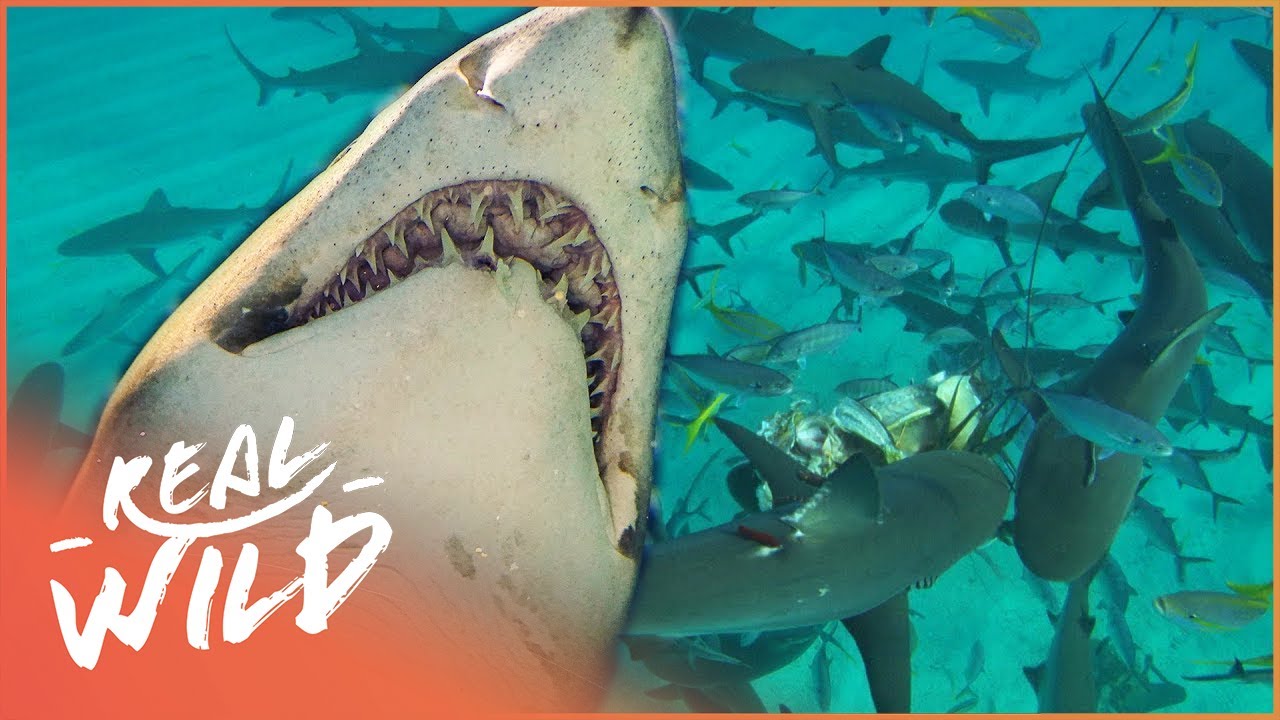
The trend of shark diving without protective cages is examined, highlighting the risks involved, including the first recorded death in this extreme sport.
A white-tailed eagle, once nearly extinct in Europe due to hunting and habitat loss, is followed from its birth in Central Europe through its migrations and recovery from lead poisoning.
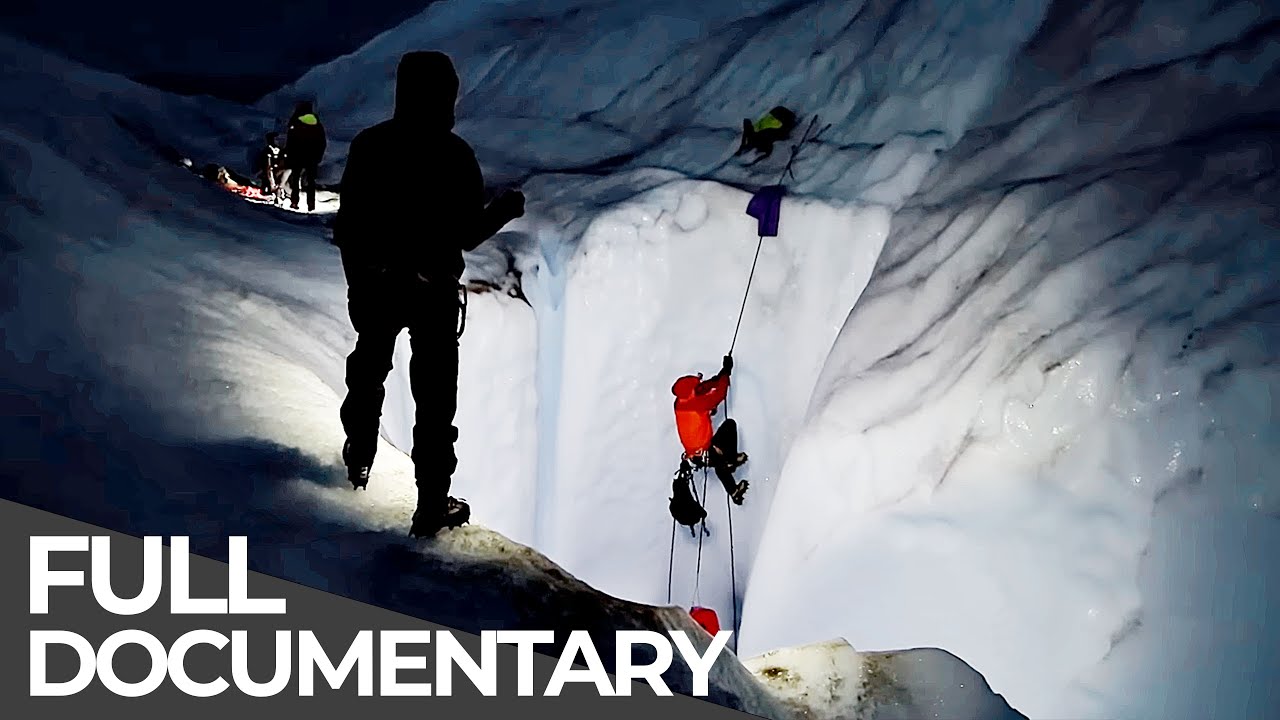
A team of scientists and adventurers embarks on a 50-day expedition across 100 kilometers of Greenland's remote Renland Peninsula to study melting glaciers.
Richard Bellman, a mathematician who invented dynamic programming, held professorships in mathematics, medicine, and electrical engineering.
Hosts Kate Humble and Hellen Czerski reveal Earth's spin's vital role in weather and life.
X-rays, once a mysterious discovery, have evolved from a medical curiosity to a powerful tool for treating illnesses and exploring ancient civilizations and the cosmos.
Nuclear fusion represents humanity's quest to create a self-sustaining artificial star on Earth, as explored by physicist Brian Cox through historical and modern scientific advancements.
Extraordinary health is explored through interviews with pioneers who challenge mainstream advice, blending modern science with ancient practices for optimal well-being.
Glaciers across the Andes, Himalayas, and Alps are rapidly disappearing due to rising global temperatures, resulting in the loss of 500 million tons of ice.
At 70 kg and 1.7 m long, the aardvark is considered one of Africa's most elusive animals, rarely seen even by expert trackers.
Pronghorn antelope, native to North America's Western prairies, exhibit remarkable speed and survival strategies, alongside ongoing conservation efforts to protect their population.
Australia's Blue Mountains serve as a potential habitat for Bigfoot, prompting a producer to investigate sightings and evidence before an organized expedition.
NASA's Osiris-REx mission to asteroid Bennu highlights the development of the OSIRIS-REx Thermal Emission Spectrometer, built entirely at Arizona State University.
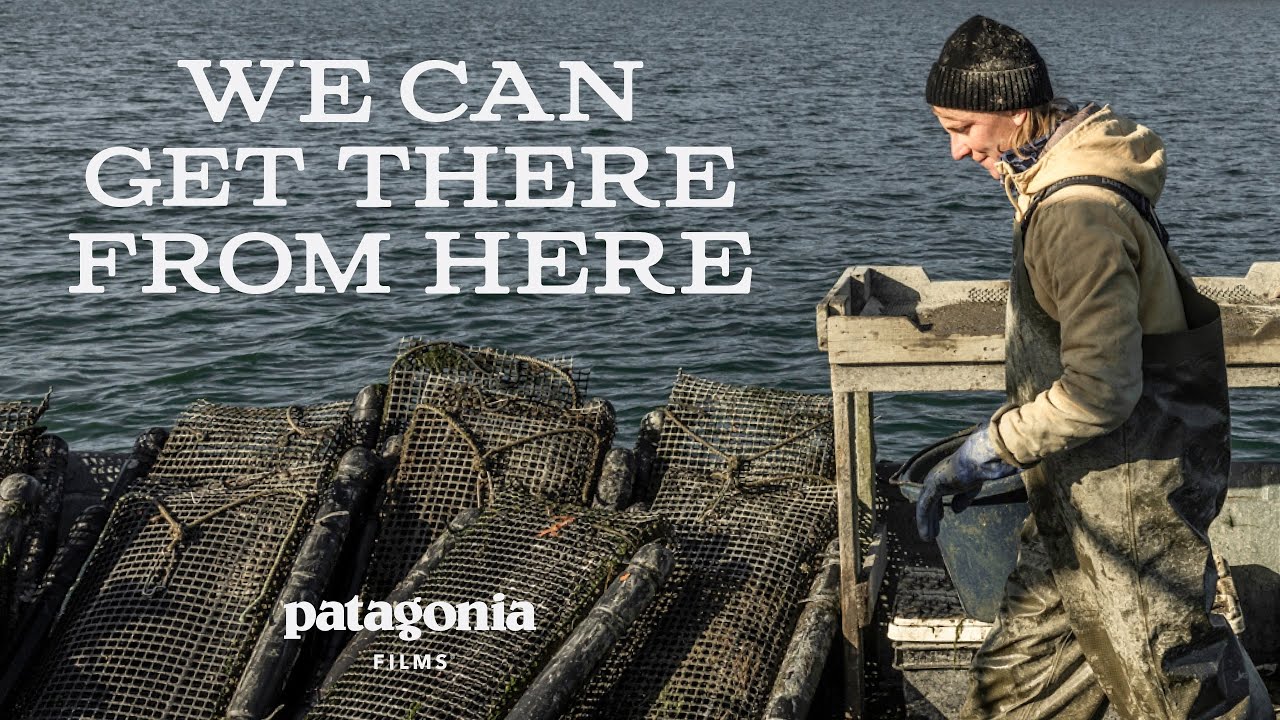
Abby Barrows transforms an oyster farm in Deer Isle, Maine, into a thriving business that champions plastic-free mariculture and sustainable seafood practices.
Mating moose, massive grey seals, and the great golden eagle thrive among the hundreds of islands nestled between Estonia, Sweden, and Finland.
In the High Tatra Mountains, the life cycle of Golden Eagles is explored, highlighting the hatching and development of two chicks amidst their natural behaviors.
Lancaster Hole, a significant cave system beneath the Pennines, reveals extensive river-ways and caverns, showcasing the golden age of British cave exploration.
In 1967, physicist John Wheeler coined the term 'black hole' to describe these gravitational phenomena that challenge our understanding of the universe.
The Great Barrier Reef, a UNESCO World Heritage site, is a vital ecosystem that supports diverse marine life and faces significant environmental threats.
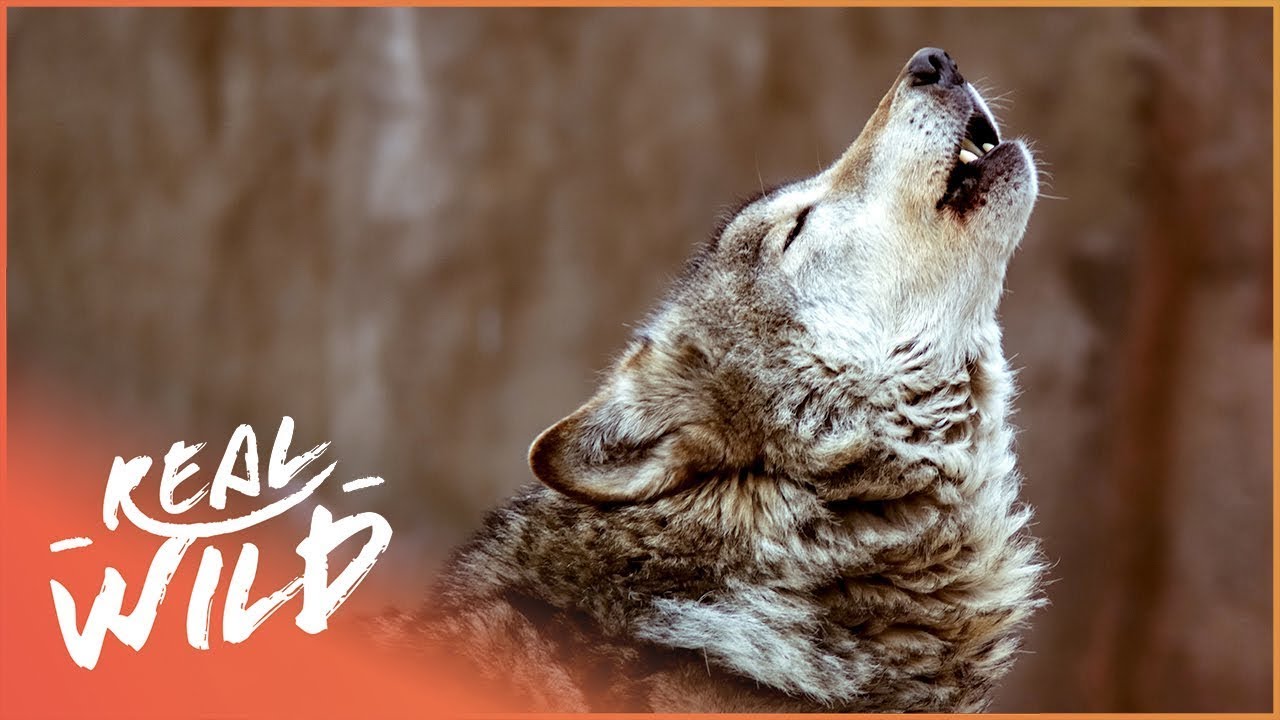
Three leading experts, John and Mary Theberge and Michael Runtz, explore the significance of howling in wolf packs and their complex communication.
Designer babies, enabled by advancements in in vitro fertilization and genetic engineering, raise ethical questions about the future of human reproduction and trait selection.
Justin Yerbury retrained as a research scientist to combat the hereditary ALS that claimed the lives of his family members in the 1990s.
Two brands, each valued at 20 billion euros, have engaged in a century-long competition that has shaped global consumer culture.
Ten episodes explore the secrets of our universe, revealing the mysteries of outer space and the phenomena that shape our cosmic existence.
Over 100 times more radiation was released during the Chernobyl nuclear accident than the atomic bombs dropped on Hiroshima and Nagasaki.
Apollo 7, launched in October 1968, was the first crewed flight of the Apollo program and set the stage for future lunar missions.
Bears exhibit unique features, diverse diets, complex social lives, and significant interactions with humans, highlighting their vital role in the ecosystem.
Controversial behaviorist Dr. Erich Ritter explores shark-human interactions with lemon, bull, and great white sharks, challenging conventional perceptions of these predators.
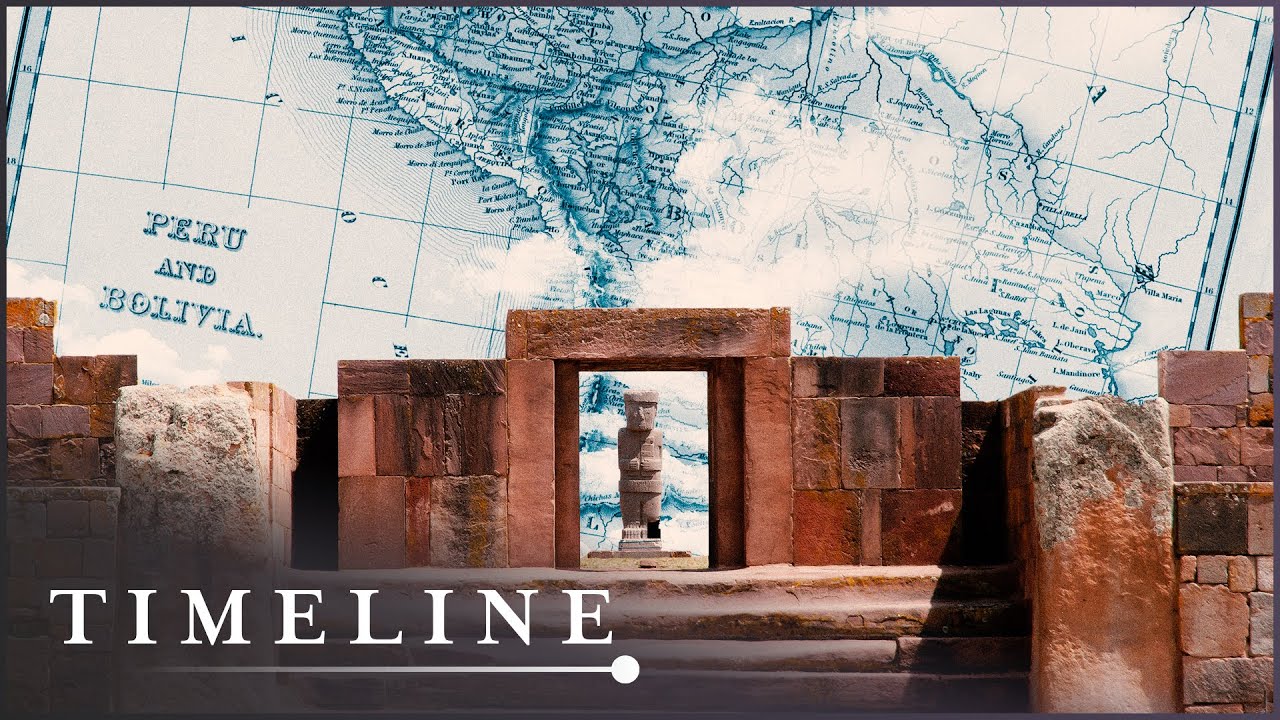
Alexei Vranich tests his theory on how Tiwanaku's monoliths were constructed.
Aviation engineers dismantle a Spitfire to transport it from Duxford to Easton, Maryland.
Mankind looks to nature for solutions that inspire robots mimicking plants and fish.
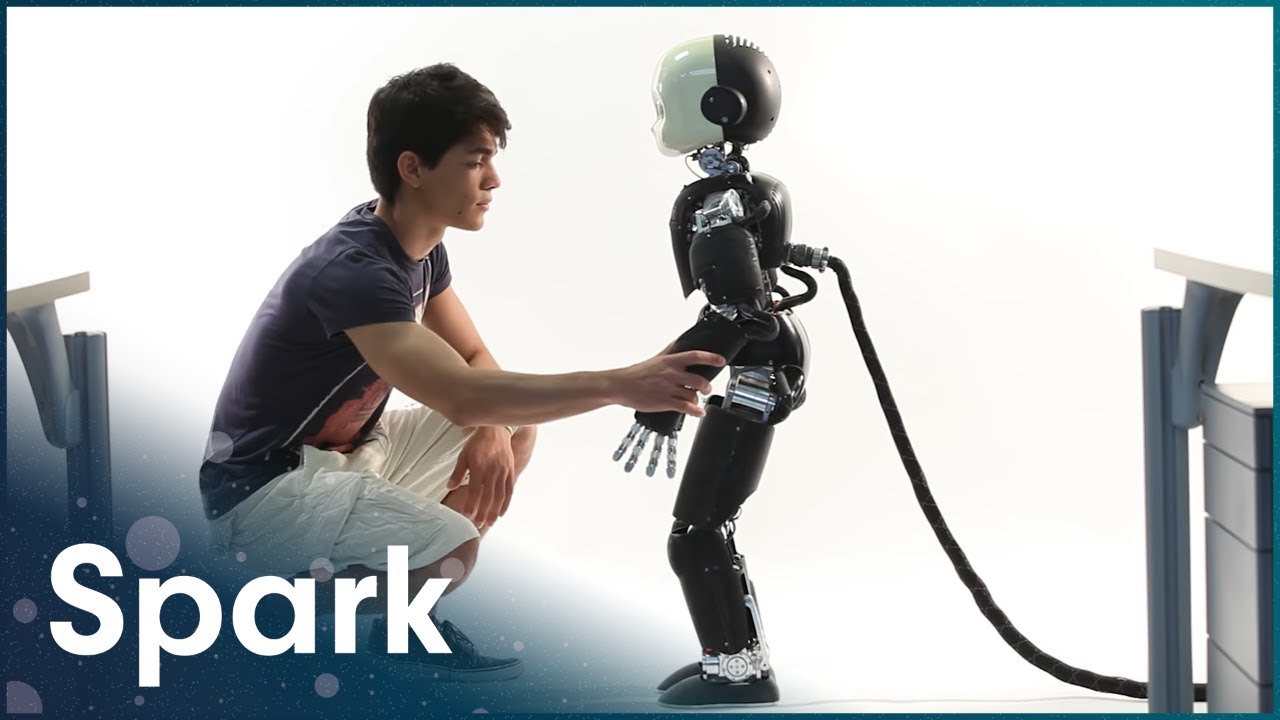
Humanoid robots like iCub and REEM are set to integrate into our daily lives soon.
The Collision Zone highlights the tectonic forces that shaped the Himalayas and the volcanic activity of Indonesia over millions of years.