From over 100,000 films, discover the handful you'll love.
Free or premium access to the world's largest documentary library.
7227 films(Page 119 of 151)
In 2020, scientists reported the detection of phosphine in the atmosphere of Venus, raising questions about the potential for microbial life on the planet.
Fewer than 150 specimens of Sylvia's leaf frog have been recorded, a species identified by Andrew Gray after studying its significant differences from the Splendid leaf frog.
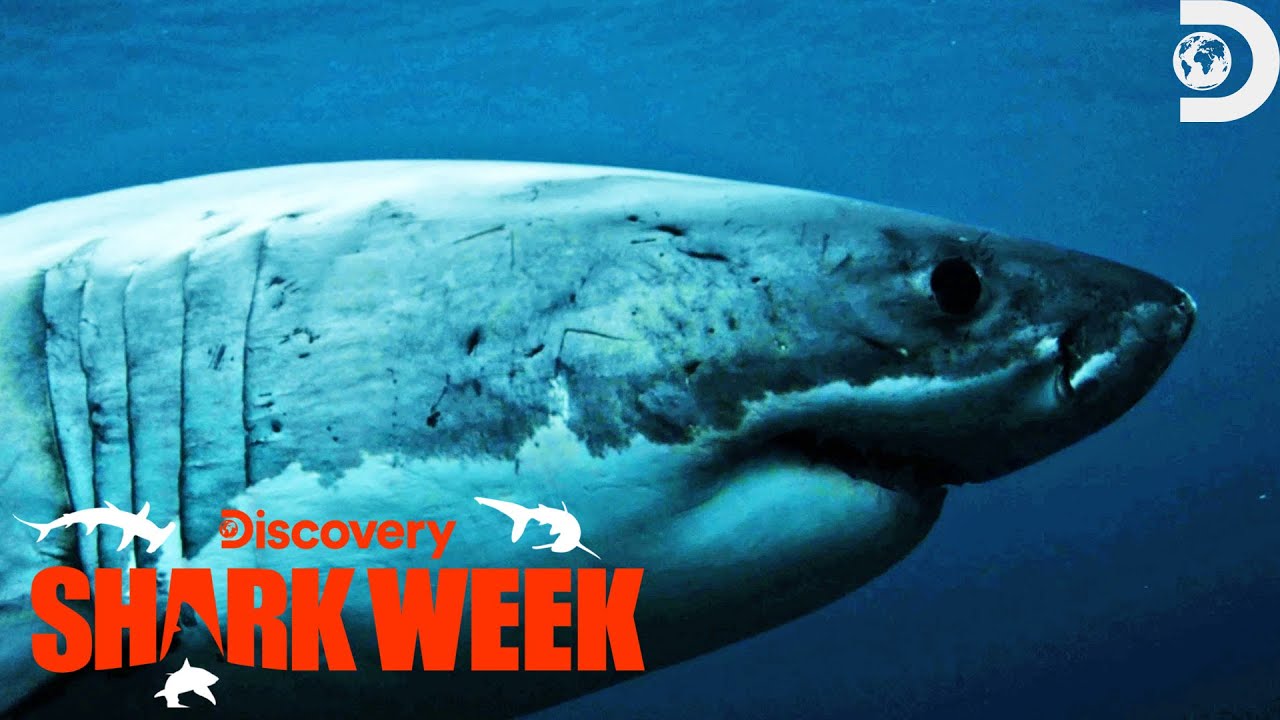
Dozens of pounds of chum are released in an instant, triggering a feeding frenzy among sharks while visibility drops significantly.
Two poisonous snakes are sent by Hera to kill Hercules as a baby, but he squeezes them to death with his infant hands.
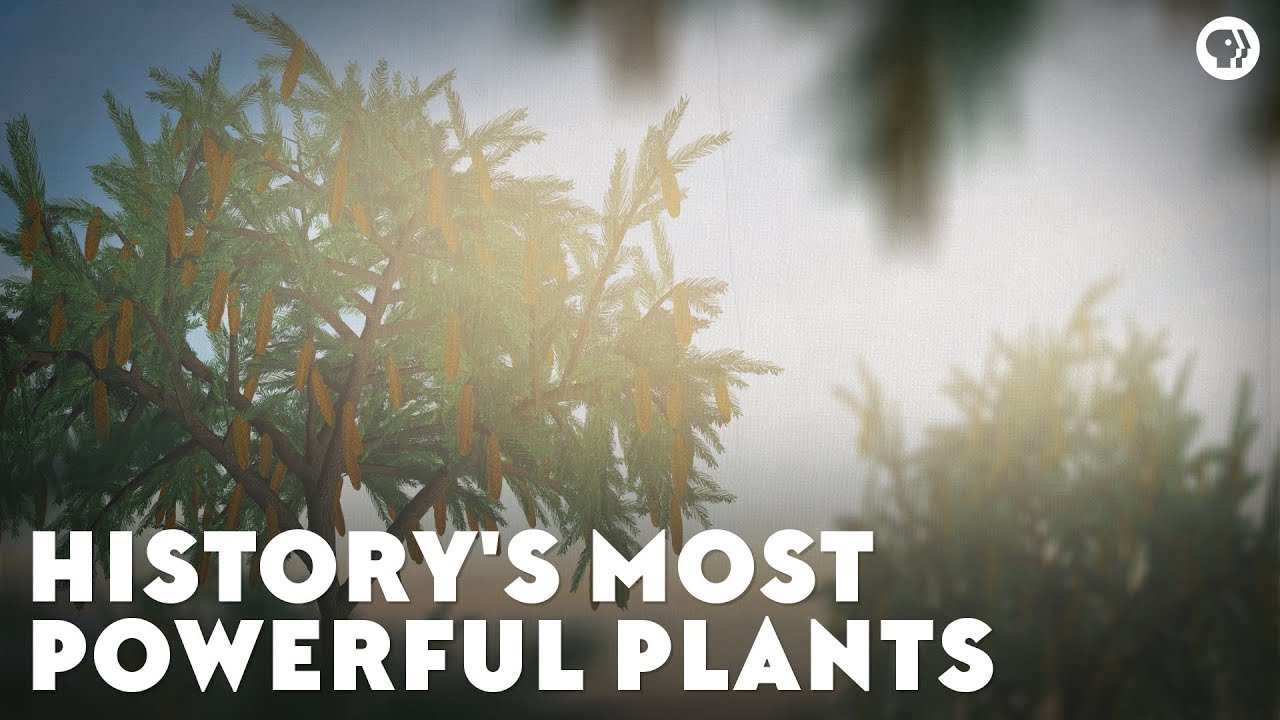
Coal formation is traced back to bizarre plants that thrived across ancient landscapes, from Colorado to China, under immense heat and pressure.
In Würzburg, a society tests supernatural claims for a 10,000 euro prize.
The Ark of the Covenant measures approximately 52 inches long, 31 inches wide, and 31 inches high, made of acacia wood and covered in gold.
A new infrared image of the Horsehead Nebula reveals delicate wisps of gas that are usually obscured by thick dust, marking Hubble's 23rd anniversary.
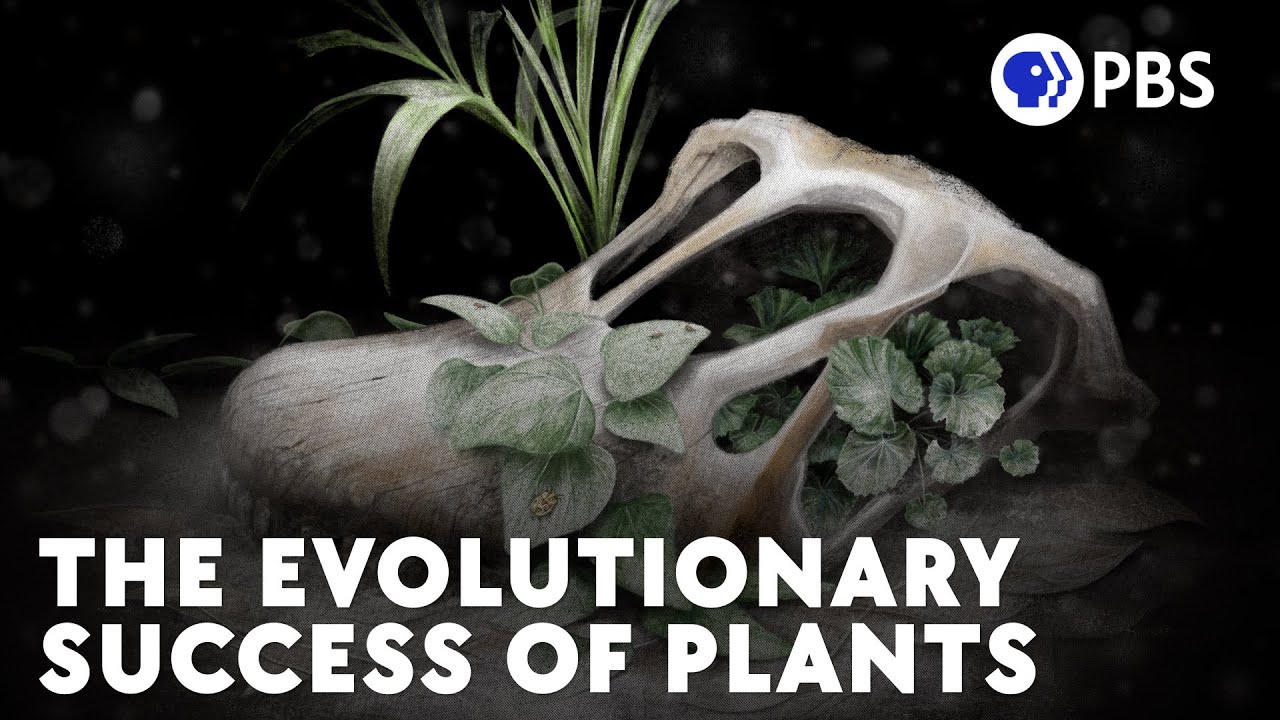
In the aftermath of the K-Pg extinction, research by Franz Anthony highlights how certain plants adapted by increasing their DNA content to survive ecological upheaval.
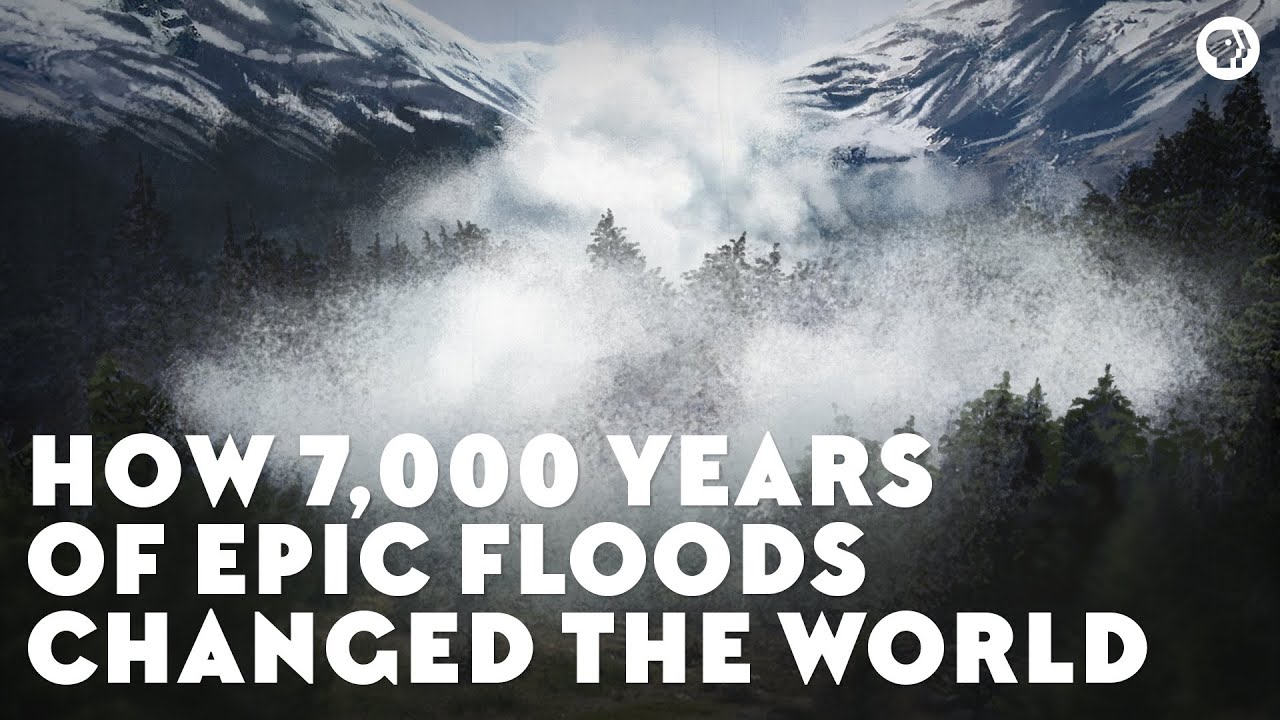
In the Pacific Northwest, ancient geologic landmarks reveal the impact of over 7,000 years of catastrophic floods, reshaping the region's landscape and ecology.
More than 100 Australians with hepatitis C receive life-saving drugs from an Australian man who organizes a buyers club to combat high treatment costs.
The rise of the Tibetan plateau played a crucial role in the evolution of Homotherium, a unique and successful prehistoric cat species.
Titanoboa, the largest snake ever known, thrived in ancient Colombia around 59 million years ago due to the effects of a warming planet.
During the Cenozoic era, a significant mass extinction event led to a relative shrinkage of mammalian brains, influencing evolutionary development.
The Amazon rainforest's transformation into a diverse ecosystem of flowering plants was initiated by a significant mass extinction event millions of years ago.
Josiah Zayner conducts a self-experiment using human feces to replace the bacteria in his intestines, aiming to alleviate his chronic gastrointestinal problems.
A sinkhole in North America has provided insights into the migration of a red panda relative, revealing historical connections between continents.
Toba supervolcano's massive eruption 74,000 years ago significantly impacted human evolution and the environment, as explored through scientific reconstructions.
Yellowstone, a supervolcano in North America, has played a crucial role in creating some of the continent's most remarkable fossil deposits.
A body was sliced into 1-millimeter sections to create a high-resolution digital cadaver for medical education and training.
Harvard scientists are applying sensory feedback techniques to assist medical patients with muscle spasticity in achieving smoother movements.
Ancient rock art in Australia reveals depictions of megafauna, prompting researchers like Professor Bruno David from Monash University to explore their historical existence.
Tiny exoskeleton fragments may have enabled ancient microbes to travel across the ocean, significantly impacting Earth's ecological history.
The evolution of ocean-going whales like Borealodon has significantly influenced deep ocean communities, particularly around geothermal vents, following their death.
The evolution of the butthole represents a significant milestone in animal development, challenging traditional definitions of this anatomical feature.
Cheetahs, toads, bald eagles, monitor lizards, and turtles demonstrate their unique survival strategies in various environments, showcasing their adaptability and resilience.
Polar bears, Arctic foxes, and other wildlife adapt to extreme cold in regions like Antarctica and the Arctic, showcasing their survival strategies.
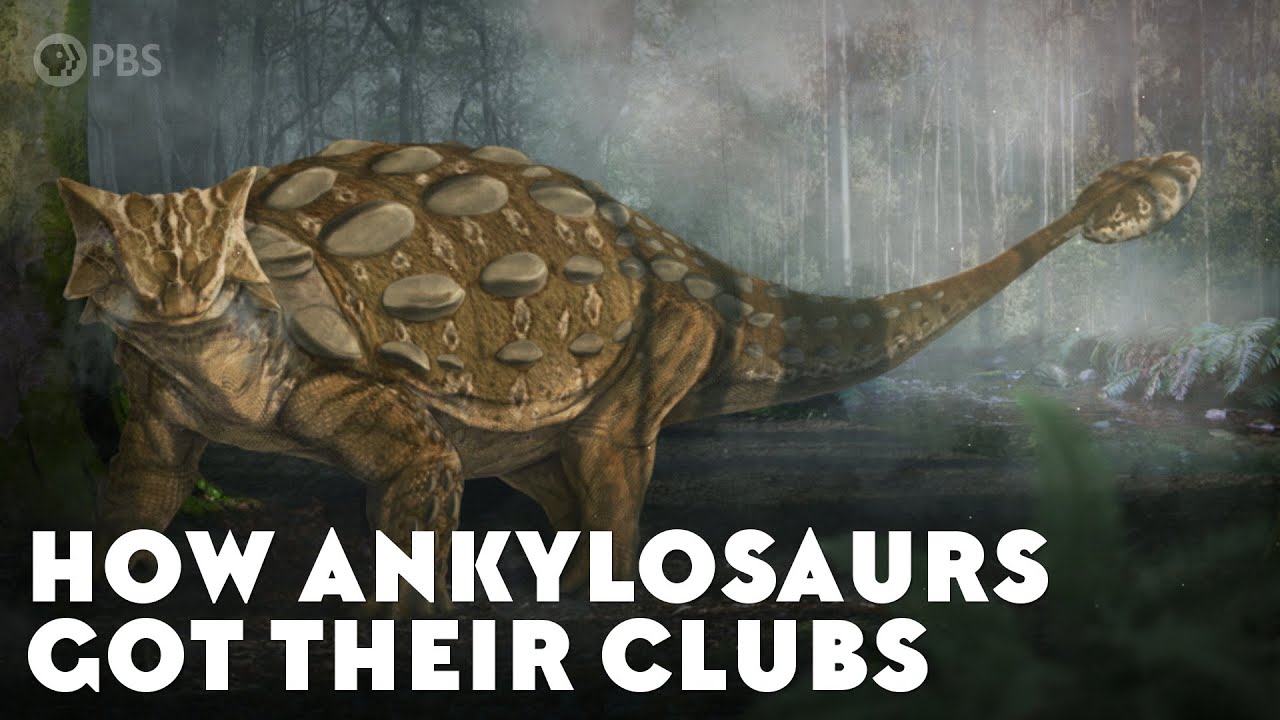
Ankylosaurs, known for their distinctive club-like tails, are examined for the evolutionary development and functional significance of this unique anatomical feature.
Only negatively charged electrons flow in electrical circuits, but quasiparticles, like electron holes, also play a crucial role in modern technology.
A black hole called Sagittarius A*, located 27,000 light years away, was photographed for the first time by astronomers in 2019.
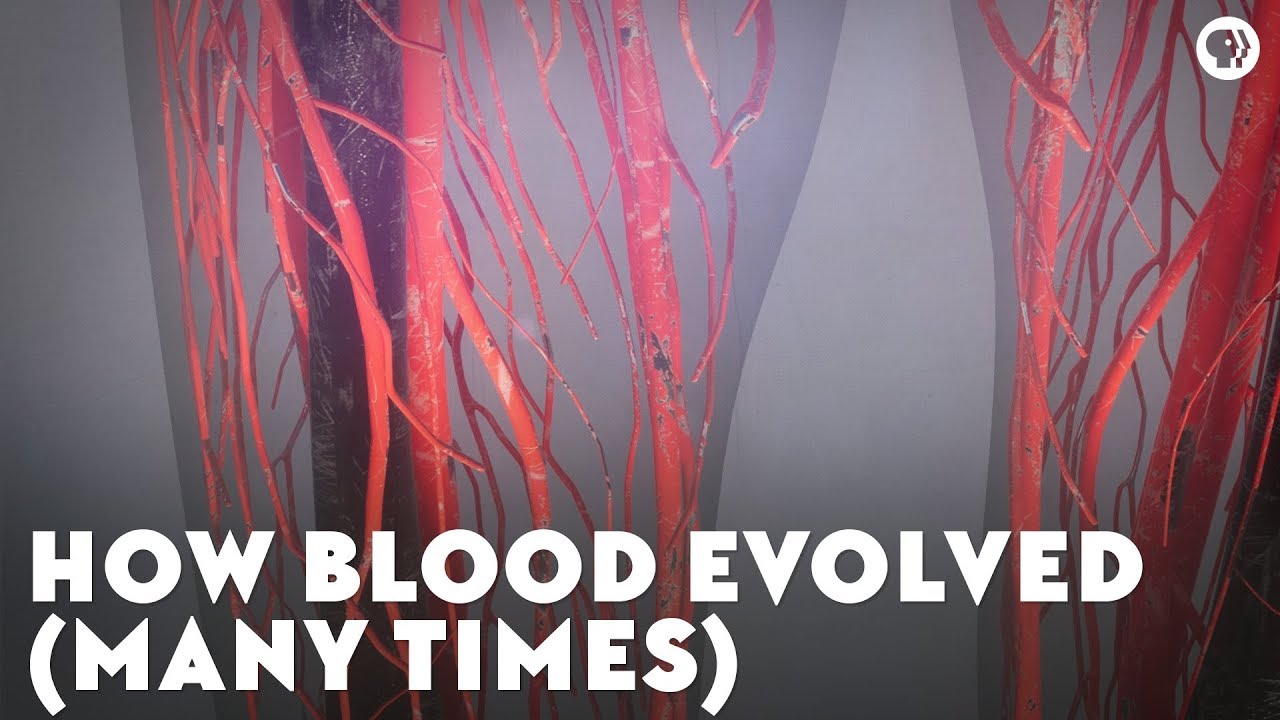
Blood has evolved in various forms, including red, blue, and green, showcasing its transformative role in the evolutionary history of animals over millions of years.
Phil Tro's research group received FDA permission to implant a network of wireless stimulators into the brain of a blind participant, Brian Busard.
The relationship between physical strength and cognitive ability has been intertwined throughout history, challenging the notion that they are mutually exclusive.
A tiny house measuring 85 square feet is transformed on a remote oceanfront plot in Maui, demonstrating the potential for sustainable living.
Scientists face challenges in storing renewable energy efficiently for reliable use.
CERN's Large Hadron Collider accelerates particles to near light speed, aiming to reveal insights into dark matter, extra dimensions, and the Higgs boson.
66 million years ago, the ability to chew food effectively may have enabled tiny mammals and lizard-like reptiles to survive the mass extinction caused by an asteroid impact.
Chilis, the most widely cultivated spice crop globally, evolved their unique heat as a defense mechanism, leading to their widespread culinary popularity.
After 17 years underground, Brood X cicadas emerge in the United States, creating a loud chorus as they compete to attract mates before facing a deadly parasitic fungus.
Crews must catch £18,000 worth of crab during the 2023 Alaskan king crab season while adapting to changing ocean conditions and equipment failures.
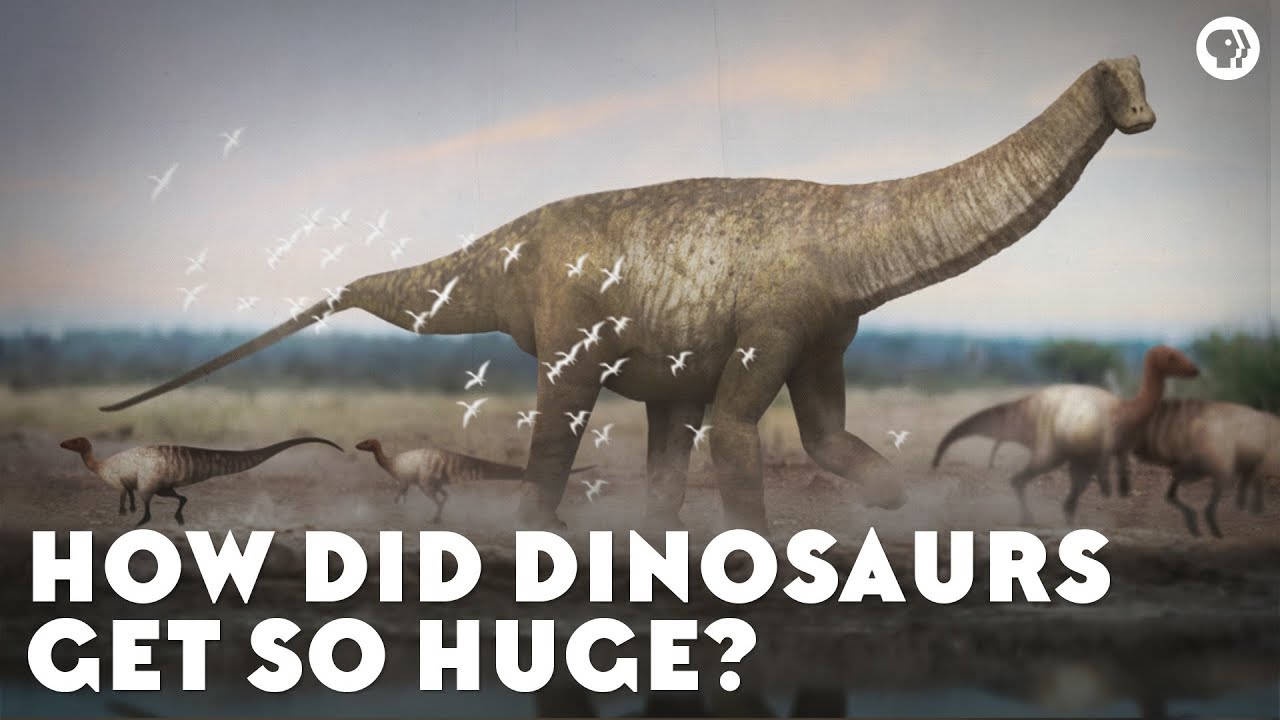
Dinosaurs, some as tall as a five-story building, roamed the Earth during the Jurassic and Cretaceous Periods, showcasing remarkable evolutionary adaptations.
Lucy, the famous fossil ancestor, is at the center of a decades-long debate regarding whether her death resulted from a fall from a tree, highlighting human evolutionary transitions.
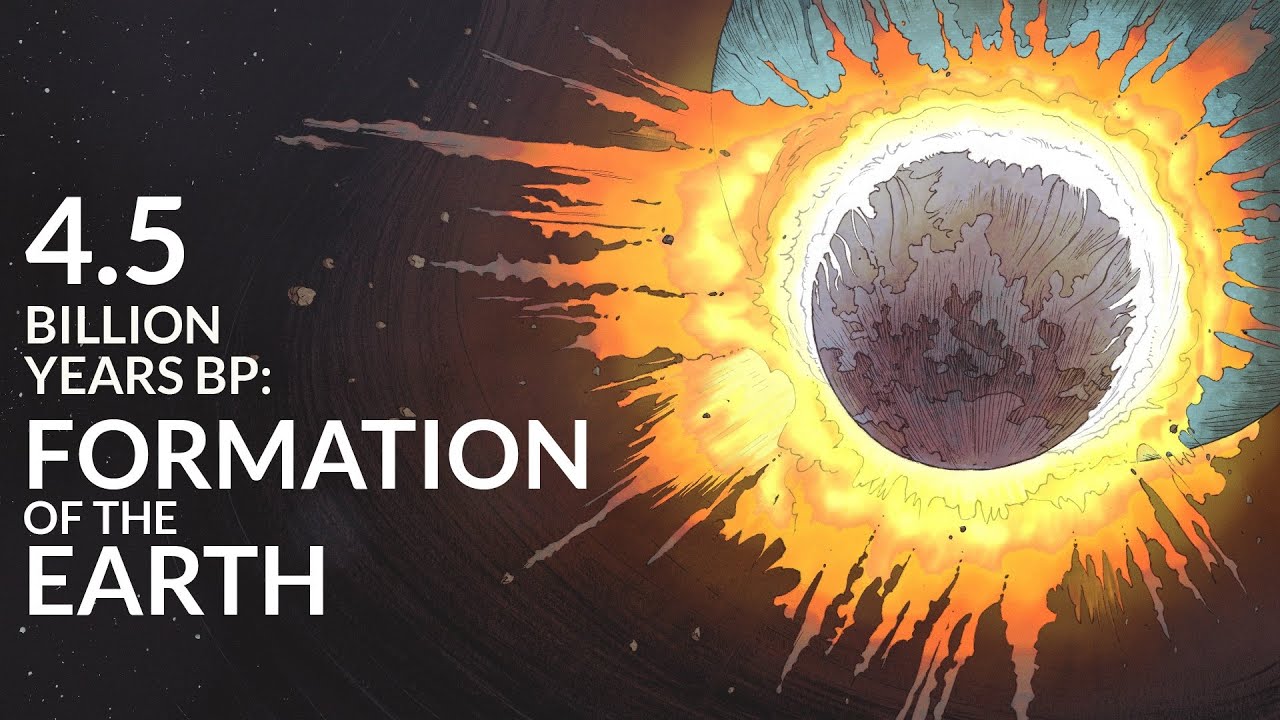
The formation of Earth and the solar system is explained through the process of fractionation and the characteristics of gas giants like Jupiter and Saturn.
Ancient Pictish survival techniques, including blacksmithing and boat building, are examined as Tristan Hughes attempts to replicate their way of life.
The extinction of dinosaurs led to significant ecological changes that facilitated the evolution of diverse fruit species and their respective consumers.
Dinosaur mating behavior is examined through fossil evidence and artistic reconstructions by paleontologists including Xing Lida and Sydney Mohr.
The evolutionary transition from dinosaurs to birds is explored through scientific evidence, including the impact of the asteroid 66 million years ago and new survival theories.
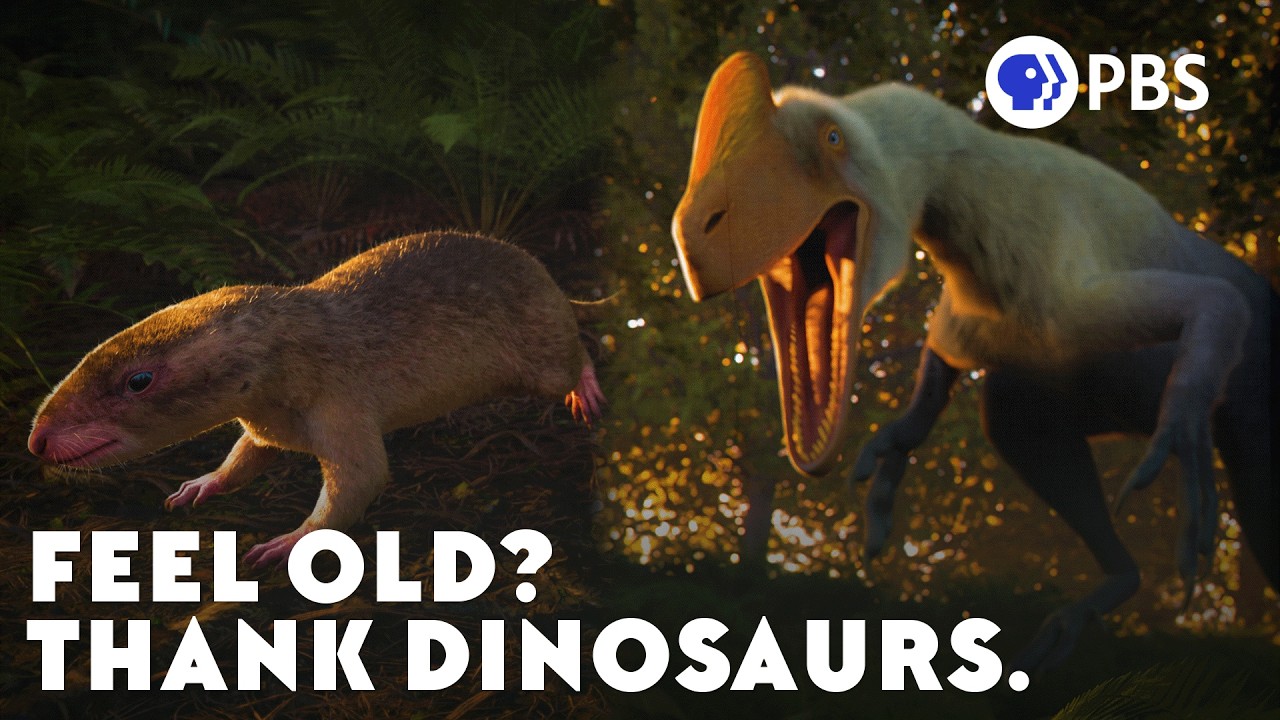
Dinosaurs may have influenced the aging process in modern vertebrates, suggesting a link between their extinction and the accelerated aging of species today.