From over 100,000 films, discover the handful you'll love.
Free or premium access to the world's largest documentary library.
7231 films(Page 44 of 151)
The International Space Station, operational for 23 years, is reaching its limits while new technologies aim to expand human presence in space.
Thousands of pink flamingos migrate to Rio Maximo Reserve in Cuba each June, where Fefo and his team nurture abandoned chicks for eventual release.
Orcas can detect sounds through fat-filled cavities in their lower jaw, allowing them to locate prey with high precision during hunts.
The Atacama Desert is home to the world's largest radio telescope, ALMA, and Mega Transports.
Animal behavior is explored through ten episodes showcasing survival strategies and communication among diverse species, from jellyfish to elephants.
The Iberian lynx, once widespread across the Iberian Peninsula, now survives in two isolated habitats, with conservation efforts underway to connect and revive its dwindling populations.
World-class archaeologists salvage a remarkably intact Ferry Barracuda bomber and excavate significant WWII artifacts from the English Channel and Kent.
Fewer than 300,000 chimpanzees remain in the wild, down from several million a century ago, as scientists investigate their potential for culture.
Hydrogen, with three times the energy density of petrol and a low environmental impact, presents a viable alternative to fossil fuels for future energy needs.
Hartlepool Power Station's safety measures and emergency plans are scrutinized in light of public fears following the Chernobyl disaster.
The Ram Inn, located in Gloucestershire, is investigated by psychic medium Simon and his team, revealing chilling accounts of paranormal activity and guest experiences.
Animals possess extraordinary abilities, such as limb regeneration and hibernation, which scientists are studying for potential medical breakthroughs in human health.
NASA's James Webb Space Telescope aims to enhance understanding of cosmic phenomena and improve strategies for planetary defense against asteroid threats.
Movers tackle the challenging task of transporting a 140-year-old church via Route 41.
An eruption from Yellowstone released an estimated 1,000 cubic kilometers of ash and rock, far surpassing the output of Mount St Helens and Mount Pinatubo.
Lions, crocodiles, bats, and whales demonstrate extraordinary adaptations and hunting strategies essential for survival in their diverse ecosystems.
Sooty Terns and Alvin Shrimp exemplify extreme adaptation, thriving in the volatile Pacific Ring of Fire, where volcanic eruptions shape their survival.
Milestones in space exploration are examined, highlighting the Apollo moon landing, SpaceX's Dragon and Falcon spacecraft, and the Gaia mission's galaxy mapping.
Since the discovery of exoplanets in 1995, scientists have faced significant challenges in identifying habitable planets that can support human life.
In the Upper Rhine Valley, an underground river nourishes unique wetlands that support rare biodiversity, as documented by underwater cameraman Serge Dumont.
Birds of prey and other flying animals utilize specialized senses to navigate, find food, and evade predators in the expansive sky.
Mammoths, once thriving across the globe, adapted remarkably during the Ice Age, with their story traced from Namibia to the North Sea and northern Canada.
NASA's Phoenix Lander successfully touched down on Mars on May 25, 2008, to search for signs of water and the potential for life on the planet.
Exoplanets, located beyond our solar system, may possess conditions suitable for human life, raising questions about their habitability and accessibility.
1,000 years ago, Chinese researchers created black powder, which has since evolved into explosives used in construction, mining, and military applications.
Childhood behaviors identified in the Dunedin Longitudinal Study predict adult stability and success, offering insights into future outcomes for individuals.
In winter, the Noto Peninsula's waters teem with unusual marine life, including blanket octopuses, giant squid, and deep-sea oarfish.
Mireya Mayor, a former Miami Dolphins cheerleader and field biologist, shares her experiences and adventures in wildlife exploration across various ecosystems.
A saltwater crocodile can exert a bite force of up to two tons, strong enough to puncture metal and crush its prey.
A substantial vertebrate species was recently identified in the Canary Islands, challenging the notion that significant animal discoveries are limited to remote rainforests.
In Nova Scotia, palaeontologists led by Dr. Tim Fedak race against rising tides to excavate Canada's oldest dinosaur bones and potentially identify a new species.
Mysterious glowing orbs and unexplained aerial phenomena are examined through expert analysis and technology in a compilation of compelling cases from The Proof Is Out There.
In the Mediterranean region, geologist Dr Iain Stewart examines the seismic activity in Greece, Turkey, and Jordan, revealing its impact on human history and geology.
The ancient Maya civilization, known for its towering temples and powerful kingdoms, faced a mysterious collapse that modern archaeology seeks to explain.
In 1868, Mauna Loa erupted in Hawaii, releasing enough lava to cover 40 percent of the Big Island, a phenomenon mirrored in a 1950 eruption.
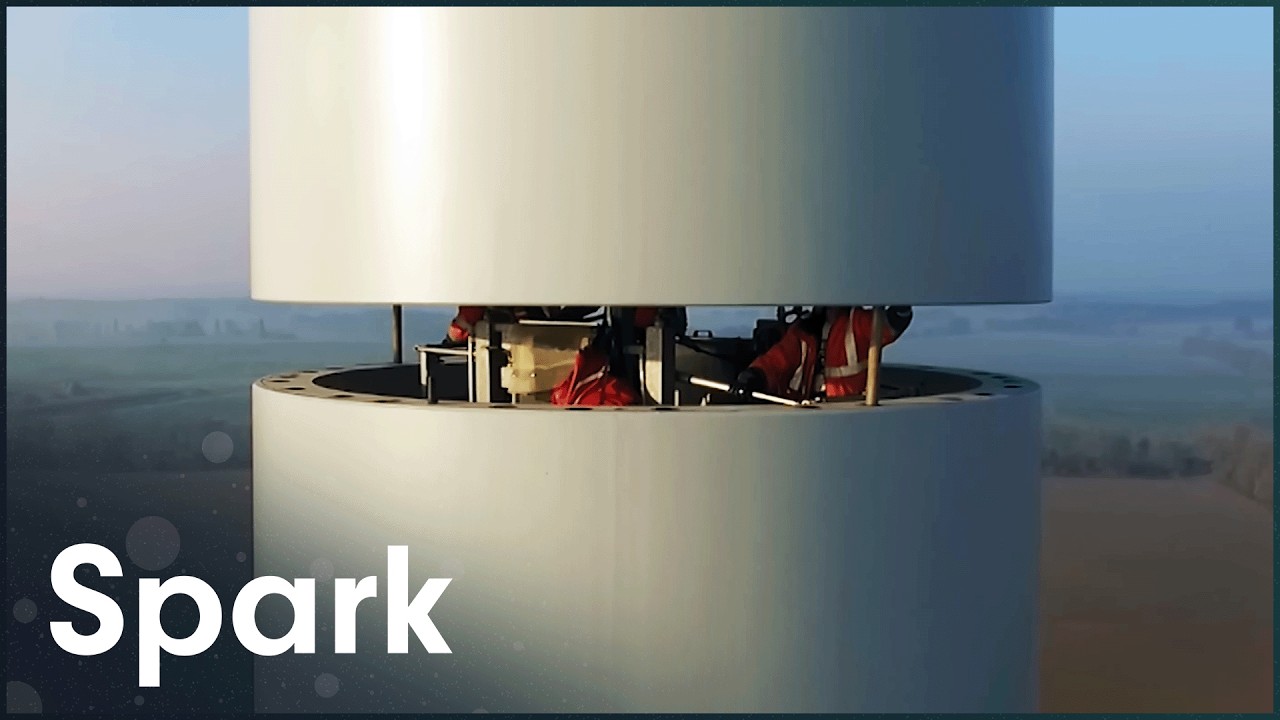
Massive onshore and offshore wind turbines are engineered through precise assembly of rotor blades and tower segments, utilizing advanced robotics and safety protocols.
Guyana's wild savannahs teem with diverse wildlife, including giant otters, jaguars, and the unique mating rituals of the cock of the rock.
Insects demonstrate extraordinary diversity and adaptability, with their wings and exoskeletons crucial for survival and reproduction through sexual dimorphism.
Henry P. Glass designed a living room suite for the William Brenner furniture corporation in 1952, featured in reruns of I Love Lucy.
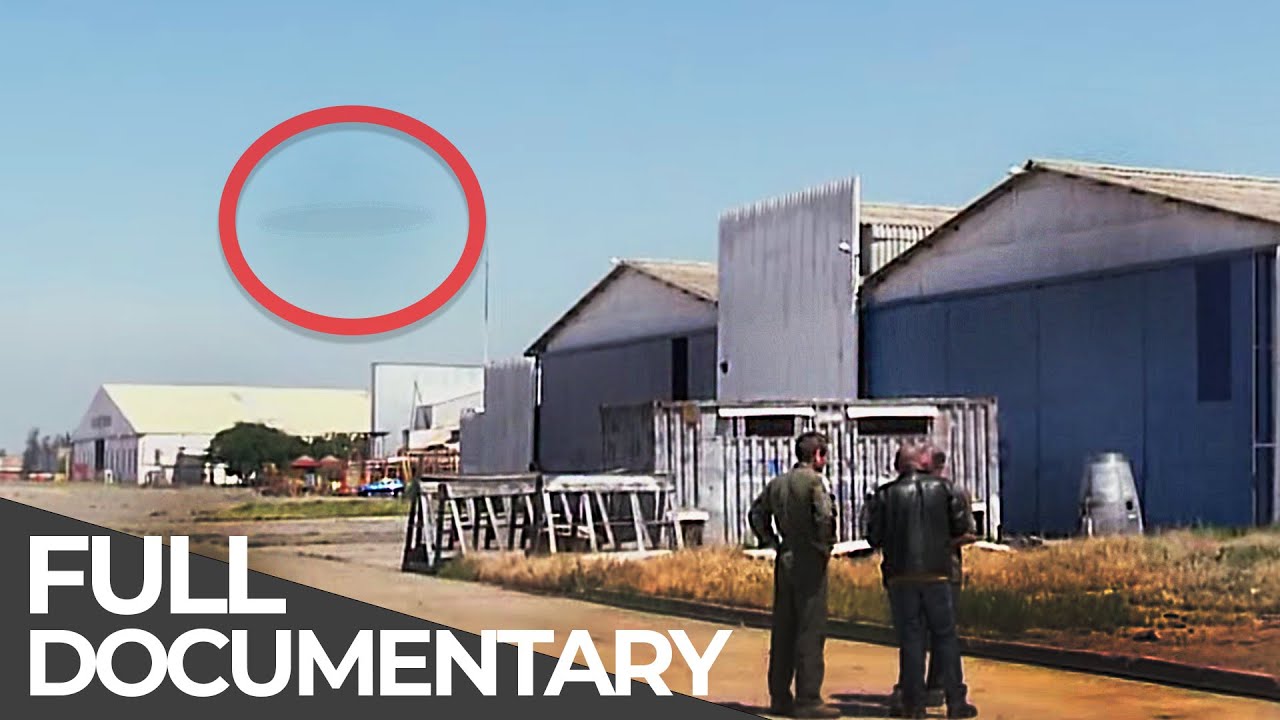
In Chile, Shaun Ryder visits an Air Force Base linked to a prominent UFO sighting and speaks with pilots and CEFAA officials about unexplained aerial phenomena.
Telescopes allow astronomers to look back nearly 13 billion years to the Big Bang, revealing the universe's structure and evolution over time.
Animals utilize their senses-sight, smell, taste, touch, and hearing-to communicate for mating, territory defense, and predation strategies.
NASA's Artemis program aims to return astronauts to the Moon for the first time in over 50 years, focusing on sustainable lunar exploration and future Mars missions.
Human beings struggle to navigate underwater environments due to impaired vision, muffled hearing, and a lack of smell, unlike marine animals with specialized senses.
The Big Bang theory, supported by the James Webb Space Telescope's findings, prompts a reevaluation of cosmic inflation, dark matter, and galaxy formation.
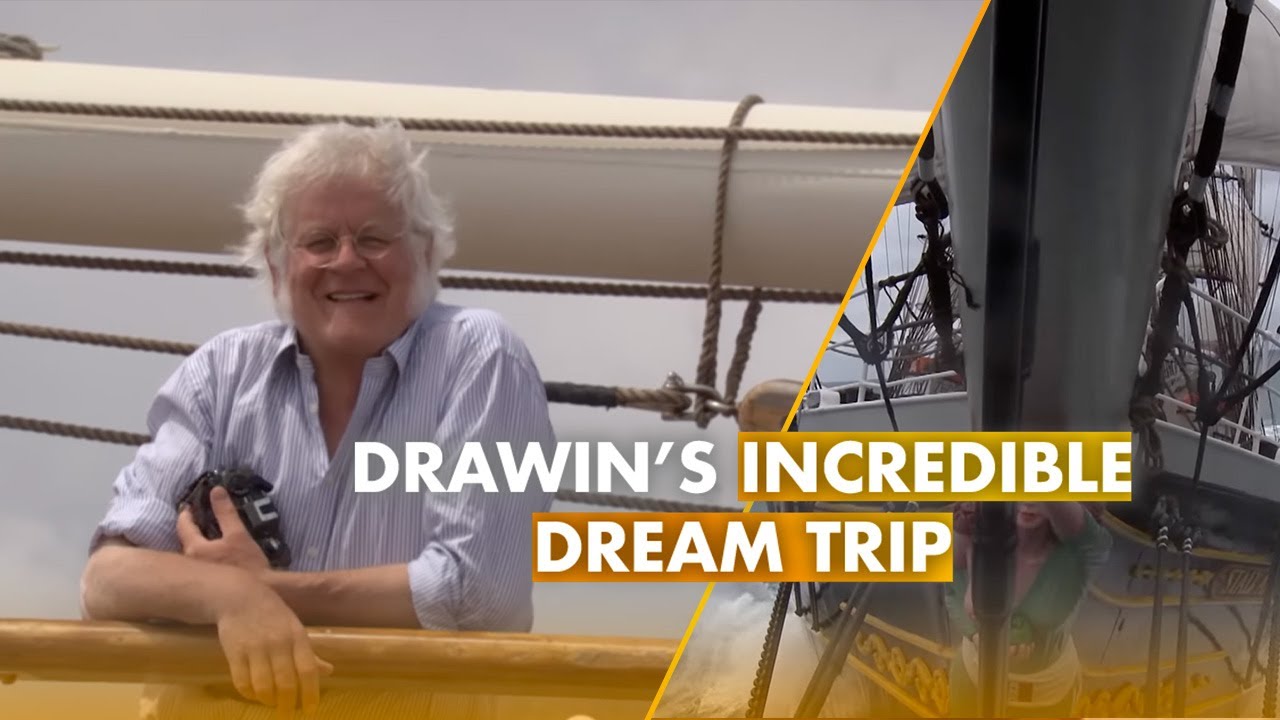
Sarah Darwin and author Redmond O’Hanlon retrace Charles Darwin's 1831 voyage on the HMS Beagle, exploring its impact on modern science across multiple continents.
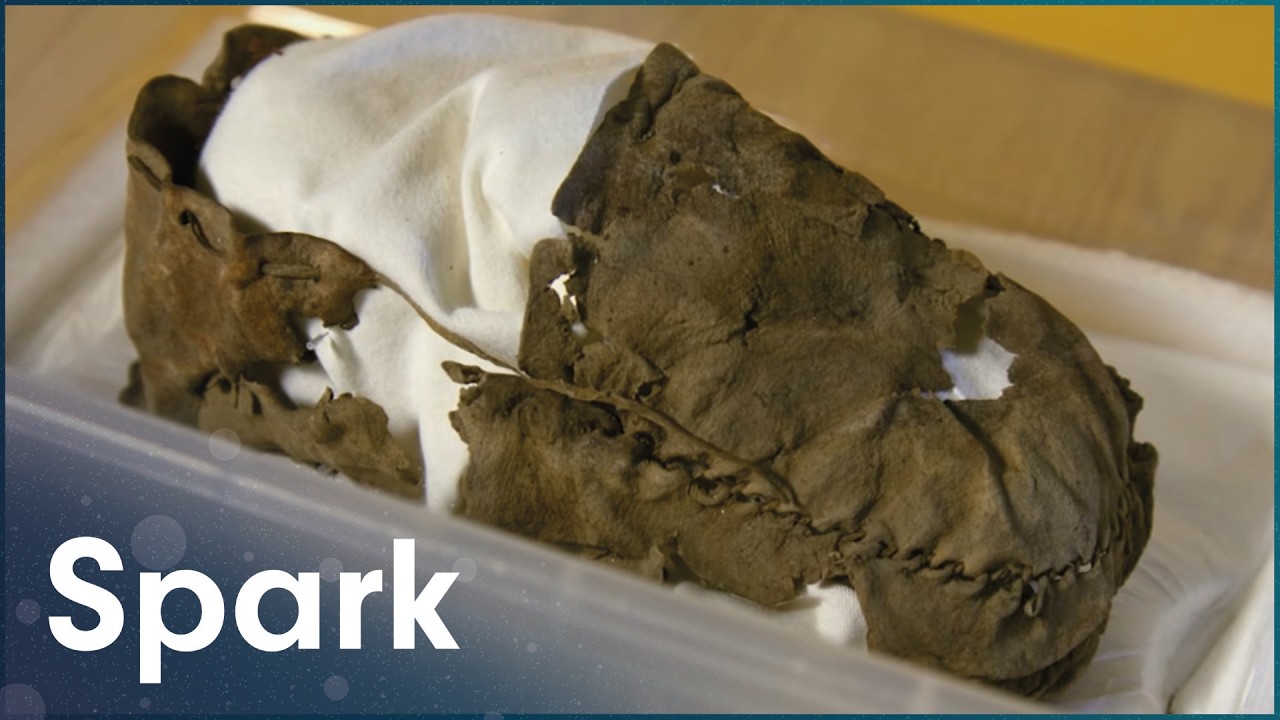
Ancient ice patches in the Yukon and Norway are revealing well-preserved artifacts and human remains, offering insights into the lives of early peoples.
13.8 billion years ago, the universe began with the Big Bang, a moment that set the stage for the fundamental particles that shape all matter today.