From over 100,000 films, discover the handful you'll love.
Free or premium access to the world's largest documentary library.
7235 films(Page 32 of 151)
Eyam, a village in Derbyshire, is examined for its potential genetic mutation that may have enabled its residents to survive the Black Death and could inform AIDS research.
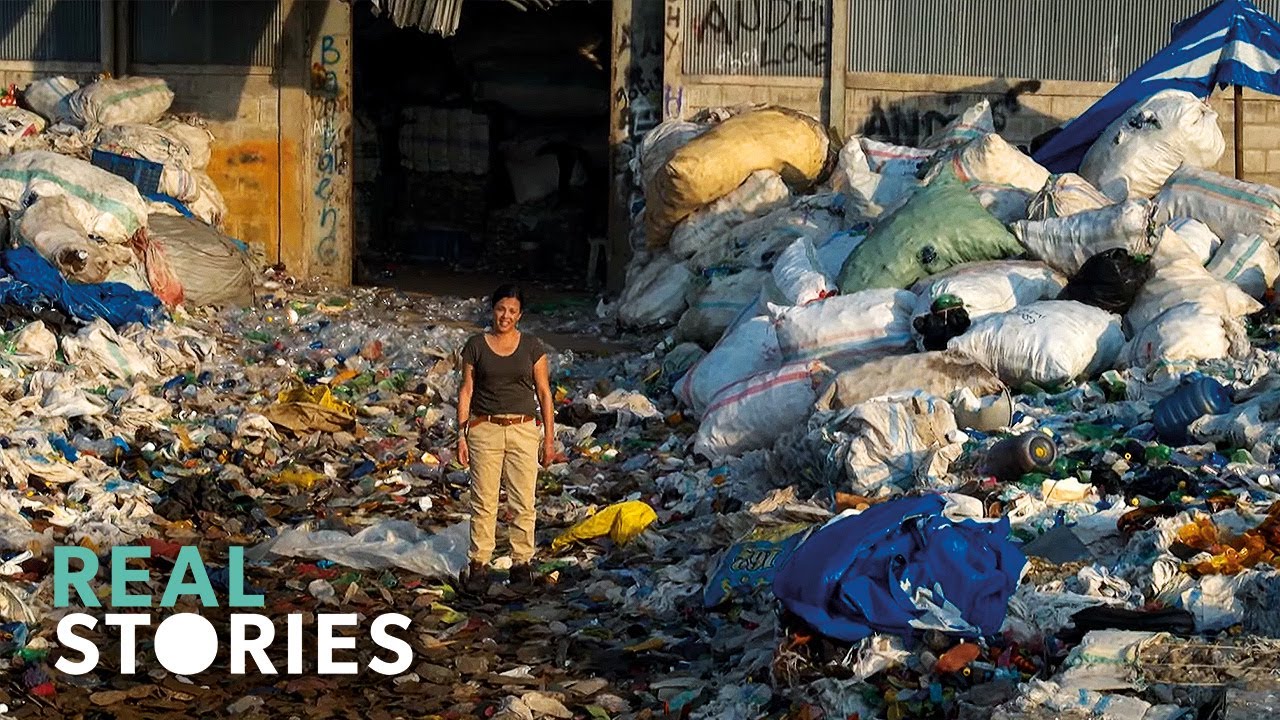
Trillions of plastic pieces threaten marine life and ecosystems, prompting wildlife biologist Liz Bonnin to explore the urgent implications for all living beings.
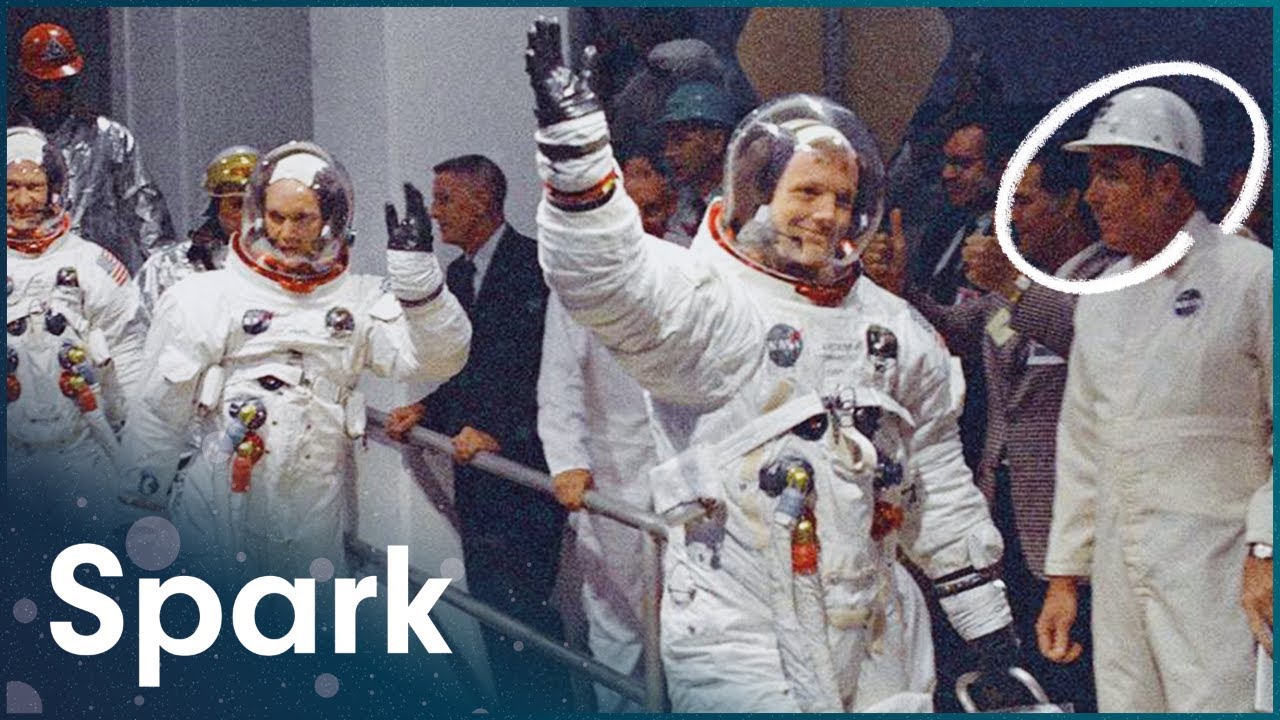
Half a million people contributed to the Apollo program, a monumental effort that reshaped space exploration and technology in the 20th century.
Skunks, often misunderstood for their strong odor, play a vital role in the ecosystem and possess a variety of intriguing traits beyond their scent.
Humpback whales around Rurutu in Polynesia are studied by Dr Michael Poole and Dr Cecile Gaspar, utilizing freediver Frederic to enhance population monitoring efforts.
Fewer than 300,000 chimpanzees remain in the wild, with researchers in Uganda studying their social learning and tool use to understand their behavior.
Agatha Christie sold over 2.3 billion books, making her the most widely published author of all time, second only to Shakespeare.
Kamchatka, a remote Siberian peninsula with a rich wildlife and history of isolation, faces new opportunities as tourism revitalizes its resilient communities.
Artificial intelligence raises critical questions about its attainability, desirability, and potential to surpass human intelligence, as debated by leading experts.
Sharks are often misrepresented in myths and legends, yet they are vital to ocean ecosystems, showcasing both beauty and danger.
Future missions to Mars and Jupiter aim to gather data that could reveal the existence of life beyond Earth and reshape humanity's understanding of the cosmos.
Panna Tiger Reserve in Madhya Pradesh, India, faces the threat of illegal diamond mining, challenging conservation efforts in this vital ecosystem.
The legend of El Dorado, sought by Spanish conquistadors, is explored through the efforts of explorers like Thierry Jamin in Peru and José Pérez-Gómez in Venezuela.
In the Mediterranean, underwater filmmaker Thomas Behrend captures sperm whales and monk seals, revealing their habitats and the challenges they face.
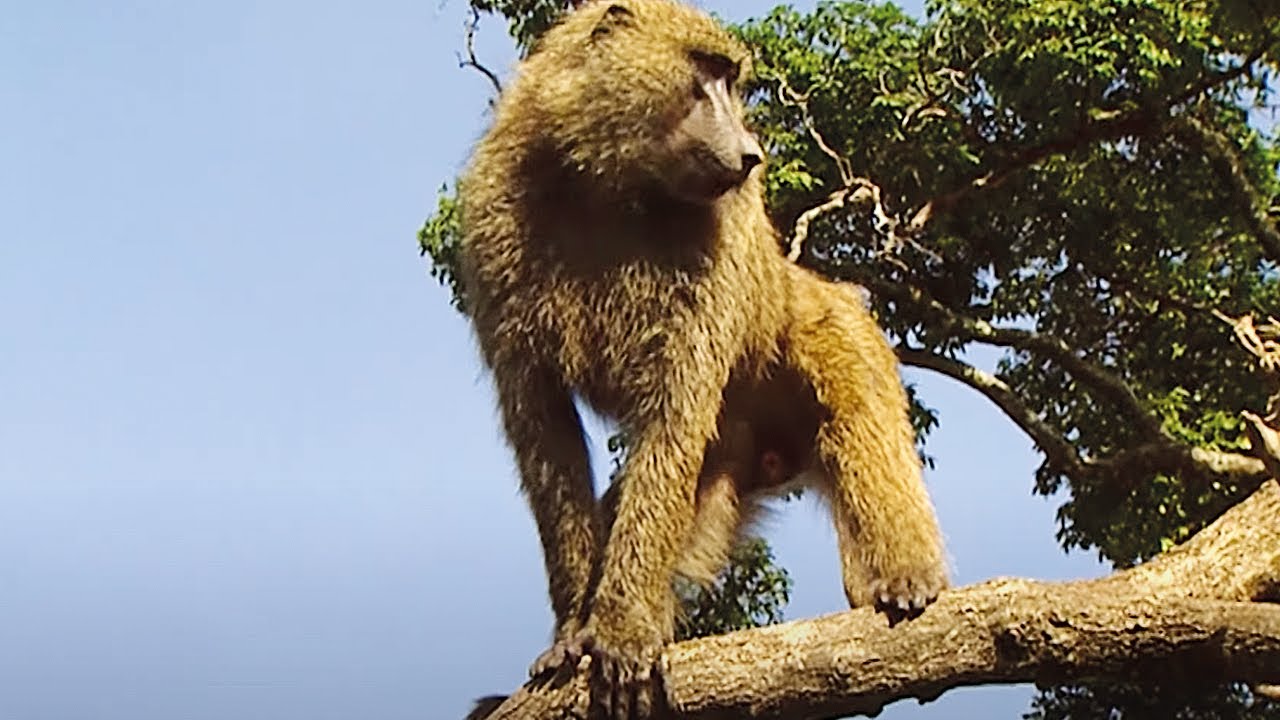
A fig tree with a trunk six meters in circumference serves as the central habitat for a troop of olive baboons in the Maasai Mara.
Large, shaggy, two-legged creatures have sparked global intrigue, prompting investigations into sightings, hoaxes, and the iconic Patterson-Gimlin film.
Hessdalen Lights, a phenomenon of mysterious orbs in a remote Norwegian valley, challenge scientists seeking to capture definitive evidence of their existence.
Great white sharks have existed for over 500 million years and play a crucial role in maintaining the health of marine ecosystems.
Jumboization involves cutting old ships in half and using advanced engineering techniques to stretch them, addressing the cruise industry's demand for larger vessels.
William Shatner discusses apocalyptic predictions with a man fearing a 2012 super-volcano eruption, NASA experts on solar flares, and futurist Ray Kurzweil on robot takeovers.
Peregrine falcons, known for their incredible speed of 320 kph, are featured alongside vibrant parrots, bees, holy cows, and black rats in this episode of Amazing Animals.
The Grand Canyon's formation is explored through the interplay of tectonic uplift, erosion, and the Colorado River's powerful forces over millions of years.
Massive plant-eating dinosaurs are examined through the insights of paleontologist Jim Farlo and track expert Martin Lley, utilizing modern technology to enhance understanding.
Walruses possess enormous teeth and thick fat layers for survival in the Polar Seas.
In 2020, North America reported 8,500 UFO sightings, with modern technology enabling the capture of compelling visual evidence and personal accounts from witnesses.
Wormholes are theorized as potential gateways across vast distances in space and time, with connections to ancient accounts and modern scientific theories.
Bridge maintenance teams play a crucial role in ensuring the safety and longevity of these essential structures that support daily life and global industry.
On June 14, 1991, Mount Pinatubo erupted after 600 years of dormancy, resulting in 850 fatalities and significant global climatic impacts.
The eventual demise of the universe is dictated by the second law of thermodynamics and entropy, shaping the cosmos from its inception to its end.
Cristina Dorador's mission in the Atacama Desert focuses on finding new antibiotics while addressing the ecological and social impacts of lithium mining.
In 2019, space nations including China, Japan, and the United States reignite lunar exploration ambitions, exploring the feasibility of moon bases and tourism.
James Cameron returns to Bikini Atoll 23 years after witnessing nuclear testing, exploring the impact of the bomb and the restoration efforts for displaced islanders.
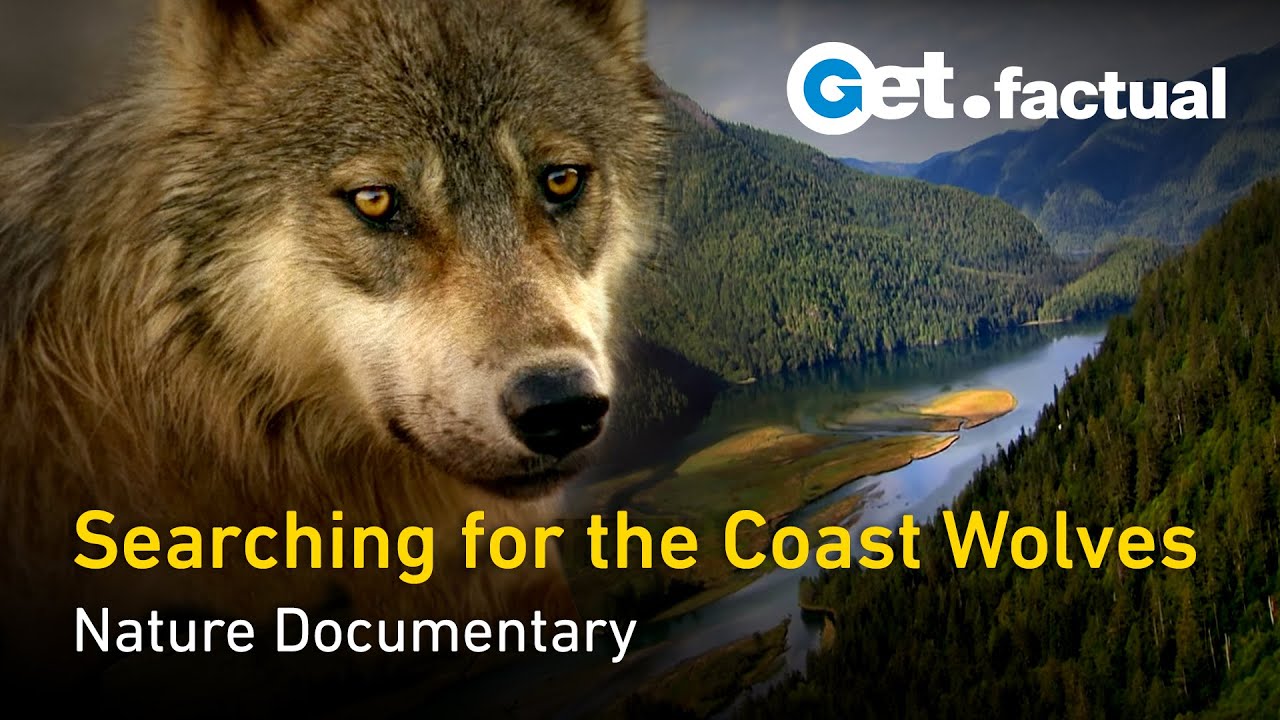
Less than 10% of the Great Bear Rainforest in British Columbia is currently protected from commercial logging, threatening the habitat of coast wolves.
Singapore's ambitious greening project features three massive gardens, spanning 177 football pitches, designed to enhance urban livability in a densely populated area.
An amateur hiker falls down a mountain and finds himself trapped on a small ledge, facing the harsh realities of survival against the elements.
Forensic experts utilize advanced techniques in fire investigations to solve complex homicide cases involving life insurance fraud and clandestine affairs.
Venom was created 600 million years ago by tiny living creatures in the oceans that combined peptides and proteins into lethal cocktails.
Australia's tropical Top End is home to lethal predators like Saltwater Crocodiles and Box Jellyfish, thriving in a landscape of extremes.
Extreme weather phenomena are examined through daring experiments that reveal the powerful forces shaping Earth's climate and atmospheric dynamics.
A 130-foot asteroid could strike New York City, causing serious injuries or fatalities to 80% of the population within a five-mile radius.
Australia's interior hosts a fierce evolutionary battle among predators and prey, featuring venomous snakes, feral cats, and formidable dingoes.
A probe with a nuclear warhead 800 times more powerful than the atomic bomb dropped on Hiroshima has been launched to deflect an incoming comet.
Manganese nodules, found at depths of four kilometers in the Pacific, are considered a potential new source of metals for modern technology.
Humpback whales, measuring up to 45 feet long, gather in the Caribbean each winter to mate and give birth, revealing critical aspects of their lives.
Around four billion years ago, life began on Earth with a single cell, leading to approximately 1.8 million identified species today.
Britain's archaeological mysteries reveal ancient burial rituals, Bronze Age treasures, and the impact of extreme climates on prehistoric life.
Toads migrate to wetlands at night, guided by the Earth's magnetic fields and stars, challenging long-held beliefs about their nature.
A hundred electrodes on a microchip implanted in Kevin Warwick's arm connect to his nervous system, allowing him to control devices with his thoughts.