From over 100,000 films, discover the handful you'll love.
Free or premium access to the world's largest documentary library.
7227 films(Page 108 of 151)
Forrest Galante travels to Stream Island to study Walking Sharks and highlight the importance of marine conservation and biodiversity.
Meet the Malabar Pit Viper, a snake that disappears into the forest and strikes with deadly venom.
The USS Vinson uses 300-year-old steam technology in its advanced aircraft carrier operations.
The Himba people of Namibia have a unique view on infidelity and parenthood, with 17% of children born out of wedlock.
Senebkai, a forgotten pharaoh, challenges traditional views of Egyptian dynasties and warfare.
Each astronaut would require more than 4,000 pounds of food over a three-year trip to Mars, costing approximately $320 million per person.
This episode highlights pristine water sources in Clear, Arkansas, and their cultural significance.
Less than 400,000 homes worldwide are powered by existing tidal power plants, despite the potential to supply all U.S. homes twice over.
The Bermuda Triangle, infamous for its unexplained disappearances, serves as a case study for exploring various time-travel theories and their implications.
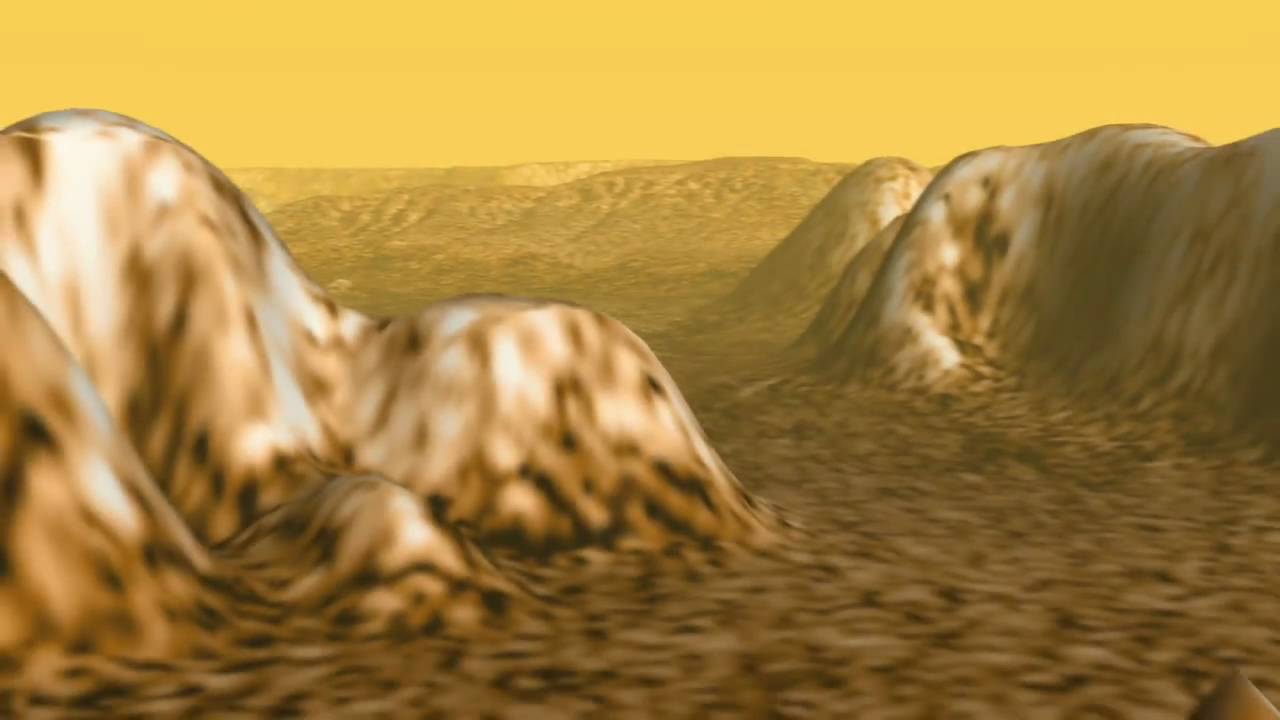
Radar data reveals that Titan has areas of carst topography similar to places on Earth like Jamaica and Puerto Rico, formed by liquid methane.
Titan, Saturn's largest moon, features a complex weather system with liquid hydrocarbons like methane and ethane, challenging our understanding of planetary atmospheres.
Check out the life-size titanoboa replica coming to the Smithsonian Institution Traveling Exhibition Service.
The titanoboa, a prehistoric monster snake, could swallow prey whole, even motorcycles.
Carlos Jaramillo discusses Titanoboa and fossil discoveries at the Smithsonian Tropical Research Institute.
A 48-foot prehistoric snake, Titanoboa, killed by constriction with a pressure of 400 pounds per square inch, challenges the Tyrannosaurus rex in a hypothetical battle.
Its Tony replaces a water pump on his Chevy truck, improving its temperature gauge significantly.
Dust devils form on Earth and Mars, visible due to the dust they lift from the ground.
A storm chaser captures a tornado, urging viewers to find their safe place amid the chaos.
The Barcode of Life initiative aims to catalog plant and animal species to enhance medical research and promote biodiversity conservation.
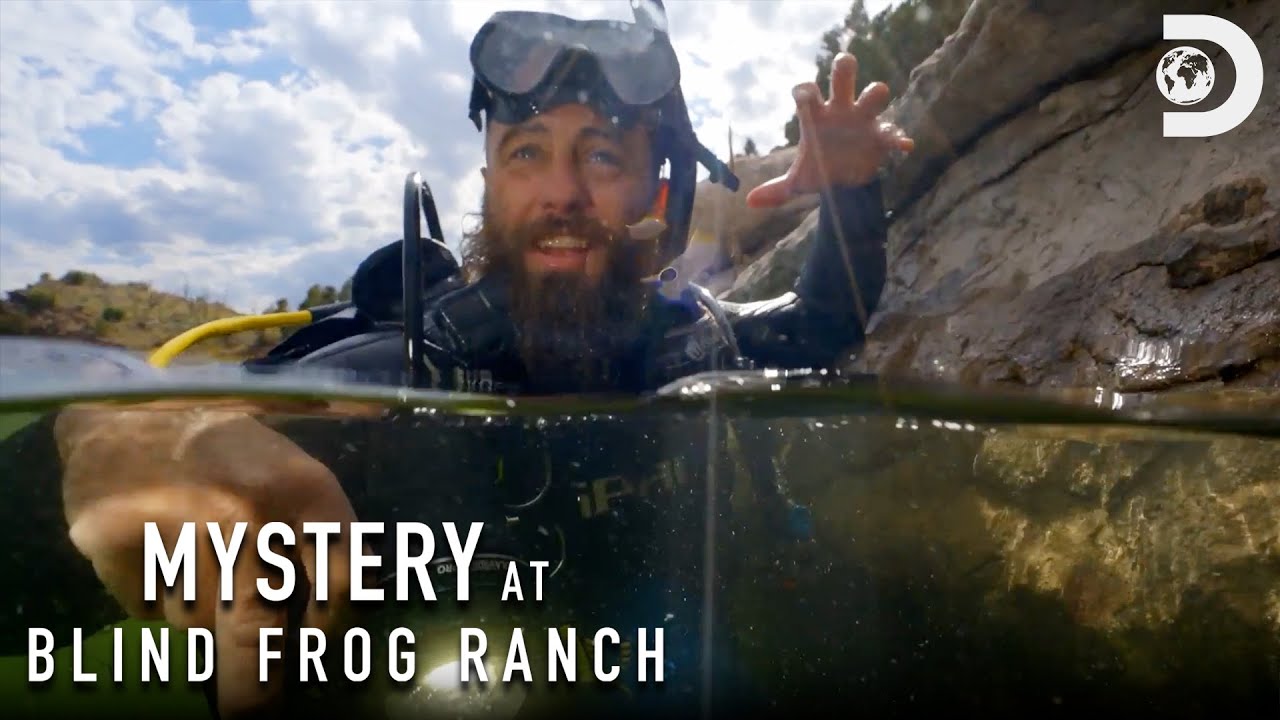
At Blind Frog Ranch, Duane Ollinger leads a team using tracking beacons to explore underwater caves in search of a rumored treasure of gold.
An enormous skull with a single eye socket, found in the Midwest, raises questions about ancient Greek myths of Cyclops and modern scientific interpretations.
This feature documentary reveals the tukdam phenomenon among Tibetan Buddhists after death.
The clip shows twins interacting in the womb, highlighting human development at six months.
This computer simulation shows the first detected collision of two black holes.
The Hubble Space Telescope reveals the Twin Jet Nebula's intricate shells and fast-moving gas jets extending from a central star system.
In the Mendip Hills of the UK, paleo climatologist Gina Mosely studies calcite crystals in Shatter Cave to reveal climate changes over the last 600,000 years.
Farmtruck reveals its secrets while racing unsuspecting Aussies in thrilling competitions.
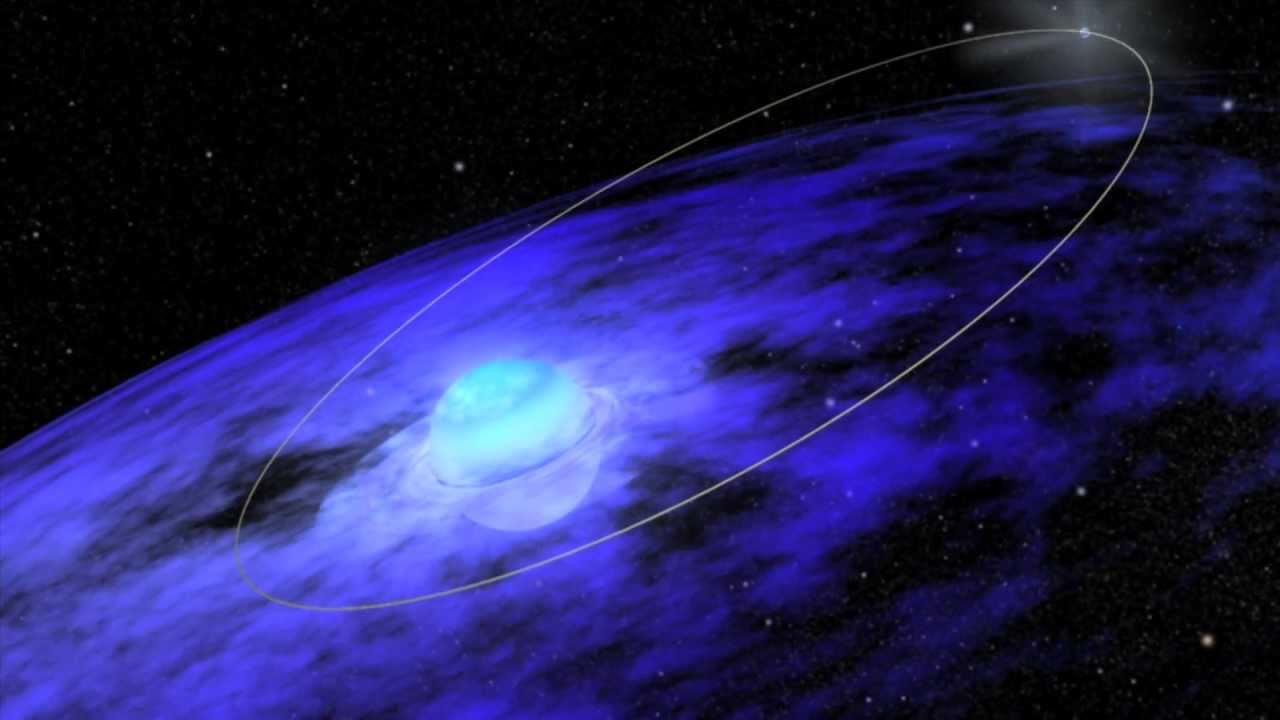
A unique star system in Crux generates gamma rays during close encounters every 3.4 years.
Mike Loades tests a medieval trebuchet in Burgdorf, Germany, using a stone from 1311.
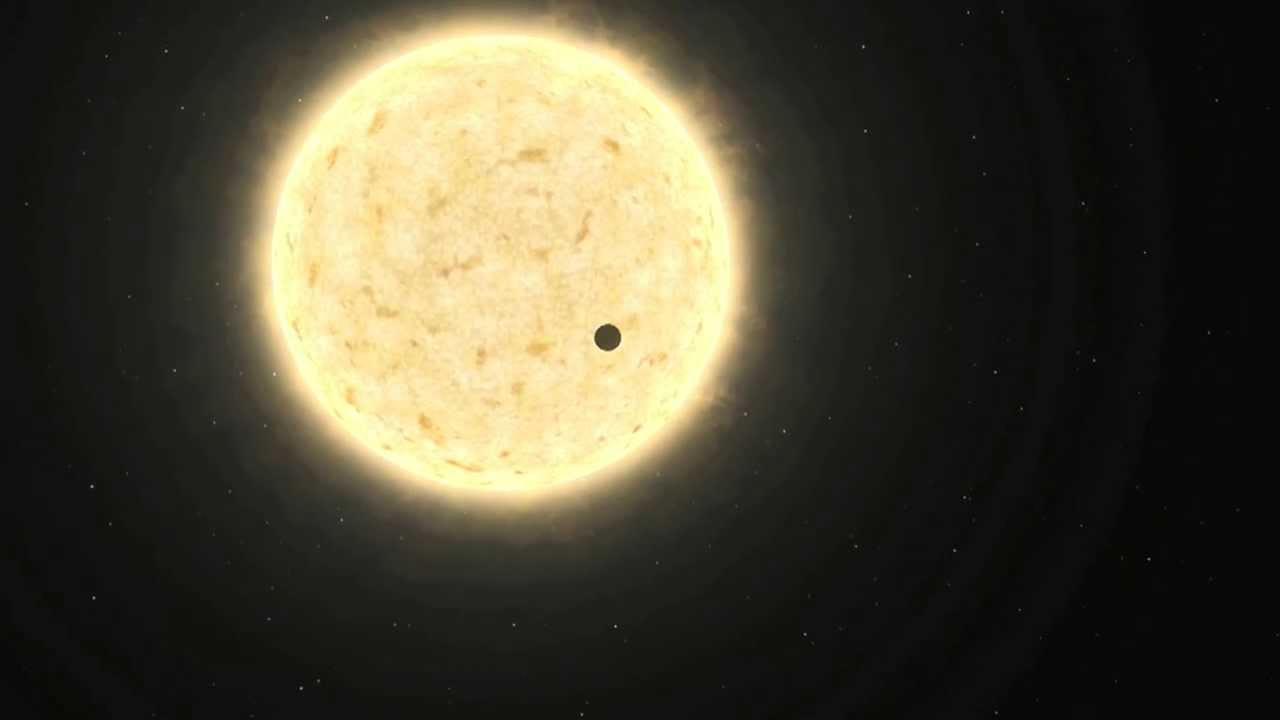
Three newly identified exoplanets orbiting stars in the Messier 67 cluster, including a solar twin, highlight the prevalence of planetary systems beyond the Solar System.
The NASA Swift team reveals the power of giant black holes in active galaxies like quasars.
Advancements in biotechnology enable scientists to print human tissue and organs using 3D printing technology, reflecting concepts from Star Trek.
NASA's Viking missions, launched in 1975, provided the first photographs and significant data from Mars, with Viking 1 operating until 1982.
Newborn stars fire jets of matter, revealing insights into the Sun's formation 4.5 billion years ago.
Vlatko Vedral explains to Aleks Krotoski that reality is fundamentally information.
The video imagines what a vacation in space would be like, focusing on hotels in LEO.
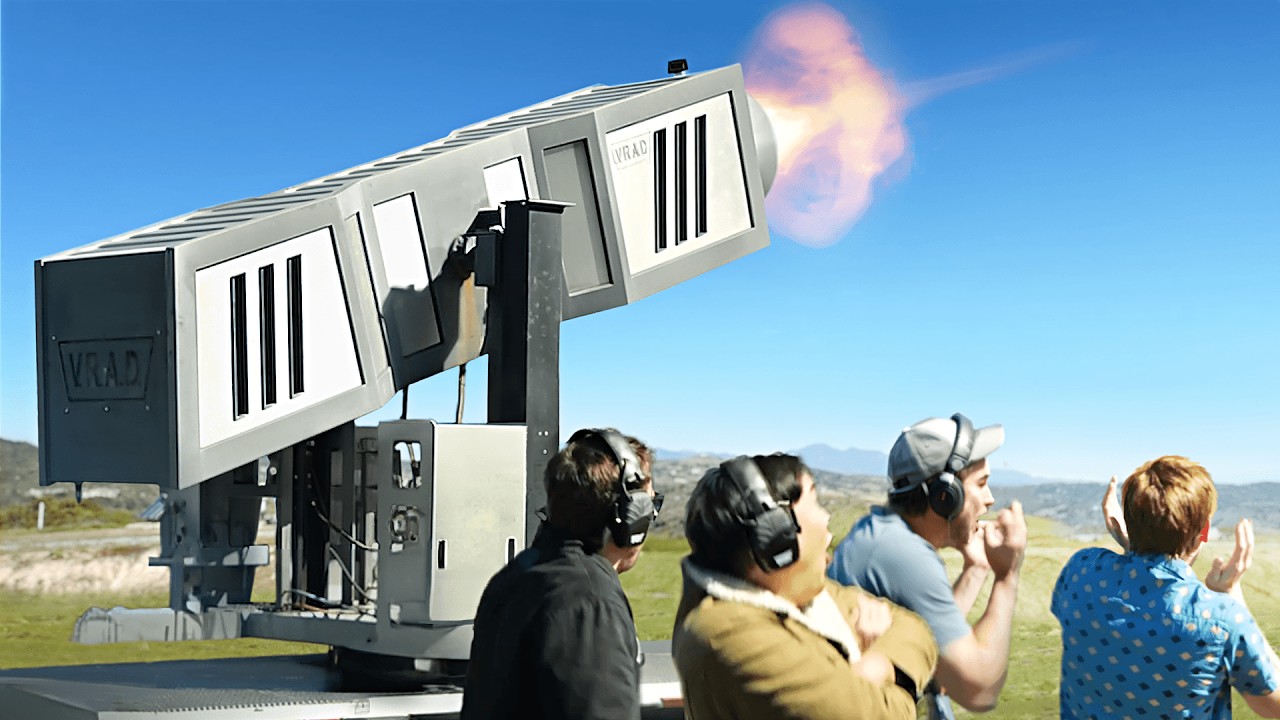
A drone weighing five times more than typical models is designed to destroy other drones in mid-air.
NASA's Voyager spacecraft, launched in 1977, reveal unexpected findings such as active volcanoes on Io and a potential ocean beneath Europa's icy crust.
NASA's Voyager spacecraft, launched in 1977, continue to transmit data from beyond the solar system, raising questions about their future in space.
Microbes, including bacteria, are essential for composting and enriching soil for plants.
Loneliness can increase the risk of heart disease by up to 30%, prompting the World Health Organization to treat it as a global health threat.
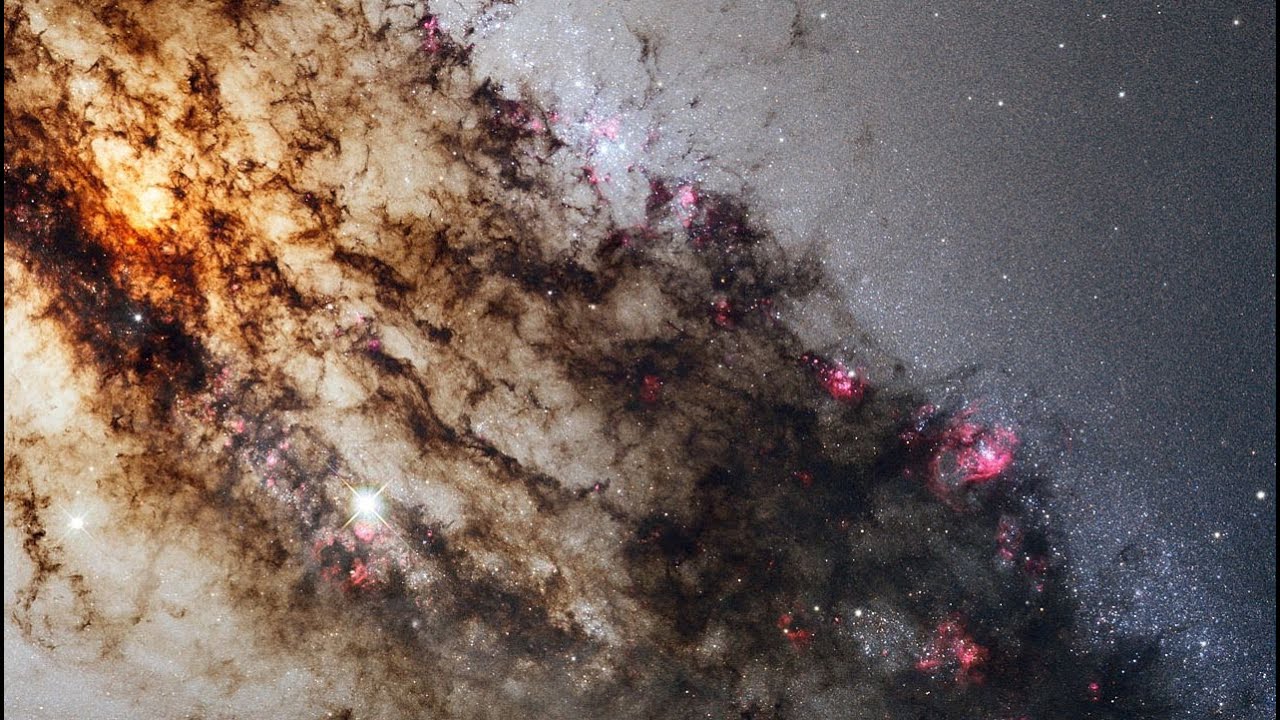
Hubble Space Telescope reveals detailed view of the galaxy Centaurus A's dust lanes.
Dr. Dirk Teuwen travels to the Congo for 1960s tissue samples to trace HIV's origins.
The video discusses how the brain misinterprets sightings of Bigfoot due to perception errors.
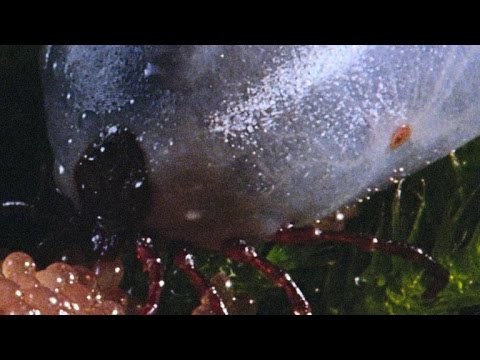
A female tick takes up to 20 days to lay 1,500 eggs, showcasing a very involved birthing process.
The video highlights active slope features and gullies in Mars' Southern latitudes.
Military police on horseback patrolled the perimeter of Los Alamos, where scientists were prohibited from discussing their work and monitored at all times.
MIT scientists teach first graders about climate change and Bionic plants using firefly enzymes.