From over 100,000 films, discover the handful you'll love.
Free or premium access to the world's largest documentary library.
7227 films(Page 69 of 151)
Pororoca, a powerful tidal phenomenon in the Amazon, attracts adventurous surfers while instilling fear in locals due to its unpredictable and deadly nature.
Skandi Arctic, one of the world's most advanced diving support ships, plays a crucial role in ensuring the safety of saturation divers working on Norway's ocean floor.
A team has three days to reconstruct a flame-throwing boat that helped the Byzantine Empire survive a four-year siege in 678 AD.
Cape Verde, an archipelago of ten islands in the Atlantic, showcases diverse landscapes and dedicated locals like George and Mitu, who protect its natural beauty.
Ian Gordon swims off the coast of Miami, attracting the world's most dangerous shark, known for its high number of human attacks and impressive size.
A Navy training mission reveals a squadron leader's claims of persistent UFO sightings on radar, prompting an investigation into their authenticity.
The search for extraterrestrial life examines the reasons behind the absence of contact with alien civilizations despite advanced technologies like the $900-million planetary explorer.
An earthquake with a magnitude of 6.8 to 6.9 could strike the French Riviera, potentially causing devastation comparable to six to seven times the Hiroshima atomic bomb.
Animal communication encompasses a range of themes, including love, danger, and family, showcasing the diverse linguistic abilities of species worldwide.
The intense competition of the Space Race in the 1960s saw NASA engineers and astronauts navigate numerous challenges to achieve the historic Apollo 11 moon landing.
Yiannnis Boutaris, a Greek tycoon, establishes a bear sanctuary to protect the dwindling bear population and promote conservation education among children.
Finland aims for carbon neutrality by 2035, facing challenges from peat dependency while activists push for rewilding to restore damaged ecosystems.
The Hubble Space Telescope reveals that the Milky Way contains 100 million times the number of stars visible to the naked eye.
India's ambitious space program, led by the Indian Space Research Organisation (ISRO), showcases significant advancements and aspirations to become a global space superpower.
Greenland's melting ice is contributing to rising sea levels, prompting scientists to analyze potential future impacts on global ecosystems and communities.
August 14, 1969, marks the peak of the counterculture movement in America, fueled by the widespread use of LSD, a substance accidentally created by Swiss chemist Albert Hoffman.
Chengdu's schoolchildren have successfully initiated a campaign to reverse pollution, transforming the city from an urban nightmare into a model of sustainable planning.
OTRAG, the first private aerospace company, rose and fell amid the Cold War's space race, driven by visionary Lutz Thilo Kayser's bold ambitions in Africa.
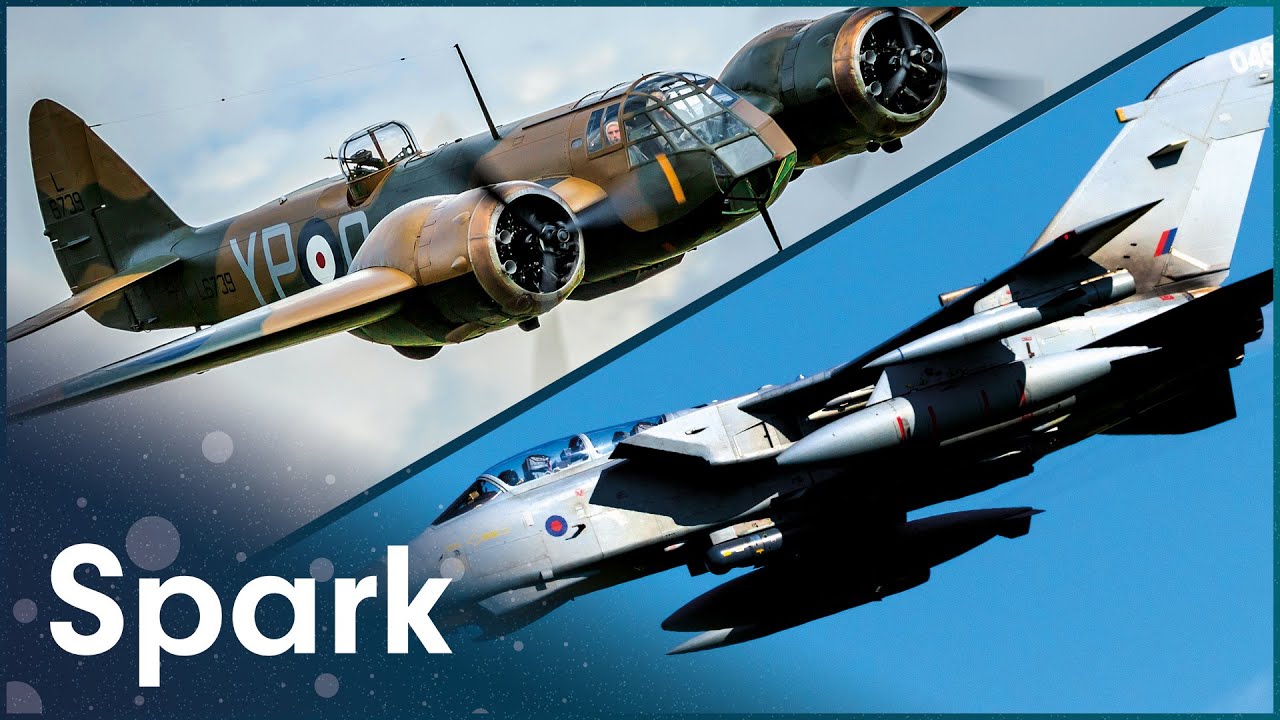
The RAF's bombers reach Berlin, marking a new era of direct attacks on British civilians.
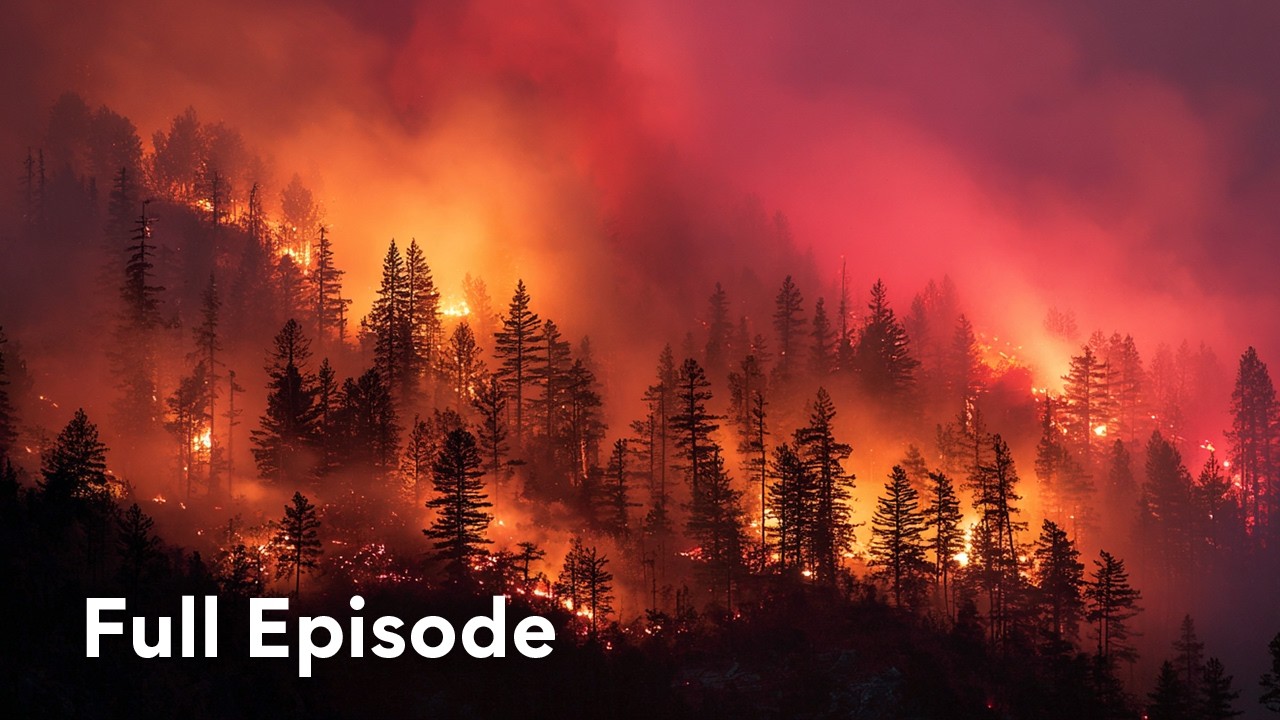
Climate change is leading to more frequent and intense wildfires and hurricanes, as seen in recent megafires in California and hurricanes in Florida and Texas.
Insects and arachnids exhibit remarkable adaptations, such as fire-resistant skin and acid-spitting abilities, while urban wildlife like rats and raccoons thrive on human food waste.
Biobanking practices in Switzerland have left parents vulnerable to exploitation, as a company's bankruptcy scattered the stem cells and data of 250,000 families.
Zebras, polar bears, and chameleons exemplify remarkable adaptations that enhance their survival, utilizing camouflage and unique strategies across diverse environments.
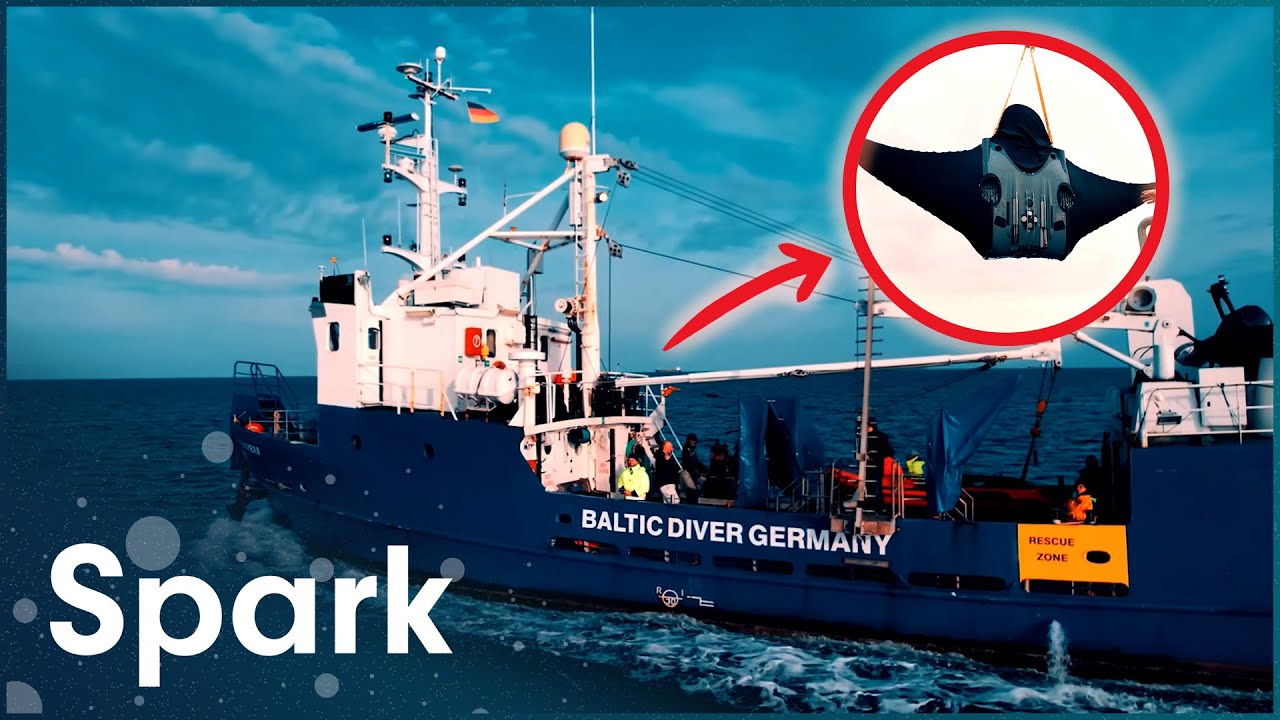
Baltic Sea Divers confront significant underwater challenges, including sealing a stormwater drain in Rostock and securing a 1.5-ton anchor stone on Rügen Island.
Astronomers are using advanced telescopes and instruments to study massive black holes and cosmic eruptions that reshape galaxies and influence the universe's evolution.
James May attempts to achieve the first cross-channel flight of an engineless, homemade supersized model plane, celebrating the UK's passion for model aviation.
Artificial Intelligence is reshaping society, raising critical questions about its ability to think, feel, and the ethical implications of its rapid advancement.
Genetic preservation efforts are increasingly vital as species continue to face extinction despite numerous conservation programs worldwide.
Alaska's secret pyramid is examined alongside global alien archaeology through insights from experts like Linda Moulton Howe and Richard C. Hoagland.
Eleanor Sam and local hunters reflect on the drastic changes in climate and traditional lifestyles in Alaska, highlighting the thinning sea ice and warmer weather.
Nikolas Badminton experiments with smart drugs and biohacking techniques to evaluate their effectiveness in enhancing productivity and cognitive function.
Daintree National Park, a 180-million-year-old rainforest in Australia, is home to prehistoric animals and critical apex predators like the saltwater crocodile and cassowary.
More than 1,800 trips to orbit have been made by variants of the Soyuz launcher since its first flight in 1957.
Life at the Dumont d’Urville base in Antarctica presents unique challenges for scientists and technicians isolated from the world, relying solely on the icebreaker "Astrolabe" for supplies.
Aldo Kane investigates the dangers posed by drones in UK airspace and evaluates emerging technologies designed to enhance safety and security.
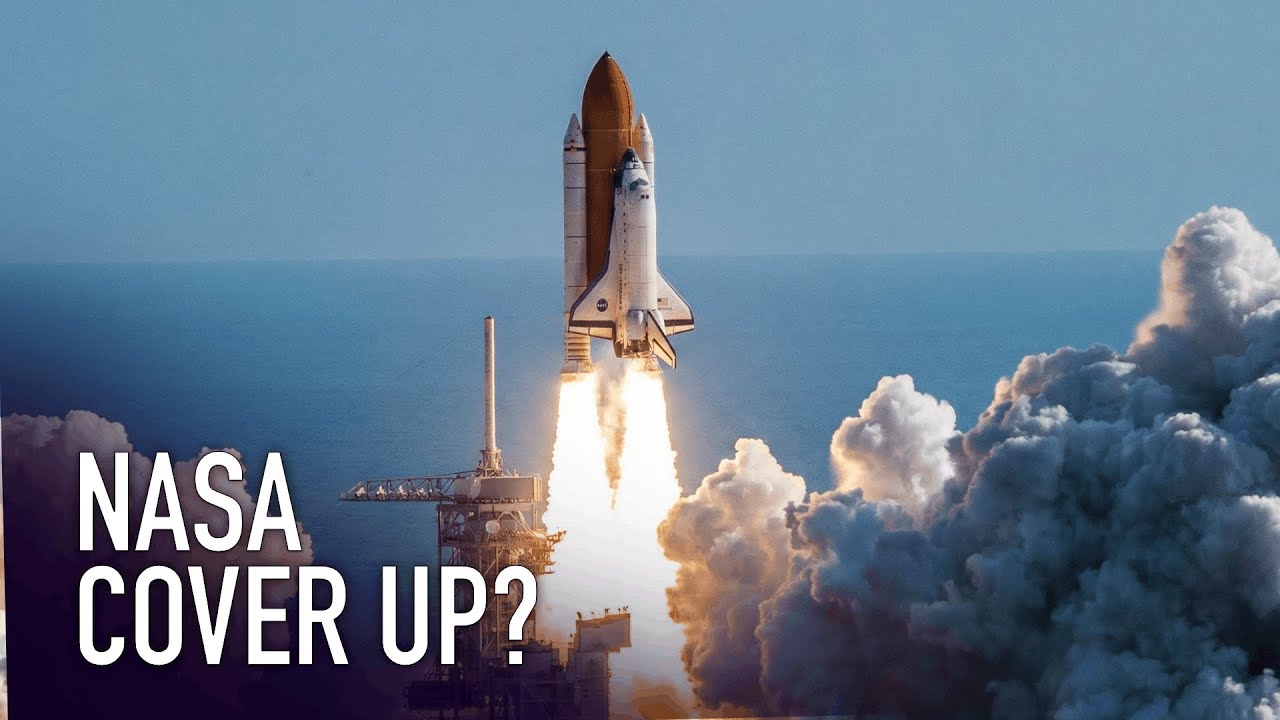
The 2003 Space Shuttle Columbia tragedy highlights how a piece of foam struck the shuttle's wing, leading to catastrophic failure and the loss of seven astronauts.
Astronomers explore the search for extraterrestrial life, examining exoplanets and the potential for contact with intelligent beings beyond Earth.
The Food Hospital treats Crohn’s Disease and other conditions using food instead of pills.
The Congo River, the deepest river on Earth, is home to unique species like the Shoebill and African Lungfish, showcasing a remarkable ecosystem.
Pneumatic structures, including innovative designs like the fluidic muscle and inflatable space stations, showcase the cutting-edge work of Festo's engineers in industrial design.
231 miles per hour is the wind speed recorded on Mount Washington, one of the windiest places on Earth, where Richard Hammond investigates extreme weather.
Boeing 747s and other aircraft face critical challenges when automated systems fail, emphasizing the vital role of pilot training in aviation safety.
Maya civilization intricately linked the planet Venus to their rituals and governance, as seen in the architectural marvels of Chichén Itzá and Uxmal.
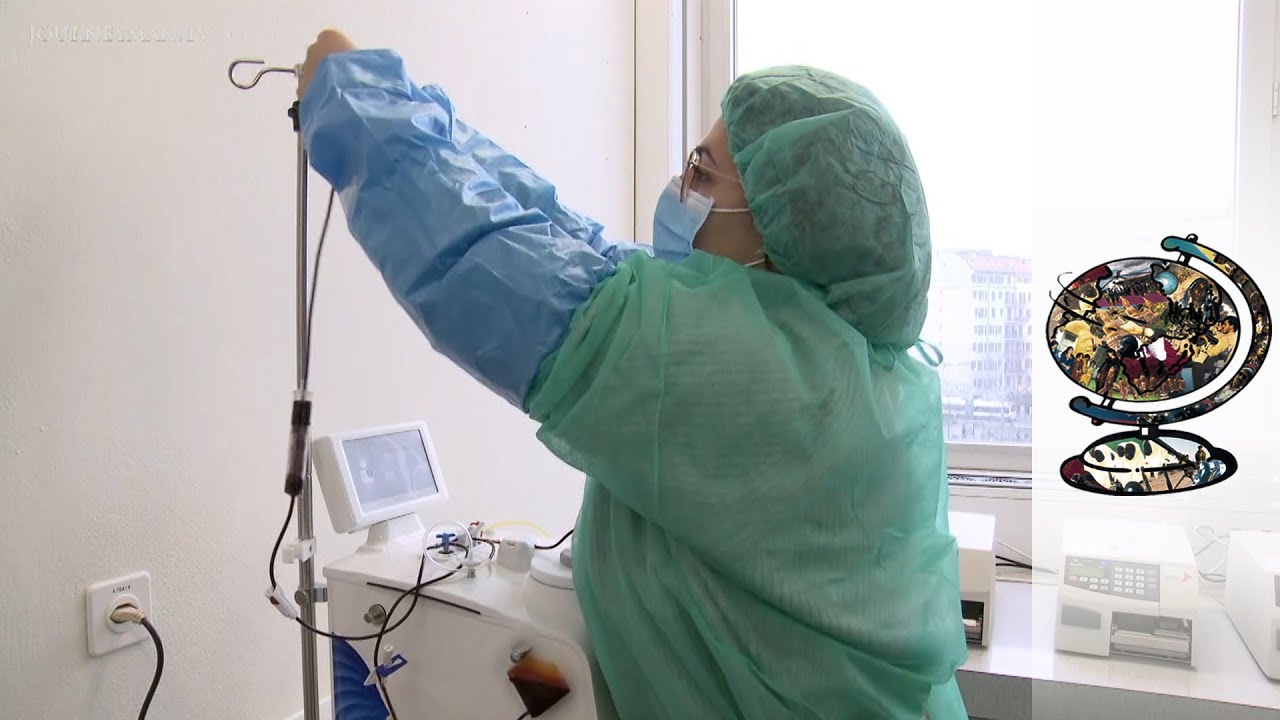
Synthetic blood presents a potential solution to the global shortage of life-saving blood, addressing safety concerns and the limitations of traditional transfusions.
A stagnant high-pressure system over Europe in 2003 led to the deadliest natural disaster in French history, claiming over 70,000 lives across the continent.
Genomic research has influenced dangerous ideologies, as explored by scientists Lewis Wolpert, Benno Muller-Hill, and Troy Duster in this examination of its history.
Seven astronauts train on the International Space Station, conducting experiments and testing systems in preparation for the Artemis program's lunar mission in 2026.
Rattlesnakes, stonefish, scorpions, blue ringed octopuses, Sydney funnel web spiders, Gila monsters, and fire ants exemplify the world's most toxic predators and their lethal adaptations.