From over 100,000 films, discover the handful you'll love.
Free or premium access to the world's largest documentary library.
7231 films(Page 75 of 151)
Mathematics is explored as a potential reflection of the universe's fundamental structures, illustrated through the golden ratio, Fibonacci sequence, and natural phenomena.
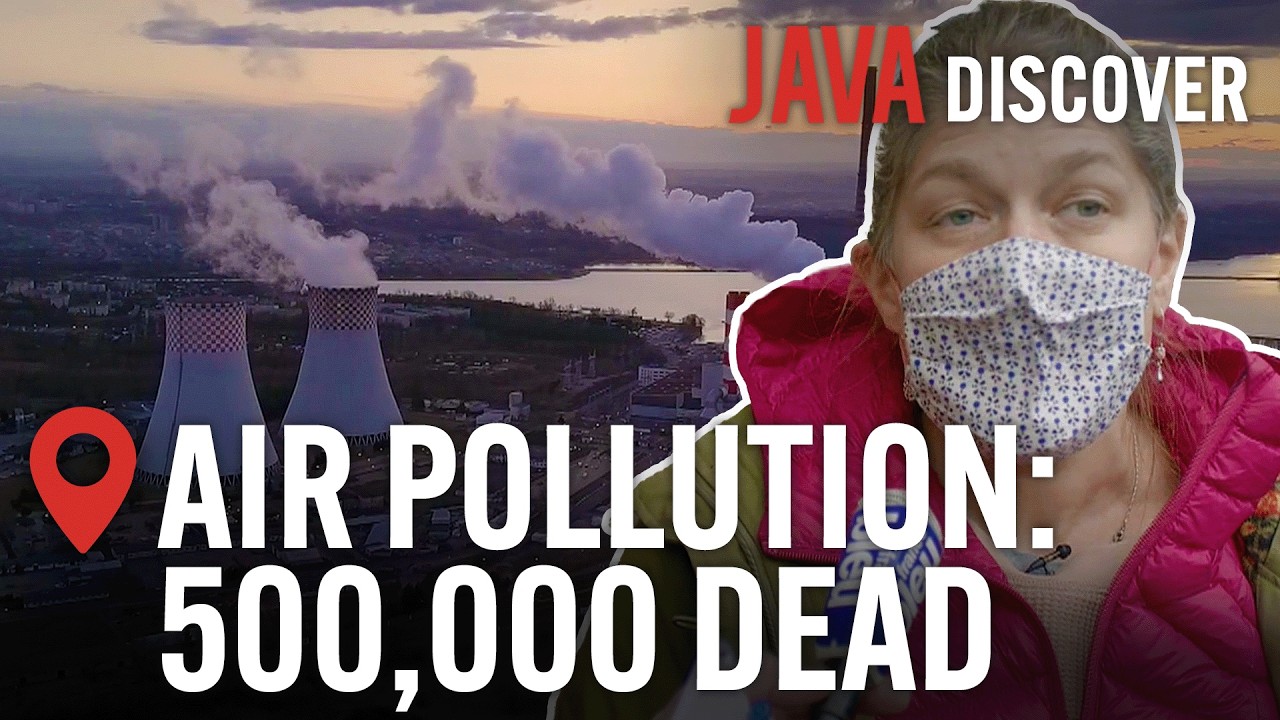
Air pollution in Europe, primarily caused by coal, leads to 500,000 premature deaths annually, with cities like Rybnik facing alarming health impacts on children.
In Peru's Chan Chan, the Chimú culture worshipped the Moon through rituals, while astro-photographers and cyclists celebrate its beauty across the Americas.
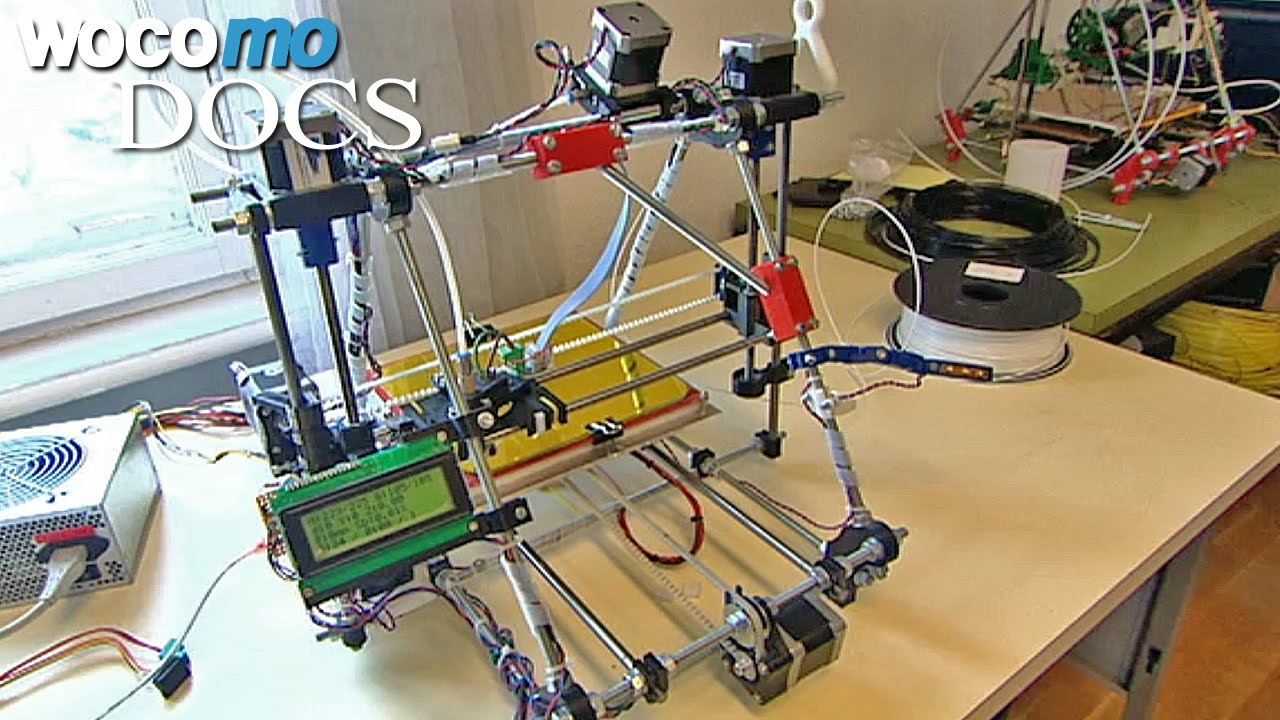
3D printing technology is revolutionizing sectors such as medicine and manufacturing while prompting significant discussions on copyright and patent issues.
Nicole Stott spent over 100 days in space aboard the International Space Station and performed a spacewalk as the 10th woman to do so.
Teen antidepressants are scrutinized for their questionable efficacy and the influence of corporate marketing, raising concerns about over-medication in youth.
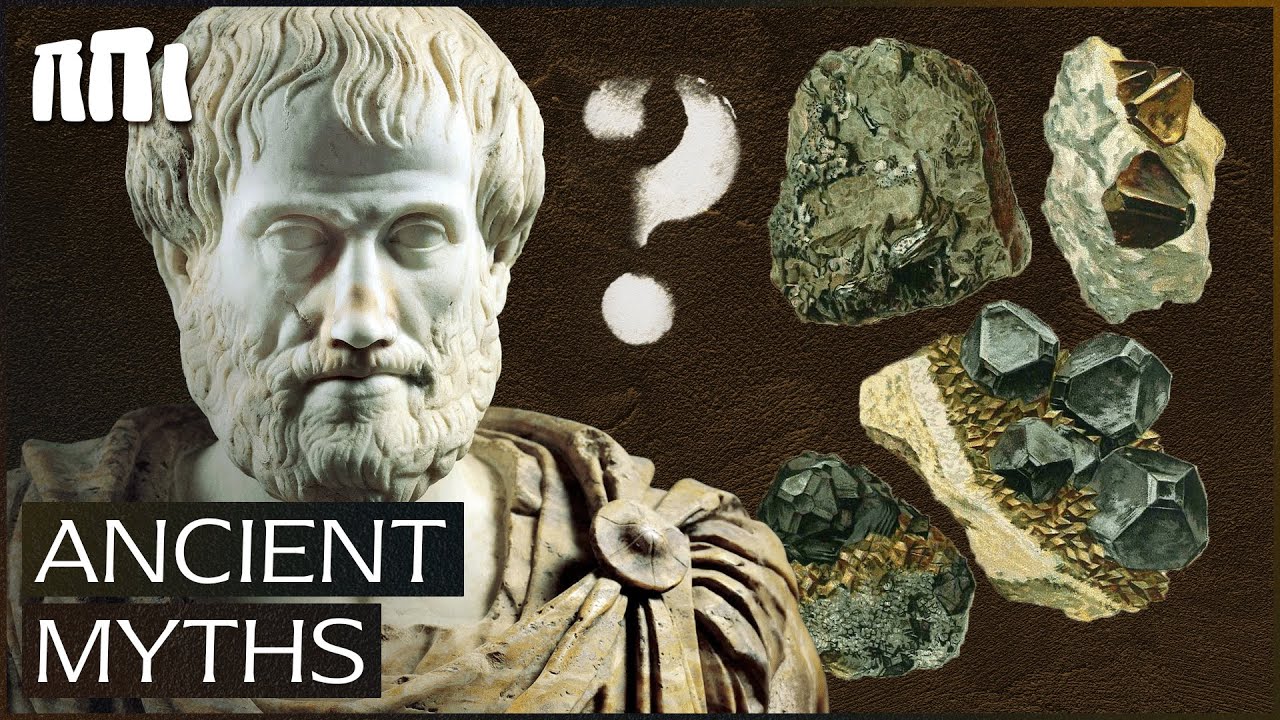
Geologist Dr Iain Stewart examines how the geology of the Mediterranean region has influenced ancient beliefs and shaped human history from Greece to Portugal.
Lab-grown human skin is transforming treatment for severe burns in Switzerland, where significant investments fuel advancements in science and technology.
Nuclear power faces intense global debate as its environmental challenges clash with the potential of renewable energy sources like solar, raising questions about viability and safety.
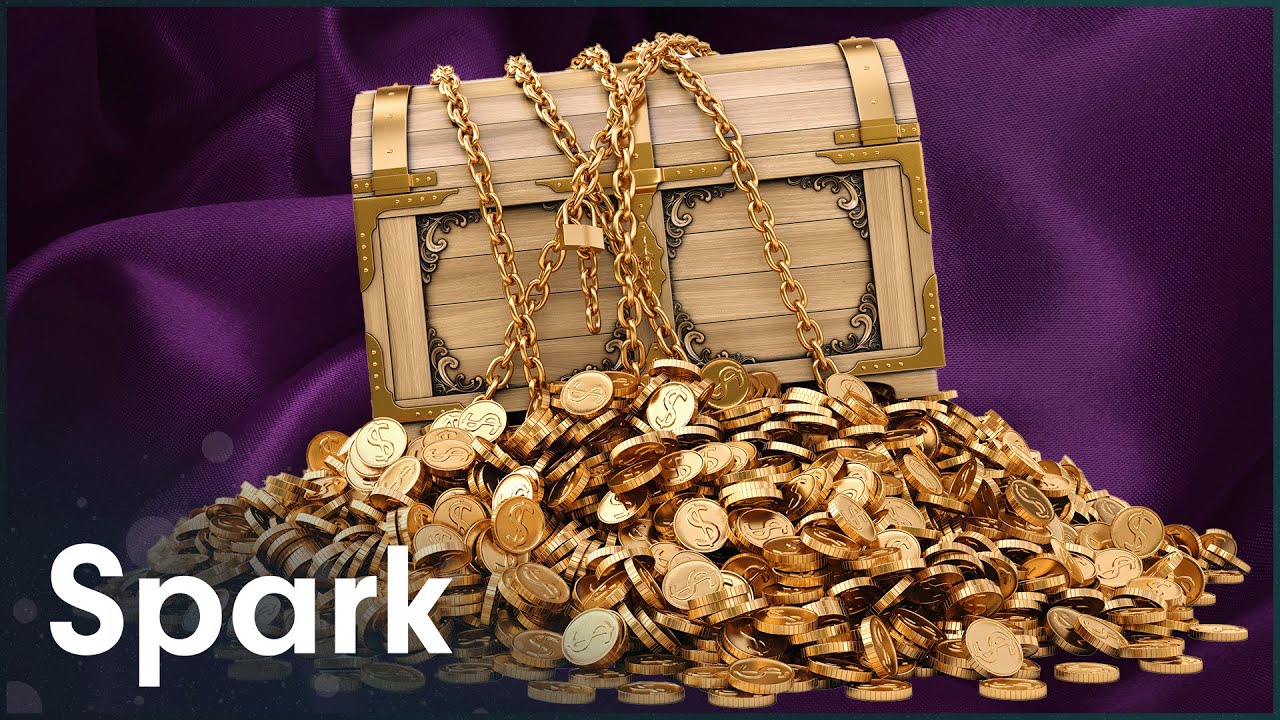
Purple dye, once more valuable than gold in Ancient Rome, highlights the fascinating intersections of chemistry and historical innovation.
A comet threatens Earth again as families seek shelter and scientists track its impact.
Alex Vikoulov argues that consciousness can be defined as a degree of autonomy gained through dynamic relations with the environment.
Geophysicist J. Tuzo Wilson discusses Earth's structure and the significance of earthquakes at Georgian Bay, emphasizing curiosity and education at the 2018 World Science Festival.
In Brighton, England, professionals and amateur stunt performers showcase daring feats, including a homemade loop-the-loop, while scientists explain the underlying physics.
A young male gray seal navigates a perilous 600-mile route through the North Atlantic, contending with rivals and the threat of orcas.
In the search for liquid water beyond Earth, scientists explore Saturn's moon Enceladus and investigate gravity waves to map its unique gravitational patterns.
Stars exhibit different colors based on their temperature and composition, while exploring the anthropic principle and the concept of a multiverse.
In a world where CRISPR technology enables genetic modification of embryos, Lena grapples with the ethical implications of altering her future children's hearing abilities.
Phlegrean Fields, a volcanic region near Naples, experiences increasing seismic activity and uplift, threatening the safety of local residents in Pozzuoli.
Giovani Aldini's controversial experiments with galvanism in 1803 sparked public fear and inspired Mary Shelley's Frankenstein, influencing modern medical ethics and technology.
Alaskan volcanoes have repeatedly erupted, forcing salmon to adapt and navigate perilous environments, including sulphurous waters and predators, to survive.
Climate change's impact on human health is examined globally by Dr Darragh O'Carroll, highlighting its effects on cultures and daily lives.
Border walls threaten wildlife and culture along the Rio Grande, as five friends document their 1,200-mile expedition to explore the impacts of proposed construction.
Alaska, Canada, and the Western USA showcase breathtaking landscapes and resilient individuals, from passionate adventurers to dedicated survivalists, thriving in nature's embrace.
On the volcanic island of New Britain, unique wildlife such as hermit crabs, flying foxes, and Priamus butterflies adapt to the challenges posed by eruptions and ash.
The Roswell UFO incident remains a focal point of debate, featuring interviews with witnesses and exploring theories of government cover-ups and alien abduction.
Coral reefs, the planet's most biodiverse ecosystems, have thrived for 500 million years, showcasing a vast array of exotic marine life.
In the wild landscapes of Australia and the depths of the Pacific, unique species like the cane toad and giant squid exhibit extraordinary adaptations for survival.
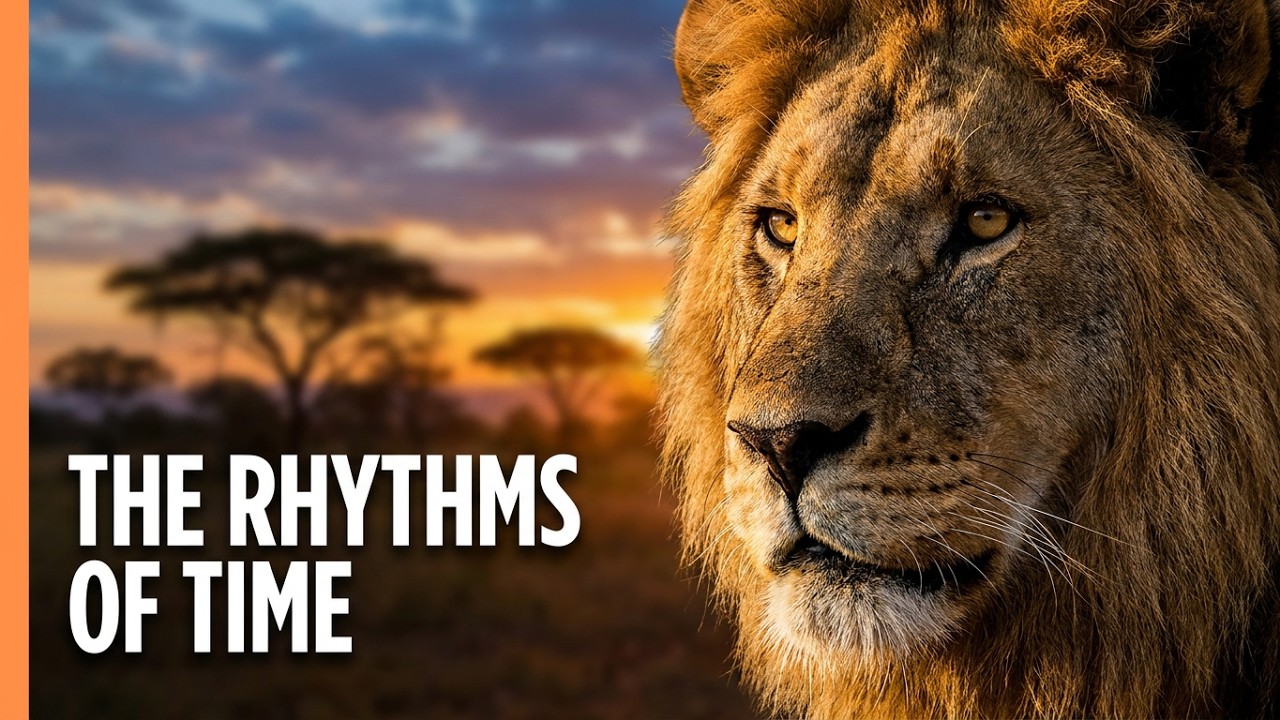
In the African savannah, wildlife experiences time through instinct and natural rhythms rather than human constructs like clocks and calendars.
Chile's Atacama Desert, with its vast salt flats and high-altitude landscapes, serves as a crucial site for scientists studying the cosmos and its origins.
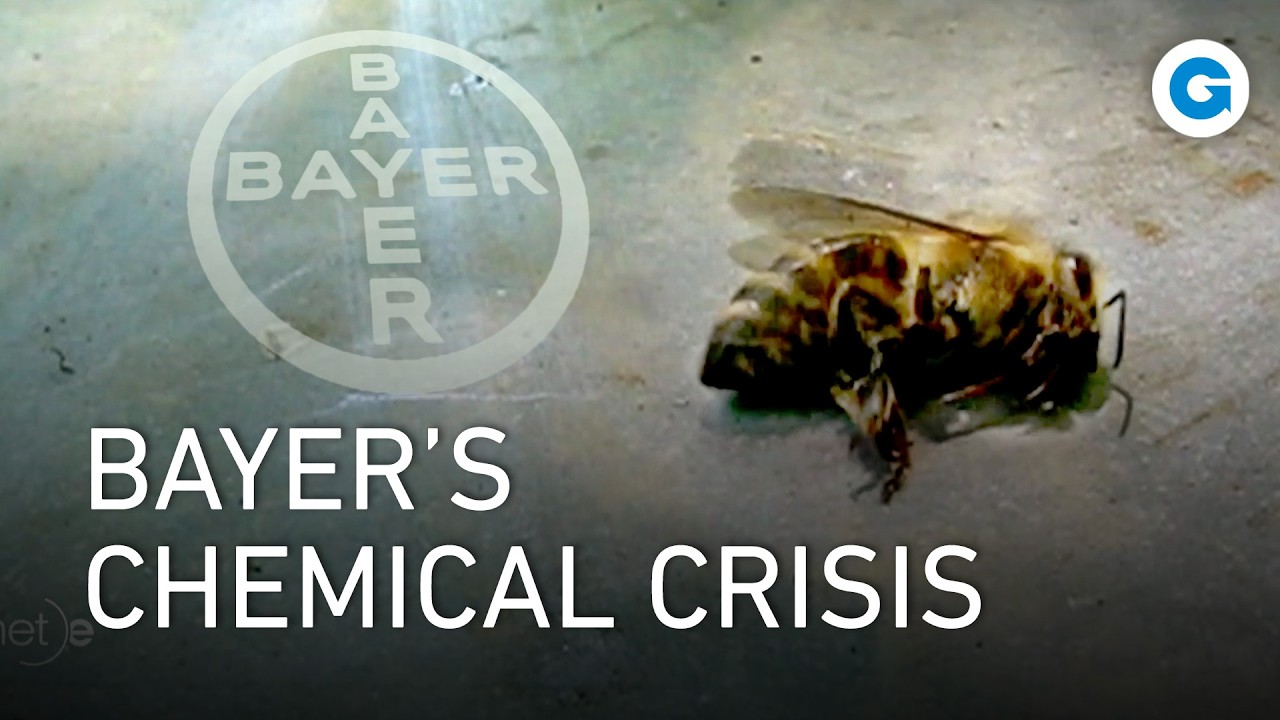
Bayer's pesticides, long criticized for their harmful effects on bees and the environment, face scrutiny as threadworms emerge as a safer alternative.
Animal adaptations, such as the fog basking beetle's water collection and camels' moisture conservation, provide innovative solutions for human environmental challenges.
A living world can be constructed from just four basic ingredients, showcasing the engineering steps needed to create a stable solar system.
Arthur Kroker examines the implications of scientific advancements on human identity, envisioning a future where artificial intelligence defines existence.
CERN, a hub for world-class scientists in Geneva, explores the origins of knowledge and the smallest particles through the Large Hadron Collider.
NASA and ESA's upcoming space telescopes, including TESS, CHEOPS, and the James Webb, aim to find evidence of extraterrestrial life beyond Earth.
Bio-hacking and smart drugs are explored through Nik Badminton's experiences in Silicon Valley, raising questions about the implications for humanity.
Scientific analysis evaluates various self-defense techniques, ranking their effectiveness based on empirical evidence and expert insights.
Asbestos exposure in South Africa has led to a surge in compensation claims from miners and workers, prompting global lawsuits against mining companies for environmental harm.
The origins of the universe, life, and humanity are explored through insights from scientists like Pascal Picq and Jim Peebles, alongside visits to significant sites such as the Peak du Midi and the Large Hadron Collider.
Mysterious cattle mutilations, alien abduction claims, and the "Wow! signal" raise questions about government cover-ups and the existence of extraterrestrial life.
Trillions of microbes influence human digestion, immunity, and mental health, highlighting the microbiome's role in medicine and recovery strategies.
Julia Ravey explores the role of the microbiome in health and disease, meeting experts like Dr. Barry Marshall and visiting institutions such as The American Gut Project.
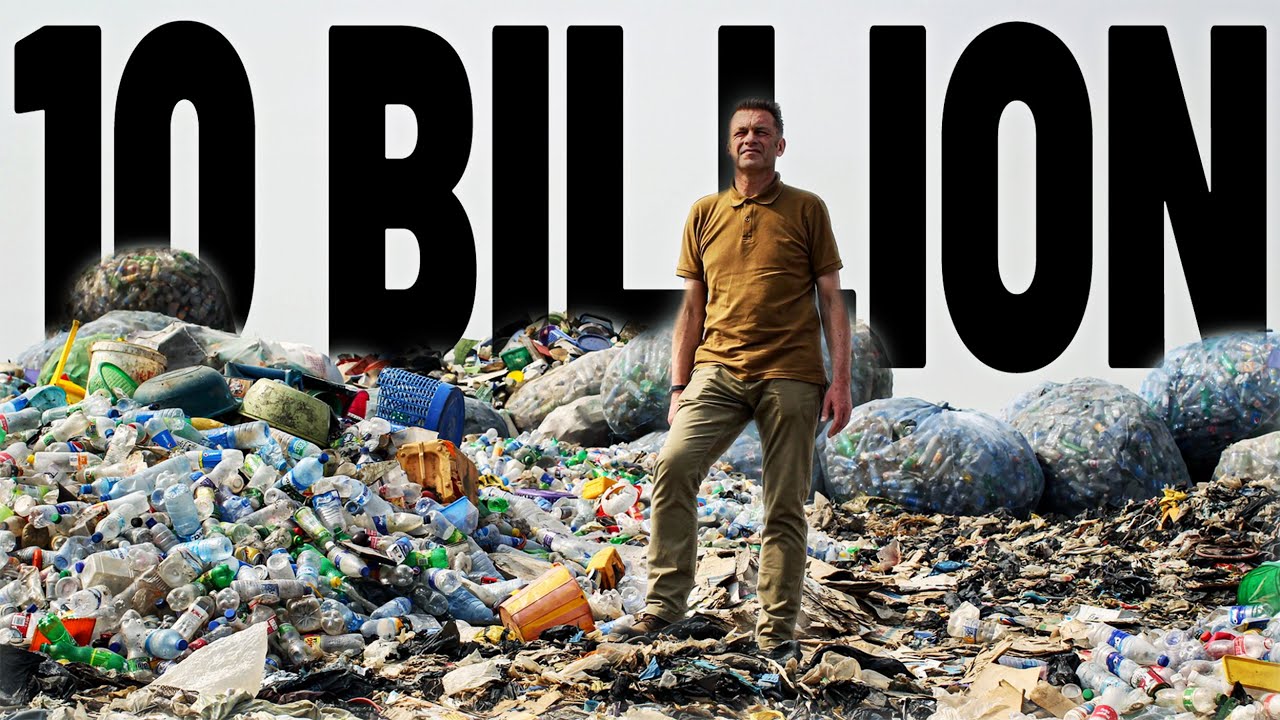
Global population growth, projected to reach 10 billion by 2050, raises urgent questions about sustainability, resource depletion, and climate change impacts.
Beau Salisbury, 43, developed necrotizing fasciitis after a minor soccer injury, leading to septic shock and a race against time for medical intervention.
In the wild, animals like beavers, ants, and meerkats showcase remarkable architectural skills, building homes that serve as fortresses and nurseries against predators and harsh conditions.
Maren Hunsberger, a microbiologist, explores anti-aging research and longevity at MIT, RAADFest, and within an Amish community known for its genetic mutation linked to extended lifespan.
Water scarcity in Chile is exacerbated by the extensive consumption of resources by data centres built for tech giants like Google near Santiago.