From over 100,000 films, discover the handful you'll love.
Free or premium access to the world's largest documentary library.
7235 films(Page 132 of 151)
The Harpy Eagle, native to Central and South America, is examined for its unique hunting techniques and ecological significance in tropical rainforests.
Narwhals, known for their long tusks and unique adaptations, inhabit the Arctic waters and play a crucial role in marine ecosystems.
The octopus exhibits remarkable intelligence and adaptability, showcasing its unique biology and behaviors in various marine environments.
Pangolins, known for their unique scales and ecological role, face severe threats from poaching and habitat loss, prompting conservation efforts worldwide.
The platypus, a unique mammal native to Australia, exhibits extraordinary biological traits, including egg-laying and venomous spurs.
Poison dart frogs, native to Central and South America, exhibit remarkable adaptations and toxic properties that have fascinated biologists and researchers alike.
Seahorses, known for their unique reproductive role where males carry young, are examined for their biology, habitat, and conservation challenges.
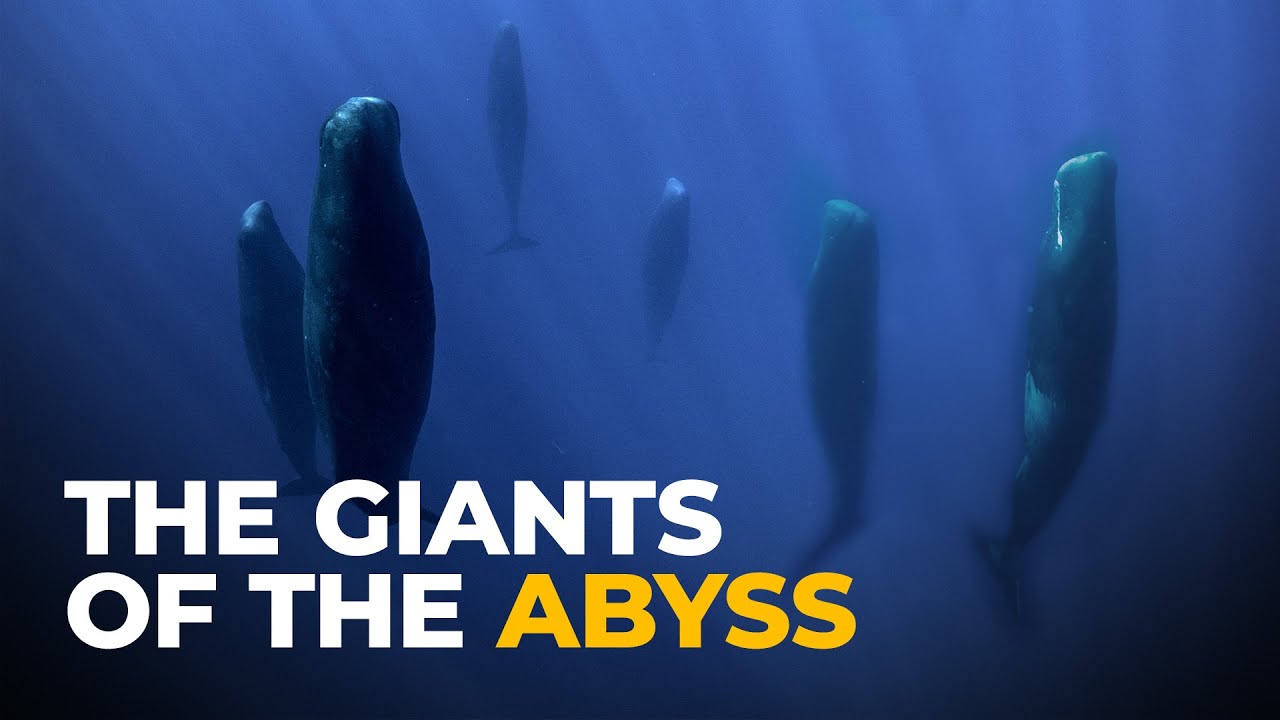
Sperm whales, known for their immense size and complex social structures, exhibit unique biological traits that are explored through scientific research and observation.
Dr. Kay Holekamp, a leading expert on spotted hyenas, provides insights into their unique biology and social structures in this extended interview.
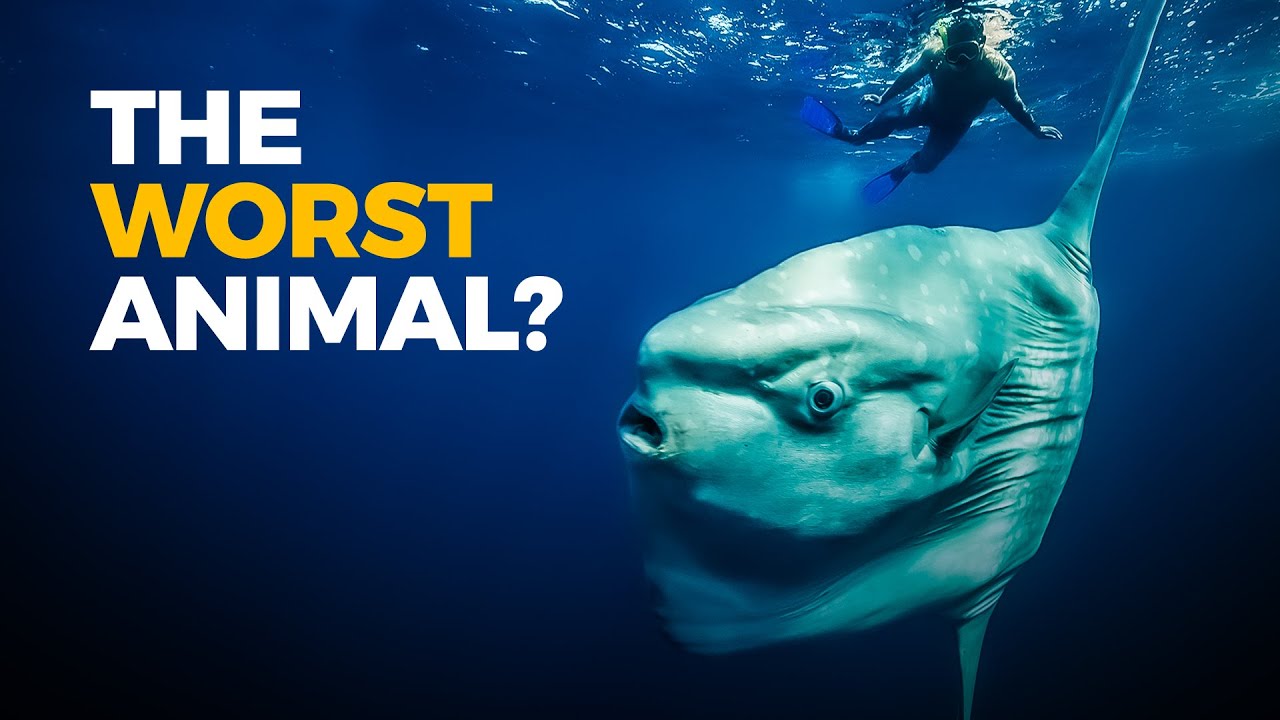
The sunfish, known for its massive size and unique shape, is examined for its biology, behavior, and ecological role in marine environments.
The Venus flytrap, native to the wetlands of North and South Carolina, showcases unique adaptations for capturing and digesting prey.
Hibernation is explored through various species, highlighting the biological mechanisms and evolutionary significance of this survival strategy.
At the Free the Bear Sanctuary in Cambodia, sun bears undergo intelligence tests while exploring their natural behaviors in tropical forests of South Asia.
An ancient line between two Indonesian islands represents a complex interplay of cultural and geographical boundaries that shape local identities and interactions.
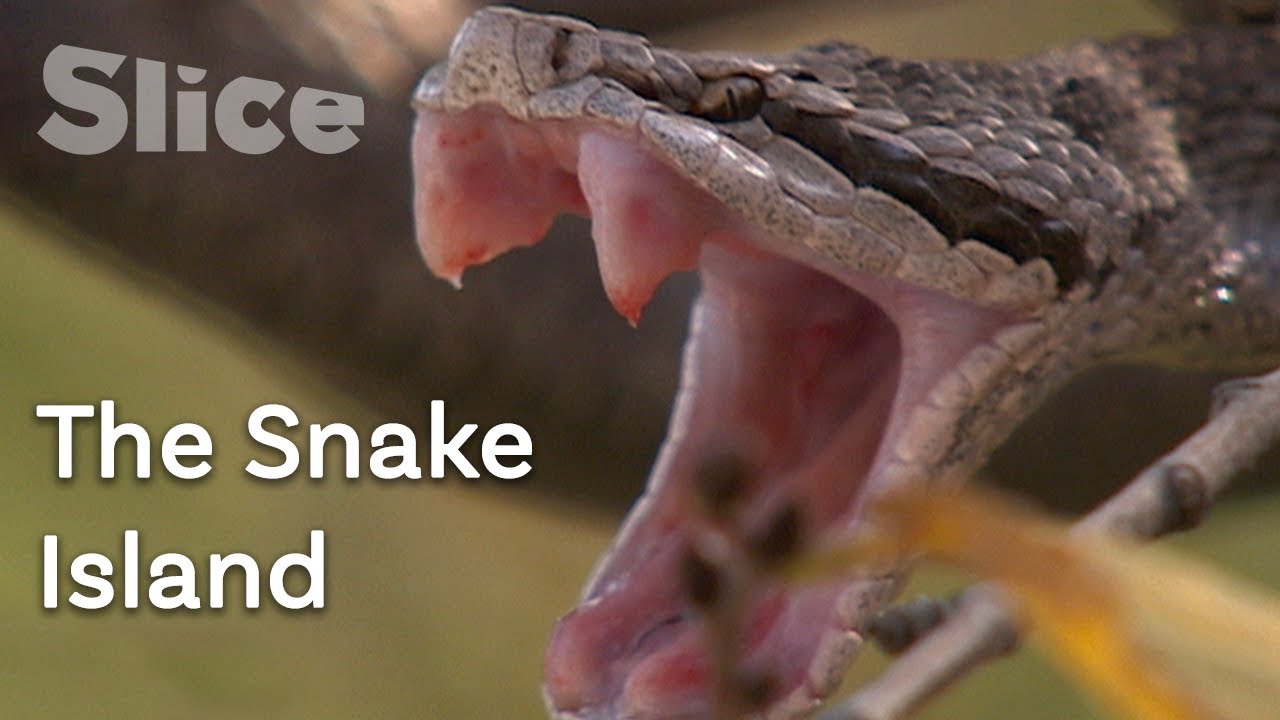
Twenty thousand Gloydius snakes inhabit Shedao, a thirty-hectare island where one snake can be found for every square meter of land.
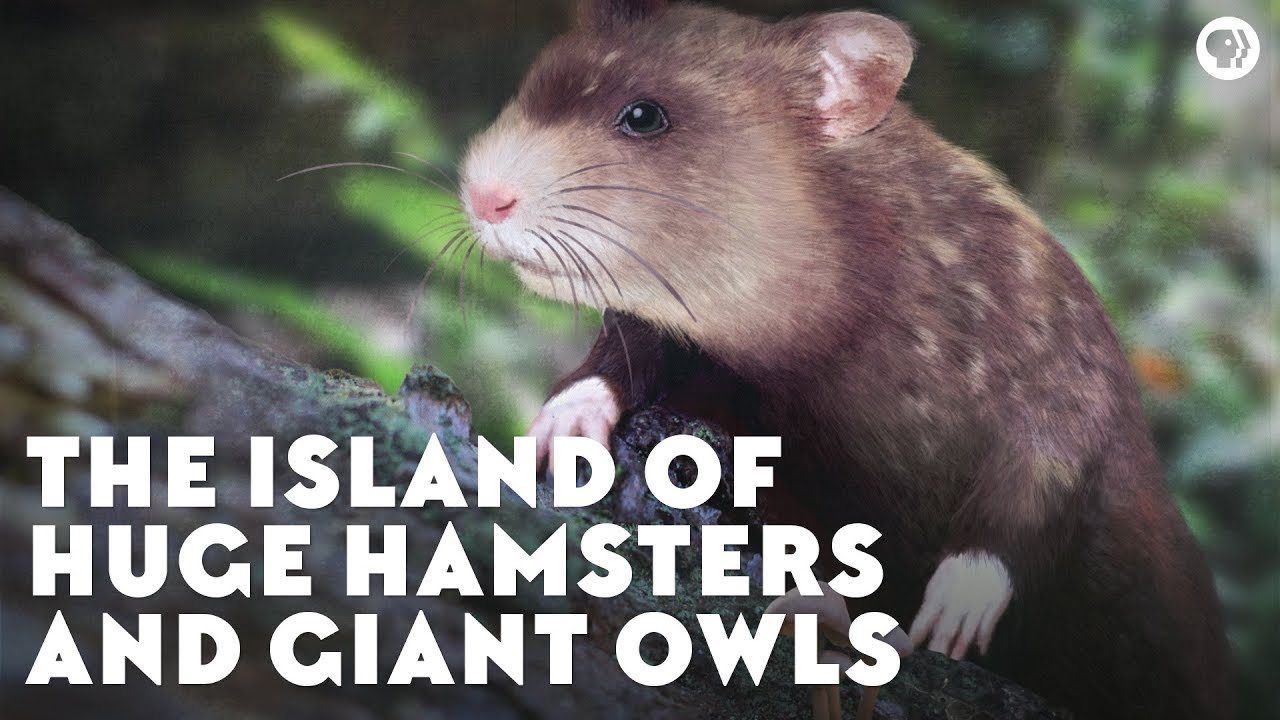
In the late Miocene epoch, an island in the Mediterranean Sea was home to extraordinary giant species, illustrating the unique effects of natural selection.
Mammoth fossils found on California's Channel Islands reveal a unique, smaller species that evolved due to isolation and environmental factors.
Wrangel Island's mammoths, the last of their kind, faced a mutational meltdown in their final years after millions of years of thriving across the globe.
48 individual galaxies are observed simultaneously by the James Webb Space Telescope, revealing new details about cosmic interactions and star formation.
Chris Packham and Megan McCubbin explore the unique characteristics of a rat with poisonous fur while explaining the differences between venom and poison in the animal kingdom.
At the Solnhofen formation in Germany, over 500 fossils of 15 pterosaur species reveal complexities that challenge existing interpretations of their ecosystem.
In the Arctic, a period of significant global warming transformed the landscape into a lush rainforest, showcasing Earth's climatic history.
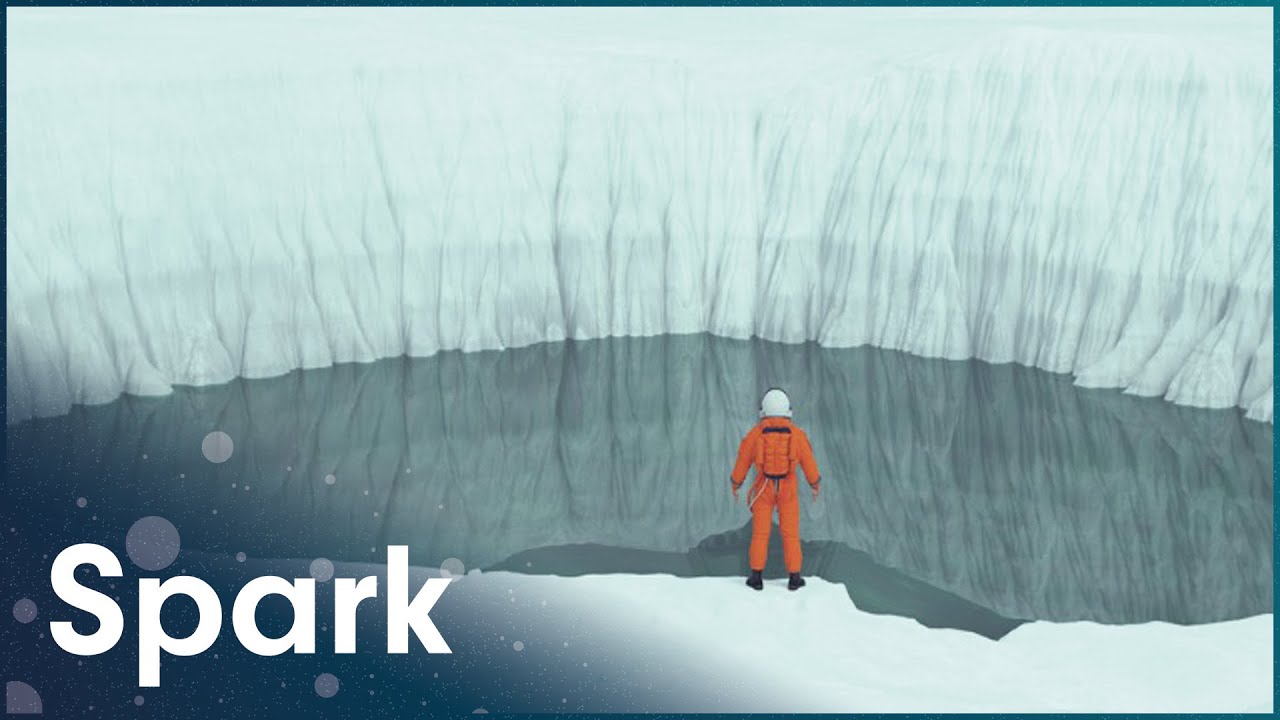
Texas faces burial under a mile of lava from Earth's deadliest eruption 250 million years ago.
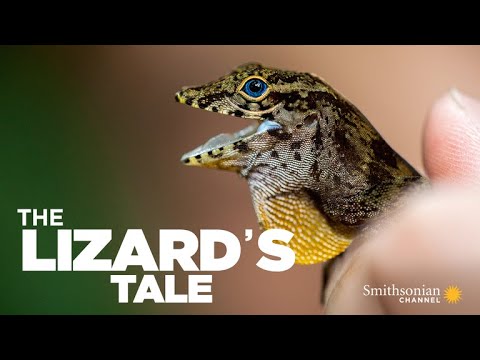
Anoles are small lizards found in the American and Caribbean tropics, including the Bahamas.
Anoles from Cuba, Hispaniola, Jamaica, and Puerto Rico exhibit ecomorphism, prompting scientists to investigate their evolutionary history through physical and DNA tests.
Scientists reach back into the 60-million-year history of anoles to understand their diversity.
Anoles use distinctive dewlaps for species recognition in the speciation process.
Anole researchers favor Caribbean islands for unique outdoor experiments on evolution and ecology.
Researchers know that species presence has major effects on ecosystems in Costa Rica.
Six different species of anoles, including the native green anole and five non-native species, inhabit urban areas in South Miami.
On 20 April 2023, a solar eclipse in Exmouth, Australia, captivated photographer Michael Goh, who captured the event in a series of stunning images.
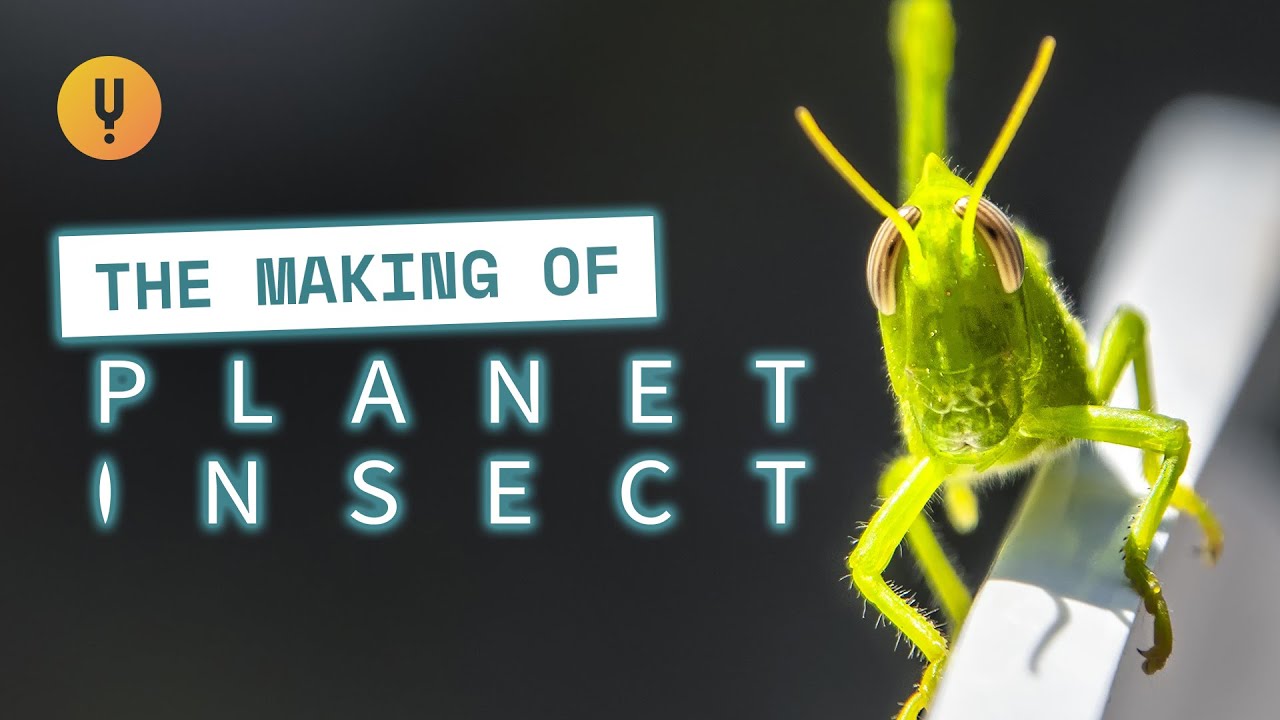
Viewers learn about camera techniques for the upcoming Planet Insect on Curiosity Stream.
Aluminum is poured into abandoned ant nests at temperatures exceeding 650 degrees Celsius to reveal their underground structures.
In April 2013, Iranian scientist Dr. Ali Razi announced a breakthrough in time travel, sparking global interest in the Mandela Effect phenomenon.
Saturn's moon count has increased to 82, surpassing Jupiter by three, thanks to discoveries made using the Subaru telescope in Hawaii.
NASA's Cassini mission, launched in 1997, spent over 13 years studying Saturn and its 60 moons, transforming our understanding of the planet.
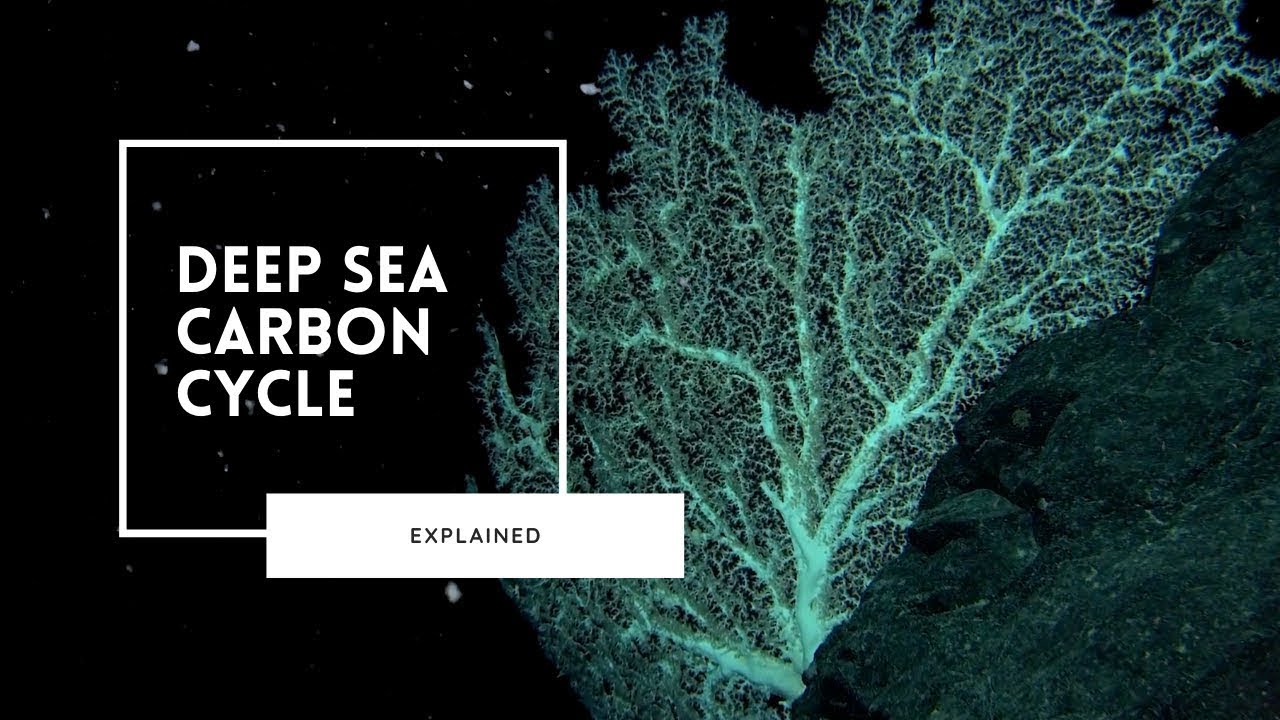
The marine carbon cycle involves biological, carbonate, and physical processes that sequester carbon in oceans, highlighting their critical role in climate regulation.
Tongass National Forest in Southeast Alaska showcases breathtaking landscapes and wildlife, emphasizing the importance of wilderness and inspiring future advocates.
Mimicry in the deep sea showcases how marine organisms like the mimic octopus and deep sea anglerfish adapt through deception to enhance survival.
Sixty-five million years ago, a meteorite impact led to the extinction of dinosaurs, paving the way for mammals and coral life to recolonize Earth.
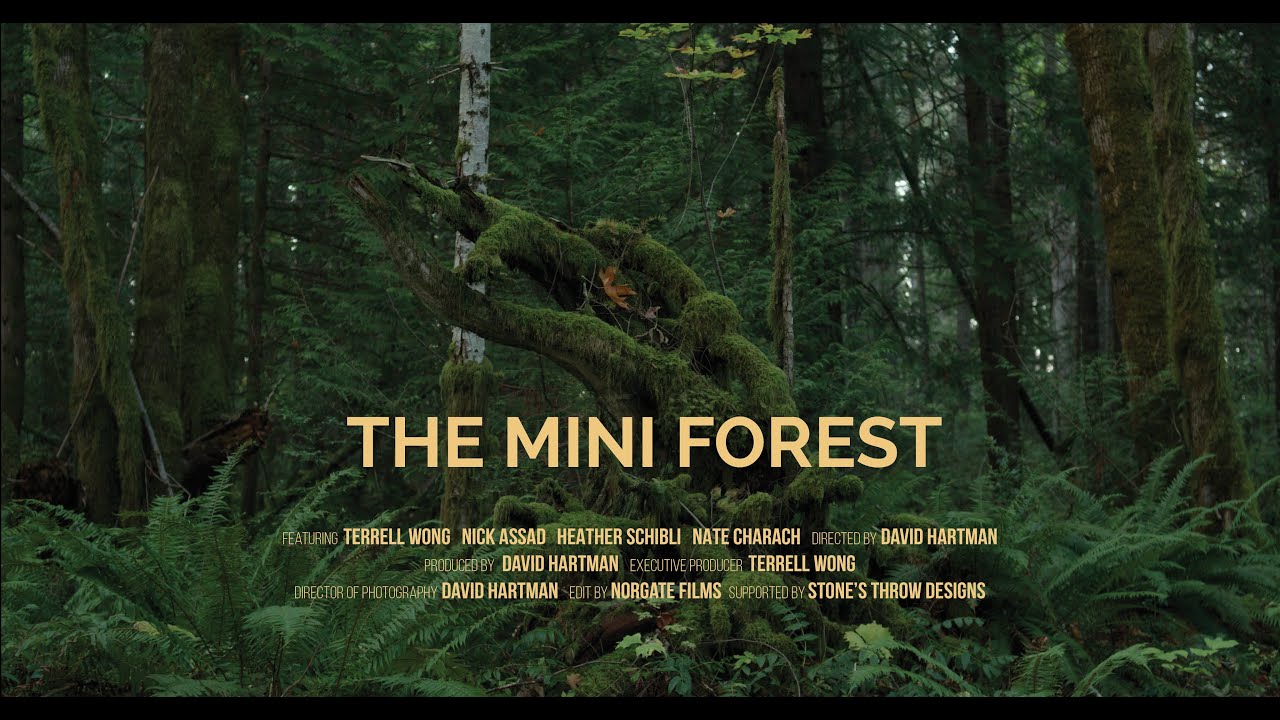
Terrell Wong's initiative to plant 100 trees in her Toronto backyard highlights the Miyawaki Method's role in rewilding and restoring native woodlands.
The concept of a Missing Link in human evolution is examined, revealing that evolutionary processes do not support the existence of such a specimen.
The moon's origins are explored through the theory of a colossal impact between Earth and a Mars-sized body, supported by decades of scientific research and exploration.
A 2,000-year-old lorica segmentata, the most complete Roman armour ever found, is showcased at the British Museum, revealing its historical significance and design.
Iceland is the most fearsome volcanic island, shaped by powerful geological forces.
Woods Hole Oceanographic Institution's research reveals significant findings about deep-sea ecosystems and their role in global biodiversity.
Epic black holes and nuclear furnaces transform the universe in dynamic ways.
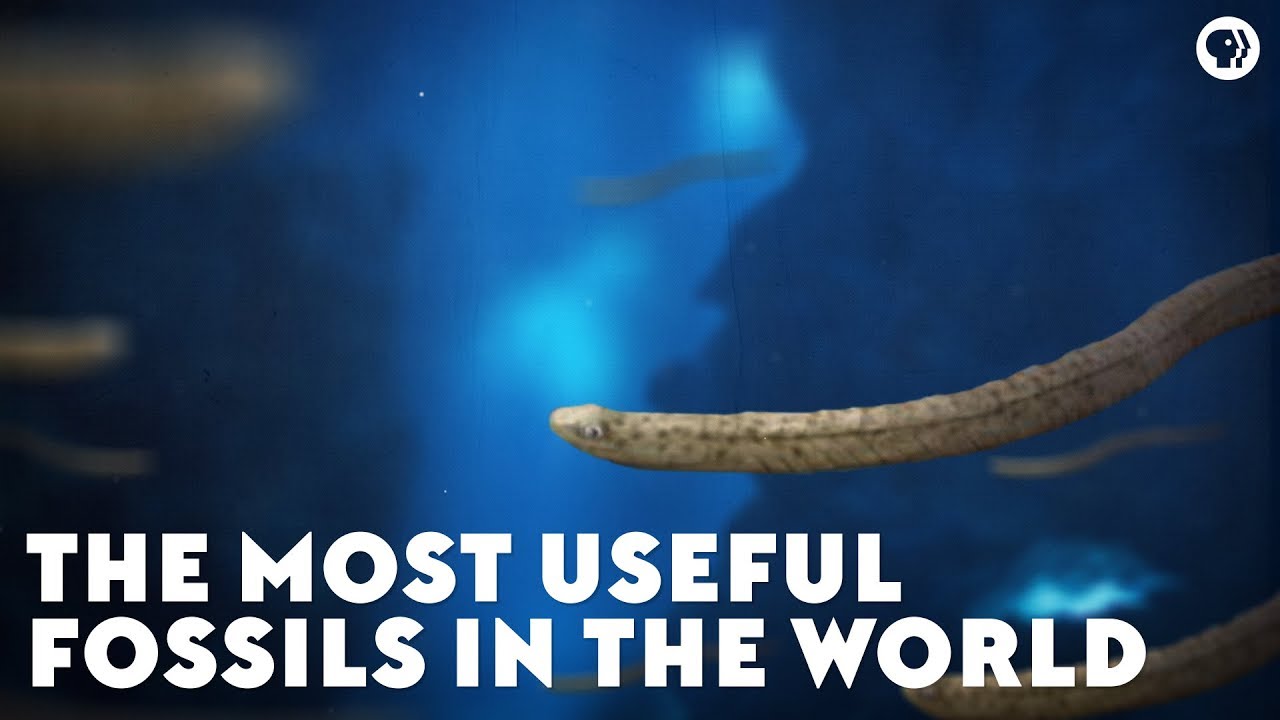
Conodont fossils, once a mystery to paleontologists, are revealed to be crucial for understanding geological time and the evolution of early vertebrates.