From over 100,000 films, discover the handful you'll love.
Free or premium access to the world's largest documentary library.
7227 films(Page 102 of 151)
By January 27th, Margaret Howe works with Peter the dolphin, attempting to teach him to mimic human sounds and engage in basic conversation.
A nuclear reactor in Germany, built on the grounds of a theme park, never operated for a single second despite its potential to generate more fuel than it consumed.
Sergey Zimov proposes reintroducing large herbivores to stabilize melting permafrost.
The Canyon Diablo is a 4.5 billion-year-old meteor fragment and one of Earth's oldest objects.
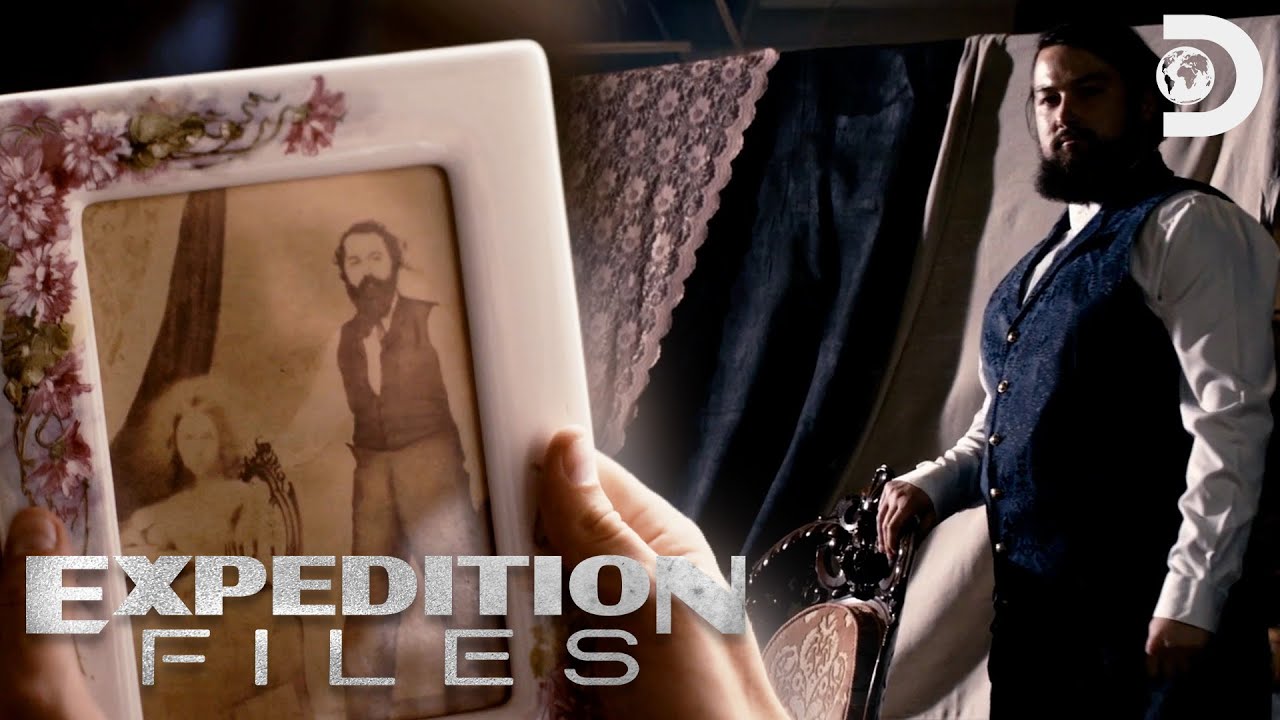
William H. Mumler's 1861 self-portrait, which appears to show the spirit of his deceased cousin, raises questions about the validity of spirit photography.
Pepper, a French-Japanese robot, claims to read emotions and engage in conversation.
Josh operates a sugar cane grinder that looks strikingly similar to a moonshine mill.
Josh Gates visits Bari, Italy, during the Feast of St. Nicholas, celebrating local traditions.
In the 1960s, Coretta Scott King and Ralph Abernathy celebrated Juneteenth on the National Mall, linking the fight against slavery to poverty.
This clip shows Lactobacillus bacteria growing through time lapse photography.
Seven household objects face destruction as lasers and lightning compete to determine which force is more powerful in a series of experiments.
Seven objects, including glass bottles and a can of beans, are tested against lava and lasers to determine which is more destructive.
NASA's Kepler telescope has identified thousands of exoplanets, with one in five potentially capable of supporting life.
Linda Greenlaw, former captain of the Hannah Boden, transitions from swordfishing in the North Atlantic to crab fishing in the Bering Sea, showcasing her adaptability.
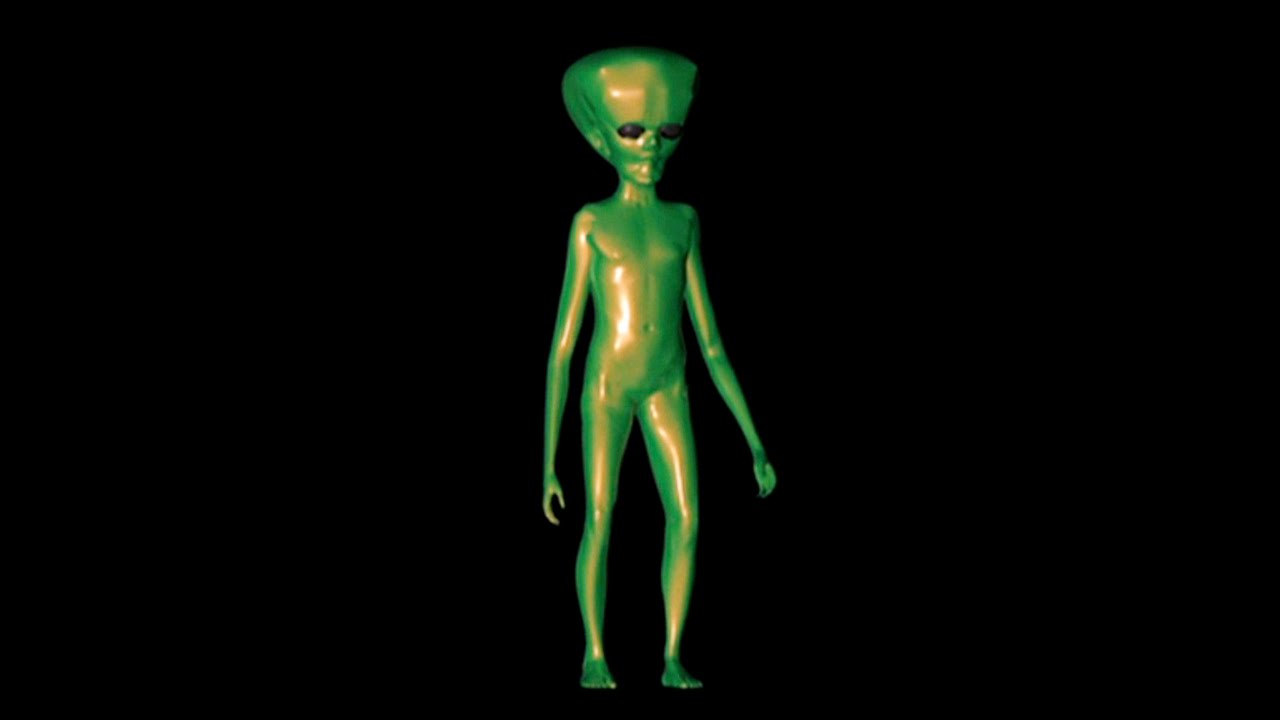
Humanoid alien encounters, often involving abduction and experimentation, raise questions about extraterrestrial motivations and the implications of interstellar travel.
A 98-year-old participant in a longevity study at the Albert Einstein College of Medicine shares insights on the genetics of aging and health.
Around 4 billion years ago, Jupiter and Saturn's alignment triggers asteroid bombardment on Earth.
In the constellation Sagittarius, NASA's Spitzer Space Telescope reveals a dragon-shaped cloud of dust where baby stars are rapidly forming alongside the Omega Nebula.
The Hubble Space Telescope tracks impressive magnetic energy from a distant galaxy.
Five gallons of strawberries and a dozen bananas are combined in six barrels to create a new batch of strawberry-banana moonshine.
A Mako shark can win a fight against a great white by using its speed and a special move to cripple its opponent.
Researchers from around the world continue to seek a malaria vaccine to save lives.
Dr. Riley Elliot faces a massive female shark while male sharks compete for her attention.
The discovery of farming created the roots of modern civilization and transformed societies.
Mars Reconnaissance Orbiter's HiRISE camera captures high-definition images that reveal the intricate geological features and vibrant landscapes of the Red Planet.
NASA's rover Opportunity, initially intended for a nine-month mission, has spent over six years exploring Mars, analyzing craters and rocks.
The Mars rover Opportunity operates for Nine Years, exploring Endeavour Crater's geology.
Mars Odyssey, operational since 2001, has mapped the planet and detected hydrogen, leading to the confirmation of frozen water by NASA's Phoenix mission in 2008.
The HIRISE camera on the Mars Reconnaissance Orbiter captures unusual volcanic and impact features on Mars, showcasing unique shapes and patterns.
Planetary scientists reveal that ancient Mars had a warmer, wetter environment than today.
NASA and private companies aim to send astronauts to Mars despite daunting challenges.
NASA's MAVEN orbiter shows how solar wind erodes Mars' atmosphere in real-time.
Engineers at Johnson Space Center design a Deep Space Habitat for living on Mars.
In a visual exploration of the cosmos, the film showcases the beauty of the universe, from Earth's aurorae to distant galaxies and the edge of the universe.
A 24,000 lb telescope has captured hundreds of thousands of photographs of star formations and distant galaxies, revealing images invisible to the naked eye.
A sample of pool water can contain measurable levels of artificial sweeteners, indicating the presence of urine contamination.
Scientists test mechanical jaws modeled after Acrocanthosaurus on a Borealopelta replica.
Dolphins evolved from land-dwelling ancestors, adapting to diverse marine environments over millions of years, as explored through their evolutionary history.
Ted Schultz highlights Brazil's unique ant diversity and the significance of international collaboration in scientific research.
Karen Neves studies ant phylogenetics as a Smithsonian fellow using advanced DNA sequencing.
José Loaiza explains how the Asian tiger mosquito rapidly colonized Panama.
David de Santana leads a project on electric fish at the Smithsonian's National Museum of Natural History.
Carlos Jaramillo discusses paleontology and discoveries in Ellis Hitler's coal mines.
Two parasites in fish, crabs, and shrimp can lead to deficiencies in physical, mental, and reproductive development, impacting future generations' health.
The babirusa pigs of Sulawesi showcase unique traits due to their isolation from the mainland.
Albert Uy gathers data about native flycatchers in the Solomon Islands with local guides.
Emma Liu climbs Villarrica Volcano in Chile to gather data for the Global Volcanism Program.
A sample clip shows the inflammatory response in tissue using microscopy techniques.