From over 100,000 films, discover the handful you'll love.
Free or premium access to the world's largest documentary library.
7227 films(Page 129 of 151)
Spirit and Opportunity, NASA's twin rovers, explored the Martian surface for over a decade, revealing evidence of ancient wet environments.
On August 17, 2017, astronomers detected the merger of two neutron stars, producing gravitational waves and an electromagnetic flash for the first time.
Ancient Babylonian astronomical data significantly influenced Greek science and mathematics, shaping the foundational arguments of early Greek scholars.
SpaceX's Starlink project aims to provide global high-speed internet access through a constellation of low Earth orbit satellites, addressing connectivity challenges worldwide.
Footage from 'Journey to the Edge of the Universe' reveals the life cycle of stars.
Steve Irwin encounters some of Australia's most venomous snakes, showcasing their behavior and habitats across remote regions of the country.
The team detects radiation hotspots and launches a balloon to trace strange energy above the ranch.
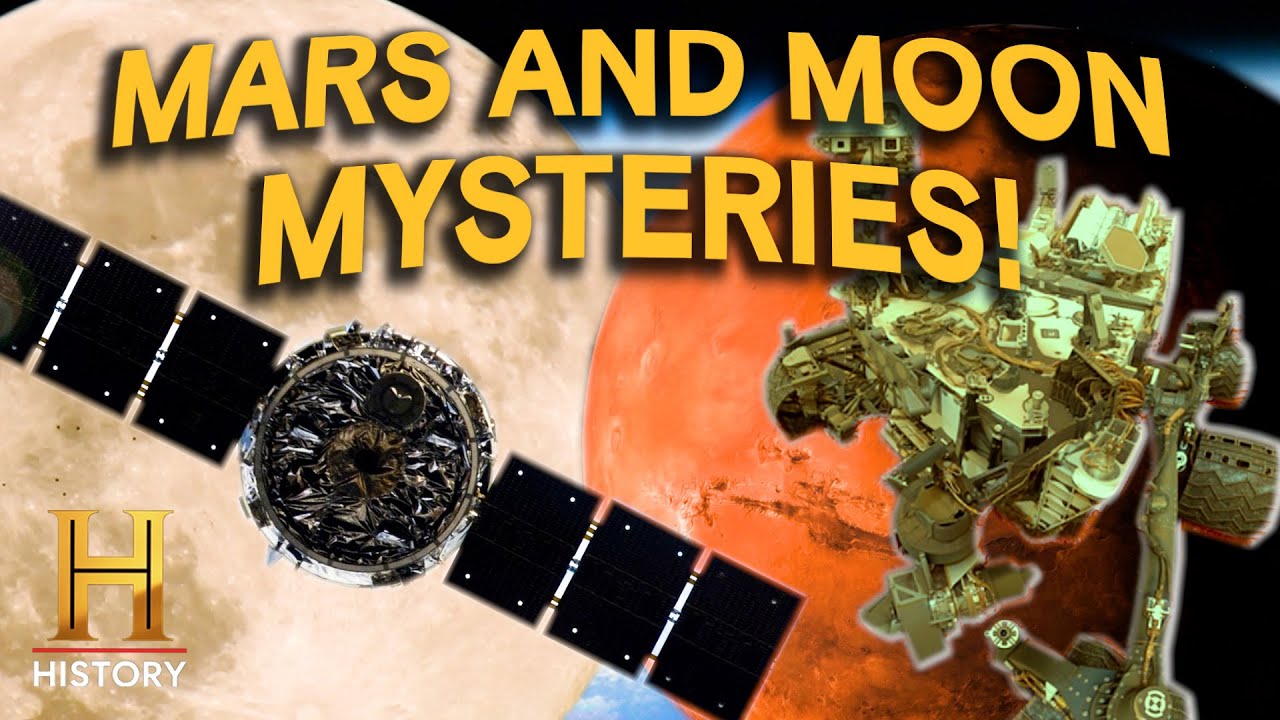
Experts analyze unusual structures on Mars and unexplained phenomena on the Moon, presenting evidence that challenges current understanding of these celestial bodies.
The crew meets with experts to verify a massive invisible dome at the ranch in Season 6.
Andy and Paul find evidence of strange activity linked to 'Goldie' in Southern California.
A foot-long snake with two heads is discovered in a sunroom in Taylorsville, North Carolina, prompting questions about its survival and origins.
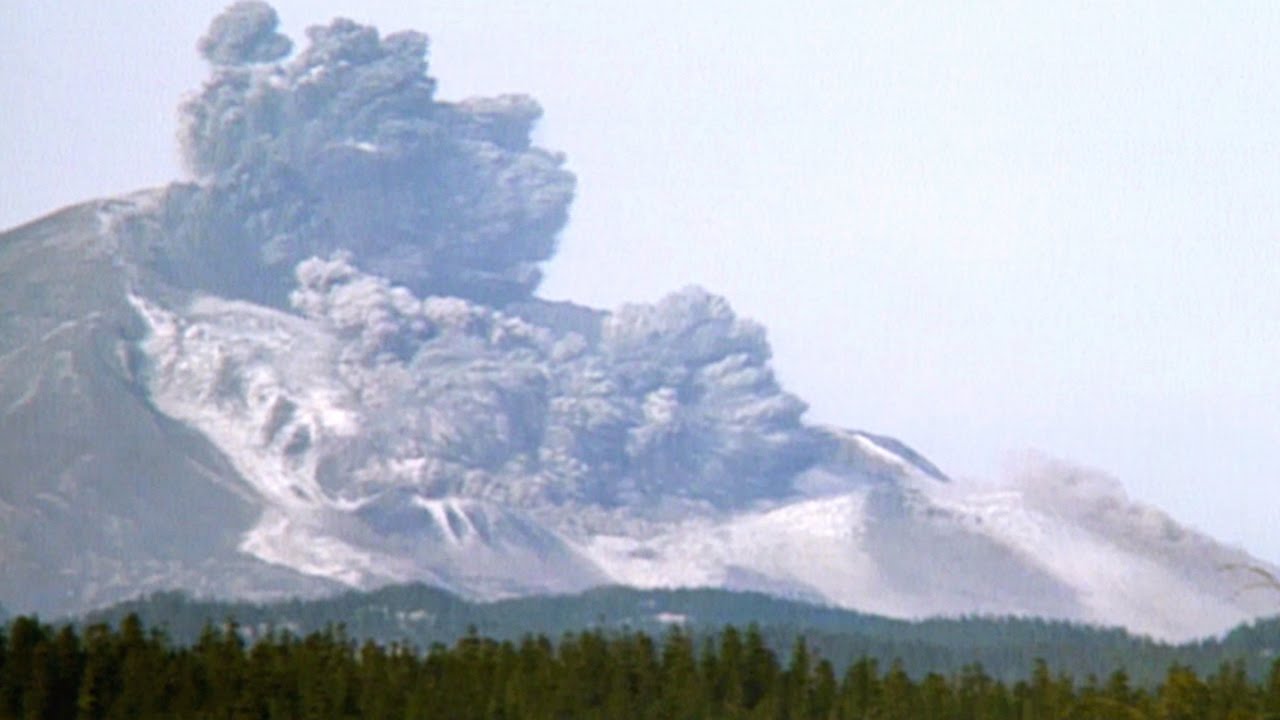
Lawetlat'la, also known as Mount St. Helens, serves as a focal point for examining the challenges of predicting volcanic eruptions through various scientific methods.
A new image from ALMA reveals unprecedented detail in a young star's planet-forming disc.
A Canadian scientific expedition in Resolute Bay successfully installed a plastic dome on the Arctic Ocean floor to support research beneath the ice.
The Super Blood Moon eclipse of 2015 features a rare alignment of the Sun, Moon, and Earth.
Astronomers at the European Southern Observatory in Chile identify seven planets orbiting Gliese 667C, including two in the habitable zone for potential liquid water.
Astronomers have identified supermassive black holes at the centers of giant galaxies, which exert immense gravitational forces on their surroundings.
More than 80% of US forest fires are started by human activity, yet a cigar-shaped UFO was spotted during the 2018 Woolsey fire in California.
A supernova can release as much energy in 10 seconds as all the stars, galaxies, and quasars in the observable universe combined.
The fire ant, Solenopsis Invicta, ranks among the hundred most devastating invasive species.
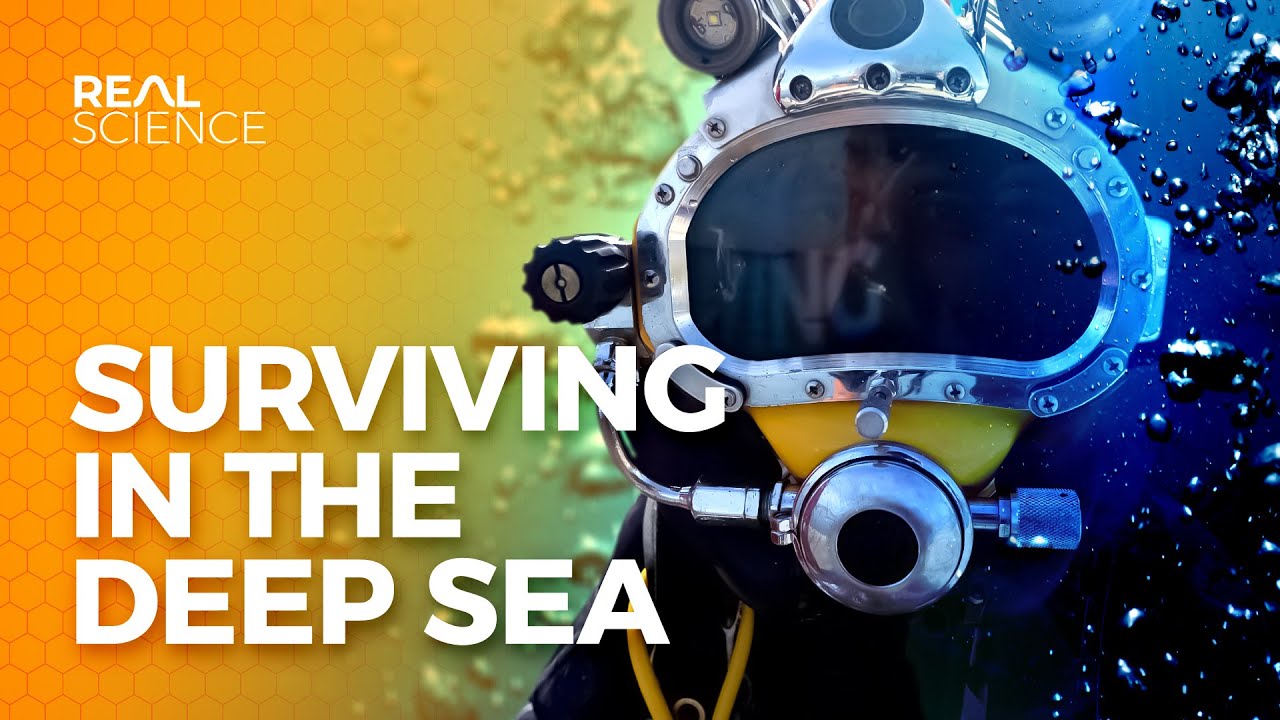
Explorations of extreme underwater environments highlight the challenges and innovations faced by deep-sea divers and researchers in marine biology.
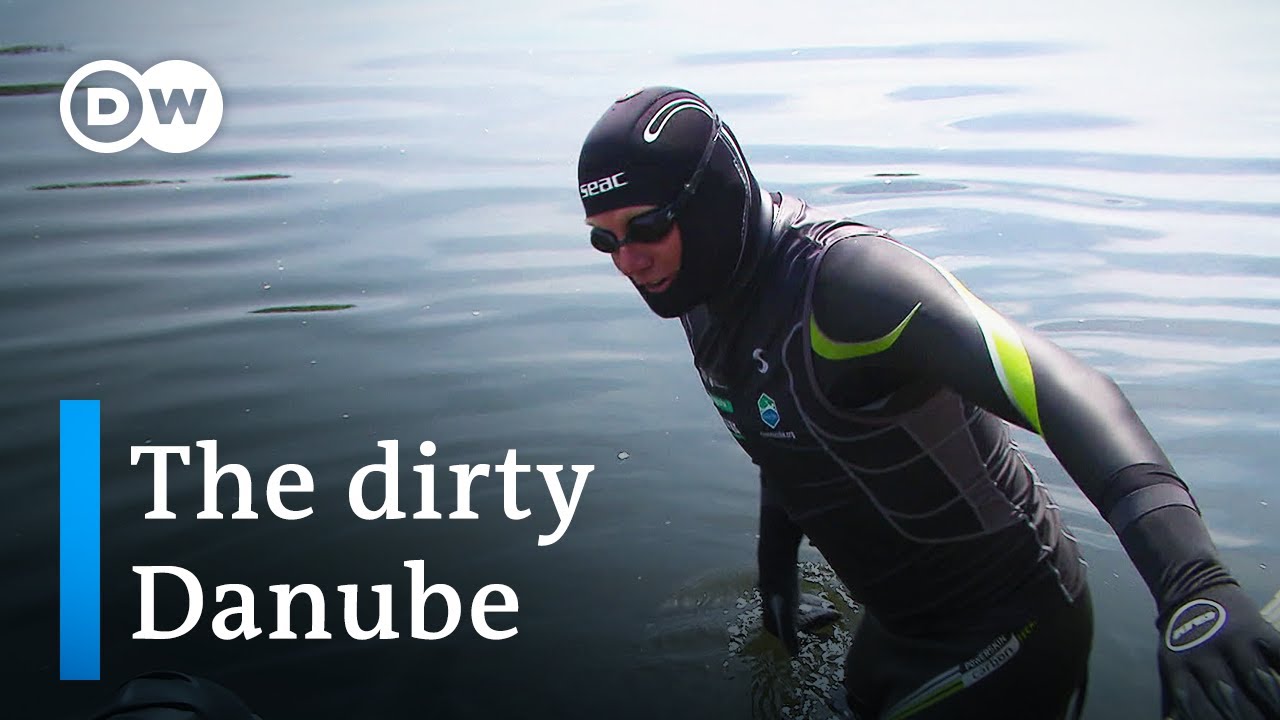
Four tons of microplastics flow daily from the Danube into the Black Sea, prompting chemistry professor Andreas Fath to swim the river's entire 2,700 kilometers.
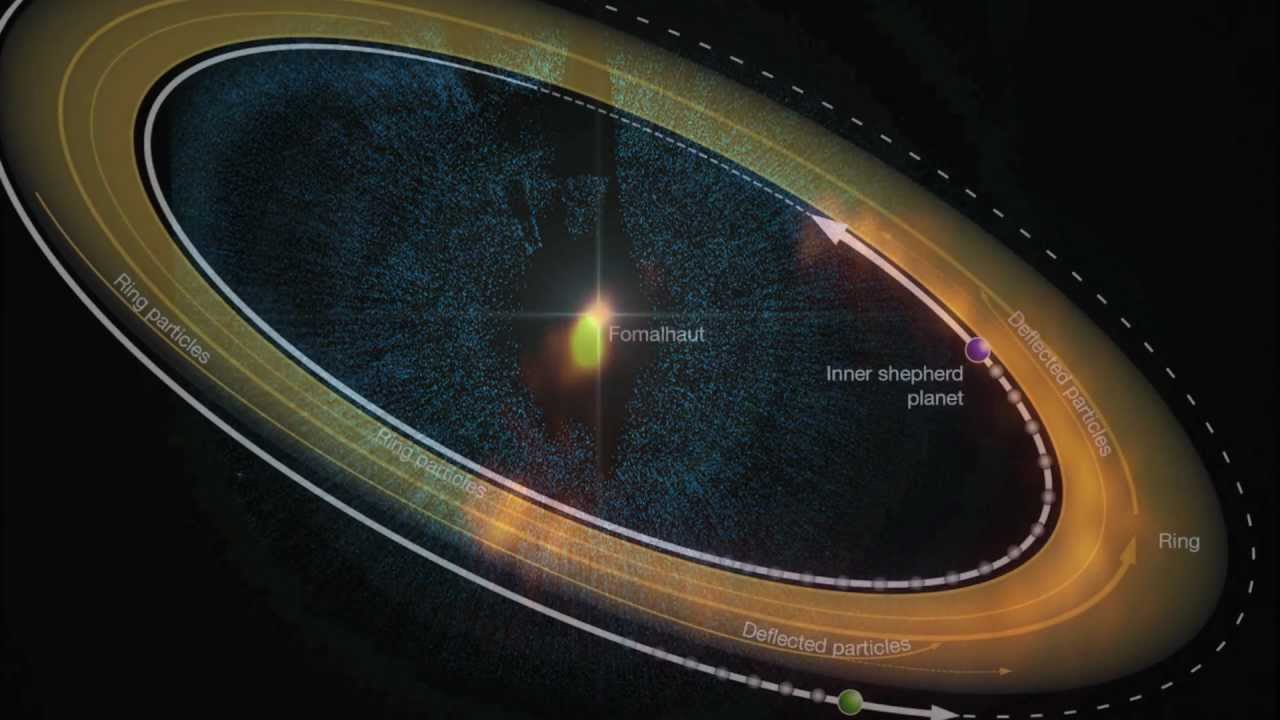
Advancements in technology, particularly with the Hubble Space Telescope, have enabled scientists to transition from theoretical predictions to direct observations of exoplanets, such as those orbiting the star Fomalhaut.
Linda Porter from Covina, California, recounts her alien abduction experience in 1963.
During the Triassic Period, approximately 234 million years ago, the supercontinent Pangea experienced a significant shift from a hot, dry climate to a much wetter environment.
3 billion years ago, an excess of oxygen in Earth's atmosphere nearly led to the extinction of all life, a phenomenon known as the Oxygen Catastrophe.
Cataclysmic eruptions in the American West, explored through geological phenomena, reveal how significant events can occur without widespread devastation.
The Cretaceous Resinous Interval, a 54-million-year period marked by widespread amber preservation, raises questions about the environmental conditions that caused its sudden disappearance.
The Mediterranean Sea's disappearance, a phenomenon studied over decades by researchers like Aaron Micallef and Daniel Garcia-Castellanos, reveals significant geological changes.
During the Cretaceous Period, Earth's ecosystems faced extreme conditions that led to a significant depletion of oceanic oxygen for half a million years.
Paleontologists found a theropod dinosaur skull atop a nest of eggs, revealing that raptors like Citipati were likely caring parents rather than nest robbers.
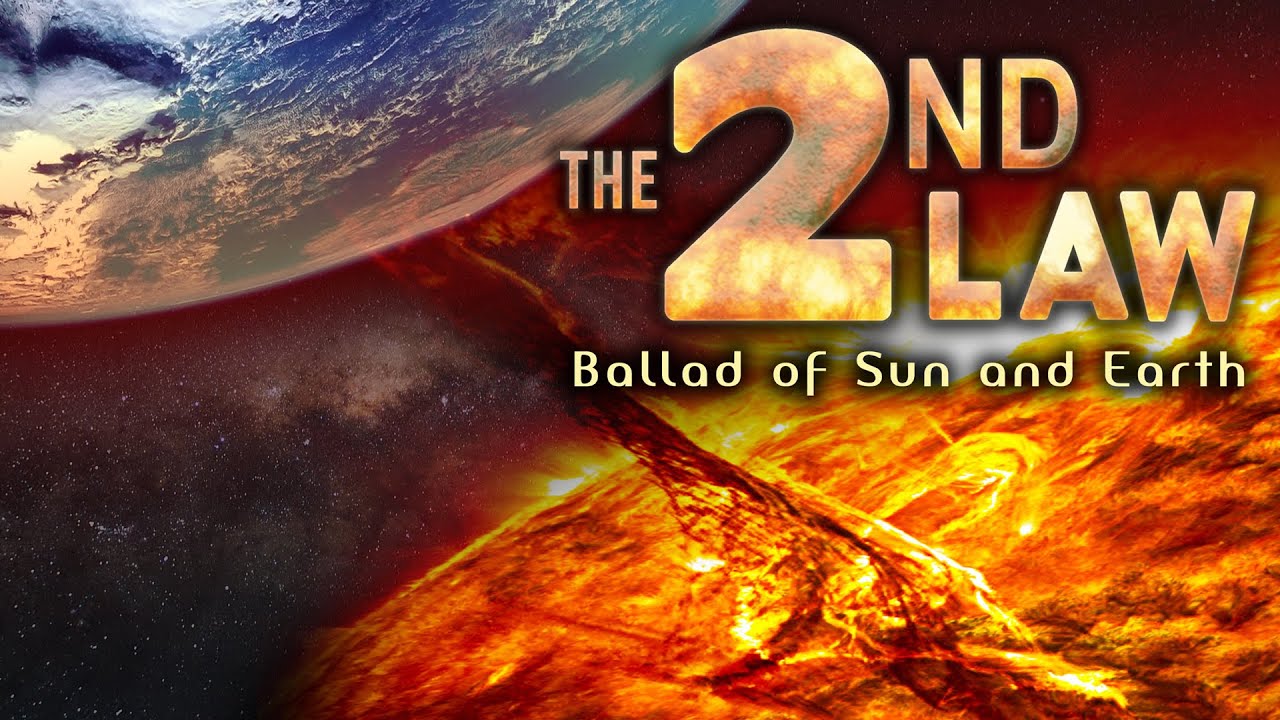
Earth and the Sun navigate the Milky Way together, showcasing their intricate relationship and the cosmic forces that shape their existence.
Dental calculus, the hardened residue on teeth, serves as a unique fossil record that allows scientists to trace microbial evolution over 40 million years.
During the Carboniferous Period, approximately 315 million years ago, insects and other arthropods thrived in enormous sizes, vastly outnumbering early terrestrial life.
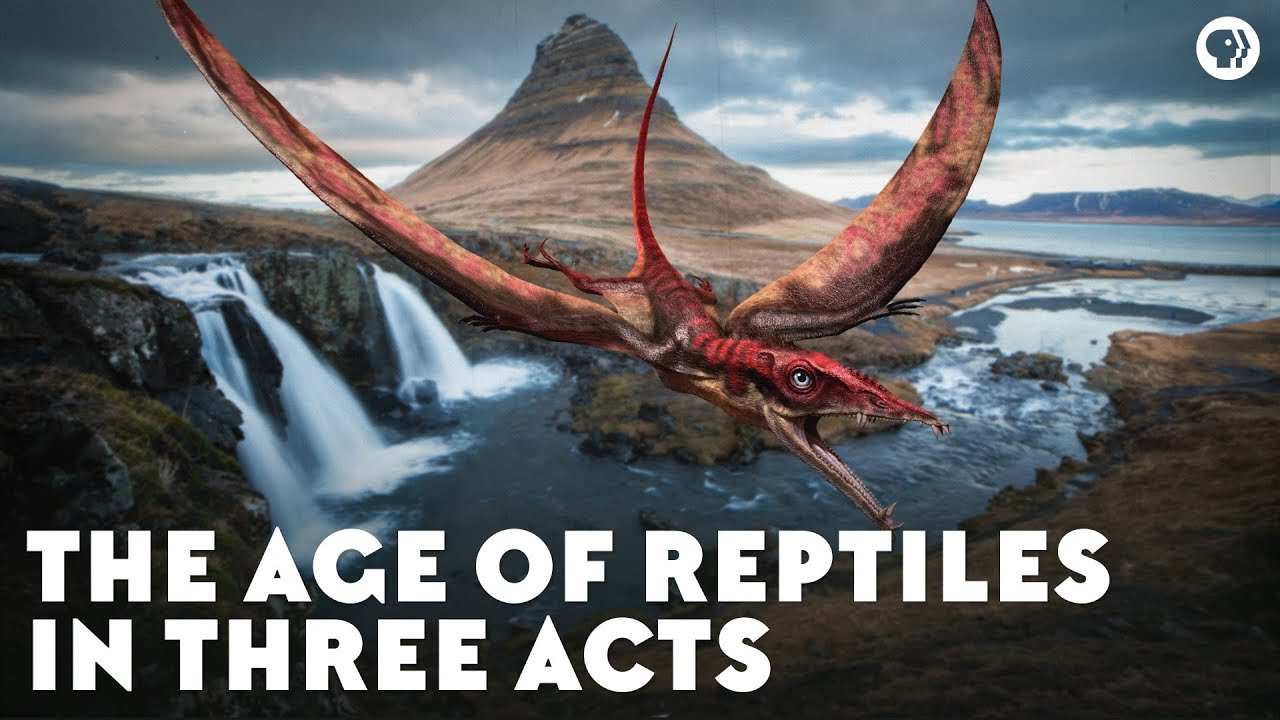
Reptiles evolved during the Mesozoic era, showcasing their transformation from modest creatures to some of the largest life forms on Earth.
In Florida's waters, the Alligator Snapping Turtle poses a hidden threat with its powerful bite and unique hunting techniques.
Denisovans, an ancient human species known from only a few fossils, present challenges in reconstructing their morphology due to the scarcity of physical remains.
Spiders and their ancestors have driven an evolutionary arms race that led to the development of powered flight in insects long before they inhabited land.
Mars approaches Earth every two years, prompting robotic missions to explore the Red Planet.
This scene discusses the inevitable calamity from space that threatens humanity's future.
Giant beavers, which lived both on land and in water, lacked the dam-building abilities of their modern counterparts, highlighting significant evolutionary differences.
This episode reveals bizarre stories of strange objects falling from the sky.
Beelzebufo, the giant frog that coexisted with dinosaurs, presents a complex challenge in understanding amphibian evolution and paleobiology.
Iceland's Thingvellir plain spreads apart at a rate of one inch per year due to the forces of the Mid-Atlantic Ridge and an underlying hotspot.
George Van Tassel begins creating an immortality machine in 1958 in this episode.
In the Bering Sea, the crew of Cape Caution faces extreme weather and treacherous waters while striving to keep their crab catch alive.
Hurricane Ida made landfall in Louisiana as a category 4 storm with winds of 150 miles per hour, causing significant destruction and flooding.
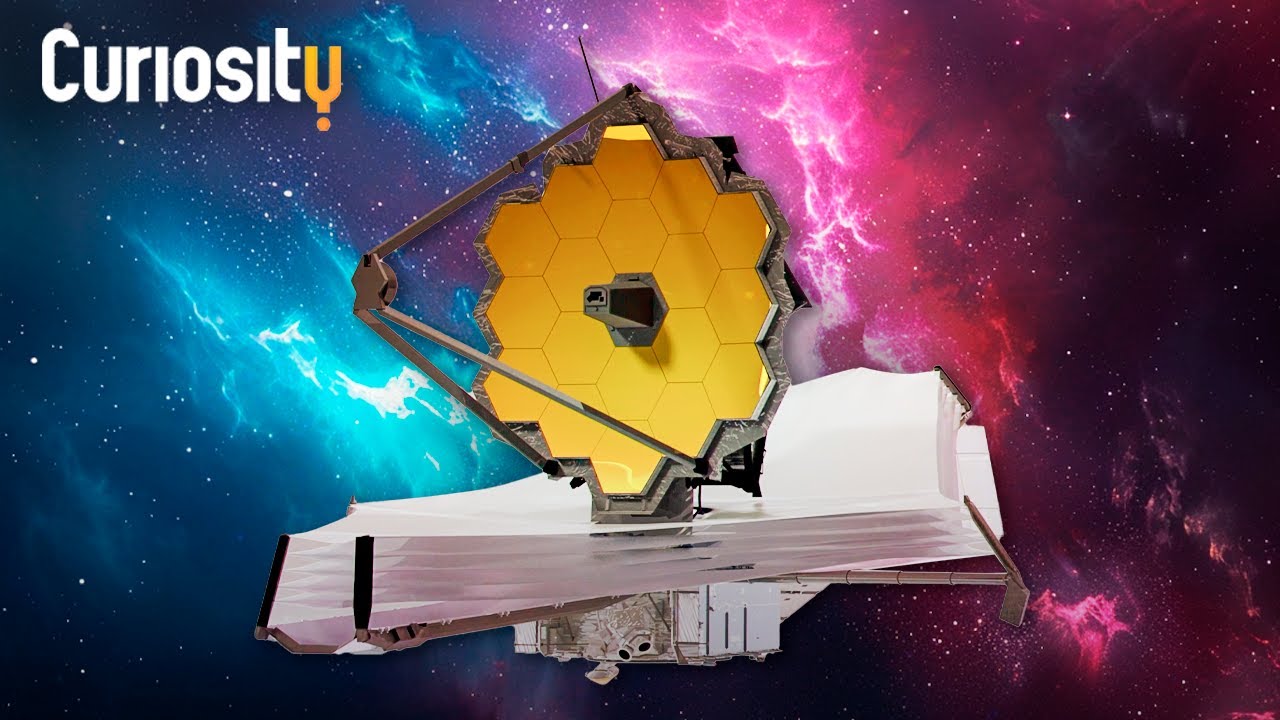
25 years and $10 billion later, the James Webb Space Telescope is set to launch from French Guiana in December to study the universe's earliest light.