From over 100,000 films, discover the handful you'll love.
Free or premium access to the world's largest documentary library.
7235 films(Page 116 of 151)
Charles Darwin's later years were marked by an intense focus on earthworms, culminating in his final scientific work that explored their ecological significance.
Scientists prepare for the Day of the Asteroid and the risks of future impacts on Earth.
In the Antarctic summer, regions like South Georgia and the Antarctic Peninsula transform into vibrant habitats, showcasing a surprising diversity of wildlife.
A supernova can release energy equivalent to the output of the sun over its entire lifetime in just a few seconds.
Anglerfish in the deep sea exhibit unique mating behaviors, revealing insights about their immune systems and potential implications for human medicine.
Deep oceanic parasites, examined by marine biologist Jaida Elcock and experts, may indicate the health of marine ecosystems rather than being purely harmful.
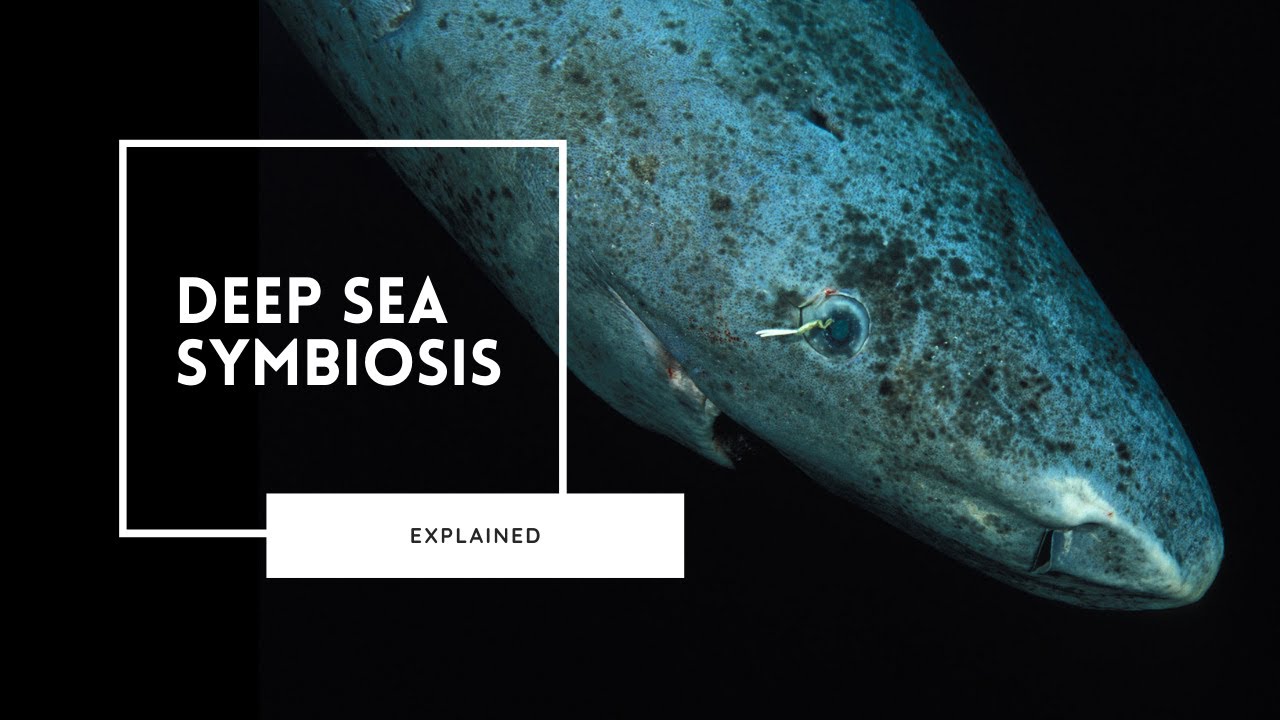
Symbiosis in the deep sea, exemplified by interactions between giant tube worms and chemosynthetic bacteria, plays a crucial role in sustaining marine ecosystems.
In the open ocean, diverse life thrives in the pelagic zone, utilizing unique adaptations to survive in the challenging environments from the surface to the abyss.
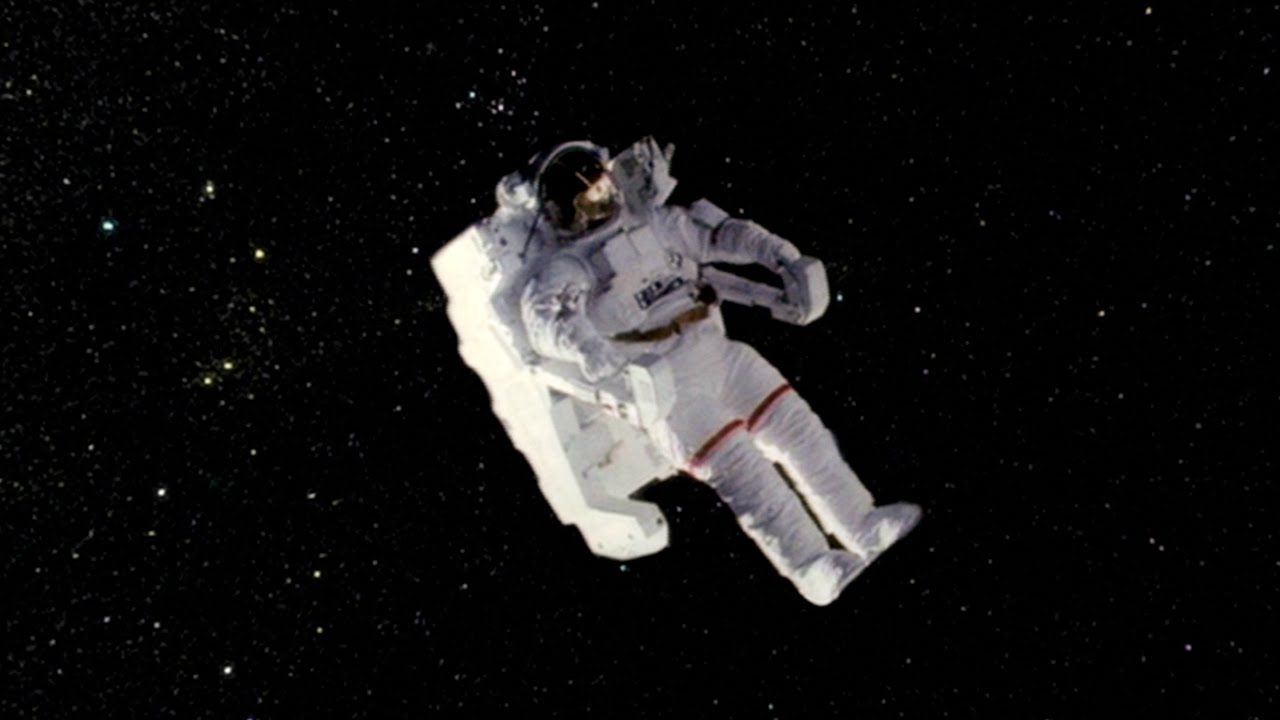
Cosmic rays pose significant challenges for human space travel as Earth faces potential threats like ice ages and pollution, necessitating the search for new habitats.
Sunken whale carcasses and uprooted trees create unique ecosystems on the ocean floor, supporting diverse biological communities in deep-sea environments.
Zenon, an observation satellite, has autonomously deviated from its orbit and is withholding critical data on Earth's water reserves.
A group of 12 travelers, including Buzz Aldrin, journeys to the South Pole, a region where ice is over 1,000 meters thick.
Isaac Newton and Robert Hooke, two pivotal figures in science, are examined for their brilliance and contentious personalities in the realm of mathematics.
A 40-foot carcass off New Zealand raises questions about prehistoric monsters in Season 7.
Doggerland, a submerged prehistoric landscape in the North Sea, may have been lost to a megatsunami, highlighting the geological forces that shaped it.
Catarrhine primates, including African and Asian monkeys, apes, and humans, uniquely lack the alpha-gal sugar molecule found in other mammals.
Asteroids may have played a crucial role in the origin of life on Earth, according to research presented by Eons for PBS Digital Studios.
Ecosystems today include a variety of dietary options beyond carnivores and herbivores, prompting exploration of whether insects influenced dinosaur evolution.
The team embarks on a daring quest to test Benjamin Franklin's kite experiment with electricity.
Paleontologists debate whether the fossil LH PV18 belongs to the theropod Tarbosaurus bataar or represents a distinct species, Raptorex kriegsteini.
In 1803 Italy, a researcher conducts a controversial experiment on an executed prisoner's body to test the theory that electricity can reanimate the dead.
A biologist in Soviet Moscow conducts bizarre livestock experiments to boost food production.
At Tanque Loma, researchers propose that at least 22 giant ground sloths of the genus Eremotherium died due to being surrounded by their own feces.
Dimetrodon, a sail-backed reptile from the Palaeozoic Era, serves as a significant link in the evolutionary history leading to modern mammals.
Dinosaurs are examined through their massive fossils and behaviors, highlighting their similarities to modern birds, particularly chickens.
At 8:54 a.m. on February 1, 2003, the crew of Space Shuttle Columbia lost communication with Mission Control just moments before the shuttle disintegrated during re-entry.
22 seconds into the launch of Space Shuttle Discovery, a pressure transducer reading indicated a dangerous overpressurization, prompting urgent responses from NASA engineers.
A $100 million deep space probe spirals out of control and crashes after a critical failure in its parachute system.
In the deep sea, various animal aggregations, such as jellyfish blooms and scavenger communities, form vital hotspots of biodiversity that enhance survival and reproductive success.
Lee Berger discusses the challenges faced by his team in recovering Homo naledi fossils and their implications for understanding human origins.
Tiktaalik, a crucial fossil from the Devonian period, illustrates the evolutionary transition from aquatic life to land-dwelling animals and connects modern humans to their fish ancestors.
In the waters of New Zealand, marine experts Brandon McMillan and Dickie Chivell seek to identify the largest of two massive sharks, Phred and Slash.
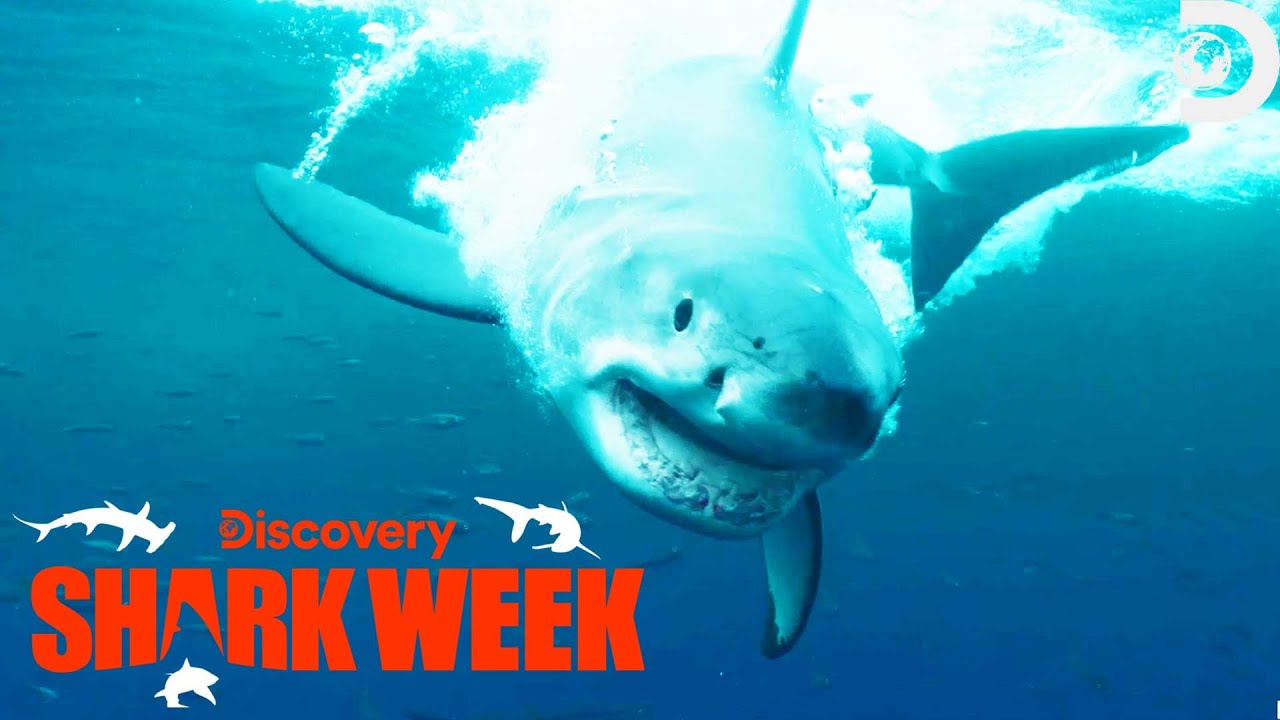
A 16-foot female great white shark is identified as the perfect candidate for a touchless ultrasound in an innovative research platform called Shark Dome.
A 17,000-year-old statue contains a chromium sphere, which some believe may indicate extraterrestrial contact with ancient cultures.
The Laron Dwarves in Loja, Ecuador, show unique immunity to cancer and diabetes, leading to scientific research on their genetics and potential medical breakthroughs.
A scientist conducts brain research by examining electrical signals, seeking alternative communication methods beyond muscle use.
Research on capuchin monkeys at the University of California, Santa Barbara, explores whether these primates exhibit behaviors indicative of a moral compass.
Musicians have larger gray matter volumes in areas of the brain related to motor planning and auditory processing compared to non-musicians.
Babies exhibit traits such as chubby cheeks and giggles that influence human connections and behavior, revealing insights into early human development.
Since 1962, almost 300,000 sharks have been tagged in research efforts, raising questions about the need to kill sharks for scientific purposes.
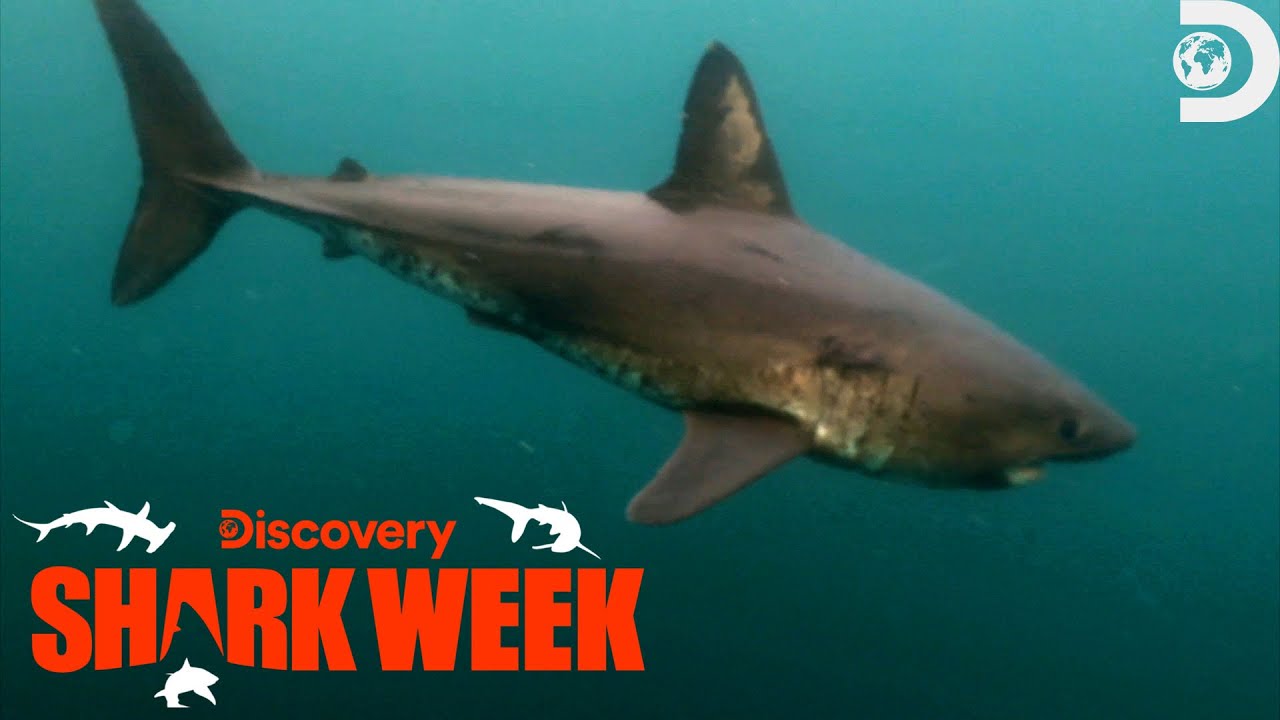
Forrest Galante conducts a taste test with salmon sharks to assess their dietary preferences for fish versus mammals, shedding light on their feeding habits.
Thunderbeasts, massive prehistoric creatures, raise questions about the evolutionary advantages of size, a topic of long-standing interest among paleontologists.
Dark matter, which makes up about 80% of the universe's mass, is examined for its potential connection to black holes and their gravitational effects.
Ray Mears collaborates with experts to test whether arrows can penetrate chainmail, while exploring the historical significance of the bow throughout time.
Physicists at CERN conducted a lengthy experiment to determine whether antimatter falls down or falls up in relation to Earth's gravity.
Quantum mechanics is examined for its role in understanding astrophysical phenomena, including superfluids and the interiors of collapsed stars.
One out of every two stars has a potentially habitable planet, according to findings from the Kepler mission, which has transformed the field of astronomy.
The mass of an electron's classical electrostatic field has a mass equivalent 20,000 times larger than the measured mass of the electron.