From over 100,000 films, discover the handful you'll love.
Free or premium access to the world's largest documentary library.
7227 films(Page 126 of 151)
Chip Freeman captures a mysterious purple beam of light in Anchorage, Alaska, in October.
At 1.71 gigahertz, the team recorded anomalous radio frequencies at Mount Shasta that corresponded with multiple unidentified aerial phenomena.
A spectrum analyzer records Earth-to-space communication during a series of orb sightings involving Chris Bledsoe and his daughter Emily in the Florida Everglades.
The team broadcasts a voice at 1.6 gigahertz into the atmosphere to see if the house at Rocky Mountain Ranch will respond.
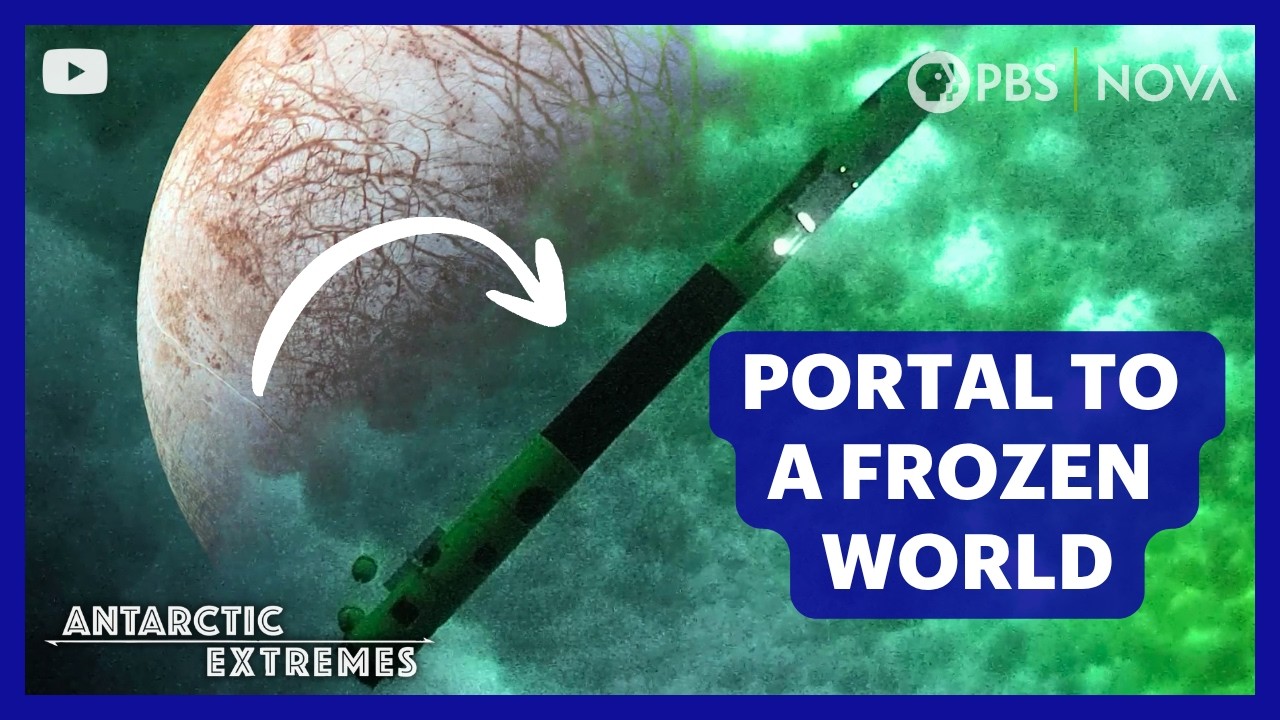
Beneath Antarctica's glaciers, a 12-foot-long robot named Icefin conducts explorations in areas inaccessible to boats or divers.
Oarfish, the longest bony fish in the ocean, remains largely mysterious, often encountered only when washed ashore or caught in nets.
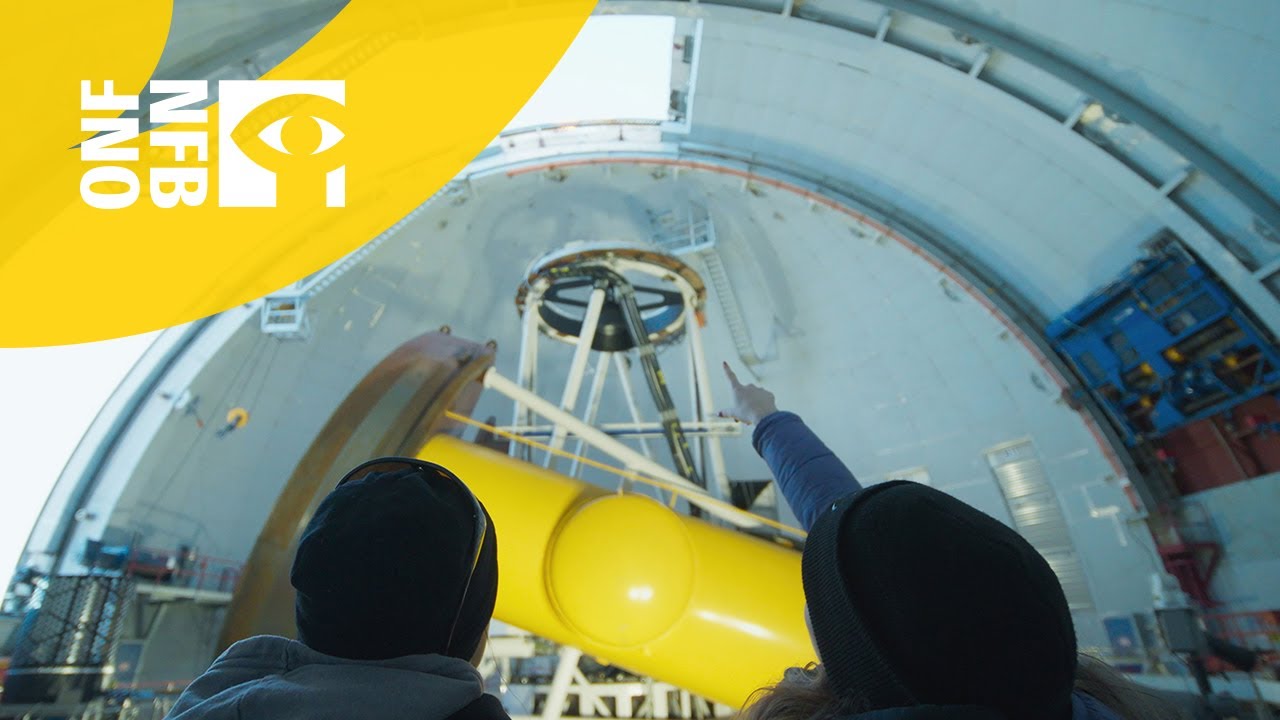
At La Silla observatory in Chile, astronomers document an unexpected red flash of light, raising questions about its implications for astronomical studies.
Forest ecologist Nalini Nadkarni collaborates with diverse groups, including artists and prisoners, to highlight the vital connection between nature and human life.
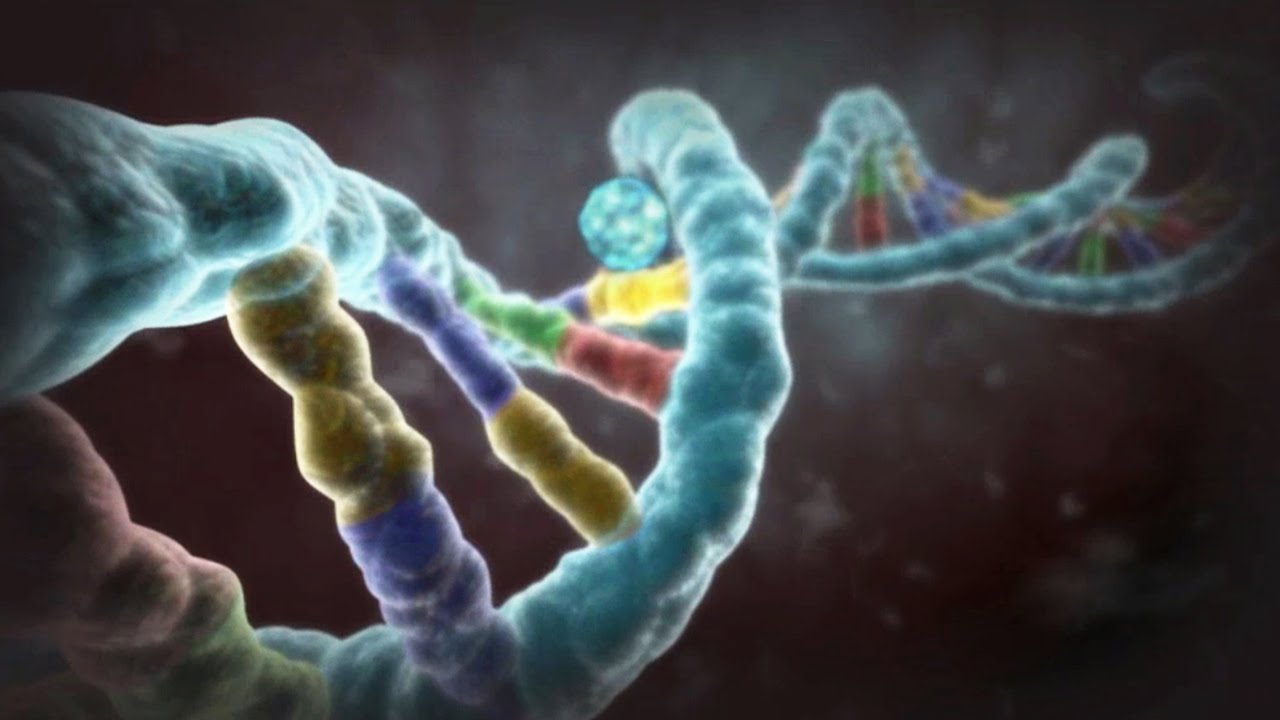
New microscopes opened the nano dimension, enhancing personalized medicine and cancer treatments.
Bio-computers represent a new parallel computing method that could rival quantum computers in practicality and cost-effectiveness.
Nanotechnology transforms medicine by detecting diseases and treating Covid-19 effectively.
Dr.
Vincent J.
Nobel Laureate Martin Chalfie and Nat Geo Explorer Beth Shapiro analyze the factors influencing species survival and extinction.
Biologist David Rubik has studied the wildlife in Panama for 30 years, noting nearly 500 different kinds of butterflies in just one acre of tropical forest.
Two identical twins raised together show diverging interests, with one being gay.
Nature showcases a variety of surprising projectiles, highlighting the unique adaptations of animals and plants that utilize these mechanisms for survival.
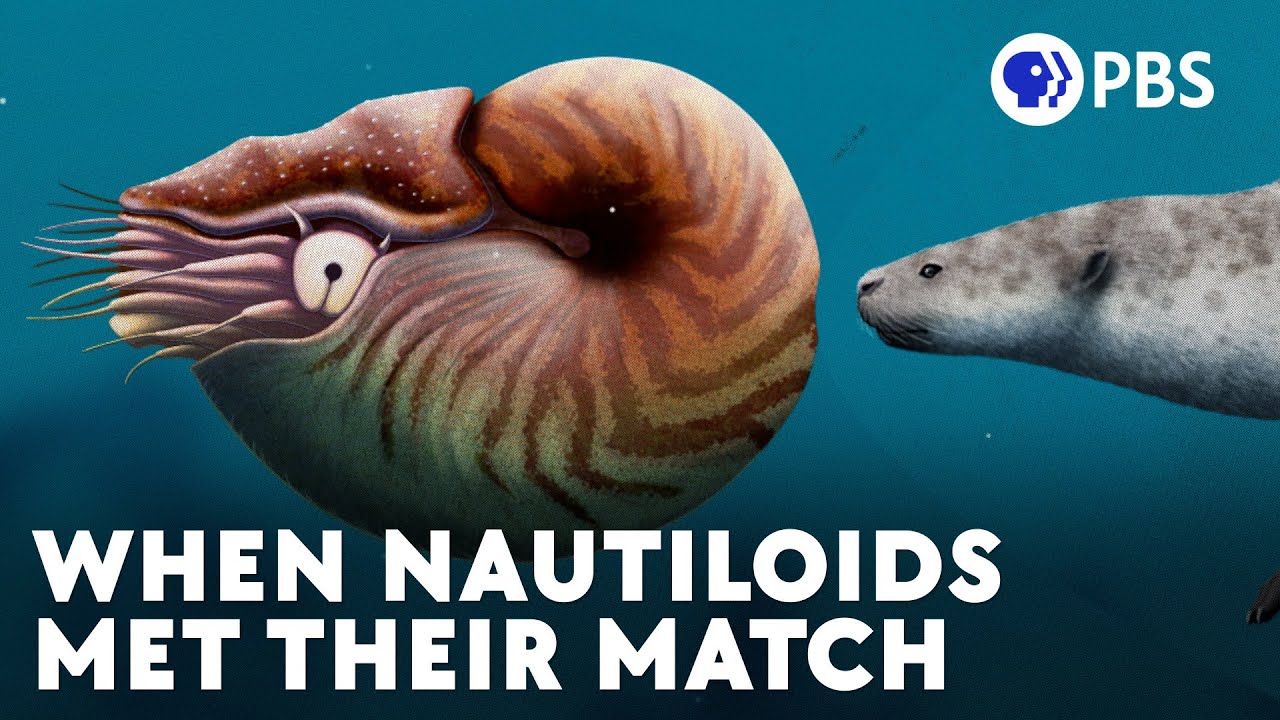
Around 30 million years ago, new predators like seals and whales began to displace nautiloids from their global habitats into a single refuge.
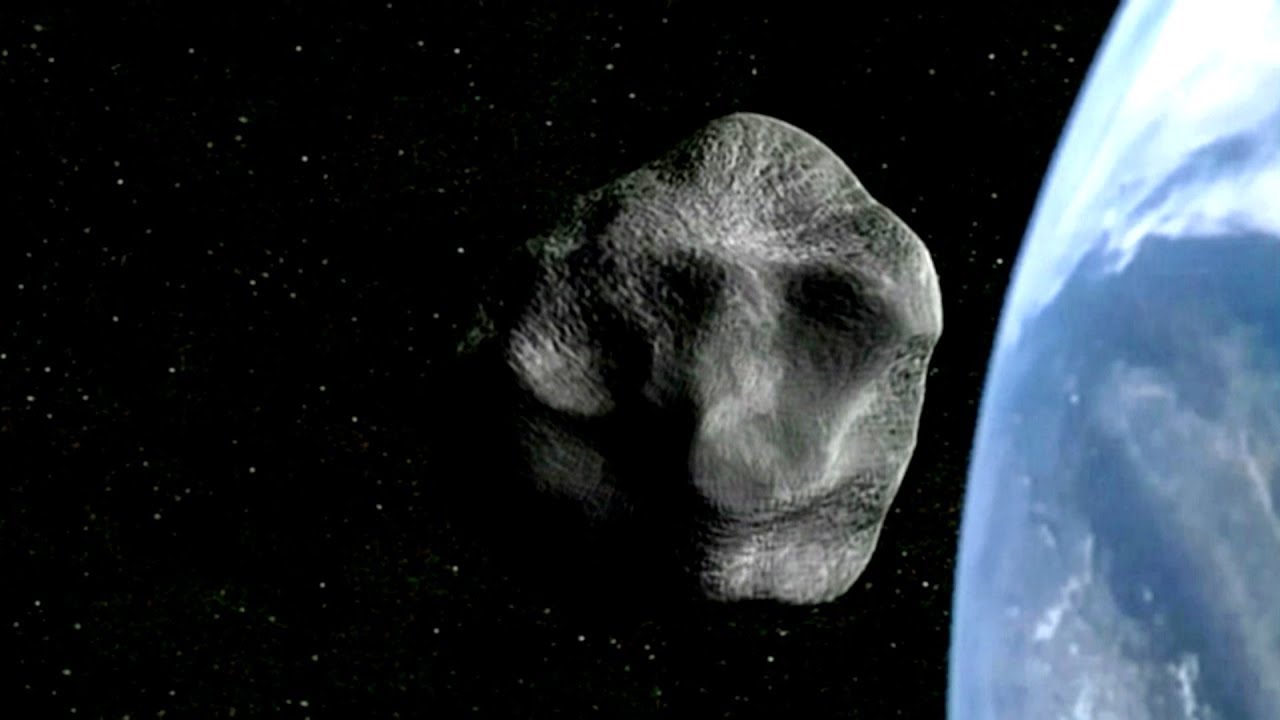
Five observatories and an army of astronomers search the skies 24 hours a day for comets and asteroids that could cause global disasters.
A breakthrough in artificial heart technology from Australia offers new hope for patients with severe heart conditions, potentially transforming cardiac care.
Scientists confirm space-time is smooth, supporting Einstein's predictions about gravity.
Astronauts visited Hubble in 2009 to install the Cosmic Origins Spectrograph and WFC3.
Heart disease, the leading cause of death worldwide, is examined through new research focusing on cardiac health and the impact of heart attacks.
New York City confronts the urgent challenge of rising waters and natural disasters, exploring innovative solutions for sustainable urban coexistence with nature.
Ocean School is a free online learning experience launched by Dalhousie University and the National Film Board of Canada to enhance ocean literacy among young people.
Ten million years ago, the Mediterranean Sea basin was a desert valley that transformed dramatically when the Strait of Gibraltar collapsed, allowing the Atlantic Ocean to flood the region.
A female marbled torpedo ray can give birth to between five and thirty-five offspring, which are self-sufficient and measure seven to ten centimeters long.
This Spanish documentary details the formation of the Mediterranean Sea and its history.
Paleontologist Nizar Ibrahim connects findings from the Cretaceous period, Nazi Germany, and modern Africa to trace the history of the Spinosaurus dinosaur.
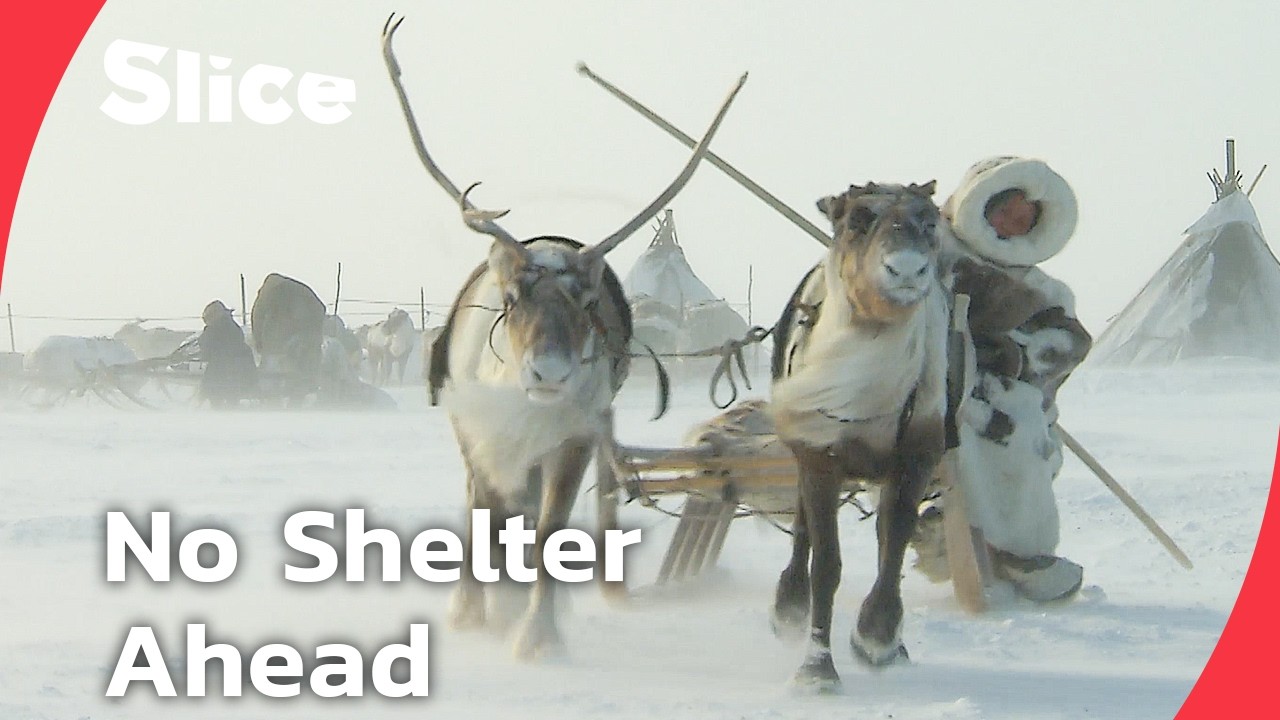
Nomadic herders navigate the frozen tundra, each guided by unique instincts and traditions, as they face the challenges of survival and trust in their communities.
Laurie Rousseau-Nepton, a Quebec-born Innu astrophysicist, leads a significant research project at the Canada-France-Hawaii Telescope while inspiring high-school girls with her unique perspective.
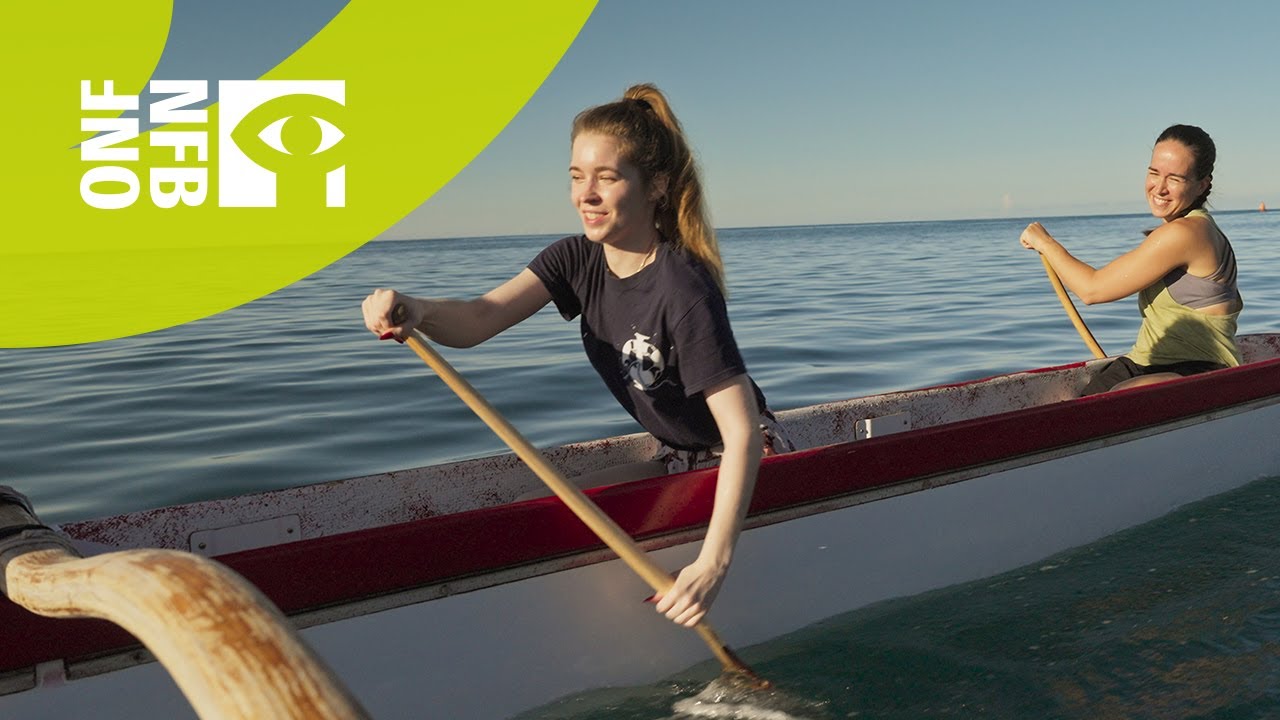
Laurie Rousseau-Nepton, a Quebec-born Innu astrophysicist, leads a research project at the Canada-France-Hawaii Telescope while exploring Hawaiian culture.
Laurie Rousseau-Nepton, a Quebec-born Innu astrophysicist, leads a research project at the Canada-France-Hawaii Telescope while reflecting on her childhood in the Ashuapmushuan Wildlife Reserve.
Laurie Rousseau-Nepton, a Quebec-born Innu astrophysicist, leads a significant research project on star formation at the Canada-France-Hawaii Telescope on Mauna Kea.
Laurie Rousseau-Nepton, a Quebec-born Innu astrophysicist, leads the SIGNALS project at the Canada-France-Hawaii Telescope while discussing women's roles in astrophysics.
NASA's Kepler space telescope detected two planets orbiting Kepler-62, located 1,200 light-years from Earth, that may hold water and support life.
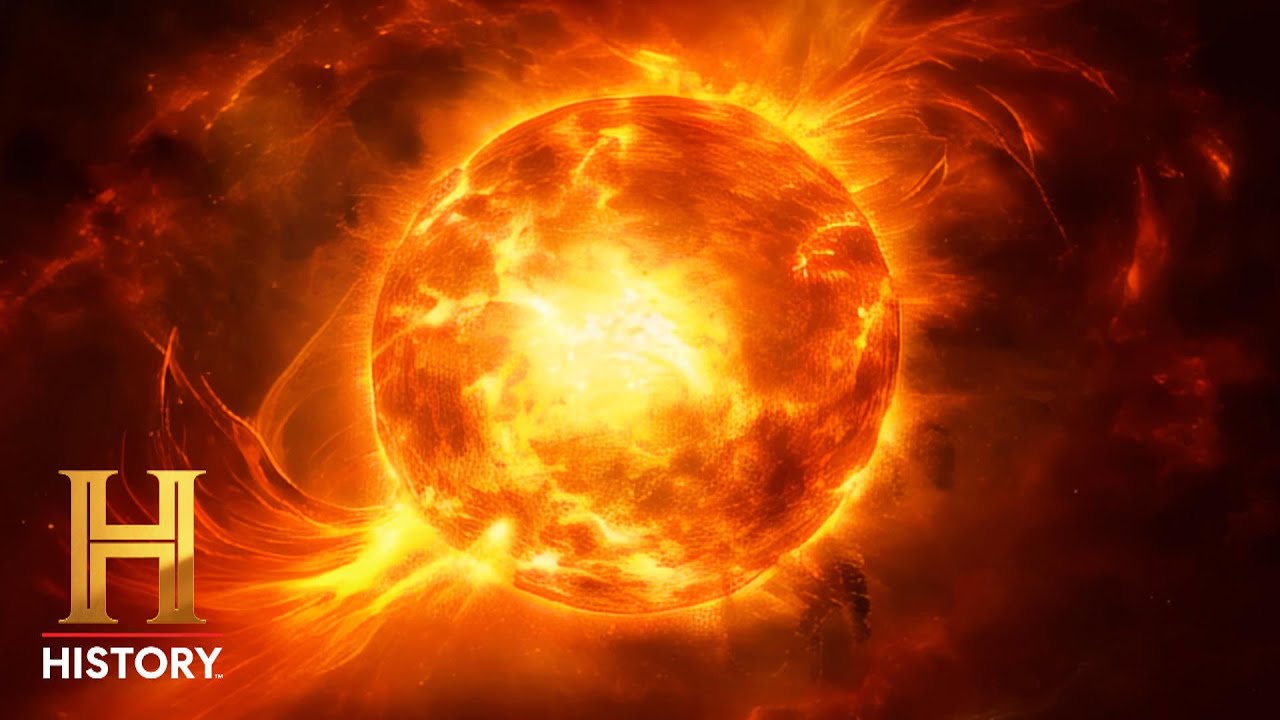
The Parker Solar Probe is designed to withstand temperatures as high as 2,500 degrees Fahrenheit while flying within four million miles of the Sun's surface.
The team assembles to excavate a buried anomaly identified by Muon technology in the swamp.
Light pollution in New York City obscures the beauty of planets like Saturn and Jupiter.
A team from Vice News travels to Arizona to meet people who believe they have encountered aliens and engage in a meditation dedicated to ambassadors of the universe.
In 2015, Professor Karen Oberg used the Alma telescope to detect organic molecules in the disk of the young star MWC 480, suggesting the potential for life elsewhere.
The Coast Guard cutter Healy, measuring 420 feet, conducts scientific research in the rapidly changing Bering Sea environment.
A device with a force of 22 kilotons was successfully exploded in the New Mexico desert on July 16, 1945, marking a turning point in warfare.
A piece of equipment that has not been serviced by human hands in over 10 years is still working on Mars, continuing to send back scientific data.
Charles Darwin's five-year voyage in the 1830s and the significance of stromatolites highlight the evolution debate and the origins of species.
The Late Heavy Bombardment bombards Earth with comets and space debris for 200 million years.
Life on Earth originated from single-celled organisms in deep-sea vents, evolving over 3.5 billion years into complex forms, including Eukaryotes.
75% of the samples collected from asteroid Bennu will be archived for future analysis by scientists.