From over 100,000 films, discover the handful you'll love.
Free or premium access to the world's largest documentary library.
7227 films(Page 99 of 151)
Pierceton Charles, a 12-year-old with sickle cell anemia, has undergone 48 hospitalizations due to his painful genetic condition.
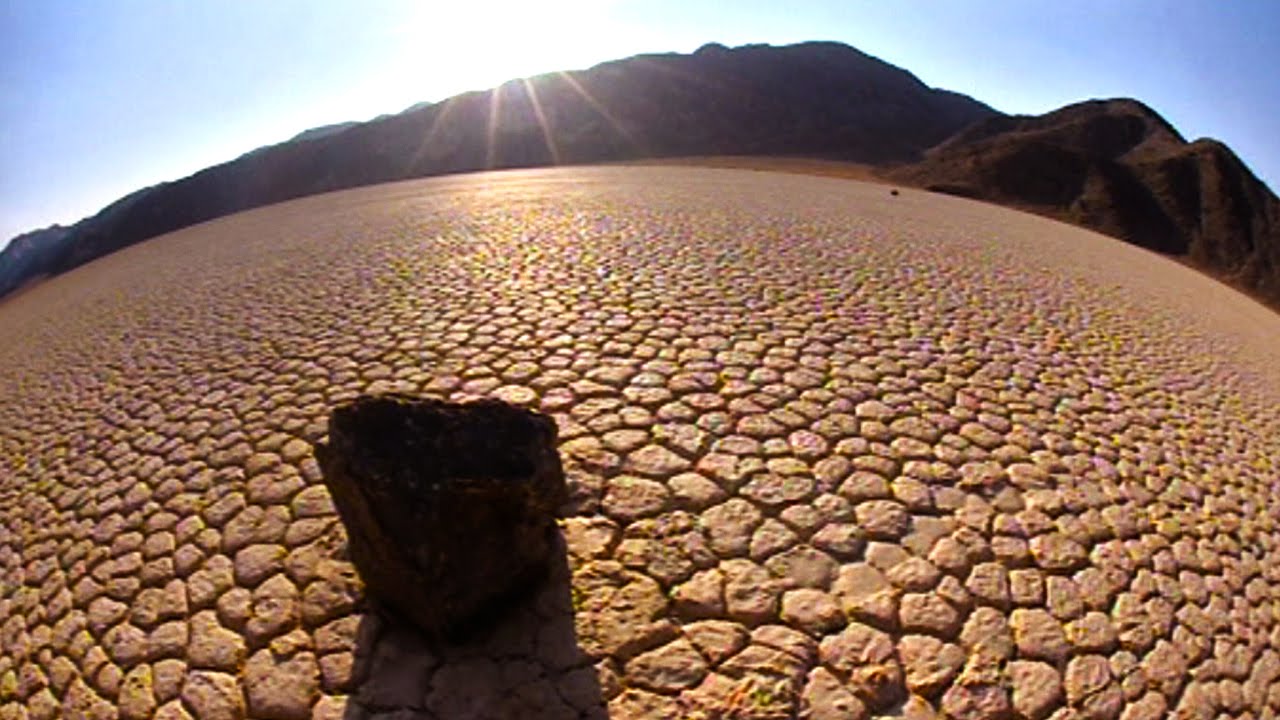
A geologist and students from Hampshire College study the Riddle of the Moving Stones in Death Valley.
EARL, a giant whale carcass decoy, offers an immersive experience for two people to explore its innovative design and learn about marine life and shark behavior.
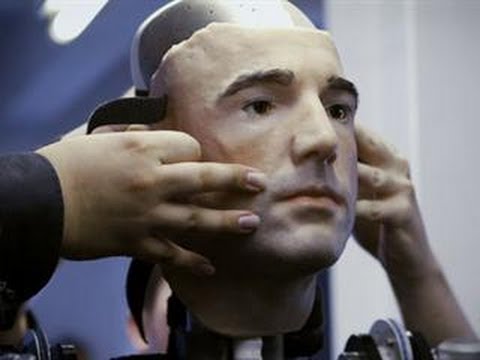
Bertolt expresses strong discomfort upon seeing the Bionic Man's new face, describing it as a "Patchwork assembly of parts" that looks horrifying.
Creating a glow-in-the-dark wall can cost between $50 and $200, depending on the materials used, such as glow-in-the-dark paint or vinyl sheets.
In the 1990s, the introduction of genetically engineered foods, including the first test tube tomato, sparked significant public concern and debate over biotechnology.
NASA's Operation IceBridge has flown over Greenland more than 100 times since 2009, collecting data to create a 3D map of the ice sheet's age.
A 2,000-pound Great White Shark named Bruce is closely observed by scientists who aim to challenge misconceptions about shark behavior and intelligence.
Dr Jay Sanguinetti and Shinzen Young use ultrasound to enhance meditation at the University of Arizona.
Happiness can be dangerous, leading humans to neglect basic needs for pleasure.
Hammerhead sharks can hear injured fish from over a mile away using low-frequency sounds.
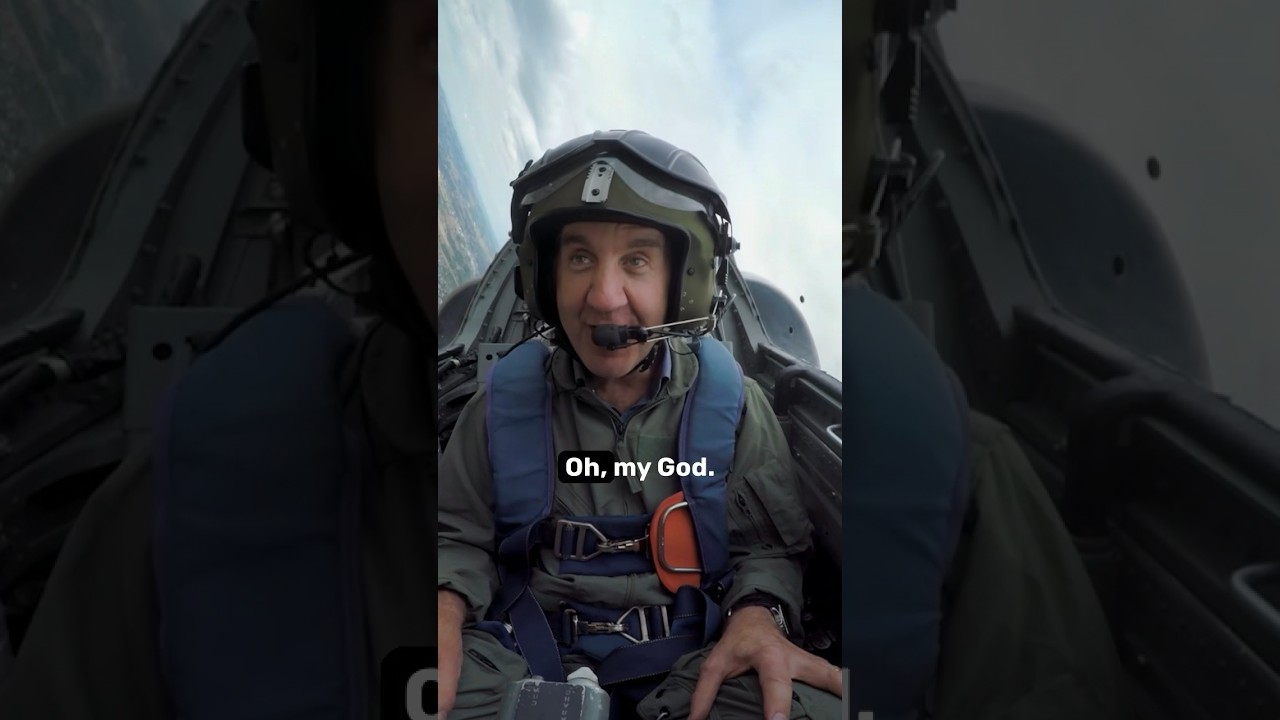
Nigel Latta attempts to break the sound barrier, showcasing his preparation and the excitement surrounding this scientific challenge.
Pete Zaccagnino takes risks in aviation to ensure safety for other pilots.
A worldwide initiative to repair the ozone layer is demonstrating early signs of success, as reported in collaboration with Scientific American.
A heat pump in Mannheim can push through 800 liters of river water per second to provide heat for 3,500 households year-round.
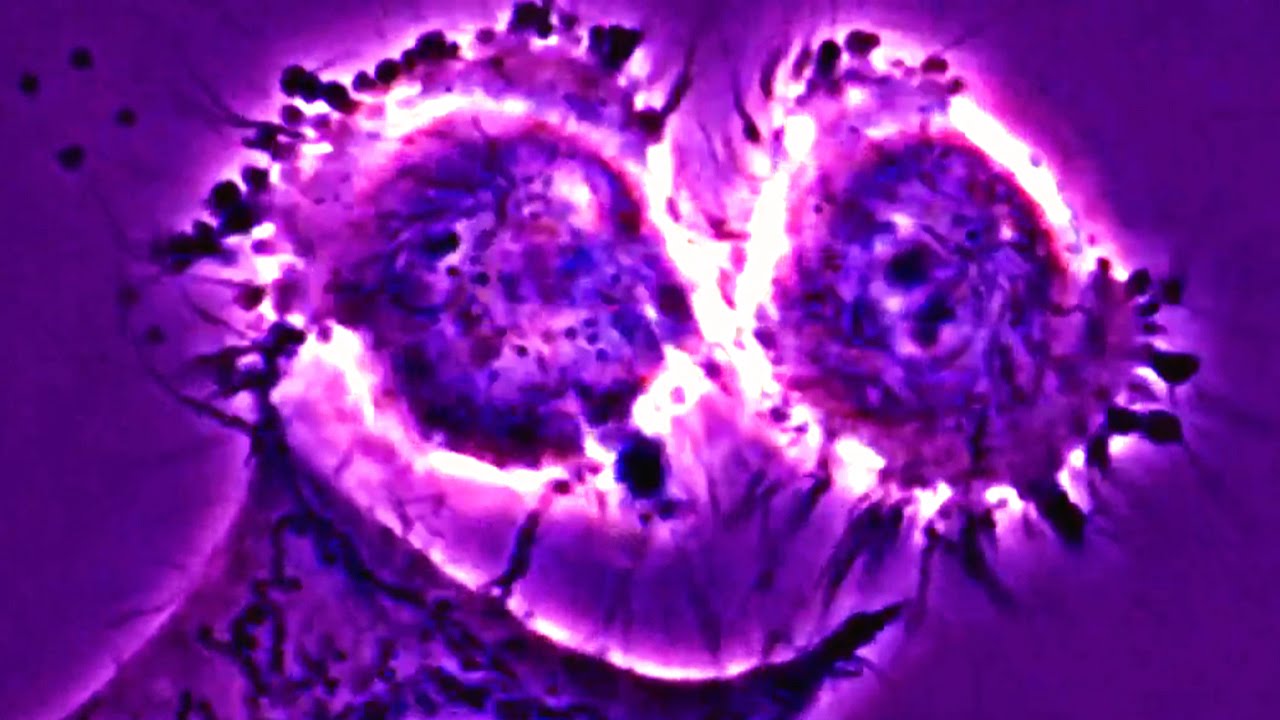
The clip shows a HeLa cell dividing using phase contrast microscopy techniques.
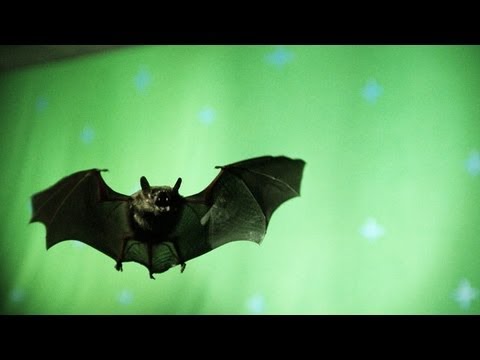
High-speed cameras capture a bat's flight in super slow motion, revealing its unique anatomy and impressive agility as part of the series 'Killer in the Caves.
Time-lapse imagery showcases the night sky's brilliance, featuring the Milky Way and celestial phenomena, accompanied by Kevin MacLeod's "Moonlight Hall."
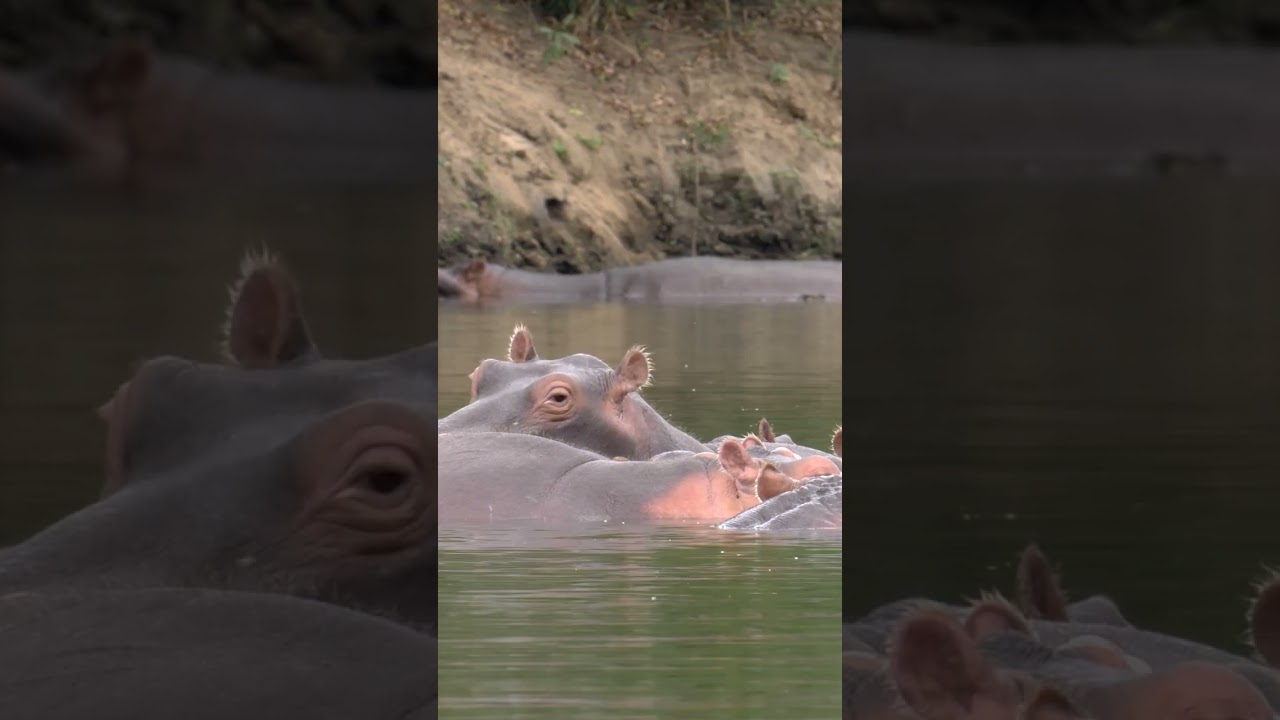
Hippos are dangerous, often killing more people than sharks each year.
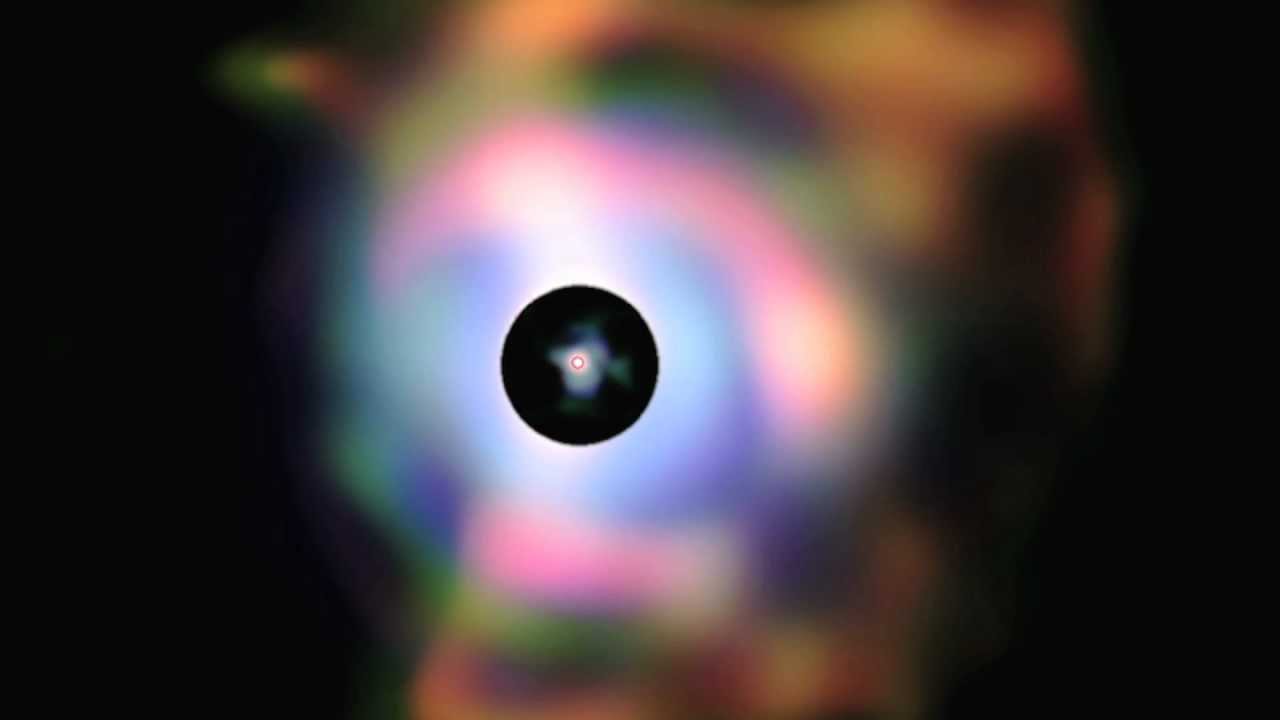
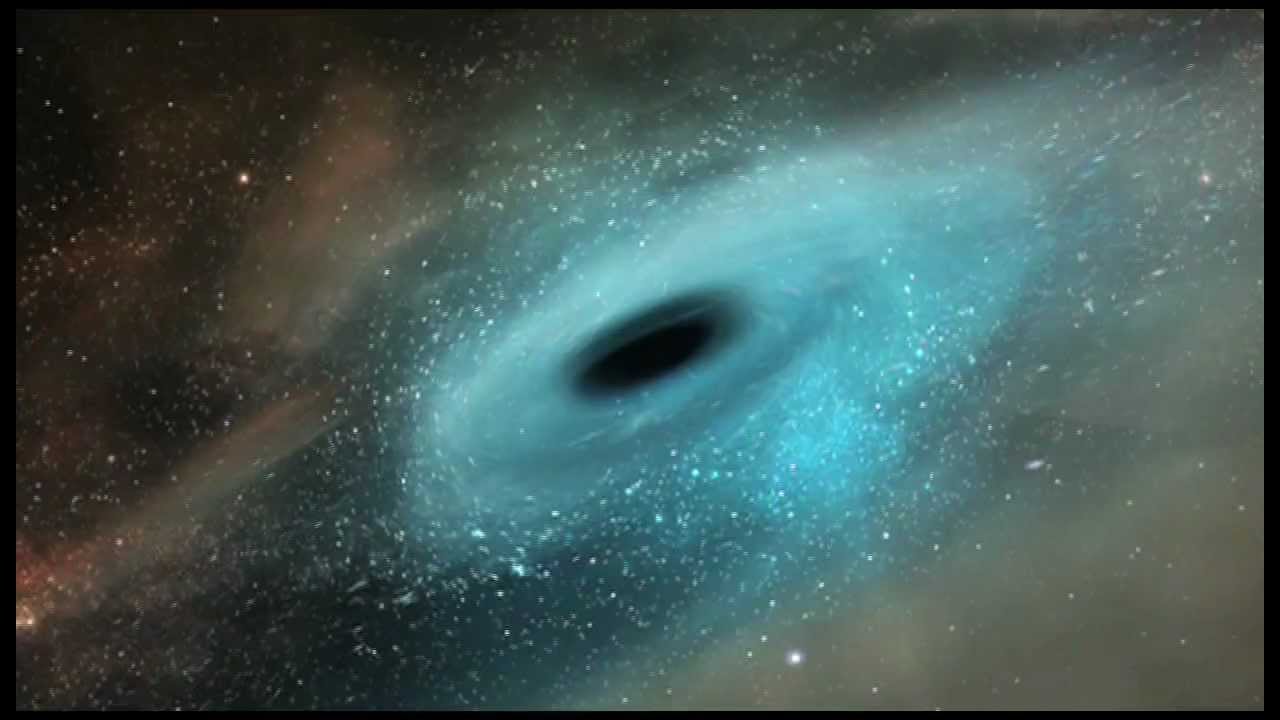
Black holes pose extreme dangers due to their intense gravitational forces, leading to two popular theories on how they would kill an unsuspecting victim.
In 1903, President Teddy Roosevelt spent three days in Yosemite with conservationist John Muir, leading to the protection of Yosemite Valley and the creation of five national parks.
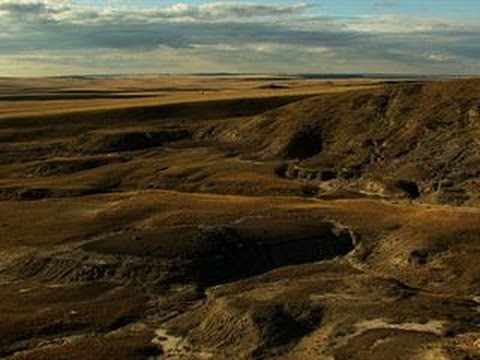
In 1978, a rock shop owner discovered tiny bones in Montana that led to the identification of a new dinosaur species named Myasaura.
The Very Large Telescope (VLT) utilizes active optics technology to maintain mirror shape and provide astronomers with sharp images of distant celestial objects.
Gold mining trommels are essential machines that efficiently separate gold from dirt and debris, playing a crucial role in the extraction process.
In 1997, Scottish scientists at the Roslin Institute successfully cloned a sheep named Dolly, igniting ongoing debates and advancements in genetic research.
A single asteroid is known to have caused the extinction of the dinosaurs and triggered mass extinction.
The P-51 Mustang's design features made it a top fighter aircraft in WWII.
Vincent Brothers claims an alibi while Dr. Lynn Kimsey analyzes insects for evidence.
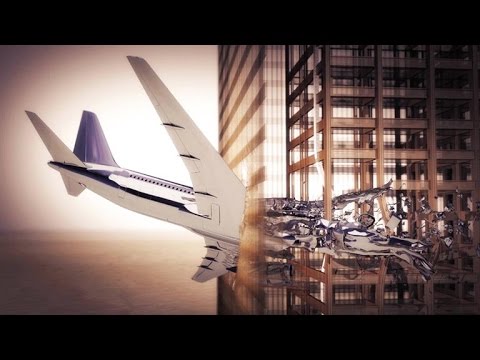
Aluminum's role in the Twin Towers' collapse is examined in this Smithsonian Channel Plus episode.
Scheila's dust cloud is 10,000 times more massive than Tempel 1's from Deep Impact.
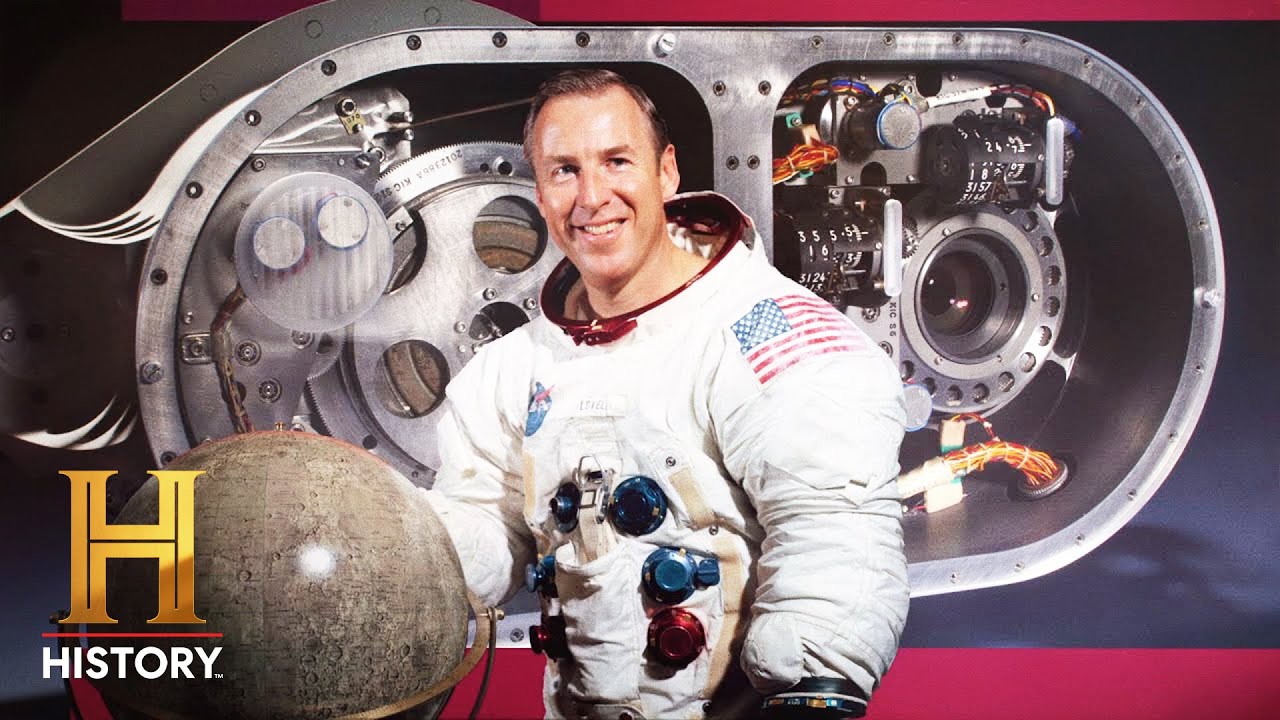
Apollo 13 astronauts Jim Lovell, Fred Haise, and Jack Swigert navigated their way back to Earth using 250 years of American technological advancements.
Caretakers at the Smithsonian's National Zoo explain the difference between seals and sea lions.
Artificial light has been around since fire, impacting civilizations like the Egyptians and Romans.
The Milky Way galaxy's size is almost impossible to comprehend, raising questions about life within it.
Matter begins to swirl into black holes, creating powerful jets that reach the Milky Way.
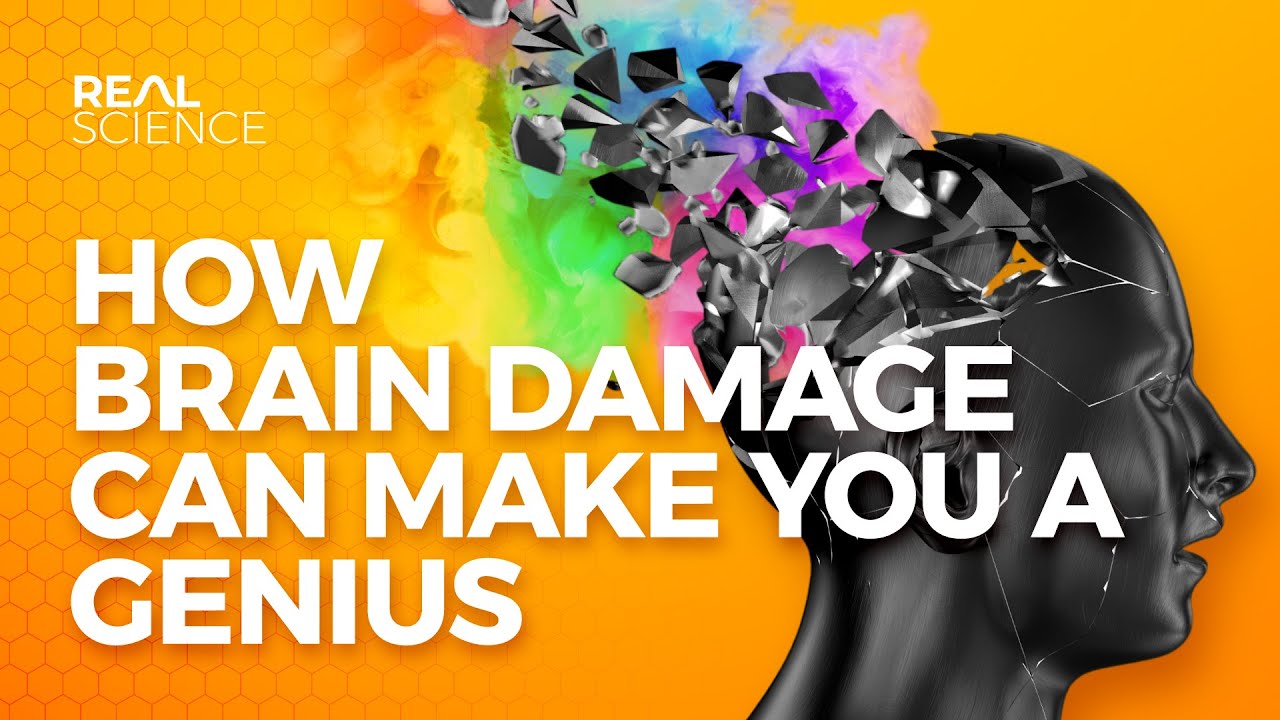
Brain damage can lead to extraordinary cognitive abilities, as explored through various case studies and neurological research in the field of psychology.
Bioplastics are made from materials that reduce fossil fuel use and protect the environment.
One billion people live within 10 kilometers of the coast, facing the threat of rising sea levels that have increased by more than 20 centimeters since 1880.
The video reveals the fascinating origin of the Moon's craters and their relation to Earth's size.
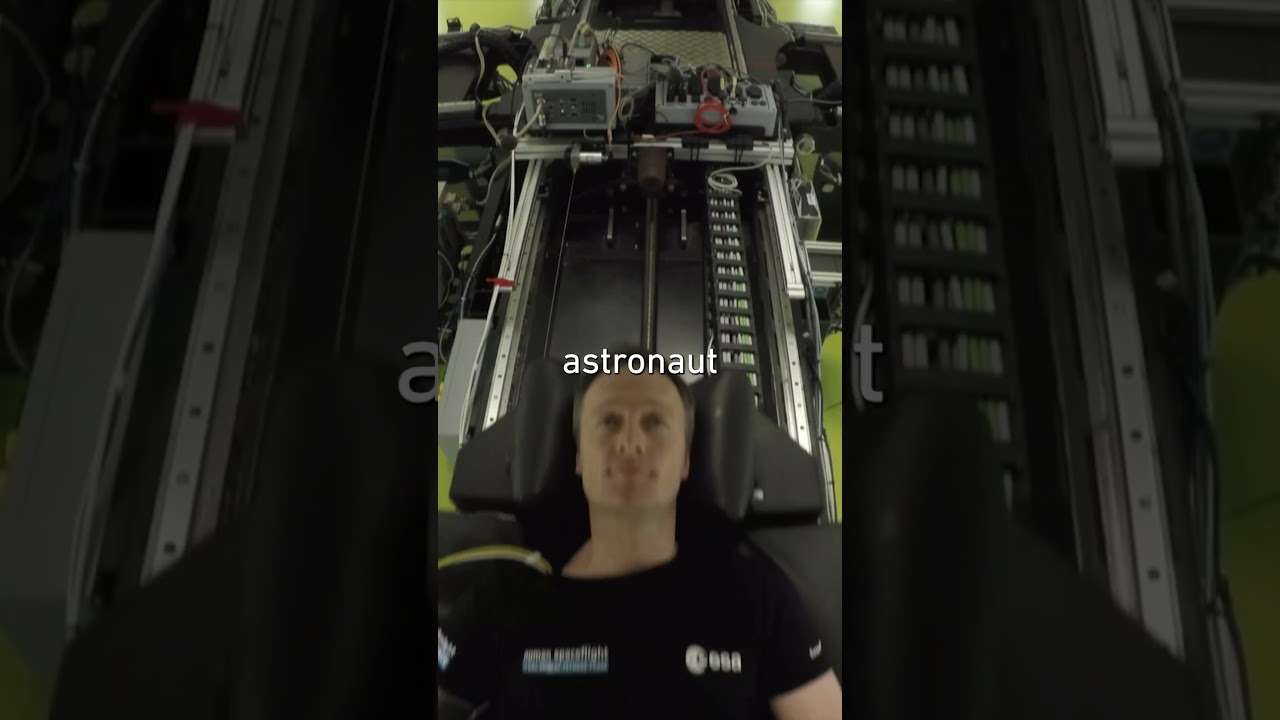
Six astronauts from the European Space Agency, including Matias Mara, are training for lunar missions set to launch in 2025.
This video explains how rockets travel from Earth to the Solar System using Newton's laws.
At the Smithsonian Marine Station in Fort Pierce, staff meticulously manage the diets of various fish species during feeding time to ensure their health and nutrition.
Dr. Emma Liu's team uses a drone to sample gases from Villarrica volcano's lava lake.
Duct tape plays a crucial role in saving the real Apollo 13 crew during their mission.
Snowfall in Western New York reached record levels during one of the strongest storms ever recorded, illustrating the effects of El Nino and La Nina.
Electric bandages developed by researchers at the University of California, San Diego, enhance the healing process through advanced technology and materials.
Chevrolet engineers balance noise regulations and fan expectations for the Camaro's sound.
Geladas have unique adaptations for grazing, making them the only true grazing primates.