From over 100,000 films, discover the handful you'll love.
Free or premium access to the world's largest documentary library.
7231 films(Page 33 of 151)
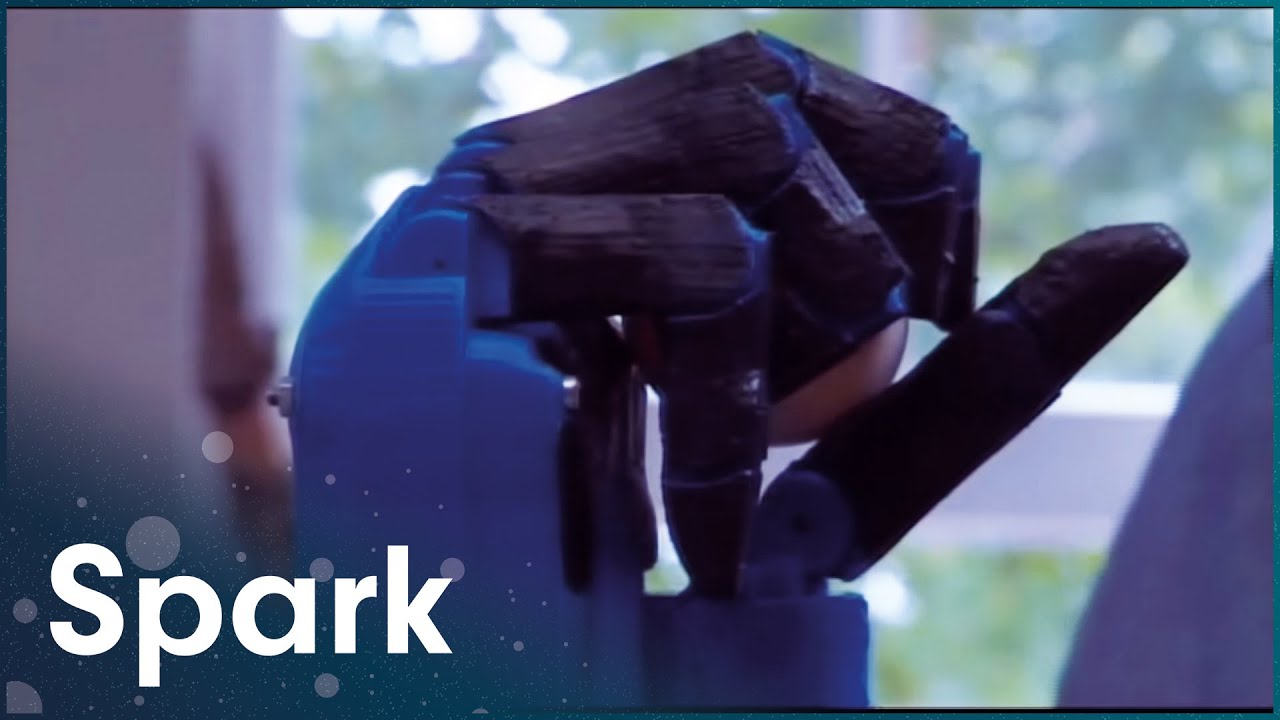
Kate Grey, a Paralympic swimmer, seeks a new prosthetic arm to enhance her cycling experience after years of using a hindering NHS-issued limb.
In January 2019, China's Chang'e 4 mission to the far side of the Moon reignited global interest in lunar exploration, prompting a new space race involving NASA's Artemis program and international collaborations.
A dagger found in the tomb of Tutankhamun was forged from a meteorite, revealing advanced ancient Egyptian metalworking techniques.
A sloth's greenish fur, which hosts algae, helps it blend into the rainforest canopy, providing crucial camouflage against predators like jaguars.
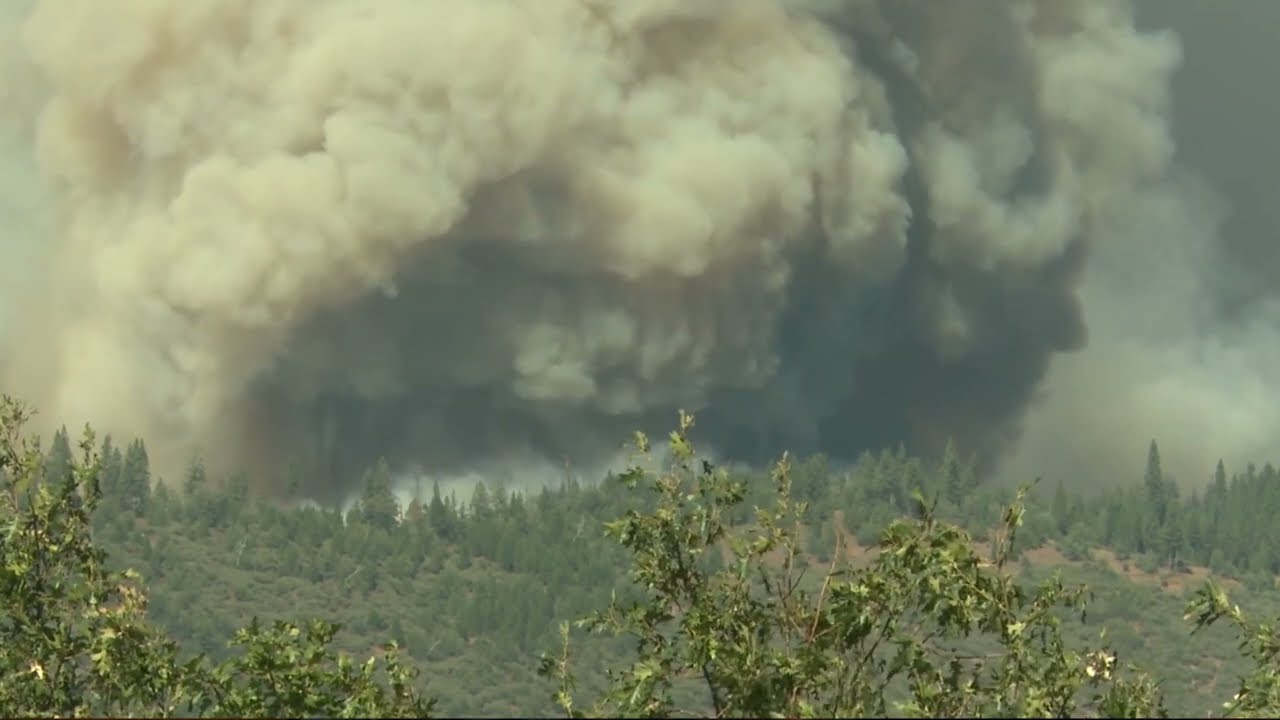
Extreme wildfires threaten communities and forests, but experts present a clear path forward despite climate change and escalating fire risks.
Luis Elizondo presents firsthand accounts from U.S. Air Force personnel regarding unidentified aerial phenomena at sensitive military sites in Season 2, Episode 8.
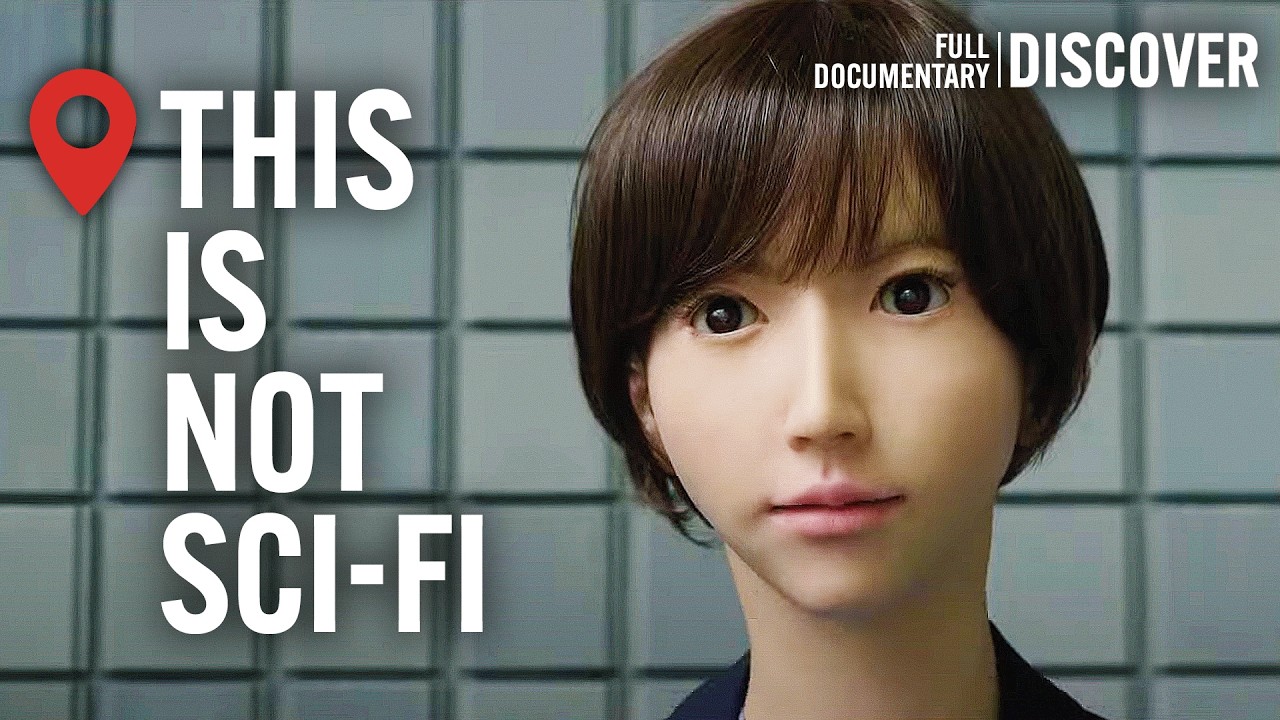
Japan's innovative use of AI and robotics, from virtual couples to android monks, reflects a unique cultural perspective on technology as a solution to societal challenges.
MSC Oscar, one of the largest container ships globally, transports 20,000 crates of cargo across major trade routes from Asia to Europe.
UFO sightings are reported to occur in specific 'hotspots' where unusual phenomena, such as mysterious lights and visions, are frequently observed.
A colony of paper wasps builds its nest in a greenhouse, helping to cool the air as temperatures rise during the summer months.
Liz Bonnin travels over 7,000 miles to the Galápagos Islands, where she encounters unique wildlife and emphasizes the need for conservation efforts.
Abrupt climate change could lead to catastrophic winters in North America and parts of Europe, raising concerns among experts about a potential "big chill."
NASA's food scientists develop ingredients and recipes for astronauts to consume in microgravity, aiming to enhance food security on Earth.
Phuntsho Tshering, Bhutan's sole glacier specialist, records video diaries for his daughter while measuring the rapid melting of sacred Himalayan glaciers.
In La Palma, the Cumbre Vieja eruption has destroyed over 3000 homes, prompting volcano expert Chris Horsley to assess the human and environmental impact.
Earth's orbit has remained stable for 4.2 billion years, allowing life to flourish, while chaotic orbits elsewhere in the universe lead to destruction.
The Danube River in Lower Austria creates unique microclimates that support diverse flora and fauna, including rare species like the Aesculapian snake and the bee-eater.
Yellowstone has experienced three super eruptions, with the largest releasing thousands of cubic kilometers of material over the past 2.1 million years.
Dioxin, a highly toxic substance linked to severe health issues, highlights the chlorine industry's negligence in addressing its dangers during the 1990s in Britain.
Mission Control, the team behind NASA's Apollo program, navigated challenges from the Mercury and Gemini missions to the Apollo 1 tragedy and the Moon landings.
Antibiotic-resistant superbugs pose a significant threat to global health, raising urgent questions about our ability to combat these evolving pathogens.
NASA's ambitious mission aims to explore every planet in our solar system, including Jupiter, Saturn, Mars, and Earth, through a multi-episode series.
In the deep ocean, toxic creatures like the box jellyfish and stonefish are explored through high-definition imagery and insights from marine scientists.
Paul Sereno has uncovered nearly 100 tons of dinosaur material in Africa, including the Spinosaurus, which challenges traditional views of dinosaur habitats.
Jeff and Steve camp at nearly 10,000 feet in Chile's Atacama Desert, where they search for meteorites worth up to $25,000.
A supernova can send a vast wall of gas racing toward the Pillars of Creation, compressing gas and dust into new stars and solar systems.
The Fermi paradox raises questions about the absence of extraterrestrial civilizations despite the vastness of the universe and the potential for life beyond Earth.
The Spiny Forest of Madagascar, home to unique species like sifakas and radiated tortoises, showcases a remarkable ecosystem adapted to thorny plants and drought.
Great White Sharks have evolved over 11 million years, adapting alongside seals and other pinnipeds in response to a cooling climate, as documented by cameraman Andy Casagrande.
From prehistoric ages to the digital era, humanity's quest to measure time has evolved through innovations like the marine chronometer by John Harrison and Einstein's theories.
Chemfab, a fabric manufacturer in Vermont, left a toxic legacy by polluting the town's soil with the harmful chemical PFOA.
Evolutionary biologist Mike McHargue joins hosts Sebastian and Rutendo to explore how animals like rats and spiders inspire human innovation through their unique abilities.
Central Europe's diverse habitats are showcased through high-definition footage, highlighting the impact of climate and astronomy on nature's seasonal cycles.
The Columbia disaster on February 1, 2003, resulted in the tragic loss of all seven astronauts aboard during re-entry into the Earth's atmosphere.
Forensic science plays a crucial role in solving complex murder cases, revealing connections between suspects and victims through evidence and advanced techniques.
Five-year-old Connor Rowley battles a persistent fever and stomach ache as doctors struggle to diagnose his mysterious illness before it's too late.
Australia and New Zealand's unique ecosystems feature ancient species like sperm whales in Kaikōura Canyon and longfin eels that migrate thousands of kilometers.
A set of human remains discovered in Patagonia prompts scientists to investigate if they belong to Catherine Roberts, the first Welsh woman to die in the region.
German forester Peter Wohlleben and scientist Suzanne Simard explore the complex communication and relationships among trees, supported by recent forest science research.
Burning a ton of coal releases up to 4 tons of carbon dioxide into the atmosphere, a fact Shell Oil acknowledged in a 1991 documentary on climate change.
Jim Al-Khalili explores 600 million years of evolution to explain the development of the human brain, the most complex structure in the universe.
Bowhead whales, which may live over 200 years, are studied by biologists using new research techniques alongside Alaskan Inupiat during a traditional hunt.
At 80 years old, biologist Bruce Means embarks on an expedition to the Weiassipu tepui in Guyana to document rare frog species and study its unique ecosystem.
New Zealand's unique biodiversity, including the flightless kiwi and kakapo, is explored through its geological history and evolutionary connections to Australia.
Animal survival strategies are explored through various adaptations, including teeth, claws, camouflage, and toxins, highlighting nature's ingenuity in the wild.
Over 120,000 North Korean soldiers and more than 1,100 heavy guns launched a surprise attack on South Korea in June 1950.
Professor Nick Eyles explores the Pacific Ring of Fire, revealing the science behind its active volcanoes, tectonic plates, and the history of mega-quakes.
Lotje Sodderland's experience with a severe stroke leads her to explore innovative brain science and recovery methods alongside leading researchers.