From over 100,000 films, discover the handful you'll love.
Free or premium access to the world's largest documentary library.
7227 films(Page 15 of 151)
Venus has a surface temperature of 900°F, making it inhospitable and drastically different from Earth despite their similar beginnings.
A gamma ray burst recorded by the Swift satellite in March 2011 lasted four and a half hours and originated from a galaxy 3.8 billion light years away.
Pigeons exhibit remarkable navigational abilities, prompting an investigation into the science and mystery of how animals find their way home.
Ancient Egyptian mummification techniques are explored as scientists attempt to replicate the preservation methods used on pharaohs by mummifying a modern body.
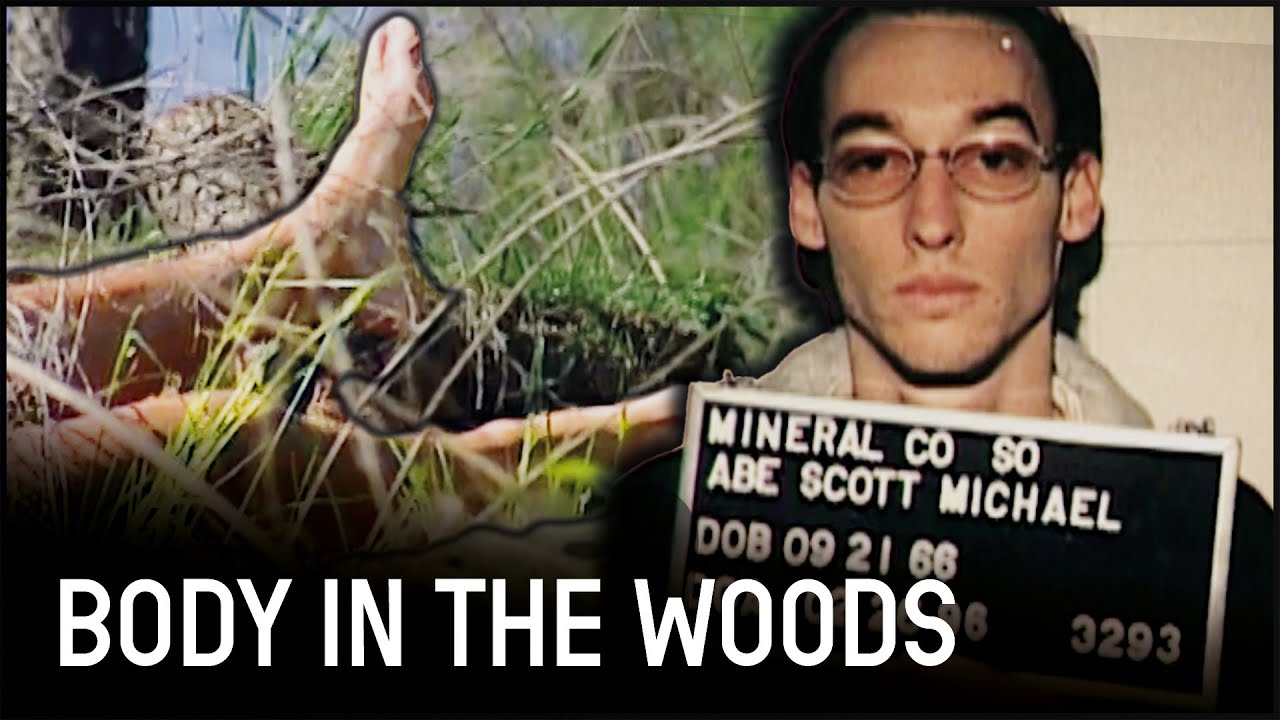
On January 7, 1994, a Department of Transportation worker discovered an unidentified male body in the woods of North Carolina, shot in the head.
Leek growing in Tyne and Wear and Durham thrives on farm manure and Epsom salts, producing prizewinning vegetables that outshine their southern counterparts.
Earth ploughs through about 40 tons of material in space each day, a process that has shaped its formation over 4.5 billion years.
Coral reefs are the largest structures in the world, serving as bustling underwater cities where various fish communicate through sounds and body language.
Zero, introduced thousands of years after the birth of mathematics, revolutionized calculation and enabled advancements in science and technology.
Two megawatts of power, enough for around two thousand homes, fuel the Paranal Observatory in Chile, a key site for studying dark energy.
300 kilometers per hour winds whip across the ice plains of South Georgia, posing a constant threat to wildlife filmmakers in the field.
Julia is five months pregnant and determined to raise her child independently, despite being blind, deaf, and facing skepticism from social workers.
Poison dart frogs, chameleons, and praying mantises exhibit remarkable survival strategies, showcased through advanced 3D visualization techniques.
Nikola Tesla's groundbreaking innovations in wireless power and communication were overshadowed by fears of elite control over his revolutionary ideas.
Sumo wrestlers consume up to 10,000 calories a day, yet rarely suffer from obesity-related health issues, challenging common perceptions of fat.
The construction of the Jang Bogo Antarctic Station involved five years of site investigations and two seasons of challenging building in extreme Antarctic conditions.
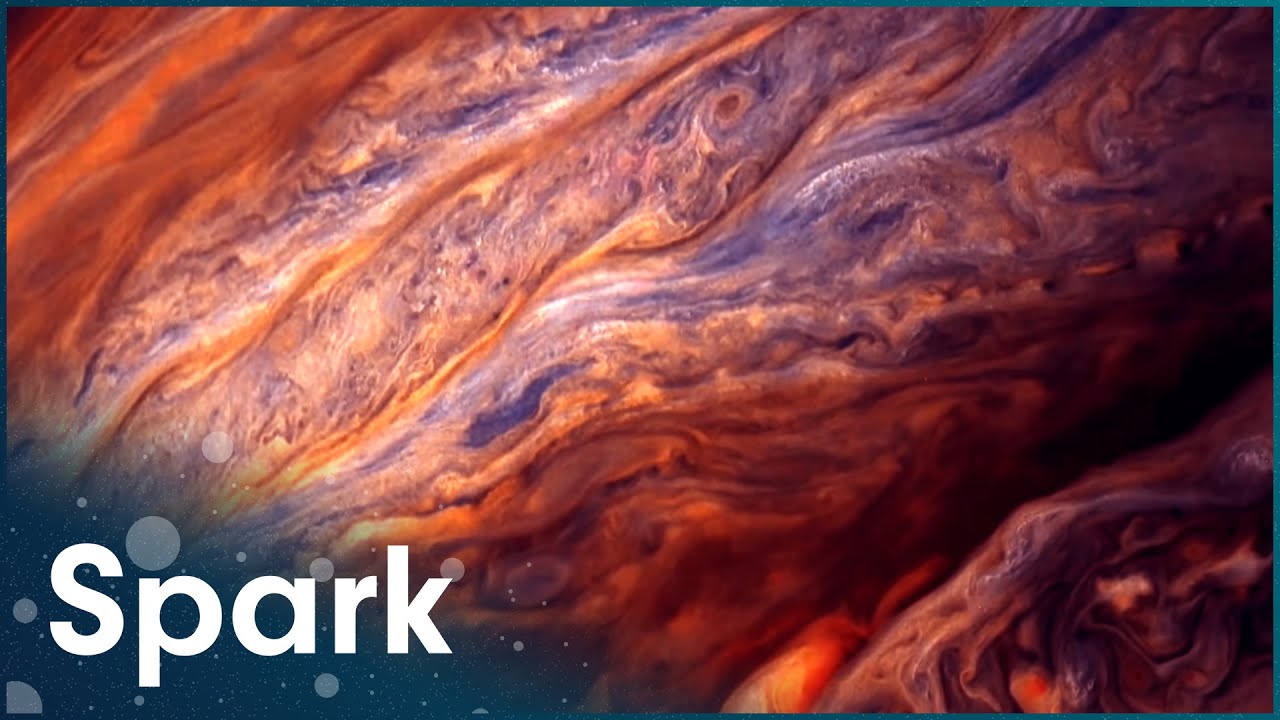
NASA's Juno mission explores Jupiter's extreme environment, revealing its massive ocean of liquid metallic hydrogen and the technology that enables this research.
One drop of Sydney funnel-web spider venom can kill a human in 15 minutes.
More than half of all life on Earth was extinguished during the mass extinction event that eliminated the dinosaurs 65 million years ago.
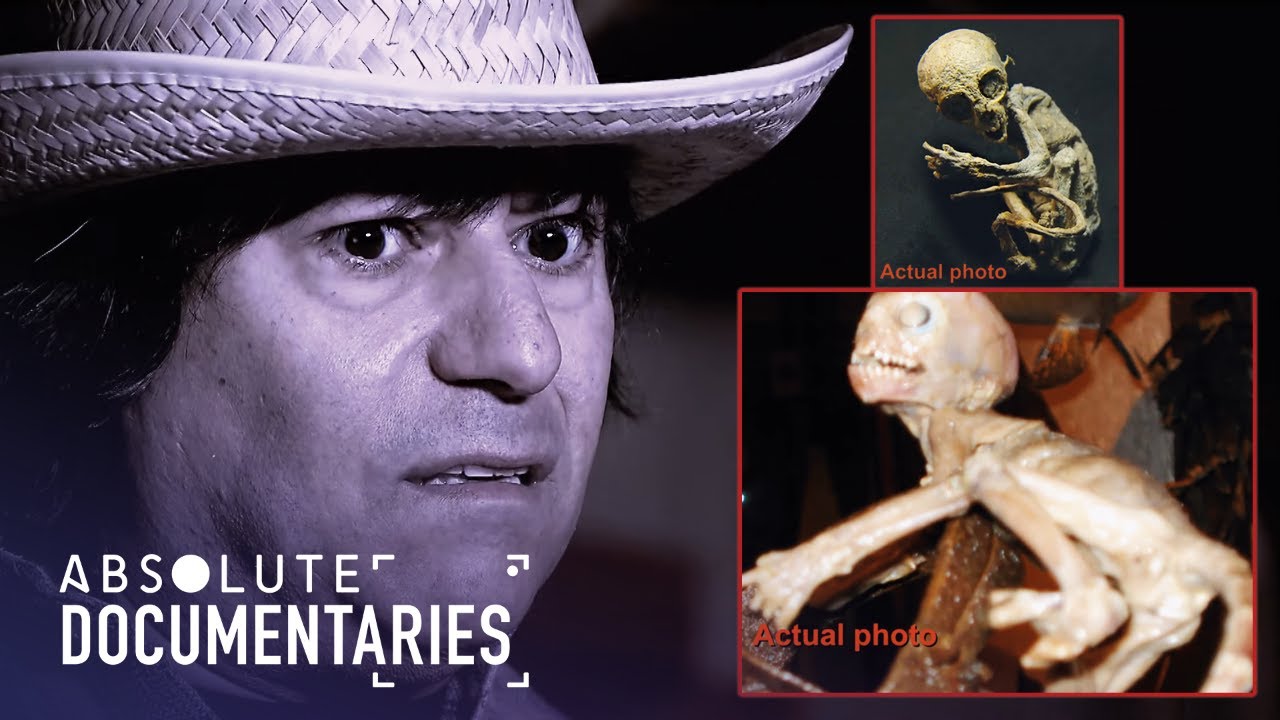
A farmer in Mexico discovers a tiny human-like being in a rat trap, raising questions about extraterrestrial life on Earth.
For more than 1,500 years, Christians viewed the Bible as the primary source of knowledge until the Scientific Revolution began to challenge this belief.
Red deer, the largest and most common species in Central Europe, face threats from wolves, bears, and human encroachment while adapting to their changing habitat.
A duck hunter discovers human skeletal remains on Gilbert Island, leading to a decade-long investigation to identify the victim known only as Jane Doe.
The Time Team investigates an 11th-century flour mill site near Stoke Trister in Somerset.
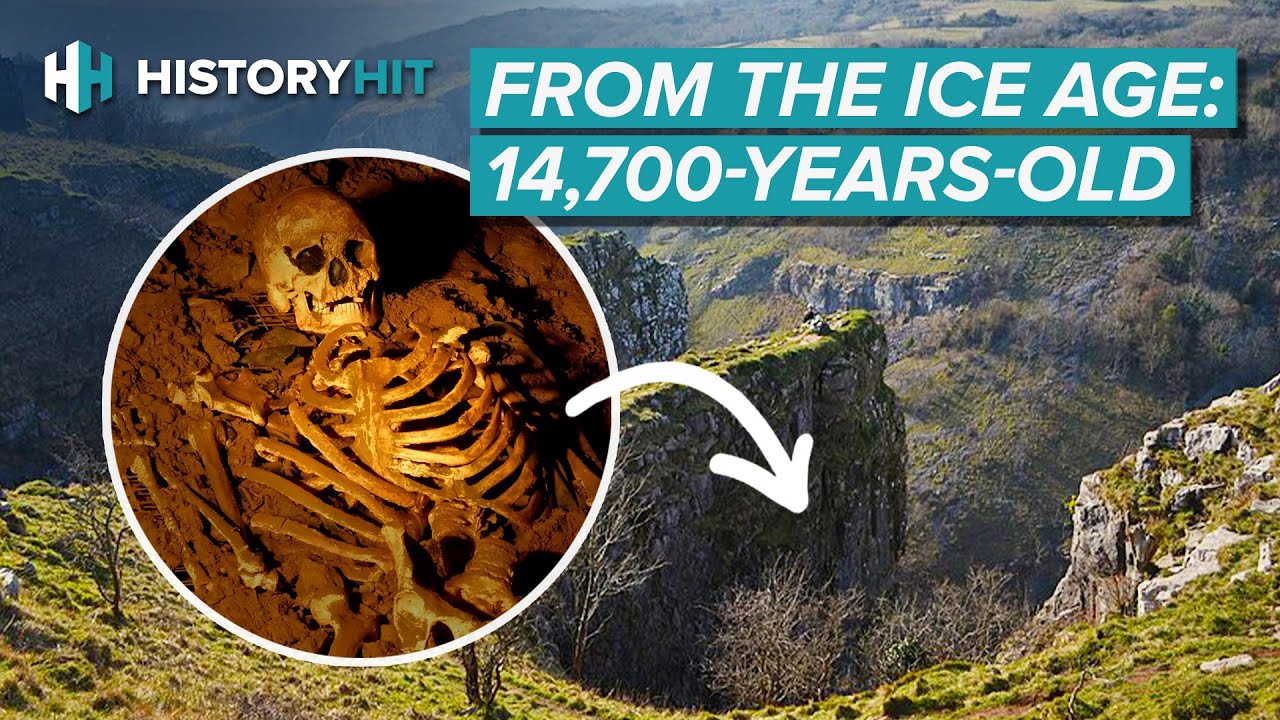
Cannibalism among Ice Age Britons in Somerset reveals ritualistic practices rather than mere survival, as experts investigate the chilling implications of ancient remains.
Ttongsul, a traditional Korean rice wine made with fermented human feces, reflects a long-lost medicinal practice now largely forgotten in modern South Korea.
Astronomers believe there could be millions of other civilizations in the universe, raising concerns about the potential for hostile extraterrestrial contact.
Dr. Martin Pepper searches for Atlantis in Santorini, using sonar scans and Plato's clues.
Excavations at Syndale, Kent, reveal a Roman military trap from 43 AD.
Eyewitnesses, including the Ariel School witnesses in Zimbabwe and alien abductee Whitley Strieber, share their personal encounters with UFOs and extraterrestrial beings.
Hiroshima's atomic bombing marked a pivotal moment in WWII, showcasing the Manhattan Project's secretive development and the ethical dilemmas of nuclear warfare.
The series reveals discoveries from a four-year Maritime Archaeological Expedition in the Black Sea.
In Alaska's Chilkoot State Park and the Dolomites, bald and golden eagles are examined for their hunting techniques and cultural significance.
Aspergillus oryzae, a unique mold spore found only in Japan, transforms soybeans into Shoyu, the essential soy sauce that enhances Japanese cuisine.
Orangutans have been studied for more than five years in a remote corner of the Sumatran rainforest, revealing their complex social behaviors and intelligence.
Frozen landscapes and ancient mysteries are examined for their connections to theories of extraterrestrial activity and unexplained discoveries in extreme cold environments.
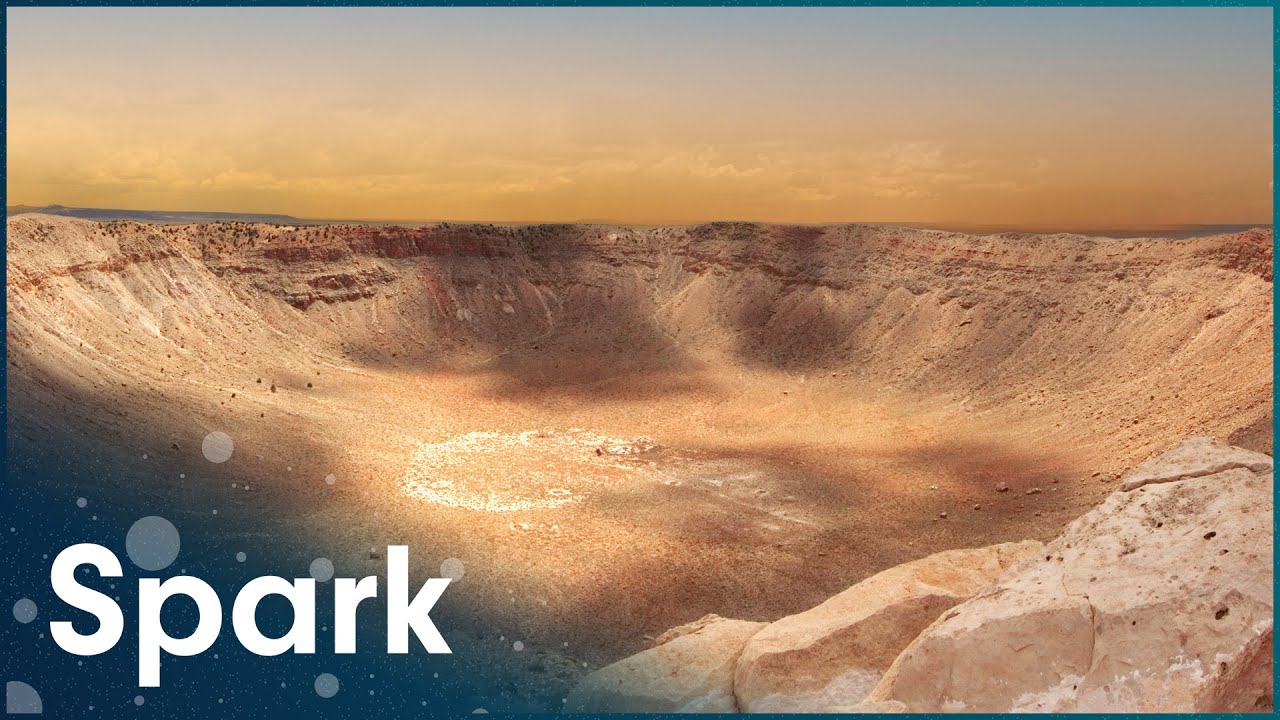
In the 1850s, a Mexican farmer found a massive meteorite in Arizona known as the Tucson Ring, prompting meteorite hunters Arnold and Notkin to search for its fragments.
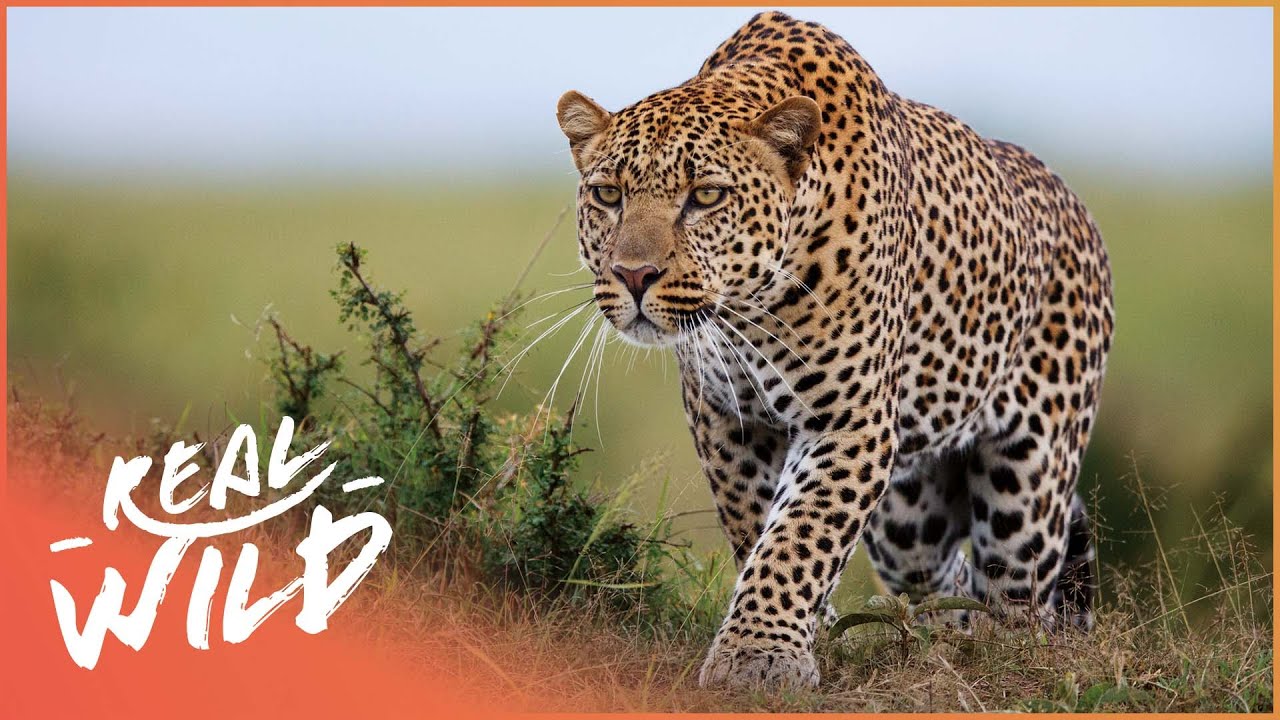
A bobcat with two kittens hunts for food, targeting squirrels, rabbits, and fish to sustain her family in the wild.
Joe Nickell, a seasoned paranormal investigator, explores the Roswell UFO incident by engaging with believers and skeptics on its 1947 anniversary.
Two counts of first-degree murder were filed against Patricia Rohrer, who was convicted in the 1994 kidnapping and deaths of Joann Katrinak and her son.
California's San Andreas Fault poses a significant risk of a catastrophic earthquake.
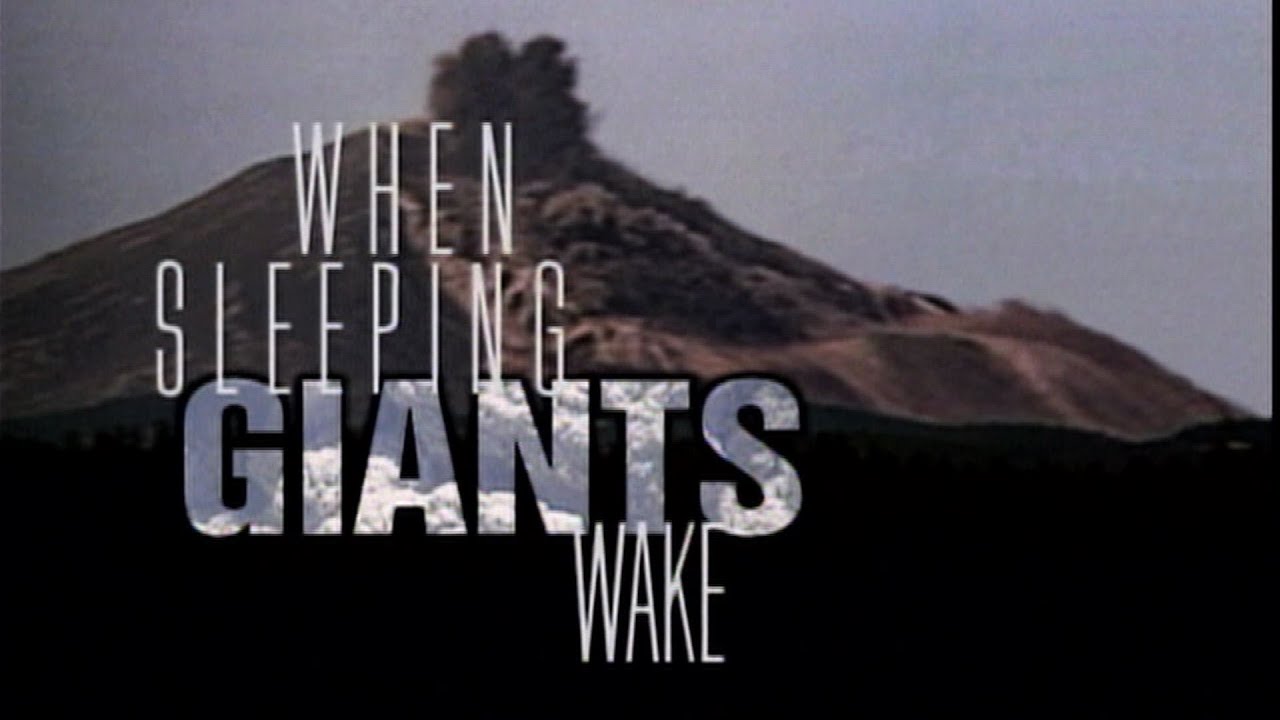
Seventy percent of the Earth's active volcanoes are located along the Pacific Ring of Fire, including the Cascade Range in the Pacific Northwest.
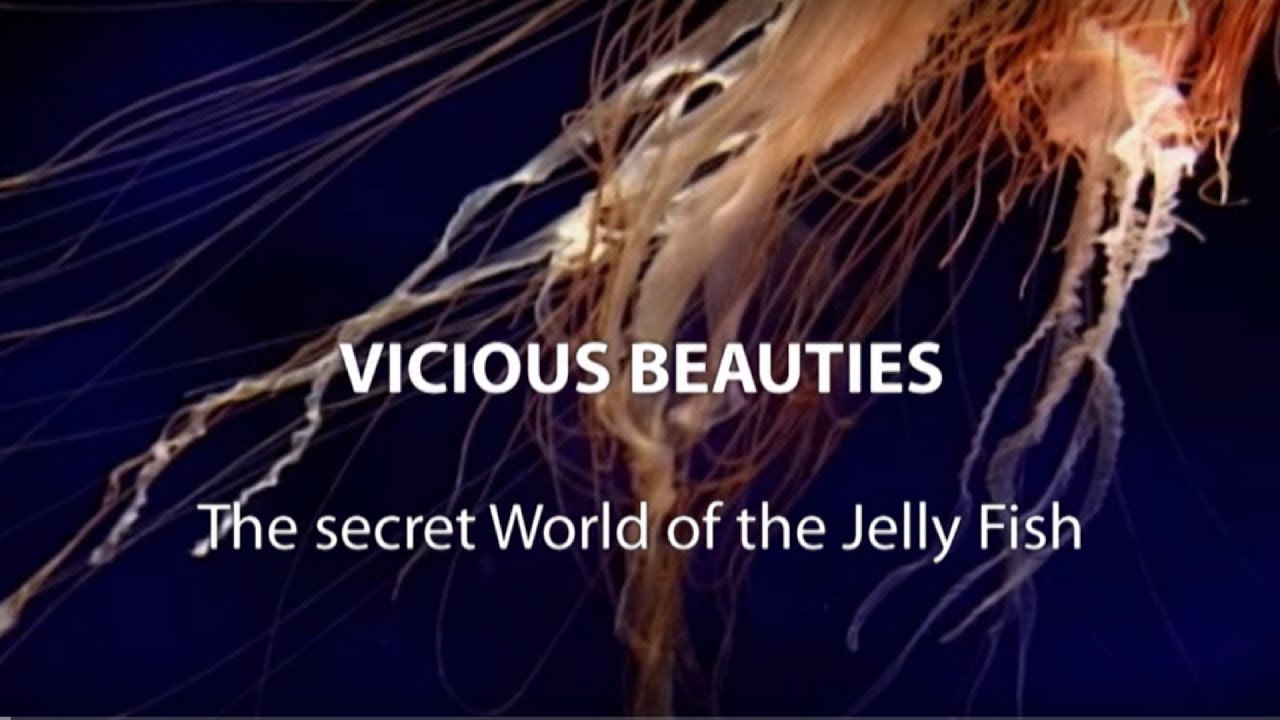
Jellyfish, some of the most venomous ocean inhabitants, play a crucial role in marine ecosystems, as explored by scientist Gerhard Jarms in various global locations.
The fossil fuel industry, facing mounting evidence of climate change in the 2000s, intensified efforts to cast doubt on science and influence American politics.
Tony Robinson leads a team uncovering Britain's first stone henge in a century in Devon.
Pottery found in Much Wenlock dates back to the 12th and 13th centuries, indicating a planned development of the town during England's medieval period.
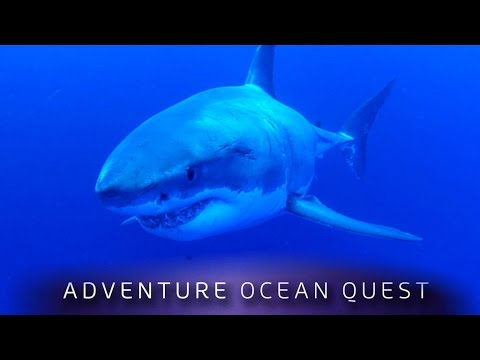
Great white sharks, studied by Dr. Mauricio Hoyos and freediver Frederic, reveal unique behavioral patterns when approached without conventional diving equipment.
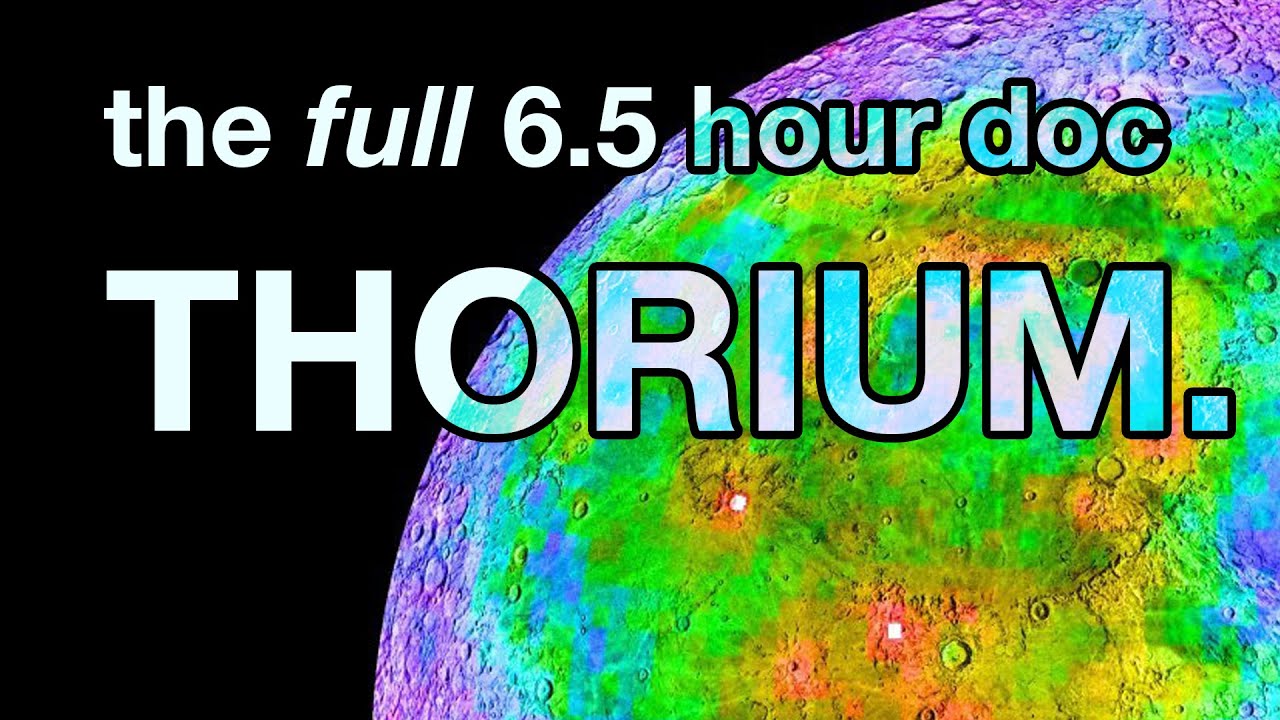
Thorium, an abundant energy source, can be efficiently harnessed through innovative Molten Salt Reactors that utilize liquid fuel and stable molten salts.