From over 100,000 films, discover the handful you'll love.
Free or premium access to the world's largest documentary library.
7231 films(Page 46 of 151)
A haptic exoskeleton developed in Italy allows users to lift up to 100 kilograms while transferring the feeling of touch from a robot to a human.
An Armenian gangster, identified as "Sacko," was brutally murdered and linked to his killers through forensic evidence and isotopic analysis of his remains.
In the Australian Outback, bull ants exhibit complex social behaviors, while monarch butterflies undertake a multigenerational migration alongside nocturnal predators like raccoons and foxes.
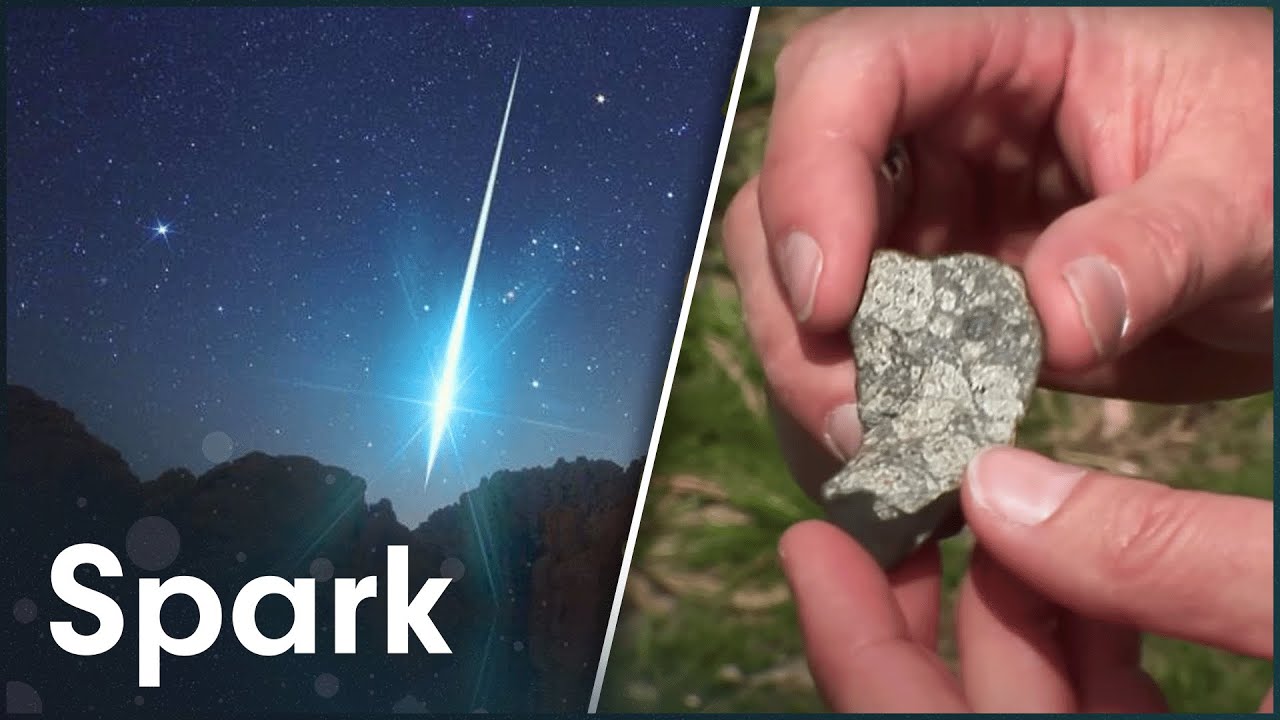
A giant fireball weighing close to 1.5 tons exploded nearly 18 miles above Wisconsin on April 14, 2010, marking a significant meteorite fall.
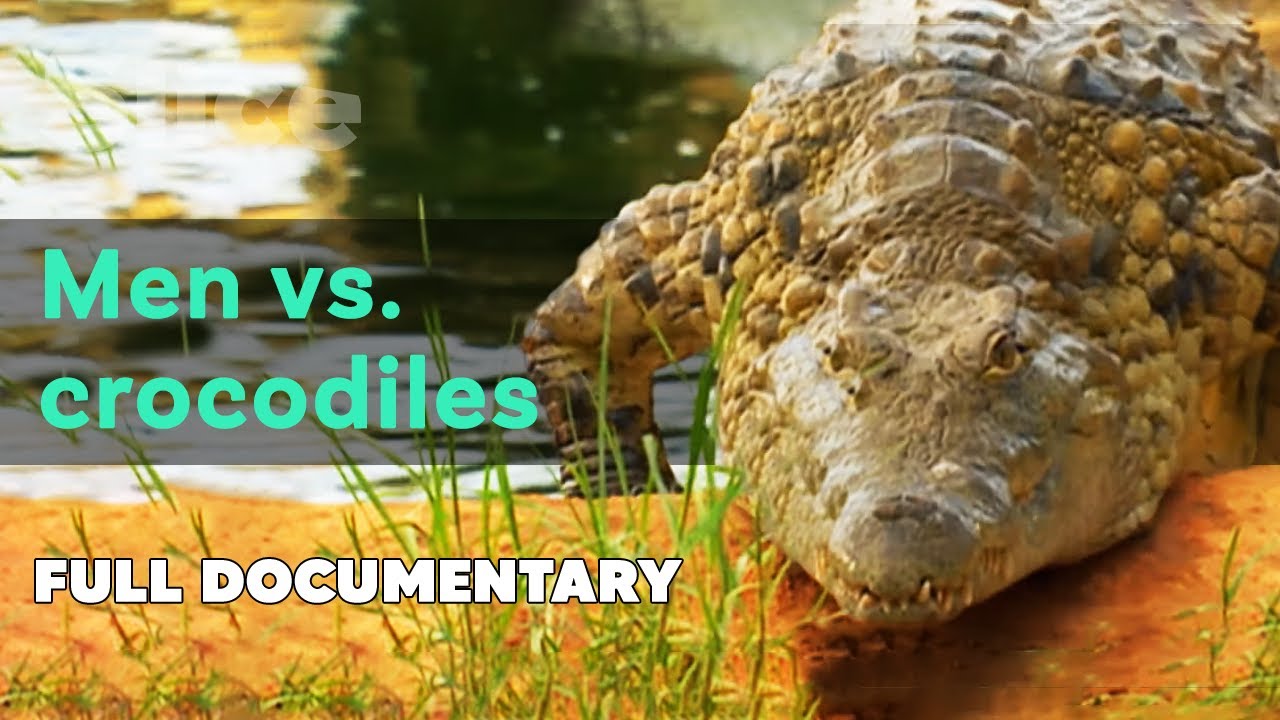
Crocodiles play a vital role in the cultures of various tribes across Papua New Guinea, Australia, Mali, and Chad, symbolizing power, identity, and reverence.
Earth's weakening magnetic field, generated in its molten core, raises concerns among scientists about the potential loss of protection from harmful space radiation.
Satellites play a crucial role in modern communication, enabling data transmission for television, internet, and banking through meticulously crafted technology.
Geoff and Steve search for meteorites at Dugway Military Base using Doppler radar.
Lake Neusiedl, Austria's only steppe lake, features a diverse ecosystem with deer, acrocephalus warblers, and unique natural formations like salt ponds and sandbars.
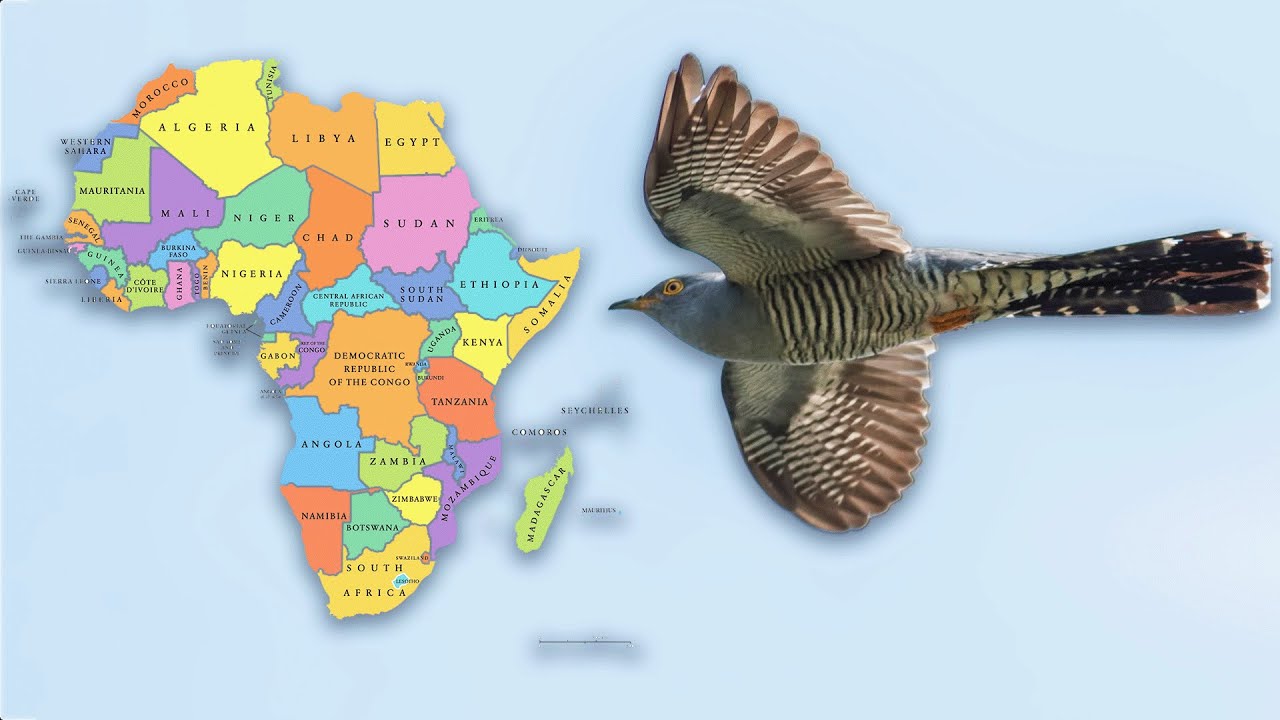
Cuckoos in Germany, Africa, and Spain employ deceptive strategies, including egg mimicry and complex relationships with foster parents, to ensure their survival.
Human extinction risks are at an all-time high, with new research indicating a 1 in 6 chance that life as we know it may not survive this century.
NASA's Kepler Space Telescope has identified billions of Earth-like exoplanets in our galaxy, suggesting that life may exist beyond our planet.
Salt, essential for human survival and ancient civilizations like Egypt, has influenced global trade and climate regulation over its 190-million-year history.
The James Webb Space Telescope's construction involved extensive planning and collaboration among engineers and scientists, showcasing both challenges and triumphs.
China's extensive investment in renewable energy includes wind farms, solar arrays, hydro dams, and the development of alternative fuels.
Criminal profiling serves as a crucial tool for law enforcement, enabling experts to analyze motives and patterns to apprehend some of history's most dangerous killers.
Flamingos along the Mediterranean migrate annually in search of breeding grounds, ultimately finding sanctuary in the lagoon of Fuente de Piedra, Spain.
Neptune and Uranus, two of the most distant planets in our solar system, have revealed fascinating insights through advanced exploration technology.
Automation and robotics are transforming daily life, showcasing innovative inventions that promise to redefine the future of smart homes.
Ganymede, Callisto, and Europa are explored as potential habitats for alien life, highlighting the JUICE mission's search for water and signs of evolution.
Powerful geological forces have shaped New York's bedrock and ignited the Ring of Fire, leading to some of Earth's most catastrophic eruptions.
Chris, a volcano access specialist, explores volcanic regions in Congo, the Canary Islands, and Iceland, sharing insights on their unique landscapes and activity.
A team of British researchers conducted a medical trial in 2012, treating 20 people with severe depression using psilocybin from magic mushrooms.
Venus has a surface temperature of 900°F, making it one of the most hostile environments in the solar system, raising concerns about Earth's future.
Six astronauts aboard the Space Shuttle Endeavour experience the view of Earth from 233 kilometers above, describing it as a stunning sight.
Alleged alien abductions are examined through expert interviews and eyewitness testimonies, highlighting psychological, cultural, and scientific perspectives.
Penguins have evolved over millions of years to thrive in the ocean, adapting to extreme cold and diving to depths of 300 meters in the southern hemisphere.
Earth is over 4.5 billion years old and moves at approximately 66,000 miles per hour around the sun, a star 93 million miles away.
Temperatures in parts of the northern hemisphere could drop to -9° F, leading to infrastructure collapse and societal struggles during a potential ice age.
NOAA's P-3 Orion, a Cold War-era aircraft, now plays a crucial role in hurricane research by penetrating the eyewall of Category 5 storms to gather vital data.
Mining diamonds from a frozen volcano in Canada involves extreme tasks and innovative creations, including gyroplanes and high-speed boats.
Over 560 species of bees exhibit remarkable diversity and adaptations, with some engaging in unique behaviors such as parasitism and aggression.
Gravity is the force keeping us grounded, with secrets revealed through The Ionosphere.
A male gannet fights fiercely to defend his nesting space, resulting in the death of an intruder during a brutal territorial dispute.
On February 17, 1864, the Confederate submarine H.L. Hunley became the first to sink an enemy ship in combat, but the mystery of its crew's fate remains unsolved.
A massive release of methane from the ocean could potentially trigger global catastrophes, as explored through historical events like the Lake Nyos gas disaster.
The Australian Alps, featuring the continent's highest peak Mt. Kosciuszko, reveal a rich geological history and a unique wilderness ecosystem.
Australia's unique evolution over 35 million years has created a diverse ecosystem, making it a sanctuary for mammals and a window into the past.
Forensic experts analyze how a breast implant led to the exposure of a murder plot, highlighting the effectiveness of modern crime-solving techniques.
NASA's Mariner IV space probe, launched in 1964, completed an eight-month mission that provided humanity's first close-up images of Mars.
In October 2014, an Antares rocket built by Orbital Sciences was set to ferry supplies to the International Space Station.
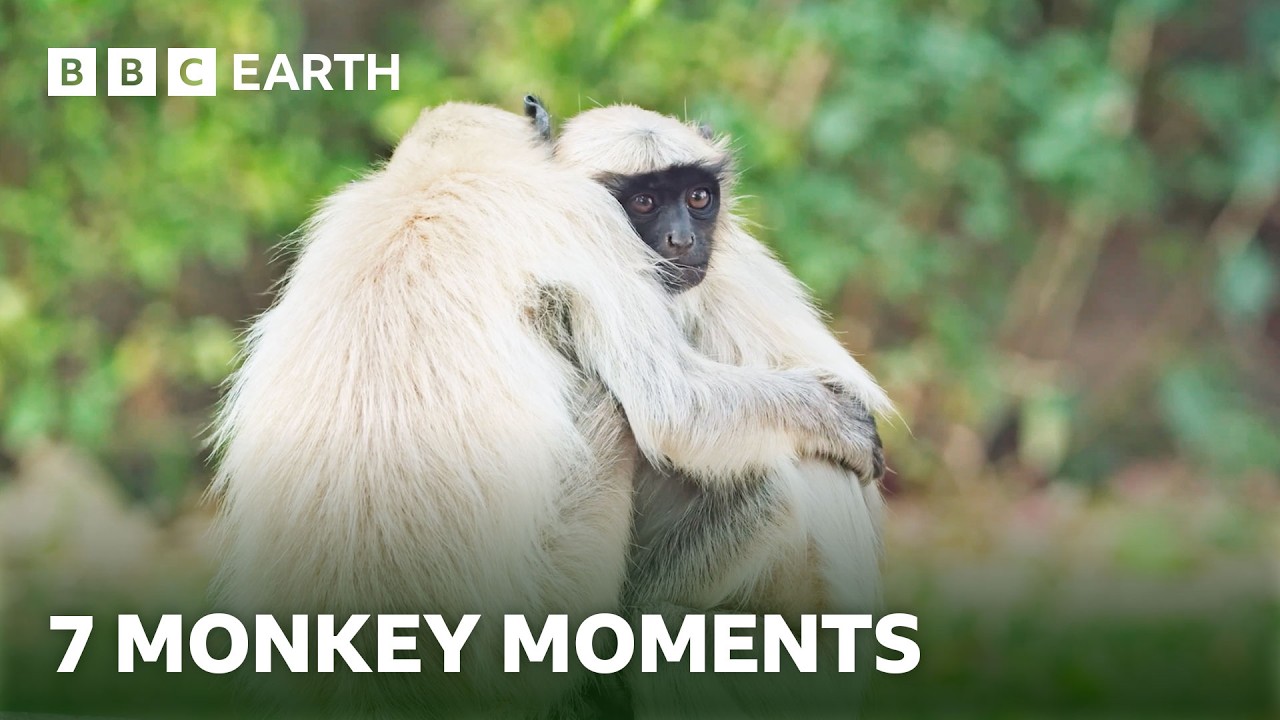
Golden snub-nosed monkeys engage in fierce battles for food and group protection, with mothers resorting to retaliation when their infants are threatened.
3,700 known exoplanets have been identified, yet no signals indicating extraterrestrial life have been detected in nearly 60 years of searching.
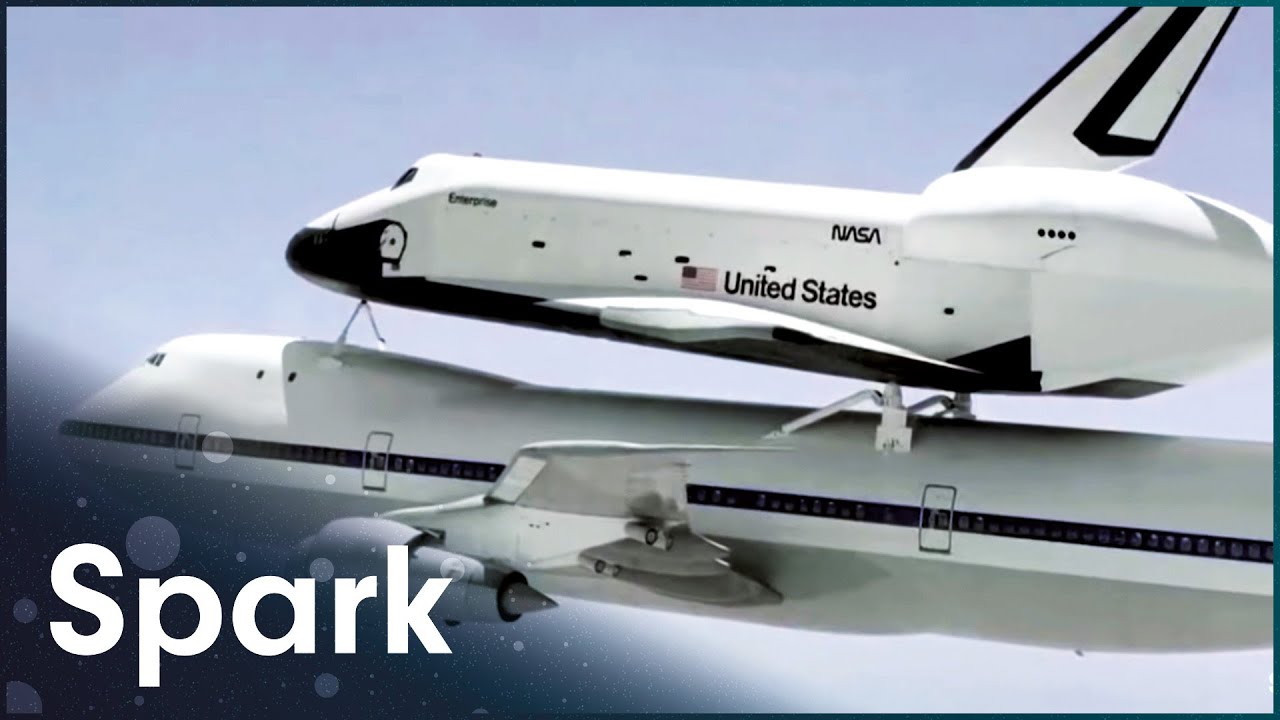
The space shuttle program completed 133 missions and transported nearly 150 astronauts, significantly advancing human space flight and scientific research.
Apollo 1's tragic fire and the subsequent success of Apollo 8 are examined within the context of the Cold War and NASA's lunar landing program.
Supercars exemplify cutting-edge automotive engineering, utilizing advanced materials and innovative designs to achieve remarkable performance and efficiency.
In the Western Baltic Sea, divers from Baltic Sea Divers conduct a mission to safely remove unexploded WWII munitions, including a 300-kilo aerial bomb.
Three competing theories about the moon's origins emerged during the space race, each tested by unmanned lunar probes launched by the United States and the Soviet Union.