From over 100,000 films, discover the handful you'll love.
Free or premium access to the world's largest documentary library.
7227 films(Page 57 of 151)
Apollo 13's 1970 mission faced a critical crisis when an oxygen tank explosion forced Jim Lovell and his crew to rely on NASA's innovative problem-solving for their survival.
Two elephant bulls, Moya and Salah T, undergo daily clicker training to improve their behavior and facilitate veterinary care at a South African game reserve.
The giant anaconda of Guyana, alongside its diverse wildlife cohabitants, is explored through expert insights and breathtaking encounters in this captivating documentary.
In Los Angeles, the Solar Decathlon showcases innovative solar homes at a former military airport, attracting 300,000 visitors to explore sustainable construction.
Mark O'Shea navigates the dangers of Brazil's Snake Island to study the critically endangered golden lancehead viper and a newly identified species.
Quasars and black holes, including those in the Milky Way, are examined through the lens of the Hubble Space Telescope and the laws of physics in extreme conditions.
Quantum physicists are exploring groundbreaking concepts like wormholes and time crystals in their quest to make time travel a reality.
Mark Moffett describes finding an entire ecosystem within an acorn, revealing the complex interactions of life that often go unnoticed in nature.
On May 20, 2013, an EF5 tornado devastated Moore, Oklahoma, claiming 24 lives and causing $2 billion in damages, while a 2009 flood in Istanbul resulted in mass casualties and destruction.
Courtship rituals and competitive behaviors in the animal kingdom reveal how attraction and reproduction drive the legacy of future generations.
In the animal kingdom, various species such as Puffins, Cheetahs, and Dolphins exhibit unique survival strategies and behaviors essential for their existence.
Underwater diamond mining aboard a converted semi-submersible vessel searches for precious gems along the south Atlantic coast of southwestern Africa.
Oceans, covering 71% of the Earth's surface, are home to diverse life forms, from massive whales to tiny crustaceans, revealing their ecological significance.
The current mass extinction event, the largest since the dinosaurs, threatens over 1.5 million species by 2030, necessitating drastic lifestyle changes to halt it.
North Star, a roll-on/roll-off ship, navigates one of the planet's most perilous shipping routes, transporting cargo from Tacoma to Anchorage in just 72 hours.
Rachel Ruffle's attempt to construct a windfarm with 120-meter-high turbines in Devon highlights the tensions within a divided community over renewable energy.
Ny-Ålesund, a unique Arctic research community, faces alarming climate change impacts while striving to transition from coal to renewable energy sources.
Fukushima's aftermath reveals Japan's struggle with reconstruction and lingering fears of radioactivity, challenging trust in government assurances and safety.
Scotland's western islands showcase breathtaking landscapes and resilient communities, highlighted by the multifaceted talents of local resident Billy the Box.
Mating in the Pacific reveals a fascinating array of unusual behaviors and adaptations, where the quest for reproduction can lead to deadly consequences.
Blizzards affect mankind, paralyzing regions from Canada to Northern China every winter.
Australia's Great Southern Piggery, home to the world's largest free-range pig herd, exemplifies a sustainable approach to pig farming amid global livestock disease challenges.
Jonathan Bird and his team explore unique underwater environments, including cenotes in the Yucatan, Palau's marine life, and Florida's Jackson Blue Spring.
Mongolia's nomadic communities face challenges as they strive to protect the Taiga's biodiversity from illegal exploitation while adapting to new conservation efforts.
Route 132, notorious for its treacherous conditions, sees rescue workers battling violent snowstorms and pile-ups in a race against time to save lives.
Every second, 10,000 kg of ring rain falls to the surface of Saturn, indicating that its rings will disappear in 100 million years.
French Guiana's booming space industry generates significant revenue, yet local residents remain frustrated by their lack of access to job opportunities and benefits.
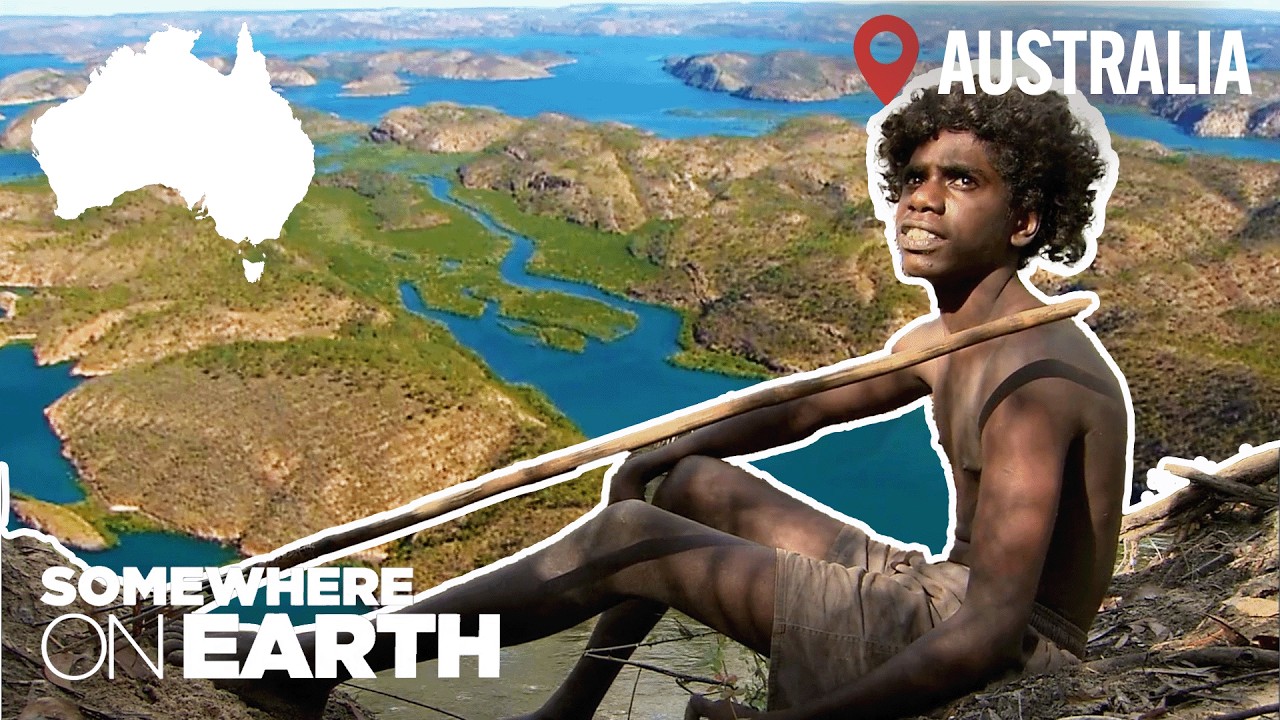
Australia's diverse landscapes feature pearl farming in the Buccaneer Archipelago, the arid expanse of Mount Dare Station, and the rich traditions of Arnhem Land's inhabitants.
Hubble's design includes 400,000 components and 26,000 meters of wiring, making it one of the largest telescopes ever built.
Martin Mars, the world's largest water bomber, tackles its most challenging mission yet over the fire-ravaged mountains of Mexico.
In a state-of-the-art factory, self-propelled transporters with massive engines and 48 wheels are engineered to move oversized loads across diverse terrains.
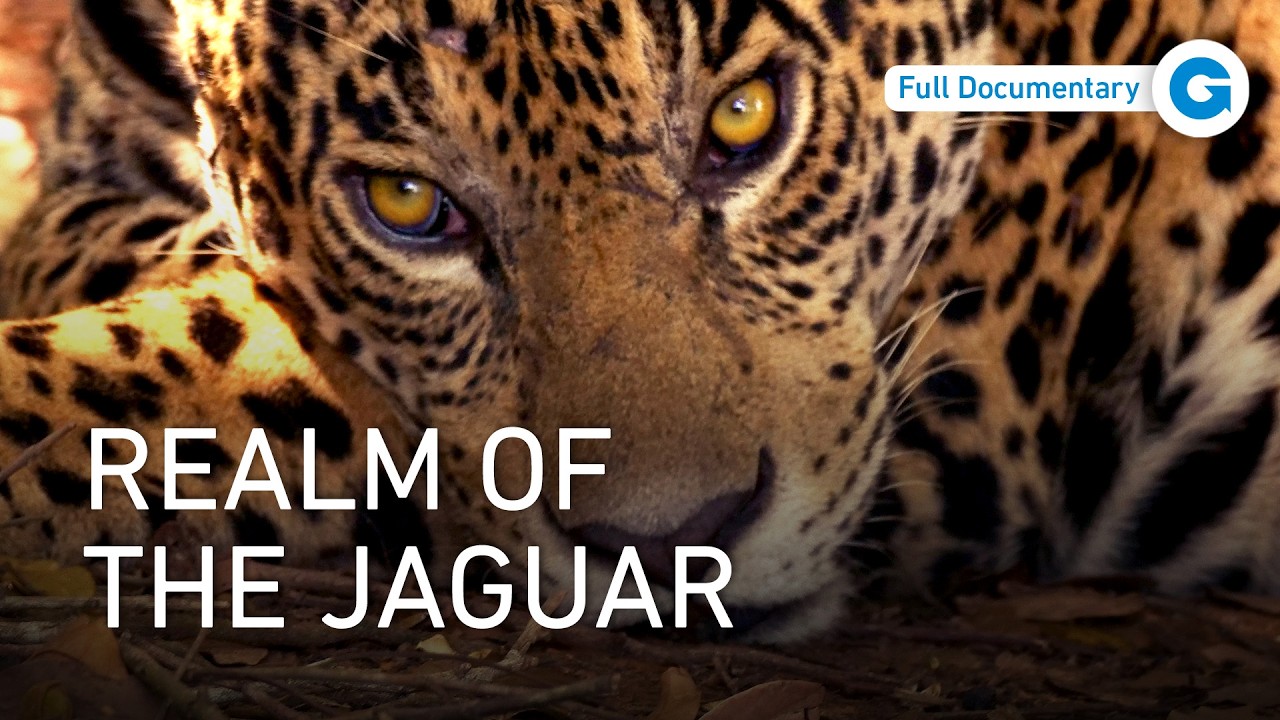
Pantanal, the world's largest tropical wetland, serves as a vital sanctuary for diverse wildlife, thriving despite increasing environmental threats.
MRSA, an antibiotic-resistant hospital germ, infects around 160,000 patients annually in Germany, with a more severe strain, USA 300, spreading rapidly in the US.
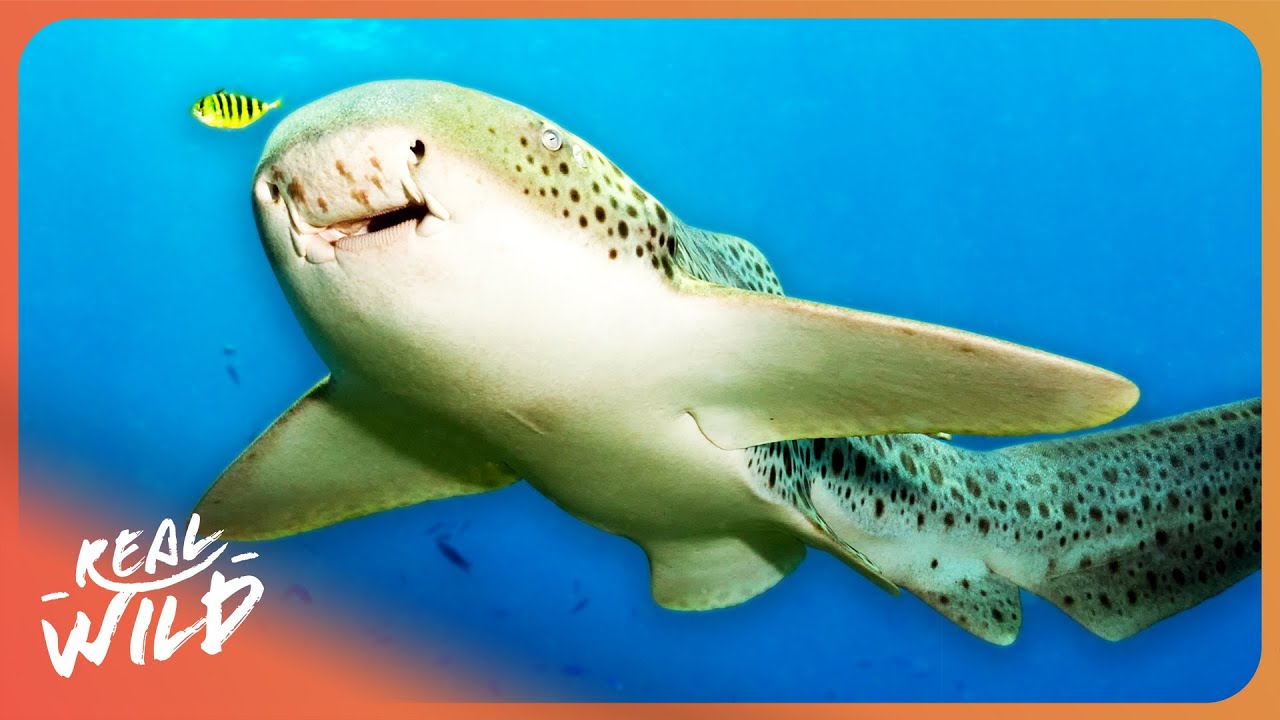
Oman's underwater wonders feature zebra sharks and rare marine life, while Jonathan Bird explores goosefish in New England and coral restoration in the Caribbean.
The SEALAB III project, supported by the USS Elk River, aimed to explore underwater living but ended in tragedy with the death of aquanaut Berry L. Cannon.
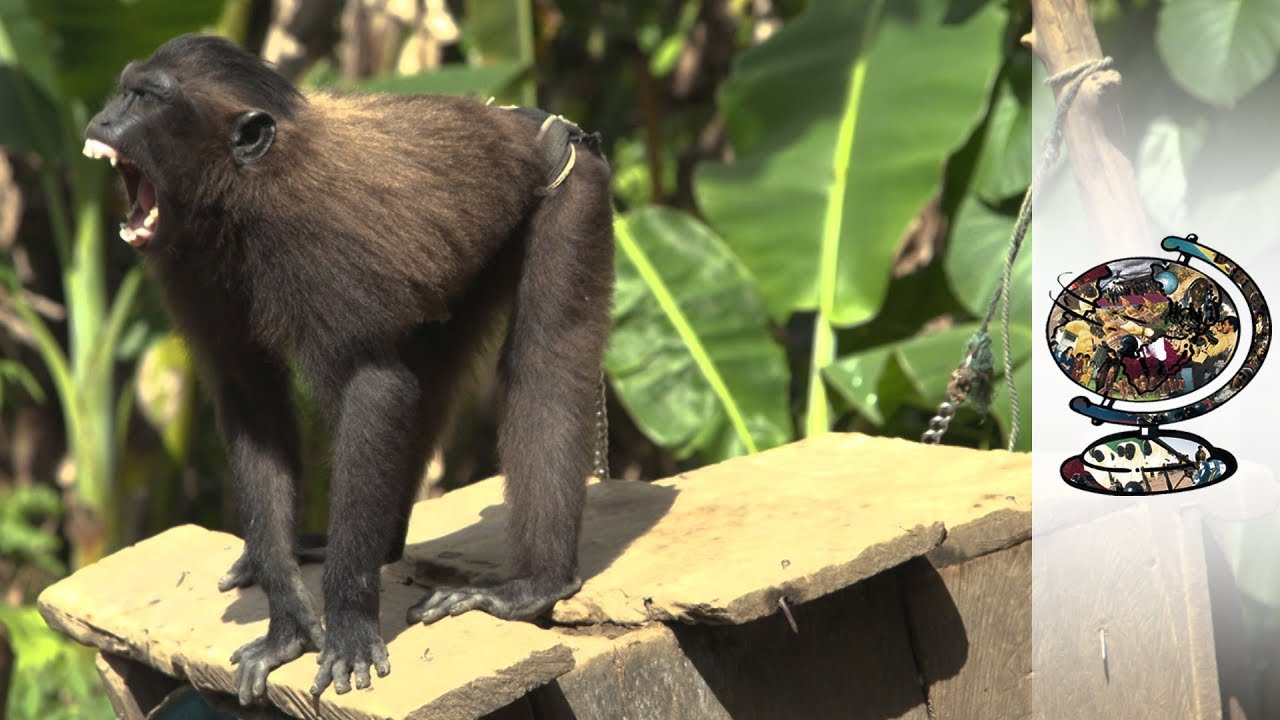
Sulawesi's illegal wildlife trade, driven by local consumption of bush meat, threatens the island's unique ecosystems and contributes to the decline of its exotic species.
Astronauts aboard Skylab provided invaluable insights into human adaptability and functionality in the unique environment of outer space!
Cape Canaveral serves as the backdrop for Professor Brian Cox and Dara O Briain's exploration of the Apollo 11 mission, featuring astronaut Charlie Duke's insights and advancements in space exploration.
Henry Markram's Blue Brain Project aims to simulate the entire human brain on supercomputers, exploring the intersection of neuroscience and technology.
Superbugs pose a significant global health threat, exacerbated by COVID-19, prompting innovative collaborations to combat bacterial infections effectively.
Heavy lifts play a crucial role in engineering megaprojects, enabling the transportation of massive structures like mobile seawalls and spacecraft components.
Elephants, butterflies, and snakes showcase their specialized sense organs and adaptations, revealing how animals navigate environments and communicate through smell.
American Airlines Flight 191 tragically crashed on May 25, 1979, due to a maintenance error, resulting in the loss of 273 lives in the deadliest U.S. aviation disaster.
Burkina Faso faces a severe malaria epidemic, claiming half a million lives annually in Africa, while scientists strive for a long-awaited vaccine breakthrough.
An Indonesian legend claims monkeys can speak, raising questions about animal communication.
In the vast savannahs of southwest Guyana, unique wildlife such as giant otters, jaguars, and anacondas thrive in a dynamic ecosystem shaped by seasonal flooding.
Half of sea lion pups do not survive to adulthood as they face dangers from larger males and the challenges of their environment.
Pacific Bluefin tuna face imminent extinction due to relentless over-fishing, prompting Palau to establish a protective no-go zone for international fleets.