From over 100,000 films, discover the handful you'll love.
Free or premium access to the world's largest documentary library.
7235 films(Page 5 of 151)
In just 100 milliseconds, the brain makes judgments about trustworthiness and competence based on a person's face and voice.
A car races toward a flock of pigeons, which perceive the world at over 100 frames per second, allowing them to react in what seems like slow motion.
Bufo Alvarius, a toad species native to the Sonora desert, contains the powerful hallucinogen 5-MEO-DMT, used in traditional ceremonies by indigenous communities.
Astrophysicist Geraint Lewis and physicist Chris Ferrie examine the universe's origins and structure, addressing concepts like the Big Acceleration and Hubble Tension.
Ten cats in Weimar leave a complex web of tracks over five days, revealing their hidden activities and movements outside their homes.
In 1900, scientists faced a mystery about the light bulb: why did the color of light change with temperature, leading to the birth of quantum mechanics.
The classic Maya cities experienced a significant transformation in the ninth century due to environmental decline, warfare, and foreign influences.
Antibiotic-resistant infections are increasingly threatening lives, as illustrated by the case of an 11-year-old girl whose condition baffled doctors and highlighted a growing medical crisis.
Pompeii, a once-thriving Roman city, is explored through popular questions about its history, eruption, and significance, answered by historian Daisy Dunn.
Heart rates of hummingbirds can reach 1,200 beats per minute, making them the highest among vertebrates and enabling their remarkable aerial maneuvers.
Salmonella contamination in poultry poses significant health risks, as highlighted by a major outbreak linked to Foster Farms that sickened over 600 people.
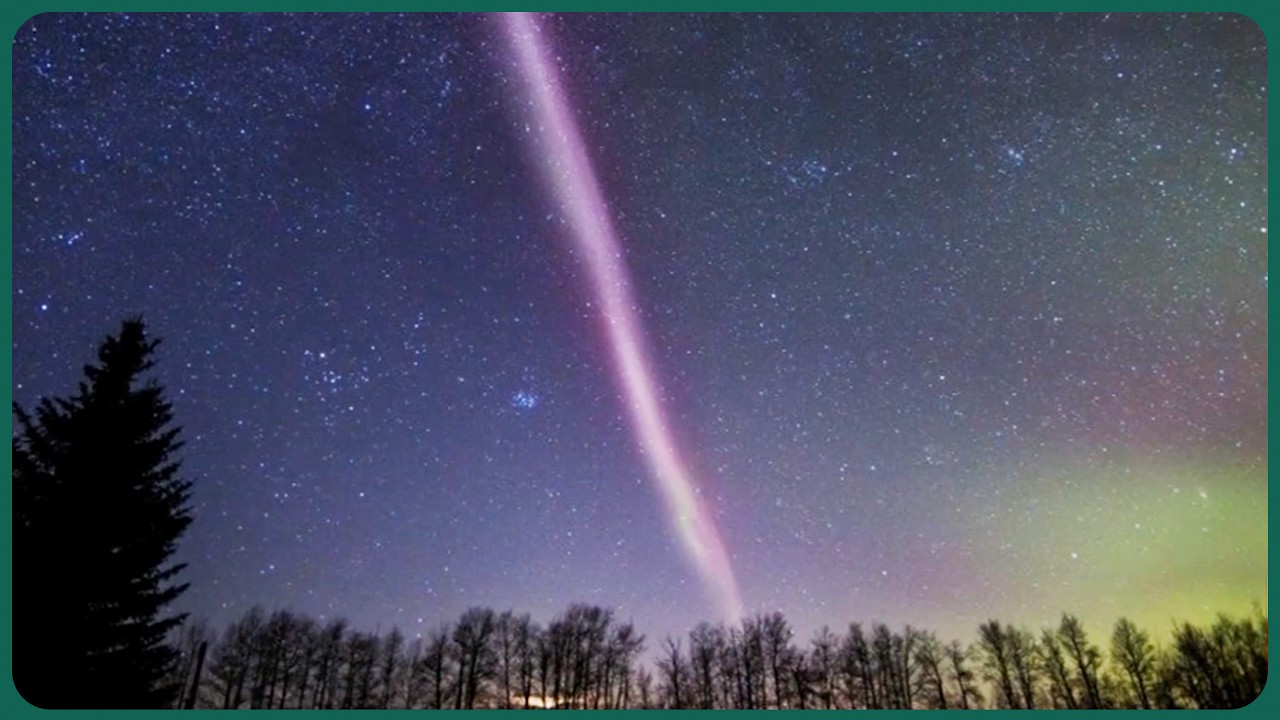
Amateur photographers capture a newly identified atmospheric phenomenon in the night sky, sparking intrigue and scientific exploration.
Innovative speech buttons are being studied by scientists in the largest animal communication study to determine if dogs can truly understand and use language.
Approximately 90 common ravens have been marked with colored chips at a research station in Austria to study their behavior and intelligence.
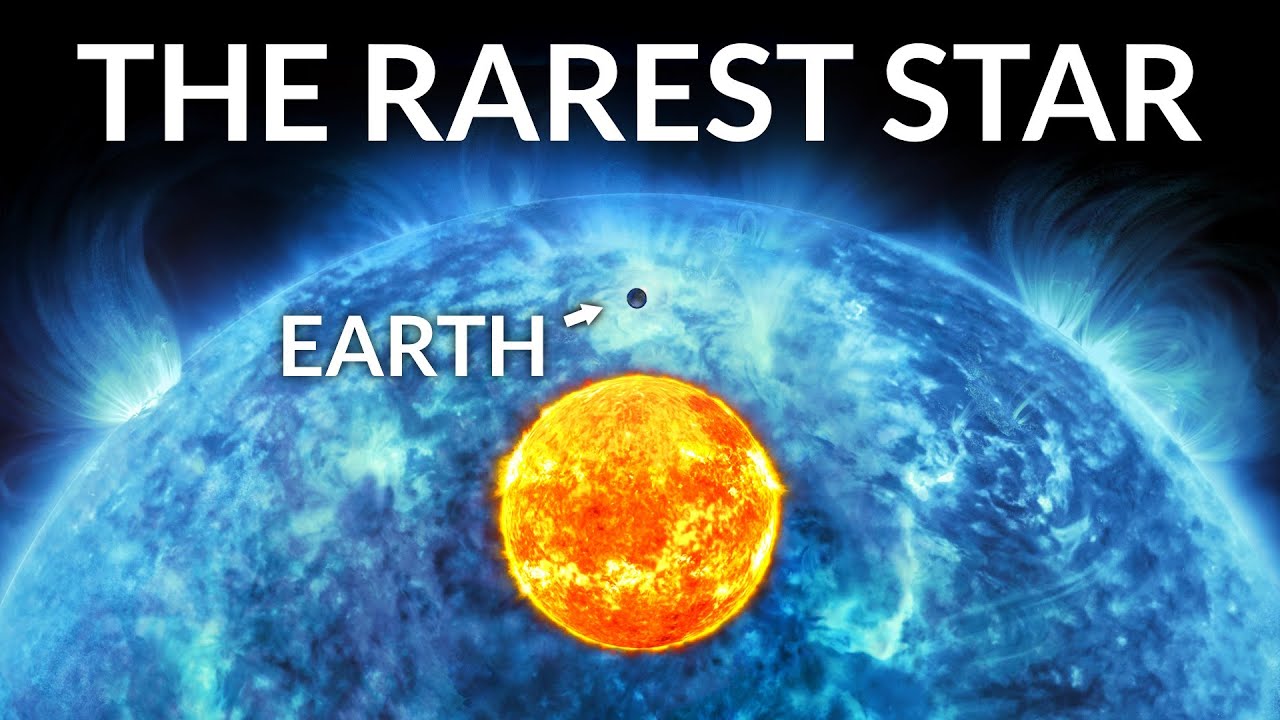
Only 0.00005 percent of stars in the Milky Way are black holes, remnants of massive stars that have undergone supernovae.
Over 160 well-preserved Native American skeletons from Windover Bog reveal insights into a sophisticated society, alongside evidence of a brutal murder.
Pompeii, a Roman city preserved by the eruption of Mount Vesuvius in 79 AD, faces threats from tourism and geological instability as experts strive to protect it.
Giant dragonflies with a wingspan of up to 25 inches thrived 300 million years ago, long before birds and flying reptiles existed.
34,000 children die every day from poverty and preventable diseases, while 50 percent of the world's population lives on less than two dollars a day.
Two trains collide on parallel tracks, challenging the long-held belief that parallel lines can never meet, as the universe's expansion raises fundamental questions.
A hagfish, which can grow to twice the length of a man, uses its jawless mouth to consume dead bodies on the ocean floor.
The connection between sci-fi films and the technological policies of Soviet Russia reveals the socialist origins of electronic music and its cultural impact.
300 hungry crocodiles live in the Grumeti River, where they ambush wildebeests as they attempt to drink water.
An airship up to 130 meters in length could sail the turbulent upper winds of Venus, offering a potential habitat for future human settlers.
Sleep paralysis, a phenomenon where individuals are unable to move while transitioning between sleep and wakefulness, is explored through personal accounts and expert insights.
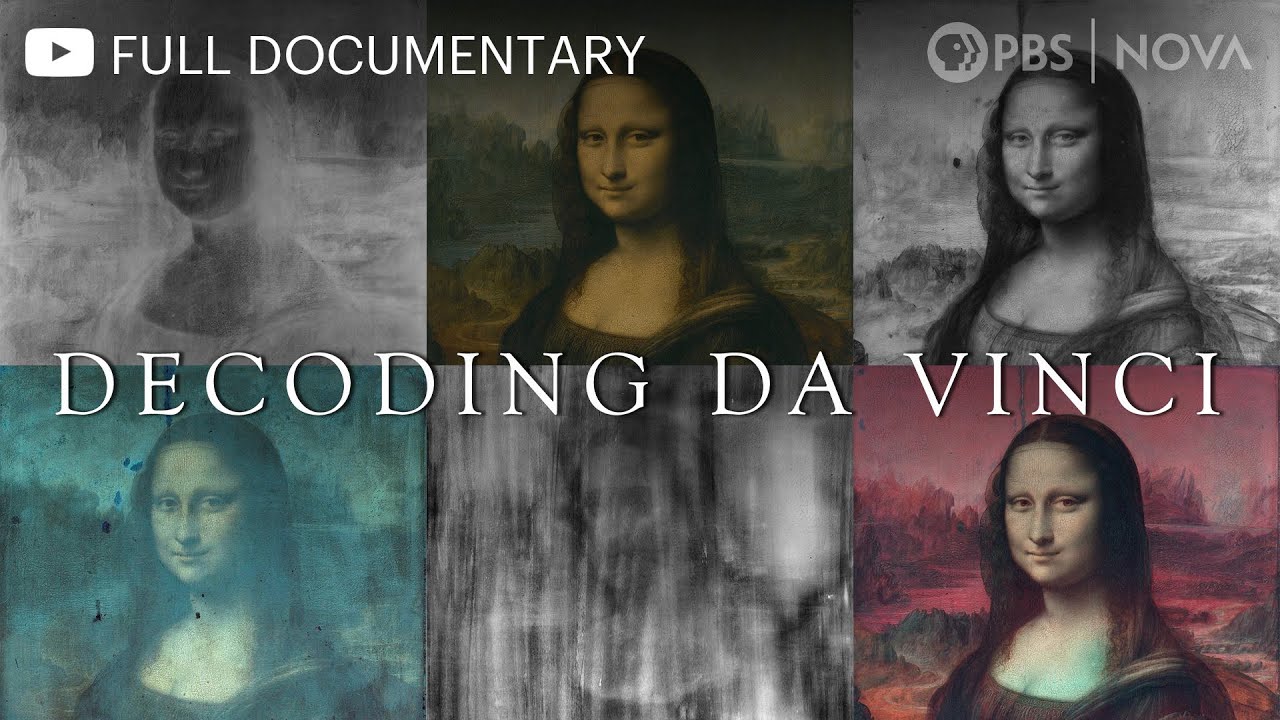
Millions visit the "Mona Lisa" each year, spending an average of 15 seconds looking at the painting in the Louvre.
In 536 AD, a volcanic eruption, possibly from Krakatoa, triggered a climatic disaster that led to two years of darkness, famine, and disease across the globe.
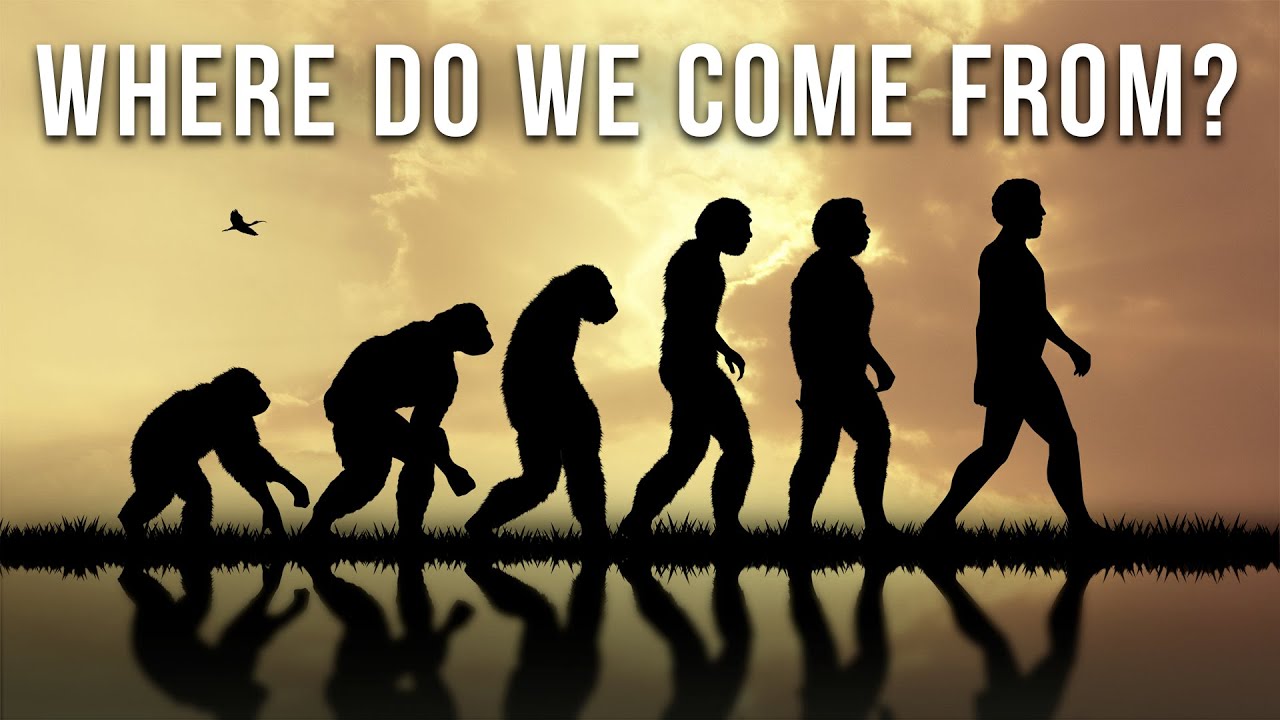
Homo sapiens emerged 200,000 years ago after a 3.3 billion year battle for survival, evolving from single-celled organisms to the most complex creatures on Earth.
Somewhere in the region of 10 followed by 99 zeros, there are more cubic centimeters of space than in the entire observable universe.
Alexis Nikole Nelson, known as The Black Forager, explores the complex history of "No Trespassing" laws in the U.S. and their impact on foraging practices.
Countless trillions of humans may one day live across the Milky Way, but a fundamental difference in matter and anti-matter could prevent true contact with other civilizations.
Schöningen spears, dating back 300,000 years, are the oldest known hunting weapons, revealing early humans' complex social structures and advanced hunting techniques.
Rare skeletons of combatants and horses, unearthed at the Waterloo Battlefield, provide new insights into the brutal realities of this historic battle.
Galaxies are moving towards a specific location in the universe known as the Great Attractor, drawn by invisible gravitational forces.
Viktor Schauberger's ecological philosophy emphasizes vortex principles for sustainable technology, influencing modern practices in river revitalization, agriculture, and water management.
Viktor Schauberger's innovative ideas on nature and technology are explored through historical facts and current research in this comprehensive documentary.
Roy Chapman Andrews' expedition in the Gobi Desert led to remarkable discoveries, including dinosaur eggs and velociraptors, reshaping our understanding of paleontology.
Lesser-known peoples of the Zagros Mountains in early antiquity interacted with Mesopotamian civilizations, revealing insights through recent archaeological findings.
In 1998, astronomers discovered that the universe's expansion is accelerating, leading to the identification of dark energy, which remains invisible to telescopes.
A black hole is born when a large star dies in a supernova explosion, which can be as bright as a billion billion suns.
Quasars, among the most powerful astronomical phenomena in the universe, are examined for their significance and impact on our understanding of cosmic forces.
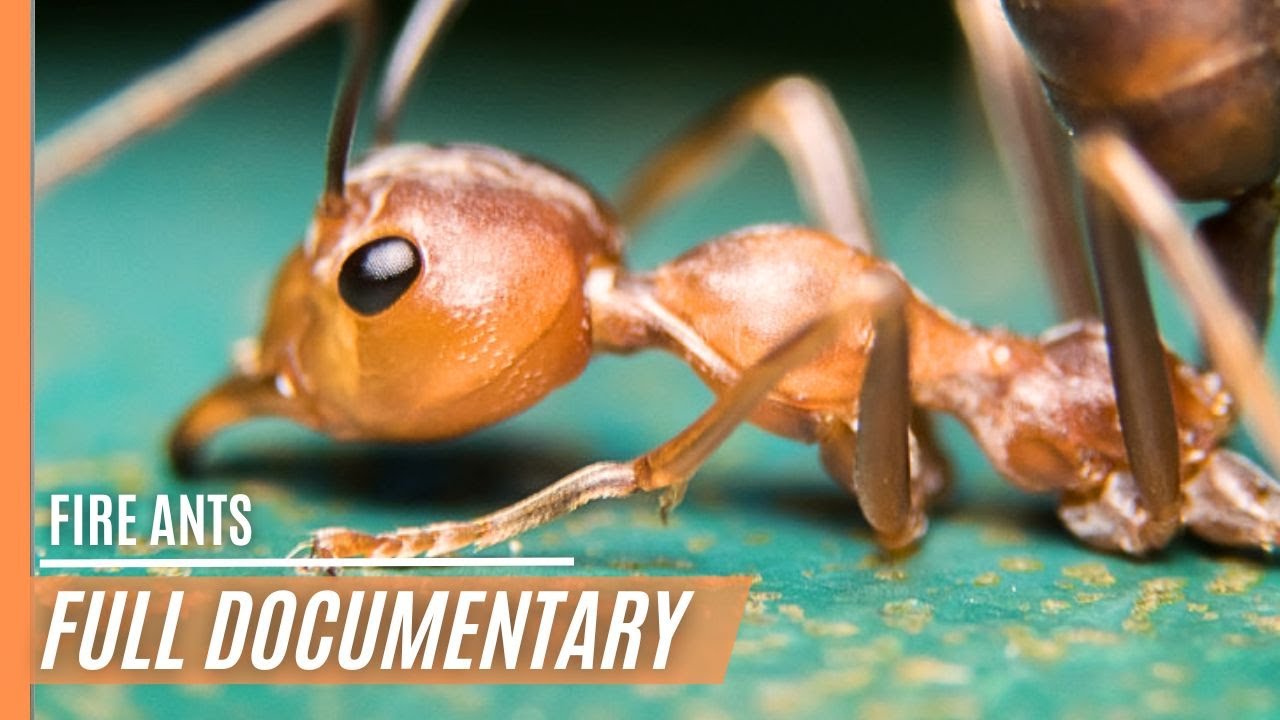
For 80 years, fire ants have caused an estimated six billion dollars in annual crop damage, equipment repair, and pest control costs across the United States.
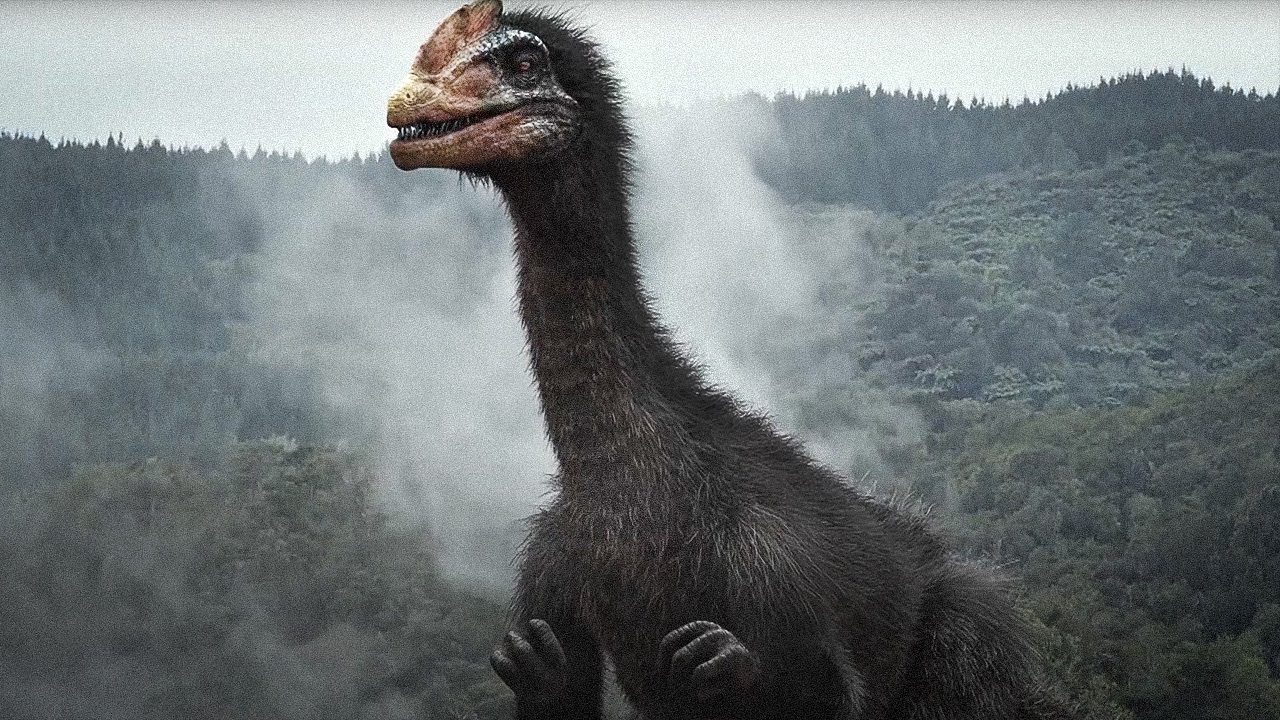
Paleontologist Steve Brusatte addresses key questions about dinosaurs, including their diet, extinction, and hypothetical battles between species.
Edwardian innovations, such as asbestos socks and radioactive toothpaste, transformed homes but often resulted in tragic accidents and long-lasting consequences.
Soviet scientists, aided by former Nazi experts and espionage, achieved the first atomic bomb detonation in 1949, altering the global nuclear landscape.
Eight astronauts with over 1,000 days in space discuss the likelihood of finding simple life forms on other planets.
Inca masonry showcases advanced techniques in stone quarrying, transportation, and fitting, reflecting the civilization's unique technology and cultural heritage.
Homo erectus, an ancient human species known for its tool-making and fire use, raises questions about its extinction and similarities to Neanderthals and Homo sapiens.