From over 100,000 films, discover the handful you'll love.
Free or premium access to the world's largest documentary library.
7227 films(Page 137 of 151)
In Antarctica, Caitlin and Arlo visit a Weddell seal colony during pupping season, collaborating with biologist Jay Rotella to study newborn seals.
Humans possess a unique facial feature known as the chin, which no other animal has, yet its evolutionary purpose remains uncertain.
Butterflies and ants, turkeys and squirrels exemplify unique animal relationships, showcasing friendships, alliances, and mutualistic behaviors in nature.
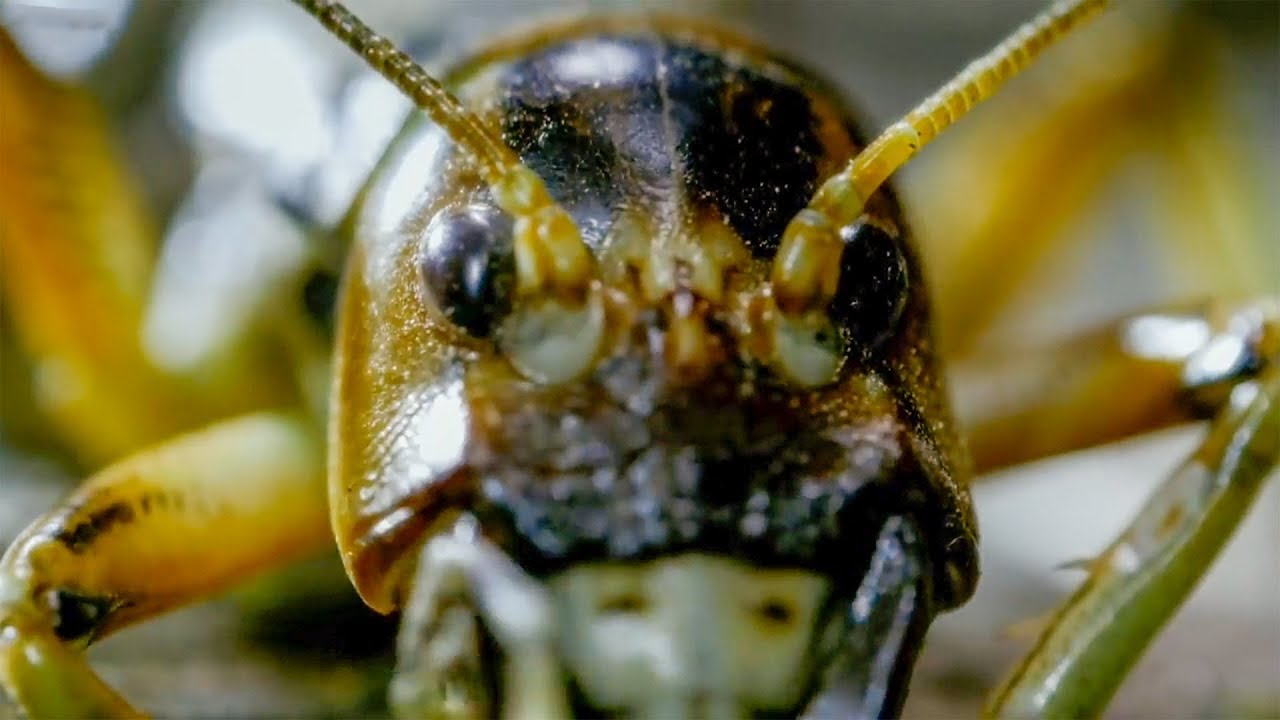
The program highlights unusual insect behaviors, including the New Zealand Weta's ability to survive freezing and giant snails that eat their prey whole.
A chamber in the Dikteon cave, identified as the birthplace of Zeus, contained an altar with offerings of honey and goat milk dating back 4,000 years.
Three locations in Turkey and Armenia have reported the discovery of unusually large human remains, raising questions about ancient folklore and history.
Prehistoric fossils may have influenced the creation of mythical monsters, as explored through various legends and the work of paleoartists like Julio Lacerda and Ceri Thomas.
100 cubic kilometers of rock and ash were expelled during the 1815 eruption of Mount Tambora, impacting global climate and ecosystems.
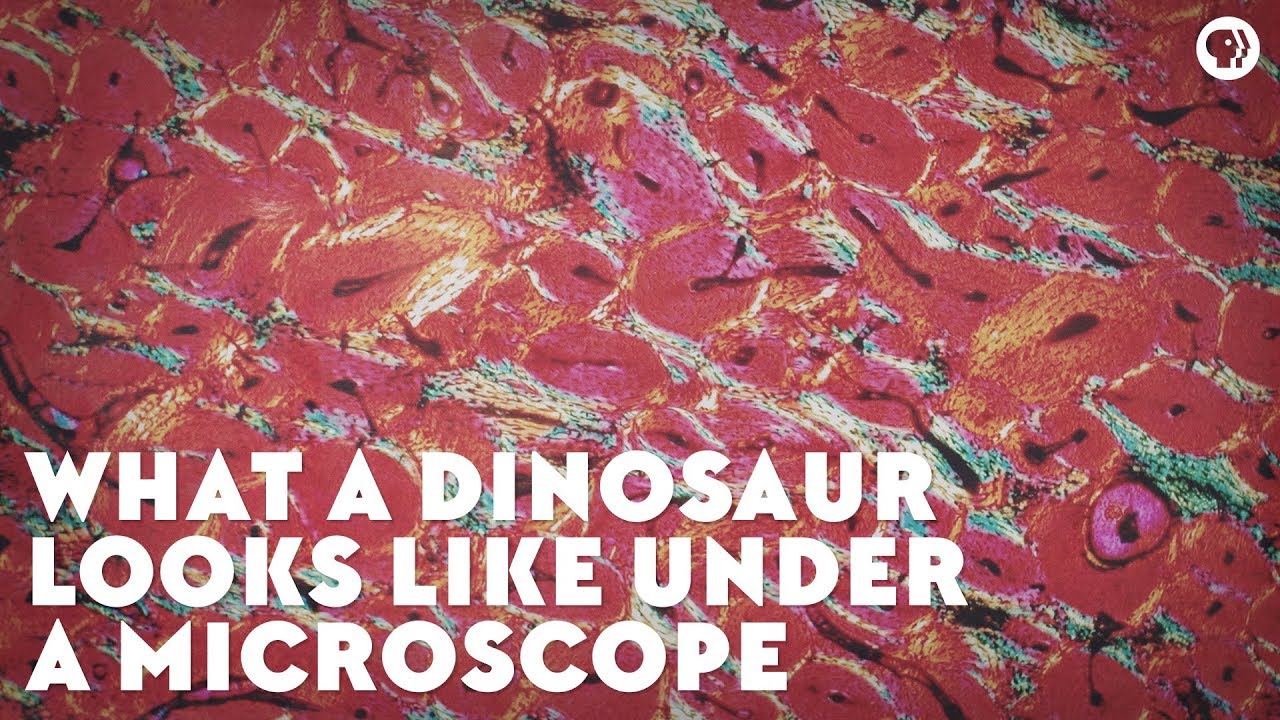
Ellen-Thérèse Lamm in Bozeman, Montana, studies ancient life by examining dinosaur bones at the cellular level using advanced microscopy techniques.
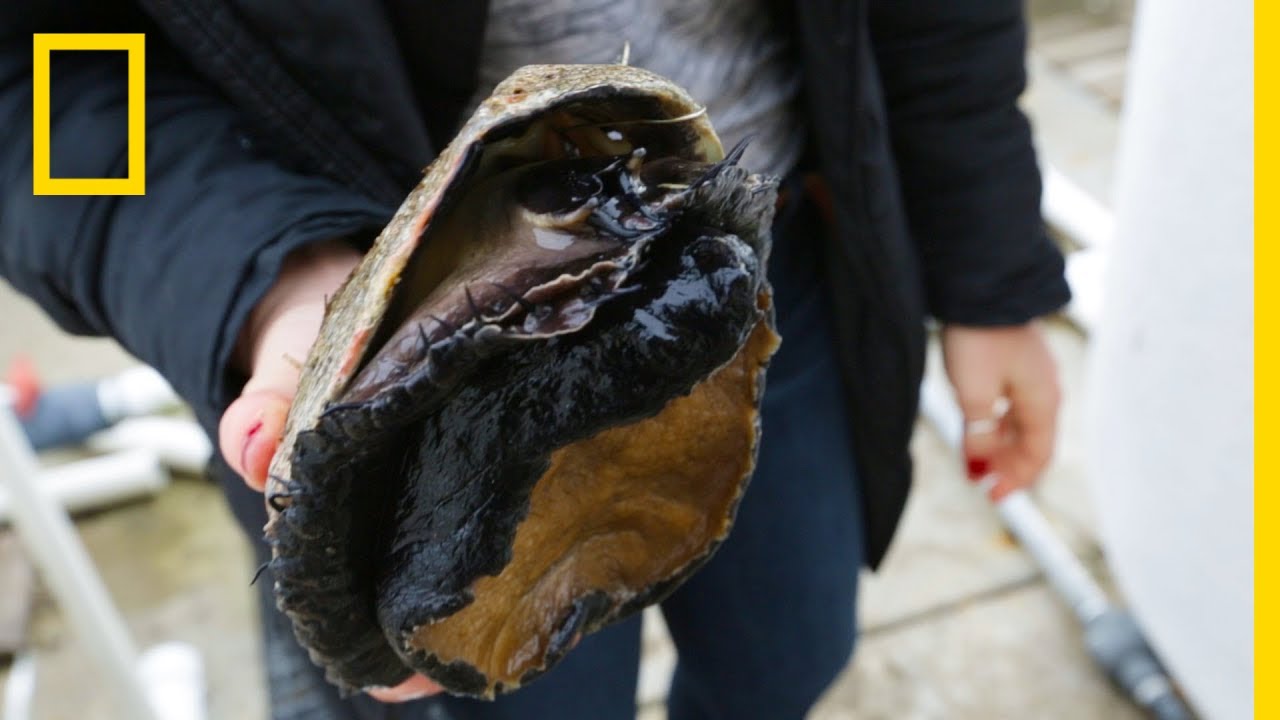
California closed the recreational red abalone fishery in December 2018 until 2021 to help the population recover from environmental threats.
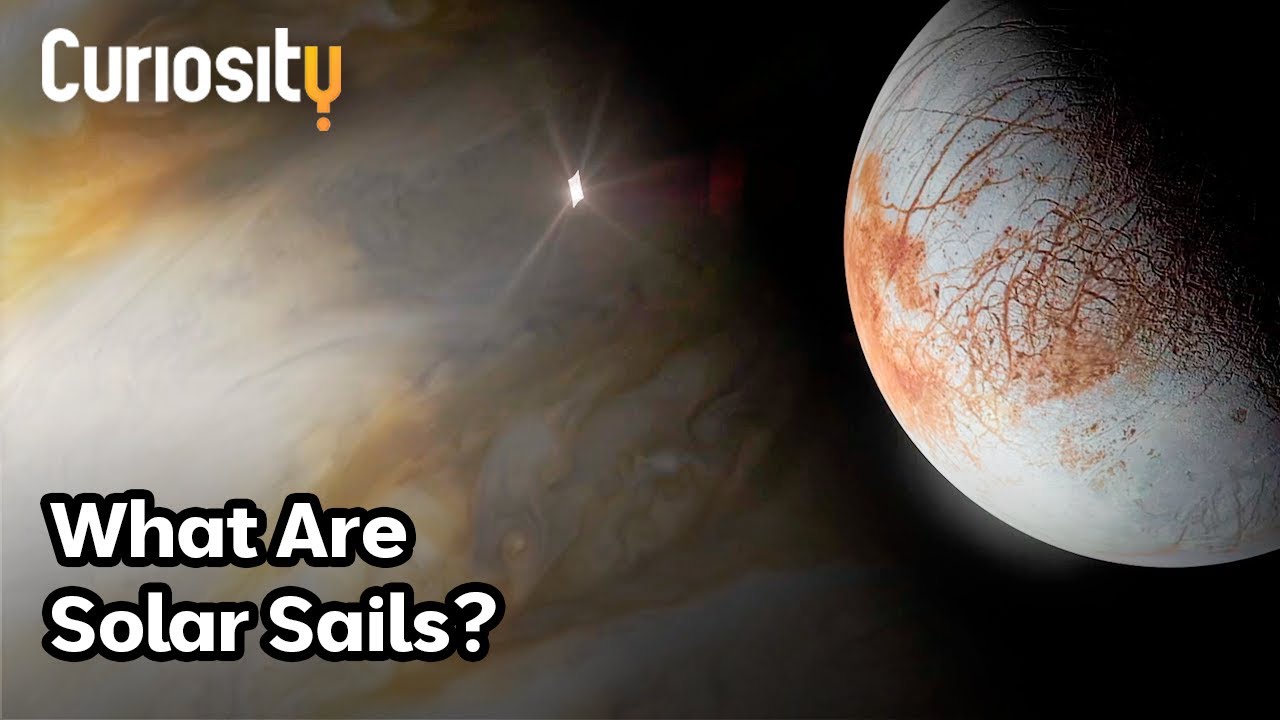
A 5-kilogram spacecraft, about the size of a bread box, uses sunlight to propel itself through space in a new method of interstellar travel.
The first planet orbiting another star was discovered in 1995, located nearly 51 light-years from Earth in the constellation of Pegasus.
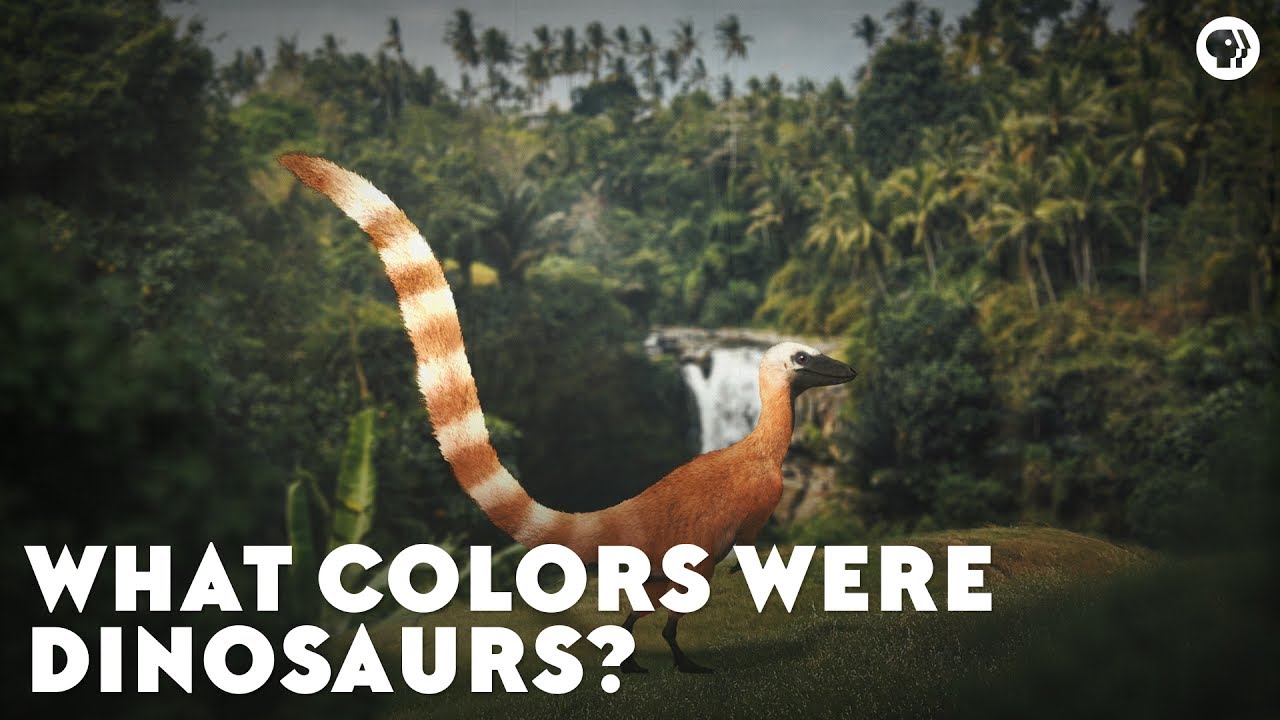
Paleontologists have long debated the colors of dinosaurs, exploring evidence from fossils and modern birds to understand their appearance.
Curiosity, NASA's Mars rover, navigates the rocky terrain of Aeolis Mons while searching for clues about the planet's past and environment.
Dawn spacecraft travels from Earth to explore Vesta and Ceres in the Asteroid Belt.
A burial site linked to a notorious gang of bank robbers is investigated by Josh Gates, featuring historical ties to World War II and insights from local historians.
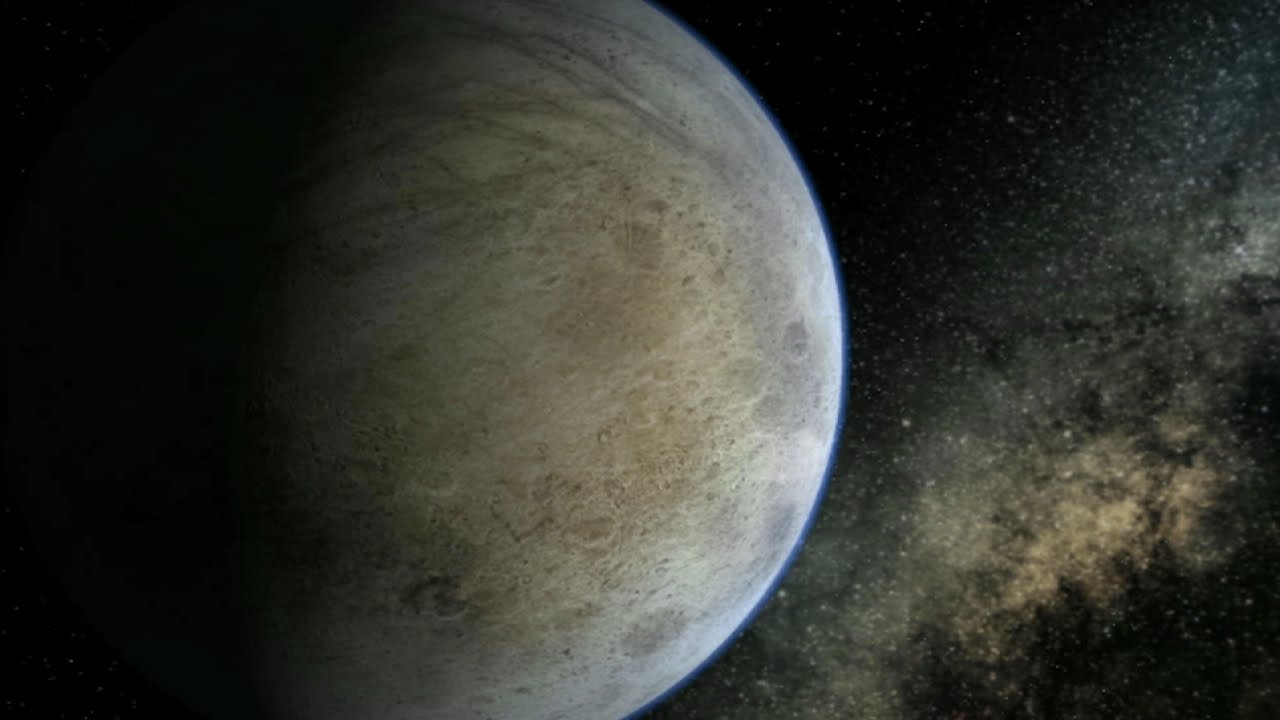
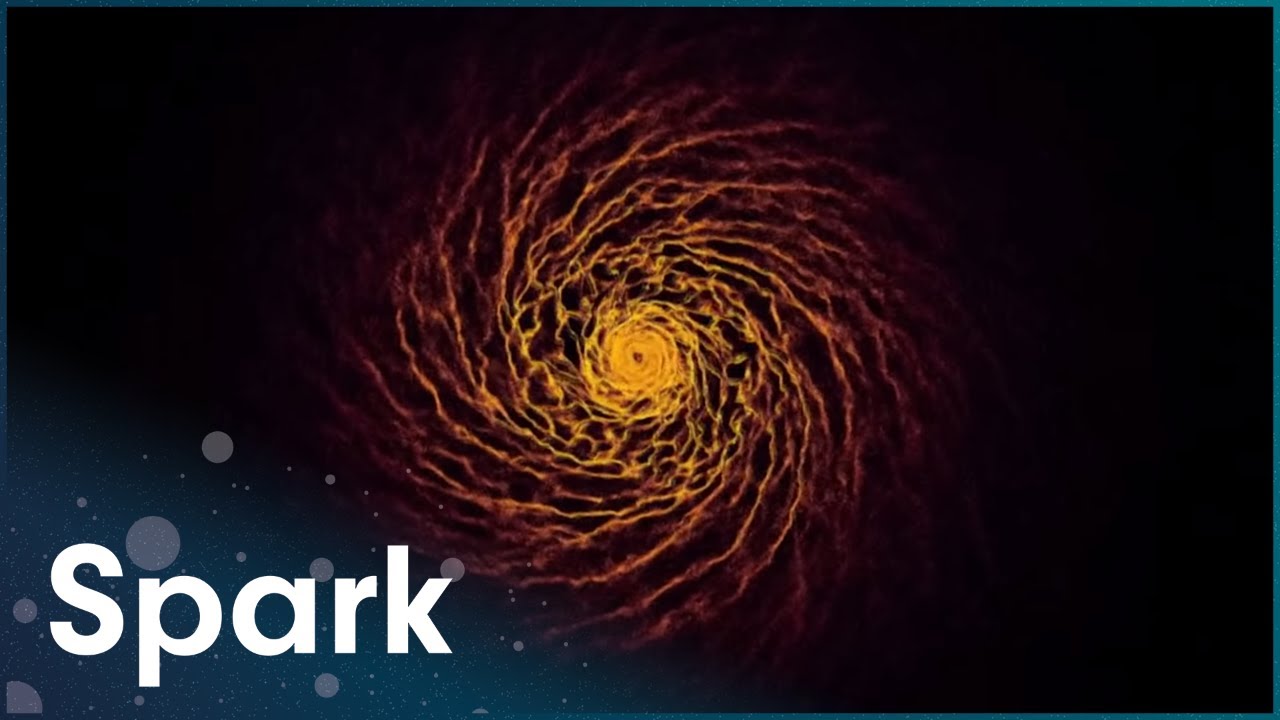
Computer simulations illustrate the evolution of galaxies and the exploration of alien worlds, showcasing stunning HD imagery of the solar system's celestial wonders.
Pheromones from plants, animals, and humans provide a wealth of information that influences behavior and social interactions, often without conscious awareness.
Tree samples near Pittsburgh show growth decline linked to UFO sightings in 1965.
Nuclear energy programs, once seen as a beacon of progress in the 1950s and 60s, now face scrutiny over safety and waste management following disasters like Chernobyl and Fukushima.
A black hole forms when a large star dies in a supernova explosion, which can be as bright as a billion billion suns.
NASA's Cassini spacecraft detected jets of water vapor spewing from the south pole of Enceladus, a moon of Saturn, in November 2005.
80% of the data used by weather forecasters comes from satellites, with only 16 weather-specific instruments in orbit observing a small part of the Earth.
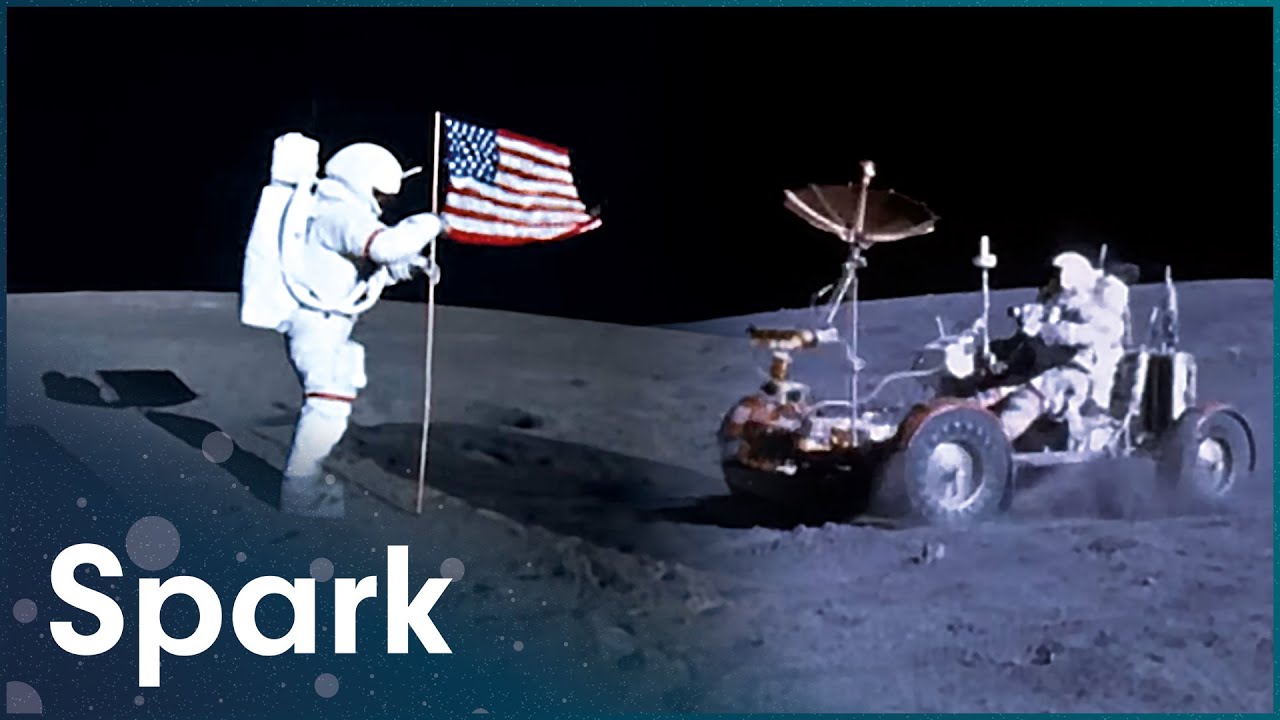
One million Americans gathered in Central Florida to watch the launch of Apollo 11, marking a historic moment in space exploration.
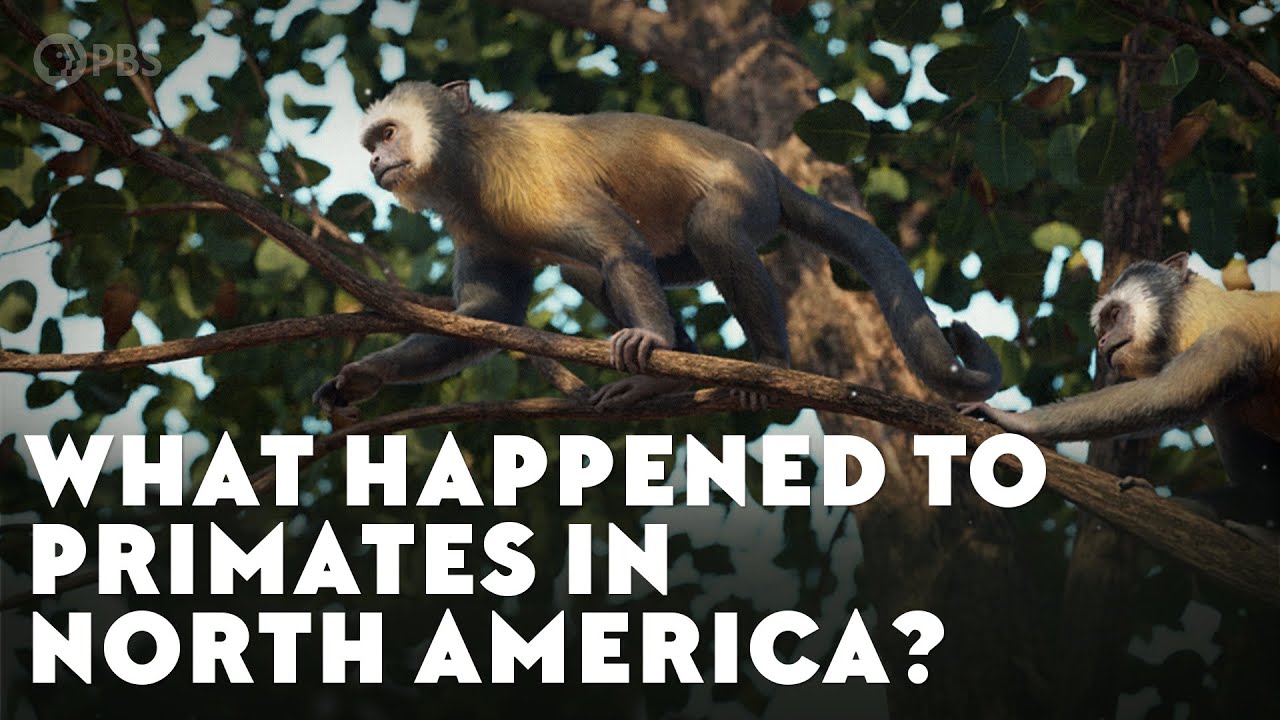
Early primates originated in North America, and research highlights their evolutionary significance and the factors leading to their extinction.
In 2003, a nearly complete mammaliaform fossil found in a Chinese lakebed revealed insights into the diversification and extinction of Mesozoic mammals.
Over 30 genera of mega mammals, including the woolly mammoth, went extinct around 13,000 years ago, likely due to a catastrophic event.
Gigantopithecus, the largest known great ape, offers insights into its lifestyle and extinction, highlighting lessons for modern primates.
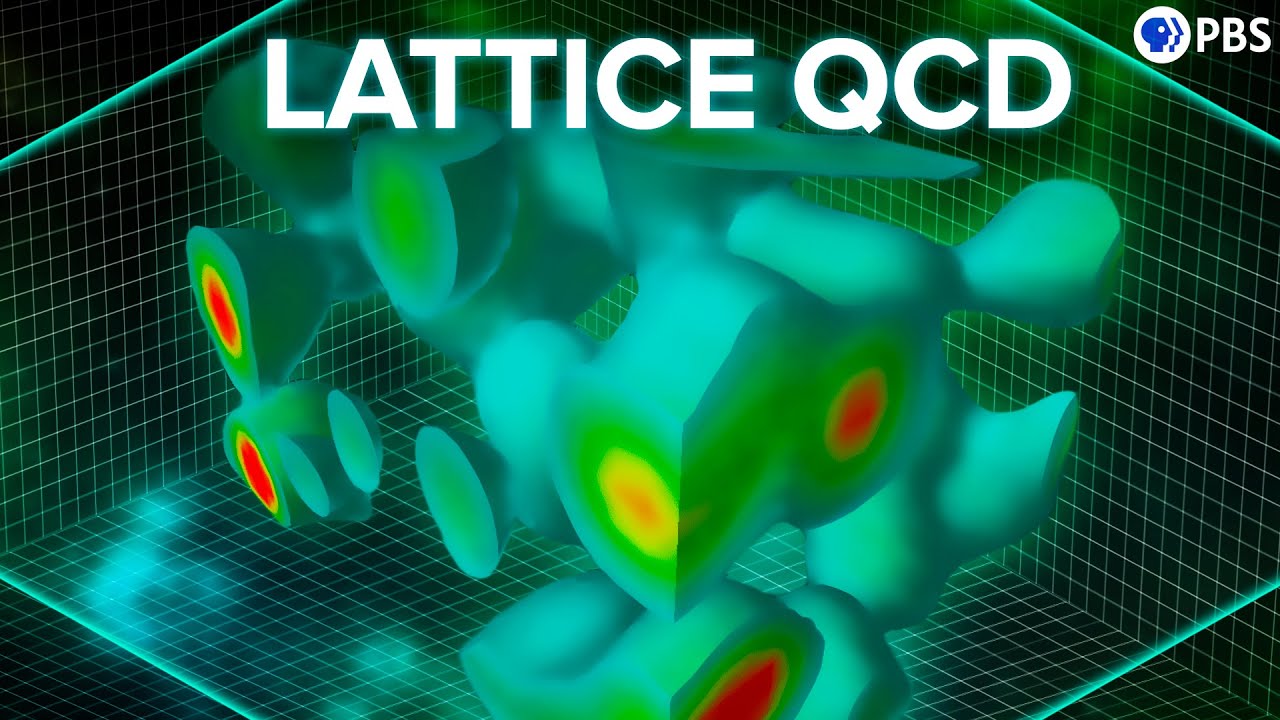
Three quarks and gluons make up each proton and neutron, creating a complex structure that challenges current computational physics.
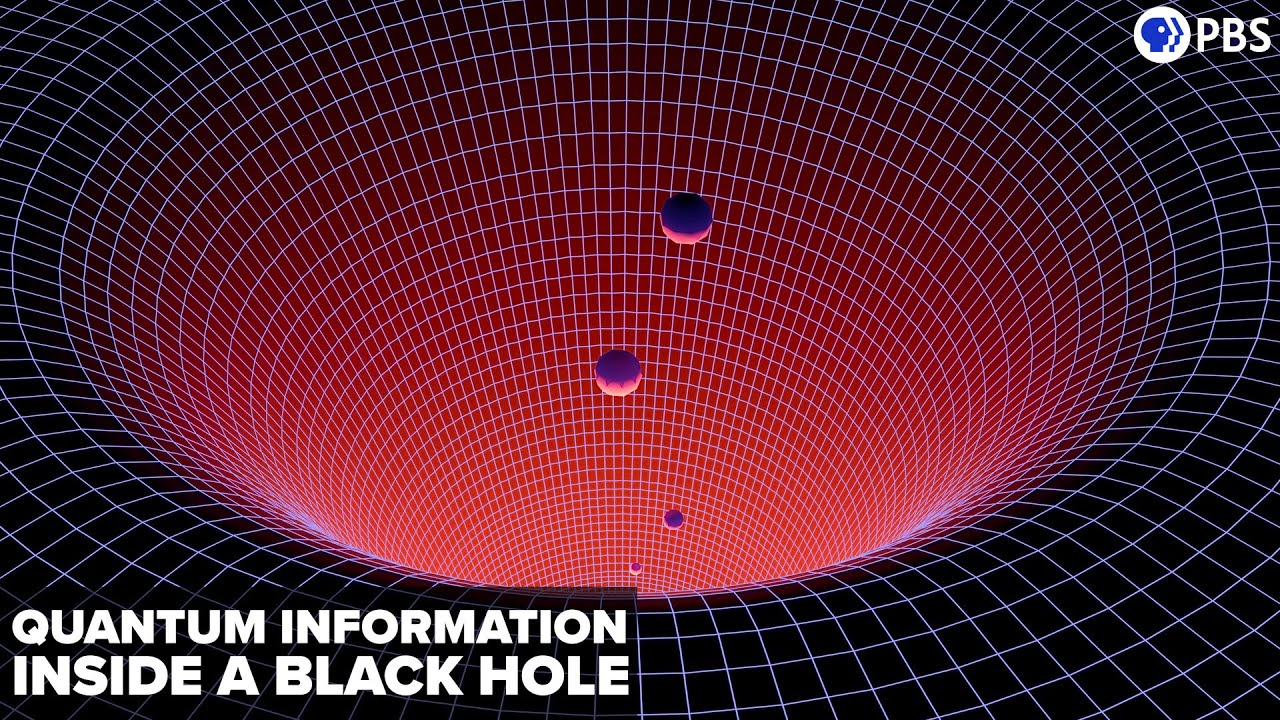
Alice carries a clock that emits high-energy gamma rays as she prepares to jump into Sagittarius A*, the supermassive black hole at the center of the Milky Way.
Recurring UFO sightings in locations like Norway and the Pacific Ocean raise questions about their impact on technology and the reasons behind these phenomena.
Mount Everest's extreme altitude affects the human body in various ways, highlighting the physiological challenges faced by climbers at high elevations.
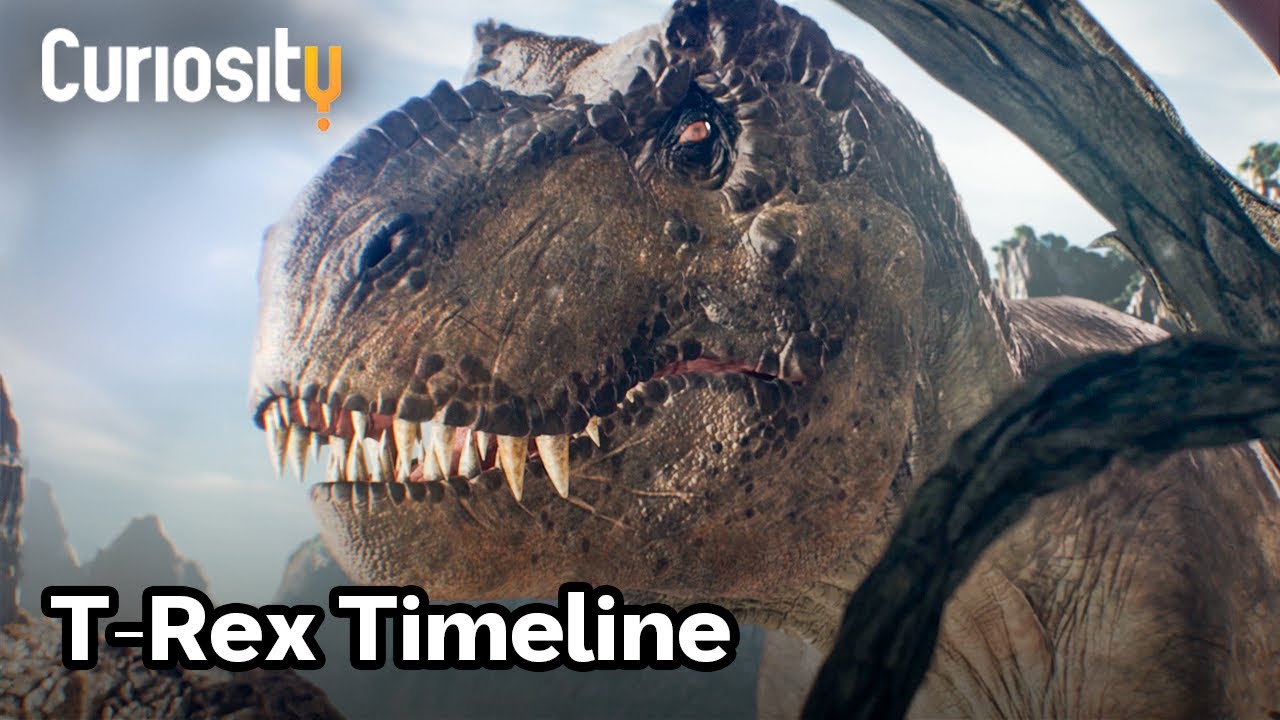
50 to 70 new dinosaur species are named each year, revealing new insights into the lives of these ancient creatures and their environments.
Silicon is more abundant on Earth than carbon, prompting questions about the possibility of silicon-based life forms existing elsewhere in the universe.
Black holes could be made of dark energy, gaining mass as the universe expands, according to a claim by University of Hawaii astrophysicists Duncan Farrah and Kevin Croker.
1932 marked the year when Werner Heisenberg proposed isospin, a new fundamental property of matter that challenges the understanding of electric charge.
Measuring the equation of state of the universe with increasing precision will reveal insights about its fabric, origin, and fate.
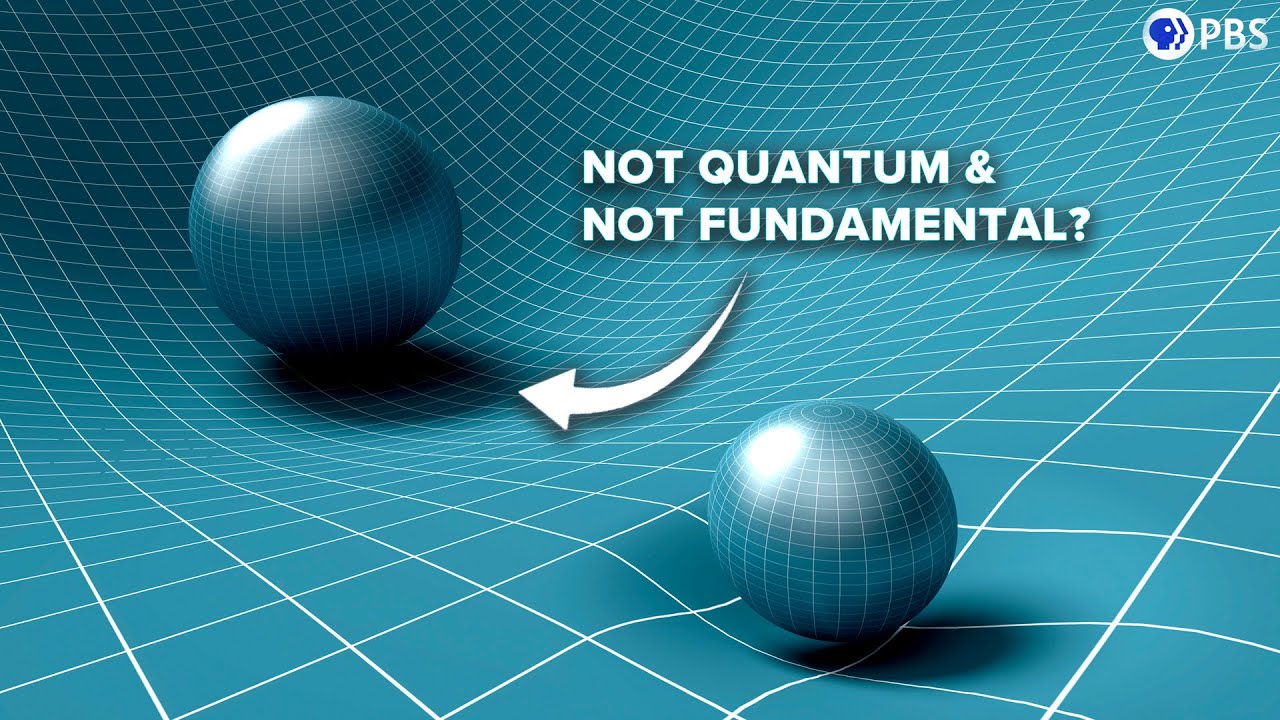
Gravity is proposed as an entropic byproduct rather than a fundamental force, challenging traditional views on its role in the universe's structure.
Humanity has existed for only a blink of an eye compared to the 13 billion years since the big bang, raising questions about our place in the universe.
One idea presented is that the laws of physics are models of our experience of reality, rather than direct representations of the universe itself.
A recent paper by Roy Kerr suggests that the singularity at the center of black holes may not exist, challenging the Penrose Singularity Theorem.
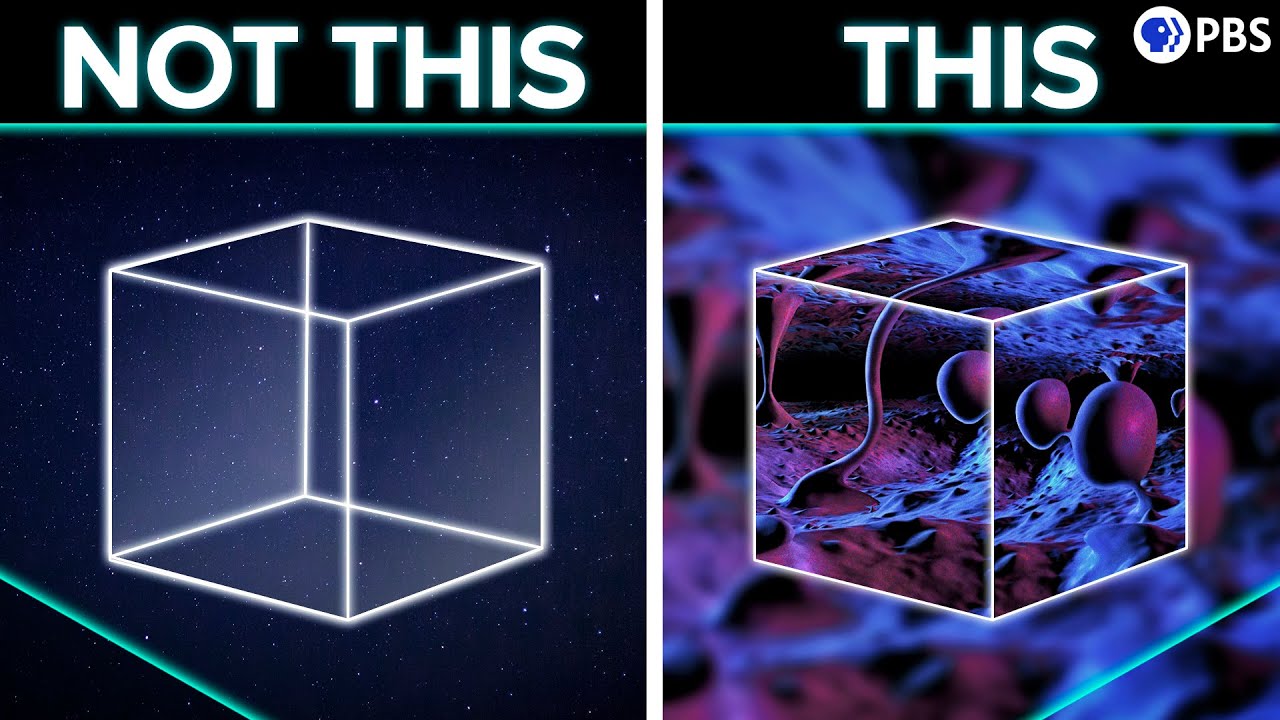
Spacetime is described as a seething ocean of black holes and wormholes flickering into and out of existence, according to many physicists.
A recent survey of primordial sound waves suggests that the universe's acceleration rate may not be constant, challenging long-held assumptions in cosmology.
Recent work suggests that the universe may not have a beginning, challenging the traditional view of a singularity at time t=0.
One hypothesis suggests that all of existence, including humans and cats, is fundamentally a mathematical structure.
A black hole with a mass of up to 10^14 kg could theoretically exist in the Sun's core, consuming it from the inside out.
Erwin Schrodinger's thought experiment illustrates the conflict between observer-dependent indeterminacy and a reality that exists independently of observation.
Billions of subatomic particles create tiny black holes that vanish upon impacting Earth.