From over 100,000 films, discover the handful you'll love.
Free or premium access to the world's largest documentary library.
7231 films(Page 130 of 151)
George Van Tassel begins creating an immortality machine in 1958 in this episode.
In the Bering Sea, the crew of Cape Caution faces extreme weather and treacherous waters while striving to keep their crab catch alive.
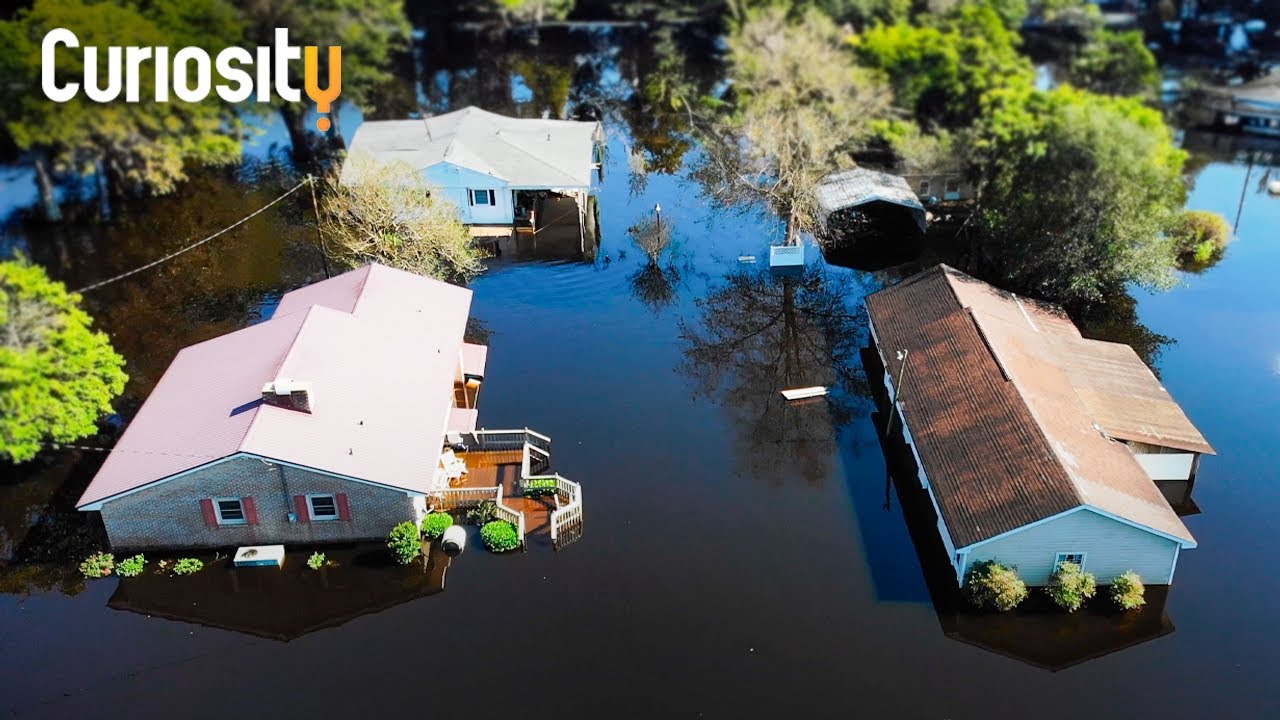
Hurricane Ida made landfall in Louisiana as a category 4 storm with winds of 150 miles per hour, causing significant destruction and flooding.
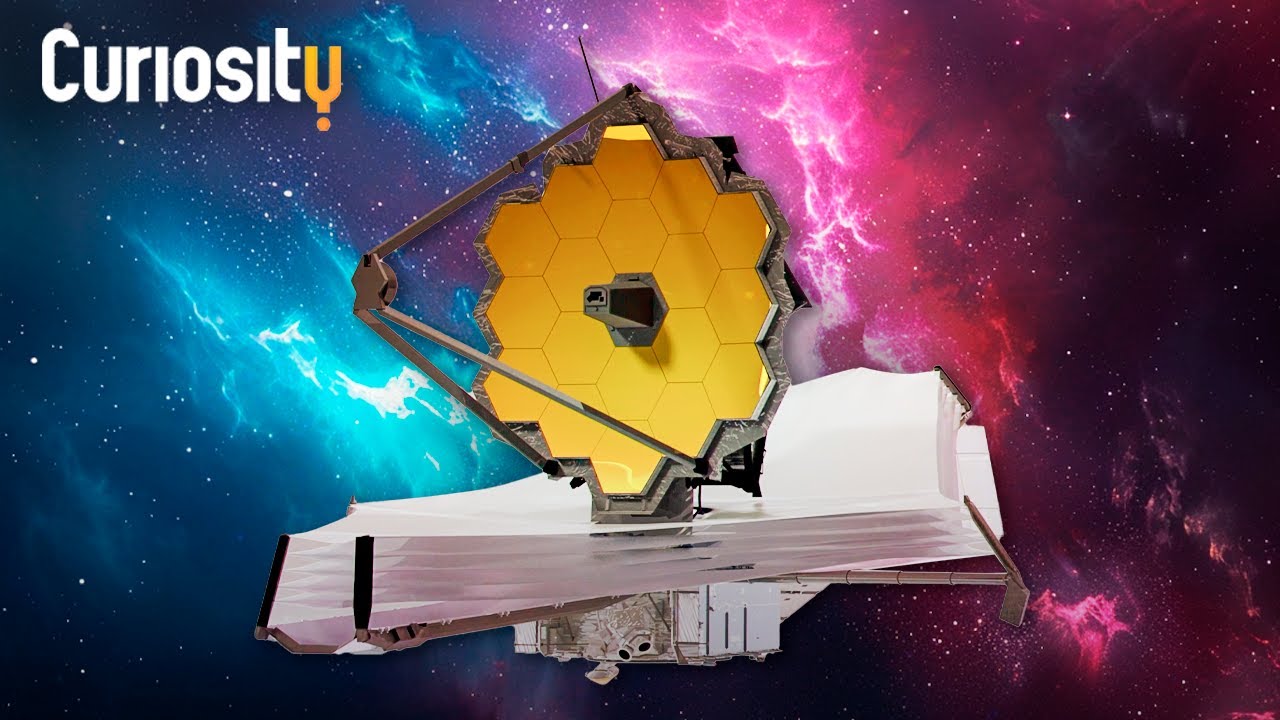
25 years and $10 billion later, the James Webb Space Telescope is set to launch from French Guiana in December to study the universe's earliest light.
Peter Girguis, a Harvard professor, explores how chemical signatures in Martian methane and ancient Earth zircon crystals may indicate extraterrestrial life.
IBM Watson, utilizing DeepQA software and a cluster of ninety POWER7 servers, processes vast amounts of data at unprecedented speeds, showcasing advanced AI capabilities.
Toxodon, an extinct mammal that thrived in isolation for millions of years, played a crucial role in shaping Charles Darwin's theories on evolution.
Particles in the universe should be 100 million billion times heavier, yet recent observations suggest the universe continues to exist without collapsing.
In the Eocene Epoch, a unique reptile evolved with elongated hind legs, hoofed toes, and specialized teeth for flesh consumption, raising questions about its adaptation.
Large cave lions roamed Eurasia during the last ice age, with their fossils and depictions found across the continent, as explored by Ceri Thomas and Roman Uchytel.
India's recent ballistic missile test raises concerns about space debris orbiting Earth.
Wernher von Braun, a Nazi scientist, aids Americans in rocket technology after WWII.
Edith Mendez stabs her abusive husband, leading to her two-year prison sentence.
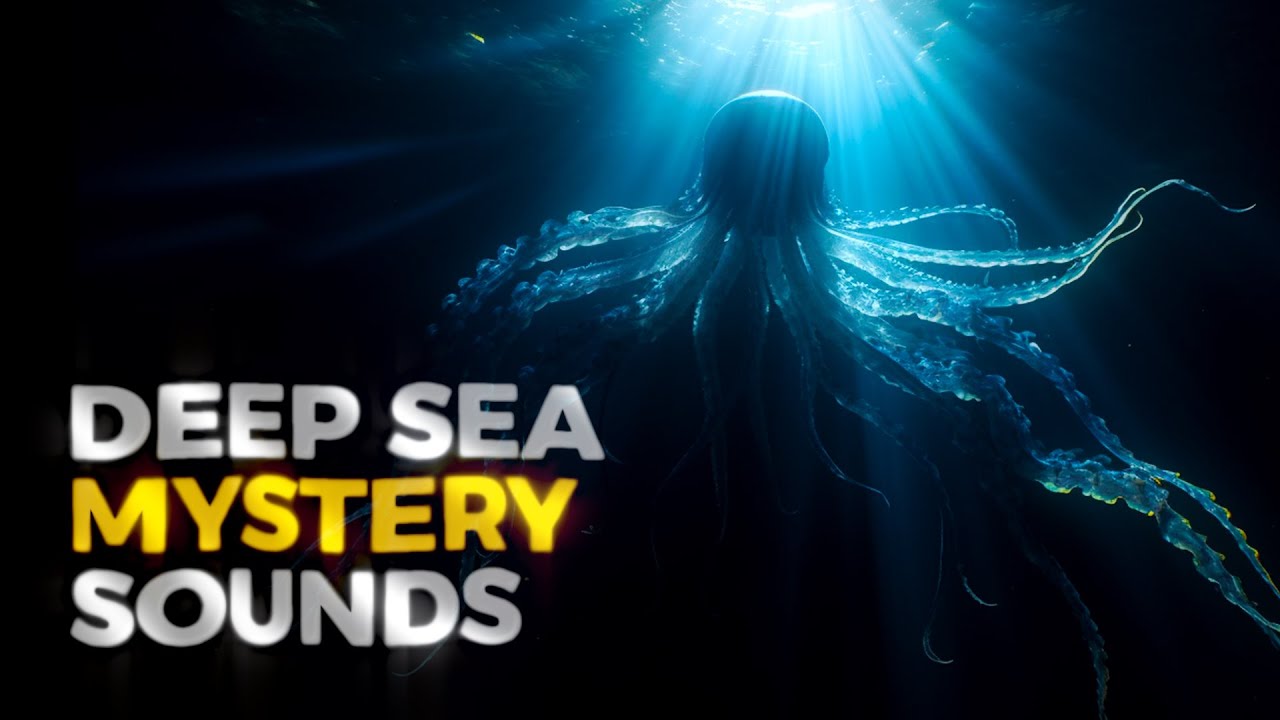
Mysterious deep ocean sounds continue to baffle scientists, prompting research from organizations like NOAA and Scripps Institution of Oceanography.
35,800 feet below the ocean's surface, two explorers made the deepest dive in history into the Mariana Trench on January 23, 1960.
In Thuringia, Germany, geologist Dr. Thomas Martens has unearthed 40 dinosaur skeletons from 12 species, enhancing the understanding of prehistoric life.
Borealopelta, a uniquely preserved nodosaur studied by paleontologists Caleb Brown and Donald Henderson at the Royal Tyrrell Museum, provides insights into ancient ecosystems.
In the eastern United States, geological and evolutionary factors contributed to the absence of well-known dinosaur species like Triceratops, creating a unique prehistoric landscape.
Sauropods, the largest land animals in history, faced significant anatomical and physiological challenges due to their unprecedented size and gigantism.
800 Black Widow spiders are milked for venom each day at an insect rearing facility that also breeds various species for conservation efforts.
A Franco-Mongolian expedition in Mongolia aims to excavate a 2,300-year-old Scythian warrior's tomb, threatened by global warming and climate change.
In Luxor, Egypt, archaeologists have unearthed a well-preserved ancient city from the golden age of the pharaohs, providing insights into daily life and craftsmanship.
Dungeon Master Robert Wardhaugh leads one of the longest-running D&D campaigns in history.
In 1959, a group of Russian hikers died under mysterious circumstances in Siberia, leaving behind unanswered questions and perplexing evidence.
The ocean twilight zone, a largely unexplored layer of the ocean, is examined by scientists studying its ecological roles and impact on marine health.
Spiders are often surrounded by myths, including the claim that people swallow an average of eight each year, though its truth remains uncertain.
Over 500 tornadoes struck the central plains in April and May 2019, killing 13 people and damaging towns from Texas to Iowa.
The Standard Model Lagrangian, a complex equation, represents the best understanding of the subatomic world in particle physics.
Scientists have identified about 50 taste receptors, revealing that taste and smell can begin on the tongue rather than only in the brain.
The evolution of hearts traces the development of this vital organ from the earliest common ancestors, highlighting hundreds of millions of years of biological adaptation.
Venom, a lethal evolutionary adaptation found in species from snakes to jellyfish, is examined by evolutionary biologist Sean B.
Paleontologists explore Lazarus taxa, organisms once believed extinct that have reappeared, highlighting the complexities of natural history.
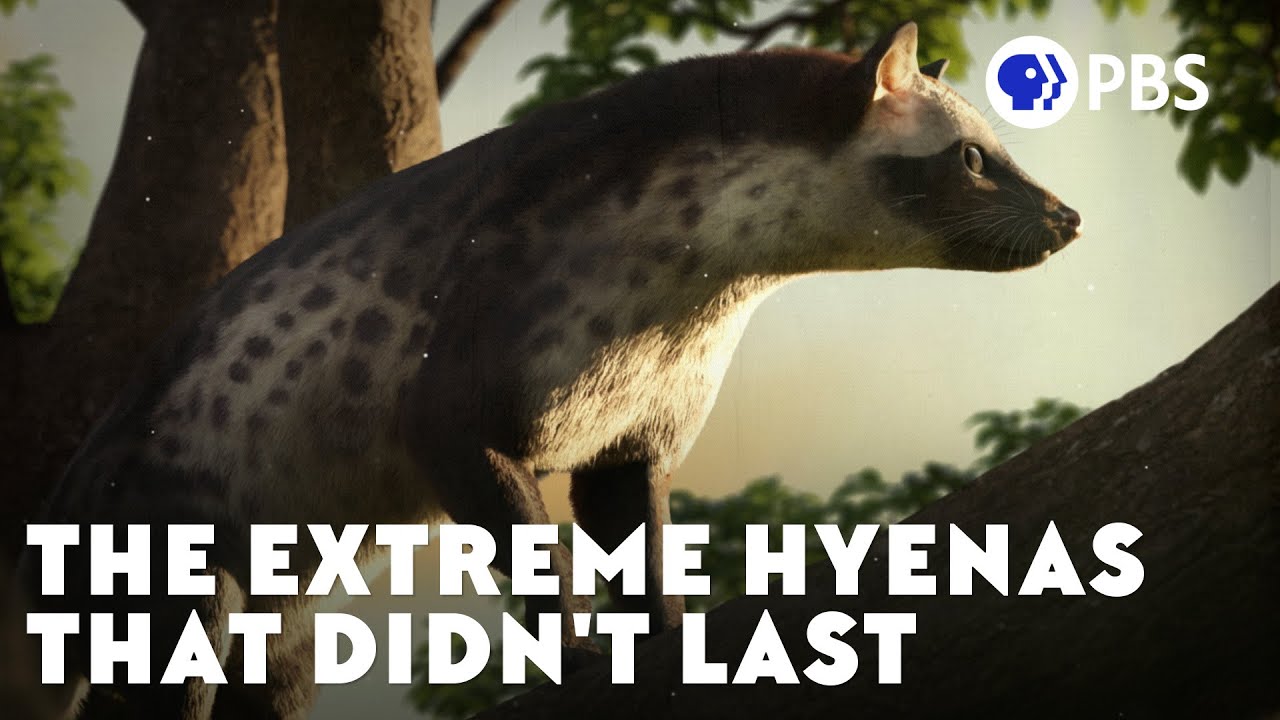
Hyenas evolved significantly over millions of years, transitioning from their ancestral forms to become specialized bone-eaters, as explored by Julio Lacerda and Roman Uchytel.
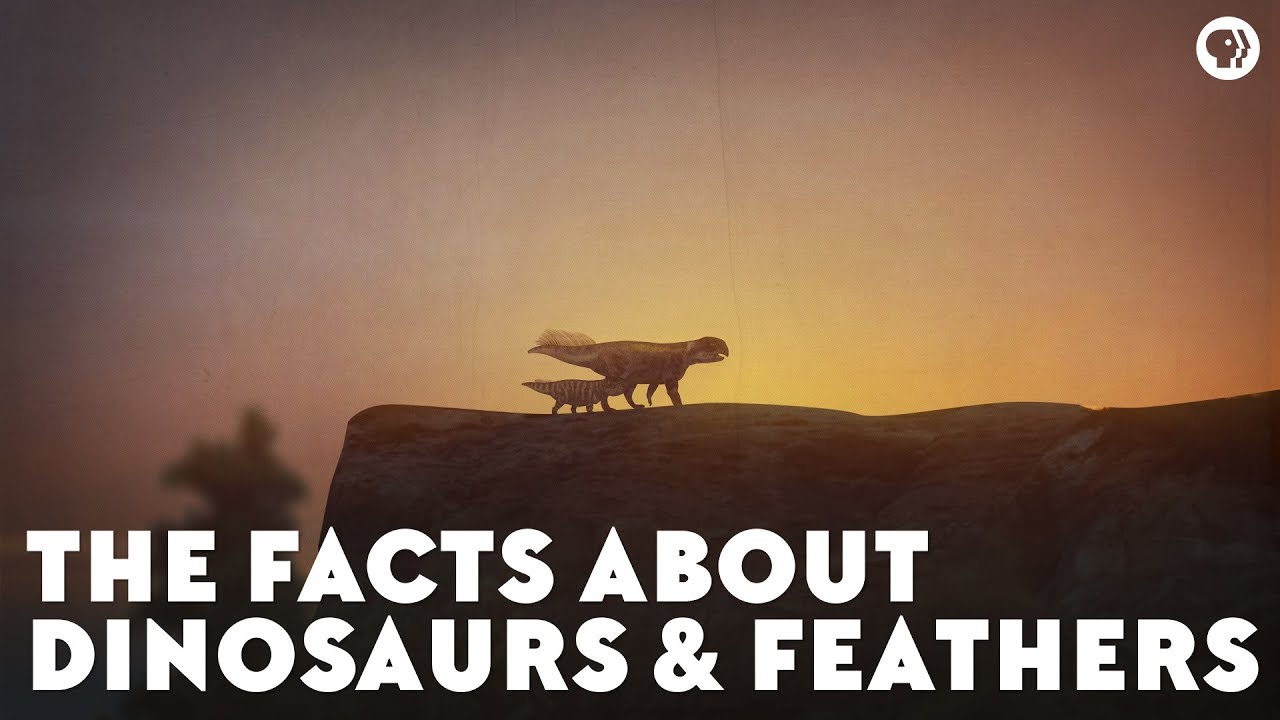
Recent fossil discoveries have revealed that many dinosaurs, including theropods, exhibited feathers or feather-like structures, prompting new questions about their biology.
A female giant Pacific octopus lays around 100,000 eggs and dedicates six months to guarding them before she dies.
Only about 400 Ethiopian wolves remain in the wild, with 40 of them located in the Guassa region, where they interact with geladas.
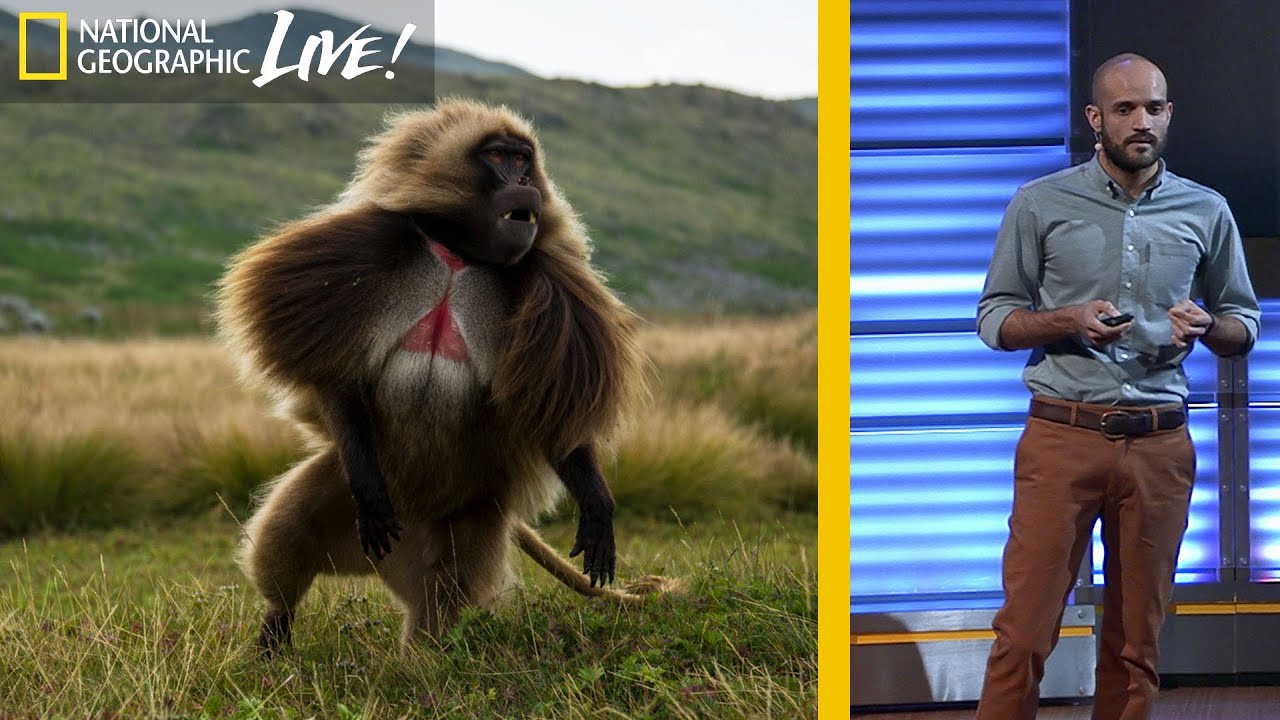
Living at 11,000 feet in Ethiopia, researchers Jeff Kerby and Vivek Venkataraman study the gelada monkey's complex social structures and unique diet.
Researchers Jeff Kerby and Vivek Venkataraman track individual gelada monkeys from dawn until dusk to study their social structure and behavior.
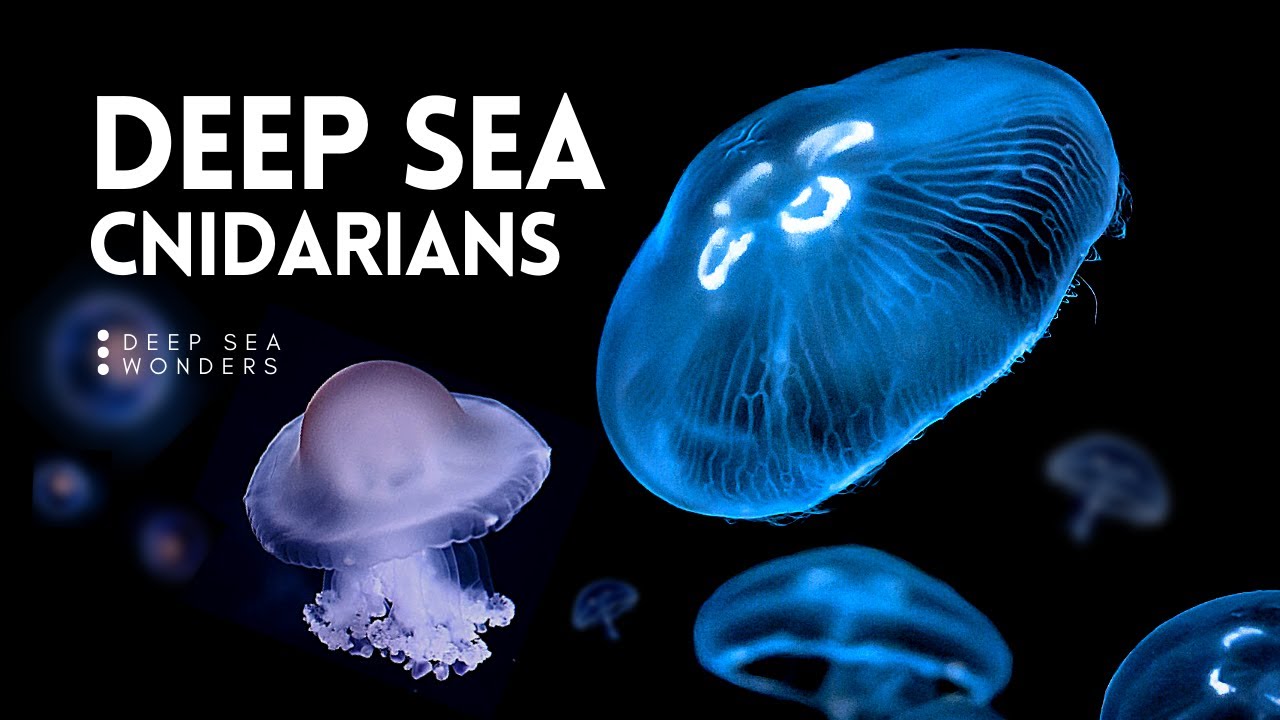
Cnidarians, including jellyfish, corals, and anemones, play crucial roles in marine ecosystems, supporting biodiversity and food webs across various ocean habitats.
The X-15 reached a speed of 2.5 Mach, or 1,660 miles per hour, at an altitude of 67,000 feet during its test flights in the 1960s.
More people are being saved from cancer each year, with significant progress made in treatment over the past five years.
Billions are being invested in fusion startups as technological challenges have been largely resolved, with no single deal-breaker difficulty remaining.
70 million people have been infected with HIV, making it one of the worst pandemics in history, with ongoing research focused on finding a cure.
By the end of the century, sea levels are expected to rise as much as 1 meter, inundating coastlines around the world.
Beardogs, a unique group of prehistoric mammals with both bear-like and dog-like features, are essential for understanding the evolution of the mammal family tree.
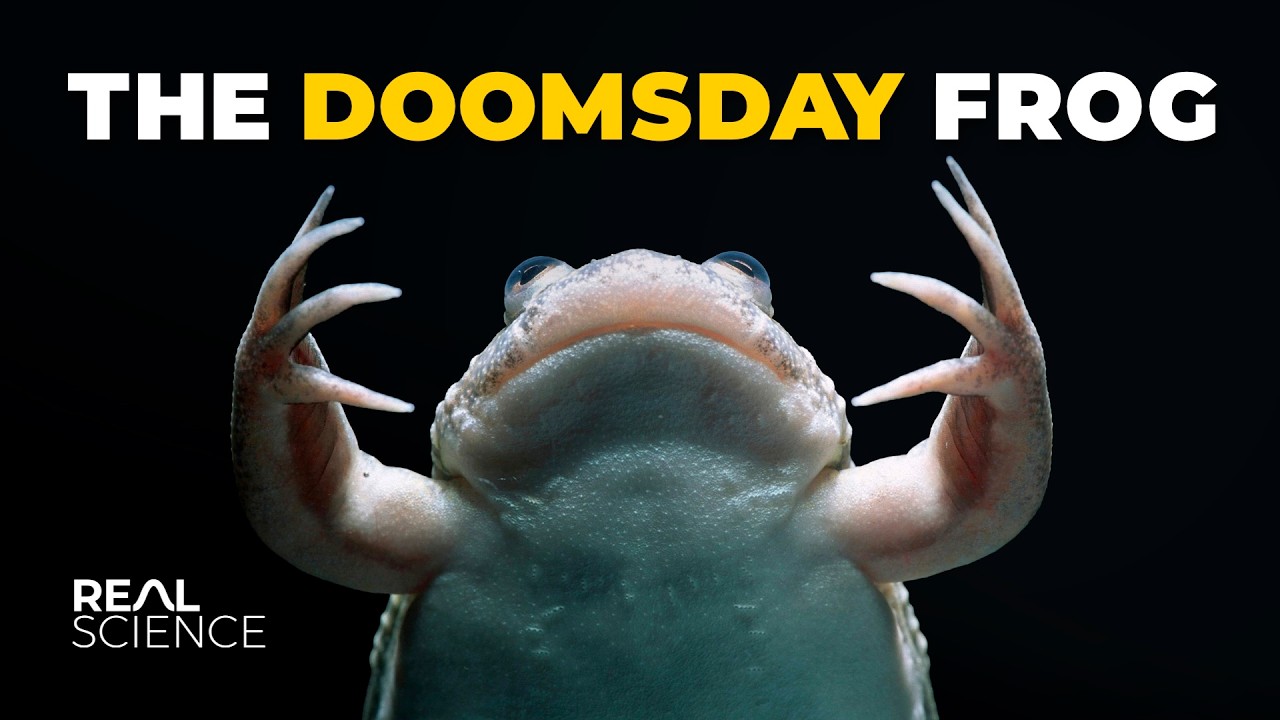
Xenopus laevis, a species of African clawed frog, has been linked to the spread of chytridiomycosis, a deadly pathogen affecting amphibian populations worldwide.
The evolution of the giant panda from a carnivorous bear to an herbivore is explored through its complex history and adaptations.
Revolutionary advancements in science and technology marked the spring of 1919, coinciding with significant political upheaval across the globe.



![Documentary backdrop image for The Computer That Could Be Smarter Than Us [IBM Watson] (2014)](https://i.ytimg.com/vi/yXcDir9Y9CI/hqdefault.jpg)