From over 100,000 films, discover the handful you'll love.
Free or premium access to the world's largest documentary library.
7227 films(Page 47 of 151)
Three competing theories about the moon's origins emerged during the space race, each tested by unmanned lunar probes launched by the United States and the Soviet Union.
Amnesia affects memory and identity, as explored through personal stories and expert insights in this compelling medical documentary.
Moons in the outer solar system, such as Titan and Enceladus, challenge our understanding of planetary bodies with their dynamic environments and potential for life.
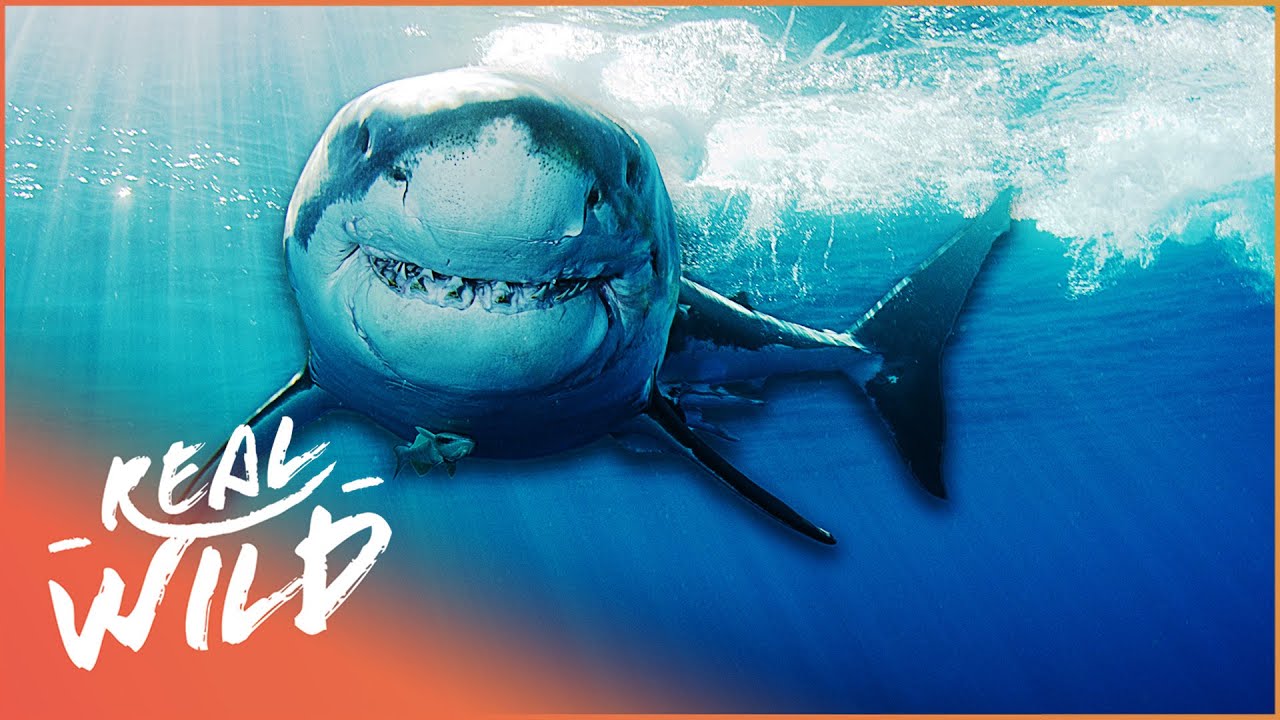
Great white sharks, barn owls, humpback whales, rattlesnakes, and bats showcase their extraordinary hunting abilities and survival techniques in the animal kingdom.
The Eulau gravel pit reveals the remains of a Stone Age family, prompting investigations into their simultaneous deaths and the societal dynamics of 4,500 years ago.
Marty Stouffer explores the unique adaptations and behaviors of unusual animal species, including a spider that has developed fishing skills.
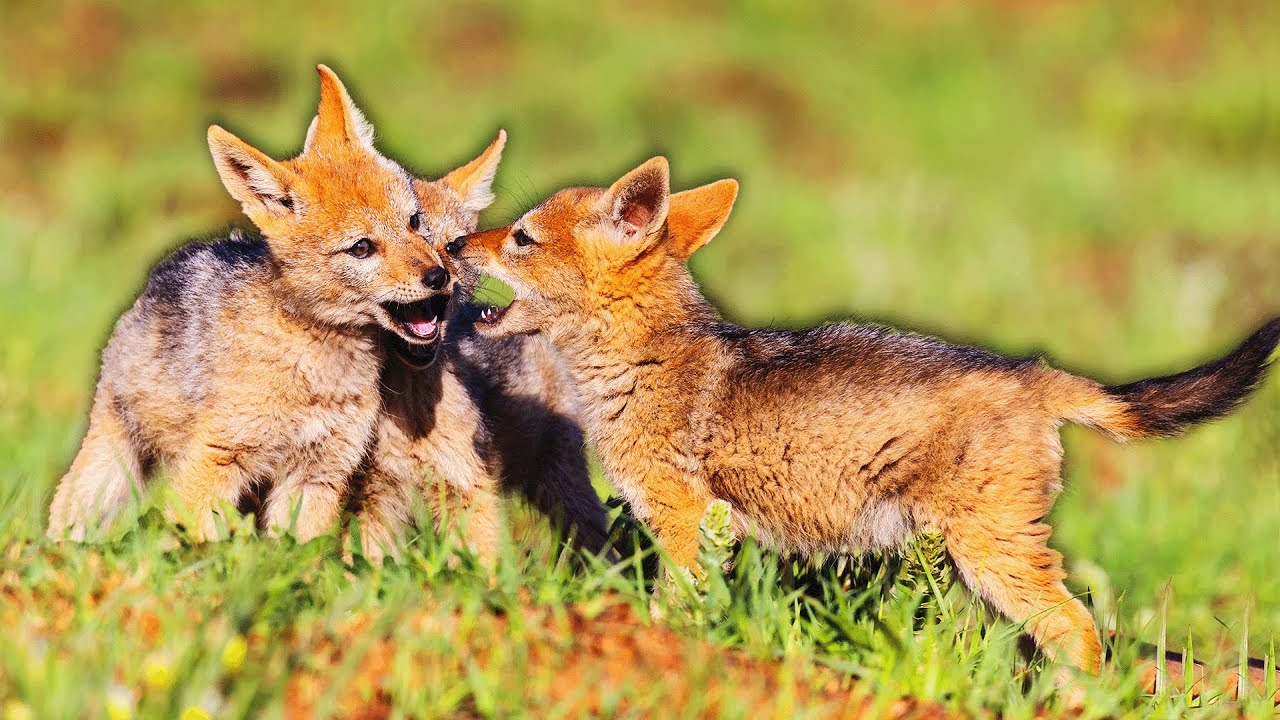
Golden jackal pups in Northern India face the challenges of survival alongside various animal parents, including cheetahs and humpback whales, as they feed their young.
More than a million Earths could fit inside the sun, which will eventually become too hot and bright, making life on Earth impossible.
Ancient technologies developed by early humans played a crucial role in their survival and dominance, showcasing remarkable ingenuity and adaptability.
Australia's tropical Top End is home to lethal predators like Saltwater Crocodiles, Box Jellyfish, and Stonefish, creating a perilous ecosystem.
The Shuttle Program marked the first reusable spacecraft in history, while the Challenger Disaster highlighted the dangers of rushed launch schedules in space exploration.
Massive geometric shapes, known as crop circles, have perplexed people for decades, leading Charles Maxwell and Nikola Romanski to seek their hidden meanings.
Research on the microbiome reveals that microscopic events during childbirth significantly impact lifelong health outcomes for children, as highlighted by experts like Martin Blaser.
Advancements in artificial intelligence and biotechnology raise questions about the potential for human immortality and the implications of merging with AI.
Liam Dale recounts ghost stories tied to ancient sites, including the haunted tin mines of Cornwall and the historic Edgehill battlefield from the Civil War.
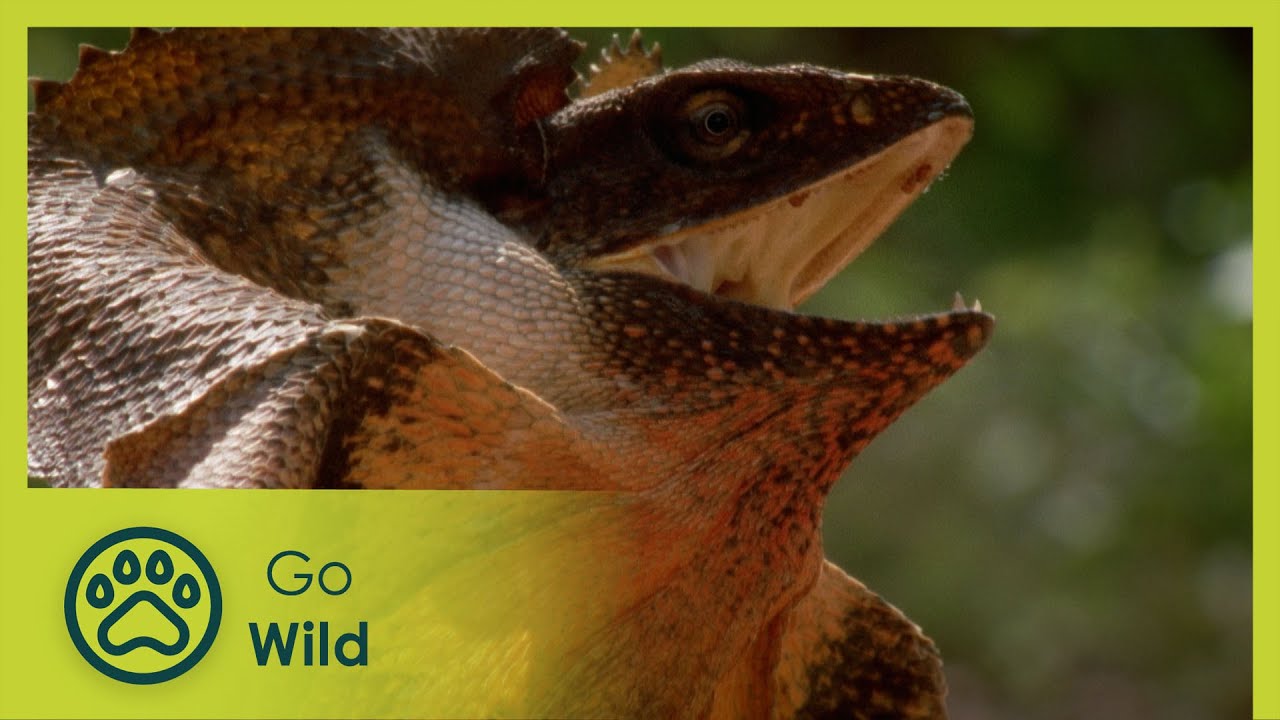
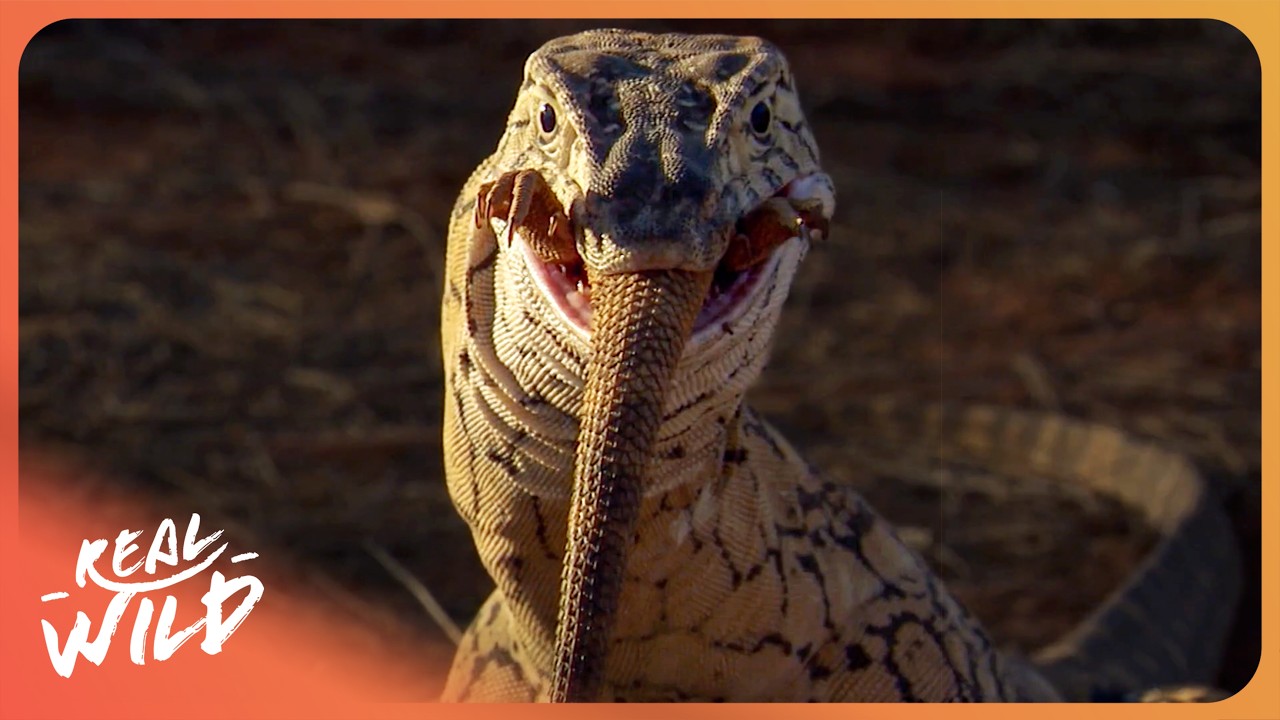
Monitor lizards can grow up to 2 meters long and have survived for 80 million years, adapting to various environments and challenges.
A fifth generation fighter, the F-22 Raptor, is designed to be almost impossible to detect, reflecting 60 years of stealth research and development.
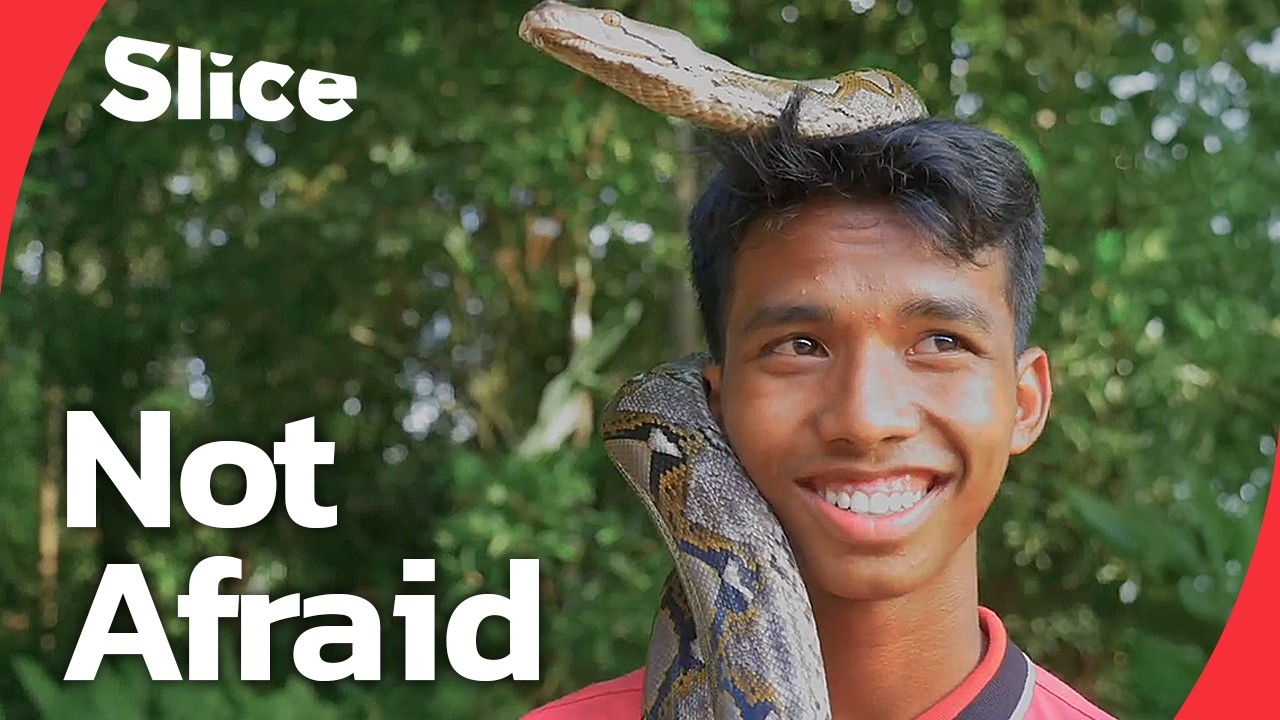
Othman and his family on Langkawi Island dedicate their lives to rescuing snakes, fostering respect over fear while promoting harmony with nature and cultural heritage.
Milestones in space exploration are examined, highlighting the Apollo program's achievements, Europe's IXV re-entry vehicle, and the challenges faced by Galileo satellites.
Pat Parelli works with a strong-willed horse named Casper, teaching a world champion driver how to establish cooperation and boundaries in high-pressure situations.
Moons in our solar system, once seen as lifeless, reveal themselves as dynamic worlds with volcanic activity, magnetic forces, and potential alien oceans.
More than 800 tombs have been discovered in Petra, a city founded by the Edomites in the eighth century BC and later prospered under the Nabataeans.
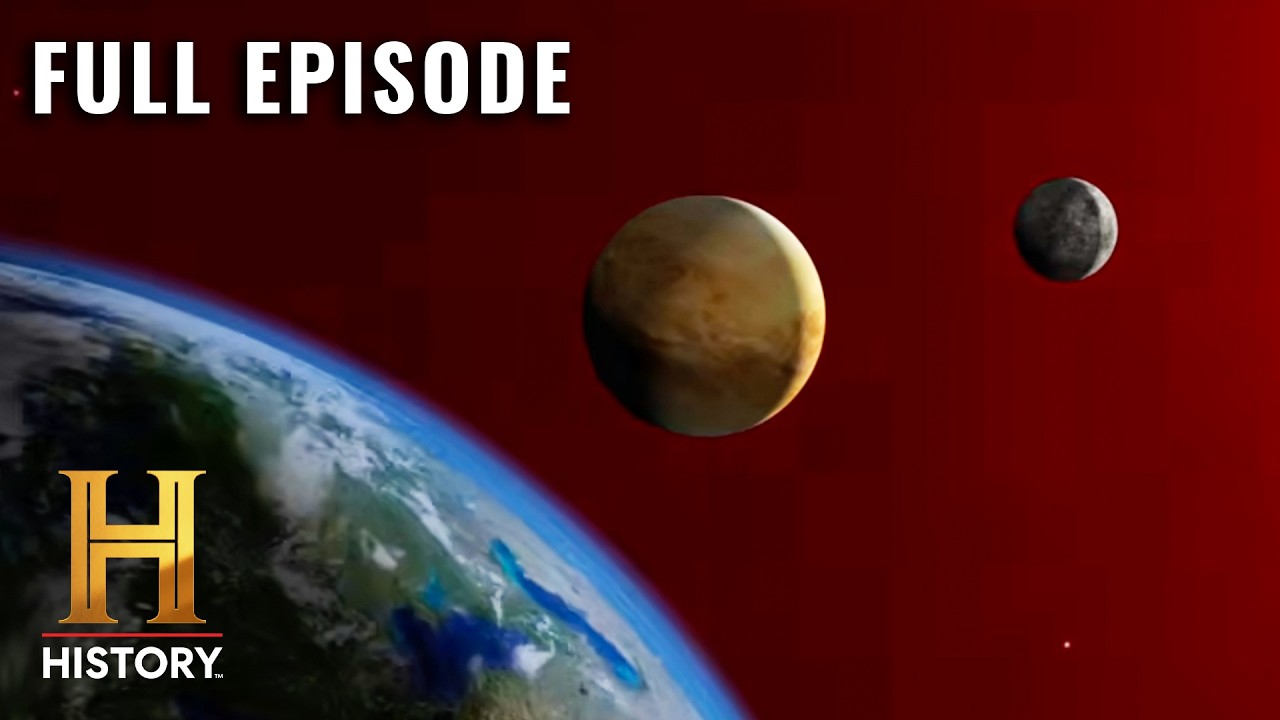
Mercury and Venus, the two innermost planets of the solar system, are examined for their extreme environments and proximity to the sun.
A 52-month prison sentence was imposed on Michel Dumont for a crime he did not commit, based solely on the victim's testimony.
In Australia's northwest coastline, the whale shark, the largest fish in the sea, mysteriously appears each year, prompting questions about its seasonal migration.
New Zealand's oceans, rich in marine fossils, reveal the evolution of sharks, whales, and other aquatic wildlife following the extinction of marine dinosaurs.
The formation of the solar system, the challenges of landing on Mars, and Earth's catastrophic events are explored in this comprehensive marathon.
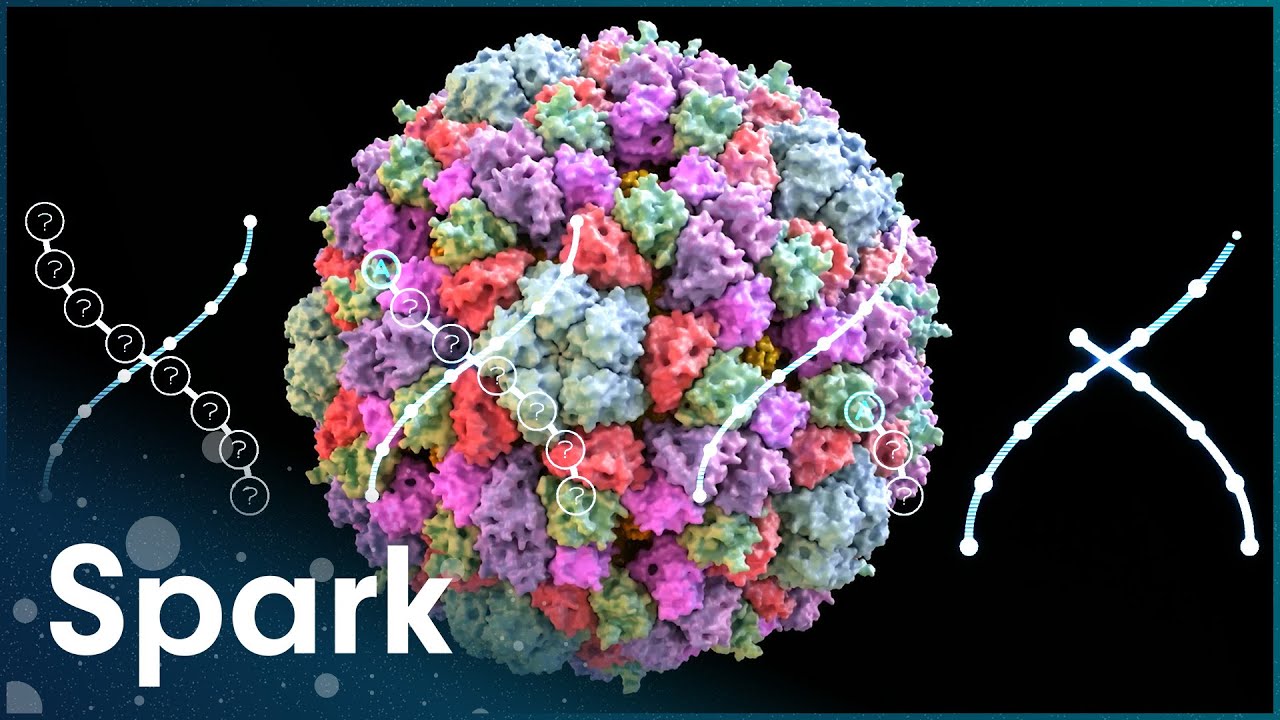
The Human Genome Project represents a monumental scientific effort to decode the 3 billion chemical letters of human life, highlighting intense competition between public and private sectors.
Wolves, bears, alligators, and snakes are among the world's most formidable predators, each exhibiting unique social structures and dietary adaptations.
The Grand Egyptian Museum, the largest museum dedicated to a single civilization, was completed after 20 years and a billion-dollar investment involving 60,000 workers.
In Argentina, host Nick Baker searches for the elusive and rare Pink Fairy Armadillo, exploring some of the planet's most remote habitats.
Encounters with a large, fur-covered creature have surged in the video age, supported by new sightings and advancements in DNA testing on samples.
In the animal kingdom, various species utilize camouflage and mimicry, from insects to large mammals, to enhance their survival in diverse environments.
In the Florida Keys National Marine Sanctuary, the invasive worm snail, known as the Vandy, threatens to spread from the sunken ship Vandenberg to other coral reefs.
Kamchatka Peninsula, a remote and stunning region in Siberia, features breathtaking landscapes of volcanoes and glaciers, yet remains largely inaccessible due to its nuclear history.
The Cosmic Dark Ages, a 100-million-year period of darkness, preceded the ignition of the first stars, revealing how heavy elements essential for life were formed.
The sun's colossal nuclear storms threaten Earth, disrupting technology and communications.
Uwe Anders captures Arctic wildlife on Wrangel Island, showcasing his unique experiences.
A 60-foot leviathan, a prehistoric toothed whale, faces off against the great white shark in a dramatic battle for dominance in ancient oceans.
Northern Lights Shelter faces an influx of black bears as Angelika works tirelessly to save an injured cub, while volunteer Thomas cares for a fawn born via C-section.
Human infants are uniquely helpless at birth compared to other animals, a trait linked to the extensive development of their brains and social learning abilities.
Ancient Britain’s transition from Mesolithic to Neolithic cultures is explored through archaeological findings, revealing the technological and societal advancements of early humans.
A young lioness in Samburu National Park adopts an antelope, raising questions about altruism and survival in the animal kingdom.
In the Lembeh Strait, a unique marine ecosystem showcases bizarre creatures like the Ambon scorpionfish and Flamboyant Cuttlefish, highlighting the intricate predator-prey dynamics.
The South Atlantic Anomaly causes challenges for spacecraft due to Earth's weakened magnetic field.
Bavarian Forest National Park showcases the transformation from a devastated spruce monoculture to a thriving, diverse ecosystem teeming with wildlife across the seasons.
Gold originated from the supernova explosion that contributed to the formation of the solar system, shaping Earth's geological history.
In a competition to enhance everyday appliances, Greg and James utilize a venturi system and a homemade jet engine to create a powerful vacuum cleaner.