From over 100,000 films, discover the handful you'll love.
Free or premium access to the world's largest documentary library.
7231 films(Page 95 of 151)
SLICE, produced by Paris-based ZED, offers weekly short documentaries covering topics from new dinosaur species to future space travel and chocolate-making.
NASA Astrophysics shows a supercomputer simulating the Milky Way's formation from small galaxies.
NASA presents a vivid look at the Milky Way's future and galaxy collisions for the James Webb Telescope.
The video highlights the wind tunnels that made British aviation history over 40 years.
Translucent skin allows a reed frog's blood vessels, intestines, and beating heart to be visible, aiding in camouflage from predators.
Mike Foale spent over a year in space and launched six times, providing insights into life aboard the Space Shuttle, including its unique toilet system.
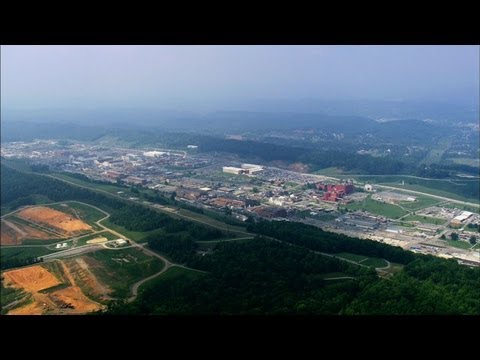
1,000 families were displaced from their homes in Oak Ridge, Tennessee, in 1942 to make way for the secretive Manhattan Project to develop an atomic bomb.
The video highlights how seals use their whiskers for hunting and navigation in water.
Astronaut Bruce McCandless floated 100 meters from the spacecraft during the first test of NASA's Manned Maneuvering Unit in 1984, remaining untethered for nearly six hours.
Cherry Healy tests methods for cooking the perfect sausage with a team of scientists.
Seven objects, including a turkey leg and an iPad, are tested against the destructive powers of acid and lava in a series of experiments.
The Fermi Paradox raises questions about the absence of evidence for extraterrestrial life despite the vastness of the universe and the recent reach of Earth's radio signals.
By 1976, America had landed a probe on Mars, sparking global curiosity about the possibility of extraterrestrial life.
NASA simulates how alien astronomers might view our solar system's formation and dust dynamics.
A technique for flipping a coin is presented, promising a guaranteed win for heads or tails through insights from a seasoned practitioner with ten years of experience.
Chariklo, an asteroid in South America, is discovered to have two narrow rings.
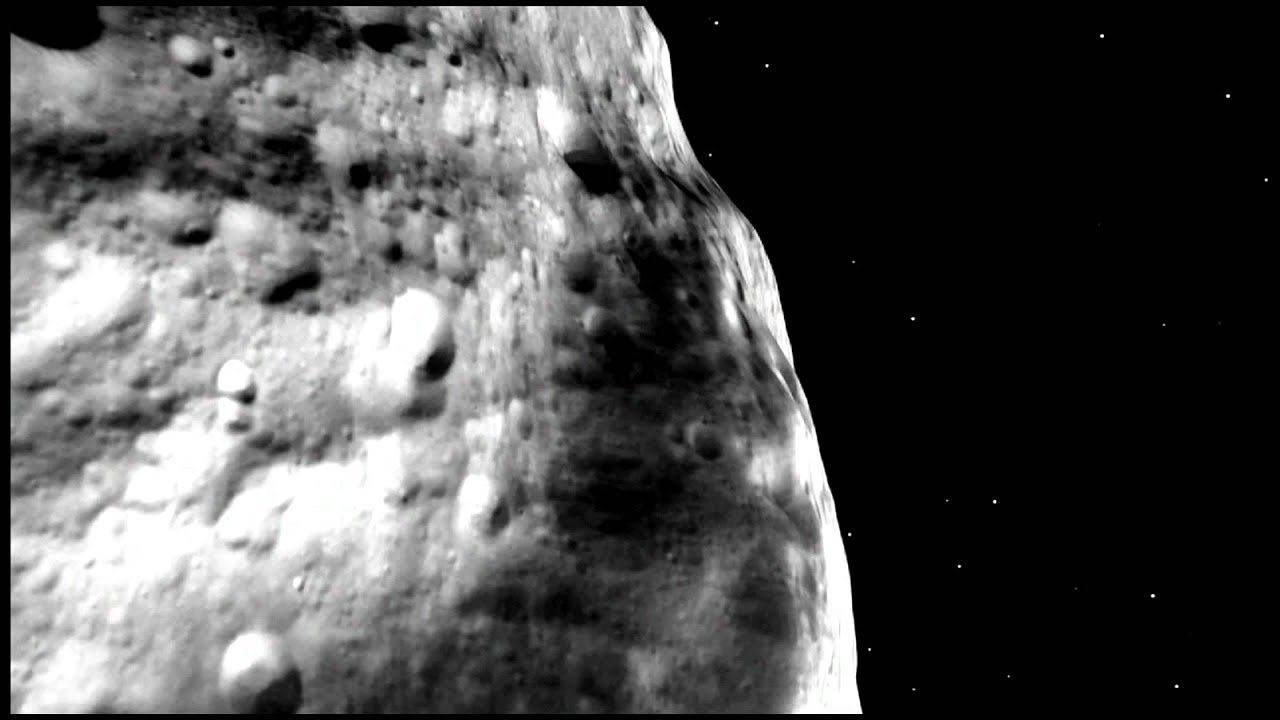
NASA's Dawn spacecraft provides a detailed flyover visualization of the giant asteroid Vesta, highlighting its unique features and formation processes.
Joe Edwards discusses the challenges of living aboard a spacecraft in zero gravity.
In the 20th century, controversial psychological experiments conducted by institutions like Stanford University raised ethical questions about human behavior and consent.
The video features Dr. J and showcases The Andromeda Galaxy using four Hubble Space Telescope observations to reveal its disc and surrounding halo.
On July 20, 1969, Neil Armstrong and Buzz Aldrin made history with mankind's first steps on the Moon's Sea of Tranquility, celebrated through ultra high-resolution imagery.
Archaeologists analyze artifacts and microscopic evidence to reconstruct the lives and interactions of Neanderthals and modern humans.
Experts in Europe develop an artificial womb to save premature babies like James.
Perovskite tandem solar cells, highlighted by experts from Oxford PV and NTU Singapore, promise to enhance solar energy efficiency while addressing material shortages.
Eminent astrophysicist Fred Hoyle stated that it looks like a super intellect has manipulated physics to allow for intelligent life in the universe.
James Burke is celebrated as one of the best things about PBS for his educational impact.
An asteroid that passed close to Earth in 2015 was estimated to contain more platinum than has ever been mined on the planet.
Crocodile eyes are an engineering marvel that can track different targets and see at night.
Astronauts recount their experiences of observing Earth from the space shuttle, emphasizing the rapid sunrises and sunsets and personal connections to historic missions.
A scientist claims finger formation may indicate future cavity risk in individuals.
Radio wave transmission principles are illustrated through animation and sound, highlighting antenna propagation and bandwidth adaptation by the Royal Canadian Air Force.
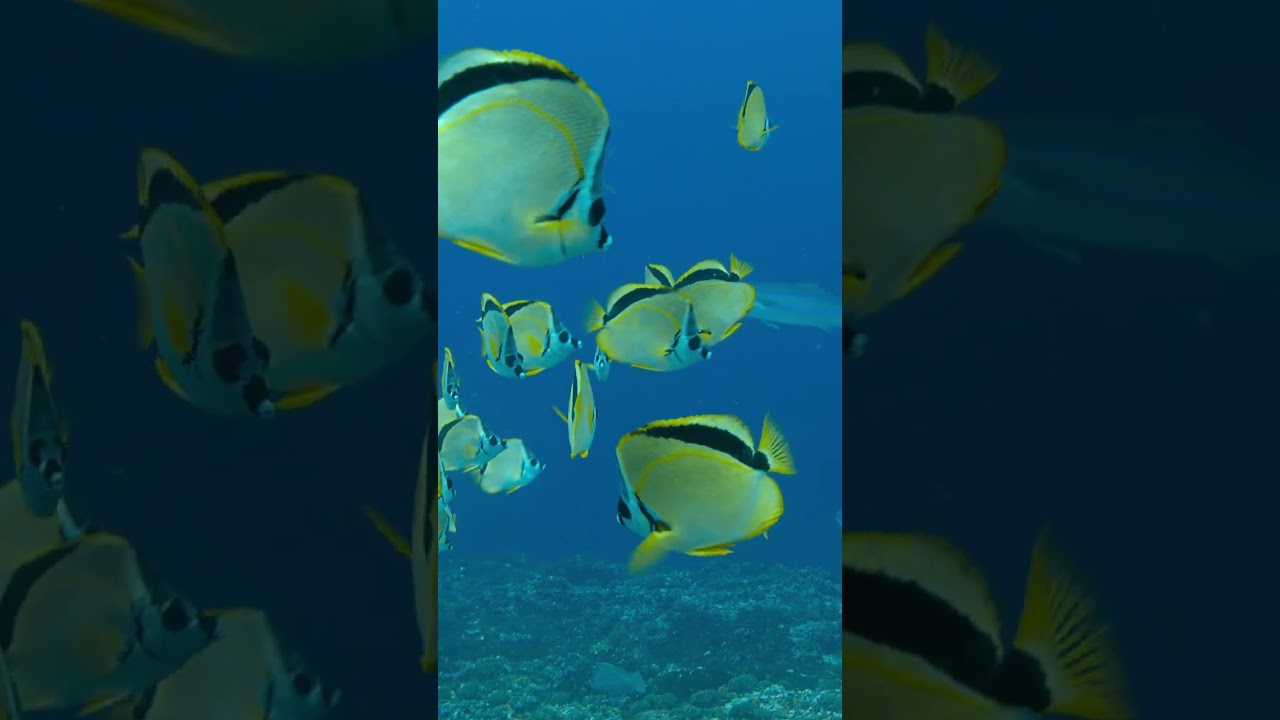
A cleaning station just a few feet in size attracts various fish, including a rainbow runner, as barberfish remove parasites from their larger counterparts.
NASA's Scientific Visualization Studio showcases the Cygnus OB2 stellar association.
Five arcade games are identified as scams, with an average payout rate of just 20 cents for every dollar spent, often targeting children.
More than 20,000 bedbugs are housed in an incubator at Rutgers University, where experts conduct experiments to debunk common myths about these pests.
Honeybees, vital to the national food supply, face threats from parasites and ailments, prompting collaboration between beekeepers and scientists to protect them.
In early 2007, beekeepers in 27 states reported a mysterious decline in honeybee populations, leading to the identification of Colony Collapse Disorder.
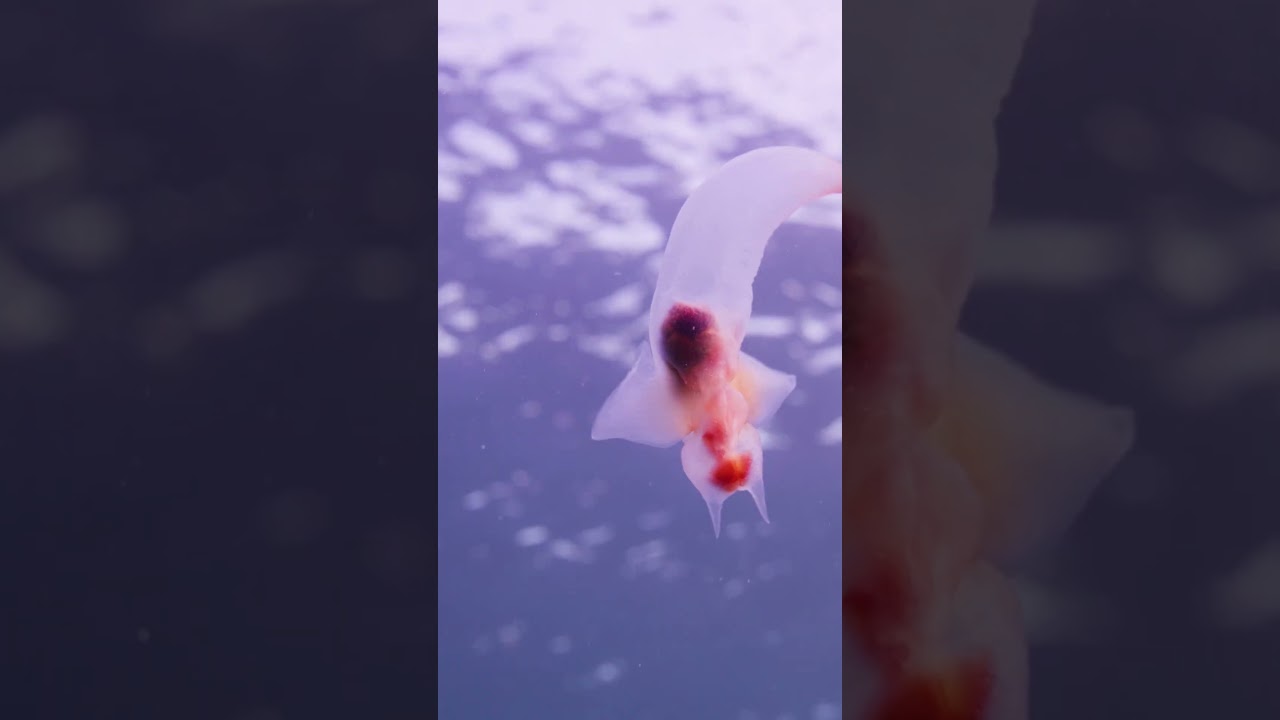
Clione limacina, a unique marine creature, is examined through the expertise of scientists and filmmakers from National Geographic, highlighting its habitat and role in marine ecosystems.
Astrophysicists reveal Planet Nine's influence on Sedna's orbit in the solar system.
Dr Derek Muller visits the University of Queensland to explore SCRAMSPACE's hypersonic advancements.
Tucker has made 234 asteroid discoveries, including three near-Earth objects, from his backyard observatory built in the late 1980s.
Viewers discuss Sasquatch tree-climbing behavior and the need for more research in trees.
Up to 80% of carbon from biomass can be sequestered through the pyrolysis process used to create biochar, which may help reduce air pollution.
Only around 4% of agricultural space is currently used for biomass energy crops, despite the potential for organic waste to generate electricity and heat.
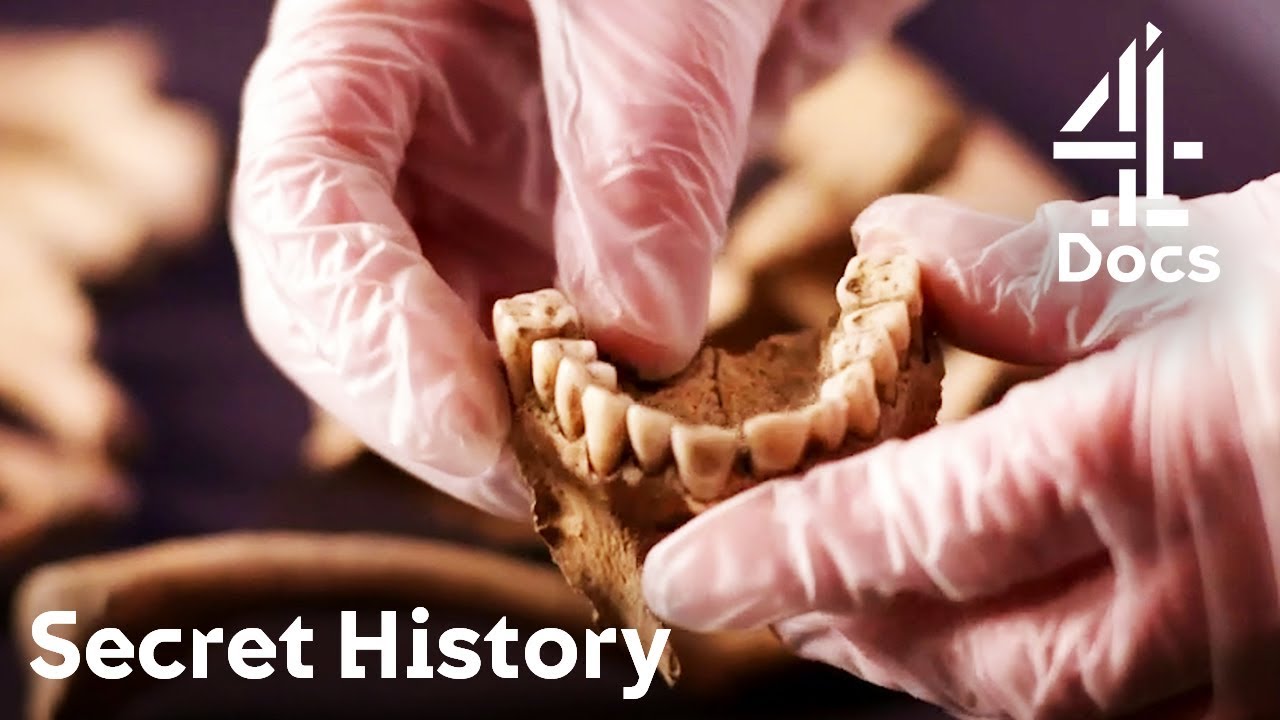
Analysis of teeth from victims of the Black Death reveals unexpected findings that challenge existing historical narratives about the plague's impact in Europe.
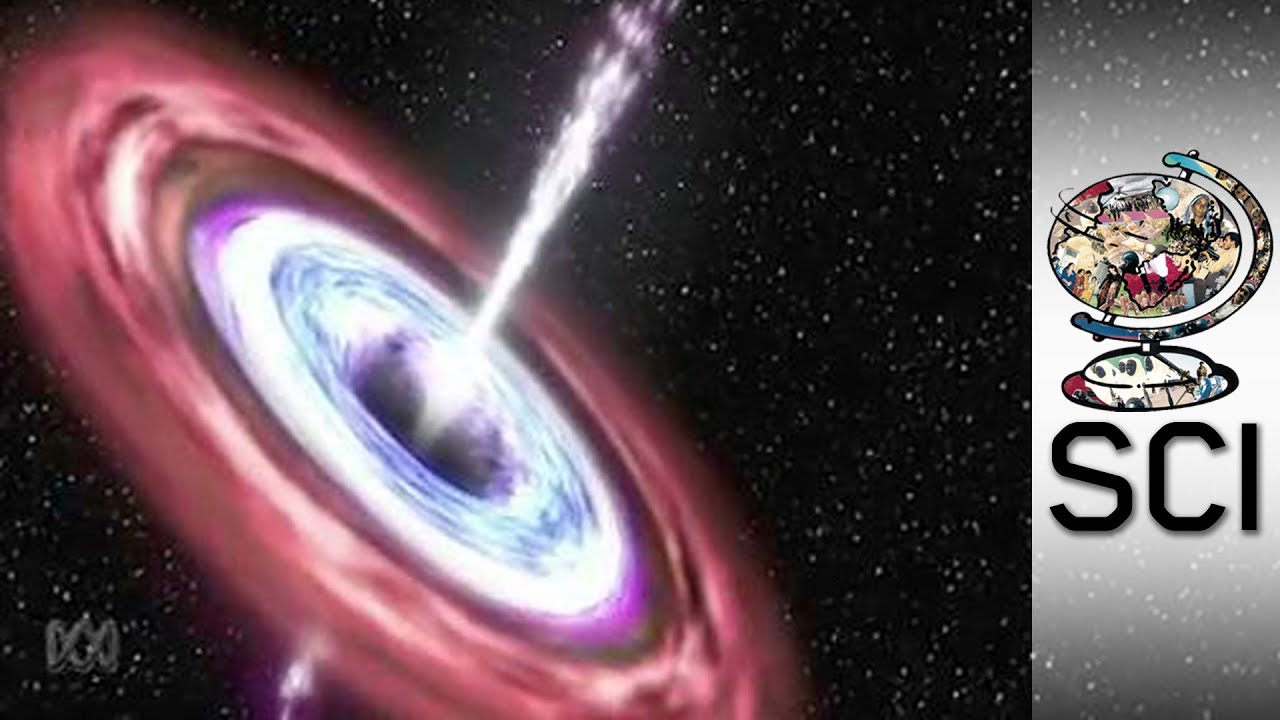
In 10 million years, a cloud will collapse onto a black hole in the Milky Way galaxy.
Hubble Space Telescope reveals secrets of nearby galaxy Messier 106, located 20 million light-years away.
NASA's simulation shows merging black holes and their impact on gravitational waves.