From over 100,000 films, discover the handful you'll love.
Free or premium access to the world's largest documentary library.
7227 films(Page 134 of 151)
This show discusses the search for Earth-like planets and the possibility of life beyond Earth.
In 1856, a skeleton found in the Neander valley near Dusseldorf sparks a debate on human origins.
More than 4 billion years ago, life emerged on Earth despite extreme conditions, as revealed by research into early microbial existence.
Sumerians, known for creating the first cities and writing systems, remain a historical enigma as scholars debate their origins and cultural evolution in Mesopotamia.
In Earth's deep past, researchers explore a critical period marked by the first mass extinction that transformed the planet into a world dominated by sponges.
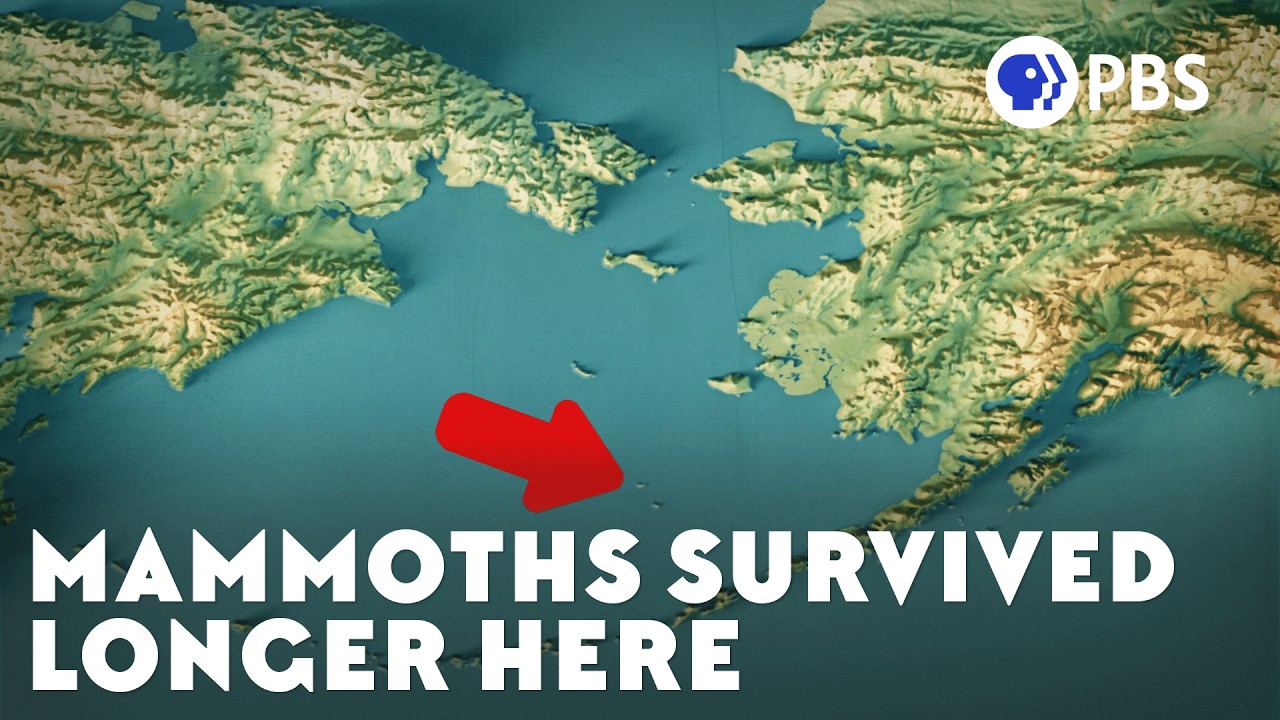
About 5,700 years ago, a herd of woolly mammoths roamed a treeless tundra on St. Paul Island, Alaska, marking one of the last chapters of their existence.
On Rapa Nui, also known as Easter Island, ancient priests and astronomers like Edmundo Edwards and Leo Pakarati studied celestial events to guide navigation and rituals.
In six hours of travel, Zachariah and his assistant cover only 35 kilometers while delivering cocoa beans in Ivory Coast's challenging conditions.
Trees communicate through complex networks of roots and fungi, revealing their intricate relationships and the vital role they play in ecosystems.
Deep sea brine pools in the Gulf of Mexico serve as unique ecosystems where organisms thrive on chemosynthesis, despite their toxic environments.
Dragonflies can live up to three years, spending most of their lives as nymphs that are voracious aquatic predators in freshwater ecosystems.
An octopus stretches her arms to three times their normal length while solving a puzzle for dinner in a vibrant aquarium after dark.
London has been a major settlement for almost 2,000 years, founded by the Romans in 43 AD and shaped by various monarchs and architects.
In Tanzania's Laetoli region, ancient hominin footprints provide crucial insights into early human bipedalism and the evolution of walking.
Canine teeth of saber-tooth cats measured nearly a foot long, allowing them to quickly dispatch prey and engage in fierce battles with each other.
At Utah's Hogle Zoo, keepers and veterinarians employ innovative methods to provide medical care for aging elephants and other animals, enhancing their well-being and contributing to vital research.
In the Panama rainforest, scientists led by Bryson Voren from the Smithsonian Institute search for new drugs to combat antibiotic resistance and diseases like cancer.
New Horizons' mission to Pluto and the Kuiper Belt provides unprecedented images and data, revealing the dwarf planet's unexpected diversity and activity.
In five billion years, the Solar System will face transformation as Sun-like stars reach their end, contributing to the cycle of stellar evolution.
Fallen whale carcasses in the deep sea create unique ecosystems, supporting diverse marine life through various stages of decomposition over decades.
Smilodon, a formidable Ice Age predator with 18-centimeter-long fangs, represents the culmination of a long evolutionary trend among sabertooth cats.
SpaceX, founded by Elon Musk, aims to revolutionize the aerospace industry through ambitious projects and innovative technologies.
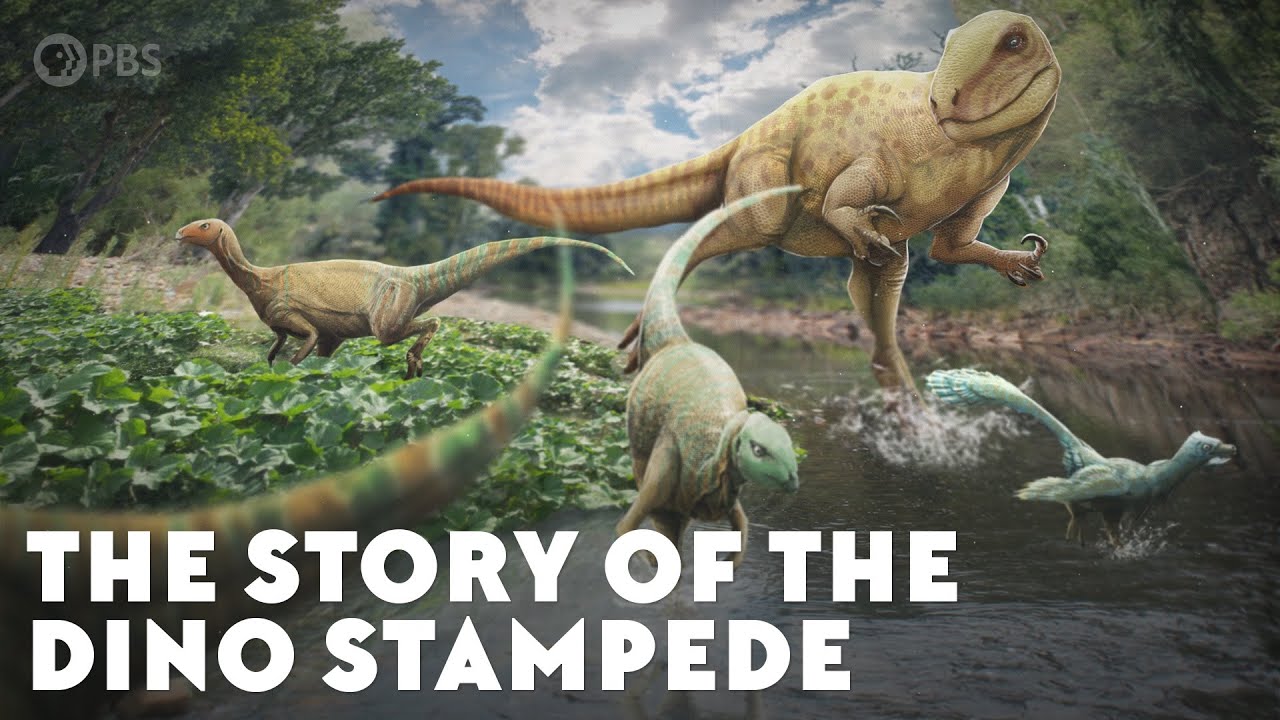
Lark Quarry in Australia serves as a key site for paleoichnology, where experts analyze trace fossils to reconstruct a dinosaur stampede that occurred nearly 100,000 years ago.
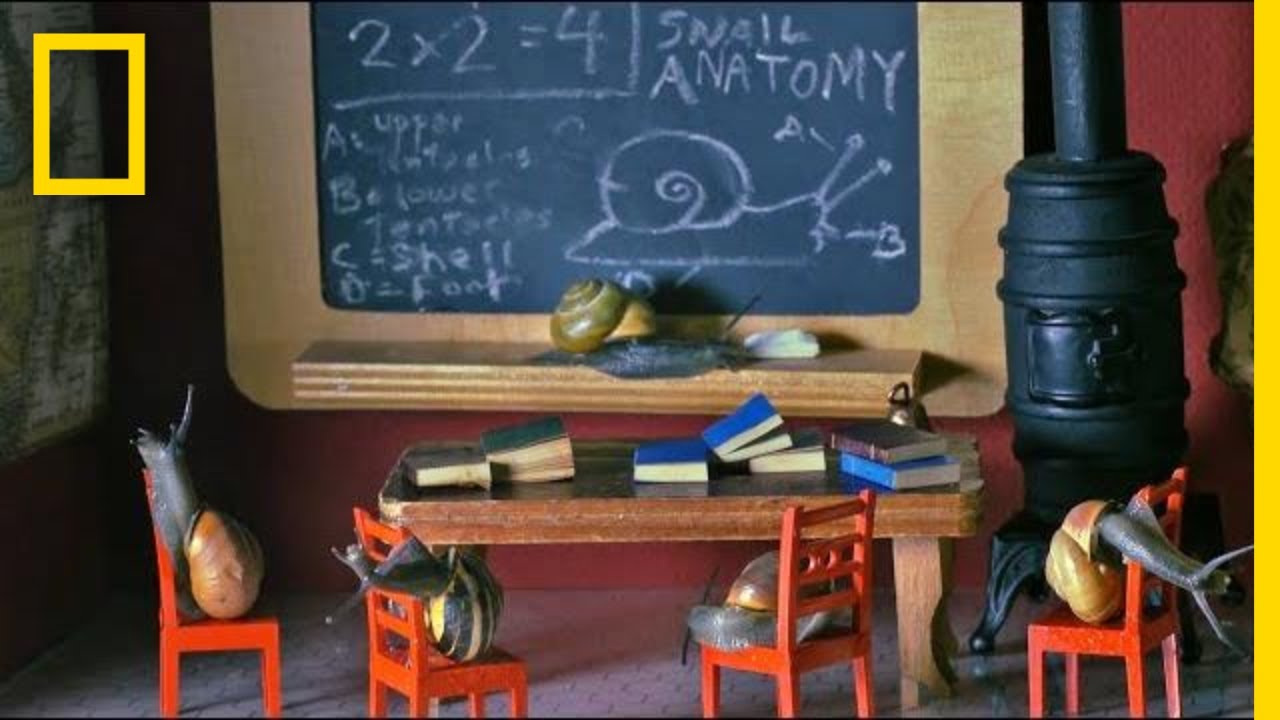
Ten years ago, Marla Coppolino adopted a juvenile snail, which she named Mystery Fault, and has since formed a deep bond with the creature.
Nanoscience explores the manipulation of materials at the nanoscale, revealing unique properties that could significantly shape our future!
Lizards exhibit remarkable adaptations that enable them to thrive in diverse environments around the world, showcasing their unique evolutionary traits.
An enormous ichthyosaur, comparable in size to a modern sperm whale, evolved rapidly within a few million years, highlighting significant evolutionary changes.
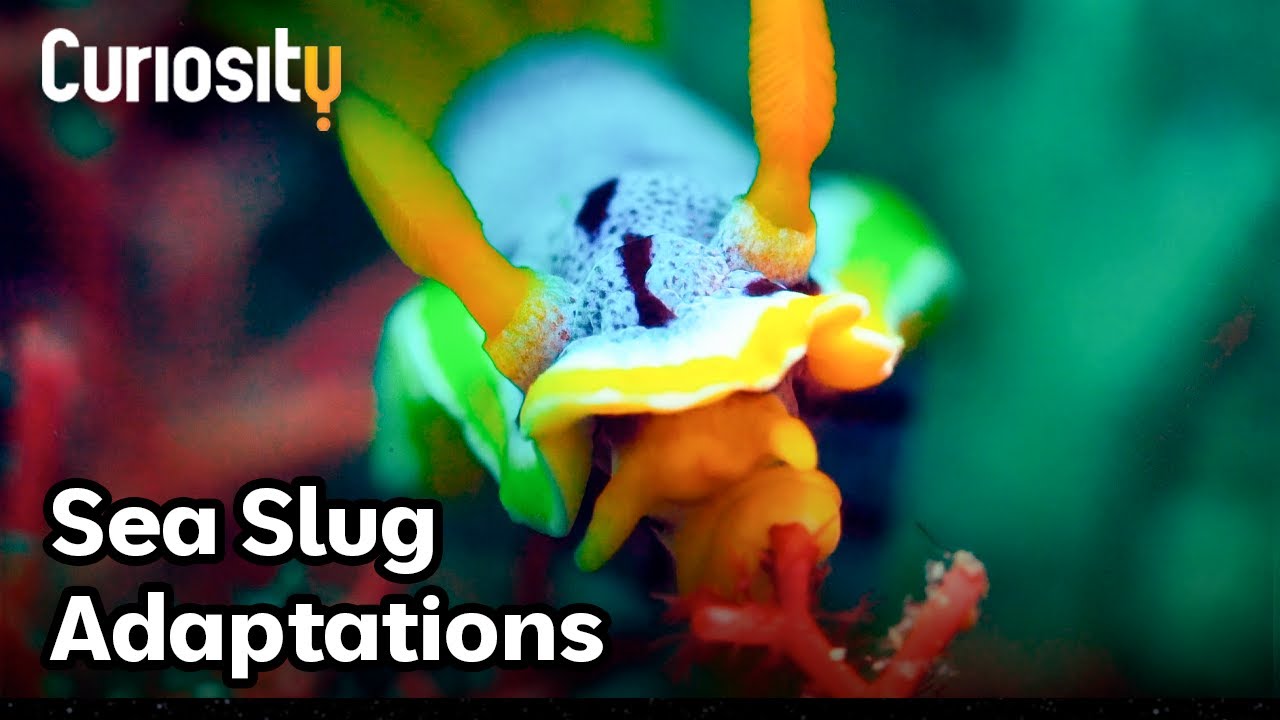
Nudibranchs, or sea slugs, exhibit remarkable adaptations such as weaponizing stinging cells and harvesting solar energy to thrive in diverse marine environments.
In the late 1950s, the U.S. Navy considered using sharks as living torpedoes in a classified project called Project Headgear.
Canine vision capabilities are explored through behaviors that indicate how well dogs can see, alongside discussions on unrelated topics like urination in snow.
The evolution of feathers in flightless dinosaurs is examined through a unique paleontological experiment involving a robot dinosaur.
Three crew members experience unsettling sensations during a séance at a former care facility known for its reported paranormal activity.
Surface temperatures on Mars average -50° C, yet scientists continue to search for water and signs of past life on the planet.
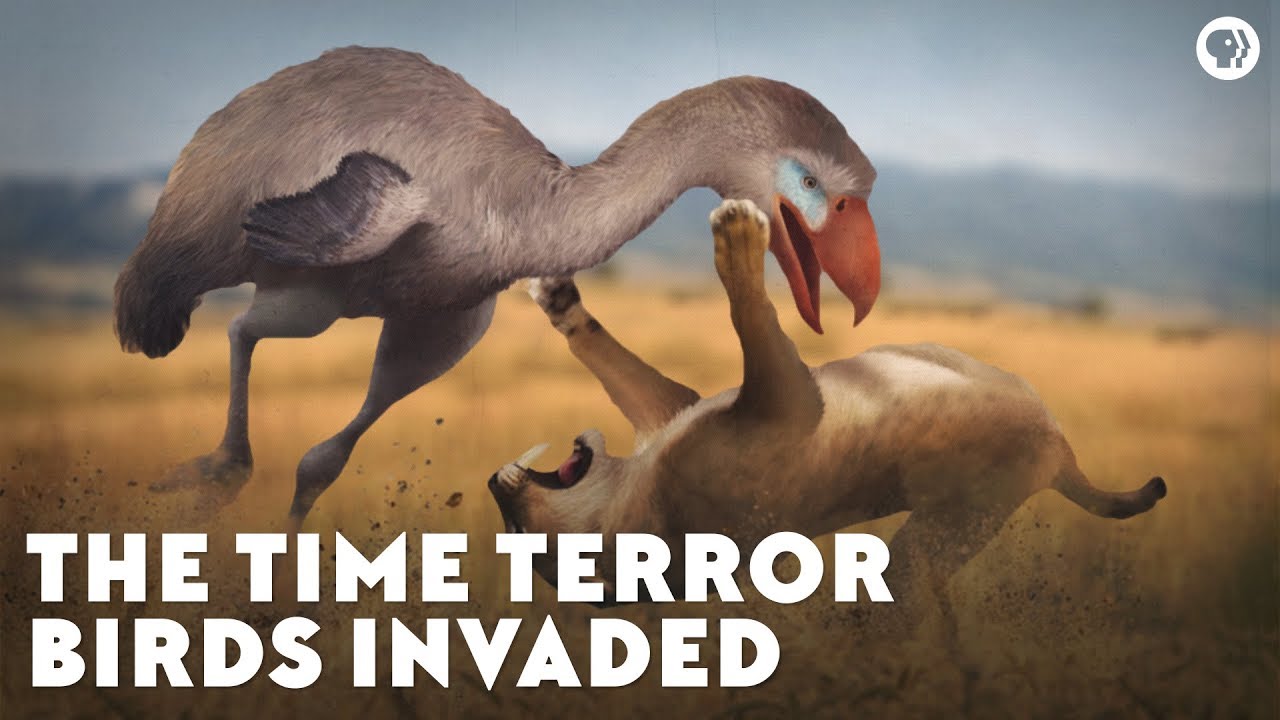
Around 5 million years ago, the giant, flightless carnivorous bird known as the terror bird emerged as a formidable predator on North America's coastal plains.
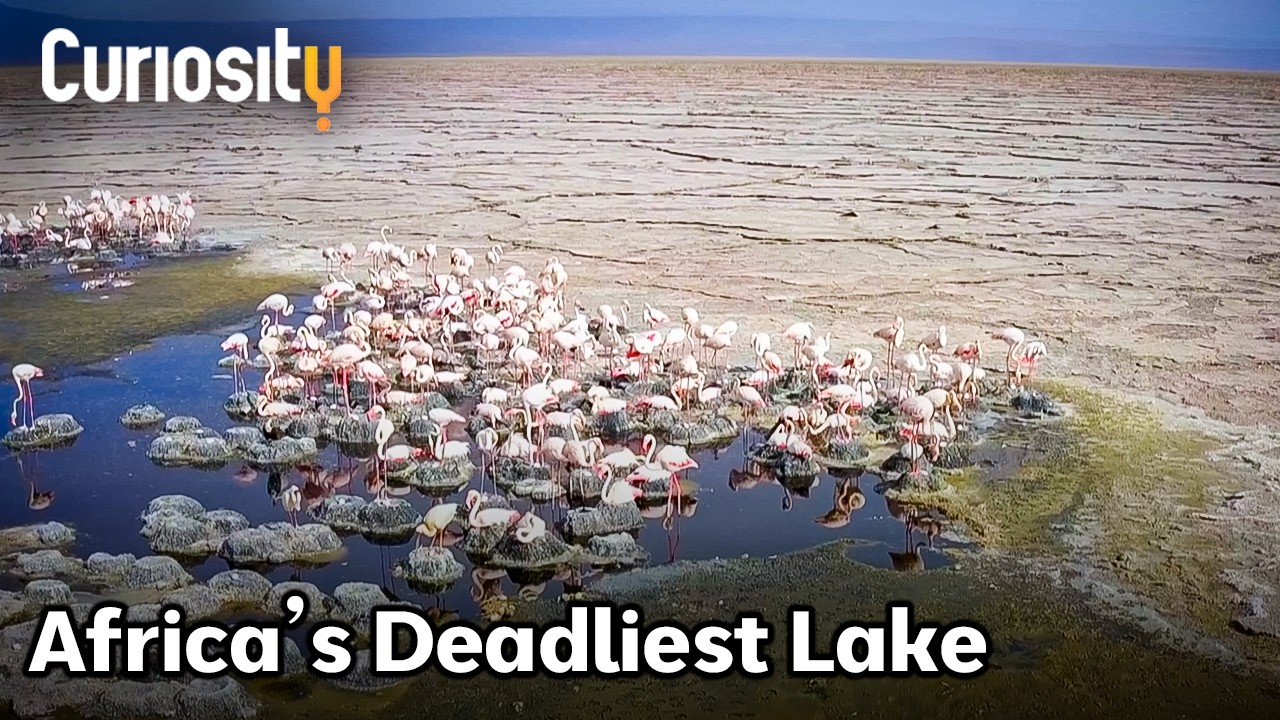
Lake Natron covers an area of around 600 square miles and reaches temperatures of 42 degrees Celsius, creating a hostile environment for most life forms.
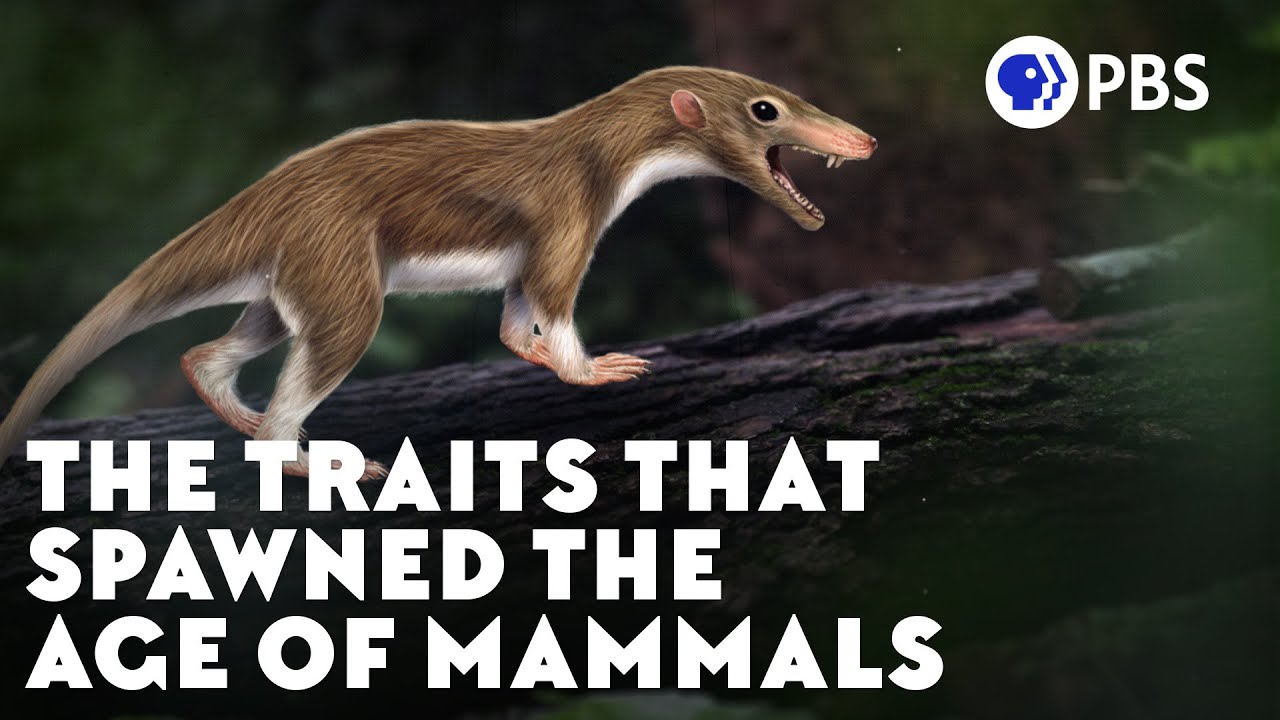
Mammalian traits, such as fur and live birth, originated much earlier than previously thought, appearing in non-mammalian species during the age of dinosaurs.
Animal behavior is explored through impressive archive footage, showcasing the brutality of orcas and the ingenuity of potter wasps, narrated by David Attenborough.
Atopodentatus, a unique Triassic marine reptile from China, provides insights into ecosystem recovery following the end-Permian mass extinction.
Trilobites, known for their widespread presence and remarkable preservation, are explored through illustrations by Franz Anthony, Julio Lacerda, and Lucas Lima.
Lab-grown meat technology, spearheaded by companies like Memphis Meats and Mosa Meat, aims to revolutionize food production and address environmental concerns.
Mythbusters tests the legendary Coffin Punch from Kill Bill, analyzing its mechanics through experiments and expert insights to determine its authenticity.
The asteroid belt, located between Mars and Jupiter, contains millions of asteroids, including the dwarf planet Ceres, which are separated by vast distances.
Two ancient humans, separated by time, contributed a small fraction of their genomes to all modern humans due to unique evolutionary circumstances.
Human herpes simplex viruses 1 and 2 evolved from specific primate herpesviruses, reflecting the evolutionary history of their respective hosts.
Cerro Paranal in the Chilean Atacama desert offers crystal-clear, dark skies for stargazing on about 320 nights per year.
Bohemian Grove is a secret men's club featured in Season 1, Episode 7 of Unbelievable.
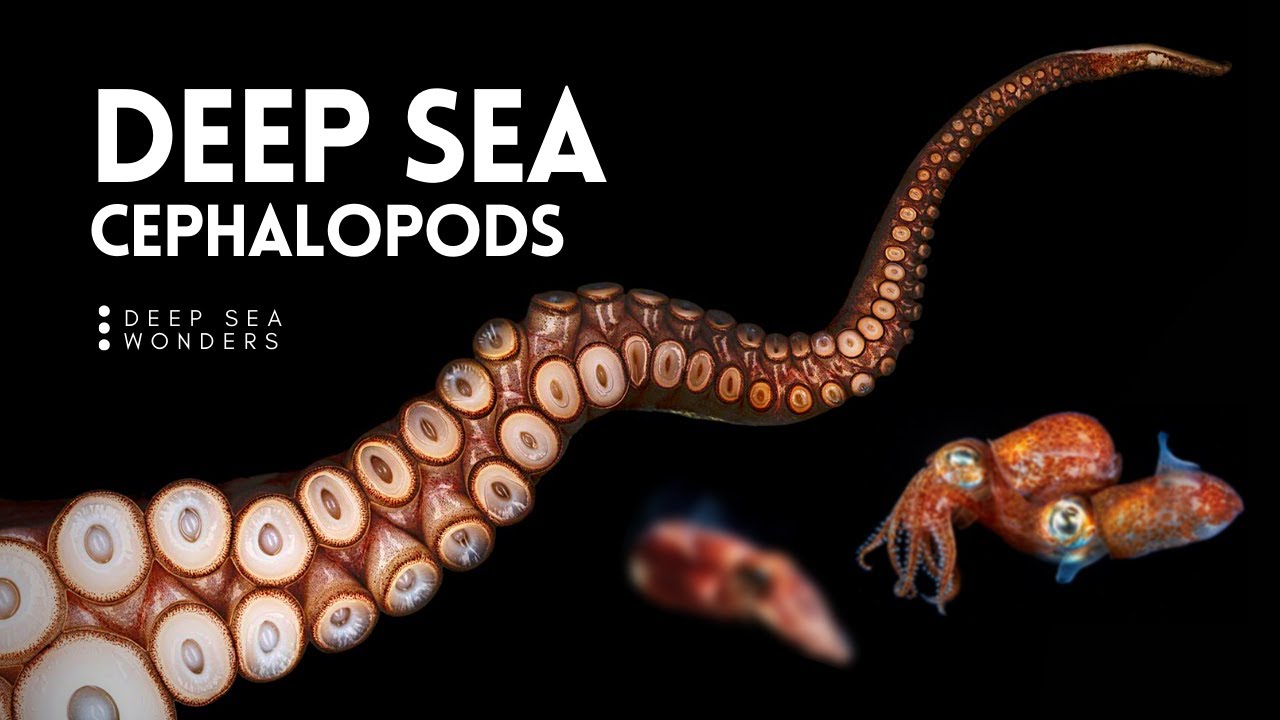
Cephalopods, including octopuses, squid, and cuttlefish, showcase remarkable intelligence, unique adaptations, and diverse biology that play crucial roles in marine ecosystems.
The Piltdown Man Hoax, a significant scientific fraud, misled the world for over 40 years regarding human evolution and remains a topic of intrigue in paleontology.