From over 100,000 films, discover the handful you'll love.
Free or premium access to the world's largest documentary library.
7227 films(Page 139 of 151)
Neandertals' rise to the top of the Eurasian food chain highlights their remarkable evolutionary success, yet this dominance may have contributed to their extinction.
Penguins evolved from flying ancestors, once existed as giants, and have undergone significant changes in their appearance and habitat over millions of years.
Pterosaurs, known for their aerial dominance during the Mesozoic Era, also inhabited terrestrial environments, revealing insights into their life on land.
Caviomorpha, a group of rodents that originated in South America, are believed to have descended from African ancestors over 40 million years ago.
In Australia, a group of herbivores evolved into apex predators, showcasing the dramatic shifts in the ecosystem and the role of natural selection.
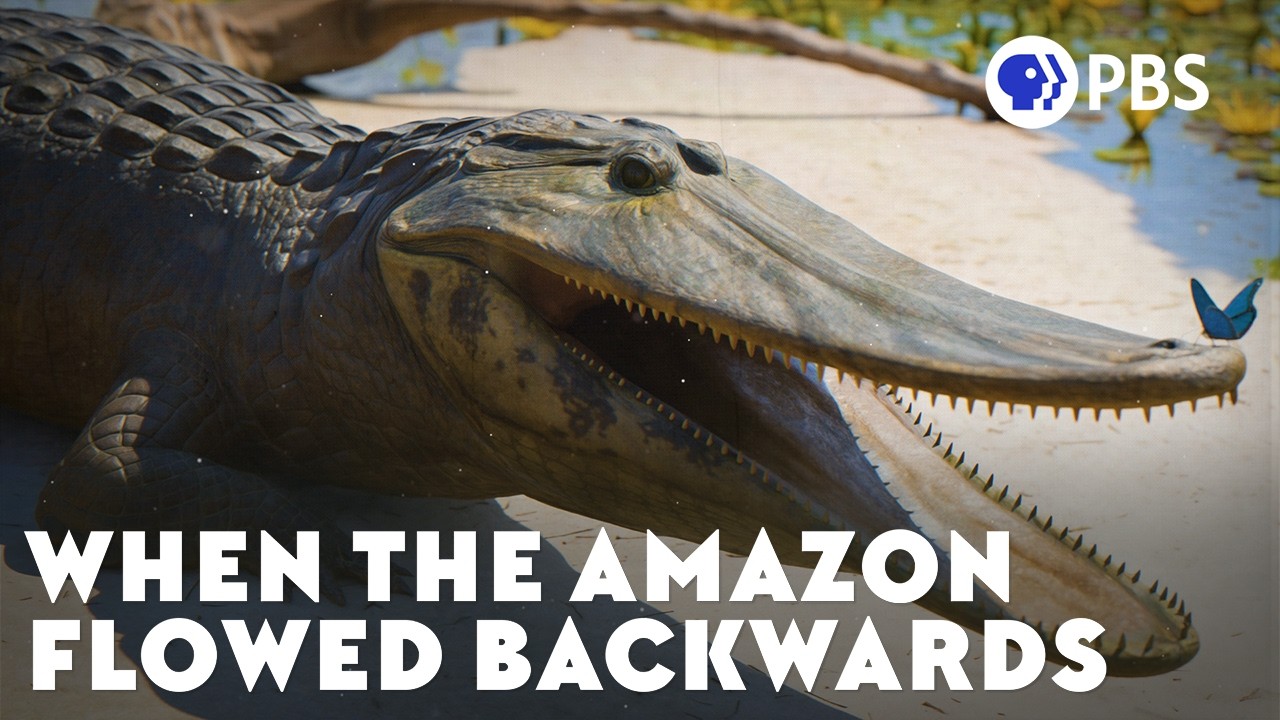
The Amazon watershed's historical reversal in flow has significantly influenced the evolution of life in the region, raising questions about the forces behind this phenomenon.
Eruptions along the Mid-Atlantic Ridge were pivotal in the formation of the Atlantic Ocean by tearing apart a supercontinent millions of years ago.
Supermountains, which formed only twice in Earth's history, coincide with significant evolutionary shifts, highlighting their impact on the planet's geological and biological development.
The Younger Dryas, a significant climatic event, has prompted extensive scientific debate regarding its causes and the potential for similar occurrences in the future.
During a time when Earth's dominant color was purple, the planet's ecosystems and life forms were vastly different from those of today.
The Carboniferous Rainforest Collapse marked a significant extinction event that reshaped terrestrial animal life and influenced the evolution of early ancestors.
The Sahara was once a lush environment that supported diverse wildlife and human habitation, contrasting sharply with its current arid climate.
Synapsids, the first terrestrial megafauna, faced extinction while some adapted to coexist with dinosaurs, shaping the evolutionary path of modern ecosystems.
420 million years ago, the forest floor of present-day New York was dominated by a wooden-rooted plant that reshaped the understanding of tree evolution.
The creation of early stone tools by hominins marks a significant milestone in human technological evolution and the development of our species.
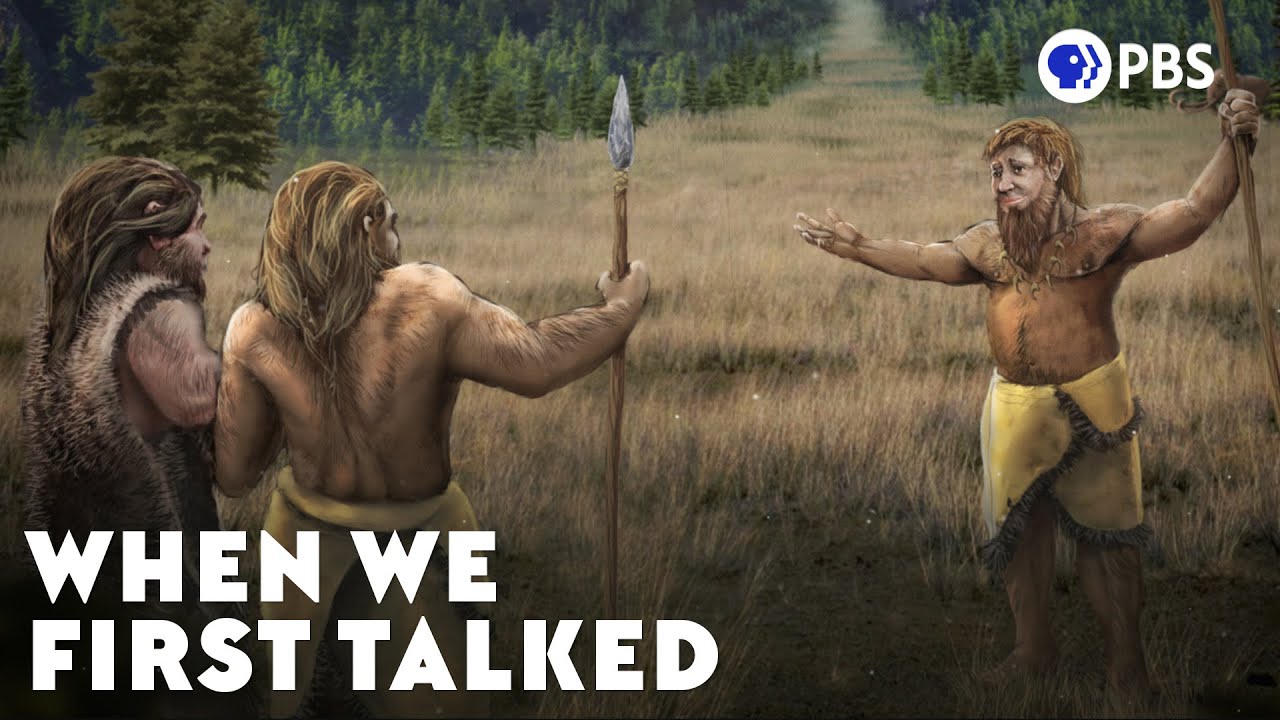
The evolution of human speech spans several million years, highlighting the complex journey from primitive communication to modern language.
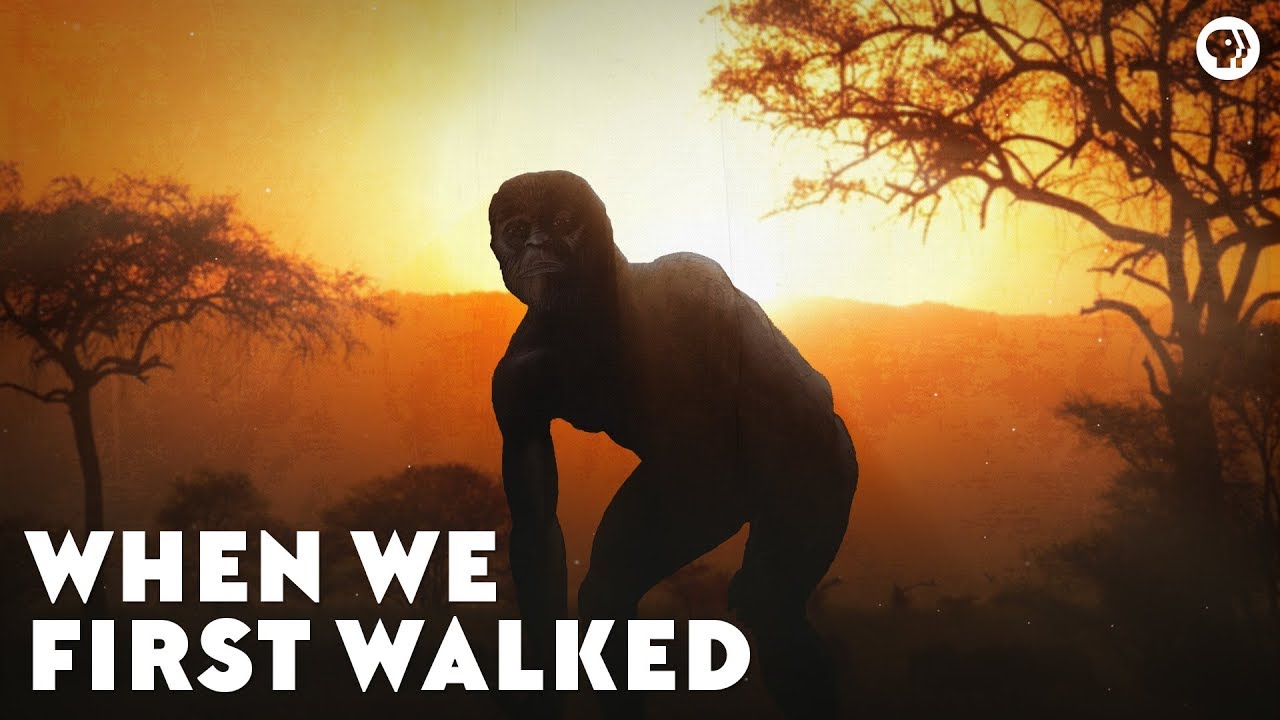
Fossilized footprints in Laetoli, Tanzania, provide evidence that human ancestors were walking on two legs 3.6 million years ago, raising questions about early bipedalism.
Eurasia 100,000 years ago was inhabited by multiple hominin species, with evidence suggesting interactions between them and early human ancestors.
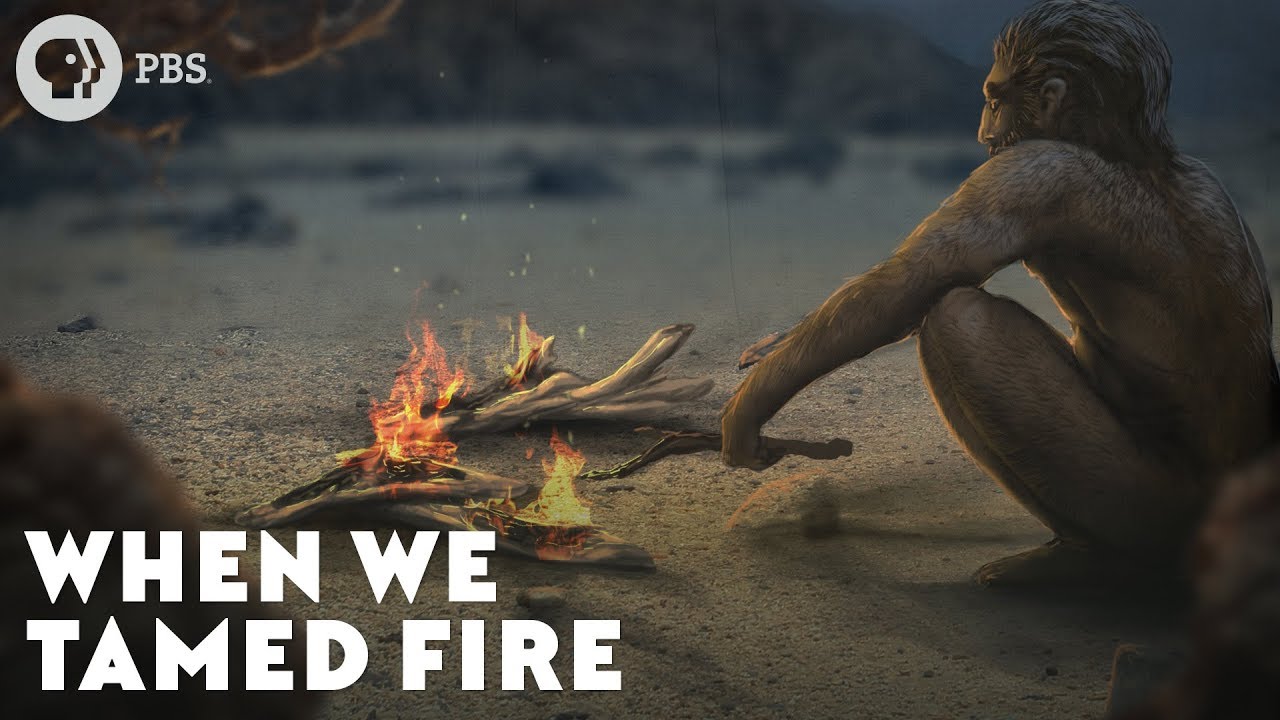
The ability to make and use fire has significantly influenced human evolution, shaping physical and social development throughout history.
Human migration from Africa to the Americas is traced through fossils and archaeological materials, highlighting the significant period of global expansion.
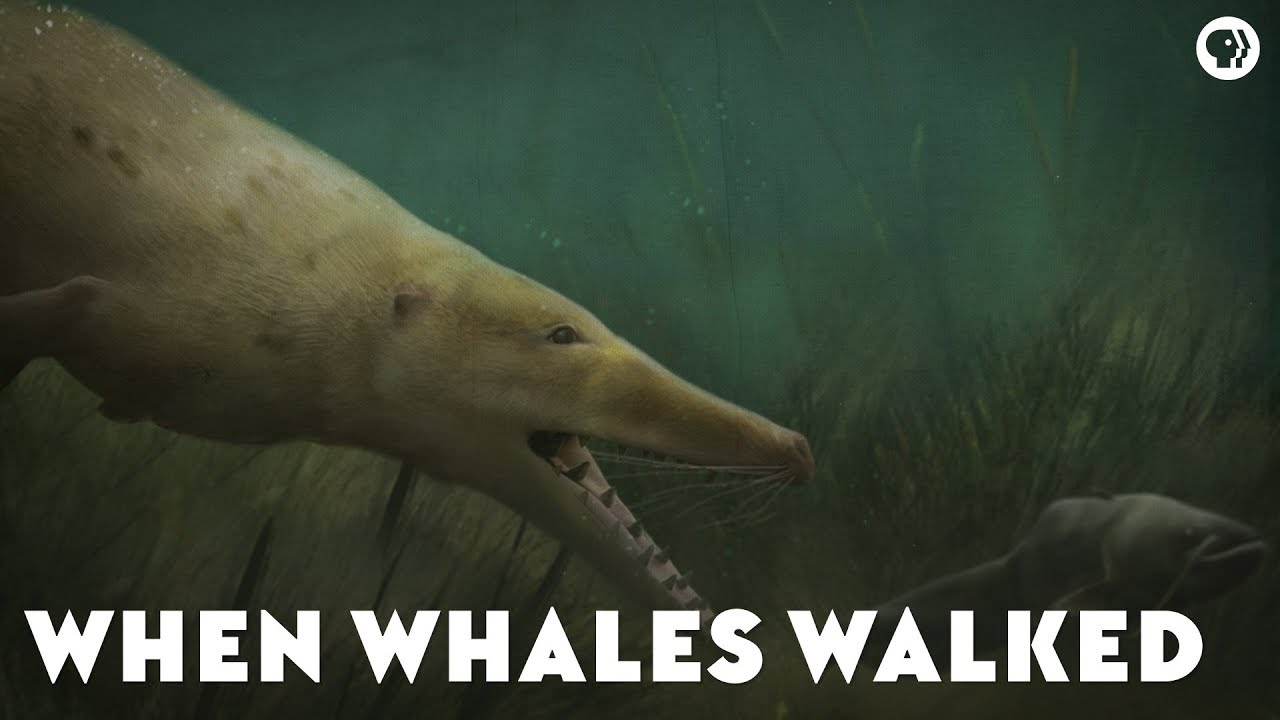
Whales evolved from land-dwelling ancestors, showcasing a fascinating transition from terrestrial to aquatic life over millions of years.
67 years is the current global average lifespan, up from just 20 years in the Stone Age, as time continues to shape human existence.
The average human lifespan has increased to 65 years, up from just 20 years during the Stone Age, amid rapid changes in the environment.
In the realm of neuroscience, researchers explore how the brain processes visual information despite the absence of sight, revealing insights into perception and cognition.
Medium-sized predatory dinosaurs are notably scarce in fossil records from regions inhabited by larger predators like Tyrannosaurus rex, raising questions about ancient ecosystems.
Cephalopods, despite having a robust fossil record, present a mystery regarding the absence of squid fossils, raising questions about their evolutionary history.
In just 10 years, the lionfish has expanded its territory in the Atlantic, becoming known as the worst invader on the planet.
Molecular fossils found in the DNA of infected hosts provide insights into the origins and evolution of viruses, raising questions about their status as living entities.
Earth's abundance of water is believed to have originated from meteorites, space dust, and solar contributions, unlike the water scarcity found on Mercury, Venus, and Mars.
Cerro Paranal, located 2.6 kilometers above sea level, hosts the Very Large Telescope, which consists of four large telescopes and four smaller ones.
The concept of the universe's center is explored through discussions hosted by Matt O, highlighting its implications and inviting audience participation.
Today, energy is very much a focus as we explore its origins and significance in our lives.
The narrator confronts their fear of death at Rad Fest in Las Vegas, focusing on aging and immortality.
New evidence suggests humans arrived in America 100,000 years earlier than thought.
Neil Armstrong and Buzz Aldrin made history on the Moon with help from German scientists.
In the depths of the ocean, unique adaptations of marine life reveal how certain species become increasingly bizarre and unsettling as depth increases.
Antimatter engines, once considered science fiction, are explored as a feasible technology that could be developed and launched within the next few decades.
Miriam and Dominic investigate the mysteries of pyramid locations in the Nile Valley.
Fewer than 900 beluga whales remain in the St. Lawrence River, a significant decline from about 10,000 at the start of the 20th century.
Crows exhibit cognitive abilities comparable to those of seven-year-old humans, showcasing advanced problem-solving and tool-use skills.
Deep learning's rapid advancements are explored through various applications, including AI in gaming, neural networks, and Nvidia's super slow motion technology.
Three physicists, John Clauser, Alain Aspect, and Anton Zeilinger, won the 2022 Nobel Prize in Physics for proving the reality of quantum entanglement.
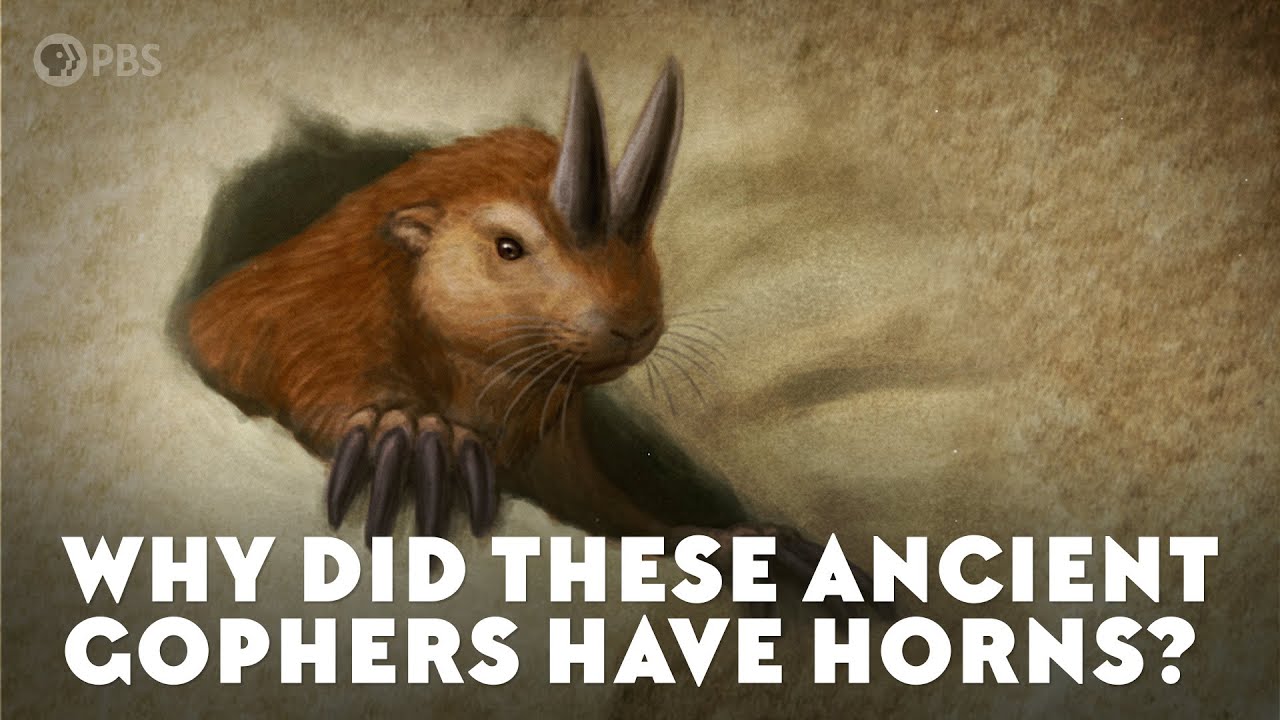
Ceratogaulus, commonly known as horned gophers, possessed horns that likely served a beneficial purpose for these ancient rodents, as explored in Samantha Hopkins' research.
Deep sea creatures exhibit giantism as an evolutionary response to extreme environmental conditions, with examples found in the Mariana Trench and other ocean depths.
Orcas off the coast of Australia have been reported sinking boats, raising questions about their behavior and interactions with humans.
Dr. Carole Scherling from Belmont University explains the science behind earworms, the phenomenon of catchy songs lingering in our minds long after hearing them.
Crustaceans repeatedly evolve into crab-like forms across various species, raising questions about the evolutionary advantages of this morphology.
As little as 24 hours of total sleep deprivation can impair performance to a level equivalent to a blood alcohol concentration of 0.1%.