From over 100,000 films, discover the handful you'll love.
Free or premium access to the world's largest documentary library.
7227 films(Page 121 of 151)
Two millimeters of space remain as Rick adjusts a salvaged drive belt to repair a conveyor, allowing his operation to resume gold production.
A $700 item, a pair of high-tech sports gear, is designed by New Zealand researchers to enhance performance and comfort for athletes worldwide.
NASA's Kepler spacecraft is capable of detecting Earth-like planets, paving the way for future telescopes to analyze their atmospheres for signs of life.
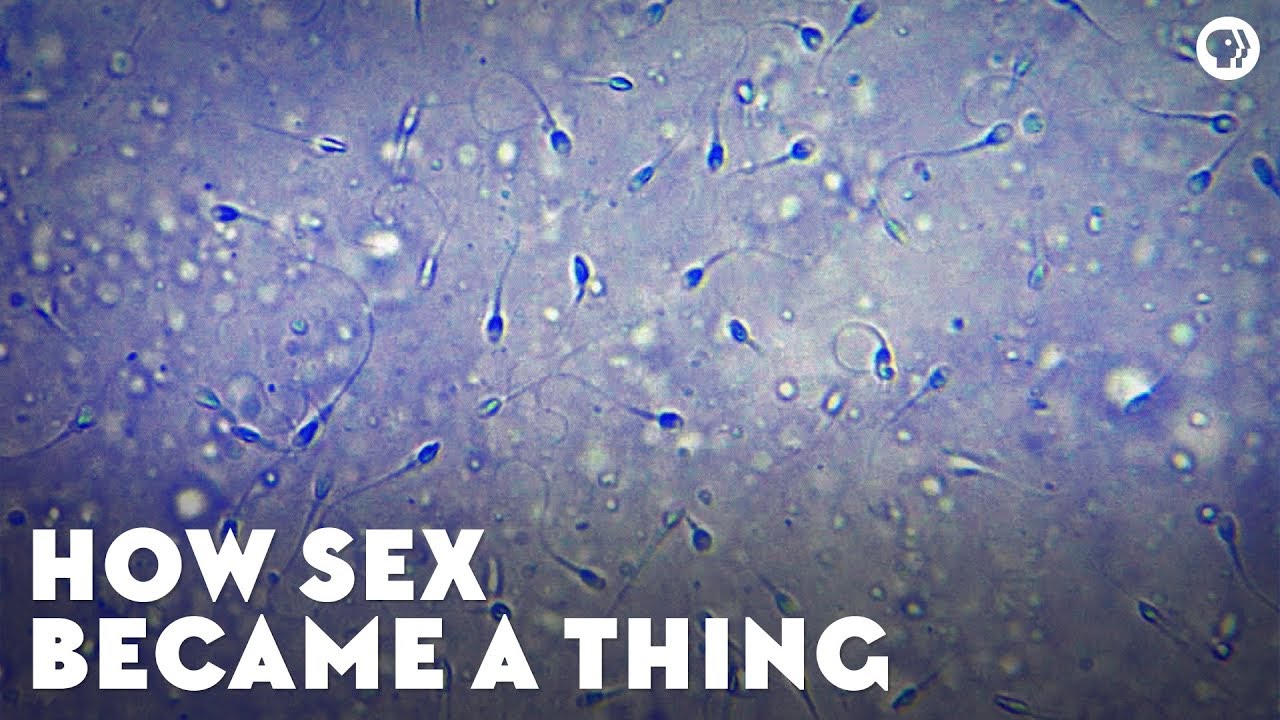
Sexual reproduction's evolutionary history is explored, tracing its origins and significance in the development of life on Earth.
Gibbs Kaguru faced a choice between a Pre-Med program and diving with sharks in South Africa, leading to his research on their color-changing abilities.
During the golden age of sharks, diverse species thrived in Earth's oceans, but most of that remarkable variety was lost over time.
Sloths exhibit remarkable ecological diversity, having evolved from marine foragers and underground dwellers to their current arboreal lifestyle, with only tree-dwelling relatives remaining.
The rise of venomous elapids has triggered an evolutionary arms race, impacting not only other species but also early human ancestors.
Solar Flares pose serious threats to Earth through high-energy radiation and magnetic disturbances.
Throughout the Cenozoic Era, marsupials and their metatherian relatives thrived in South America, adapting to various ecological niches and evolving into diverse forms.
A bionic flying fox robot, weighing just 580 grams and with a wingspan of 228 centimeters, mimics the flight of its natural counterpart.
Moon Express is the first private organization to receive approval for commercial missions to the moon, aiming to mine resources like platinum and water.
Super tornadoes form under specific atmospheric conditions, with meteorologists analyzing their development and impact across the United States.
At Cerro Ballena in Chile, over 40 skeletons of marine mammals from the Late Miocene Epoch reveal insights into the environmental changes that may have contributed to their demise.
Two extinct relatives of horses and rhinos, chalicotheres, exhibit significant differences in body structure despite their close evolutionary relationship.
The evolution of the egg is traced from the first land-dwelling vertebrates to modern mammals and birds, emphasizing that the egg came first.
Long-jawed proboscideans were rapidly replaced by modern elephants and their ancestors due to climate change, which favored the evolution of flexible trunks.
One fruit fly mutation resulted in legs growing in place of antennae, leading to significant discoveries about the genetic basis of animal development.
The rise of the Himalayas has significantly influenced global ecosystems, contributing to the evolution of giant flightless birds in Madagascar and the expansion of North America's grasslands.
Vladimir Putin's war in Ukraine leads to severe sanctions against Russian oligarchs worldwide.
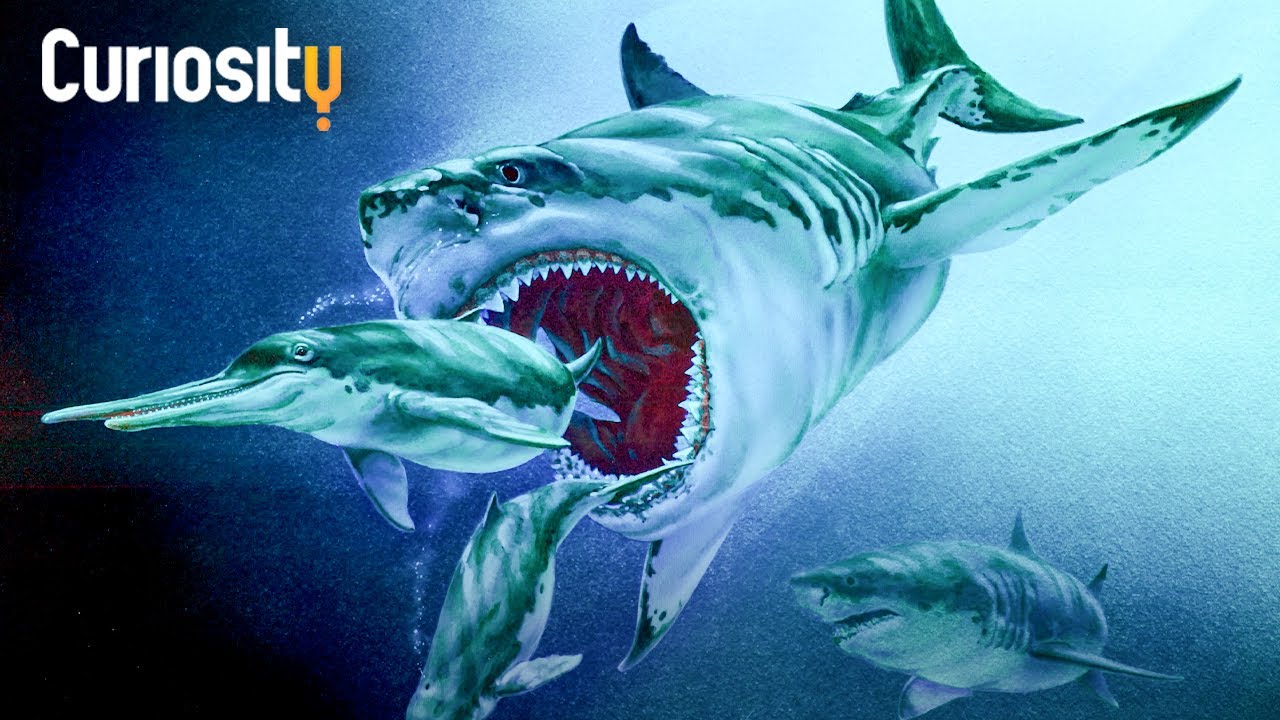
Megalodon, an enormous prehistoric shark, is examined through comparisons with modern great white sharks and insights from global tooth analysis to understand its size and dominance.
Myxozoans, a group of tiny and simple animals, evolved from larger and more complex ancestors, challenging the conventional view of evolutionary progress.
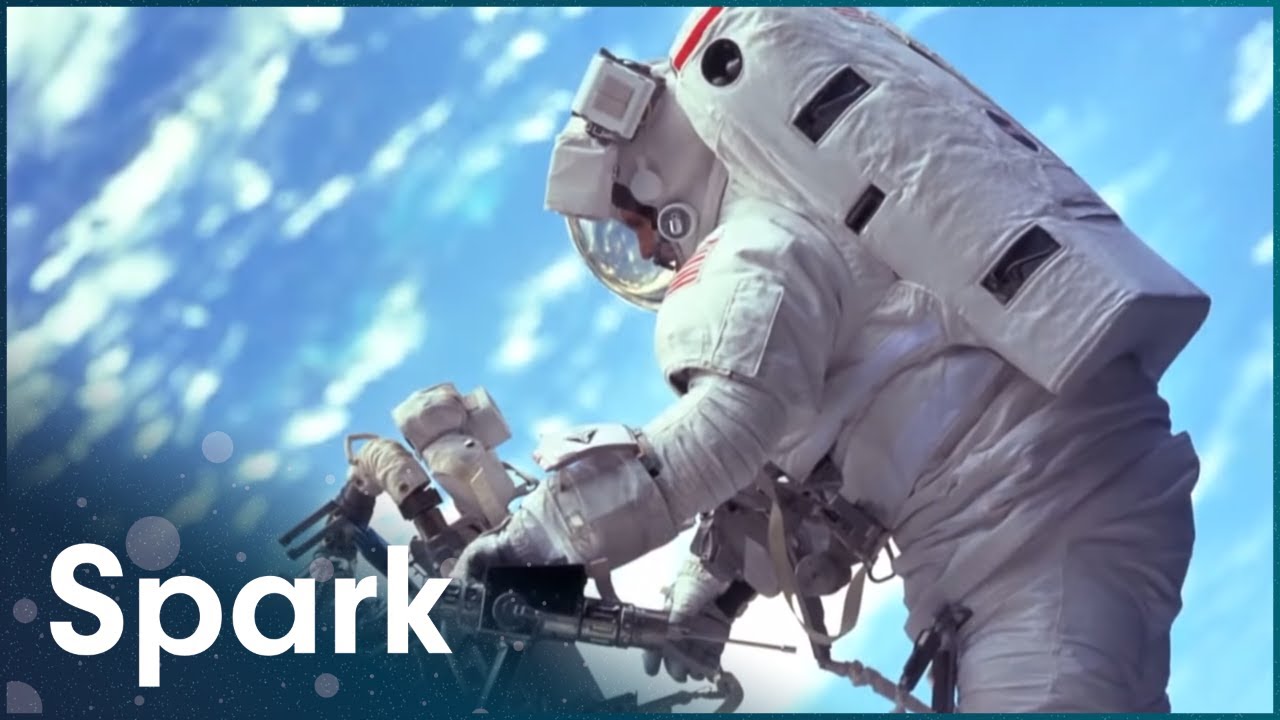
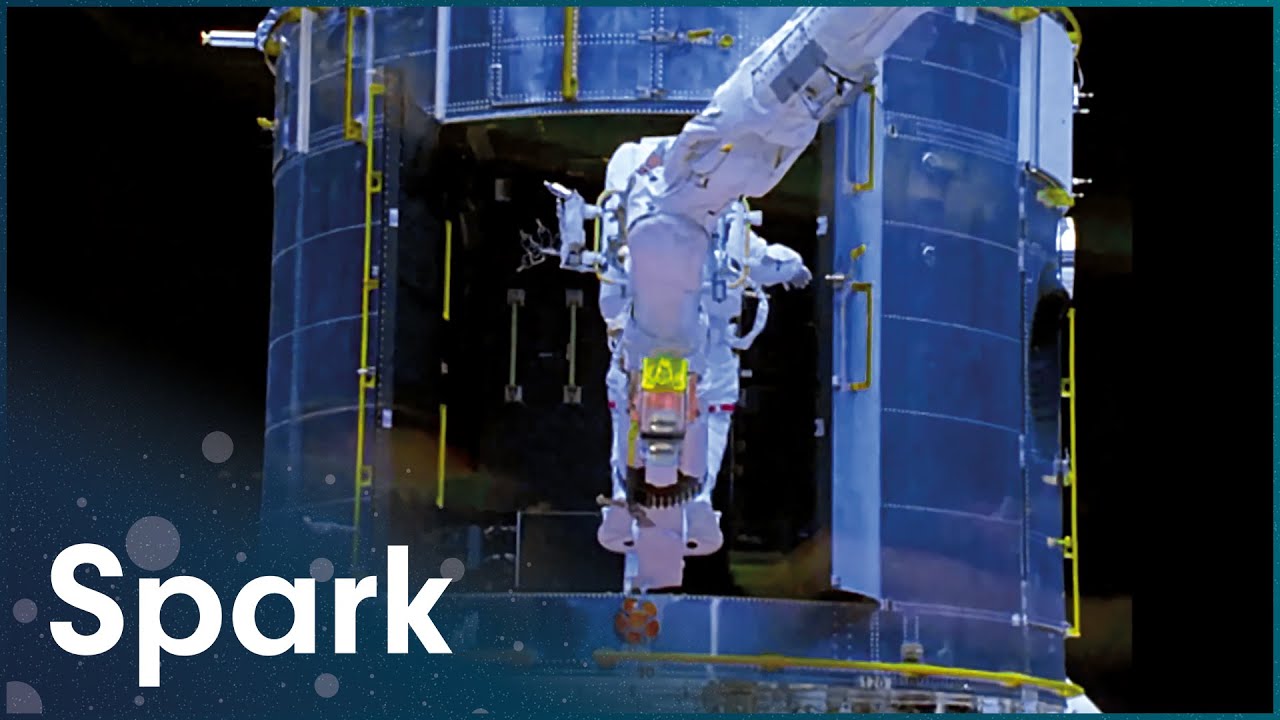
In May 2009, Atlantis completed five spacewalks to refurbish the Hubble Space Telescope, restoring its functionality after years of critical repairs.
Ancestors of modern cephalopods like octopuses and squids possessed shells that initially provided protection but ultimately became a liability in their evolution.
Starfish, with a history spanning nearly half a billion years, illustrate the deep evolutionary connections among familiar marine animals.
Tyrannosaurus rex, known for its massive size and small arms, presents a complex evolutionary narrative regarding the function and adaptation of its forelimbs.
Turtles evolved from ancient reptiles, and their unique shells have prompted scientists to reevaluate the history of reptile evolution.
The evolution of walruses over nearly 20 million years reveals that their tusks are not linked to their feeding habits, challenging previous assumptions.
In 1903, Orville Wright took off at Kitty Hawk, North Carolina, achieving the first successful powered flight after years of self-directed experimentation.
Nora AlMatrooshi and Mohammed Al Mulla train at NASA's Johnson Space Center, preparing for missions to the moon and beyond as part of the UAE's astronaut program.
In Madagascar, the unique abilities of the Malagasy leaf-tailed gecko are explored, highlighting its remarkable camouflage and survival strategies.
Advancements in genetic engineering, particularly through CRISPR technology, raise questions about the feasibility of resurrecting extinct species like the woolly mammoth.
In 1941, astronomer Erik Holmberg conducted one of the first universe simulations using 37 light bulbs to represent billions of stars.
Creating a closed terrarium involves assembling an airtight container with layers of gravel, activated carbon, soil, and native plants to establish a self-sustaining ecosystem.
The Sun produces 10^38 neutrinos every second, which can be used to study black holes and their surrounding environments.
PBS Member Stations rely on viewer support for programming and community engagement.
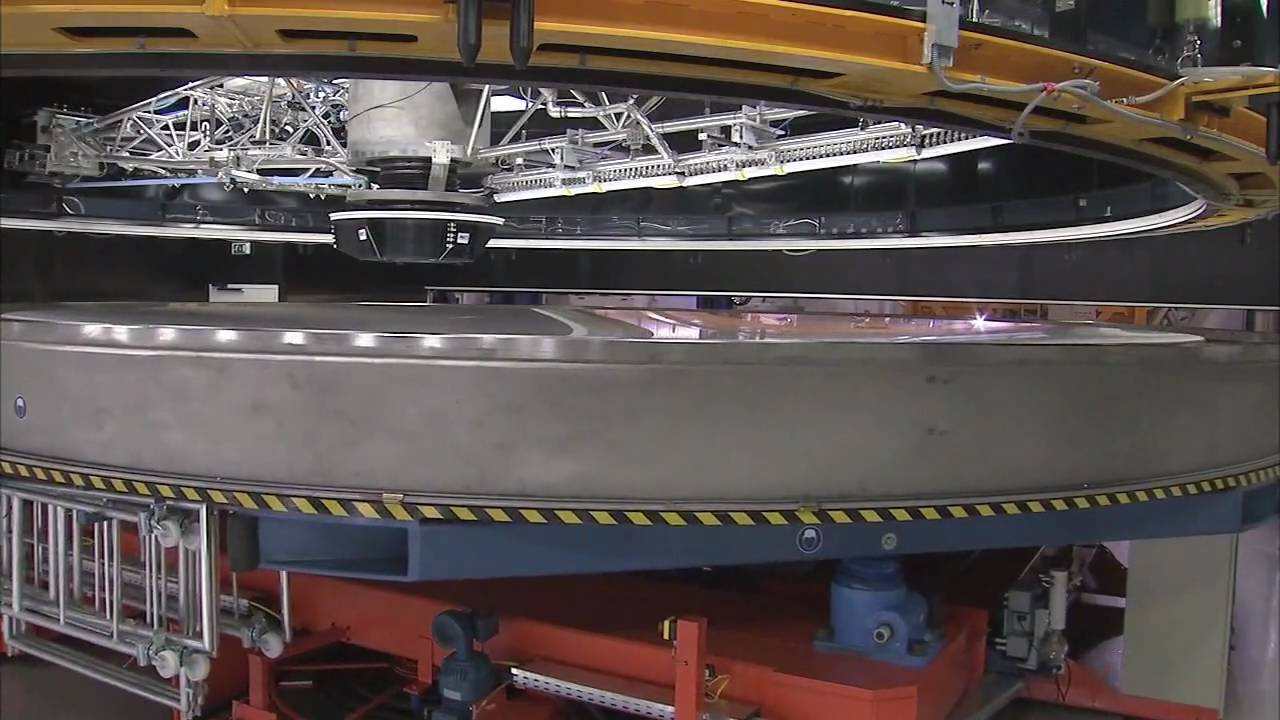
A 50-ton telescope mirror is carefully removed from the Very Large Telescope in Chile for cleaning and recoating to ensure optimal performance.
Experiences of stress and trauma can alter gene expression, potentially affecting the health and behavior of future generations, according to NOVA's research.
Turtles exhibit remarkable adaptations and survival strategies in their natural habitats, showcasing their unique behaviors and ecological roles.
Two billion years ago, a symbiotic relationship formed between two microbes, leading to the evolution of complex life and the organelles found in modern cells.
Mercury has up to 1 trillion tons of ice beneath its surface, a finding that could change how scientists understand the planet and its history.
Teeth, a revolutionary adaptation in vertebrates, have evolved to disappear in certain groups, raising questions about the mechanisms behind this phenomenon.
The Marianas Trench, the deepest subduction zone in the world, has not caused a devastating earthquake since records began in the 17th century.
Over 600 million years ago, Earth experienced two significant glaciation events known as Snowball Earth, which left evidence of ice coverage on every continent.
By the year 2100, the range for valley fever fungus is predicted to expand as far as Kansas and North Dakota due to climate change.
New York City's water supply system treats between 900 million and 1 billion gallons of water daily for over 8.5 million residents.
Laura and Richard cope with the loss of their dog Dylan while preparing for cloned puppies.
Ancient Egyptian hieroglyphs were decoded by 18th century scholars, spurred by the discovery of the Rosetta Stone and fueled by a wave of Egyptomania.