From over 100,000 films, discover the handful you'll love.
Free or premium access to the world's largest documentary library.
7227 films(Page 9 of 151)
A Spinosaurus vertebra recovered in 2008 showed signs of having been bitten in half, suggesting fierce competition among large predators.
In remembrance of the 30th anniversary of the Space Shuttle Challenger disaster, presents rarely seen images and news reports from the tragic event.
BP's history of safety violations and a profit-driven culture contributed to the catastrophic Deepwater Horizon explosion in the Gulf of Mexico.
A cunning landlady in England manipulates her tenants through psychological games, leading to a series of sinister events and criminal activities.
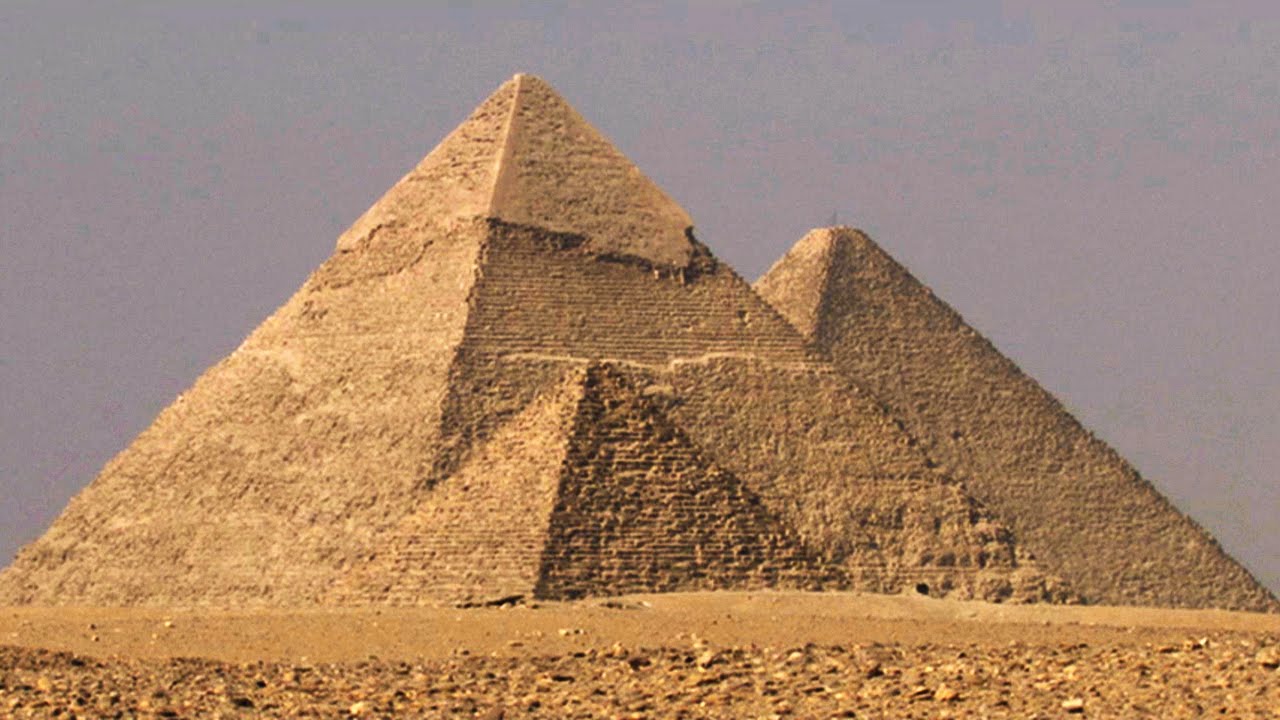
The Great Pyramid of Giza, built over 4,500 years ago, stands 481 feet tall and weighs nearly six million tons, consisting of 2.3 million stone blocks.
Camp Century, an underground U.S. military city in Greenland, was built in the 1960s to test nuclear missile deployment beneath Arctic ice.
Human perception is examined through the lens of atomic structures and distant galaxies, highlighting advancements like the Hubble Telescope and atomic imaging.
Hurricane Helene serves as a stark warning about America's increasing vulnerability to climate change-related storms and the inadequacies in disaster preparedness.
66 million years ago, an asteroid impact in the Gulf of Mexico caused the extinction of the dinosaurs and reshaped life on Earth.
In the Late Cretaceous Period, Hateg Island served as a hunting ground for a giant pterosaur, presenting unique survival challenges for its inhabitants.
More than 1,000 volcanoes around the world are active, with Naples at risk from two nearby: Vesuvius and the lesser-known Campi Flegrei.
Scientists aim to plant over a trillion trees as part of a broader strategy to combat climate change and reduce carbon dioxide levels in the atmosphere.
Abandoned nuclear sites in the Pacific Northwest reveal the remnants of Cold War-era paranoia, showcasing a flooded missile silo and a decaying power plant.
A young man’s tragic death from a superbug infection at the National Institutes of Health highlights the growing threat of antibiotic-resistant bacteria in hospitals.
Kosmos-954, a Soviet-era nuclear-powered spy satellite, crashed in northern Canada, prompting two nuclear scientists to brave harsh conditions in search of its reactor core.
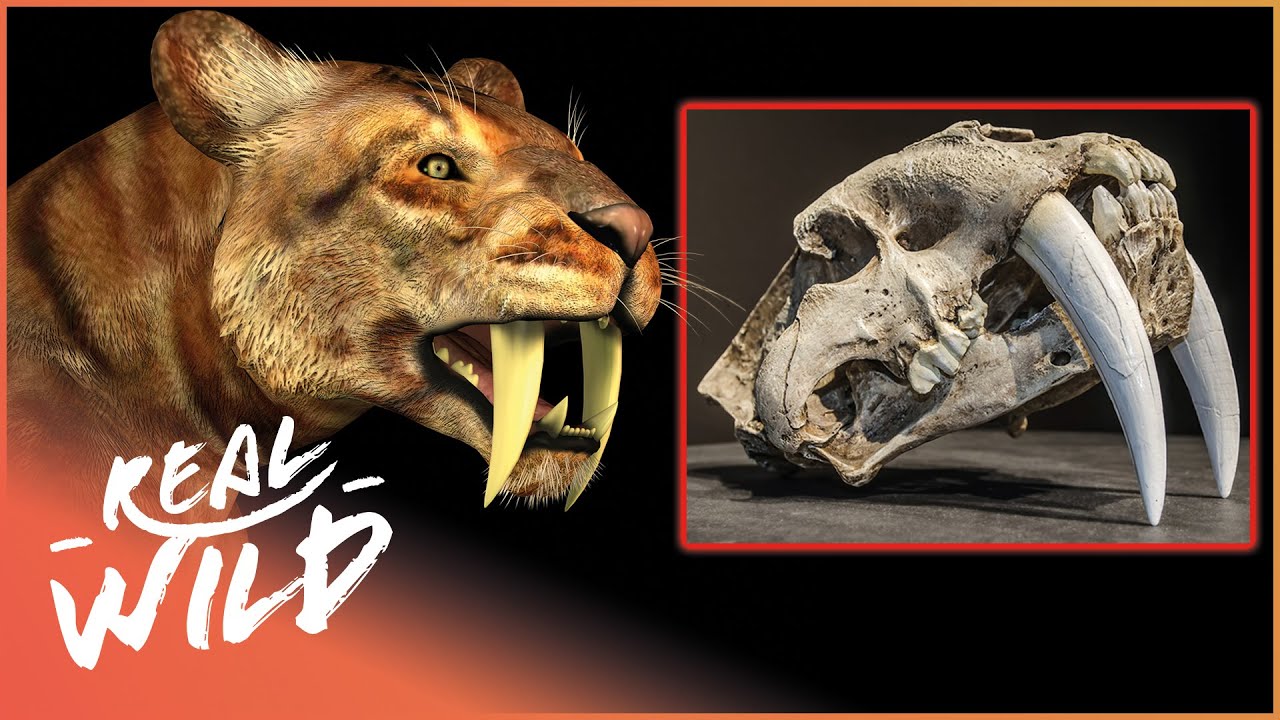
In California 11,000 years ago, the saber tooth tiger reigned as the top predator, and this episode examines its life and extinction through historical and scientific insights.
Roman Britain's connection to the Empire is highlighted through the exploration of Dover Castle's Pharos lighthouse and a newly discovered port at Lympne.
Astronomers classify the sun as a population one star, born from a stellar nursery filled with gas that collapsed under gravity's power.
An international team of experts investigates the potential existence of a Bronze Age civilization beneath the Black Sea, exploring archaeological evidence and historical context.
Thirty-eight skeletons, discovered in a mass grave in Yorkshire, reveal brutal injuries from the Battle of Towton, challenging myths of medieval chivalry.
Jim Al-Khalili explores the profound relationship between "everything" and "nothing," revealing how our understanding of the universe has evolved through science and mathematics.
Scientists consider the possibility of building a real-time machine for time travel.
Corvids, such as ravens and Alpine choughs, demonstrate advanced intelligence, tool-making abilities, and strong social bonds with their partners.
In the Swiss Jura mountains, ant societies are explored through advanced 4K technology, revealing their complex structures and interactions during peace and conflict.
A global search reveals pairs of doppelgängers who undergo scientific tests at St Thomas' Hospital to explore their genetic and visual similarities.
General relativity, a theory developed 100 years ago, transformed the understanding of gravity and the relationship between space and time.
Rick Edwards collaborates with physicist Dianna Cowern and inventor Colin Furze to explore the scientific principles behind levitation using physics.
Miriam Cooke and Dr James Dilly employ traditional and experimental archaeology to explore the daily lives of Stone Age ancestors.
The long bow, with roots traced back to ancient hunting practices and significant archaeological finds in Britain, evolved into a formidable weapon of its time.
Earth has experienced five major extinction events, and experts discuss whether human activity is driving the planet toward a sixth mass extinction.
Advancements in modern astronomy, including giant telescopes and computer modeling, provide insights into the universe's potential infinity and cosmic history.
Four test subjects, aged 30 to 60, participate in an experiment to determine how their bodies react differently to the same foods.
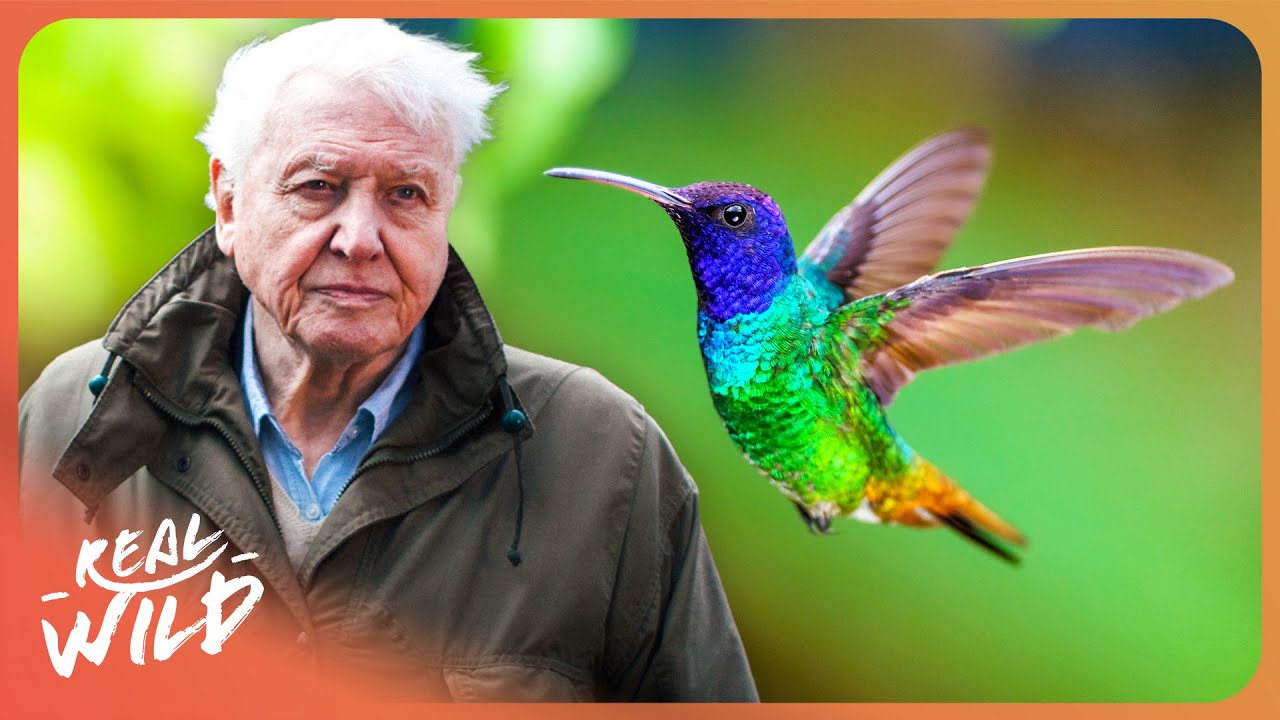
Hummingbirds, native to South America, exhibit remarkable flying abilities and unique relationships with flowers, as explored through stunning slow-motion footage.
A dragonfly known as Omega Nora had a wingspan of up to 25 inches, making it the largest flying insect ever discovered.
The Lembeh Strait in Indonesia's Sulawesi is a marine biodiversity hotspot, showcasing unique behaviors of creatures like Anglerfish and Mantis shrimp through groundbreaking macro photography.
70 to 80 pregnant lemon sharks gather each spring in the Grand Bahama Bank, a phenomenon first documented by researcher Professor Sam Gruber.
In 2077, advancements in genetics, nanotechnology, and artificial intelligence will transform daily life, raising ethical concerns and existential risks for humanity.
An Anglo-Saxon settlement is discovered in Leicestershire, marking a significant archaeological find after 15 years of searching by Tony Robinson and his team.
Fossils of Reponomimus, a mammal the size of a wolf, were found in volcanic ash in Liaoning, China, dating back 130 million years.
Eight astronauts with over 1,000 days in space discuss the challenges of leaving Earth and the need for a potential colony on another planet.
Around 253 million years ago, a massive volcanic event began in what is now Siberia, leading to the Great Dying and the largest mass extinction in Earth's history.
The Pacific Ocean, covering 165,250,000 square kilometers, is home to diverse marine life and plays a vital role in global weather patterns and biodiversity.
A 200-kilogram silverback gorilla named Macumba leads his family through the forests north of the Congo River, searching for food and avoiding dangers.
A 50-day expedition aboard the RV Tangaroa resulted in the collection of 88 different fish species, with at least five believed to be new to science.
A total of eight victims were found in the investigation of a young woman's murder in Bellefonte, Pennsylvania, marking the town's first homicide in 13 years.
An earthquake of magnitude 8 or higher releases as much energy as a billion tons of TNT, threatening millions living near major fault lines.
Sardinia's east coast reveals why people live longer than anywhere else in the world.
A super volcanic eruption could kill millions and devastate the United States, with ash potentially blanketing half the country.