From over 100,000 films, discover the handful you'll love.
Free or premium access to the world's largest documentary library.
7227 films(Page 98 of 151)
Astronomers use ALMA to reveal how dust grows into planets around young stars.
Astronomers measure the size of Eris during a rare occultation event.
NASA scientists look for Earthly examples to understand Titan's terrain features.
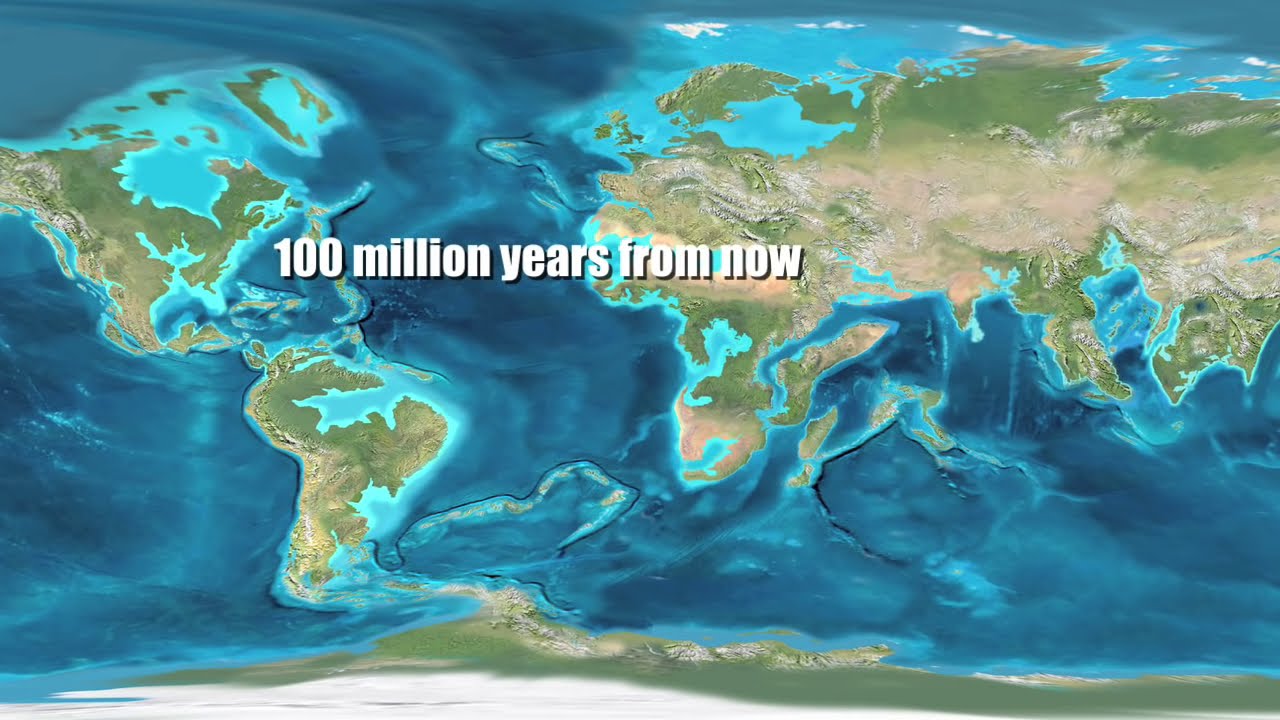
The video shows how Earth's continents evolved over 600 million years and their future in 100 million years.
NASA's Fermi Gamma-ray Space Telescope captures brief outbursts of high-energy light above Earth.
Arctic sea ice expansion and contraction, alongside human-induced changes like the Antarctic ozone hole, illustrate Earth's evolving landscape over time.
Over 100 million pinewood derby cars have been built by children and their parents in the last 60 years.
The Spitzer Space Telescope reveals the imprint of a star's explosive death on the galaxy.
An egg is dropped from 300 feet after being attached to a rocket and launched by a weather balloon in an attempt to set a world record.
A sample clip shows an Asian elephant foetus in the womb from the David Barlow Film Archive.
Elon Musk discusses the Hyperloop train, a high-speed transport system using magnetic levitation within a steel tunnel to reduce aerodynamic drag.
Elon Musk's plans for moon tourism through SpaceX aim to revolutionize space travel and make lunar visits accessible to private citizens.
SpaceX's Starlink technology aims to provide uninterrupted internet access globally, connecting remote areas and enhancing communication capabilities.
Six remote-controlled cars, including one that squirts lemon juice, compete in an indoor dirt track arena designed by CrunchLabs engineers.
The video explains how an autopsy works and discusses related forensic cases.
Black holes, with their intense gravitational pull and warping light near the event horizon, challenge the laws of physics at their singularity.
Lizard biologists in the Caribbean reveal surprising insights about how long evolution takes.
Patrick Aryee explores nature's solutions to humanity's challenges in this docu-series.
Ancient Astronaut Theorists believe exoplanets may hold clues to our true ancestors.
The video discusses Alam Ghaib and its connection to Indonesian culture and science.
Burj Al Babas was designed to combine Victorian architecture with influences from Turkey's Galata Tower and the Maiden Tower in a unique residential project.
At nearly 190 meters deep, Lake Traunsee contains a flat expanse of soft sediment where unknown treasures may lie hidden.
Watch this to understand how solar flares impact Earth and technology.
A naked mole rat survived for 18 minutes in an oxygen-free environment by switching its metabolism from glucose to fructose, a process that could inform medical research.
One in six couples in the United States struggles to conceive, as age-related infertility becomes a growing concern for many.
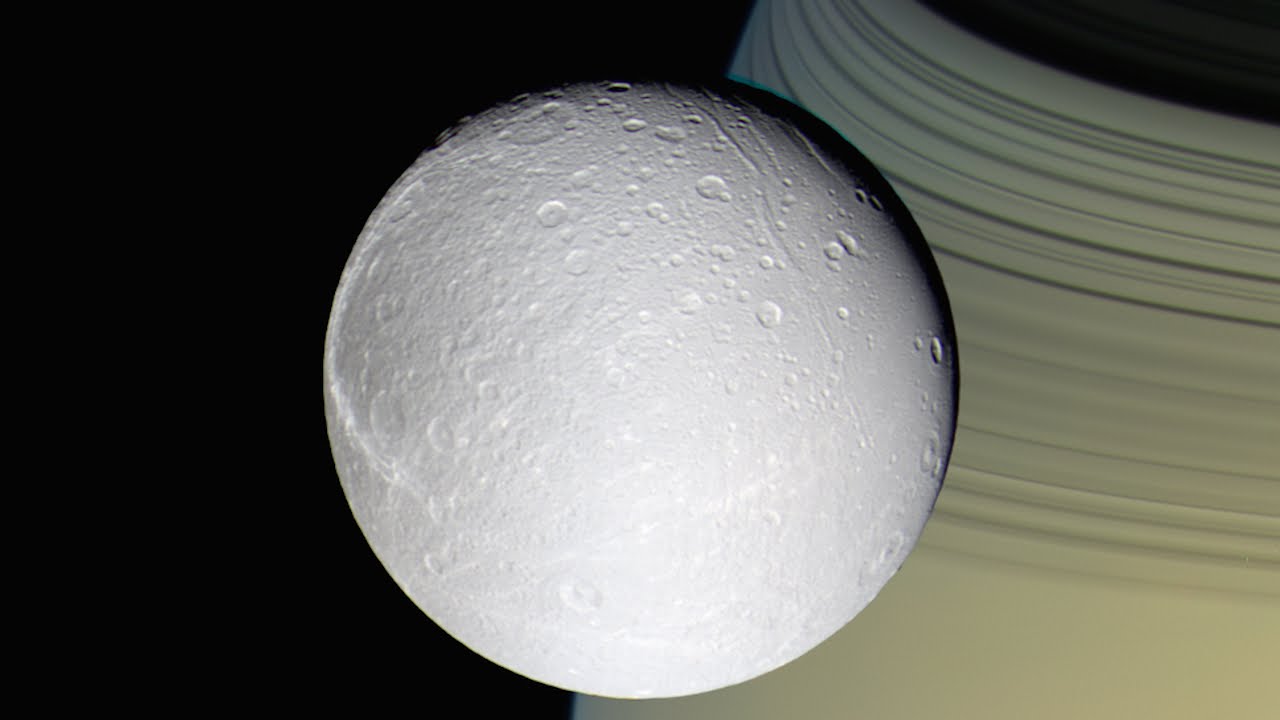
The Cassini Spacecraft conducts its last close flyby of Dione, showcasing detailed observations after over a decade of exploring the Saturn system.
A five-mile fall without a parachute is examined through experiments and discussions about gravity and impact in a final science class led by Mike O'Hara.
NASA’s Kepler Space Telescope has utilized transit photometry to confirm over a thousand exoplanets, significantly advancing the search for planets beyond our solar system.
Fire ants, prevalent in the southern United States, exhibit complex social structures and aggressive behaviors that significantly impact local ecosystems.
Fire ants use complex nest-building and cooperative defense strategies to adapt and thrive in various environments, showcasing their ecological importance.
A survivalist shows how to start a fire using a 9v battery and steel wool in this episode.
Great white sharks around Guadalupe Island exhibit scars believed to be from encounters with giant squids, as investigated by Dr. Tristan Guttridge.
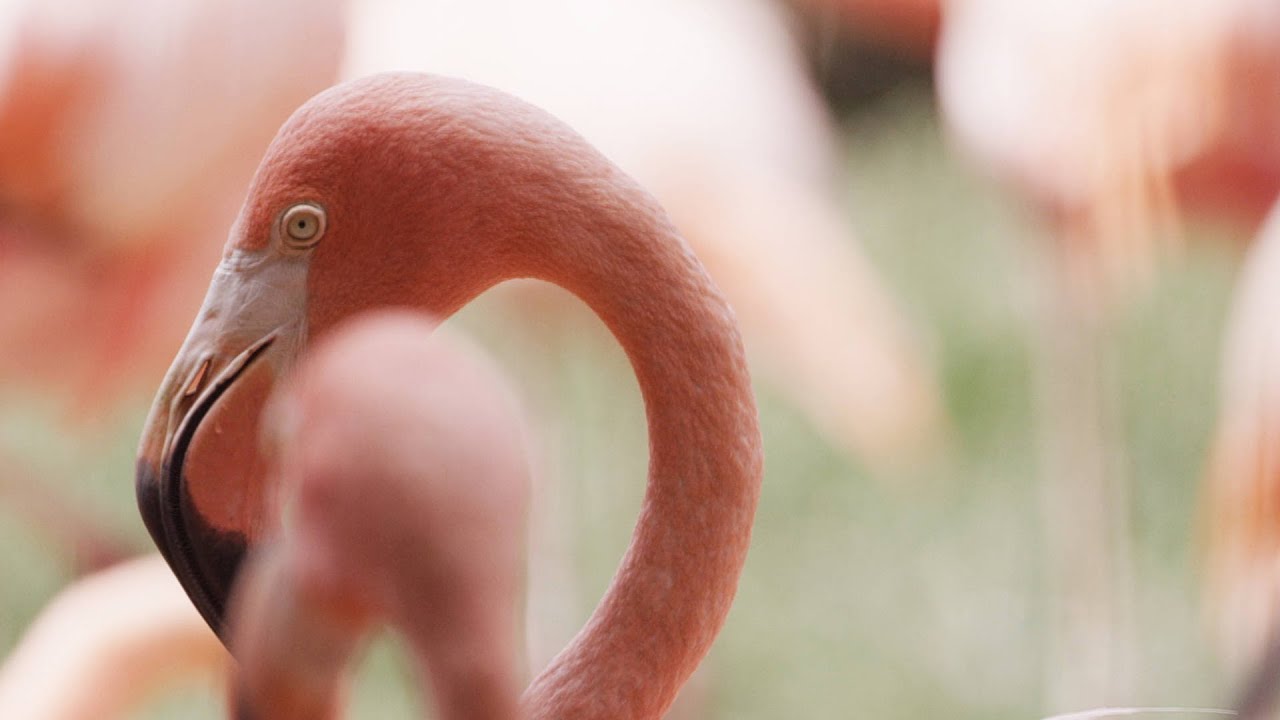
Flamingos must tire of constantly perching, as explained by a caretaker at Smithsonian's National Zoo.
A cell phone case with propellers weighs about 300 grams, but the motors used can only lift 30 grams, exposing the scam behind the viral video.
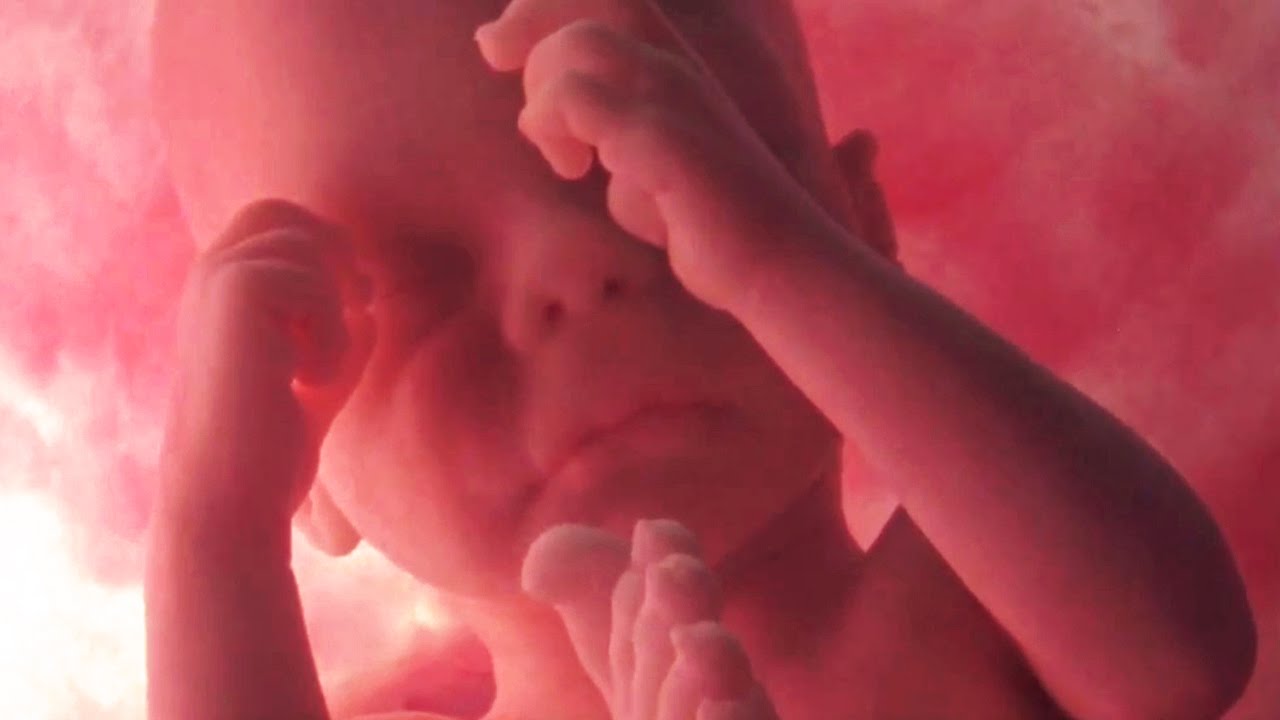
A sample clip shows a six month human fetus in the womb from the David Barlow Film Archive.
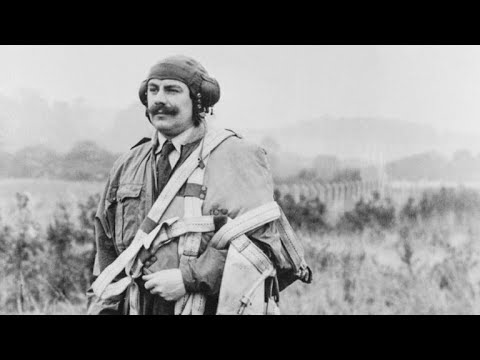
Lynch ejects from a Gloster Meteor F3 aircraft 30 times, providing critical data for the development of Martin-Baker's first production ejection seat.
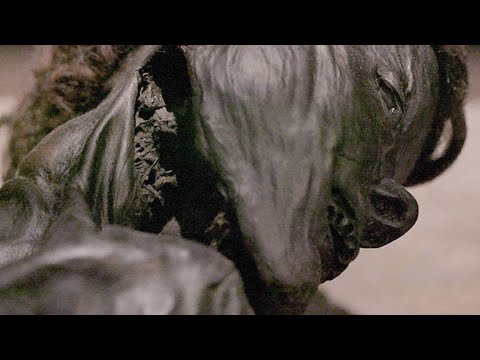
Haraldskær Woman traveled hundreds of miles from home before her death, revealing insights into ancient ritual practices through strontium isotope analysis.
In South Africa, sharkologist Michelle Jewel investigates the communication behaviors of great white sharks, focusing on their breaching patterns.
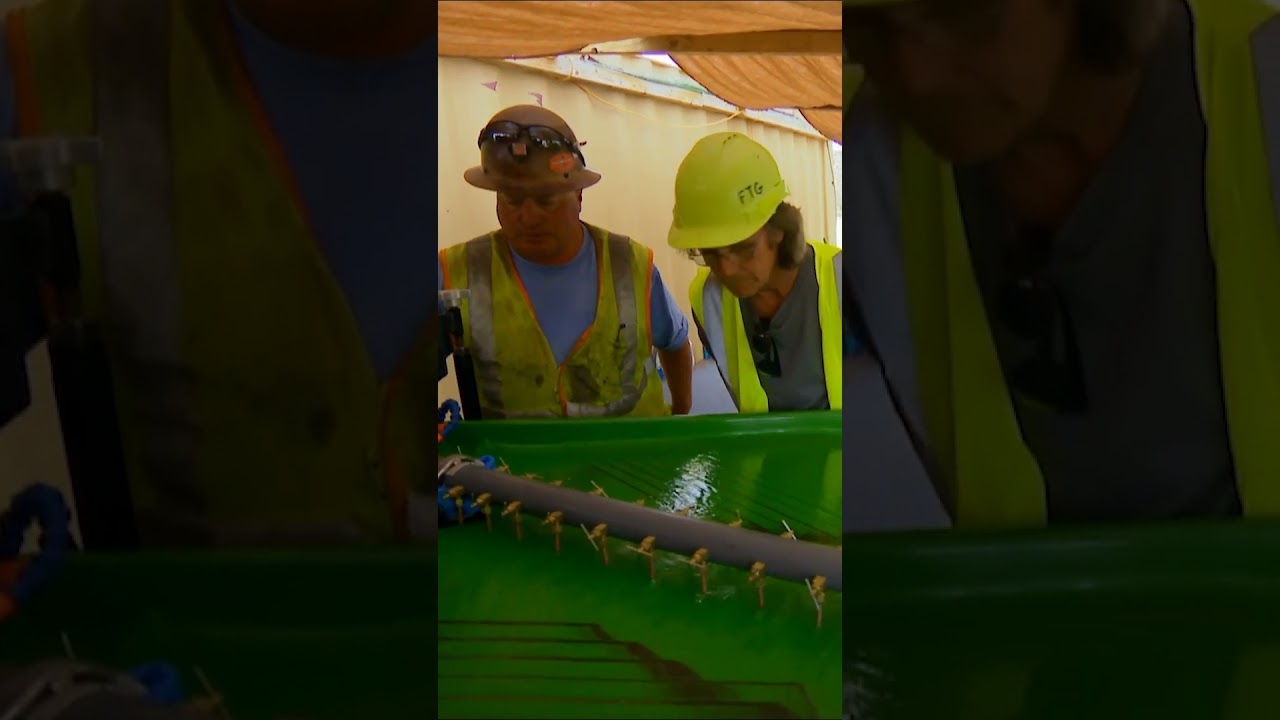
Freddy and Juan teach miners how to maximize gold recovery using a finishing table.
Fukushima begins removing spent fuel, marking a key step in remediation efforts after the disaster.
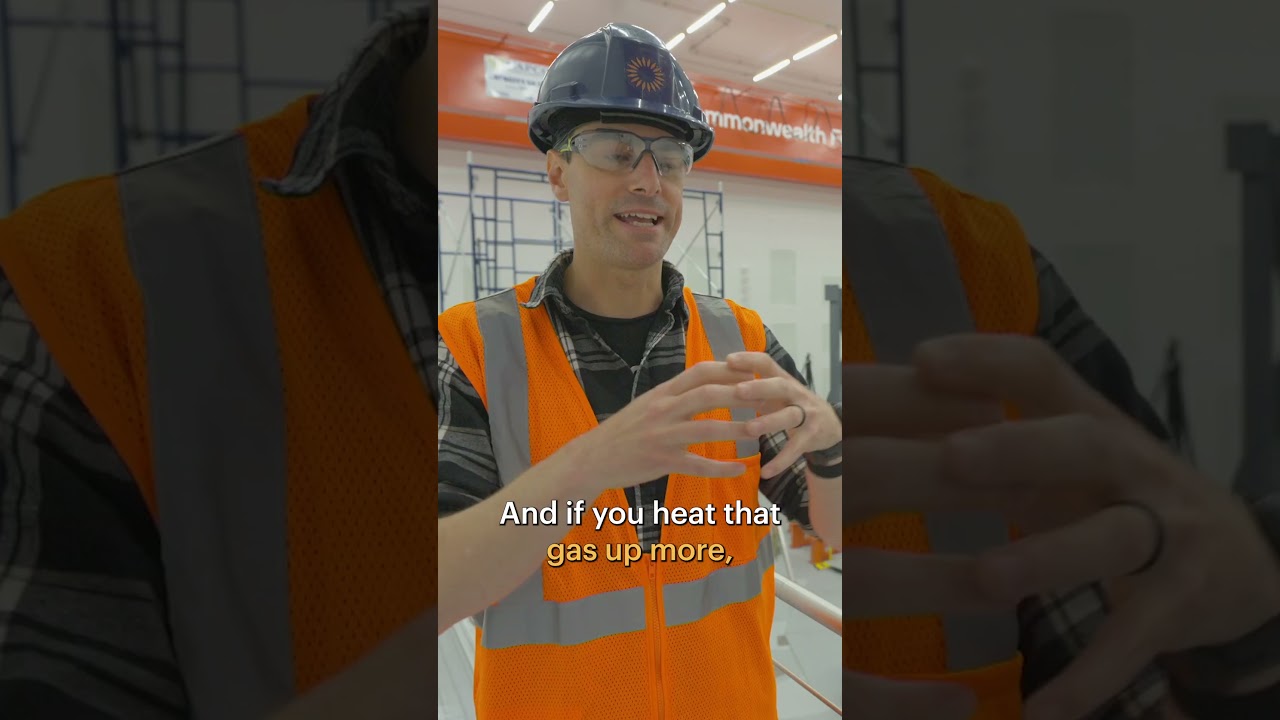
Scientists at Commonwealth Fusion Systems work on Spark to revolutionize nuclear energy.
In 1934, physicist Ernest Rutherford achieved fusion for the first time, but the experiment consumed more energy than it produced.
Fermi Gamma Ray Space Telescope detects antimatter beams from thunderstorms on Earth.
The Cape Gannet dives into the ocean, showcasing its unique hunting skills in Nature's Dive Bombers.
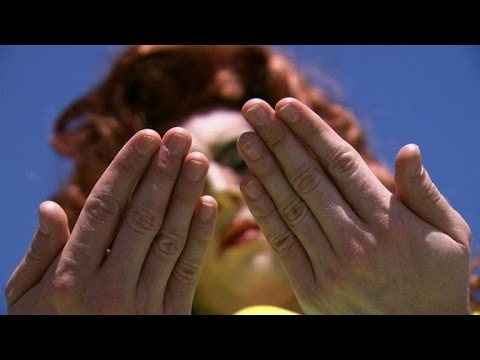
Scientists in Sydney claim finger length ratios predict sexual orientation in men and women.
One genetically modified banana variety, engineered by Professor James Dale, aims to withstand the deadly Tropical Race 4 disease threatening the Cavendish.
Mildred Solomon and Josephine Johnston from The Hastings Center engage in a panel discussion moderated by Jill Rosenbaum on the implications of genetic medicine.
Advances in prenatal genetic screening raise ethical questions about defining "disease" versus "difference" and the potential impact on population diversity.