From over 100,000 films, discover the handful you'll love.
Free or premium access to the world's largest documentary library.
7227 films(Page 20 of 151)
In California and Guadalupe Island, shark scientists conduct research to estimate the population of Great White sharks in a newly identified hot spot.
More than 40 species of small felines, known as Felinae, are found worldwide, yet many remain elusive and rarely seen by researchers.
In Canada's badlands, renowned paleontologist Dr. Philip J. Curry leads teams of experts as they excavate dinosaur fossils and investigate ancient mass extinctions.
Port Jackson sharks migrate to a secluded bay in Australia each year to mate and lay uniquely spiraled eggs, which they sometimes consume for nutrients.
Approximately half a million raccoons now inhabit Germany, originating from fur farms in the early 20th century, with studies by biologists Frank Uwe Michler and Berit Köhnemann examining their impact on native species.
Freedivers in Florida's celestial springs explore the limits of human endurance, seeking peace and transcendence through the perilous art of breath-holding.
Cheetahs, hyenas, and hawks showcase their incredible speed and evolutionary adaptations in the Serengeti, where survival hinges on rapid movement.
Thomas Behrend captures the life of western lowland gorillas in Dzanga-Sangha National Park.
Explosive power has increased more than 100 million times in the last 300 years, from gunpowder to the nuclear bomb.
Animals fight for many reasons, each have their own rules and weapons in combat.
In the quest for resources, spacefaring nations are developing technologies for mining the Moon and asteroids to support future exploration efforts.
In Senegal, astronomer Maram Kaire leads a team to gather critical data for NASA's Lucy mission, while exploring the region's rich astronomical heritage.
In the animal kingdom, species like the inland taipan, blue-ringed octopus, and box jellyfish utilize potent toxins as lethal survival mechanisms.
12 billion years ago, a seething mass of energy smaller than an atom grew from nothing, marking the birth of the universe in a violent fireball.
The Bermuda Triangle, notorious for the unexplained disappearances of ships and aircraft, continues to fuel myths and legends about its mysterious waters.
Deadliest weapons throughout history are tested by experts, showcasing their evolution from the medieval era to the 21st century.
The Khmer Empire, known for its advanced rice cultivation and hydraulic cities, faced decline as the very systems that supported its growth led to the abandonment of Angkor Wat.
Eight astronauts with over 1,000 days in space share their experiences and insights about Earth's violent and beautiful nature.
Apollo 11's historic moon landing in 1969 marked the culmination of America's rapid ascent in space technology amid Cold War tensions and significant investment.
Dr. Franklin, the wisest Founding Father, invents the lightning rod and Pennsylvania Stove.
Cheetahs, typically seen as solitary hunters, are now observed forming packs of non-related individuals in East Africa, challenging traditional perceptions of their behavior.
Humanity faces unprecedented risks from technological advancements, with new research indicating a 1 in 6 chance of extinction by century's end.
In the waters surrounding Niue, Dr. Bryan Fry studies the highly venomous Niue Sea Krait, exploring its unique adaptations and the island's cultural legends.
Naked mole rats, small rodents known for their unique appearance and social behavior, are studied by biologist Rosie Koch, who explores their insect-like colony structure.
Thwaites Glacier, known as the "Doomsday Glacier," is melting rapidly, as reported by Miles O'Brien and a team of scientists from New York University and the British Antarctic Survey.
77 officers and a canine unit search for six-year-old Alice Keating after she goes missing in Montreal on a Sunday morning in October 1990.
In this MEGA episode, Will Smith and astronauts Mae Jemison, Mike Massimino, and Leland Melvin explore the genesis of life, terraforming, and human intelligence on Earth.
The Apollo 11 moon landing remains a contentious topic, with 10-15% of Americans questioning its authenticity, prompting an exploration of popular conspiracy theories.
A catastrophic asteroid strike 65 million years ago led to the extinction of dinosaurs, reshaping Earth's biodiversity and paving the way for human evolution.
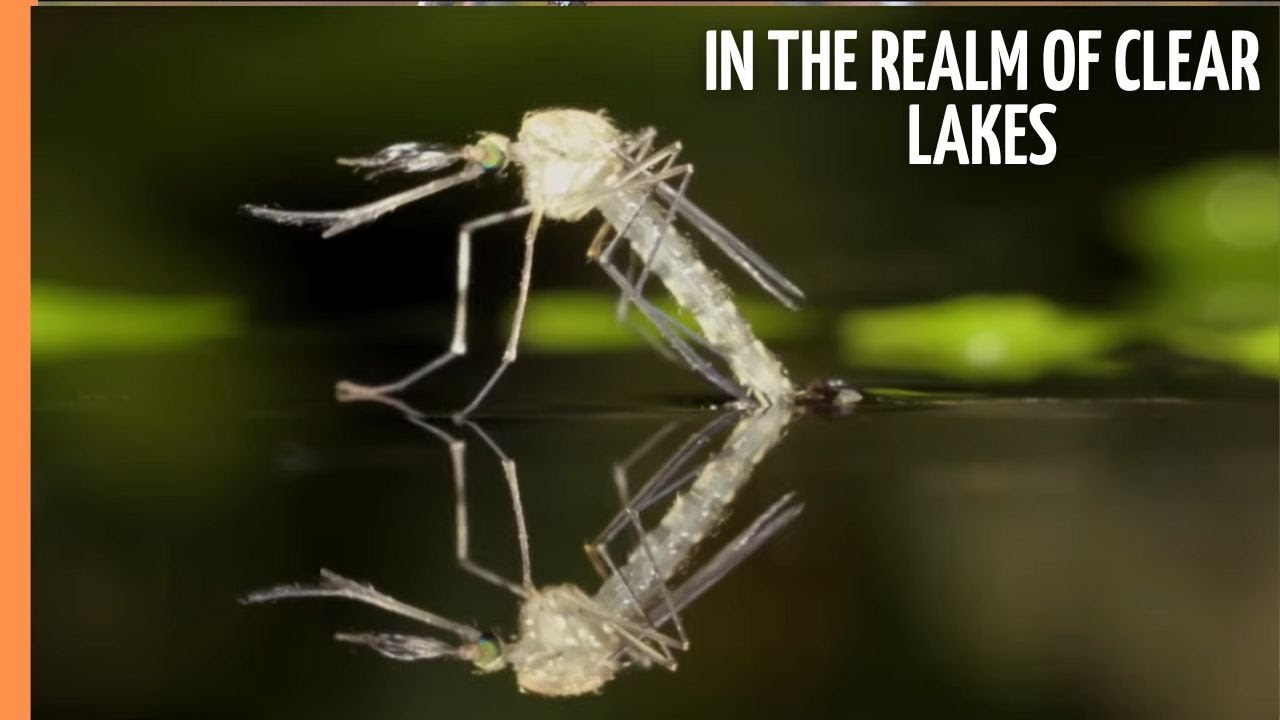
Light penetrates to a depth of 16 meters in Lake Stechlin, allowing plants to thrive and creating ideal conditions for underwater meadows.
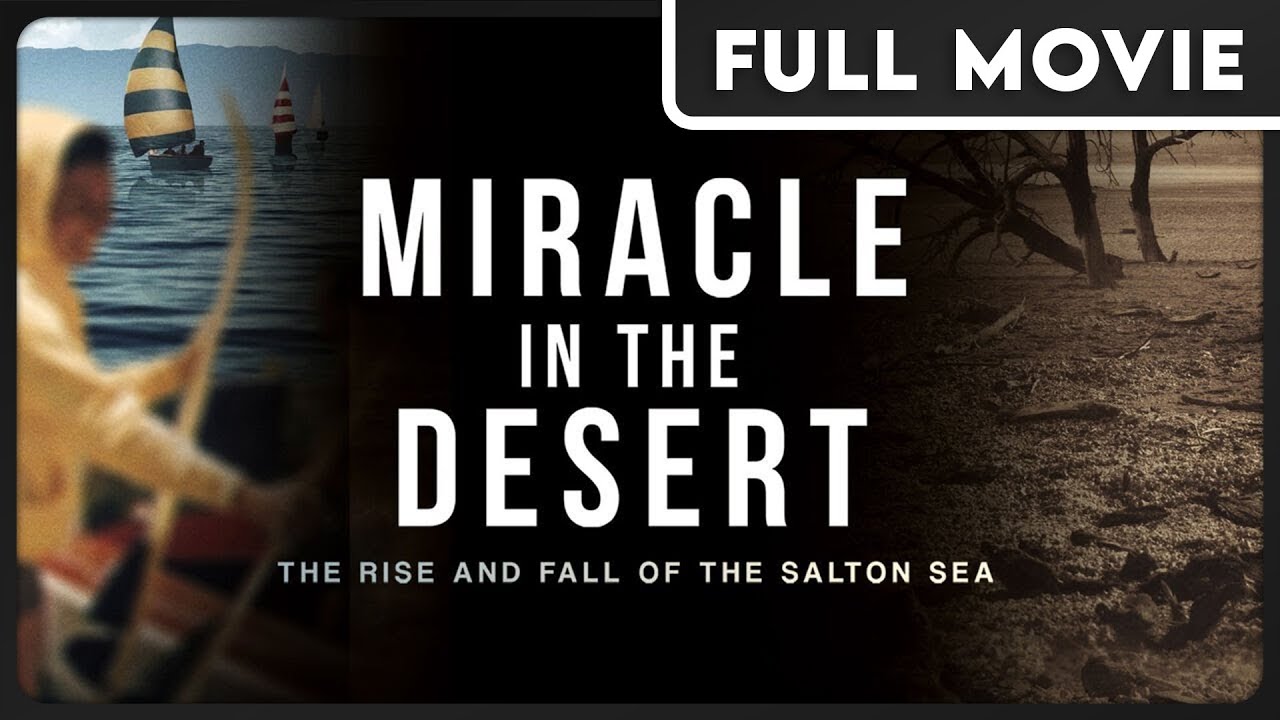
The Salton Sea faces an environmental crisis that threatens the health of millions in Southern California, risking $70 billion in damages if unaddressed.
Scientists debate the existence of telepathy and investigate its unsubstantiated claims.
A 14-foot-long fish once swam in what is now Kansas, revealing a time when much of the Midwest was underwater.
The excavation of the 'Triunfante' took place from 2008 to 2010, aiming to study its unique construction methods and recover artifacts for future display.
In the mid-80s, zoologists underestimated the adaptability of the European otter, which has since reclaimed its habitat in Austria and other parts of Europe.
The Maya civilization, flourishing from 250-900 CE, showcased remarkable advancements and complex societies before mysteriously declining and abandoning their cities.
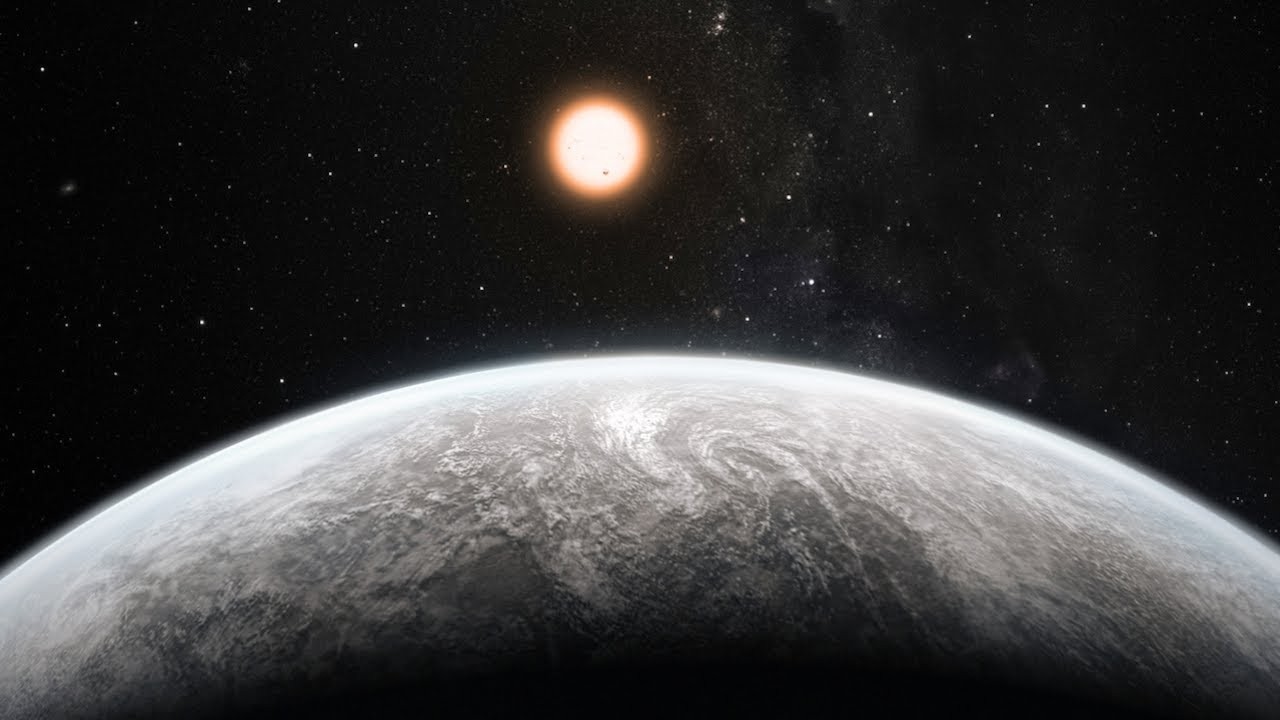
For four years, the Kepler mission observed 150,000 stars located three thousand light years away from Earth in the search for Earth-like planets.
Earth's 23-degree axial tilt significantly influences global weather patterns and seasonal changes, shaping climates and ecosystems over 4.5 billion years.
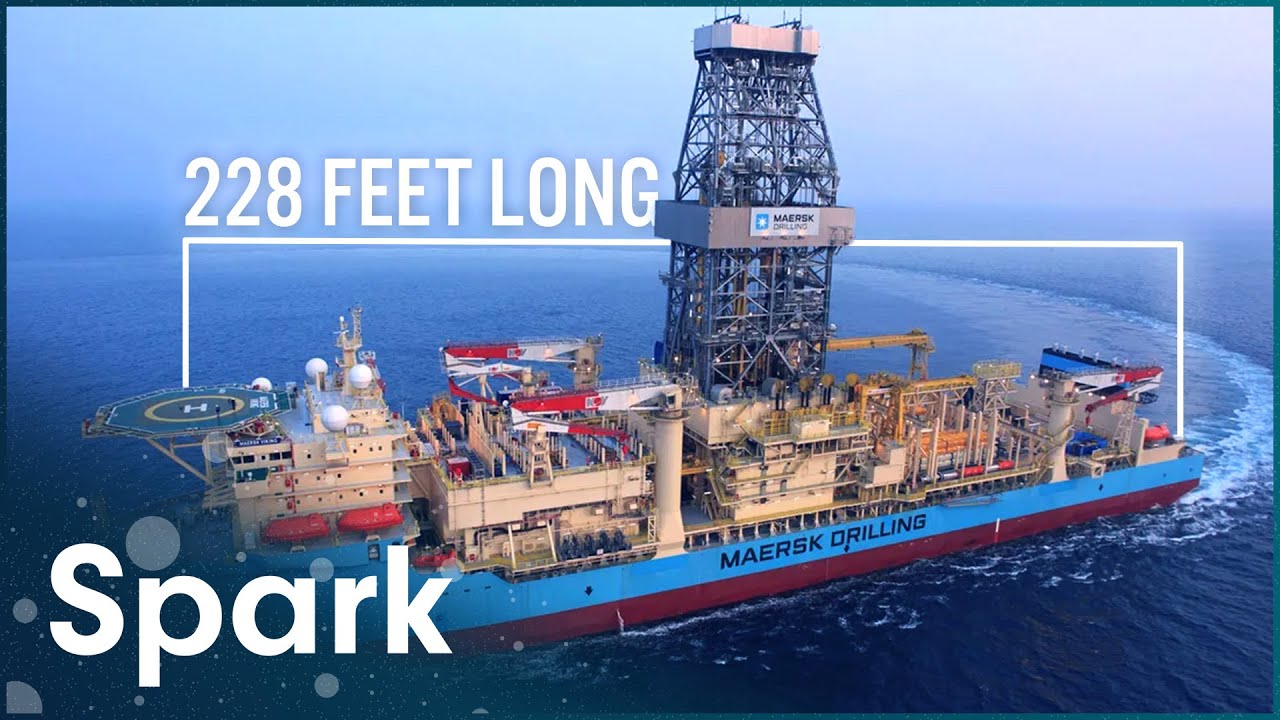
Maersk Viking, one of the world's most advanced drill ships, constructs an oil well over 2,000 metres beneath the Gulf of Mexico's surface.
Hugh Burnett interviews dedicated ghost hunters and enthusiasts across the UK, exploring their beliefs and experiences with the supernatural.
Eagles, known for their acute eyesight and powerful hunting skills, are followed from hatching to independence in this stunning 4K wildlife documentary.
Thousands of artworks are stored in secure facilities, hidden from view, yet require preservation to maintain their cultural significance.
Big cats, bears, and reptiles transition from innocent young animals to skilled predators, learning essential survival techniques in their natural habitats.
A model project launched in Vancouver in 2010 aims to understand the behavior and population of rats in urban environments, challenging long-held beliefs about them.
Ruth Wilson, a Surrey schoolgirl, vanished in 1999, prompting an ex-counter-terrorist officer to investigate the cold case two decades later.
Patrick Moore challenges conventional astronomical beliefs by engaging with independent thinkers who propose unconventional theories about the universe and our place in it.
Shark attack survivors and scientists in Hawaii and California discuss strategies to minimize shark attacks while showcasing the creatures' behavior from a surfboard perspective.
Two London couples endure ten days of isolation in contrasting underground shelters, facing extreme cold and primitive conditions during a severe winter.