From over 100,000 films, discover the handful you'll love.
Free or premium access to the world's largest documentary library.
7231 films(Page 112 of 151)
Sandi Morris aims to clear heights exceeding five meters while using a 14-foot pole in her pursuit of Olympic gold at the Paris Games.
A robot equipped with sensors and cameras is designed to locate and monitor healthy coral reefs, providing crucial data for reef health assessment.
A scientist suddenly dies, prompting questions about hidden information after his death.
Great whites use lateral lines to sense vibrations from seals hundreds of feet away.
Long necks provided sauropods a significant advantage in accessing food, contributing to their status as the largest terrestrial animals in history.
In Hudson Bay, Canada, polar bears adapt to summer's ice-free conditions by altering their behavior and survival strategies while waiting for the return of sea ice.
This ESOCast video shows astronomers tracking an exoplanet's motion across its host star.
Morgan, a pilot whale, demonstrated the ability to dive to 1,654 feet and deploy a hydrazine recovery device during Project Deep Ops.
Approximately 1,500 active volcanoes, including those in the United States, Russia, Indonesia, and Japan, significantly shape Earth's landscapes and ecosystems.
A team of researchers has engineered an enzyme capable of breaking down plastic waste, offering a potential solution to the global plastic pollution crisis.
Artificial intelligence successfully learns the principles of the Nobel Prize-winning Bose-Einstein condensate experiment in just one hour, highlighting its potential in scientific research.
Eight men traveled 325 miles through the Ungava Peninsula in 1949, collecting samples and documenting the region's plant and animal life.
In Kentucky, a group of individuals exhibiting a rare blue skin condition is examined alongside bizarre events, including a falling poodle incident and a prison with unusual occurrences.
In 2005, ultramarathon runner Dean Karnazes covered 350 miles across Northern California without stopping to sleep or eat, illustrating human endurance capabilities.
Jer Thorp, a data artist and Emerging Explorer, creates interactive visualizations of his close encounters with wildlife in the Okavango Delta.
The Gautrain rail project enhances South Africa's transport with high-speed connections in Johannesburg.
Ageing is a biological process influenced by DNA that affects cellular replication and appearance, ultimately leading to the inevitability of death.
Andy Casagrande travels to New Zealand to film breaching great white sharks during Shark Week 2023, highlighting the region's unique marine life.
In Quito, historian Segundo Moreno discusses Alexander von Humboldt's influence on science and exploration in Latin America while ascending Chimborazo with a female mountain guide.
A study done in March 2018 reveals octopuses have extraterrestrial DNA linked to aliens.
Alien hybrid theories suggest that extraterrestrials may be experimenting with human DNA through secret programs, raising questions about hybrids living among us.
Watch Season 1, Episode 7 of The UnXplained about Earth's alien moons in the solar system.
Dr. Mareike Dornhege captures an alien-like shark giving birth to 20 pups on camera.
In 1947, the Roswell crash marked a significant event in UFO history, influencing perceptions of extraterrestrial encounters in American culture.
Spy cameras reveal the secret behaviors of various animal species, showcasing their interactions and activities when they believe humans are not observing.
A 1.8-meter-wide metal mirror made by William Parsons in the 19th century became the largest telescope of its time, enabling deeper observations of the universe.
Area 51 reveals secrets of America's most covert military base and its undercover operations.
West Point reveals secrets of the most prestigious military academy in the Army today.
Edison held 1,100 patents during his lifetime, establishing the first research and development laboratory in America and transforming the invention process.
Six grams of a new blue pigment, called yin min blue, marks the first inorganic blue discovered in over 200 years.
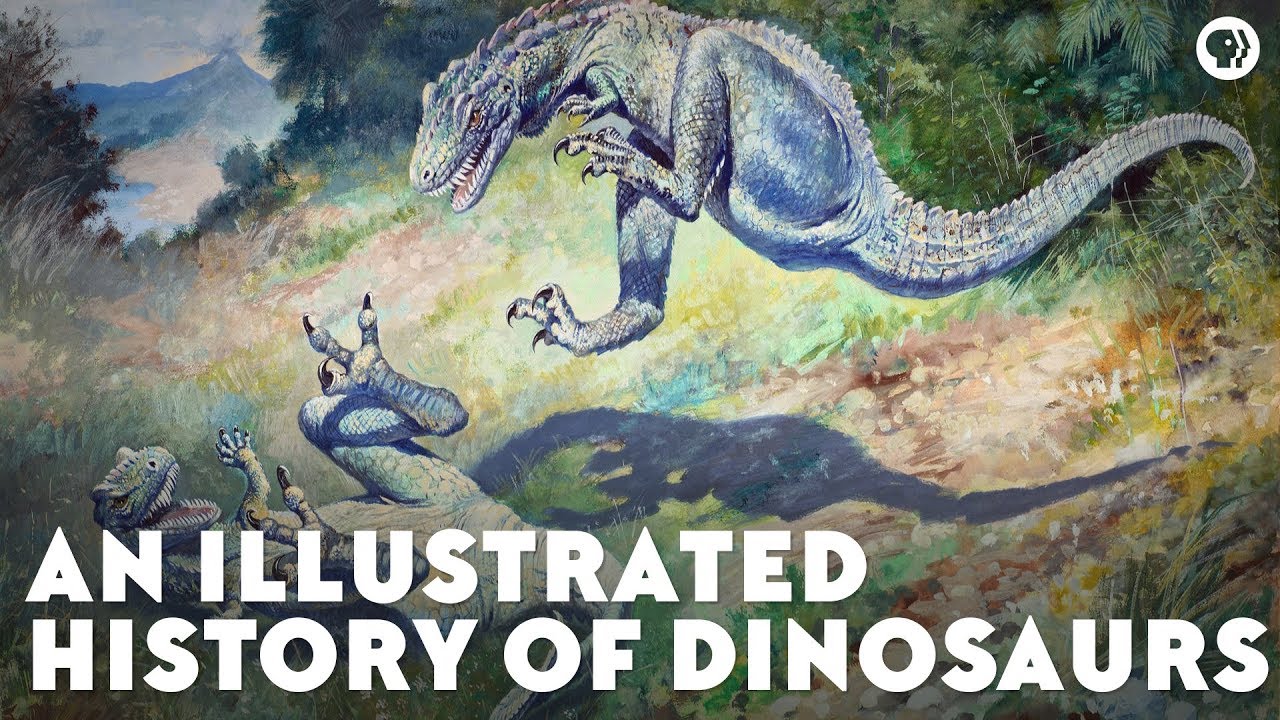
The evolution of dinosaur science over the past 350 years is illustrated through the artwork of notable paleoartists like Greg Paul and Doug Henderson.
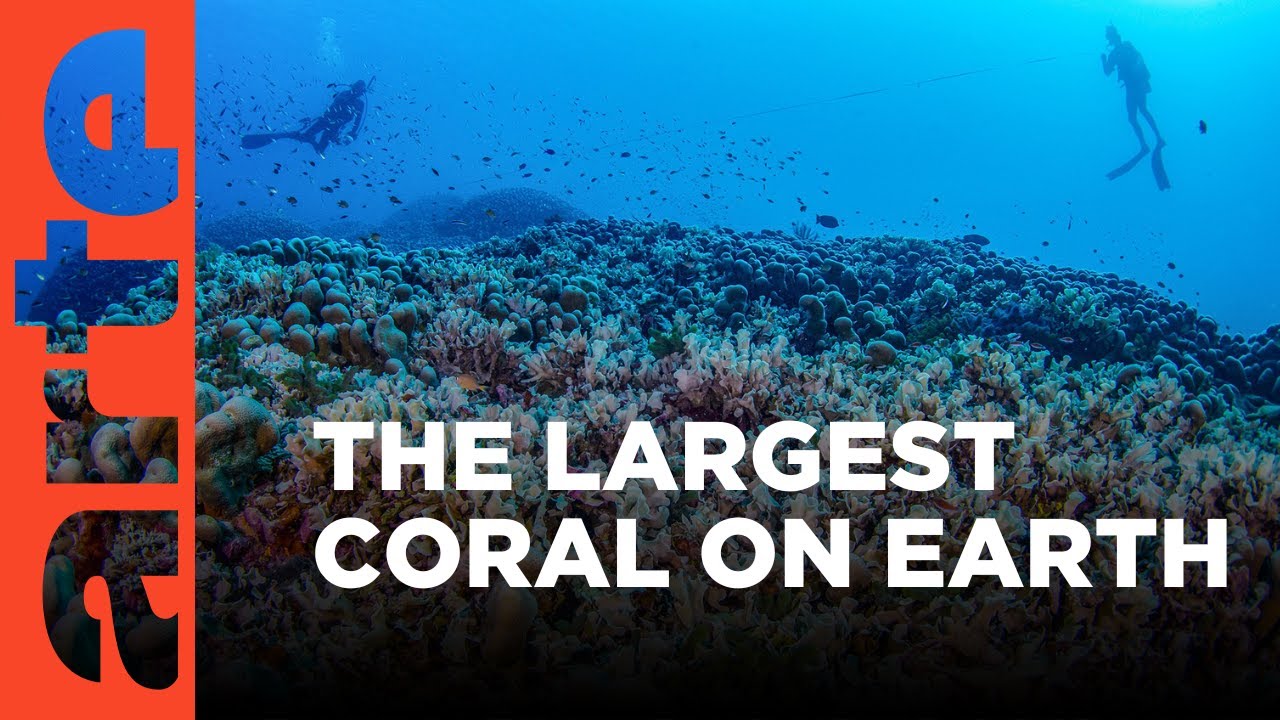
In October 2024, photographer and marine biologist Manu San Félix documents the discovery of the largest coral ever found in the South Pacific.
Ichthyostega, an early vertebrate, marks a pivotal moment in evolution as it develops lungs to breathe air after being chased into stagnant water.
In 326 B.C., Alexander the Great marched his army 11,000 miles, nearly half the circumference of Earth, before facing mutiny from his troops in India.
On March 15, 44 B.C., Julius Caesar is assassinated, leaving Cleopatra vulnerable and forcing her to flee Rome for Egypt.
At age 18, Cleopatra becomes queen of Egypt after the death of her father, Ptolemy XII Auletes, and is named co-regent with her younger brother, Theos.
Spartacus leads the biggest slave rebellion in Roman history, creating opportunities for Julius Caesar.
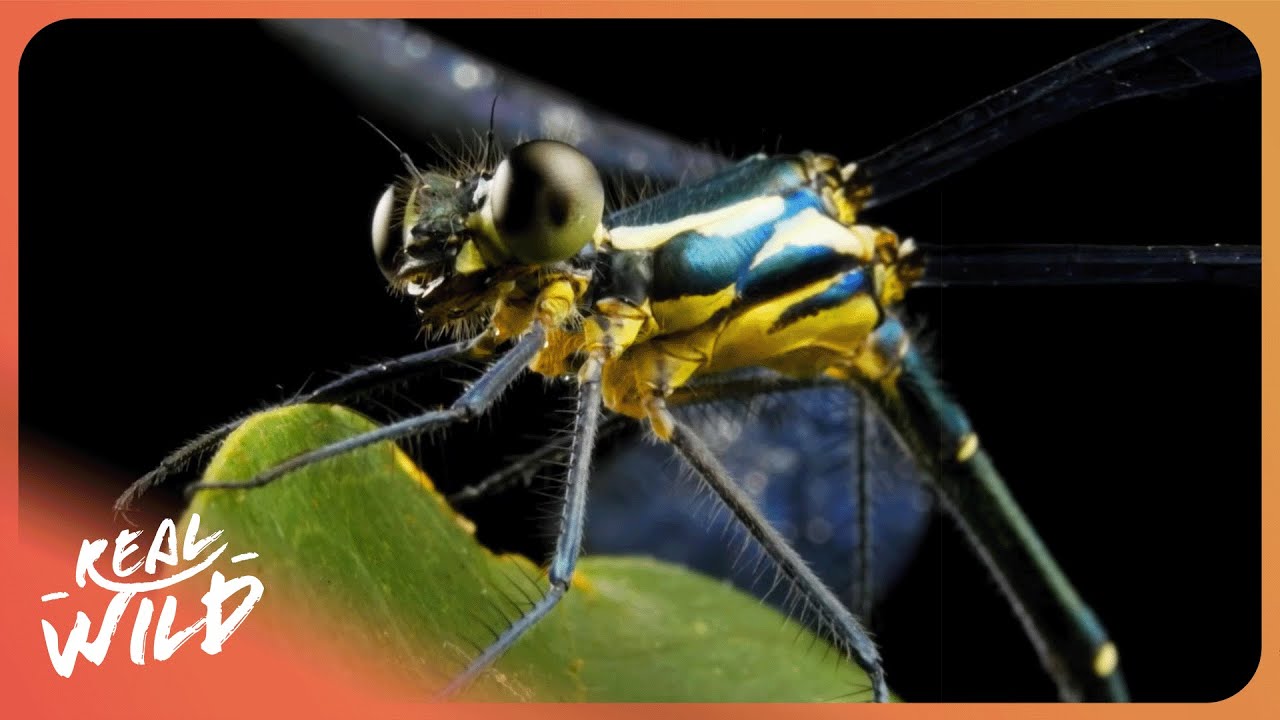
Insects, including butterflies and dragonflies, play crucial roles in ecosystems, showcasing remarkable adaptations like metamorphosis and 360° vision for survival.
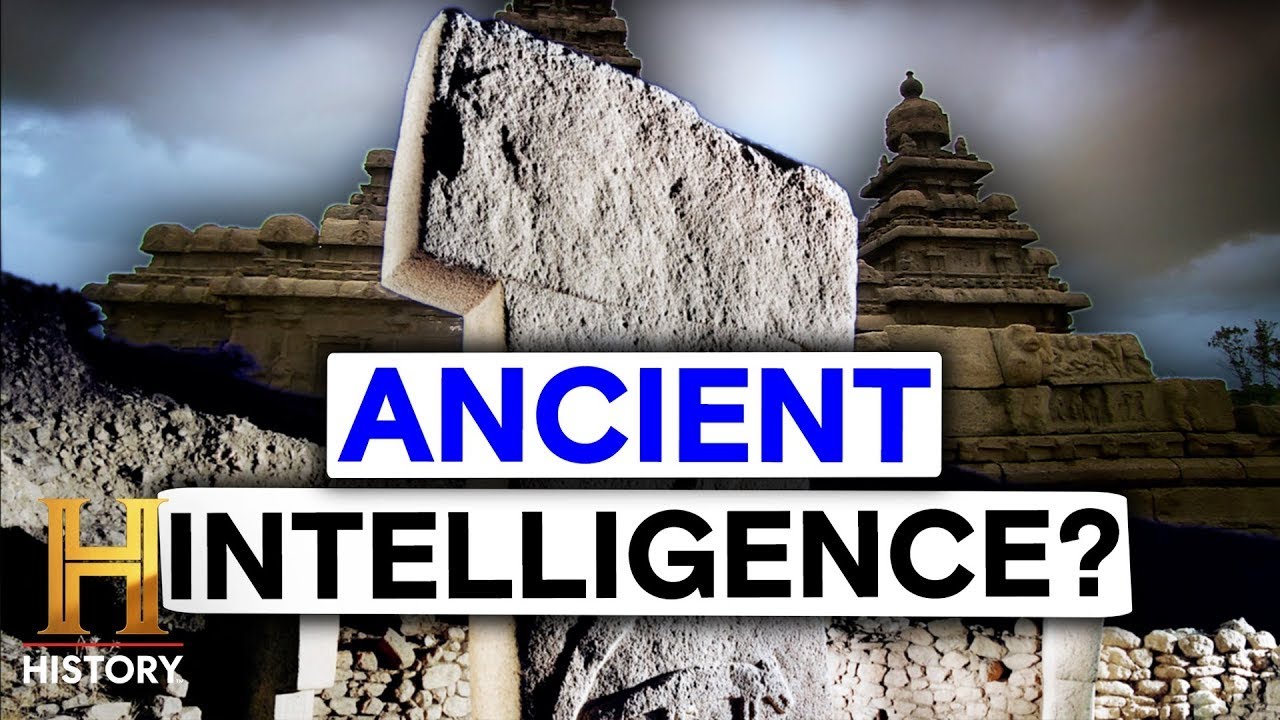
A 19-foot-tall stone pillar, part of the ancient site Gobekli Tepe, is believed to be nearly 12,000 years old, predating known civilizations.
Evidence of a lost kingdom off the coast of Japan's Ryukyu islands suggests the existence of an ancient civilization, prompting a reevaluation of the region's history.
Scientists have found ancient microbes in Yellowstone that may explain alien life.
Andrea Marshall's research on manta rays reveals critical insights into the behavior and ecology of these ocean giants, contributing to marine conservation efforts.
Animal-like fossils found in rocks over a billion years old suggest a prolonged evolutionary process that may have led to the Cambrian Explosion.
Elephants, dogs, and owls demonstrate unique abilities, including long-distance communication, cancer detection, and silent flight, highlighting animal adaptations.
In Canada, recent scientific advancements are being implemented to enhance forest conservation, including transforming Newfoundland bogs and inoculating Ontario elms against pests.
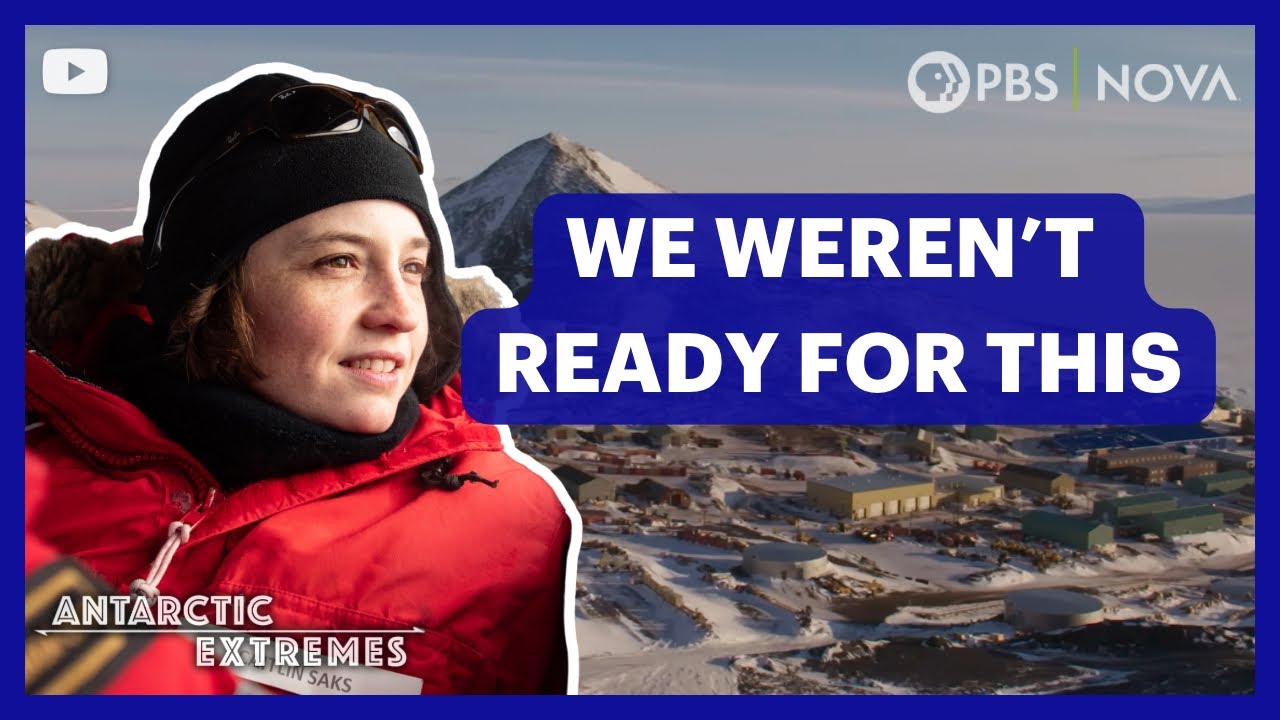
In Antarctica, hosts Caitlin Saks and Arlo Pérez undergo survival training and explore the unique research environment of McMurdo Station while documenting scientific endeavors.
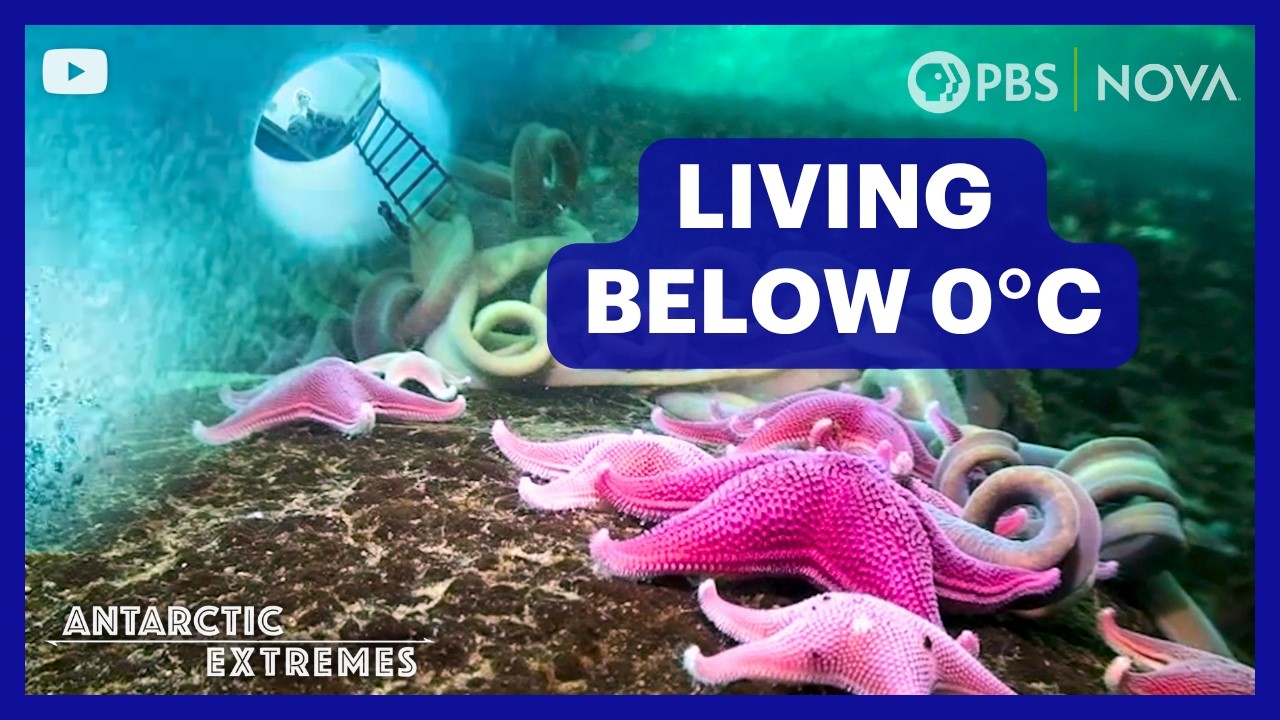
Antarctica's underwater ecosystem features unique species like ancient sponges, gigantic jellyfish, and notothenioid fishes that thrive in sub-zero waters.