From over 100,000 films, discover the handful you'll love.
Free or premium access to the world's largest documentary library.
7231 films(Page 45 of 151)
A man attempts a world record tightrope walk at 3,500 metres without safety gear, while researchers in Northern Australia study the most venomous sea snakes.
A combine harvester can be up to 45 feet wide and weigh 18 tons, fundamentally changing agricultural practices and food production worldwide.
Giant manta rays in the Socorro Islands off Mexico's Pacific coast are studied for their remarkable interactions with divers, showcasing their unique behavior.
The Canary Islands, shaped by volcanic activity, host a diverse array of unique flora and fauna, including legendary marine giants and resilient plant species.
Cephalopods exhibit remarkable intelligence and adaptability in remote ocean environments, showcasing their unique behaviors through stunning underwater cinematography by Bertrand Loyer.
Seekabel, wie das "SeaMeWe 3", sind entscheidend für die globale Internetverbindung und können durch Fehler wie "Shuntfault" zu weitreichenden Ausfällen führen.
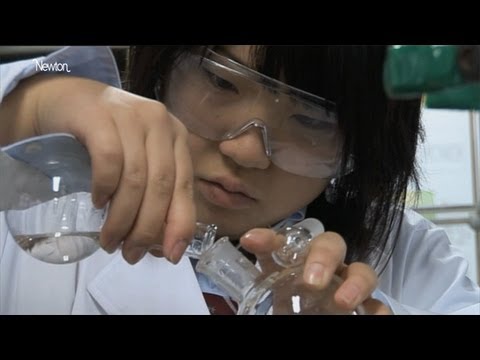
Creative approaches to science education in Japan are revitalizing interest among students, as showcased in Tokyo Tech SSHS and Koenji Junior High School.
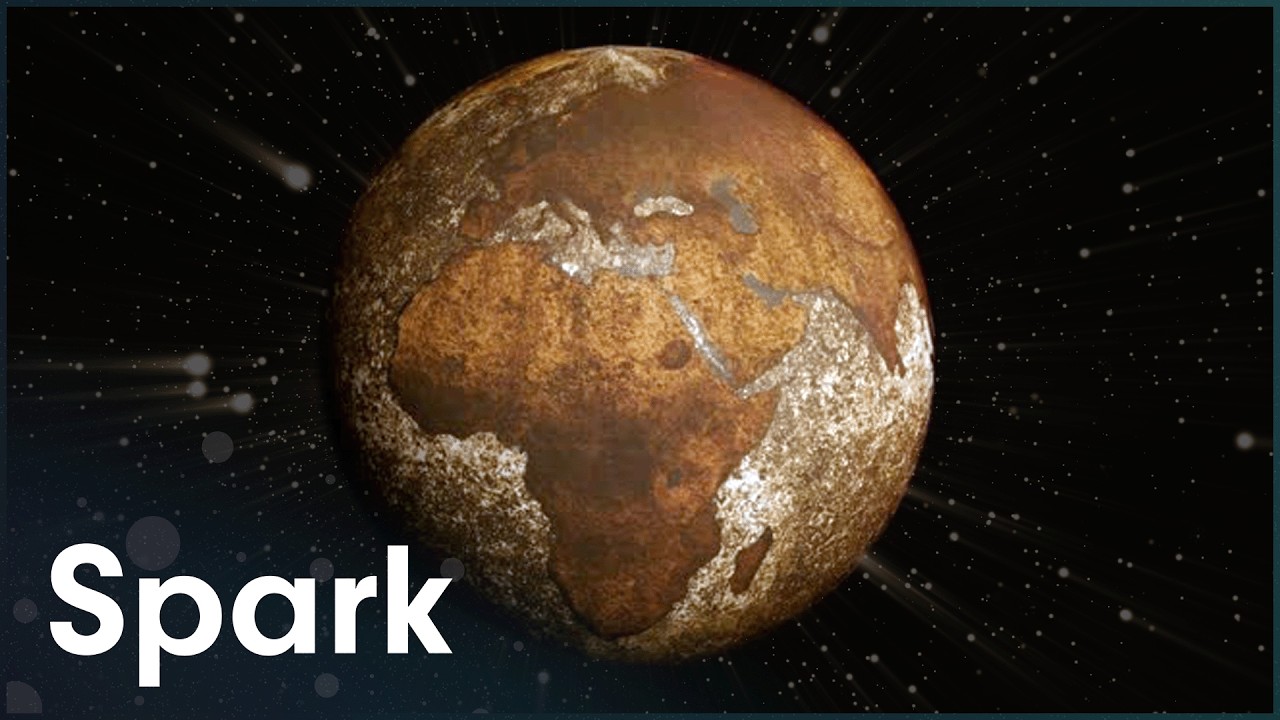
Earth's landscapes would transform dramatically without oceans, revealing hidden natural formations and altering ecosystems and climate patterns.
A team of young scientists from the University of Alberta has only three weeks to excavate dinosaur fossils in Alberta's Dinosaur Provincial Park.
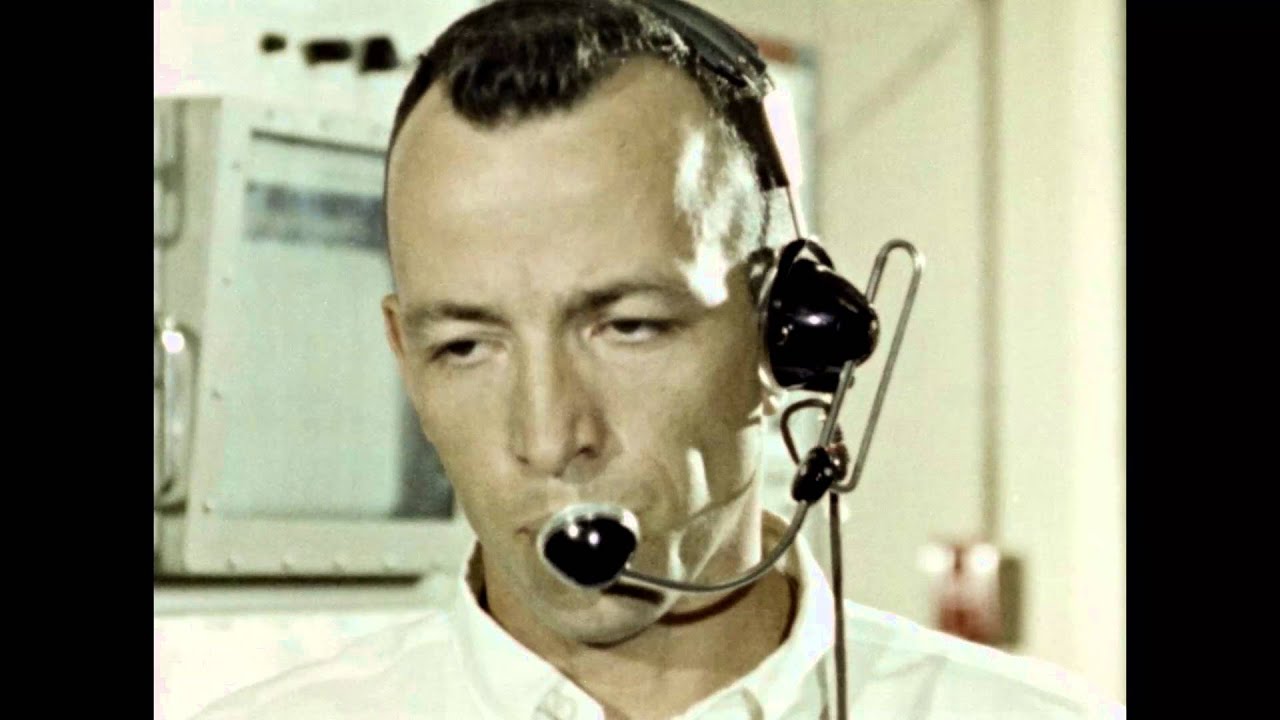
On February 20, 1962, John Glenn completed three orbits of the Earth in a mission that lasted four hours and 56 minutes aboard Friendship 7.
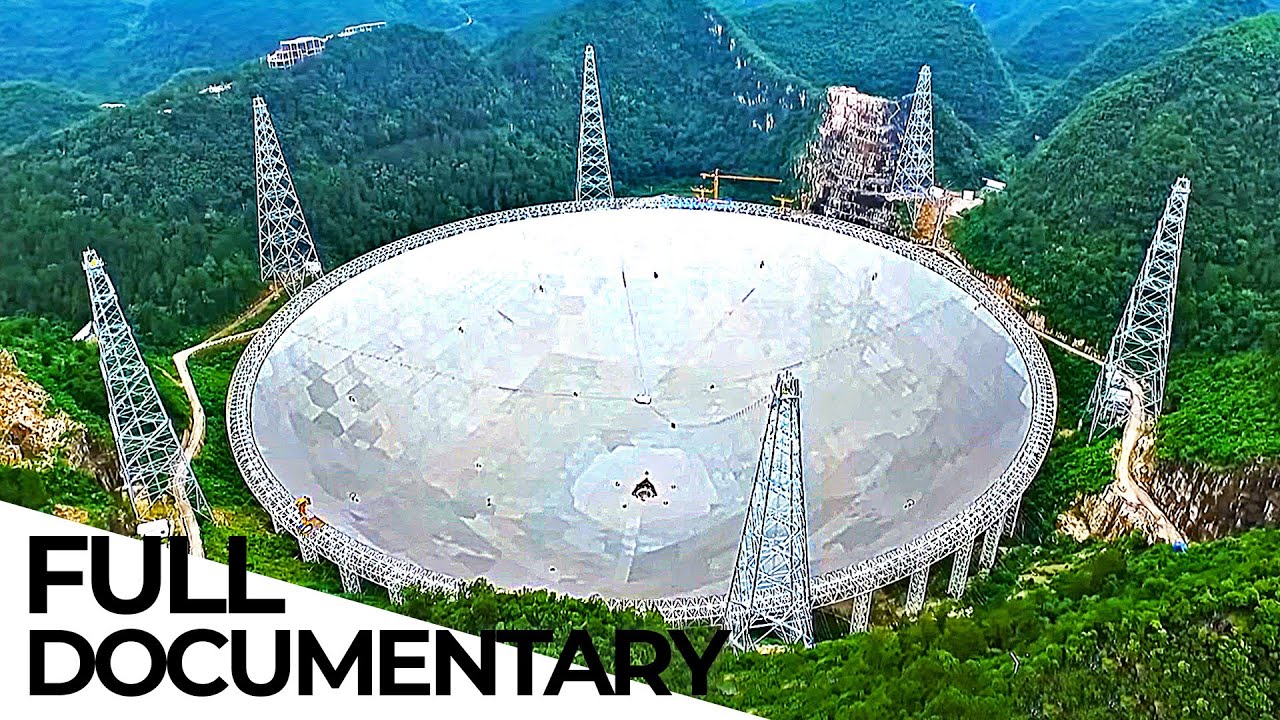
China's surge in scientific innovation is transforming global fields such as medicine, robotics, and deep-sea research, shaping a future for all.
Over $20 million is awarded to scientists for achievements in physics, mathematics, and life sciences during a ceremony hosted by Pierce Brosnan.
Geological forces such as volcanic activity, erosion, and tectonic shifts have shaped iconic landscapes like the Grand Canyon, Hawaii's islands, and the Rocky Mountains.
Black holes, including stellar and supermassive types like Sagittarius A*, challenge current understanding of physics, as scientists seek to reconcile quantum mechanics and general relativity.
Keolu Fox is the first Native Hawaiian to earn a Ph.D. in genome science, focusing on how genetic data can empower Indigenous communities in Hawaii.
Barro Colorado Island in Panama hosts 72 bat species, prompting scientist Elisabeth Kalko and her team to investigate their coexistence and specialization.
Ebola ravages West Africa as medical teams in Guinea confront overwhelming challenges, battling both the virus and deep-rooted community mistrust.
A juvenile monkey navigates the complexities of forest life and family dynamics, while a red-legged crake secretly raises a chick and tiny stingless bees face formidable challenges.
NASA's Cassini spacecraft launched on October 15, 1997, traveled nearly 900 million miles, and orbited Saturn from 2004 to 2017, gathering vital data.
In lower Bavaria, a teacher and a biologist from Munich study the transformation of caterpillars into butterflies while addressing the alarming decline in butterfly populations.
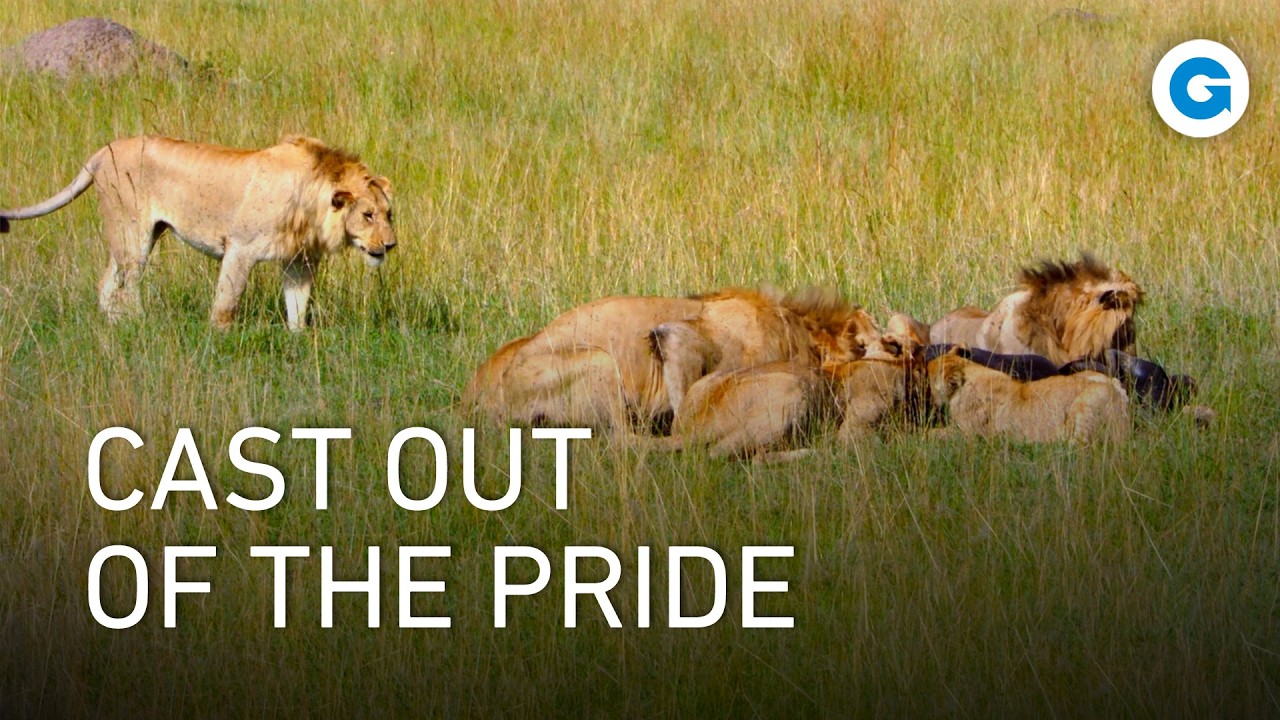
Four lion brothers in Kenya's Masai Mara face starvation as buffalo become their only prey after the wildebeest migration ends.
Animal builders create extraordinary homes, from orangutans weaving treetop beds to beavers constructing dams, showcasing nature's remarkable architectural diversity.
Extreme railways across Alaska, Norway, and Australia face harsh conditions and high-stakes challenges to maintain vital transportation links and services.
The Hercules-Corona Borealis Great Wall is thought to be three times bigger than the Giant Arc, challenging current theories of the universe's formation.
Marsupials, including Koalas, Wombats, and Tasmanian Devils, showcase their unique behaviors and adaptations in this captivating exploration of these fascinating creatures!
Dr. Alice Roberts investigates if humanity is still evolving through ancient bones and genetics.
The real-life Conjuring house, now open for paranormal investigations, hosts a team seeking evidence of lingering malevolent spirits over two weeks.
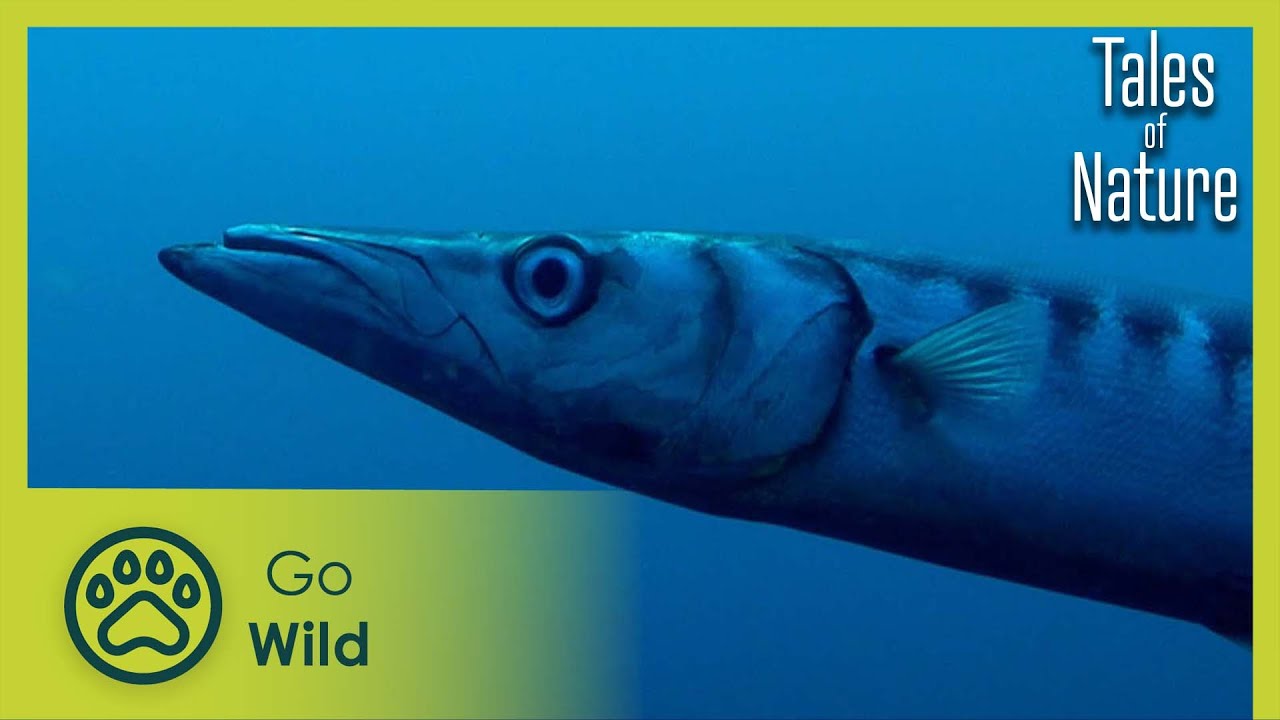
Corsica's Mediterranean coastline features unique marine ecosystems, showcasing a diverse array of sea creatures found nowhere else in the world.
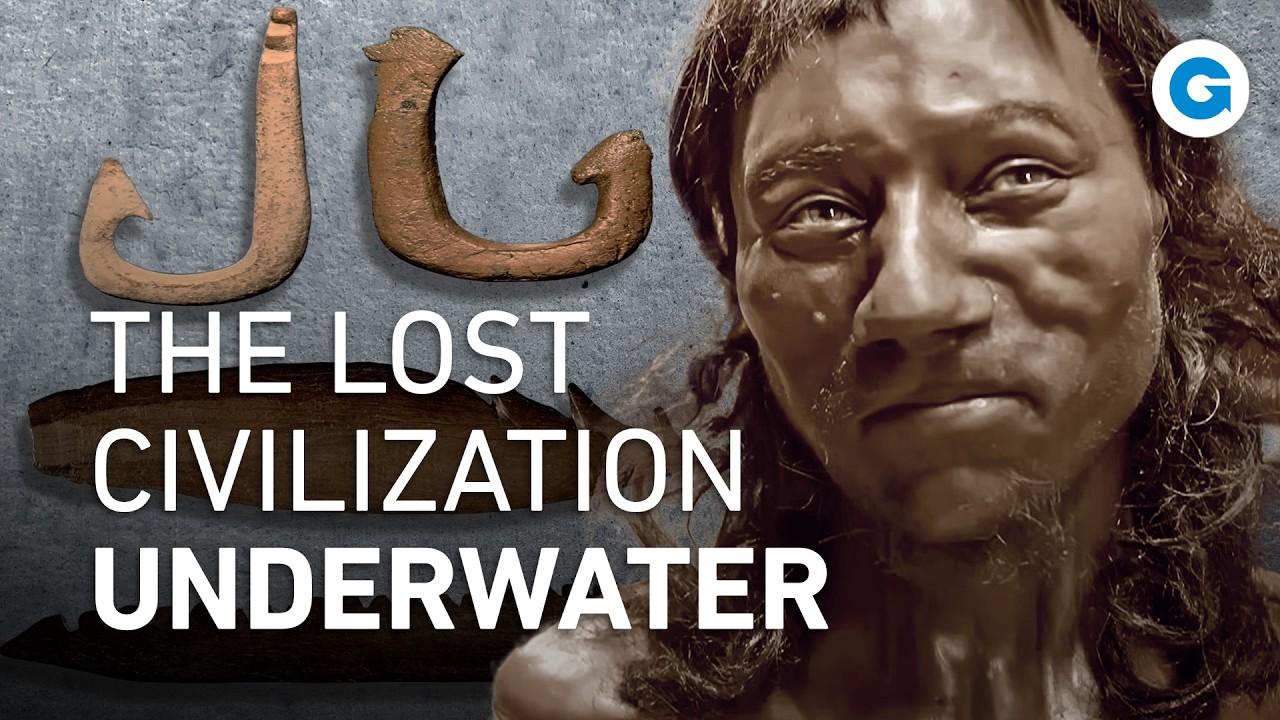
Eight thousand years ago, Doggerland was a thriving landscape connecting Britain and mainland Europe, now submerged beneath the North Sea and revealed through archaeology.
Ranger Jal Tumursukh works to protect Mongolia's wilderness while fostering a sustainable coexistence between local communities and endangered wildlife.
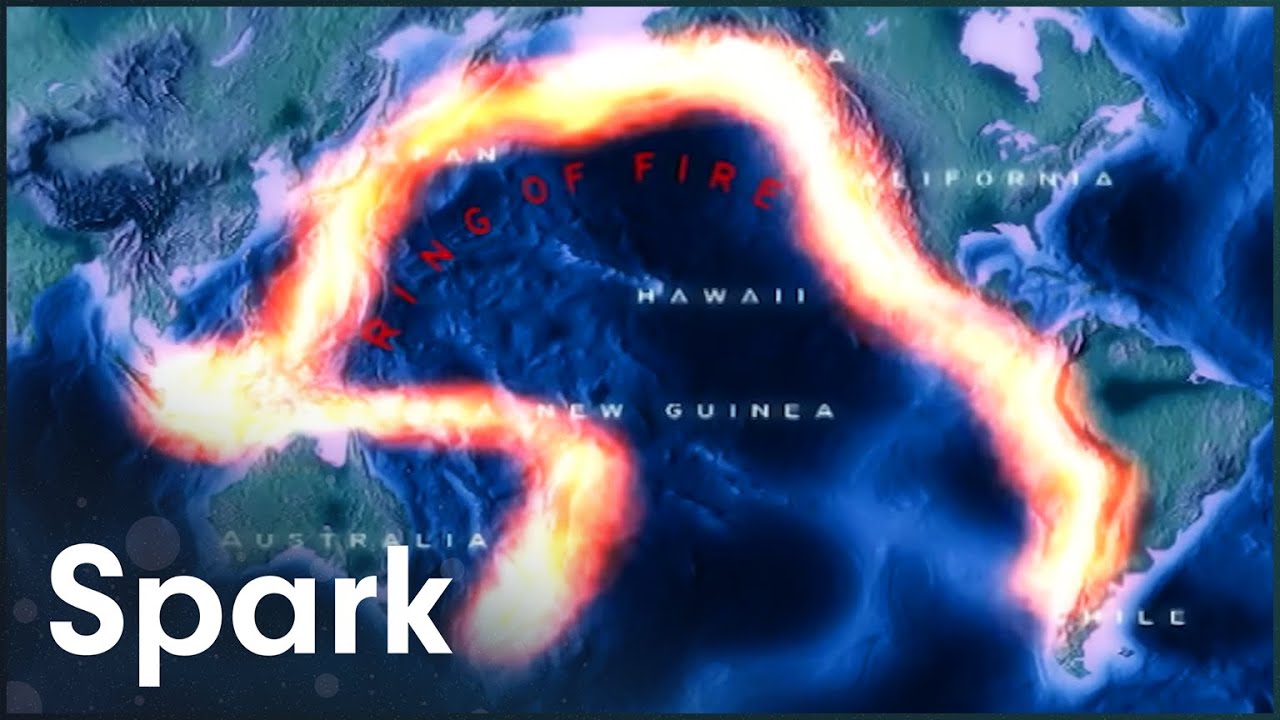
Seismic activity along the Pacific Ring of Fire reveals the mechanics of tectonic plates and the devastating effects of earthquakes, including the 9.5 magnitude quake in Chile.
Skunks, cuttlefish, Tasmanian devils, and hyenas exemplify the diverse animal weaponry and defense mechanisms that have evolved to enhance survival in their environments.
Recent research highlights sugar's addictive properties and its detrimental effects on cognitive function and mental health, linking it to obesity and diabetes.
In the animal kingdom, young predators must navigate a perilous childhood filled with challenges and competition to secure their place at the top of the food chain.
Sea level has been rising at an average rate of 3.2 millimeters per year since the 1990s, with recent acceleration pushing it above 4 millimeters annually.
ValuJet 592 crashed into the Florida Everglades on May 19, killing all 105 passengers and prompting a deeper examination of black box technology in aviation safety.
Human activities have accelerated evolution, leading to rapid changes in species such as cichlid fish in Lake Malawi and urban birds adapting their songs.
Physicists explore the quantum realm, investigating the fundamental nature of existence and the potential of hidden dimensions in this thought-provoking documentary.
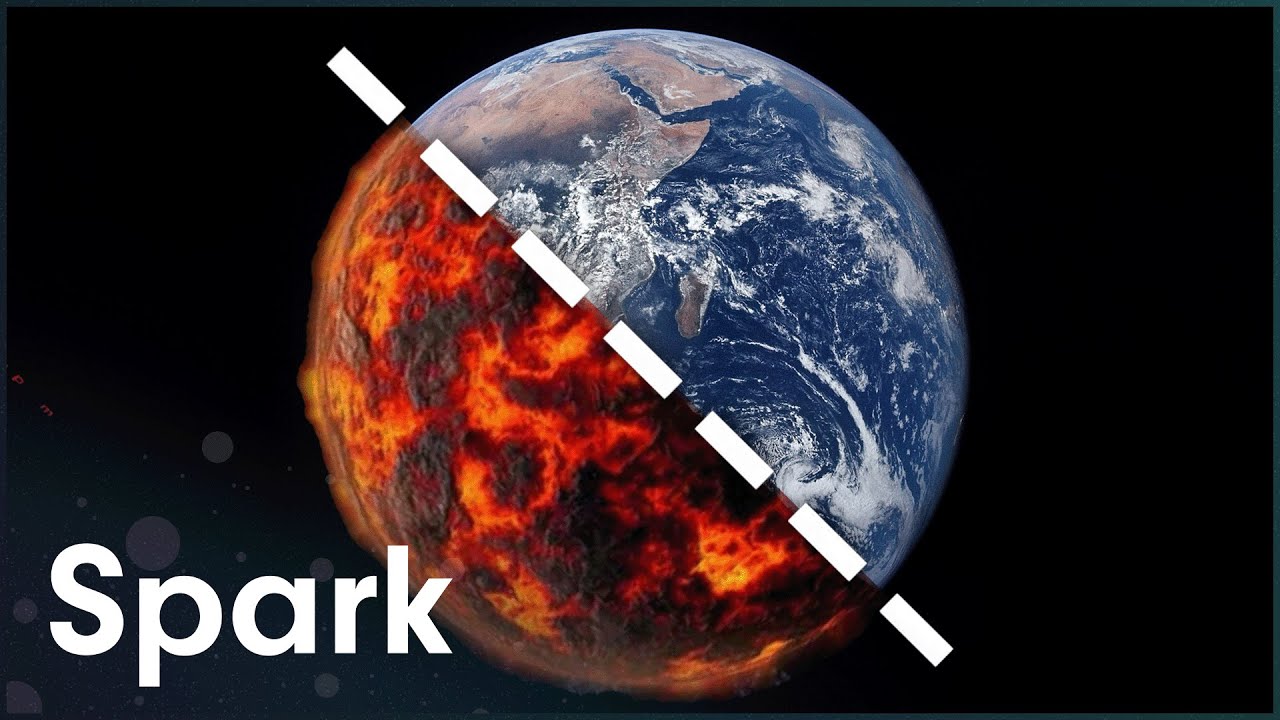
Earth's 4.5 billion-year history reveals a tumultuous evolution shaped by cosmic collisions, a magnetic core, and asteroid impacts, making it uniquely habitable.
Biological warfare poses a significant threat, while advancements in science tackle super-resistant viruses and reveal insights from 100 million-year-old amber.
Animal sensory systems, such as magneto-reception and electroreception, reveal capabilities beyond human perception, including detection of infrared radiation.
Extraordinary individuals showcase remarkable abilities, from running on all fours and using echolocation to extinguishing fires with stomach water and enduring extreme physical challenges.
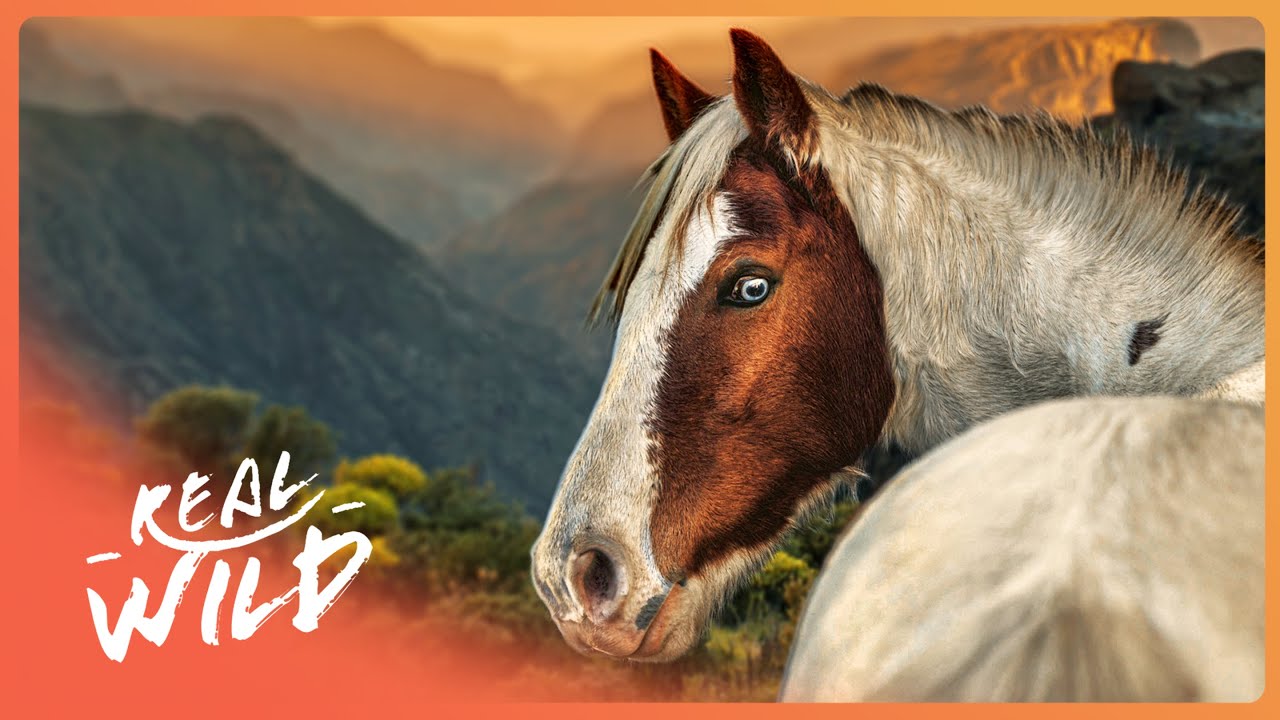
In the Gredos mountains of Spain, scientists study the last wild herd of Pottoka horses, revealing insights into their social dynamics and natural behaviors.
Recurring UFO sightings in locations like Norway and the Pacific Ocean raise questions about the intentions of these phenomena and their impact on eyewitnesses.
High-intensity sonar used by the US Navy has been linked to severe brain and ear damage in marine mammals, leading to mass beaching incidents.
Australia's coastal waters are home to a variety of dangerous marine life, including sharks, sea snakes, jellyfish, and cone snails.
Gamma ray bursts, studied by scientists at the University of Kansas, are believed to have caused a significant mass extinction event on Earth 450 million years ago.
China's wetlands, home to diverse species like finless porpoises and black-necked cranes, face challenges as wildlife adapts to human encroachment.