From over 100,000 films, discover the handful you'll love.
Free or premium access to the world's largest documentary library.
7227 films(Page 131 of 151)
Deinocheirus, a dinosaur known for its unusually long forelimbs and large claws, remains largely a mystery due to the scarcity of fossil evidence.
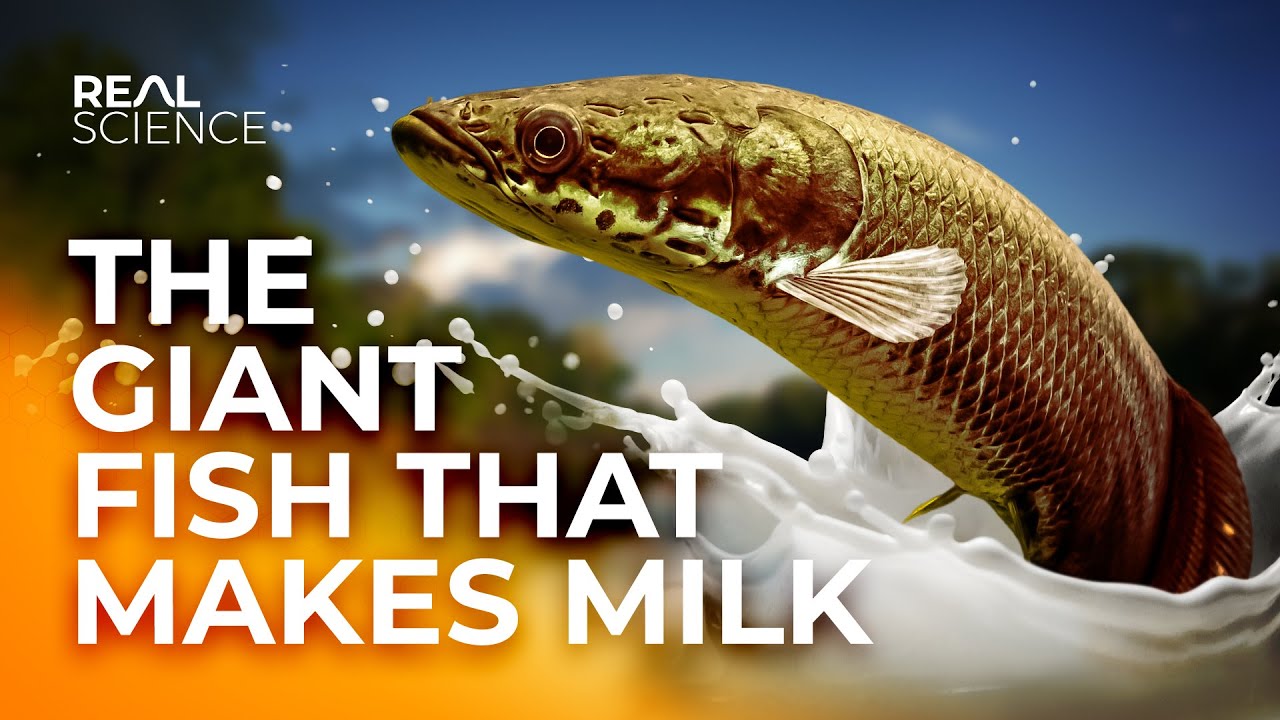
In the Amazon River, the arapaima fish, known for its massive size, produces a unique form of milk that challenges traditional understandings of fish reproduction.
Children around the world have a genetic condition that prevents them from having functional fingers.
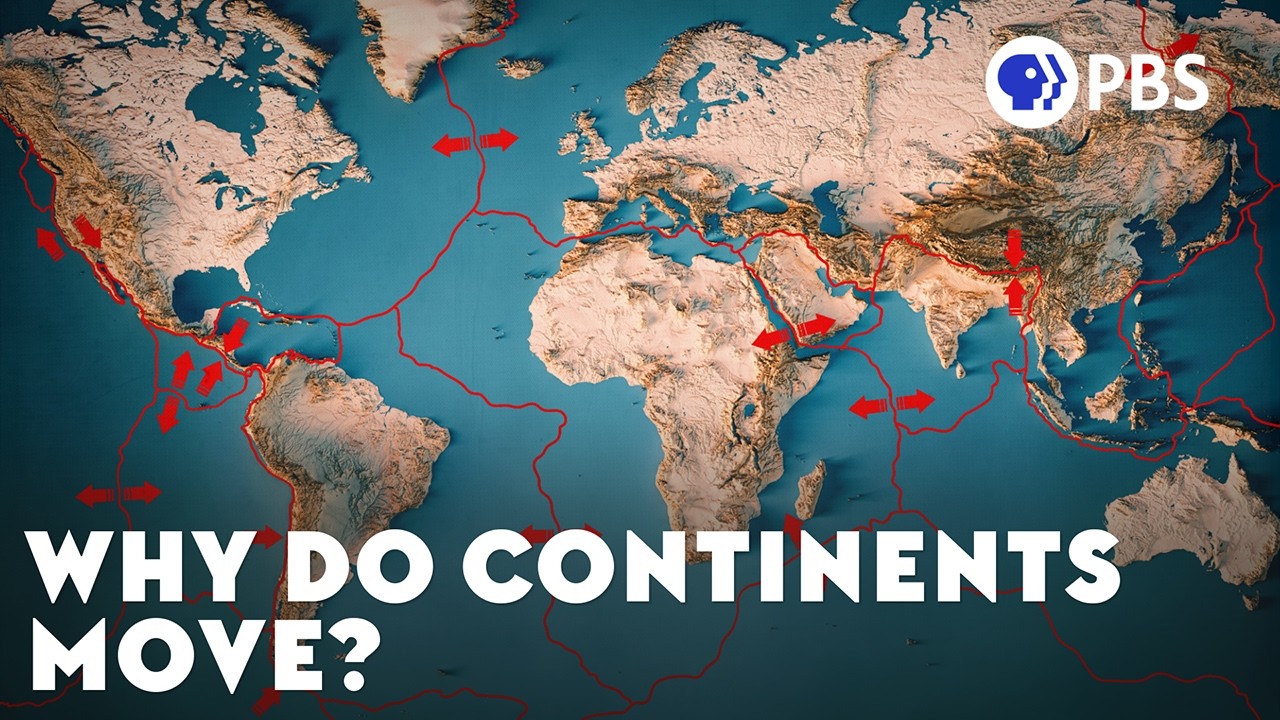
Scientists have made significant progress in understanding plate tectonics, potentially solving a century-old mystery about its mechanisms.
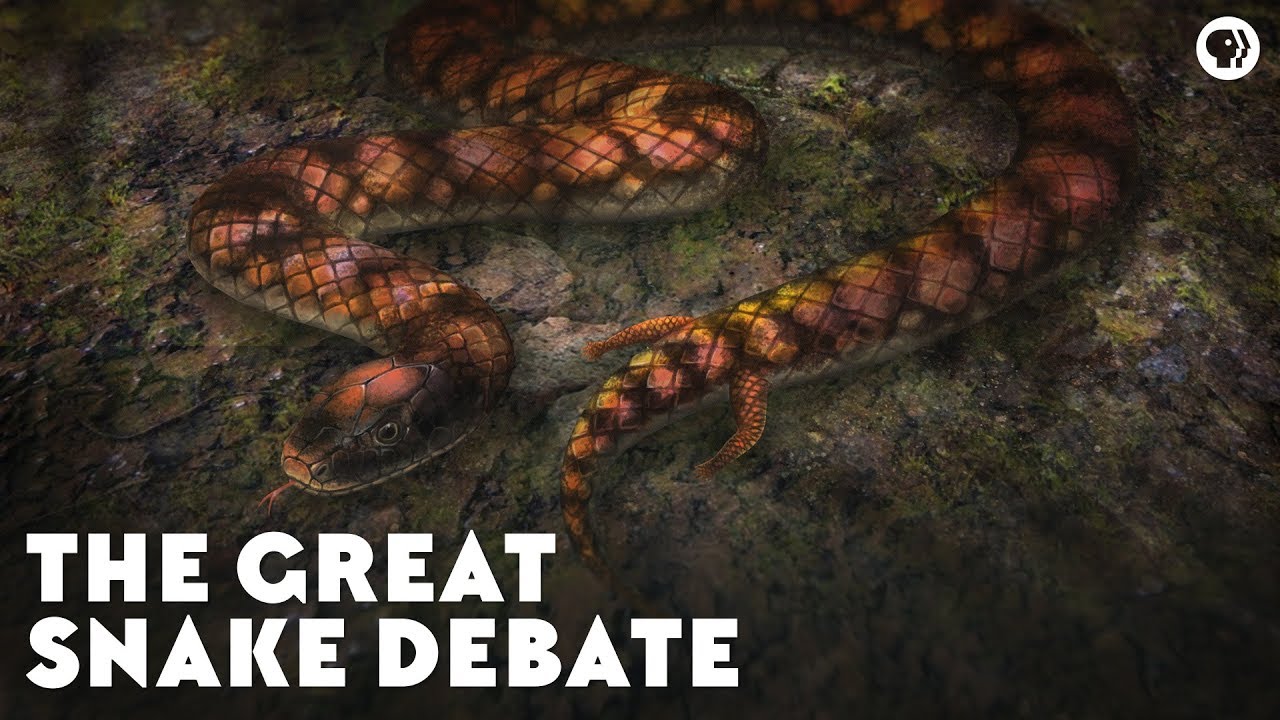
Najash, an ancient snake with legs that lived 90 million years ago, raises questions about the evolutionary origins of snakes and their limb development.
America faces tough choices after Germany's push to take Paris during World War I.
At McMurdo Station in Antarctica, Caitlin and Arlo explore the scientific methods used to manage waste, including human sewage, under the Antarctic Treaty System.
In just 10 days, harp seal pups must gain at least four pounds and learn to swim before their mothers leave them on melting ice.
Cannabis, a plant with a complex history, has been domesticated for thousands of years, raising questions about its origins and psychoactive properties.
Entelodonts, often referred to as "hell pigs," exhibit a unique combination of anatomical features resembling both pigs and larger mammals like rhinos and bison.
Sotol plants require 72 hours of cooking to produce moonshine, a process that Tim and his team adapt using a grill instead of an underground pit.
Oceanic islands, comprising a sixth of Earth's land, host unique ecosystems shaped by volcanic activity and tectonic forces, as seen in locations like Hawaii and the Maldives.
Seamounts, underwater mountains formed by volcanic activity, create vital deep-sea ecosystems, with over half located in the Pacific Ocean near tectonic plate boundaries.
A Great White Shark breaches ten feet into the air, demonstrating its power and agility in a series of thrilling underwater encounters.
Throughout the Pleistocene Epoch, the woolly rhino's range fluctuated in response to climate cycles, highlighting the interconnectedness of species and environmental changes.
Matt Somerville's innovative approach to creating log hives for free-living honey bees challenges the belief that British honey bees rely solely on domestication by beekeepers.
Daniel Guiral works to install a floating lab in the inaccessible Kaw Swamp of French Guyana.
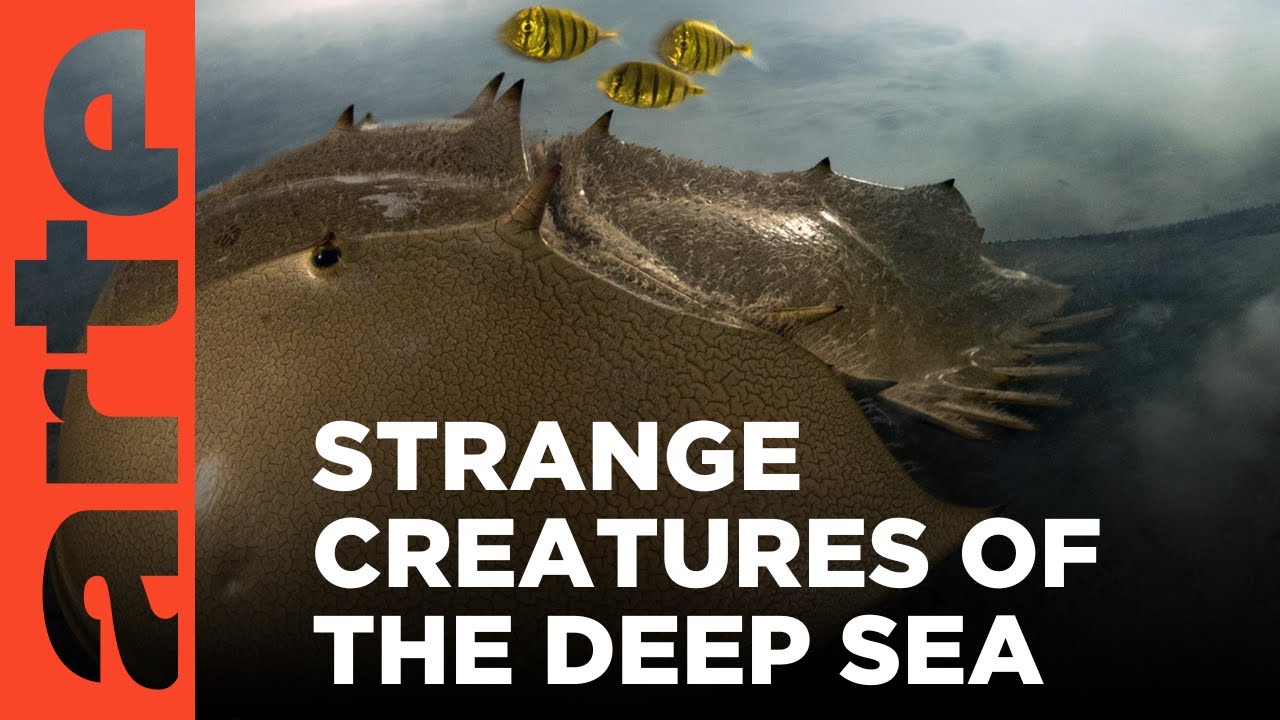
Horseshoe crabs, an ancient species over 450 million years old, are explored in their natural habitat by award-winning photographer Laurent Ballesta.
The Bakirpasa Kosk in Istanbul vanishes annually, linked to the world of djinn.
Graptolites reveal significant changes in ocean conditions during the Silurian period, highlighting periods of toxicity and subsequent ecological recovery.
As fossil evidence expands, the genus Homo increasingly includes diverse hominins, prompting exploration of what it means to be human.
In a medical facility, a woman from Long Island undergoes a fecal transplant to restore gut health after chemotherapy for bone marrow cancer, highlighting the importance of gut bacteria diversity.
Experience the catastrophic effects of Iceland's Eyjafjallajökull eruption on European airspace.
A grapefruit is used to illustrate the difficulties of creating an accurate flat representation of the Earth's round surface.
Planet hunters have detected nearly 5000 planets beyond our solar system, challenging old theories.
By 2050, the global population is projected to reach nearly 10 billion, increasing the demand for clean water amid rising pollution and climate change.
Bony fish, including ray-finned and lobe-finned species like the coelacanth, exhibit remarkable adaptations and diversity in the deep sea ecosystem.
Five million pounds of liquid oxygen fueled the Saturn 5 rocket that launched Apollo 12 on November 14, 1969, despite a lightning storm overhead.
Leading surgical oncologists employ innovative technology and techniques to extend the lives of cancer patients in their ongoing battle against the disease.
Sungrazing comets pass close to the Sun, revealing secrets about our solar system.
The Turritopsis dohrnii jellyfish has the unique ability to revert to its juvenile form, effectively allowing it to bypass death and age.
Ant colonies exhibit complex social structures and behaviors, showcasing their unique communication methods and survival strategies in diverse environments.
Hammerhead sharks exhibit unique biological features and behaviors that contribute to their survival in diverse marine environments.
Humans exhibit complex biological systems that influence behavior, health, and evolution, highlighting the intricate interplay of genetics and environment.
Kangaroos exhibit unique biological traits, including specialized locomotion and reproductive adaptations, that highlight their evolutionary success in Australia.
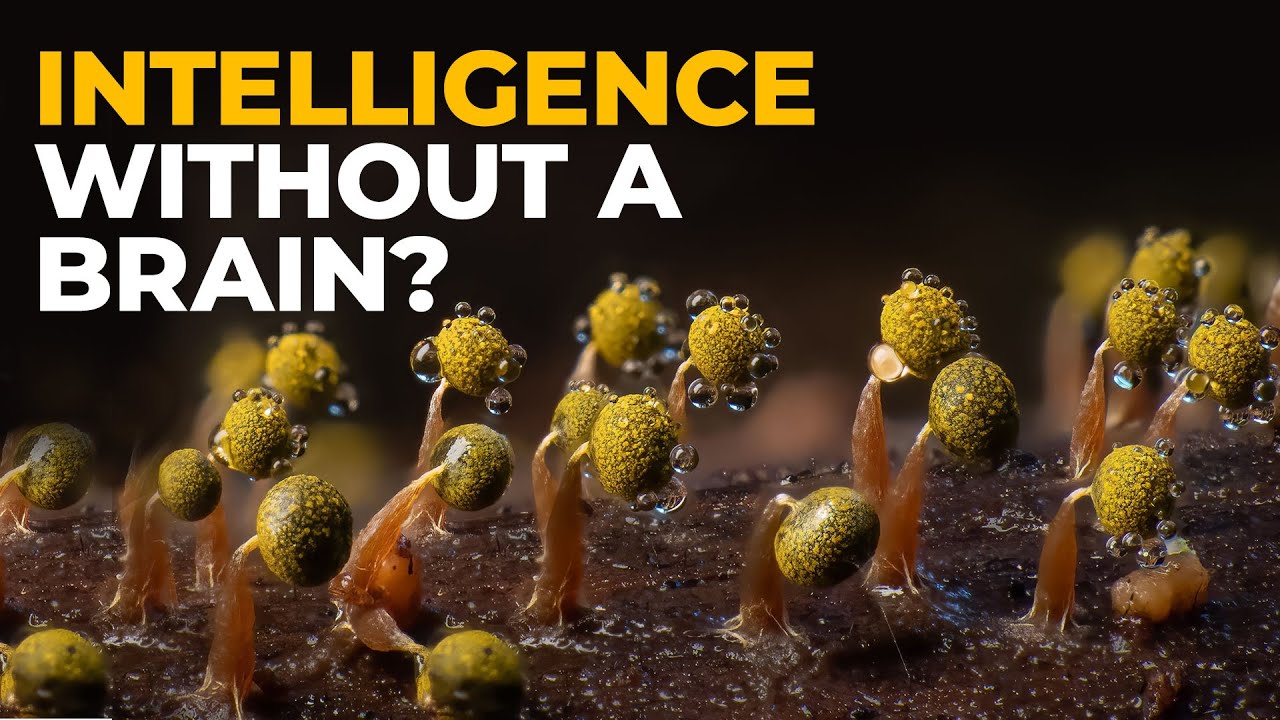
Slime mold, a fascinating organism, exhibits complex behaviors and problem-solving abilities that challenge traditional views of intelligence in biology.
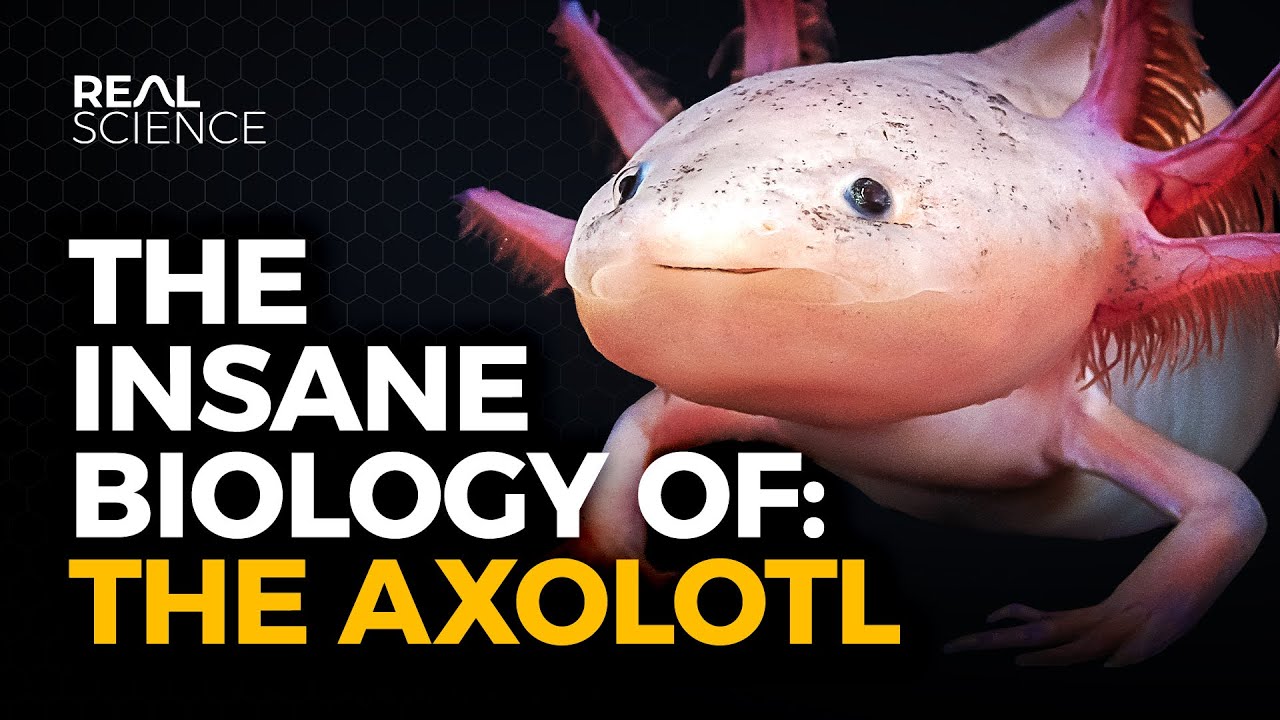
The axolotl, a unique amphibian native to Mexico, exhibits remarkable regenerative abilities and has become a focal point for scientific research in biology.
Dragonflies exhibit remarkable predatory skills and complex life cycles, showcasing their unique adaptations and ecological significance in various habitats.
The biology of the Dune Sandworm, a fictional creature from Frank Herbert's "Dune," is explored through its ecological role and adaptations in desert environments.
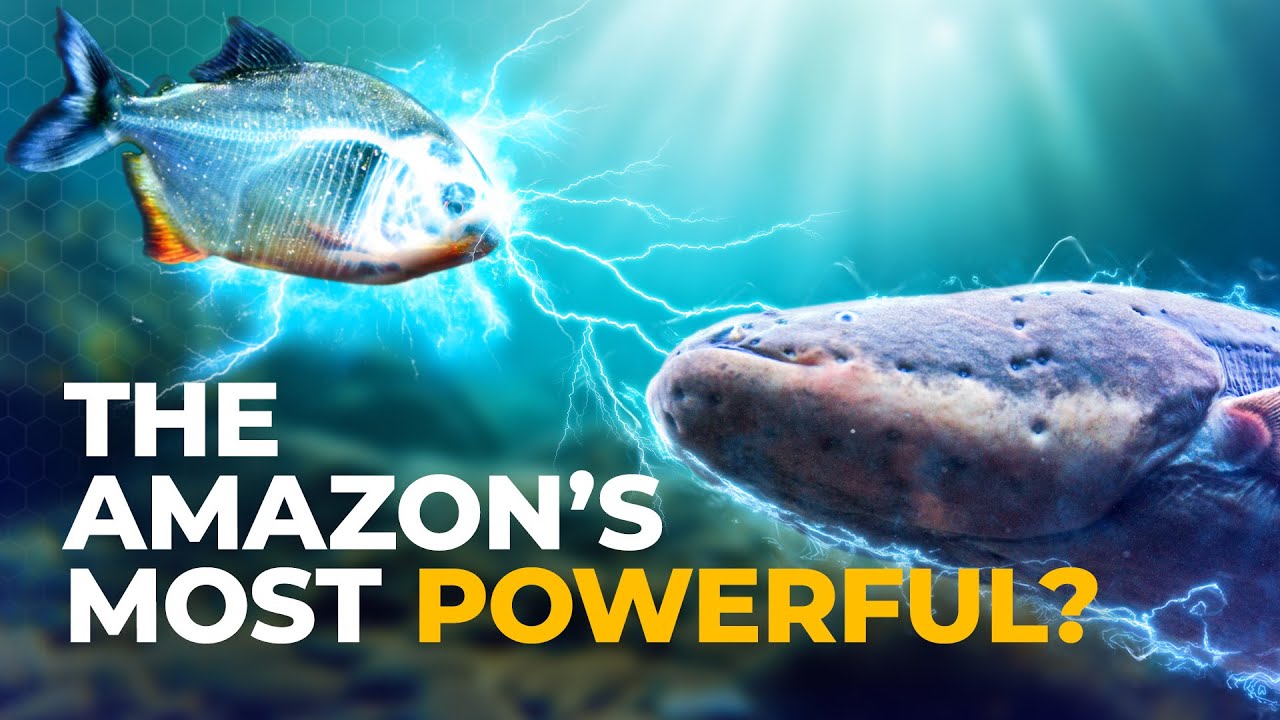
Electric eels, native to the Amazon River basin, utilize specialized cells to generate electric shocks for navigation, communication, and hunting.
Gorillas, known for their complex social structures and impressive physical capabilities, are examined through the lens of biology and conservation efforts.
The Harpy Eagle, native to Central and South America, is examined for its unique hunting techniques and ecological significance in tropical rainforests.
Narwhals, known for their long tusks and unique adaptations, inhabit the Arctic waters and play a crucial role in marine ecosystems.
The octopus exhibits remarkable intelligence and adaptability, showcasing its unique biology and behaviors in various marine environments.
Pangolins, known for their unique scales and ecological role, face severe threats from poaching and habitat loss, prompting conservation efforts worldwide.
The platypus, a unique mammal native to Australia, exhibits extraordinary biological traits, including egg-laying and venomous spurs.
Poison dart frogs, native to Central and South America, exhibit remarkable adaptations and toxic properties that have fascinated biologists and researchers alike.
Seahorses, known for their unique reproductive role where males carry young, are examined for their biology, habitat, and conservation challenges.