From over 100,000 films, discover the handful you'll love.
Free or premium access to the world's largest documentary library.
7227 films(Page 26 of 151)
Dr Adam Rutherford presents a film on teaching evolution amid creationist views in classrooms.
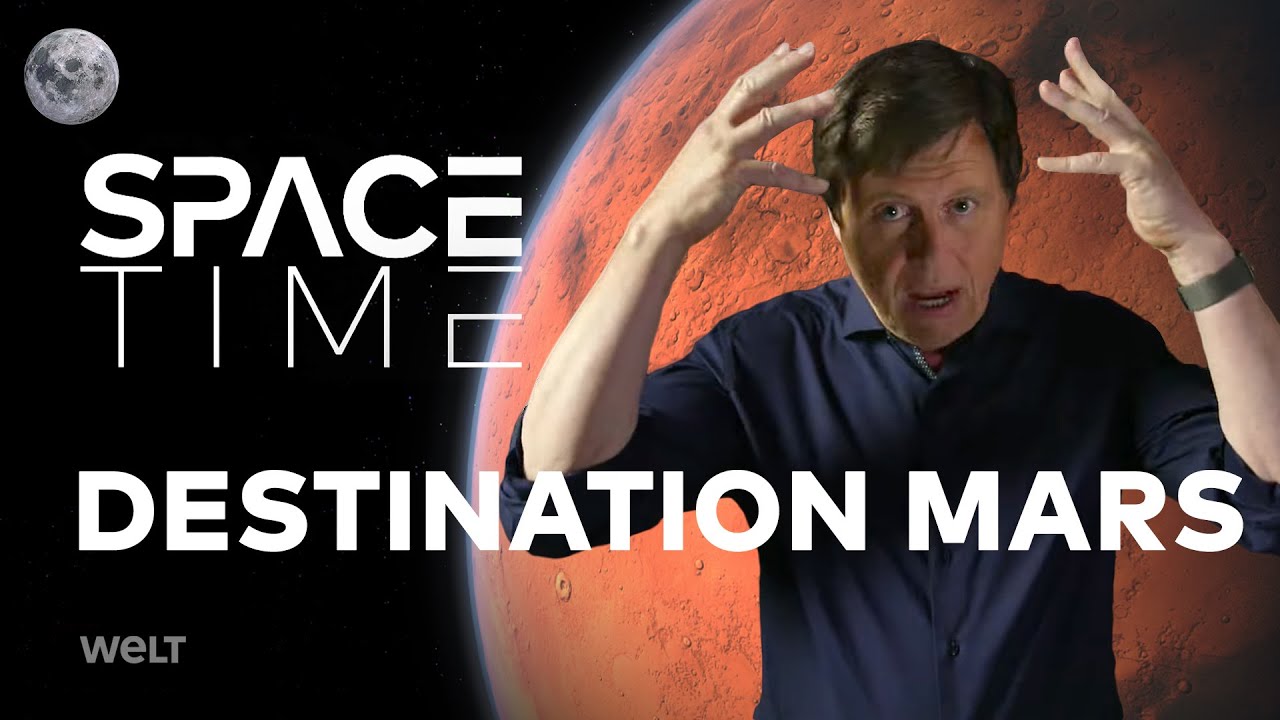
NASA's Perseverance rover launched on July 30, 2020, marking a significant step towards human exploration of Mars and the return to the Moon.
In Oklahoma, a house cat travels over two thousand kilometers to reunite with its owner, alongside other bizarre animal behaviors examined by William Shatner.
In 2015, NASA telescopes identified a promising exoplanet with Earth-like temperatures and potential liquid water, prompting astrophysicists to explore similar solar systems.
Over 13 billion years of light travel reveals what the universe looked like in its infancy, providing insights into its early formation.
A newborn elephant weighs more than an average adult man, and Joyce Poole has studied their communication for nearly 50 years in Amboseli National Park.
Moles, often seen as pests by gardeners, are explored in their underground habitats, revealing their complex lives and behaviors in suburban environments.
The episode questions human explanations for mysterious lights over the South China Sea.
An eight-foot wide ring with a whitish crust was found in Delphos, Kansas, where a UFO allegedly hovered on November 2, 1971.
Astronaut and scientist Ulrich Walter examines the fundamental role of gravity in shaping life on Earth and its significance in understanding the universe.
Mankind's deep curiosity drives exploration of Mars and the universe through technology like Hubble.
Hundreds of thousands of spider crabs march across seagrass plains in Australia, seeking safety in numbers as they molt and face predators.
For centuries, torture was a common method used to extract confessions, often leading to unreliable testimonies in criminal trials.
The Earth's core has been a powerful force since its formation billions of years ago, driving geological processes that shape our planet today.
O.J. Simpson was found not guilty of murder on October 3, 1995, after a trial that raised serious doubts about the forensic evidence presented.
In the early 1940s, the Manhattan Project brought together leading scientists to develop nuclear weapons, culminating in the bombings of Hiroshima and Nagasaki.
In 1971, the Mariner 9 spacecraft transmitted over 7,000 photographs of Mars, revealing a cratered surface and suggesting past water flow.
Astrophysicists, including Michel Mayor and David Charbonneau, explore the search for exoplanets and the conditions necessary for extraterrestrial life.
In Texas's Big Bend National Park, a series of unexplained sightings and encounters has led experts to investigate potential extraterrestrial activity.
A team of British researchers conducted a clinical trial involving 20 participants suffering from severe depression, testing the effects of psilocybin.
Mount Kilauea has been erupting continuously for years, ejecting as much as 650,000 cubic yards of lava each day, posing a constant threat to nearby communities.
In Cuba, Hispaniola, and Trinidad, unique wildlife adaptations, including the venomous solenodon and isolated American crocodiles, highlight the challenges of island ecosystems.
Apollo 17 was the last manned lunar landing, with Commander Eugene Cernan and Lunar Module Pilot Harrison Schmitt collecting vital geological data.
Lionesses and spotted hyenas compete for survival in the wild's harsh conditions.
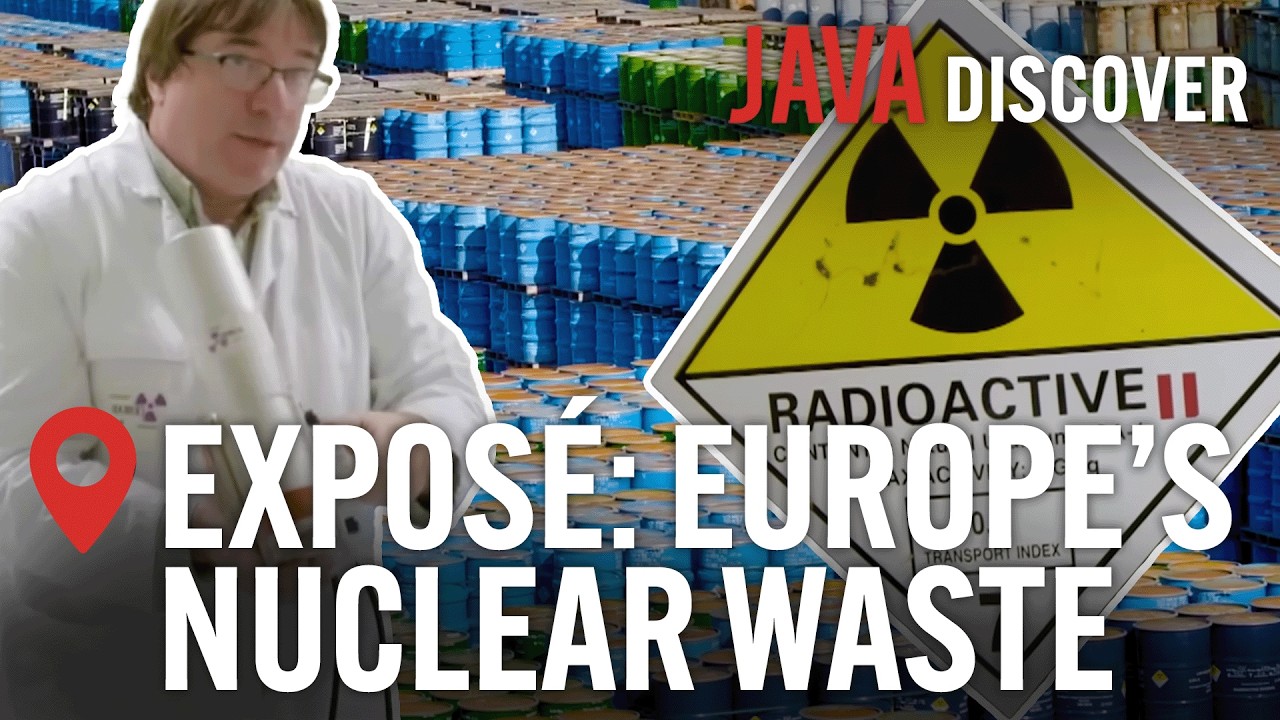
Uranium mining in Niger generates toxic waste and high radioactivity levels, impacting local communities and sparking political debate in Europe.
Ten young chimpanzees, including Cheyenne and Quilou, leave their island home to adapt to life in the Conkouati forest after being rescued from poachers.
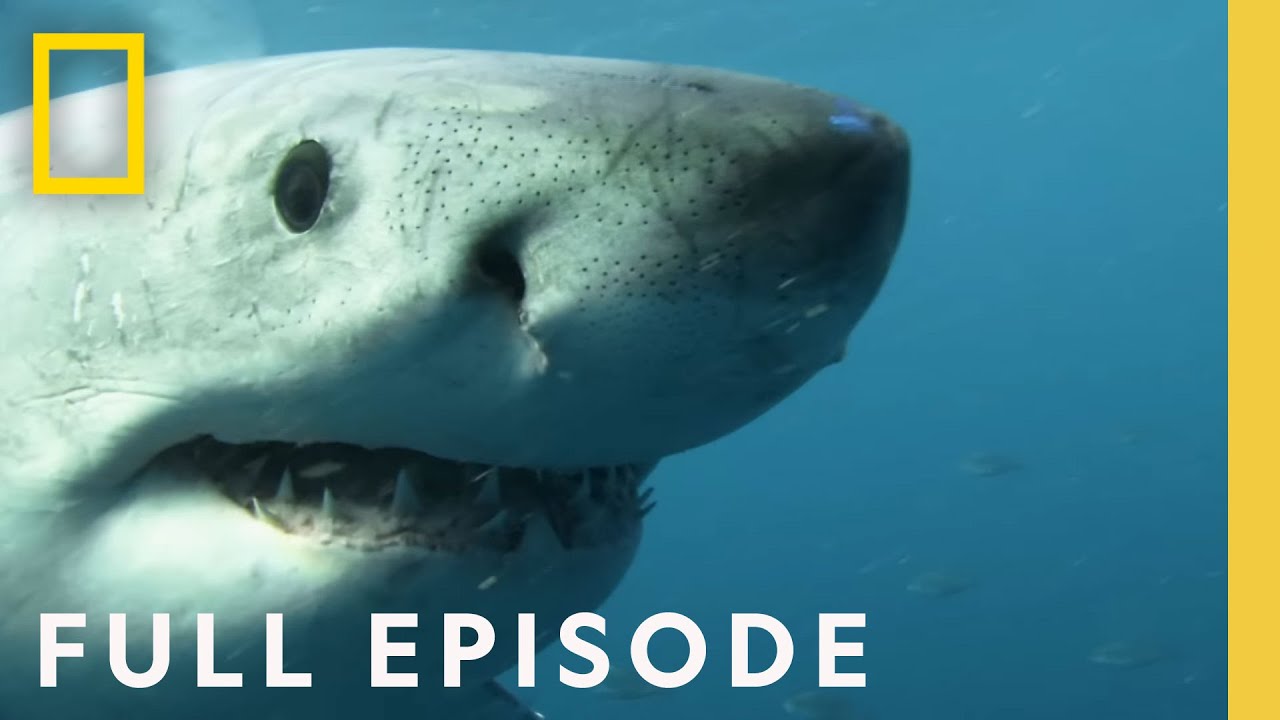
600 species of fish inhabit the clear blue waters of the Florida Keys, where sharks hunt with an insatiable appetite for anything that moves.
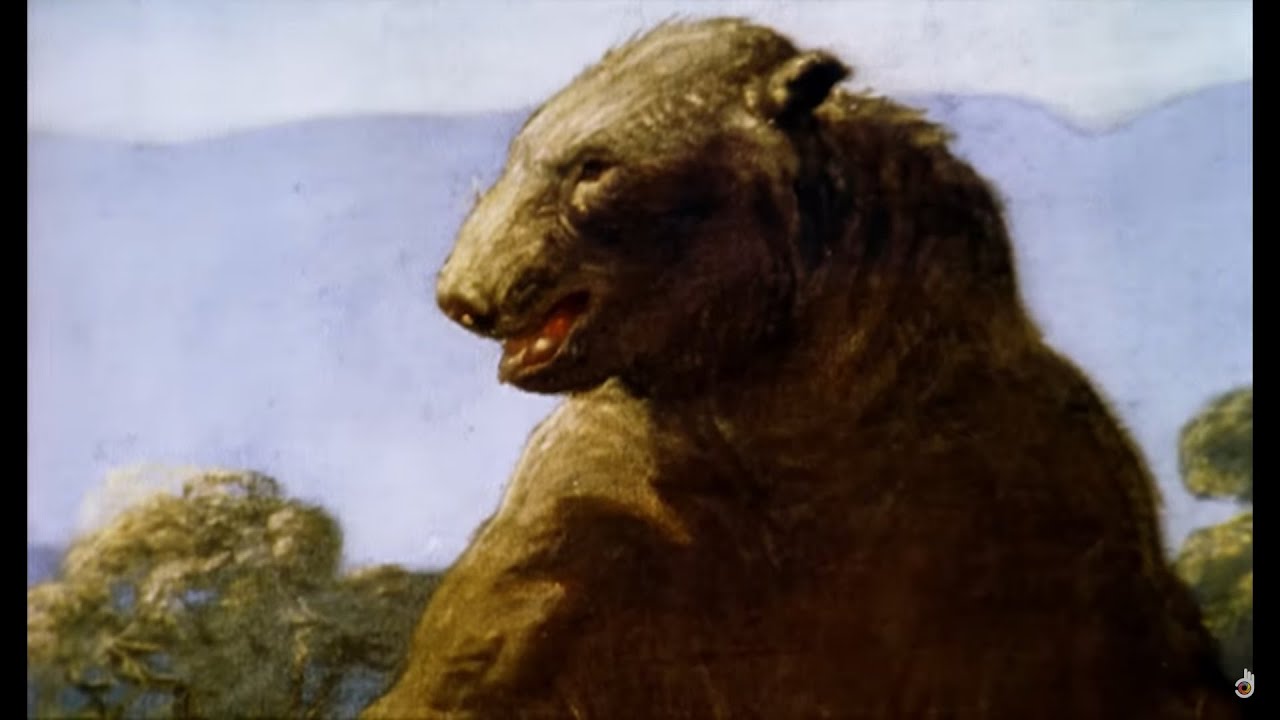
David Oren has spent 25 years researching the Amazon rainforest, claiming that the Mapinguari, a creature thought extinct for 10,000 years, is still alive.
Steve Brusatte, a paleontologist at the University of Edinburgh, discusses the evolution of dinosaurs into birds and his role as a consultant for the Jurassic World films.
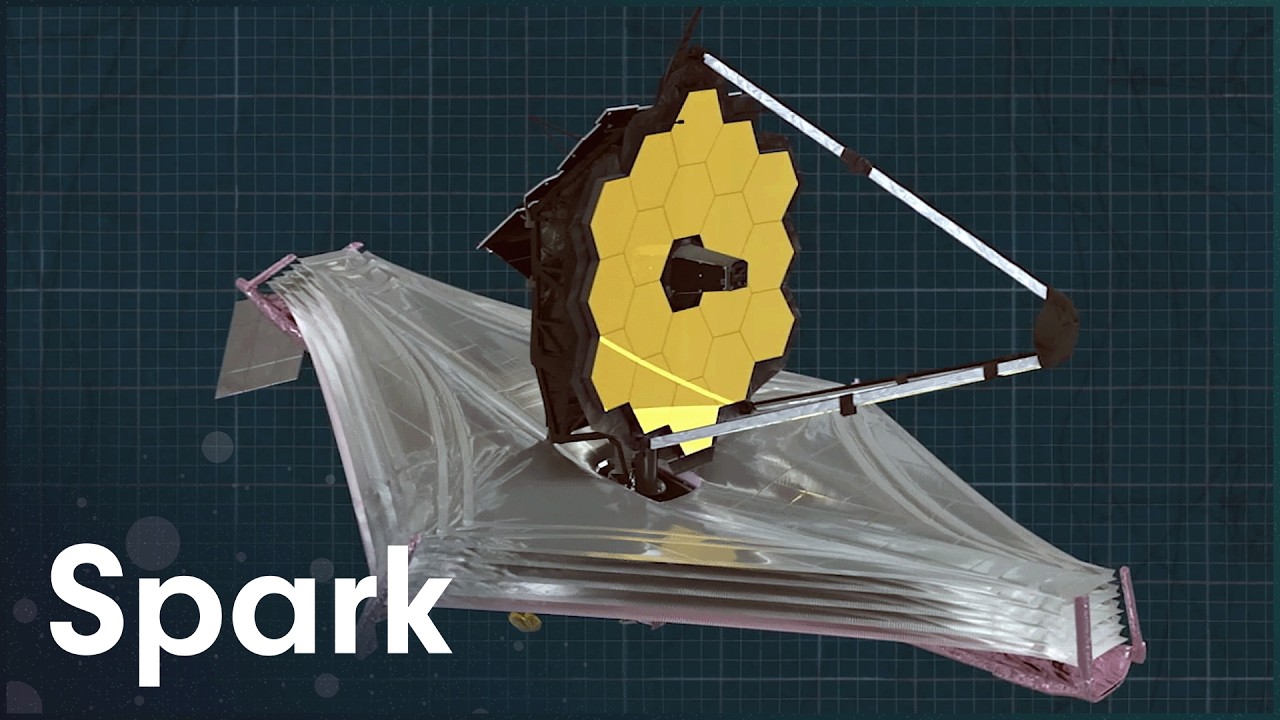
Humanity's exploration of the universe, from Galileo's early telescopes to advanced observatories like Hubble and James Webb, has transformed our cosmic understanding.
New research shows lifestyle impacts gene expression and health, challenging genetic fate.
Psilocybin-containing 'magic truffles' are explored in a 4-day retreat in the Netherlands, highlighting their potential in treating depression and attracting new psychonauts.
Earth's population surge to nearly 8 billion raises urgent questions about resource sustainability, urban pressures, and the need for global family planning efforts.
There are about 10 to the 27th microbes on Earth, which Dr. Peter Girguis argues are essential for understanding potential life on other planets.
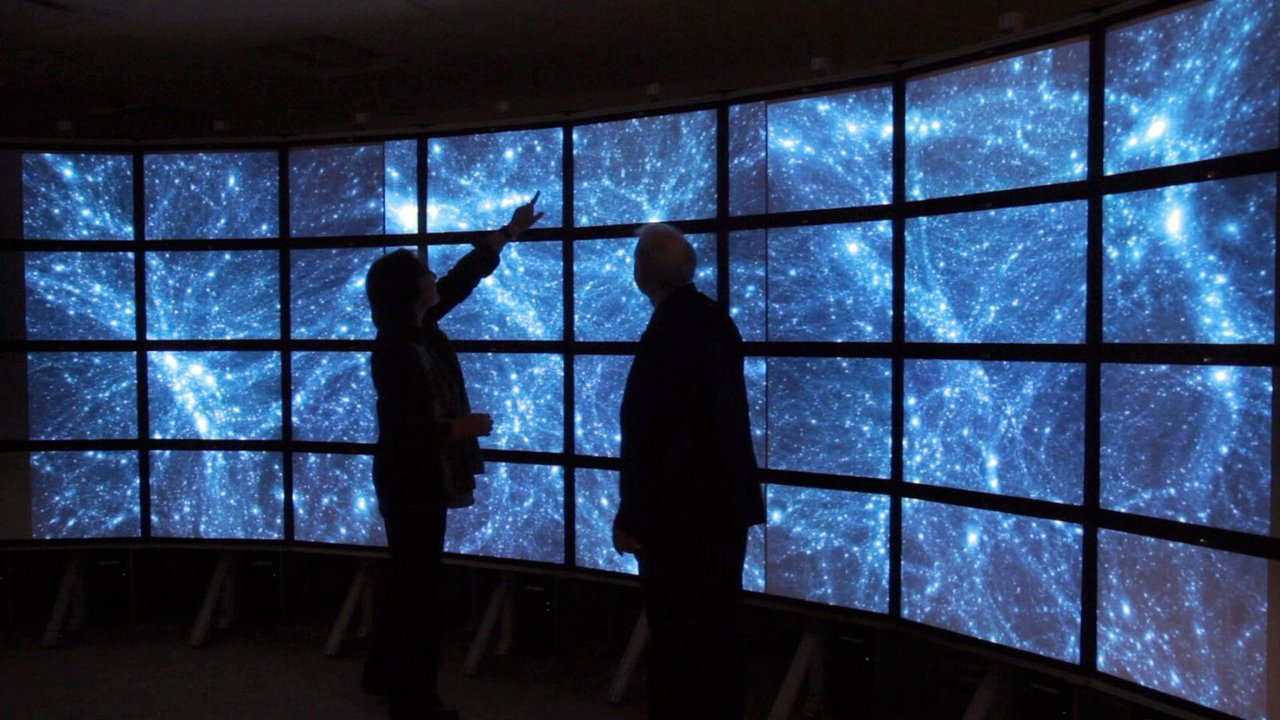
Dark matter and dark energy together account for 95% of the universe, yet scientists have only detected about 5% of this elusive mass.
300 people died in the 2009 earthquake that devastated the medieval city of L'Aquila in Italy, leaving 60,000 homeless.
Artificial intelligence has evolved from Alan Turing's chess experiments to advanced neural networks and self-driving cars, raising questions about its implications for humanity.
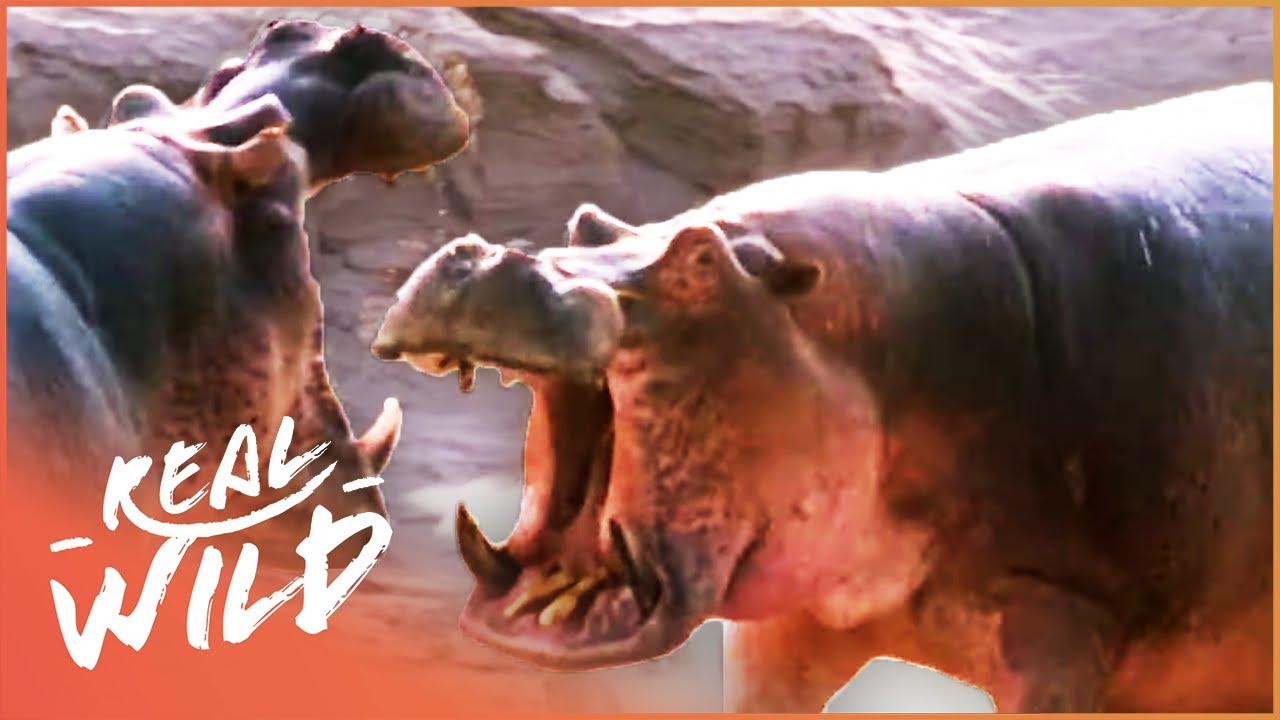
Hippopotamuses, often perceived as harmless, are responsible for more human fatalities in Africa than any other animal, driven by aggressive territorial behavior and violent social dynamics.
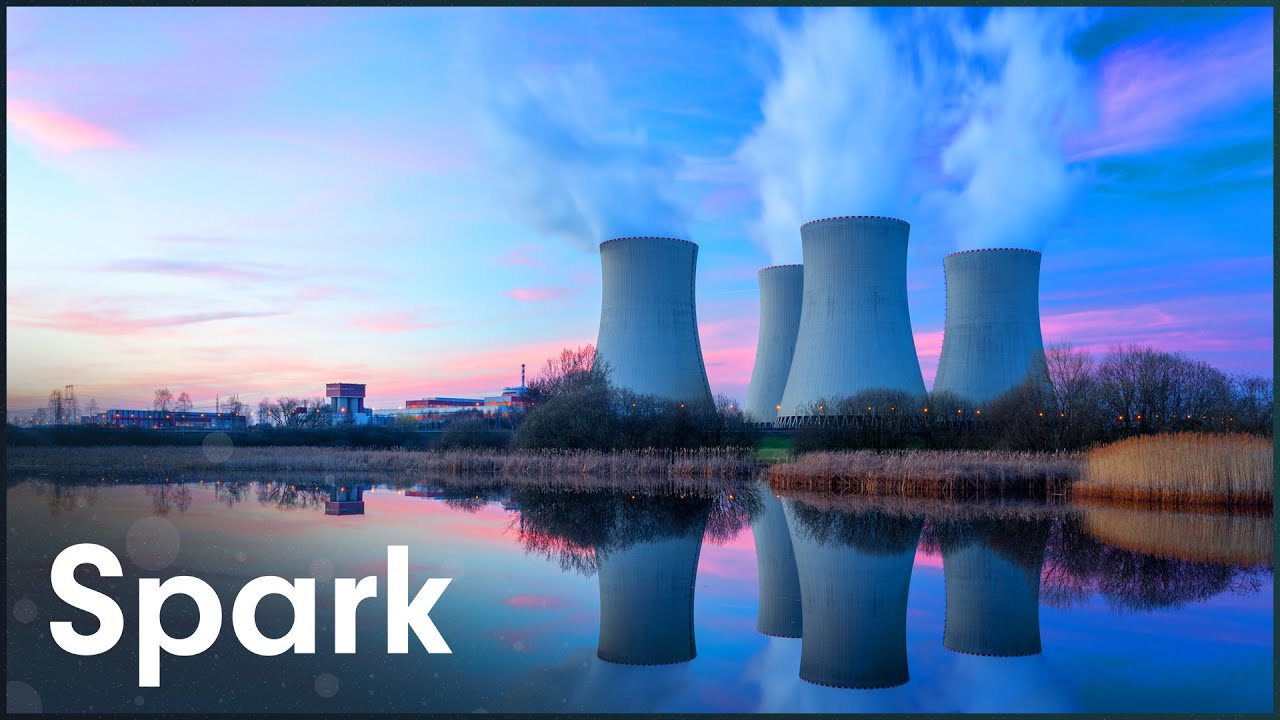
Nuclear power faces skepticism due to the catastrophic legacies of Chernobyl and Fukushima, raising questions about its future viability and safety.
Dark matter makes up about 27% of the universe, yet scientists still do not know what it is made of.
In Argentina, the Giganotosaurus emerges as a formidable rival to the T-Rex, while the Linder family’s discovery of Bambi sheds light on dinosaur family dynamics.
On December 26, 2004, a magnitude 9.3 earthquake triggered a devastating tsunami in the Indian Ocean, prompting insights from seismologists and survivors.
The Methuselah star, observed by the Hipparcos telescope in 1989, appears to be older than the universe itself, challenging our understanding of cosmic history.
In 2014, a project to expand the Suez Canal involved removing 500 million cubic meters of sand to create a new two-way navigation system.
Asteroids, climate change, and planetary phenomena pose significant threats to Earth's future, prompting scientists to analyze potential scenarios for global extinction.
Extraterrestrial hunters in Southampton, UK capture a glowing UFO on camera during a skywatch, leading to astonishing revelations about their investigation.
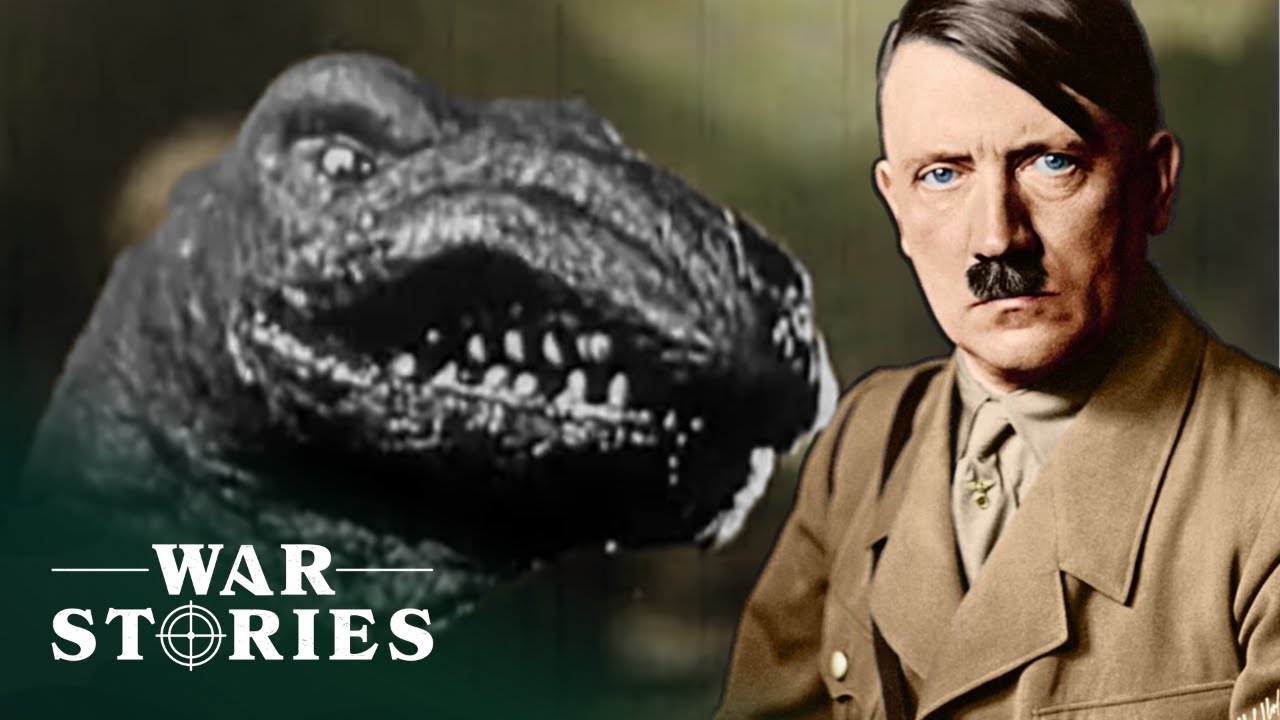
Nazi scientists conducted brutal experiments while zoologists attempted bizarre trials to create an Aryan master race during World War II.
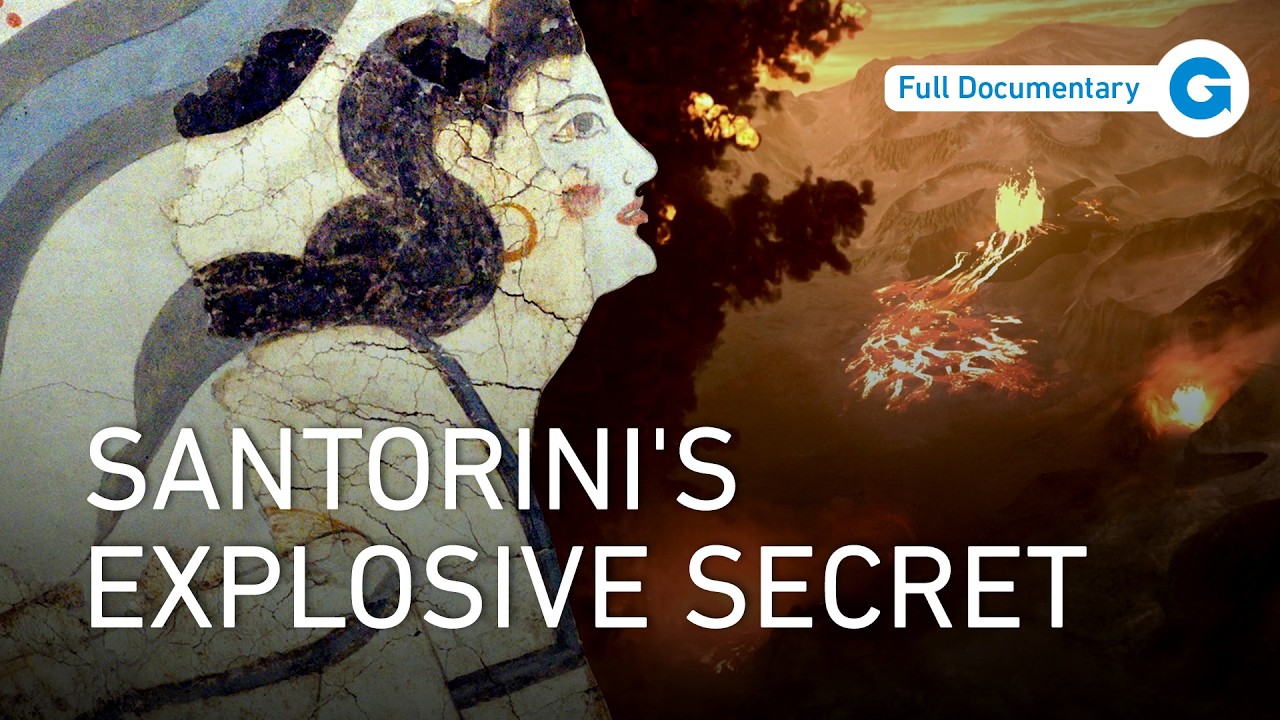
Santorini's explosive volcanic eruption around 3,600 years ago devastated the Minoan civilization, prompting researchers to explore its geological history and future risks.