From over 100,000 films, discover the handful you'll love.
Free or premium access to the world's largest documentary library.
7227 films(Page 38 of 151)
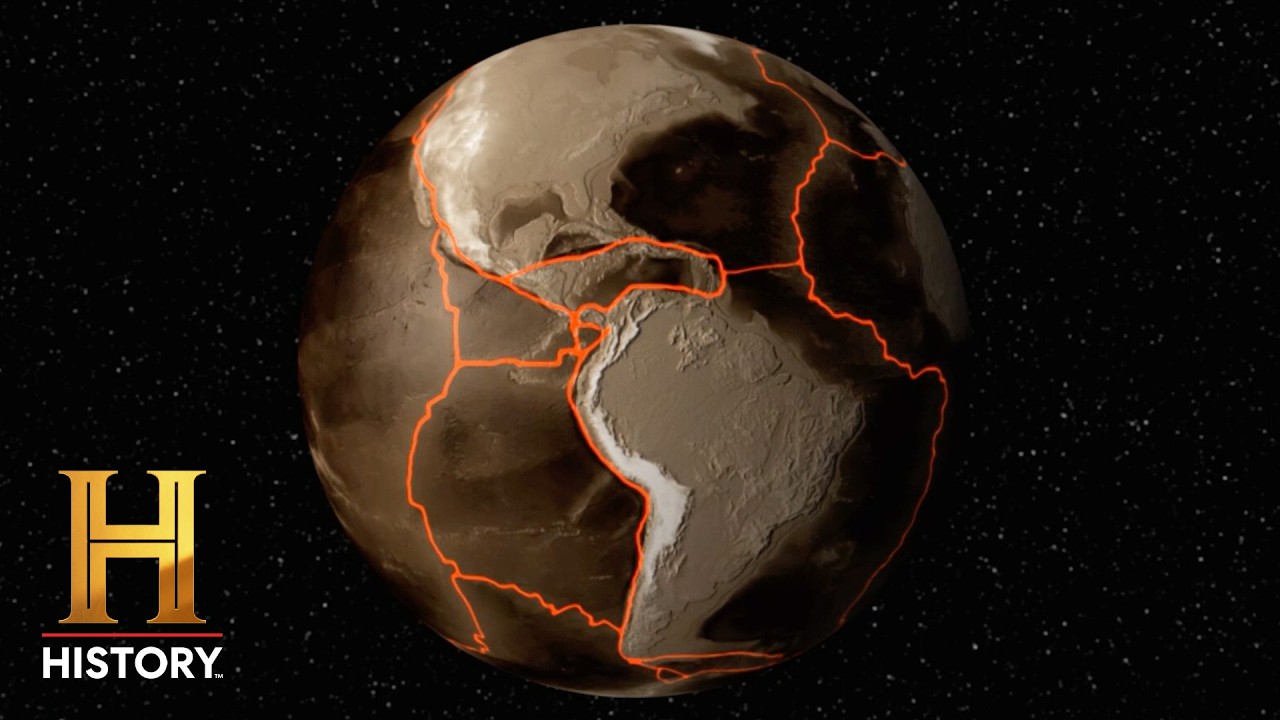
From the Mariana Trench to the Sahara Desert, geological processes like volcanic activity and erosion shape Earth's diverse landscapes over billions of years.
Ancient upland forests in Western Europe serve as vital ecosystems, supporting diverse plant and animal species influenced by the daylight cycle.
One solar flare can release energy equivalent to over 200 million hydrogen atomic bombs, posing a significant threat to life on Earth.
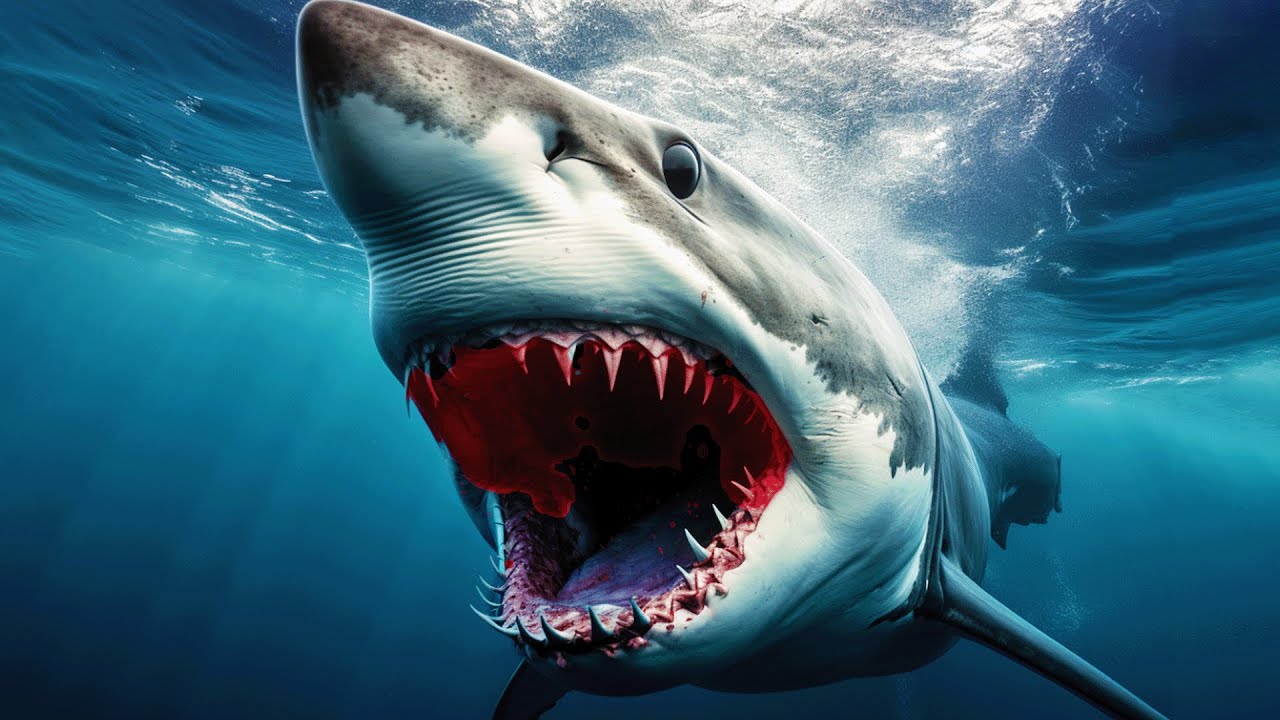
Great white sharks, weighing up to 2,300 kg, possess an extraordinary sense of smell that allows them to detect a single drop of blood in 100 liters of water.
Two distinct footprints found at a crime scene in Whittier, California, helped detectives link the murders to Richard Ramirez.
Ebola's devastating outbreak in West Africa highlighted the region's inadequate infrastructure and the slow international response, prompting local efforts to regain control.
Over 50 international neuroscientists present findings on the brain's neuroplasticity, revealing its ability to adapt and rewire itself throughout life.
Humanity's quest to colonize other worlds is explored alongside the future of space travel and the universe's greatest unexplained mysteries in this marathon.
NASA's space program has achieved remarkable milestones that have inspired generations, showcased through stunning archive footage and expert insights.
Competing theories explain the Moon's lopsided shape, while solar superstorms pose threats to Earth, and a billion-year age discrepancy challenges our understanding of the universe.
Biologist Tomas Hulik spent over 300 days observing a family of beavers in the riverine forest along the March River, capturing unprecedented footage with an ORF camera team.
R.J. Mitchell, a self-taught engineer, revolutionized aircraft design by creating the Spitfire, a radical monoplane that transformed the Royal Air Force.
More than 450 species of animals engage in homosexual behavior, as revealed through recent scientific research and exclusive film footage.
Comets, asteroids, and meteoroids, remnants from the solar system's formation, pose both scientific interest and potential danger to Earth.
Andy Casagrande leads a unique Cinema Science expedition to film sharks in 2018.
Ancient geological formations and tectonic activity reveal the complex history of the Grand Canyon, challenging existing theories on its formation and evolution.
At midnight, death claims the lives of all firstborns in Egypt, marking the climax of the struggle between Pharaoh and Moses.
Britain's pivotal contributions to modern science, from Newton's laws to hydrogen explosions, are celebrated by Professor Brian Cox in this insightful exploration.
The RAF uses aircraft that could escort bombers deep into Germany during the Jet Age.
The Challenger space shuttle explodes 73 seconds after launch, emphasizing space travel dangers.
Innovative engineers are creating groundbreaking machines across wind, aviation, and fusion sectors to revolutionize the production of clean energy.
Mass infant graves and unusual burial practices in Roman Britain reveal a complex and often surprising historical narrative about life in ancient times.
Biomimicry illustrates how natural phenomena inspire innovations in technology and medicine, showcasing examples from engineering to smart design.
The search for extraterrestrial life encompasses theories from the Big Bang to advanced technologies like warp drives, featuring insights from physicists and astronomers.
Nigel Latta tests the reality of explosions and electric shocks through daring experiments, revealing the stark differences between cinematic effects and real-life dangers.
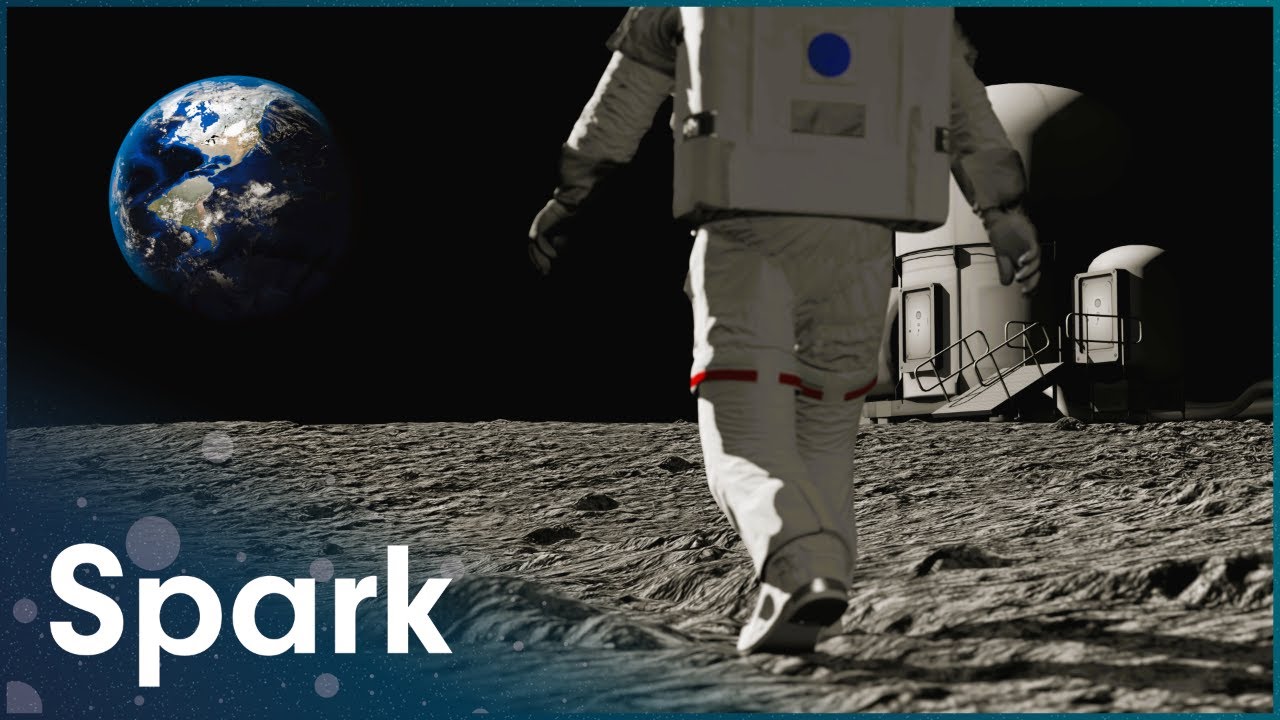
Twelve astronauts walked on the moon during the Apollo program, conducting scientific studies that provided new insights into the lunar surface.
500 millimeters of rain fell on Taiwan in 24 hours during a record-breaking typhoon, marking one of the extreme weather events of 2015.
Plant-eating dinosaurs, including Argentinosaurus and Seismosaurus, are examined through fossilized tracks and massive skeleton recoveries by paleontologists.
The Higgs field and the concept of the "God Particle" are examined alongside theories of ancient advanced technology and cosmic knowledge in this compilation.
Nearly 6,000 satellites orbit Earth, with about half classified as dead, contributing to a growing risk of collisions in space.
The European Space Agency lands a probe on Comet 67P/Churyumov-Gerasimenko for the first time.
Members of the public take part in a high-speed pile-up on a British motorway to help experts evaluate vehicle safety and the effects of negligence.
In Earth's most extreme environments, animals like elephants, wolves, and orangutans exhibit remarkable adaptations to survive brutal conditions such as wildfires and icy winters.
A juvenile great white shark attacks a seal decoy, leaving a bite mark that helps the team estimate its size during a research experiment in Muscle Bay, South Africa.
Robotic engineers at Boston Dynamics and other organizations create Smart Robots like Robo Dogs and Robo Spiders to enhance safety and efficiency in hazardous environments.
Java became separated from mainland Asia just 10,000 years ago, leading to unique adaptations among its wildlife, including monitor lizards.
Gudrun Pflueger studies the coast wolves of British Columbia, collecting vital data to enhance scientific understanding of this unique subspecies.
In four parallel stories from Asia, Greenland, Siberia, and the Gulf Stream, the vital role of oceans in climate regulation and their connection to human life is explored.
Pat Parelli applies his long body logic technique to help owner Lindy manage her aggressive American paint horse, Sedona, and restore their partnership.
Great hammerhead sharks, studied by marine biologist Dr Johan Mourier in Rangiroa Atoll, face significant threats as their population has declined by 80% in 25 years.
Danielle Lee studies how field mice thrive in urban parks, revealing that many wildlife species live unnoticed in neglected spaces.
In South Africa, great white sharks employ the explosive "Polaris breach" technique to hunt seals, while polar bears in the Arctic use their speed to catch walruses.
Humanity seeks new habitats in space as Earth grapples with overpopulation and climate change.
Carp, Ontario, has gained notoriety as a UFO hotspot, raising questions about the legitimacy of sightings and the mysterious entity known as Guardian.
Frederic, a freediver, collaborates with researchers like Sandrine Ruiton and Dr. Pierre Chevaldonne to assess and protect the fragile marine biodiversity of the Mediterranean Sea.
On August 15, 1977, a strong narrowband radio signal lasting 72 seconds was received by Ohio State University's Big Ear radio telescope, suggesting possible extraterrestrial origin.
Five to 15 years is the estimated timeframe before significant risks from self-aware AI may emerge, according to a self-aware AI named Kassandra.
Masaya volcano in Nicaragua, active for over 30,000 years, hosts a unique ecosystem where wildlife thrives amidst toxic gases and the threat of eruptions.