From over 100,000 films, discover the handful you'll love.
Free or premium access to the world's largest documentary library.
7227 films(Page 43 of 151)
Colonel Joseph Kittinger ascended nearly 20 miles into the atmosphere in 1960 to test human endurance at high altitudes during a key military mission.
Jonathan Bird collaborates with shark researcher Kenesa Duncan to explore various shark species and marine environments, including oil rigs in the Gulf of Mexico.
Migratory birds, including storks and geese, face numerous challenges during their perilous journeys across continents, as scientists utilize GPS tracking to study their behavior.
After 13 years of orbiting Saturn, the Cassini probe's final plunge to the planet's surface significantly advanced scientific understanding of its rings and moons.
More than 200 moons orbit planets in our solar system, each with unique characteristics and potential for primitive life.
NASA's Apollo program faced significant challenges, including a deadly capsule fire during the Gemini missions that highlighted the risks of space exploration.
Bikini Atoll, site of the 1946 "Operation Crossroads," hosts a high-tech expedition to explore the wreckage of atomic-era warships and their radioactive legacy.
At the 2019 Explorers Festival, scientists present their efforts to study and protect lesser-known species from around the globe.
The Galapagos Islands, with their volcanic origins and extreme climatic conditions, present unique challenges for survival among diverse wildlife.
In Canada, Culex mosquitoes transmit the West Nile virus, while Anopheles and Aedes species spread malaria and dengue, prompting scientists to develop innovative control methods.
Cheetahs can reach speeds of up to 130 km/h, using their speed and camouflage to hunt prey on the African savannah.
Owls, eagles, falcons, and vultures are examined for their lethal hunting strategies and survival tactics in the wildlife kingdom.
Fossorial animals, adapted to life underground, utilize their heightened senses to navigate complex ecosystems beneath the Earth's surface.
Satellites equipped with advanced sensor and camera technology provide critical Earth observation data, transforming how information about the planet is gathered and utilized.
Asteroids, which formed the Earth 4.5 billion years ago, are essential for understanding the origins of life and the future of human space exploration.
Cloud rainforests in Central America, located at elevations above two thousand meters, host diverse wildlife including quetzals, hummingbirds, and wild cats.
On August 6, 1945, the atomic bomb dropped on Hiroshima, a weapon made possible by the discovery of nuclear fission, which Lise Meitner helped to develop.
Mata Hari was arrested in February 1917 and charged with high treason, accused of being a spy during World War I.
In the jungles of New Guinea and the waters off South Africa, wildlife filmmakers document the interactions between humans and endangered species like jaguars and gorillas.
A 40-meter-high, 100-meter-long iron meteorite was reportedly discovered in the Mauritanian desert by Captain Gaston Ripert in 1916.
A male marsh harrier has a wingspan of over 1.2 meters and hunts for prey in fields while adapting to environmental changes.
Three-year-old Liam Hoekstra possesses extraordinary muscle mass and strength due to a rare condition, raising questions about the implications of his abilities.
A telescope built in one of the most inhospitable places on Earth seeks to answer the question of how the universe began.
Astronomers search for Earth-like planets among four hundred billion stars in our galaxy.
Danny Rolling, the Gainesville Ripper, brutally murdered five students, leaving behind ritualistic signatures that challenged forensic experts and law enforcement.
A young woman's body, found on March 24, 1993, near two major interstates in Pennsylvania, prompts a complex investigation by local police and the FBI.
70 to 80 pregnant lemon sharks arrive each spring in the Grand Bahama Bank, where researchers study their unique resting patterns and life cycle.
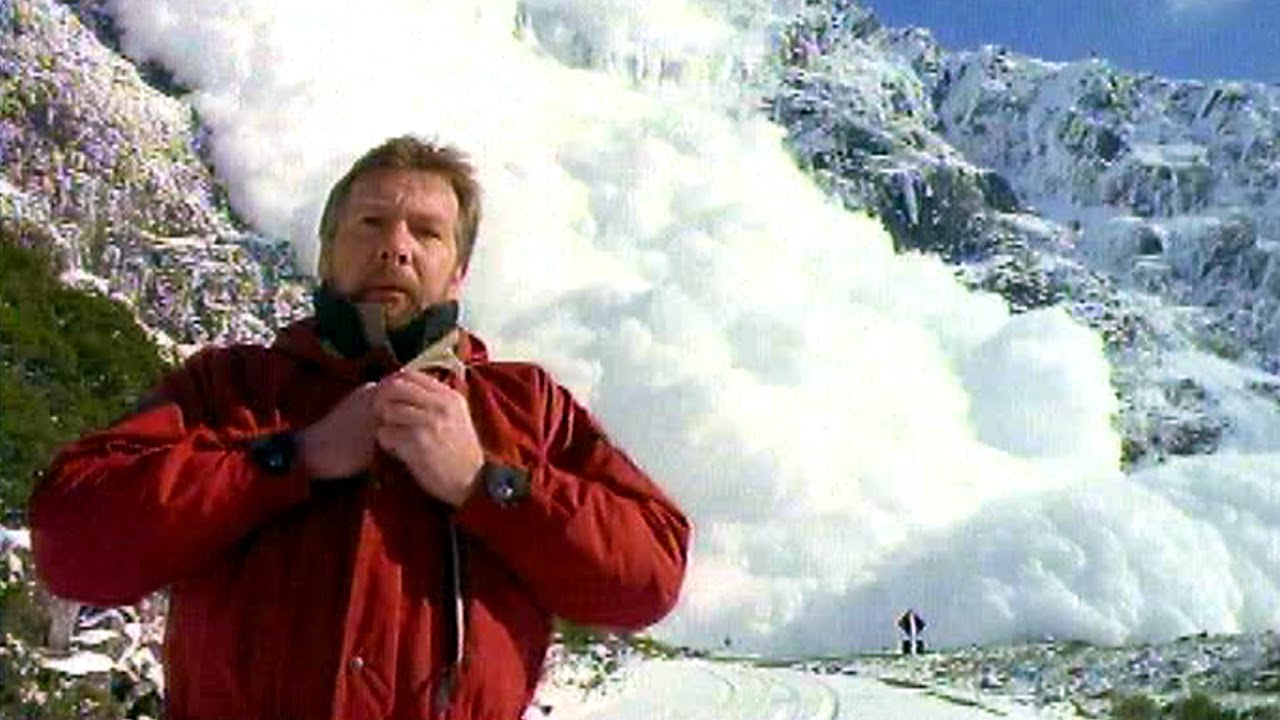
More than 200 people die each year due to avalanches, which can reach speeds of 40 miles per hour and carry thousands of tons of snow.
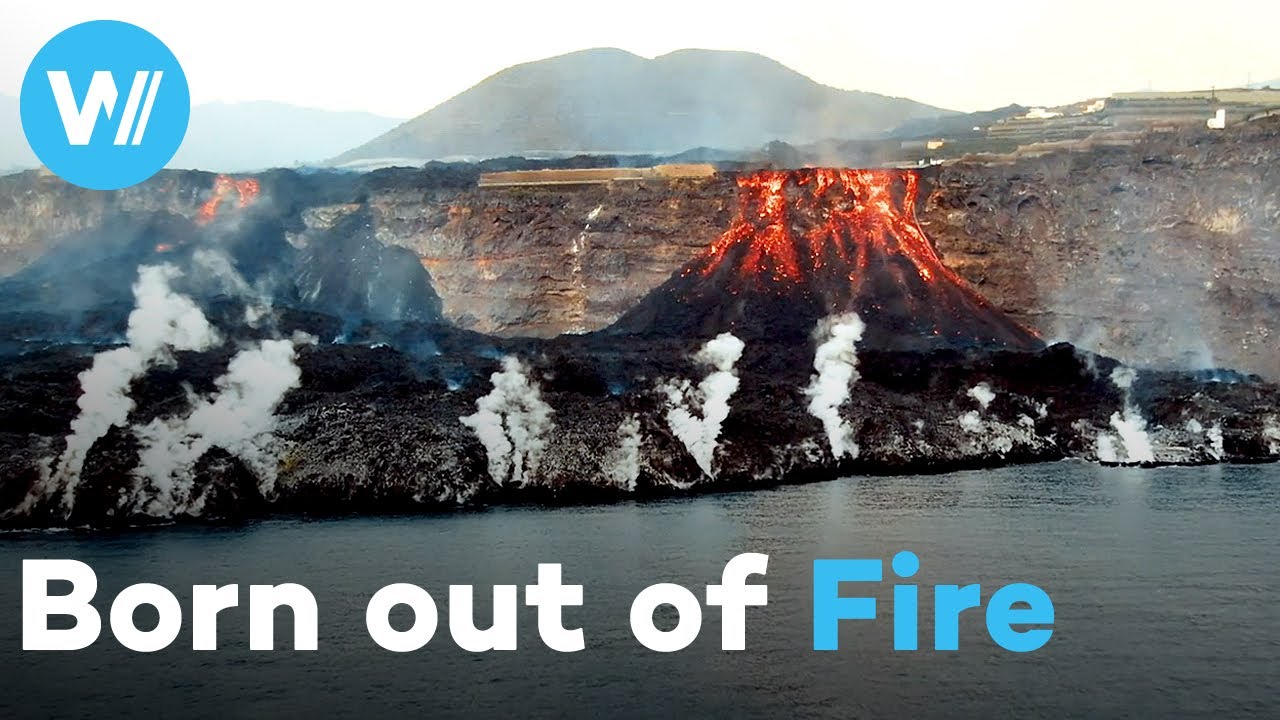
In September 2021, La Palma experienced its largest volcanic eruption in five centuries, providing scientists a unique opportunity to study evolution and adaptation in extreme conditions.
In the natural world, tigers and snow leopards utilize camouflage for hunting, while cuttlefish mimic their surroundings to evade predators.
NASA's Mars rover Perseverance, designed to search for signs of ancient microbial life, successfully approached its landing site in Jezero Crater after a 293-million-mile journey.
Tusks of some species can weigh up to 100 kg, serving as powerful weapons for defense and foraging in the animal kingdom.
NASA's robotic lander reveals new insights about Mars, including sources of water and the impact of planetary dust storms on the Red Planet.
A type 1A supernova shines 5 billion times more brightly than the sun, illustrating the vast scale of cosmic events in the universe.
Wolves can reach speeds of up to 60 km per hour while hunting in packs of four to ten members, using teamwork to take down prey.
Elon Musk's ambitious SpaceX project aims to revolutionize space travel and expand humanity's reach into the cosmos.
Bob Williams experiences a series of alarming symptoms, leading to a diagnosis of Acute Disseminated Encephalomyelitis, complicating his initial meningitis assessment.
One of the most advanced helmets in the world undergoes rigorous testing at BAE Systems' Rochester facility to ensure pilot safety and performance.
Insects, bugs, and rodents have plagued humanity since biblical times, with swarms posing both threats and challenges that evoke fear and require responses.
In Canada's Badlands and Grand Prairie, palaeontologists David Evans and his team excavate bones of a new dinosaur species amid challenging conditions.
Cabrera National Park, once a military training ground, now hosts a rich biodiversity of endemic species like the Balearic Shearwater and Balearic Warbler.
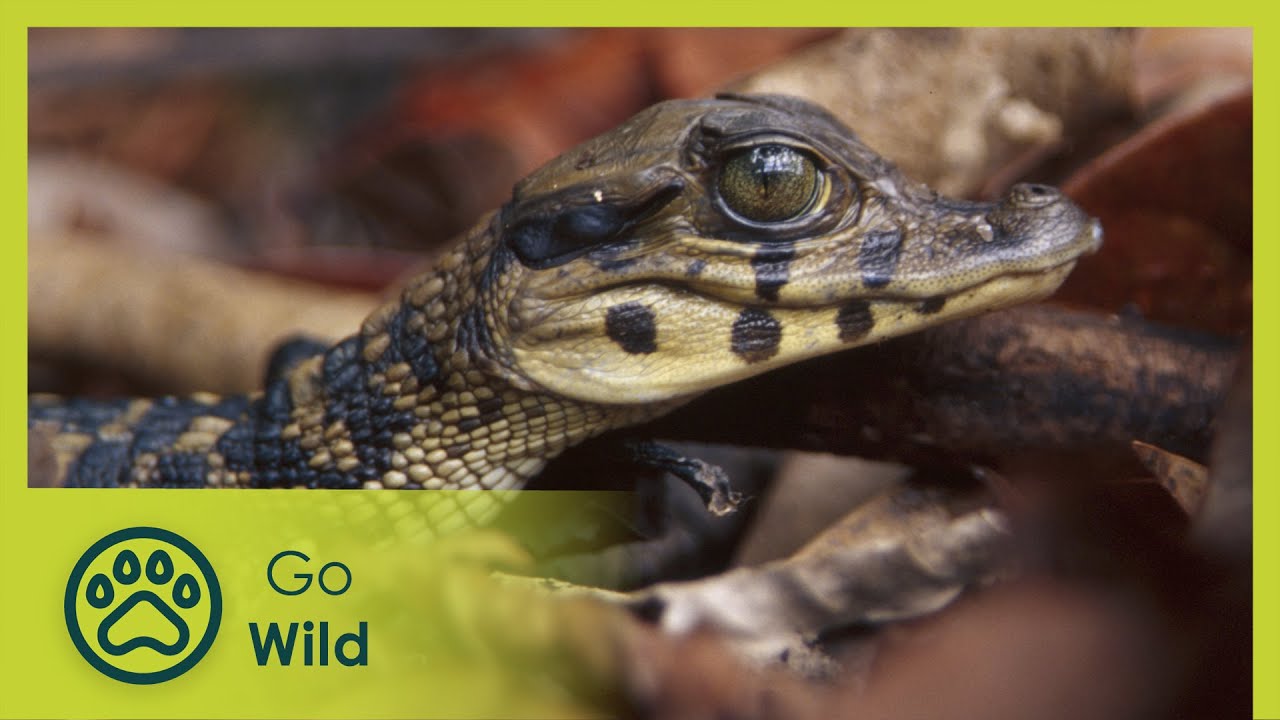
In the wild heart of Guyana's Hinterland, biologist Rainer Bergomaz and Amerindian colleague Yung Sandy study the complex social lives of the elusive black caiman.
Volcanoes and glaciers of the Eurasian Plate showcase the dynamic interplay of geothermal activity and tectonic forces, shaping breathtaking landscapes across Europe.
The atomic bomb's development and deployment during World War II reshaped global conflict, ushering in the Cold War and a lasting legacy of nuclear threat.
In 1961, President John F. Kennedy challenged America to land a man on the moon and return him safely to Earth within the decade.
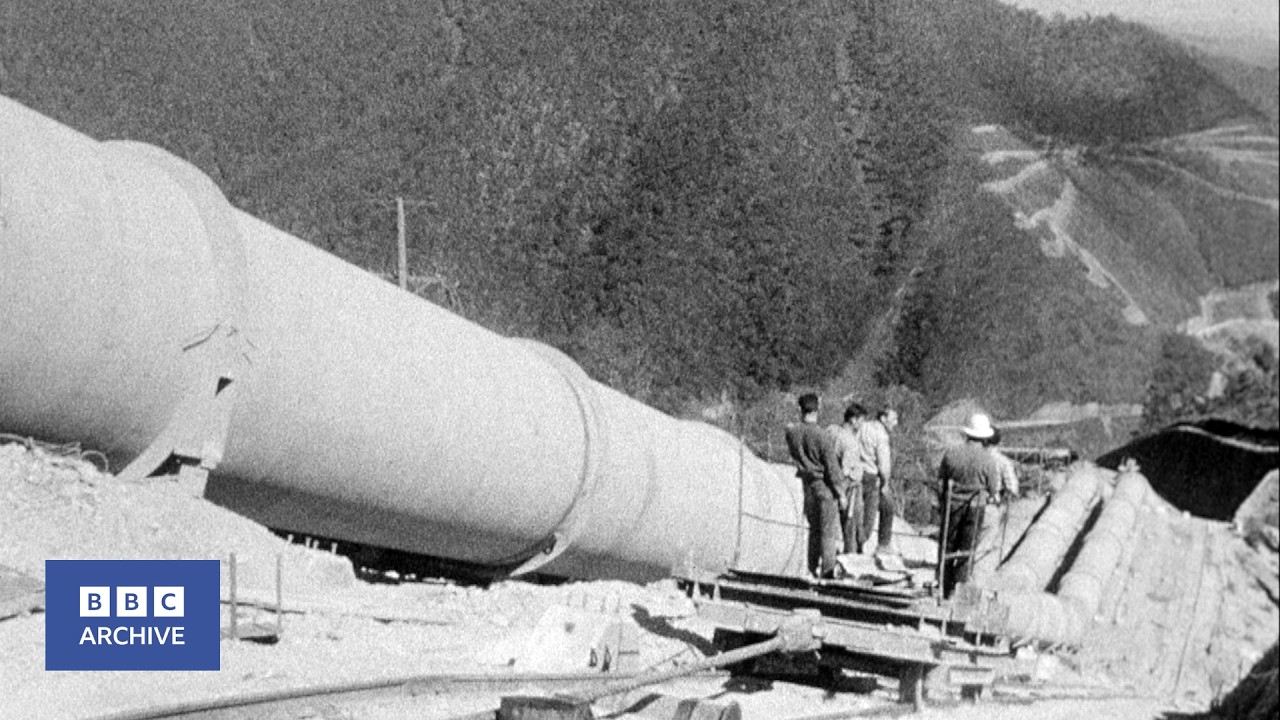
Snowy Mountains in New South Wales, Australia's highest range, are vital for skiing and water management, harnessing seasonal snowmelt for irrigation and hydroelectric power.
In the Mediterranean Sea, the Balearic Islands showcase unique fauna and flora that evolved separately, paralleling the evolutionary themes explored by Charles Darwin.
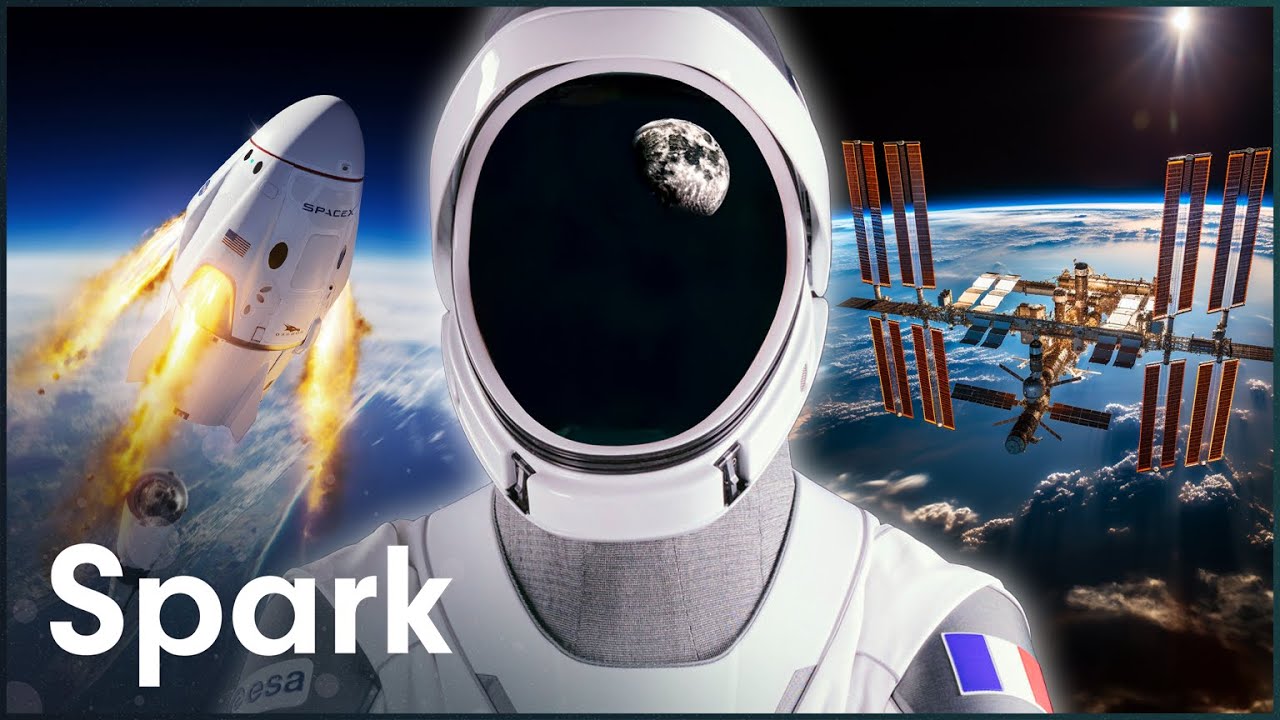
The International Space Station, operational for 23 years, is reaching its limits while new technologies aim to expand human presence in space.