From over 100,000 films, discover the handful you'll love.
Free or premium access to the world's largest documentary library.
7227 films(Page 25 of 151)
Evolution of life on Earth began with a single cell, leading to an estimated 10 to 100 million species, many of which remain undiscovered!
Extraordinary animals from diverse ecosystems around the globe are showcased, highlighting their unique behaviors and adaptations to their environments.
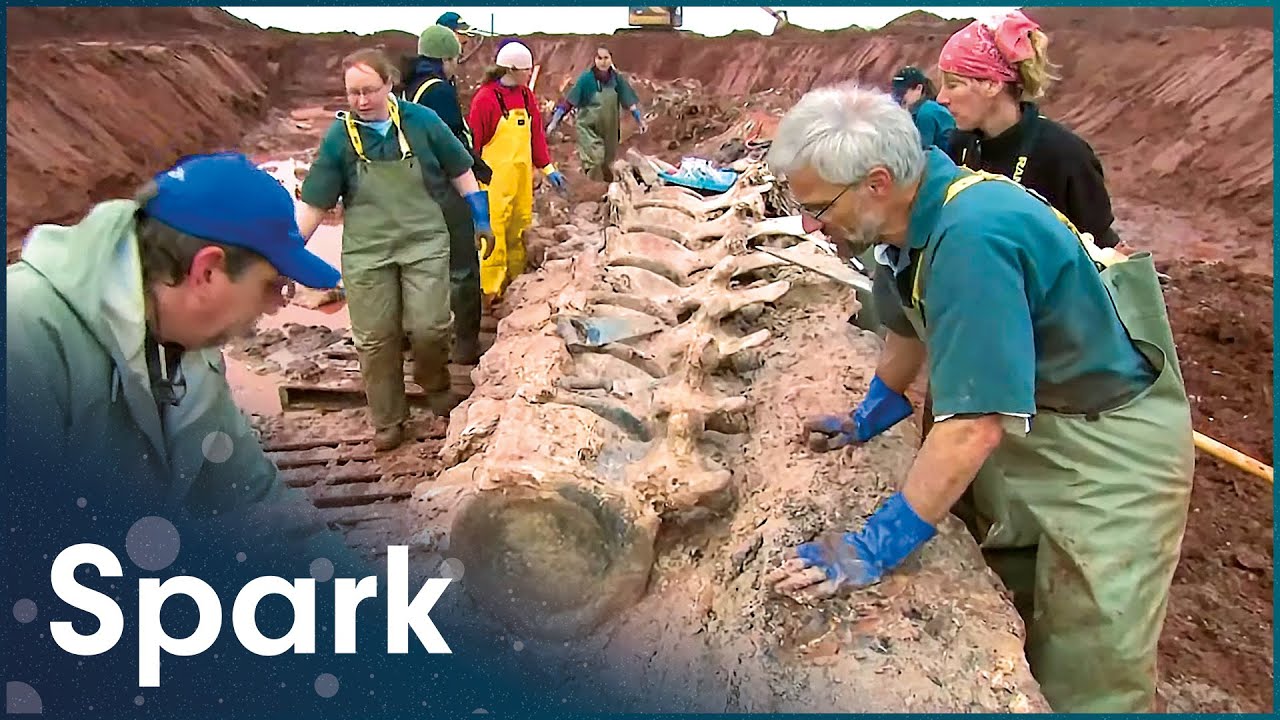
An 85-foot blue whale skeleton, weighing over 150 tons, is reconstructed for display at the University of British Columbia's biodiversity museum.
NASA's Space Launch System and the James Webb Space Telescope are highlighted alongside the Skylab space station and the Artemis Program in this informative series.
Mariner 2 successfully transmitted data from Venus after 100 days in deep space, marking a significant achievement in early interplanetary exploration.
This episode questions if there is another planet similar to Earth in the universe.
Desertification threatens Mediterranean countries like Portugal, Spain, Italy, and Greece, prompting their commitment to the United Nations Convention for action.
On June 7, 1692, a massive earthquake destroyed two-thirds of Port Royal, sending the city to the ocean floor in just two minutes.
In a special compilation by , three episodes explore the social structures of Savanna elephants, the intelligence of octopuses, and the risk-taking behaviors of penguins.
Space and our solar system are explored through seven episodes of the acclaimed series 'Zenith', offering a comprehensive look at our galaxy and beyond.
Apollo missions from 1968 to 1972 are explored through firsthand testimonials and archival footage from the astronauts who walked on the moon.
Shark Behaviorist Erich Ritter challenges traditional views on shark behavior and safety through his research and the educational framework ADORE-SANE, following his own bull shark attack.
The penultimate episode examines telescopes and their role in understanding the cosmos.
A rock formation in Russia's Kutska region rises 130 feet and has baffled scientists since it was first studied in 1949.
Seaplanes, pioneered by Glenn Curtiss and the Wright brothers during World War I, revolutionized long-distance travel and the early airline industry!
Eclipse Chasers features leading eclipse scientists studying solar storms and their impact on Earth.
Explorer Josh Gates leads a team, including Jessica Chobot and Phil Torres, as they investigate cryptids and unexplained phenomena around the world.
Tornadoes, characterized by wind speeds exceeding 480 kilometers per hour, frequently devastate Tornado Alley in the Central United States each year.
Cephalopods, including octopuses, squid, cuttlefish, and nautiluses, showcase remarkable intelligence and adaptability in their vibrant underwater habitats.
Walruses, weighing up to 1,500 kg and equipped with formidable tusks, are studied by Australian biologist Jason Roberts in the challenging Arctic environment of Spitsbergen.
Indigenous hunter-gatherer communities in central Africa, including the Baka and Aka, face cultural and environmental challenges as their ancestral rainforest home is threatened.
A shark targets Alex Dodds four miles off the Australian coast, biting his leg and launching him into the air during a spearfishing dive.
The search for alien life focuses on water sources in the solar system, especially Europa.
Many psychedelic drugs are illegal worldwide, yet recreational use remains common, with anecdotal evidence suggesting deeper psychological benefits.
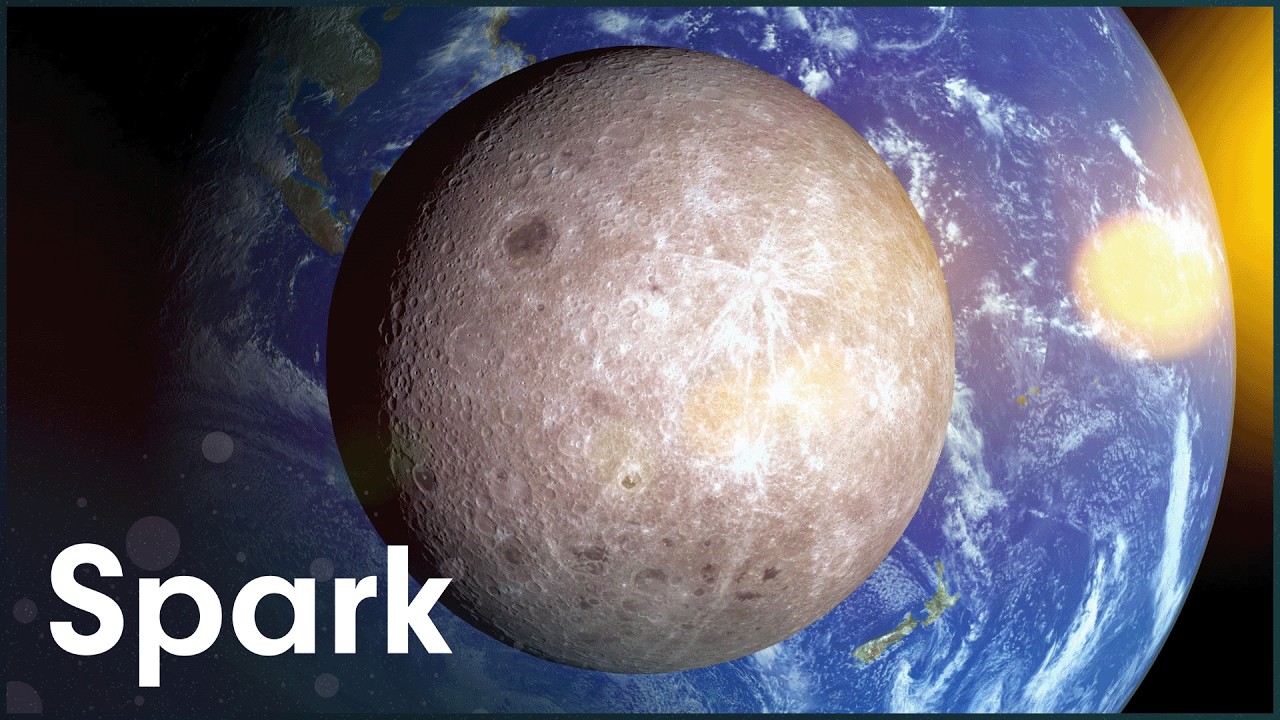
The far side of the moon, revealed by the Soviet Union's Luna 3 probe in 1959, presents a rugged landscape that challenges existing scientific theories.
The Arctic fox, Iceland's only native land mammal, showcases the island's remarkable biodiversity, including puffins, seals, and various seabirds.
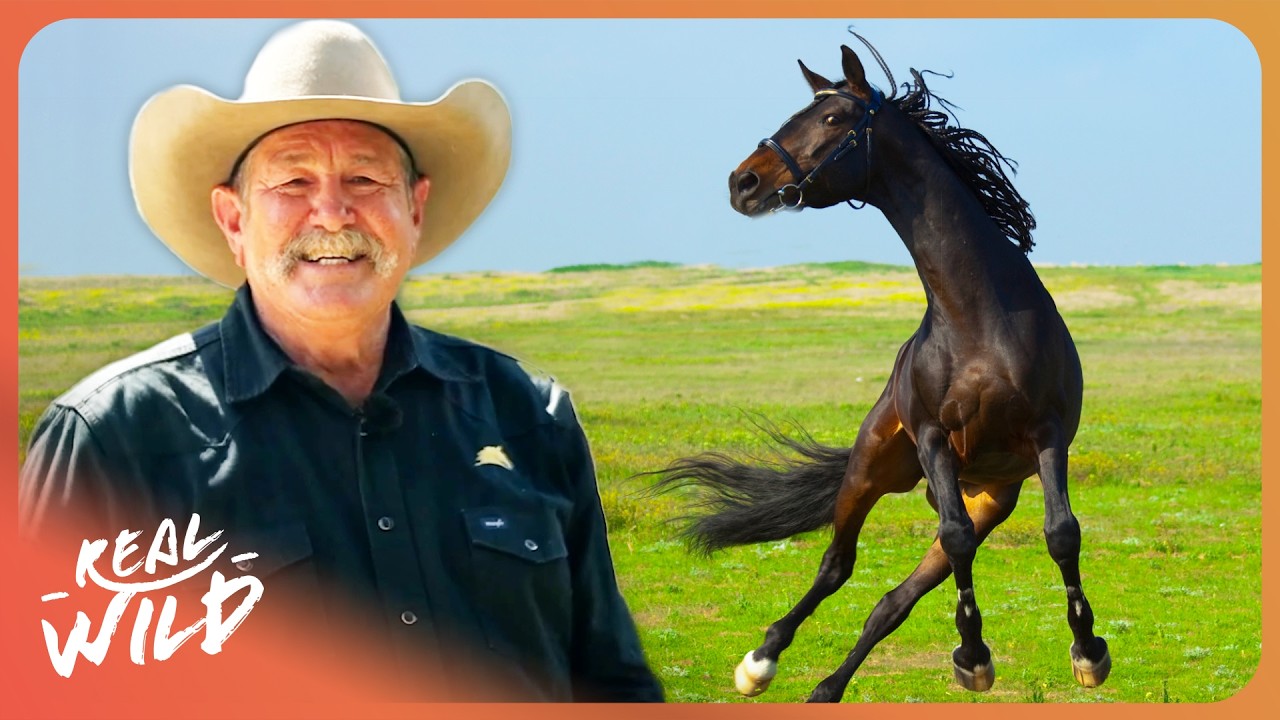
Pat Parelli works to rebuild trust with Bella, a three-year-old quarter horse, addressing her fear of the saddle after a traumatic incident.
Four young Frenchmen travel across the United States, capturing stunning images of tornadoes while contributing to the scientific understanding of these powerful storms.
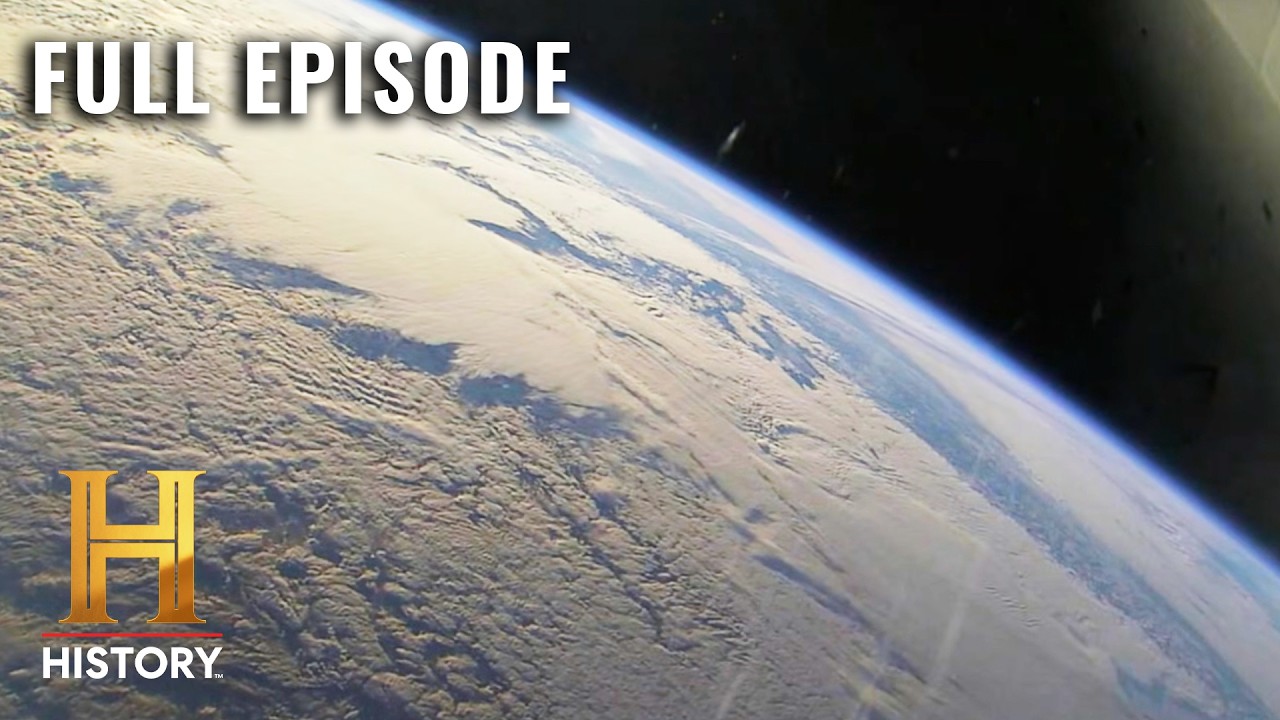
Since the Apollo 8 mission in 1968, Earth's population has more than doubled, raising concerns about the planet's delicate balance and environmental threats.
In the Namib Desert, mysterious circular patches of bare soil, known as fairy circles, prompt scientific investigation into their origins and ecological significance.
In Season 1, Episode 6 of The Universe, the formation and evolution of Earth, the third planet from the Sun, is explored through scientific insights and visuals.
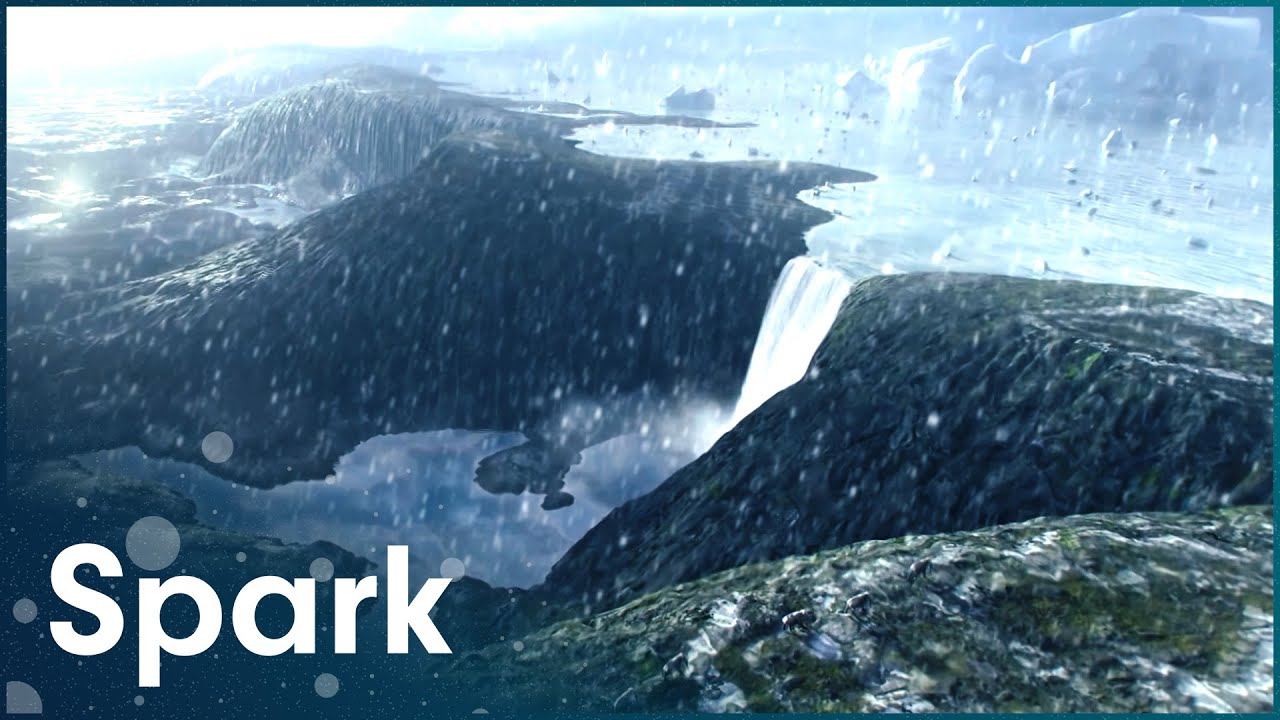
A cataclysmic megaflood 450,000 years ago breached a limestone barrier, transforming Great Britain from a peninsula into an island and reshaping Europe's landscape.
New Zealand's unique ecosystem features giant native species, including the Wetapunga insect, massive flightless birds, and two-meter-long longfin eels.
Research from political science, psychology, sociology, and experimental economics challenges the notion that humans are solely driven by self-interest.
A colony of Weavers in the Ototo Crater competes for a female's attention by constructing intricate nests and producing deafening calls.
In 1959, the Soviet Luna 3 space probe captured the first images of the Moon's far side, revealing its distinct geological features and challenging existing theories.
The Atlantic Meridional Overturning Circulation (AMOC) is weakening, raising concerns about its potential collapse and the resulting impacts on climate and ecosystems in the Northern Hemisphere.
The moon, an 81 million billion ton mass, orbits nearly a million miles from Earth and has temperatures ranging from 250° to -380°.
In Antarctica, researchers from the British Antarctic Survey and New York University face challenges as the Doomsday Glacier melts, impacting their data collection efforts.
The birth of the universe is explored through scientific revelations about the Big Bang and our understanding of celestial bodies like Saturn and Mars.
Four episodes from the series 'Secrets of the Universe' explore the vastness of space, highlighting significant discoveries and mysteries that shape cosmic understanding.
Genetically modified seeds, hailed as a solution to global hunger, face intense protests and ethical debates as they impact agriculture and biodiversity worldwide.
On-orbit observation and advancements in Space Communication and Telescopes are essential for understanding Earth's climatic systems and future directions.
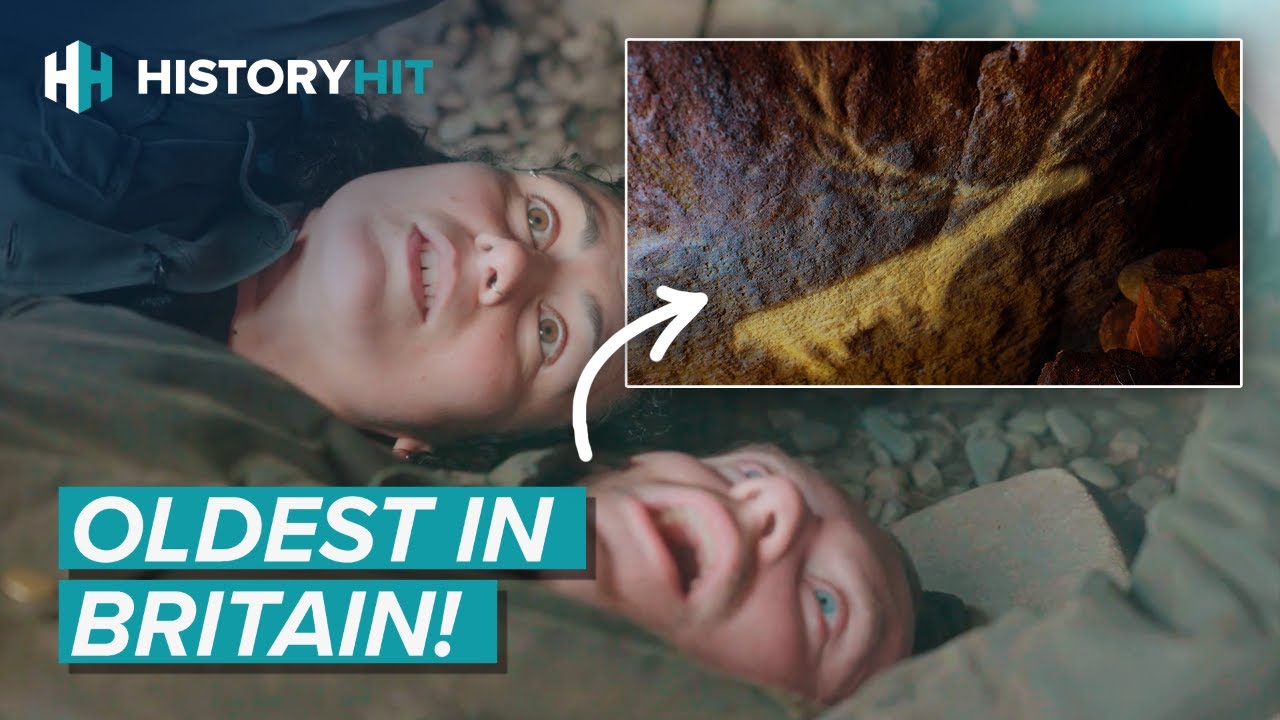
Prehistoric animal carvings, including the first representations of red deer, reveal the rich history and cultural connections of Kilmartin Glen in Scotland.
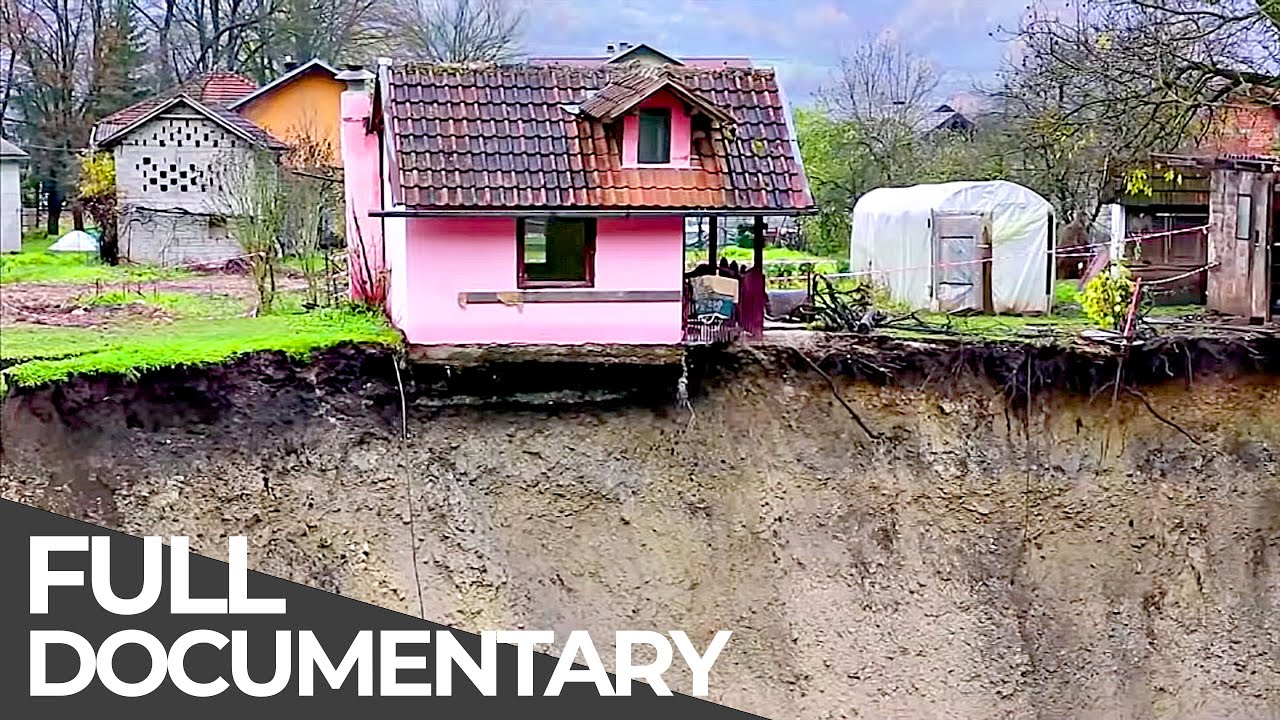
Geological disasters, including heat waves in New Delhi and landslides, can cause significant casualties and suffering, rivaling more catastrophic events like earthquakes and volcanoes.
A mother caiman leads her young across parched land in search of water, demonstrating the challenges faced by reptiles in extreme environments.
Ancient texts and symbols are examined for potential hidden messages from extraterrestrial beings, as explored in a compilation from Ancient Aliens.
Volunteers take controlled doses of the highly poisonous fly agaric mushroom under medical supervision to study its effects on human perception and emotions.